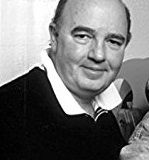
About this episode
And while we bend birches to and fro, we also bring up... Paul Bartel, color timing, he's really a chemist engineer film nerd, Herbert Coleman, 70mm, the last print that David Selznick approved, Loews in White Plains, Under the Volcano, that was something that played at the 1964 World's Fair, Jimmy Stewart, Technicolor, Singin' in the Rain, Kevin Brownlow, the studio system was a totally different atmosphere, Tab Hunter, no one really wants to know how the sausages are made, David Lean, To Be Alive, put something on the wire, Robert Frost, we found the soundtracks in a trash heap in Glen Glenn Sound in Hollywood, Douglas Sirk, east side or west side, put two or three photographs together... to tell a little story, film festivals, Merry Christmas, Mr. Lawrence, now... here we are today, you know, in the digital age - and I'm still talking about photochemical, Divine, some of the interpretations, David Merrick, money's falling out and money's coming in, Preston Sturges, Eating Raoul, sitting on the set of Vertigo, I Am Curious (Yellow), back then they didn't even have vaults, Lust in the Dust, newspapers, Zeffirelli's Traviata, there's trama and drama every day, Parade Magazine and pulling up in front of Scotty's apartment.
"We... made people aware that in 100 years of the moving image... that a lot of it was deteriorating."
For more on the Speed Art Museum, go to: http://www.speedmuseum.org/
Transcript
Automatically generated, so expect the odd misheard name.
I'm Joe Alves, and you're listening to Movie Mountain. Movie Mountain. It's showtime. The following feature has been rated R by the Motion Picture Association of America. It is intended for mature audiences and parental discretion is advised.
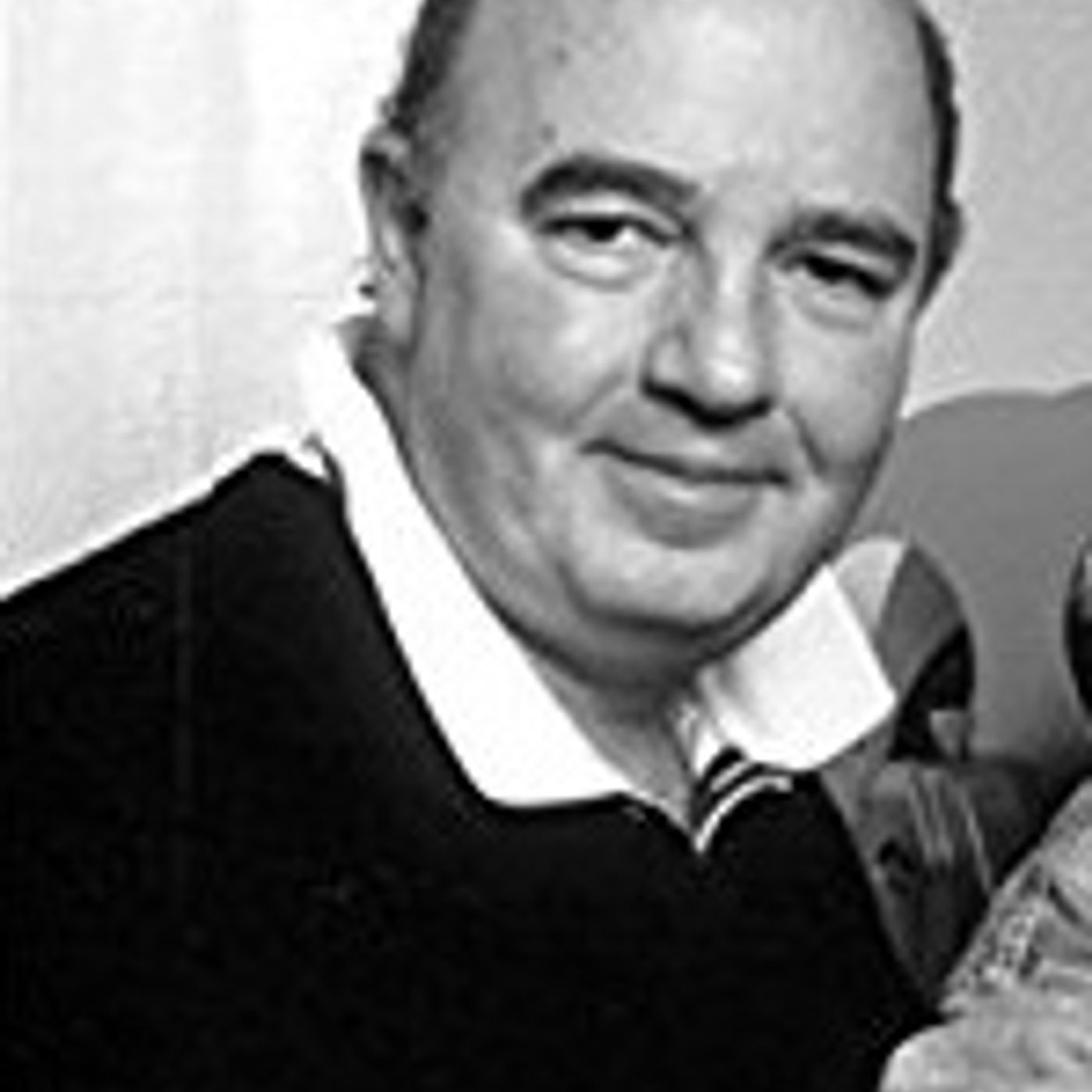
Our nuclear reactor pumping out one million. Kilowatts of power. What's up and welcome to Movie Meltdown. I'm Brian, and this week we have a very special guest. James Katz has not only spent years working in the film industry as a producer and executive producer on many projects, but more than likely his true legacy will be the impact he has made on film restoration.
James is the former president and founder of the Universal Pictures Classics Division, and he started in the early 80s by working on preserving and re-releasing five Alfred Hitchcock classics. And that led to sort of a call to action for studios and filmmakers everywhere to take notice that If they didn't take care of their classic film properties, they may not survive. Now that endeavor led to amazing restorations on a string of classic films, like Spartacus, Lawrence of Arabia, My Fair Lady, The Godfather 1 and 2, and of course Hitchcock's landmark films Rear Window and Vertigo. Which is what brings us together this week, as James is here for the Preserving Hitchcock series at the Speed Museum in Louisville, where he'll be giving post-screening discussions for both Vertigo and Rear Window.
But that's just scratching the surface of this amazing life. So I say let's delve into things a little more and get the story directly from him as we sit down with James Katz. It's a little confusing what I actually do. And I think that, you know, I've spoken for many years about this. And it, you know, it's really trying to find, talking more about restoring and preserving films.
Yeah. You know, and not being confused with having made Vertigo or Rear Window. That's, yeah, I guess with a lot of people it's, well. But it's, I think, you know, I'll take responsibility or credit for saving them. you know, when they needed saving, you know. Yeah, well, I think that's a huge part of it.
I'll definitely get to that. And, yeah, I guess we are getting to a weird area where there's normal people now who may not immediately know Hitchcock, which that seems like a crime at this point. Are you recording this? Yeah, it's up and running, so yeah. Well, I think, you know, many times, I speak at universities from time to time, and we run the films online, And I spoke, you know, about a couple of months ago at the University of California at Santa Barbara, which is a sophisticated sort of film-oriented school in many ways.
And the theater there, the Pollock Theater, is named after Tom Pollock and his father. And Tom Pollock was the chairman of Universal for several years back in the, I guess the 80s, 90s, in there somewhere. And we spoke there, and I asked, after the screening, I said, how many people have seen Vertigo for the first time on the big screen? And the whole 450 people, they all raised their hand pretty much, except for a few really old, so old people like me. And then I suddenly...
And then Tom said, he says, well, how many people have seen Vertigo for the first time? And the same maybe 350 people came, raised their hands. And people don't know who Jimmy Stewart is. People don't know, certainly don't know who Kim Novak is. Yeah, yeah.
I mean, we're losing that old, that crossover generation, I guess. Yeah, we're bringing in. So the one thing that's relevant... to all of this and obviously the reaction after seeing the films is pretty interesting you know it's very interesting especially the questions I ask and I also don't pretend to be a cineast in the true sense of the word you know I mean I obviously know Vertigo and Rear Window and Spartacus and My Fair Lady and To Be Alive. And More Than You Wanted and Lawrence of Arabia we know them all Bob and I my partner we know them all intimately you know But we, you know, I try not to deal with how many meanings the film has and whether Chris Marker thinks one thing and Peter Bogdanovich thinks another thing.
And some of the interpretations are outrageous. And you try and say, look, take it for what it is. And Hitchcock was pretty much like that. He was like, you know, he had a way about him and he had a mentality and the sensibility that's in all of his films. But he doesn't, I don't know, didn't analyze them to the extent that a lot of his audiences do.
But that happens with writers. You know, writers, when they write, don't always, you know, it takes a little distance. And creating. classes around them as a whole, almost where you need to come up with subcontext. To have something more to talk about than maybe you even need to talk about. I'll tell you an interesting thing.
I went to Ohio State University and I had a class with Robert Frost. This is in the 50s. I usually say this. I don't want to repeat pretty much what I'm going to say there on Wednesday and Thursday when we show the movies. And it's very offensive to some people.
But Robert Frost, he was like a three- or four-day course, and there were some really unbelievable people who would come in and do these short courses, James Thurber, Frost, Eleanor Roosevelt. I mean, they would have these people in for a while, and it was great. Anyway, so somebody asked Robert Frost how many meanings his poetry had. And he said, well, he said, you can bend birches to and fro. He says, that's what we did.
We got up to the top of the trees and we bent the birches to and fro. He said, I guess you could tell, you know, literally. And then I guess you could tell a little bit about my life because in New England and the winters and, you know, and all of the reality of my youth and such. He says, so maybe one or two, and maybe there's a third meaning to my poetry. He says, but I leave all the rest to high school English teachers.
Yeah. And who, and he qualified, and he said, come up with some very interesting concepts. So I think, you know, and I always say that because there's so many interpretations of Hitchcock, and yet you know about his sensibility. You know how, you know, his... take on the macabre you know his take on Bond certainly at this point you know his meticulousness and his preparation for his films in fact somebody saw him someone saw him sitting on the set of Vertigo in the corner and not doing anything and all of this was going on around him in all sorts of tumult and such And someone said, so what are you thinking about right now? What shot are you thinking about right now?
And he turned to me and said, what do you mean, what shot? I'm thinking about my next bill. Of course. I finished this one. I've already made this one.
In my head, a long time ago. Well, not only in his head, but in his storyboards. Yeah, that's true. He drew his storyboards. Everything was downtown. to the minute, to the second, to the costumes, to the sets.
And he was so involved in it that he really, I think, did have an idea. But he hated shooting on location. Hated that. There's many stories about him on Vertigo, particularly. where he would pull up and somebody would say he'd pull up are you familiar with the film? Yeah I mean you never know obviously.
So what happens they pull up in front of Scotty's apartment you know And I'm hearing this not from the internet. I mean, I met Doc Erickson. I knew all those people who, you know, people who worked on the films. Not Doc Erickson, I'm sorry. Herbie Coleman, who was his producer.
And Doc was also doing that. But Herbie was the real producer of all the films, the line producer, whatever you want to call it. And he pulled up in front of the real Scotty's apartment in San Francisco, and it was raining. And he, he looked out and, and, and Herbie said, he says, Hitch, I just got, uh, I got the master shot. And Hitch pushes down the window on the limo.
And he looks up, he says, great. He says, can you build this? And Herbie looks at him and he says, yeah, we can build this. And the next shot of Kim Novak pulling up in the white coat, uh, in front of the apartment where she gets out of her car and runs up. It's all in studio.
Can you build me the Golden Gate Bridge? Well, look what he built for a rear window. Yeah, definitely. An entire neighborhood almost. Yeah, he did.
Well, I mean, you mentioned you going to school. And I usually try to– it's funny because I have talked to a lot of actors and a lot of directors– I haven't ended up with a lot of people. I've done directors who produce, but ended up doing more producing or restoration. So I kind of still want to sort of check in with where you started from. So where were you born originally?
I was originally born in New York City and lived in Brooklyn for a time until I was about, until I was, I don't know how, this is really boring stuff, but I mean, until I was really young, and this was like in year one. So I moved up to Westchester County, went to Scardale High School, and ended up at Ohio State for various and sundry reasons. Had you already, again, looking back now, because we kind of start to find our path even when we don't realize we are. Were you already interested in the arts? Were you Immediately, like, drawn to film?
Like, what was it originally for you? I spent a lot of time at the Lowe's in the Archeo in White Plains, New York. And various and sundry art houses, quote, where we would see some pretty, you know, pretty interesting stuff. You know, and this was in the 50s, and even to the point where we would see I Am Curious Yellow, you know, which was the first swedish film where where where you could. See naked people you know groundbreaking you know so uh but i mean that was the atmosphere i grew up in and uh and uh subsequently after ohio state came to new york and uh gave a few years to my country yeah that's.
That's an important step obviously. To be in the military i ended up uh um I know, it's sort of a funny story because the theater producer, David Merrick, I don't know if you've ever heard of him, but he produced Hello Dolly, the original cast of Hello Dolly, and lots of majors. He came out to Ohio State, and I was one of the editors of The Lantern, which was the school newspaper. I was one of the photo editors. We had many in Sundry over the years.
And so any sort of celebrities or any major people like I mentioned, Eleanor Roosevelt or Hubert Humphrey or politicians or arts people or sports people... I would photograph them for the paper, or I would be around. I'd be in the mix. You'd make sure you were there. Well, I would take the pictures that ran in the paper, and then I'd go back and...
Anyway, to make a long story short, I meet David Merrick, and there weren't too many people from New York at Ohio State. And we... He would say, you know, very magnanimously, anybody I can help when they come back, if they come to New York, not come back to New York because nobody was going back to New York, they were going to New York, let me know and just come by the office. There were no texts, obviously, no emails. I mean, you know, you're a college kid, you know.
So anyway, I come back and try to get into his office on 40, I think it's on 44th or 45th Street in New York. And he didn't know me from a hole. He didn't know me from a hole in the wall. And I'm hanging out there. It was like November, cold.
And I'd go back. And I was up staying with my parents when I got out of the military. And my dad said, what do you got? I'll give you six weeks and then you're out. Then you're out.
So... I went to David Merrick's office, and I was pretty persistent, and I got to know his assistant or his secretary, as we called them in those days, but someone had been with him 100 years. And I guess she took pity on me, and she finally got me in, and I met him, and he was very nice. We talked, and he was a little crazy. And I finally said, he said, I'll tell you what, I'll give you a job on the road company of Beckett.
Beckett never went out. And here I am. Six weeks is three weeks and two weeks. And my dad was sort of serious. I took him seriously.
It wasn't like, oh, come on, I'm going to go like my kids do with me. Kick me out on the street. Come on. My kids today would say they would know that I would never really mean six weeks. They would mean six months.
That would mean six months. 18 years or so, and then I'll be out, I swear. 18 years, exactly, exactly. So I don't know what possessed me to do this or to be so ingenious because it was really by necessity. I went to Times Square.
It was just pissing with snow. I mean, it was nasty. And I looked around. There was the Rialto Theater and the Astor Theater. There's like five or six theaters around Times Square.
And I was looking around to see what. Company had the most pictures out in the theaters and i kept seeing united artists presents united artists presents you know and i looked up where united artists was and it was really right on time almost on time square it was on seventh avenue which was one street behind and i went up there into the what do you what do you call it it wasn't called human services then it was called um I don't know, the employment office. It was called, you know, anyway. So I asked if there were any jobs. And I told them that I was an English and journalism major at Ohio State.
And, you know, I just, you know, I remember I was wearing the pants of my Army uniform. Because, you know, like khakis, you know. Anyway, so they sent me up to meet. Meet the head of the writing department in what they called publicity in those days. And the guy gave me a job.
And I was writing captions for all the stills coming in off the films, you know, knocking off the... He'd write a picture, this is Angela Lansbury and Frank Sinatra in John Frankenheimer's Manchurian Candidate, you know, which is... being shot in Hollywood. To go out in, like, press kits and stuff? Yeah, they would go out in press kits and stuff, or you'd plant them in magazines and newspapers and stuff. You'd have to go out and really do that.
And there was always a tagline that Manchurian Candidate is a so-and-so production distributed by United Artists in theaters June 25th or whatever. Yeah. And so I was around all that all the time, and I didn't really know anything else. I mean, I worked at internships at a lot of newspapers, the Akron Beacon Journal, the Cleveland Plain Dealer, the Columbus Dispatch, all the Ohio papers, which were pretty formidable. Toledo Blade, I think, was one of them.
And so we had a really pretty good week here, two weeks there, three weeks there. And so I knew how the newspapers worked. And it worked very well for me because obviously in New York there were like 11 or 12 newspapers. But I knew who, I knew what a managing editor was. I knew what the assignment desk was.
I knew what the night photo editor did, you know. The real process of how it all works. And I knew enough to bring a bottle of Wild Turkey to the United Press night desk. And after we had a premiere and there were pictures of an actor or an actress going in on what we know as the red carpet today, you'd take a picture. Then it.
Was Ava Gardner or it was It was, you know, people like that, you know, of that. Frank Sinatra was very, you know, I don't know, so many of these actors. And you just go in and you sit there and drink with them until they put something on the wire. Actually, put it on the wire. Once it was on the wire and you hear, and once that picture disappeared, be out of there.
Then we'd be on to the next one. So all those newspapers, but you were never drawn to the writing part of it. It was always the other angles. More or less. Well, no, I would write press kits.
I'd write biographies of actors. I'd write synopsis of the films. I'd write captions for the photographs. And then, you know, it was sort of interesting because you'd put You know, there were magazines like the old Parade magazine or there were magazines like that. This Week was one of the magazines.
And what they would do is you would put two or three photographs together to tell a little sort of story about how terrible it was in the jungle, you know, in the jungles of Hawaii, you know, where they were shooting some movie, you know, and how... they were all drinking out of coconut shells because... Anyway, you'd make up anything. And it didn't matter really what you said because people like to look at the pictures and they want to know who they were. And obviously, when you do that and you do it enough... you know, people are influenced. They know it's called branding today.
Definitely. But, you know, it was very effective. That's how it worked. And then there were kits, press kits went out all over the country because there were 10 or 12, you know, major markets. But anyway, doing that, You see a lot of movies, you know, and you get an idea of where the negatives from the set goes.
You know, what happens to all those negatives from all the pictures, special photographers that are on the set? Where do they go? So, United Artists, they were archives, you know, a mile long. From pictures from 1958, 56 or 58, in there somewhere, because that's when this new group took over United Artists, and it was the first... distribution and financing company whose executives absolutely gave complete creative autonomy to directors and screenwriters. And all they wanted was on a certain date a film.
They obviously had situations where they would have comments on the cuts and things, but But, you know, they never, ever, never influenced any of the creative people. And as a result of that, they got unbelievable people working there. And it was, you know, from 1960 to 1975 or 76, I think it was, they had the greatest run of films, I think, ever. You know, I mean, I don't even want to... All the Spaghetti Westerns, all the James Bond films... all of the, a lot of Billy Wilder films, and then there was a Lopert division, and we had Antonioni, and we had Bergman, we had Broca, we had, but my point in telling all this boring stuff is that I was really fortunate to have been exposed to all this, and it was almost like a film school.
So, you have a different take on things, and even though I stay, I produce films, and even though I subsequently ran the marketing division of United Artists at that time until 1967. And I was really a studio executive for a while. Went off to England, produced and directed some films. I mean, I always had this frame of reference that was really, really incredible. I mean, when I look back on it, it's just things that I would take for granted.
You know, you would take for granted But not if you went, I don't know whether I would be as prepared if I'd gone to a film school. Yeah, and just that classroom every day versus this hands-on version. It was a hands-on version. But, you know, it was great. And then subsequently when I started producing and I came back from, I lived in London for nine, ten years working partially for United Artists and partially on my own and I just came back and I was offered this really great job, which was to start a specialty division at Universal, which was Universal Classics, which was the, I think, the precursor to a lot of the business plan.
You know, I can say it. Other people will say, oh, he doesn't know what he's talking about. But we were the first ones to release... specialty films, and then subsequently... You see, we did them in the 60s with these Lopert films like Man from Rio, King of Hearts, Persona, a lot of Antonioni's, La Notte. I had experience with all those films, but we were releasing them in the 80s, early 80s.
I was able to pick up films, distribute them through a network of specialty movie houses around the country, work on a much lower budget as mainstream, and then eventually, by guaranteeing distribution, we were opening funding for independent directors and producers because they knew, people who were investing in the films, because they knew that they were going to get into the theaters. They just weren't going to be sitting around like so many films today. So it was sort of a fail-safe. And we had Merry Christmas, Mr. Lawrence.
We did Zeffirelli's Traviata. We did Under the Volcano, Albert Finney and John Huston directing. We did Jeremy Irons' first film. I don't know. For some reason, I never can remember the name of it.
But there were... We did lots and lots of those films. And I never eventually got the support of the mainstream company. But then Mike Barker and Tom Bernard went with Orion and started Orion Classics and then subsequently moved into Sony Classics, which is pretty much our business plan that we had. I think it's just so interesting to... when you see people start to move into different directions and so many, again, now you have so many like film students that are just like, I'm going to be a director.
So to me, when you see somebody that like has a mindset, that's like, no, producing is, is equally as important, if not more so in some cases. So it's like when you start to just be drawn to that, I think it's kind of fascinating that you, you just at that point saw the part of it that was being put together. That was almost way more, again, more hands-on, more mechanical than the others. Again, there's so many other things that are sort of lofty about the acting and the directing, but producing is just such a set mindset of how you have to go about things. I'll tell you something very interesting about that, though.
First of all, just to go back, the classics division that I ran at Universal from 80 to 86, I think it was, 85 or 86, part of the mandate was to. Maximize the library yeah you know we were how do you get things what can we remake you know what can we it's not unusual today you know but even then you know because in universal owned the pre pre-48 paramount library which they bought for nothing you know and uh we would we would and i put together at that time a preston sturgis package you know uh We did a Douglas Cirque package and released them to sort of mainly in New York, San Francisco, L.A. Those were the main Chicago, the main cities that they would play a film a week, say there were five films.
They had the choice. They could play one a week for five weeks. or they could play one a day for five days, five for five weeks, you know, or four weeks, whatever the deal was so that they could, we could at least get our money out of it in prints, advertising and stuff like that. Although they, they did that for the most. Um, and I also knew, you know, lots of little cities. I had relationships with people, uh, uh, that, that, that made it all, uh, worthwhile.
But, uh, What happened was, and this maybe will get us back on track, and I can say how we're here today. One of the things that was... pending was five Hitchcock films that he left to the family. And they were Rear Window, Vertigo, The Man Who Knew Too Much, Trouble with Harry and Rope. So those five films were being negotiated by Universal Studios for television. And they wanted to put them on TV.
They hadn't been seen on the big screen for 17 years. And I said to my boss, I said, you know, let me take those out like these other things. I said, these are really going to do, people are. Going to go nuts for these. And that's when the light went on in my head because they were in the worst condition you could ever imagine.
The worst. And, you know, they thought they could put him out on, I mean, on DVDs, not even on DVDs, they were going to put him out on VHS or beta, you know. And that's what was so funny about saying to Dean today that the poster that he has are not anything to do with really what we're showing this week. That was the VHS poster. That was the VHS poster.
Because, yeah, I remember selling them. That's how far back I remember doing this. I remember when that box set came out, more or less. And what we did, we packaged all of those films with the same profile of Hitchcock on them, only changed the name. And there was a great, I don't know if you've ever seen it, but there's a trailer out.
I'm sure it's on YouTube or somewhere. It's the reissue of the five Hitchcock films in 1984. And it's Jimmy Stewart narrating it. Yeah. Again, wasn't it on the front of those?
Because I do think I remember playing it. With Bernard Herrmann's music from Vertigo in the background. I thought it was a six-minute trailer. And it went into the theaters. And the trailer got such great response that I figured we were onto something.
He was one of the great geniuses of the movies. He was the master of suspense, romance and the macabre. He was the remarkable Alfred Hitchcock. This is Jimmy Stewart and I want to tell you about a very special event. The return of five Hitchcock pictures unseen for more than a decade.
Five films from Hitch's private collection. Vertigo. Kim Novak is my co-star in this haunting tale of a detective obsessed by a woman from the past. For a lot of people, Vertigo is the ultimate Hitchcock thriller. The man who knew too much.
On vacation, Doris Day and I become the victims of an international conspiracy. It all leads to London's Albert Hall and a single crash of the cymbals. Nothing will ever hold you like Alfred Hitchcock's rope. Farley Granger and John Dahl are engaged in a cold-blooded experiment in murder. Where's David, Philip?
I don't know. What? Brandon knows. Does he? Doesn't he?
Not that I know of. Oh, come now. I don't. And I may be the cause of their twisted crime. I told you we'd find out.
But oh, no. No, you have to have him here. And now we're done for. Now it'll shut off. You made me do it, and I hate you.
I hate both of us. And then there was all that trouble with Harry. Those feet belonged to Harry, the corpse who won't stay buried. What seems to be the trouble, Captain? Well, what you might call an unavoidable accident.
He's dead. Yes. Now, who said that death couldn't be funny? This wicked comedy stars John Forsythe, Edmund Gwynne, and Shirley MacLaine in her first film role. And finally, my own favorite, Rear Window.
I play a wheelchair-bound journalist observing life across the courtyard. My girlfriend is the enchanting Grace Kelly. Where is that wonderful music coming from? Some songwriter over there in the studio apartment. I've seen it through that window.
I've seen bickering and family quarrels. And mysterious trips at night. Knives and saws and ropes. And now since last evening, not a sign of the wife. All right, now you tell me where she is.
Let's go down and find out what's buried in the guard. Why not? To me, this is Hitchcock at his best. Leder! Dial!
I hope you'll join me in welcoming back Vertigo.... The man who knew too much. Rope, The Trouble with Harry, and Rear Window. Experience the genius of Alfred Hitchcock. Yes, folks, it's intermission time.
So how about taking a break? Get out and stretch a little and relax before the show begins again. And why not make it refreshment time, too? We have lots of tasty, delicious treats waiting for you at the refreshment center. There's hot popcorn, so golden good and fresh out of the popper, and all kinds of refreshing ice-cold soft drinks.
So why not visit the refreshment center now? Our courteous attendants are ready and waiting to serve you with a wide and wonderful variety of good things to eat and drink. Keep organizing these fun conversations about film, and keep booking amazing guests. So just go to patreon.com slash moviemeltdown or go to moviemeltdown.com and the link is right there at the top of the page and you can help keep the show going. Plus you get exclusive episodes every month just for club members.
So go to our Patreon page, join the Meltdown Club, become a Melketeer, get cool stuff, and keep the Meltdown rolling. Damn the man. Save the Meltdown. Hi, this is John Waters, and you're listening to Movie Meltdown. You better keep listening, or I'll have you killed.
It's part. Of your. Problem, you. Know. You haven't seen enough movies.
All of life's riddles are answered in the movies. And now, on with the show. So 1983, we are collecting everything and anything we can on those films. And 16, 35, I mean, anything you can. And trying to put together a print that we can go to inter-positive, inter-negative, and back to inter-negative so we can print off it.
And they were just terrible. But they were on the big screen, and people were thrilled to see it. And then the idea was to go and put out these VHS packages, which we did with those posters. Yeah. And the boxes all looked the same.
Yeah. And the Hitchcock family were represented by a really tough agent. And they negotiated a very large percentage of theatrical for audience, for the Hitchcock family. And... TV deal was structured on the TV deal but they said you know alright we'll put them out theatrically and you can have I don't know 30% 35% whatever it's of the gross because they didn't think anything was going to happen well 60 million dollars later 60 million dollars later where this even This even overran clearances in New York City where you could play the east side or the west side.
One chain had the east side and the other group had the west side of near Lincoln Center and some had The Village and Downside. But they never... If you got in that sphere, you couldn't go in there and play the other side of town. You would have a choice. That's the system, yeah.
Well, so many people wanted to see this, and there was so much money out there for all of them that they waived the clearances. So Dan Talbert's theaters around the Lincoln Center Cinemas and the Cinema One, Cinema Two, which were the big six... the big art houses on the east side. And, you know, we had Uptown. They played everywhere. And that set the tone for the whole country.
And they did really well. And then they set the tone for Europe. And they played all over the world. And it was really amazing. Subsequently, I don't know, I met Bob Harris, my partner at that time, because...
He was working on the, doing restoration work with Kevin Brownlow. I don't know, you know who Kevin Brownlow is? I've heard it, yeah. Anyway, Kevin Brownlow was, had this, he directed and produced some films. He's a Brit.
And he was obsessed with Abel Gance's Napoleon. And he was, he was finding pieces every, he's still working on it. To this day, he is still working on it, and they're finding places, finding stuff. Anyway, that went out with a live orchestra, I don't know if you remember that, in the late 80s and early 90s, and Francis Coppola's father wrote a new score. But I met Bob then, and they were trying to do a deal where after the live orchestras played the show... that we would find a way to release it, like at the Cinerama Dome in Los Angeles, or Cinerama theaters around the country.
And we were working on ways to do the trip ticket. Have you ever seen that film? I don't think so. There was a trip ticket, silent movie, and they had a soundtrack. And it was a really big, sort of spectacular, and it played, you know, very like the Chicago theater.
It played the... I think it played the Carnegie Hall or something. I think it did. But anyway, big theaters like that. You know, this Shrine Auditorium in L.A.
And we bought it for the distribution in 70 millimeter on with a soundtrack. So that was, anyway, that's how I met Bob. And I said to him, I said, you know, and he was, he's really sort of a, chemist, engineer, film nerd, you know, but he knew all about that stuff and he knew all about, you know, the various aspect ratios and he knew about color timing and he knew about technicolor and he knew about all these things. And, you know, I said, Bob, you know, we just put this stuff together and it's like I mean, if these five Hitchcock pictures are in such terrible condition, and they're at. Iron Mountain Storage in L.A., where it's 100 degrees during the day and 50 degrees at night, I mean, that's not even good for people.
The best place to store cellulite. What can we do? I mean, can you imagine what else is out there? I mean, that's in terrible condition. You know, we try to figure out what. what the films at the, you know, had the greatest, were at risk.
Yeah. You know, and then I went off, he went off to do Lawrence of Arabia, which was a director's cut with David Lean. It wasn't a restoration per se, although they did save a lot of it. But he worked with David Lean on the director's cut of that, which was brilliant. And it was a huge success out as well.
And I went off and produced two or three movies after I left United Artists. Was that The Lust of the Nest? That was mine. The Paul Bartel is so fascinating. I didn't know how you got involved with him.
Well, Paul was always a friend of mine. He was a neighbor of mine. But anyway, I'll get to that in a second if you want me to talk about it. Yeah, definitely. But that's when we realized that how many films were really at risk And we realized that the ones that were at risk were 70mm films that played in special engagements around the country at holiday time, Christmas time.
And the film in the projection in Kansas City had to look as good as it did in New York. Because they were charging more money and they were. There were intermissions and, you know, all sorts of spectacular-looking, you know, projections and such. And we realized that large format was the real problem because they made all of the prints, sometimes up to 300, 400 prints, off the original negative, which meant that the first week that– say, My Fair Lady, which we had done after all these Hitchcock films, the first week after that went into the theaters, some projectionist is going to screw up, and you're going to be having to splice new sections into these films. Every time you do that, you're moving one generation away, so it's more of a problem across the board.
And.... Then the negatives would go through to make the replacement pieces and then screw up on the negatives. So anyway, one thing led to another and we decided to do that and found a real friend in Tom Pollack who I met and worked with a couple of weeks ago because he's the first one. I went back to Universal and he gave us the money to do the restoration on Spartacus. And then we were in unknown territory.
So... Now, do you want me to talk about Paul? Yeah, since that sort of veers off at that point, I guess, yeah. Well, what we did was we did Spartacus. We did Vertigo.
We did My Fair Lady. I think we did Spartacus, maybe. I don't know what order it was. My Fair Lady, all straight 70s. Then we did a film which was for Johnson's Wax, which was a 360-degree called To Be Alive.
And that was something that played at the 1964 World's Fair. And it's playing up in Wisconsin somewhere. But it's one of those, it played at the World's Fair. It's a 360 thing. Yeah, Gatlinburg had one of those for years.
It was really interesting to do that. Then we did, and Bob had done, I'd come in at the end of Lawrence, and he had done that first. And then we did Rear Window. which was not really a true large format film, but it was in such terrible condition that they asked us if we'd take a shot at it. And we were dealing with, there was a new three-strip, there was sort of a resurgence of three-strip Technicolor at that time, so it seemed like a good match. But anyway, the rest now is here we are today, you know, in the digital age, and I'm still talking about photochemical.
So that gives you some idea of how things progressed. But anyway, to get into my other life, in the 80s, I think we were at, what, the Cannes Film Festival or somewhere, and we were, I was with UA, and we were going there to buy Merry Christmas, Mr. Lawrence, the film that David Bowie was in, you know, Ryuichi Sakamoto. Yeah. And, you know, it was Tom Conti was the actor in it.
And it was directed by Nagisa Oshima. Yeah. Very famous Japanese director. Anyway, we went out and we went to try and buy that. And we always went to the film festivals to look for new products, especially, you know, European stuff.
And I'd known Paul because he was working with Roger Corman, and he just became a friend of mine. I don't know how it all happened. He was there with Eating Raul. Yeah. And eating Raul was, you know, it, it had sort of a cachet that was, it was catching on.
And I think Fox picked, I think, I don't know whether Fox financed it or picked it up, whether they picked it up at the fist festivals and stuff. Anyway, so we went, I was talking to him about, you know, and, you know, parting my marketing wisdom, you know, on that film. And, uh, And we talked and got to know each other. We found out we lived near each other in L.A., and I knew people who had worked with him at Quarman's. And, you know, to make a long story short, we started to work on Lust in the Dust, which was sort of conceived by Tab Hunter.
Yeah. And who we also knew, my wife knew him actually better than I did. And his partner, Alan Glasser, was trying to produce this film. And, you know, there was one day you have money, one day you don't have money. And then you tell them what it's about and they say, are you kidding?
And then everybody thinks it's a John Waters movie. But it wasn't a John Waters movie. To this day, I think people still mistake it for one. John was supportive. We picked his brain a lot.
But the main thing was he didn't ever want to work on anything he didn't write and conceive. But he thought it was a very funny idea. And we were looking for something different for Divine. And that was, I can tell you honestly, all the films I've been on, all of the ones I've produced... It was the most fun I've ever had on.
A movie set. It was just outrageous. And we were down in New Mexico, in Santa Fe, and we were shooting on the set of the Cheyenne Social Club, Henry Fonda movie. The set was left there. We were just like in shambles on this guy's ranch.
And we were down there for 32 days, and Somewhere in the early stages, you know, they just couldn't find a director. And then suddenly I said, you know, this could be great for Paul Martel, you know. And I knew he'd get on with Divine. Yeah. And it was just a match made in heaven.
But, you know, Tab had very specific ideas. ideas as to how this was going to be made. So you bring in a director like, oh, you know, this is crazy. They were both crazy, and the innuendo on that film was, you know, it was just mad. But anyway, there was a detente, and we made, I think, a pretty funny film. I mean, I think I watched it a couple of months ago, And they said to me, well, you know, you're married.
You have six kids. You know, I know Marty. How come you made two gay movies? And I said, I never thought of them as being gay movies. You know, I never thought of them in those terms.
I thought they were funny movies, and Divine was just hilarious. I mean, maybe we were a little ahead of our time, because after that, I did scenes from The Class Struggle in Beverly Hills with Paul. Yeah. And that was equally funny. And we shot around Los Angeles.
And, you know, it was a really good experience. And then I went off and did another couple of films, one with Beth Henley, which was called Nobody's Fool, which Beth Henley wrote, and Rosanna Arquette was in it. And we shot that in Arizona and stuff. And I didn't really like... producing that much, quite honestly. You know, I'll tell you, some people thrive on it and want to do it.
But to me it was, you know, oh, God, here's a great project. You know, I really like this. And I option it, or any producer options it. And then you try and get an actor attached to it or a director attached to it. And then you go out and you try and raise some short money.
And then if you're lucky, you go out and raise some long money and try and get it together. And money's falling out and money's coming in. There's one trauma and drama every day. And then you get on set and you say, shit, I've got to make this movie now. I've just been out there for six months, whatever it is, sometimes years.
And you're raising money and you get it together and you get your completion bonds, which you had to get then. Now it's a little less complicated. And you've got to get great deals at the labs. This was all film. Yeah, it was still actual film.
And if you lost a few days, it was expensive. You had to shoot film. Even though now everybody thinks digital is much cheaper, but it really isn't that much cheaper because once you get into post, you still have it. It picks back up. Yeah, you invest it in a different way.
Yeah, you have other problems. So anyway, so you do that, and you finally get it, You know, you finish shooting. And most directors, I don't care how good they are, most directors think that the last day of shooting is the end of the movie. If you're not the editor, that's true for them, I suppose. I mean, I think they understand the editing process.
I mean, the editing process is the next step. But post-production is. It's someone else's problem. It's a lot of problems. You know, getting it from that final cut, that director's cut, You've been working on it forever.
Then it's the only business in the world where you have to sell it to investors. Then you make the movie. And you've got to sell it to actors, and you've got to sell it to directors. Then you make the movie. Then you've got to sell it to a distributor.
Then you sell it to the distributor. And then you've got to sell it with the distributor to the exhibitors, to the theater owners. And then you both will have to go and sell it to the public. That's why I'm so fascinated by that industry because it is such a fight from day one and it is just, it almost never ends. As you continue on.
Well, then you have to be working on the next project. And then you finish, it gets into the theaters and you go to the premieres and you have the dinners and all that. And you sit back and you say, do I want to start this all over again? Some people thrive on it. Some people love it.
I mean, I remember Joel Silver... People like that, you know, producers out there now, present day guys, they just feed on it. They just love it. And they love dealing with the agents, and they love dealing with the studios, and they love it. But it really wasn't for me.
And I was getting older, you know. I mean, you know, it's not a business for... the faint of heart, or anyone over 45 or 50, unless you want to take the studio route. It doesn't offer much leisure time. Well, it's just, you know, it's just not, it's a young person's business. So anyway, then I reconnected.
I did three or four films, I don't know. And then by chance, I reconnected with Bob. And we said, let's see if we can't. Get this money and do Spartacus. And Tom gave us that money.
And then we got into the 90s. From 88 to 2000, 12 years of my life, we managed to save five films. Yeah. Which is amazing, but it's such an investment. So it is.
But, you know, you don't figure that. Yeah. And I remember we were doing Vertigo. And we were shooting Cutting Room 23 at Universal. And one of the things they were doing at that point, they were building the Jurassic Park ride.
Yeah. And they were testing it. And we're trying to do music, Bernard Herrmann score, against the background of, you know, digitized music tracks and trying to match the tracks. And there were all sorts of problems, which is what I'm going to talk about here. Are you going to see the movies here?
Yeah. I'm going to talk a little bit about that. And all we heard was... And finally, we started to work from 4 in the afternoon, 5 in the afternoon, until midnight, 2 in the morning. And we did very well at night.
Just because the dinosaurs wouldn't shut up. But the process is probably a little bit of what I'm going to talk about. But I think when you talk about things like that, someone says... how do you restore a film, you know? I said, do you really want to know? I said, yeah, yeah, well, let's meet up for a minute, party or someone's house.
And then about two minutes into the explanation, I see them looking over my shoulder at who's coming in the room. I think I've got a call. Hold on a minute. And my wife kicks me under the table and says, you know, Because nobody really, you know, nobody wants to know how the sausages are made. I mean, again, I think it depends on how hardcore of a film geek you are.
But it is one of those, I do wonder what becomes more of your time, or is it a mixture of everything? Because there has to be so much of it that is you on the phone and now sending emails and just dealing... with legal and rights issues, plus then there's the physical tracking down actual. You mean on restorations? Yeah, on restorations. Well, on restorations, you don't usually get into it until you have on your side the owner of the film, the owner who owns the rights.
But, you know, today, every studio has a preservation, restoration archivist on site. Back then, they didn't even have vaults. They had some vaults, but mostly filled with TV shows, you know, especially Universal. But they didn't, you know, and don't forget, you know, back when we were doing this, the old film studios, We were finding that soundtracks would be in one place. The picture would be in another place.
The negative would be in another place. They didn't care because nobody wanted to pay storage. They didn't want to pay the storage. I mean, my fair lady, 14 cans of positive go from that sink over to here. 14 cans that are that wide, you know.
And the one thing they didn't want was... was to pay the storage on it, so they didn't really care. So I think that we awakened them to that extent, you know, where we got them to be conscious of their libraries and what the dangers of it all were. And then there were a lot of people like Marty Scorsese and Spielberg and people who were aware of film history, you know, came into the picture and Marty started his film foundation. And they were working on different types of film. I mean, we were the ones who were working on large format, but they were doing things that were very interesting, mainly black and white, but which you just need to do a fine grain.
You know, it's a little cheaper and a little, you know, but still very important. A lot of the black and white stuff was there. And then there's tons of nitrate, which is at Wright-Patterson Air Force Base and in the salt mines out in Kansas City. I mean, it's all over because it's so combustible. And...
You know, so we put all this stuff together and made it, I think we gave it, made people aware that in 100 years of removing image, that a lot of it was deteriorating. And we, you know, we better, you know, so we, I think we sent that message out. And we worked out lots of ways to do the restorations and deal with products. And we would start off with, with just what was best left on the negative. And then at certain points, if they had color separations, we would use the color separations to register aspects of the show.
And then with each film, the digital technology was getting more and more sophisticated. And on the opening sequences of My Fair Lady, we were able to reconstruct the entire opening sequence you know, at 4K, 6K digital. And now I'm a little worried because everybody is basically restoring films digitally, but we don't know really what the shelf life is, since we didn't know VHS. Digital deterioration. You know, VHS, well, it's a different kind of deterioration.
Yeah, but it's still there. It's still a possibility. And the product is... increasing, increasing, increasing. There's more and more films. So what we did was I think we gave them the basis from which to make elements which would give them a digital negative, digital information.
And from that, no matter what the technology, they would be able to recreate the image. So it was a long ride, and it was very... very interesting. And I'm trying to explain what we did. And, uh, I guess you were learning as you went to, I mean, you didn't know any of this coming in. It was totally, you know, I can't, I don't want to get into it all now, but we were dealing with, you know, we're dealing with three strip Technicolor.
Then we were dealing with Eastman color because technically Eastman color really sucked because I mean, it was, you know, it was, uh, it, it didn't have the, uh, um, longevity didn't have the life that three strip did, but you know, three strip was getting expensive and it was becoming this dinosaur, you know, and then they tried it in the, I think it was probably in the nineties. They, Dr. Dick Goldberg, uh, who was a technicolor and a couple of other people thought they could rejuvenate, um, the three strip process. They thought it might work and it might be a good marketing tool, but it also might, you know, uh, leave elements that were more substantial than the Eastman color. And one of the problems, I mean, there were problems, but one of the problems was that directors, you needed a six-week window from the time you locked the film till the matrices were ready, you know, and printing, you could start printing.
And no director could and I'll say this, Marty Scorsese was one of them, and he wasn't alone. They couldn't lock the film six weeks before. They couldn't stop touching it, you know? And they couldn't walk away from it. And as a result of that, you know, the release dates were missed, and it just didn't turn out to be a viable process.
But subsequently... You know, the digital, you know, you could put stuff through telecine machines. Now it's even more sophisticated than that, and I don't even want to get into it because it's like, you know, it's even more radical than going from stick shift to automatic transmission. Yeah. Well, now that there's so many more people doing it, like you said in the beginning, you guys were kind of the forefront, the only ones doing that kind of restoration.
Now that you see so many like what was DVDs and now Blu-rays being made as these new remastered or at least turned into some new digital print, I guess do you feel glad that there's other people out there that are kind of able to keep it going from this point on, but is it also a good version? Listen, I'm pushing 80. So I'm telling you, I'm glad we did what we did. I think we called attention to the problem and pretty much in many instances forced the studios. Paramount was one of the first who really built an incredible vault and so did Warner's.
And now everybody's got it and everyone's aware of it and aware of the of all of these, these things and all the problems that are, uh, are, are, uh, exist with, with digital. So people are aware of it, but there's so many films being made, you know, there's always the selection. What do we say? What do we don't? And, uh, you know, so that, that's, you know, I'm glad people should, you know, you're really glad that they're, that they're aware of it and are, are, you know, the cream rises to the top of it.
You know, And I think that we, you know, proud of what we did. And, yes, we were the transition from photochemical to digital. You know, and we worked with a lot of people. You know, we worked up to 6K digital. You know, now, you know, 2K is sufficient.
Yeah. And 4K is amazing. But I'll tell you one story. It's funny. My wife and I, we went to the Motion Picture Academy one night in California, and we were going to a screening of Singing in the Rain.
New digital, yeah, new digital, you know, presentation. In the audience, Donald O'Connor was there. Debbie Reynolds was there. I don't remember whether Gene Kelly was there. Stanley Donnan was there, the director.
Anyway. Anyway. And up on the screen is this unbelievably crystal clear picture that had absolutely, to me, no resemblance to film at all. Yeah. It looked like a sitcom.
It's kind of unnerving seeing it, those first times. Now, most people in that audience said, wow, wasn't that great? And, you know, obviously the people in it were thrilled, you know, like this is forever, which it's not. And then it just opened up a whole new ballgame because it wasn't true. It wasn't a film.
There was no grain in it. It didn't have that look. And, you know, another thing, when you're doing restorations, there's a lot of big responsibility in doing that because when you are taking, you know, like I remember seeing a 1954 print of Gone with the Wind, which was the last print that David Selznick approved. That was the last one he approved. So we know that's what it was supposed to look like.
Now, in 1989, I think it was the 50th anniversary of Donald Trump. They double-boxed it for that. One, too. But the guys who did it, they made it look like they thought the audience wanted to see it. Not the way it was.
And they were using tech you know, technology that couldn't really do what the three-strip Technicolor did in 1939. And as a result of that, it was... It didn't look anything like Gone with the Wind. Yeah. So what we were able to do...
You know, we didn't do it. We did tests on that and stuff. But, you know, 1939, you had Gone with the Wind and The Wizard of Oz. And The Wizard of Oz... was a really vibrant yellows, greens, blues, silver, you know, the Tin Man and all. And it had a look to it with three-strip Technicolor.
On the other end of the scale was Gone with the Wind that did grays and black velvet against green velvet now. And, you know, rich skin tones and... very sort of a sepia look to it you know and you could do that with three strip technicolor but you can't do it you know just throwing it through a machine and not being aware of what not being aware of what responsibility you have to the film little of that with Vertigo which I'll talk about I won't talk about it here but I'll talk about it there you know, about some of the responsibilities we had, and purists, you know, saying that we did this, we shouldn't have done that, you know, and yet they don't know really what elements we have to deal with, but at the same time, it's always on your mind as to what to do, and with Vertigo particularly, we had discussions on, we found the soundtracks in Trash Heap and Glen Glen Sound in Hollywood, you know, and we had all sorts of, problems getting the soundtracks ready.
And you know, when you do a restoration, you're working on a picture, and then you have to work on soundtracks. And then you might not see them together for maybe four months or five months into the process. So anyway, I'm really curious to see what the take on it is here. I think there'll be a lot of people who haven't seen it. I think there'll be a lot of people who don't get it.
And I think there'll be a lot of people who are... you know, who enjoy it. I think that they're two really interesting pictures. They're, you know, different types of films, Hitchcock films, and they're coming out of an era from 48, I think, until probably 1960, where you had, you know, they'd make two a year. You know, you'd have Rope in 48, and then you had. I guess I think you had Dial M for Murder.
Then you had Vertigo. You had Rear Window. You had North by Northwest. You had Catch a Thief. All in like six years, five, six years.
His body of work is phenomenal. So anyway. I mean, do you still. Think about working on new stuff? Or have you gotten to the point where you like doing this end of it more or trying to make other people do it because it's a lot of work?
Well, you know, I work with my stepson who's an actor. And, you know, it's all right. But, you know, times change. You know, I love watching movies. I've been in the Motion Picture Academy for 51 years now.
I keep saying I peaked early. So I got asked to join when I was pretty young. And, you know, I'm on the nominating committee for foreign films. And touch wood, I'm in reasonable shape. And I got a great wife and six great kids.
And we go around visiting 12 grandkids. And I'm not really too interested. I mean, I think... People will call and I'm flattered when they ask if I'd come and talk about it. But I have to put in perspective really what I'm talking about.
And that it's without making it sound like I'm giving my eulogy, for lack of a better word. I think it is important just, I mean, specifically what you guys did in the early days, Because it is, I mean, there really wasn't anybody actively, like it seemed like it didn't even concern studios for maybe the entire run. Up until the 80s. It didn't because there were so many elements, you know, from financial and distribution problems. And, you know, but the, you know, don't forget a lot of them were made in the studio system.
And the studio system was, you know, it was a totally different, uh, atmosphere, the, you know, now you have, you know, actors are different. Everyone's an independent contractor. It's not a system. You know, and distribution for sure is different. Yeah.
And, uh, there was also nothing to do with them then. Like pre eighties, there wasn't any other market where we got VHS. It changed the entire industry. You know, it's nice to be able to watch TV screens again. I remember going to places in L.A., you know, some of these first multiplexes where I got a bigger TV screen at home than I go into the theater.
They're not much different anymore. I don't particularly like watching movies at home. I do, obviously. There's a certain... convenience and we get screeners from the academy so that's sort of nice to have that yeah but i still try we still try and go to the theater as much as we can the only difference is now uh at my age i can go tuesday afternoon. Sadly that's where i am too i like saturday mornings that there's one here that does one like first thing when they open like 11 i'm like i like and i don't fall asleep in So I'm right there with you, as I said.
So we do that, you know. And like I say, I'm happy to come around and talk about things. And Dean's great here, you know, at the speed. And I think that he's really breathed life into this whole cinema program. A great kind of revamping since he's taken over.
Yeah, well, I didn't know what was here before, but I mean, I know what's here now. And, you know, I hope I can. way more active just I know living here I know they've had you know but ever since he moved in and they rebuilt the new theater it's yeah it's a whole different world more or less so I'm glad you've become a. Part of it well thanks. Thank you for talking with us today I think I'm talked. Out I don't like I hope everybody can stay awake for the entire broadcast I think so.
I think so but yeah thank you thank you for being. With us man thanks for having me no. Problem So a huge thank you to James for taking the time to sit down with me and letting all of us share in his amazing life story. I don't think he gives himself enough credit that he has played such a pivotal part in preserving not just those specific films, but also setting the wheels in motion to preserve all films. Or hopefully so.
We shall see. Also a big thank you to Dean Otto, who you heard us mention there. Dean is the curator of film at the Speed Art Museum, and I definitely couldn't have put this episode together without his help. Dean came on as curator going on about two years ago, and he has sort of revitalized the film program at the museum. And I, for one, and seemingly many other filmgoers, are glad to see film being brought to the forefront of this, or any museum, and seeing the medium get treated as a work of art, because it is.
Sometimes that gets overlooked in the world of blockbusters and opening weekend grosses, so it's good to have people working to showcase some great cinematic works of art. So if you can get yourself to Louisville, come check out The Speed. It's a terrific museum overall, and of course there's the impressive film program. To find out more about the museum and to see some of the upcoming projects, go to speedmuseum.org and come out and support what they're putting together. All right.
Otherwise, that about does it. We will return next time. Same geek feed. Thanks for listening. The Lone Ranger. without droning on I assume you'll be able to cut this.
Down this episode is a production of Movie Meltdown produced and edited by The Oddity Studios, with opening music performed by The Empires. For more on how to sponsor or support the show, email producer at moviemeltdown.com. Talk hard! This program is a proud member of the Battleship Pretension Fleet.