
About this episode
Listen as we revisit stories of his early days of shooting films in his hometown, specifically, the newly restored and rereleased Multiple Maniacs. And just how this kid from Baltimore got together with his friends and inadvertently came to offend so many people over the years. But along with these crazy stories comes some wisdom. So as John goes out into the world and talks to people today... does he hold the key to living an interesting and fulfilling life? Listen and find out for yourself.
And as we bask in the cultured luster of Janus Films presents, we also discuss... The Cavalcade Of Perversion... on their front lawn, shooting on 16mm, it's like a hostage video, smoking pot and taking acid, lobsters are scary, the Theatre of the Absurd, tawdry, they look like snuff movies, it was my monster movie and Divine was the monster,there was no art direction in there, Edward Albee, in black and white, we were all kids that were in trouble in suburbia, There were no laws really against that, the Theatre of the Absurd, that was a friend of mine that was a junkie, I was just so thrilled you could see it and hear it, oh God no wonder my parents were uptight, she started sobbing and screaming, we weren't really like that... but our humor was really like that, the judge read us a poem, in my LSD'ed mind at the time, with those two big Mickey Mouse ears, we wanted to be hippies and beatniks, magnetic stripe sound, which at that time was fairly radical, the stations of the cross, it was a joke on an exploitation movie, she was kind of goth before there was such a thing, Conspiracy To Commit Indecent Exposure and Lobstora. Spoiler Alert: While we talk extensively about Multiple Maniacs, I'm pretty sure you can't really 'spoil' that movie. You just need to see it yourself to truly experience it. So go watch Multiple Maniacs!
"We didn't have permits, we didn't ask to shoot. We just hit and run!"
Transcript
Automatically generated, so expect the odd misheard name.
My name is Brad Dourif, and I'm listening to Movie Meltdown. Movie Meltdown. It's showtime. The following feature has been rated R by the Motion Picture Association of America. It is intended for mature audiences and parental discretion is advised.
Our nuclear reactor pumping out one million. Kilowatts of power. What's up and welcome to Movie Meltdown. I'm Brian and this week is a very special episode. An episode I've been working on putting together for years.
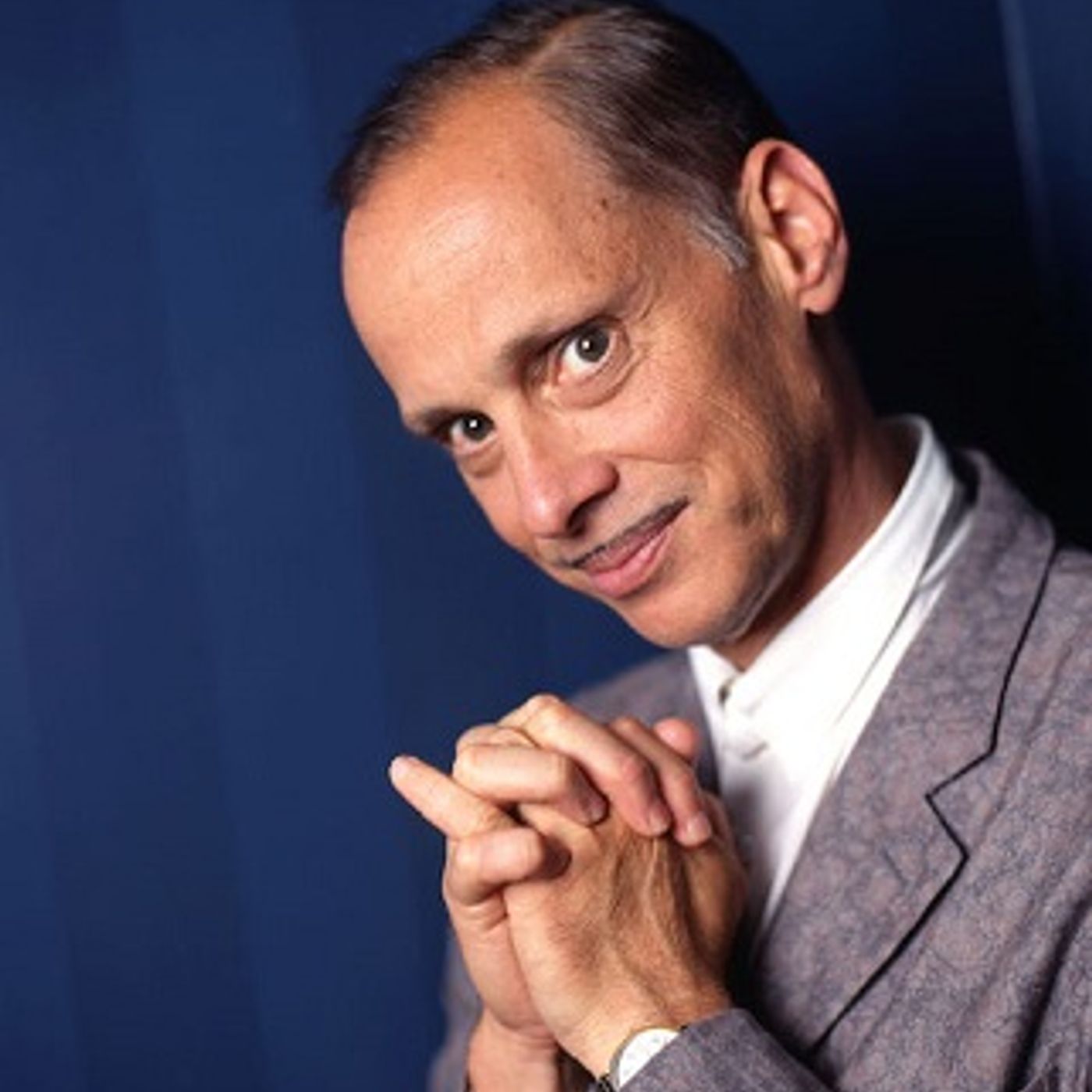
Literally. I think it's been more than five years that I've been working to line up this week's guest. The one, the only, John Waters. Now, I've been a huge John Waters fan for a long time. I think I kind of knew him by reputation when I was coming up, but thinking back, I think my first actual viewing of one of John's movies was in the theater.
If I remember correctly, my first introduction to John was, in fact, Pink Flamingo's And it was in an actual theater. We had a terrific classic old movie theater here in town. Regular listeners have, I'm sure, heard us talk about it before. Sadly, it's not around anymore. Which happens a lot to old theaters.
But I believe it was in conjunction with the re-release many years ago. And they were doing a showing of the movie. And I went and I was not quite prepared for what I was going to see. I don't really know if I'd seen anything quite like that type of movie before. the weird cast of characters, and Divine. I mean, you just can't fight the allure of Divine.
Even as the filthiest person alive, Divine has this amazing charisma. So I was kind of on board right from that point on, which is surprising considering some of the things that go on in that movie. I mean, everybody talks about the big finale scene. I won't go into what that is. You know, you've all seen it.
But to me, the more... disturbing thing isn't so much the finale but midway in when we're at the party and we get to once again for the handful that haven't seen it I don't know why you're listening if you haven't but I won't spoil it we'll just say the surfing bird segment that's that yeah I mean again if you've made it through that scene you understand what you're dealing with. With John Waters movies. But seeing it in the theater like that and being on board, it definitely puts in perspective the type of person I am, and that I was drawn into that decadent little world. I was thinking, I think it also says a lot about me, that I took a date, kind of a first date, to a John Waters movie. Now, thankfully it wasn't that one, but I didn't really think anything about it at the time.
It's only in recent years that I thought back on it and was like, wow, that could have really been a disaster. But luckily the girl was very cool and also a John Waters fan, and that's why we ended up going to see it. But still, stop and think about that. Sitting in a dark theater with a date, a person you essentially just met, watching A Dirty Shame. Yeah, that could make for an awkward setting.
But luckily I hang out with weirdos and it all went fine. In fact, I still hang out with that girl to this day. So it's all good. You know what else is good? No, you know what is great?
This conversation I had with John Waters. So I'm going to go ahead and roll into it right now. Ladies and gentlemen, John Waters. Well, thank you for talking with me today. I guess I wanted to...
I mean, usually when I'll talk to someone, by the end I'll kind of wrap up and be like, okay, what new projects do you have coming out or in the works? I know you actually have several things, so I think I'm just going to address them as I go, and that'll kind of tie into everything as we go. One of the more recent ones, I know Criterion is doing a re-release on Multiple Maniacs. Yep. Guess how has it been dealing with them?
And then I guess just. Oh, they've been great. Are you kidding? I mean, you know, they, you know, the very fact that Janice films distributed theatrically and criterion still in the DVD, Blu-ray releases, no far wrong. That kind of way.
I've been a lifetime that's drowned in irony because, um, when I was really young, uh, in high school, I would go see the early Bergman movies and they would always be Janice films present. And we would, sip espresso coffee in the art theaters and watch Bergman and Criterion, you know, have such classy products. So they completely understood the irony and restored Multiple Maniacs with great respect in its ineptitude and in its teenage anger. And they were in the beginning just wanted to make sure that I wanted to restore it the way we did it, which was to make it look as best as we could, not keep every stretch, every dirt piece, every square 16 millimeter splice that showed. Because I didn't ever want it to look like that.
That was just the best I could do at the time on $ 5, 000 when I was learning how to make movies or what nobody taught me except one teenster guy that got us the equipment. So I was learning how to do that completely. I mean, I had never shot a lip-sync sound film in my life, except the Diane Linklater story that wasn't a movie at all. It was just, we rented the camera, but they had to test it, and that's what we shot to test the camera, basically. So, um, I look back on it, and I think, God, no wonder my parents were uptight.
Weird. By the time you got to that movie, was that your camera? Had you gotten your own 16mm? No, that was a camera. I never, I still don't own a camera.
Um, I, um... No, we rented. I'm somehow from the film lab where I got my black and white film developed always from under trash. There was only one place in town called Quality Film Labs. And he taught me kind of how to do stuff.
And he knew somebody that I believed worked at a TV station that somehow I never asked, got the equipment they used to shoot the news out of there because this was before for videotape or anything. So they used 16mm with magnetic stripe sound on it to shoot the news every day. It was a big camera with those two big Mickey Mouse ears and a big brace you wore on your shoulder. You were like, ah, a Steadicam. Before Steadicam.
And He would rent us the equipment. I don't know if the TV station knew that the camera was missing, but I didn't care. He taught me how to do it, really. It was really nice. It was just me and that other person.
And then all the scenes in Multiple Maniacs that have voiceover or just music or shot silent with a bow and held a kind of coming up to wind up. And, um, and they would just, that was the same camera I shot Mondo Trash on, but I did own that camera. Yeah. So sitting in my office right now, I'm looking at it. Well, when you, when you started on those, you know, the early short films and then going into like multiple maniacs, how much were you like, again, I guess it comes from your, you know, you're watching films as a kid and growing up what you were into, but at the same time, how much were you, Like taking on some sort of film theory idea of, you know, how you wanted to shoot it, how you wanted to frame it, or was it more of, you know.
I don't know that I thought that, but I just wanted to record it. I was amazed I got any of it. I was more interested in what we said, you know. I just wanted to get the dialogue down and the performances. I was always amazed when it turned out.
I used to shoot stuff and it would come out black or you couldn't hear it or it would be completely screwed up. So I was just so thrilled you could see it and hear it. And then when Criterion completely restored it, I was so amazed because I saw details in it that I had never seen before. And I heard things that I had never heard before in my life. So it was amazing because it was shot Certainly, I mean, I wanted it to happen.
You know, I was raised, it was a joke on an exploitation movie. So basically, Black and White was sort of all the tawdry kind of exploitation movies that we used to go see at the Rex Theater and at the drive-in and everything. And then at the same time, movies like I, a Woman and Swedish Sexploitation Shockers and Ingmar Bergman was all put together. But I don't know that I consciously tried to make it look like that. There is a shot. in Multiple Maniacs, where Mary Vivian Pierce is lying there moaning and sexual, and it's exactly the shot about a woman that made that a big hit exploitation movie at the same time, only she had black hair and Mary Vivian Pierce had bleached white hair.
So it was definitely a reference to that, and I'm not sure anybody got it at the time except me. Well, that is, like, in re-watching it lately, it is interesting to watch because it does feel almost like home movies at times. Like, it really is just sort of you and your friends, which I'm sure it was to you, but. Yeah, but isn't that what every kid makes on his first movie? Now they use a cell phone.
But it's the same thing. You use your friends. My friends are a little more extreme, but Divine's house in that movie was my apartment. That's exactly what my apartment looked like. There wasn't...
Every one of those posters was really on the wall. It was... Nothing was changed in there. There was no art direction in there. The only art direction in Multiple Maniacs was... the tents that I rented for the cavalcade of perversion, and Lobstora, who Vince Perennial made, who went on to do all the production design for all my movies, and The Wire, and lots of other stuff.
But we just shot on location, which was the real life, really, we were in. I mean, we didn't have permits, we didn't ask to shoot, we just hit and run, kind of like what Seth will be demanded to do. Yeah, that is one of the things I like about it so much, because it does capture that time and place more than anything in a way. Much like photos. It captures it so much that there's a shot of Edith Massey where you see her talking in the bar where she worked, which is really where she did work at the time.
And you can see a calendar behind her that says November 1969. And I had never noticed that until I saw the restoration. I thought it was like a hostage video. It really is. It's showing proof that it really was made then.
Well, and then especially going into, you know, it's you kind of hanging out with your friends. Where does this crew of people come from? As much as I've heard you talk about Divine over the years, I really don't think I've heard, how did you first come in contact with Divine in particular? I'm surprised because that's a story I've been asked a lot. I grew up in Lutherville.
Marilyn Devine's family lived up the street, married Vivian Pierce's parents, and my parents were best friends. We were all kids that were in trouble in suburbia, smoking pot and taking asses, and we wanted to be hippies and beatniks, and so we all went downtown looking for trouble and found it, which was sort of the gay set and also... A lot of black people, too, and we all hung around together, which confused everybody, because you weren't supposed to all hang around together. You were all supposed to hang around. We were all gay.
We were all hippies. We were all blacks, but not everybody together. Breaking the rules. Some were gay, some were straight, but nobody really cared, and we just completely mixed, which at that time was fairly radical, I think. Even today, and I guess it's less radical today, that's why gay bars are vanishing, because who wants to just go to a gay bar and do it with just gay people?
Everybody wants to just hang around with everybody, which I think is healthy. I was always anti-separatist. Well, and then was the character of Divine already formed at that point? No, Divine in real life could not have been a more mild-mannered character. overweight, feminine man that got beat up every day in high school, and the teachers were equally as horrible to him. And so he was an incredibly bullied person who never really left his house until he was 16.
And then his mother almost forced him to become a hairdresser. And he hated that, too. He used to steal things from the women's paga books and stuff when he was doing their hair. But he wasn't aggressive like that at all, actually. He was the opposite, almost.
And all the people in the movies, we were playing characters. They weren't exactly like that. That's what people always thought. They were documentaries, and that's just because they were filmed so poorly. They looked like snuff movies.
But we weren't really like that. But our humor was really like that. And so that is kind of our sense of humor during the time, which was at odds with the hippie... movement but however we were hippies in a way i mean but and we hung around with hippies and we made this movie to offend hippie audiences but they wanted to be offended and then everybody turned into punks but it hasn't. Happened yet well that's yeah watching it it's like there are moments when i'm like i could almost feel you like just pushing the buttons like knowingly like What can I do that's really going to push him over the edge? There's one thing in it that is so gratuitous that even I am shocked at it, where just after the rosary job, somebody shoots up on the altar.
That has nothing to do with anything. That was a friend of mine who was a junkie, just died. And he just, that was real. He really shot it. I thought, what does that have to do with it?
You know, it was just one extra outrage thrown in for no apparent reason. So every time I see that shot in the movie, that really should have been cut. But it's just a point of, either of the absurd was big to me at the time, and it was just another outrage to show, because of course, during the hippie years, Harold was, you know, definitely not cool. Yeah, I remember seeing that. And that person actually gave me heroin.
The only time I ever shot up was with him. And it didn't work, and I puked and got an abscess in my arm. So I thought, this is not worth it just to listen to jazz. Yeah, this is not fun at all. No, it isn't fun to sit around and puke and nod.
But other people obviously do think it's really fun. I wasn't one of them. Well, yeah, I remember seeing that shot going, I don't think he's mimicking anything. I feel like that was going on. But look how he looks really normal.
That's the thing. He's the only person that looks normal. He was the one not acting. Well, he was there. I didn't even remember him being there that day.
But he obviously was because he was in the church. We didn't go back, believe me. Well, you mentioned the rosary job. A lot of that stuff felt like, again, that's almost like going back a generation to, like, really just sort of thumb your nose at conventional religion. Well, all the surrealists always did anti-Catholic stuff.
And I said I was raised Catholic. I always said that that should get Catholicism out of my system. I don't know that it did, but it was a good attempt to because I always rebelled against the Catholic church's censorship and we can't say these movies are condemned and all that. So that movie was made in a way, because we were joking on exploitation films, what is there no laws against? That's worse than obscenity.
And there was no laws really against that. When we showed it to the censor, she was a Catholic, and she went and started sobbing and screaming. And she made this judge watch it, and he said his eyes had been salted for 90 minutes, but it wasn't illegal, which it was true. There weren't laws against that. So... they couldn't really do anything about it, which made them even madder.
But I did send it to Canada to try to get it distributed, and it didn't come back, didn't come back, and I called them. And they just sent me a receipt from the Ontario Board of Censors that just said, destroy. So that was the, I guess that's either the worst or the best review I ever got. They didn't comment anything, they just burned it. Just destroy.
And you think that's a joke, but it really did happen. And it wasn't funny because that print cost, I forget, $ 500 or something, which today is like $ 2, 500. So I certainly didn't have that amount of money then. It was a huge investment for me. It was the print I had to tour with.
Well, were all those things that you were coming up with, especially the weird religious stuff, was any of that based? Again, I'm looking at some of it going, okay, was somebody out there into rosary jobs? Was somebody getting turned on by the Stations of the Cross? No. I didn't, but I had read the erotic minorities.
That was a book about all sorts of fetishes. And I had read about Benoit balls, which I think is something you do put up your ass and pull them out. And I think it had to do with that. And plus, Mink used to dress kind of like that. She used to wear rosaries.
She was kind of goth before there was such a thing. And she used to wear... black nail polish and black lipstick and rosaries around her neck and stuff. So we all used to wear religious items. I used to have a ring that was Jesus and Mary, the same head, but you looked at it and it was like 3D and, you know, the crown of thorns or Mary's veil would appear on the same face, kind of. And mink were with rosary beads.
And so we had that fetish, kind of. Not divine. He wasn't raised Catholic. He didn't even know what it meant. And then in Baltimore, they always had the infant of Prague everywhere, that saint of that child.
You changed his outfit a lot, which I liked. And he used to say, the more you honor me, the more I will bless you, which always seemed, well, that's fair, I guess, if you're a saint. The more you pray me, the more I'll give you miracles. So. That was part of our humor.
But I think Mary Vivian Pierce and Ray's Catholic Link had, I had. They were the main ones, yes. But they didn't know. Divine didn't know. He used to think, should I be doing this?
I don't know. He used to say that. But then he would see the audience respond so favorably to it that I think it confused him at first, and then he very much felt the power of what he got of playing that role. Well, Christianity in general has such a weird, you know, sadomasochistic ink, the, like, beating of Jesus. Like, it gets very odd and crosses some weird lines.
Well, when you look at the stations of the cross, that's all that happens in it for real. Jesus pukes in mine. But if you get crucified, I bet you do puke if you're crucified. And I always think that, why do people take their children to kneel in front of a nude man tied to a cloth with blood all over them? That's like taking your child to the Eagle on, you know, fuck me night or something.
I don't know. To me, it is shocking that, you know, I don't know. So I think it was a comment on that. It is, yeah. I mean, it is weird if you distance yourself.
It's just one of those things we grow up in. Catholicism is an S & M relationship. It is. Mel Gibson made a whole S & M family movie about it, didn't he? And made a fortune of it.
Yeah. When you think the Catholic Church, if you've ever been to Rome, the vow of poverty is not too evident when you're in Vatican City. When everything's encased in gold and shamed. A juvenile dealing man. Do the thing that's right.
You'll do nothing wrong Life will be so nice Be in paradise I know Because I'm not a juvenile dealing man. Hurry, hurry, step right this way, folks, for the most extravagant array of refreshment goodies ever assembled under one roof. Enjoy breathtaking, taste-tempting candies of finest quality. Enjoy popcorn exploded into tender, delicious, crispy bites of crunchy goodness. Enjoy the tops in cool, refreshing soft drinks.
If you want to enjoy some refreshments, this is your opportunity. There will now be a short intermission. Yes, folks, this isn't any cheap X-rated movie or any fifth-rate porno play. This is the show you want. Lady Divine's Cavalcade of Perversions.
The silliest show on Earth. Not actors, not paid imposters, but real, actual filth. Who have been carefully screened in order to present to you the most flagrant violation of natural law known to man. . . Go fish. You're sick and repulsive!
You, my. Dear, are dead! I am the vine! Salute the vine and hydrant. Hi, this is Rick from Southern Culture on the Skids, and you're listening to Movie Meltdown.
I call you later, baby Maybe I'll. See you around I call you. Later, baby Later when the sun goes down You'll seem. To like me better When your friends say. So, I wasn't kidding, right?
This is an amazing conversation with John. Well, now, keep in mind, back to the top of the show there, I've been working on putting this specific episode together for more than five years. That's not right, is it? I mean, if I were a normal person, I wouldn't devote five years of my life to this ongoing project to talk to a movie director. I mean.
If I were normal, I wouldn't have devoted the past nine years to putting together these episodes week in and week out. In fact, if I were normal and smart, I'd have just spent that time working at a job that pays me. I'd take all that time I devoted to each show each week and go get a real job, another one, and hopefully continue work and get myself out of the hole that I've created funding a talk show about movies out of pocket. I mean, for all practical purposes, that's what I should do. But I'm not normal.
You, those of you who've been listening to the show, I mean, you know I'm not normal. And if you tuned in to listen to me talk to John Waters, odds are you aren't normal either. But that's my point. We aren't normal. We're weirdos.
Movie geeks and all-around weirdos. And we need to stick together. We need to support each other and our weird projects. And that's all I ask of you. If you appreciate the time, and once again, years spent on one episode...
If you appreciate that time and effort put into each of these episodes, just help me support the show. Our new Patreon club is the one thing that can keep this show going. It can keep me off the street and focusing on bringing you more episodes. And all it takes is a couple of bucks to do it. Just go to our Patreon page and join the club.
For as little as two bucks, you can join the club, become a Melketeer, and not just keep this show going... But you get exclusive episodes that are only going out to our Patreon members. Only they get to listen to those episodes because they support the show. And then you can keep this train running and keep it so I can devote another five years or so to talking with some other filmmaker. Any suggestions?
Hey, join the club. Tell me who you'd like to hear on the show. I'll see what I can do. Obviously, I'm kind of persistent. In fact...
I believe that's how John referred to it. Me and my persistence. But I will use that and continue to put it to good use for you. Just. Got a little ceremony there.
Just go to patreon.com slash movie meltdown. Or if you can't remember to work that slash thing when you're typing, just go to movie meltdown.com. And there at the top of the page, there's a Patreon button waiting for you. Just click it. Kick in a couple of bucks and keep these awesome conversations coming your way.
Speaking of which, let's get back to this awesome conversation right now. Well, that is after these rallying cries. Meltdown forever. Long live guerrilla filmmaking. Damn the man.
Save the meltdown. Well, just because you think you've got something. Well, then again, looking at some of the specific, you know, scenes in those moments, as soon as we get into the movie, I'm just like, Where exactly did you shoot the tents? You said you rented those tents. Whose yard were you in at that point?
My parents. That's my parents' house in the background. When you see them after it's over, when they're walking through the woods, going through the pocketbooks and shit, that's my parents' house in the background. Nice. So I filmed the cavalcade of perversion on their front lawn.
And they never came down and looked. They were relatively supportive, I guess, if they turned the blind eye. They certainly were, yeah. They knew we were doing it, and they were impressed that I could get it together. They just wished they didn't know what it was about.
And they never saw that movie. And when I saw it at the premiere in Provincetown when it came out, I thought, God, I'm glad they didn't. And were the people that wandered into the tent, were they other people? They were all my friends. That's Ming Stollmer.
That's all Cookie Muller. That's all the people. dressed as, quote, straight people. And what straight people meant then was people that didn't take drugs or didn't mean heterosexual. Well, and then as you get further in, again, there's moments when it feels very specific to, you know, him sitting on the couch and, you know, I wish I had a movie camera. It's almost self-referential.
Yeah, yeah. my I don't know what you know that's a divine father or Jesus what are you thinking about and you know what were we all thinking about I don't know I'm trying to have a hit movie. Were you, I mean, again, you're the writer of it. How hardcore were you about, like, this is my story, these are my lines that I've written for you? Oh, I'm against ad-libbing. Oh, yeah.
That was all rehearsed. And that's why they do forget the lines, because they had to do 12 pages of dialogue in one take. There's a lot of dialogue without any cutting away. No, that was all completely written. There was no ad-libbing in that movie.
Interesting. The only one they had lived in was a Diane Linklater story. Well, yeah, that's one of those, like, especially with the, like, almost trying to see how far you can push it, especially those are days. You seem to have no problem with the too-soon moments. I think you've mentioned that in the short films you're shooting the Kennedy assassination, like, five years later, you're doing your version of it.
I think the Kennedy assassination was maybe even less than five years after it happened. And I'm in November 63, and we shot it in 66. Yeah, three years. And even now. On my parents' street, right outside the pill, that same street.
I mean, even now people get kind of weird about that. They do. That quickly. I entered it in the film festival. And they stopped it in the middle.
This is when they were screening it, not even to show it. This is when they were picking what would be in the festival. And they stopped it in the middle and called the church where I was going to show it and then reported me to the IRS for charging. So we couldn't charge money, and they said it was pernicious. And I didn't even know what that word meant.
I had to look it up, and it's a good word. intrinsically evil. Ooh, you definitely went back. It was just a parody, you know, because Jackie was... Well, the new movie that came out this year that got an Oscar nomination, that's a drag queen movie too, isn't it? I mean, it took that long for them to kind of be comfortable enough to.
But it's the same movie. It's no different, really. Eat Your Makeup and Jackie are the same. And even Multiple Maniacs, you've got the references to Sharon Tate like a lot. Yeah.
Once again, that's something. Because they had not caught Manson when we made that movie. Nobody knew who killed him. And the plot was that Devine had convinced her husband, David Lockhart, that he did it, even though he didn't. And then right as we were almost finished the film, they caught Manson, but no one knew who Charles Manson was.
Nobody knew who was going to be famous or anybody would remember that name. And that scene where they find the newspaper was really almost when it happened. And so I just had to put that scene in to make the plot make sense. Well, even, I mean, it's, again, those moments are kind of interesting watching now because there are like, you know, you're making reference to that stuff. You're also referencing Ronald Reagan and his family.
Well before he was governor. That's when he was governor, especially at his family. Little did you know. But that was illegal, wasn't it, to threaten the president? Well, he wasn't even the president.
Yeah, he's just a governor. You might be able to skate by on the governor. I don't know. And Barbara Streisand. But then, and Margaret.
I love him, Margaret. I don't know what I was thinking when I put her. Well, I like the some girl named Patricia line. I know. Because I know.
Because we didn't know who they were. And no one knew then that that was ever going to be a famous case or anything. But, yes, and that's kind of very troubling to me today because I'm very serious when I say that. I really believe that Leslie Van Houten, who is my friend that I wrote about in Role Model, should be paroled. And she got a parole date last year for the first time, and I think she should be released.
But yes, it's a very different thing, because when we made that movie, I certainly never thought any of this would ever happen, or that that case would become the most notorious case, really, in criminal history, practically. And so, yes, it is odd. I agree with that, that... 1969 was the year that Woodstock happened, Altamont, the Manson murders. I mean, it was, it was in my lifetime, probably the most insane year.
Yeah. It's, it's an interesting time. What happened in history. Yeah. It might be this year.
Well, yeah. Equally as odd would be this past year. Well then, especially when we get to the, like later in this movie, when we have, again, I feel like there's moments of your just like hardcore movie geek coming through. By the time we, We worked the giant monster in. Was that just because you wanted to work a monster in?
No, I think I was always in there. And lobsters were always, it came from, because in Provincetown, there's even a picture of one of the postcards, I think, of the DVD of a lobster that we always used to take acid and always have that hanging around that poster and make us think, oh, a lobster's going to attack us on the beach. And, you know, Salvador Dali used lobsters on surrealism. I think lobsters are scary. They put them in a pot with a scream, and, you know, lobsters are bizarre.
So, you know, to me, I was raised on the theater of the observed, which was in the late 50s and early 60s, and that was the first real experience I had Edward Albee and E.S. going on. So I think it came from that, actually. I think that it came from things... that made no sense on purpose using them. And oddly enough, in my blesty mind at the time, being raped by a lobster wasn't that implausible as a plot development. And that might push you over into being a final maniac that wanted to be killed by the National Guard.
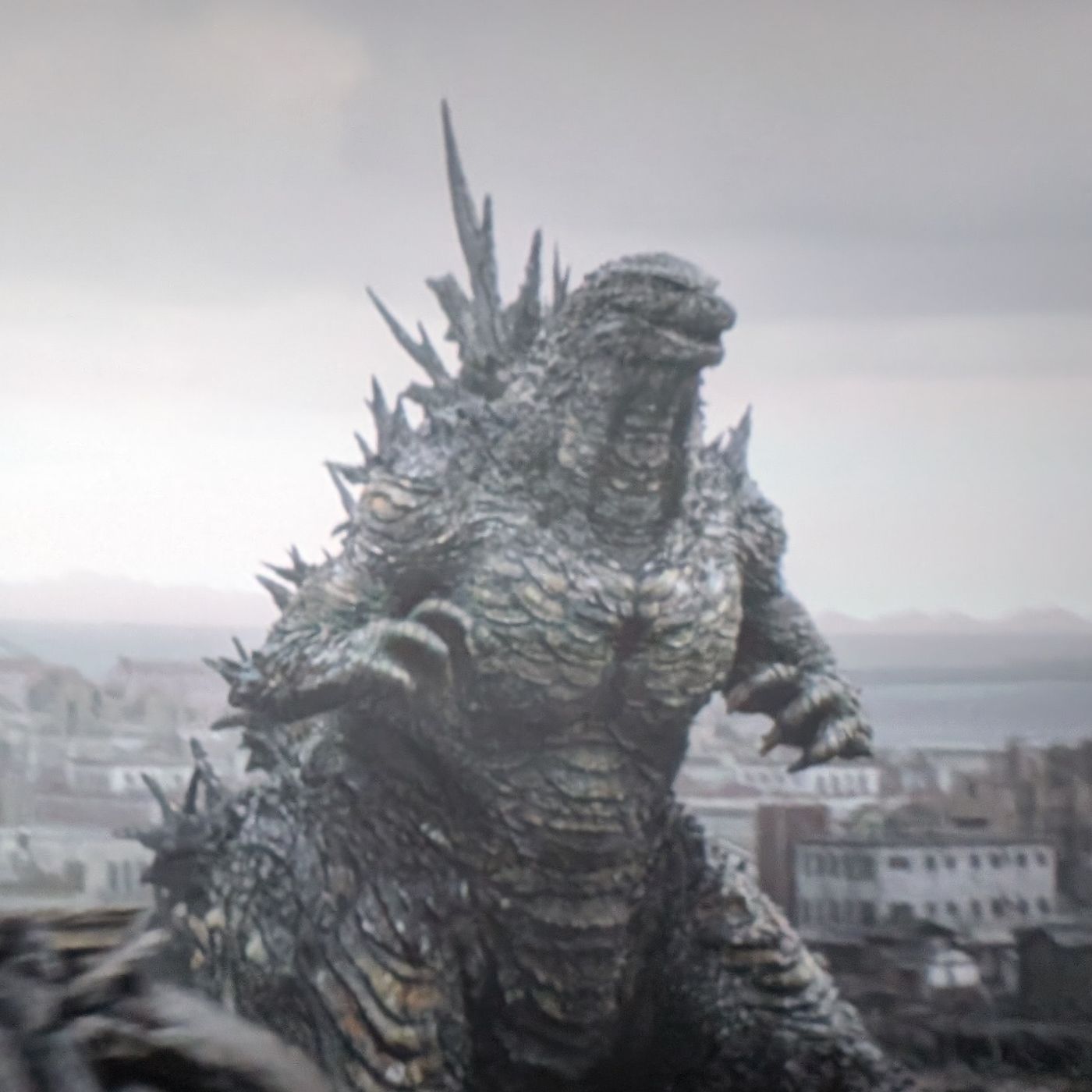
Well, yeah, as Devine's referencing. It's actually logical to me. Of course, that's where it has to go. But I like that even sitting there starts sort of describing a Godzilla movie, more or less, and then becomes one by the end. Certainly, I grew up with those movies, so yes, it was my monster movie, and Divine was the monster.
I was hoping, yeah. I was like, at some point, if you had the budget, there would have been a giant smashing through the city, if you had the means to do that. But I like that we just get a normal version. The low-budget version of it was... kind of more touching to me in a way and even though you look at it now and it's such a low budget at the end that was a big scene for us to film at the time you know that was a big finale I had to rent all those uniforms for one thing that was a big expense And we had to get all the little guns at the Sonny's Surplus store. So, yeah, that was a big-budget scene for me.
Yeah, that's what I was going to ask, is, like, did you have to get clearance to shut down the street, or did you just do that totally on the fly? No, we didn't ask for clearance. We didn't know what that was. We just shot it and ran and hit and run. That was shot really early Sunday morning.
You could see people coming out of their houses and then in the next shot, running with the crowd around the block. No, and the police didn't even come. And we were then notorious enough where they could have because the year before in Mondo Trash Show, we had been arrested for making a movie for conspiracy to commit indecent exposure. And it got national publicity. It was a huge deal.
Some of the judges read us a poem and said, go behind the door and sin no more. And the ACLU handled that stuff. The cops knew about us. But, I don't know, just nothing happened. We just shot it.
I'd say we were there all morning, three or four hours, probably. I wouldn't think you'd need to get actors to run away. Like, looking the way Divine does, it's just like, you see that coming, you just start running down the street. I think, you know, you're sitting around Sunday morning, nothing to do, and you open your front door, and somebody's making a movie, and you can be in it. Why not be in it?
And then, I guess, on that one, just finally, whose car did you smash? That car we got from a junkyard, and it didn't even work. And that scene is also so ridiculous. She has to break every window, and you have to go all the way around. Even the mirror, I had to get my money's worth out of that prop.
And that was in my parents' driveway. And, yeah, I don't remember. We got it from some junkyard. You know, it didn't run. We just had it towed there so we could break the windows, and then we towed it away.
Another high-ticket item on the budget. No friend had to sacrifice their car to make the movie. No. Well, then, I guess jumping forward, oddly, quite a leap ahead in your career, but the next step, I guess, is Scream Factory is putting together a new re-release on Serial Mom. And that's, again, watching both of them almost back to back, it is such a different take on things.
I guess, did you, I think that's what I was wondering is, did you find it harder to move into like then being backed by a studio and having to go through all the rigmarole that is involved in actually making a studio type film? Right. No, because it had been so gradual. Each time, we got a little more money. Each time, I went in through Hollywood and up through Hollywood.
And Serial Mom was, I think, my best movie, actually. And I think it was the only time where we did have enough money, pretty much. We had $ 13 million to make it. All the sets inside were built. I mean, it was like making a Hollywood movie.
And so... No, by then, it had been so gradual, my career. As I said, I started in the underground, went to independent, then made Hollywood, then independent. No, I would say it would go underground, midnight, independent, Hollywood, and then back down again. Then somewhere in the middle.
Yeah, so I made every kind of movie, and you know... The algebra from that is always the more money they give you, the more they're going to have to say. That's just common sense. But I was treated fairly by Hollywood. I was treated fairly by all the people.
But up to when I made Hollywood movies that I didn't own, when the studio did, every person that ever gave me money to make a movie got their money back and a little more. Nobody didn't make money. And so I'm proud of that. Now, my Hollywood movies didn't all make money, but you never know even with the Hollywood bookkeeping system. Who knows what makes money in Hollywood? that they blasted, they're still out there, they play on TV.
Sometimes whoever would have imagined, I don't think multiple maniacs would play on TV. Probably not. The Pink Flamingos did, and I'm shocked that that ever did. How? Like on cable television?
On cable, obviously. Like, how do you. But even cable, I'm kind of amazed at a play you're on. I was just trying to decide how much you're going to have to edit out. It's like a 20...
No, they didn't cut anything out. The directors called me and said that they asked. It was the Sundance channel. And they asked if they could cut the blowjob and something else. And I said, yeah, but they forgot to.
They didn't? Well, I guess you got more for your money's worth there. I guess. One more reason to subscribe and get yourself a Sundance. I guess.
Well, then on Serial Mom, I guess, how early on was Kathleen Turner attached? Was it from the get-go? Right from the beginning, because you can't get the movie greenlit without, you know, whether it's a Hollywood movie, you have to have the star attached. So she was definitely lit from the beginning. And then, again, watching it, Chip, you know, Matthew Lillard, how close is he to, like, mimicking a version of you coming up?
Well, I think he was very different, but he was certainly... I guess some based on, not that he was, that was one of his first movies, you know, he was a really good actor. I mean, we knew he was going to go somewhere. You could tell. And, um, was he like me?
I guess a little bit, a little bit, you know, I like those kinds of movies and everything, but, um, you know, all the characters are a little bit me. I wrote them all. So there's a little bit of me in every character. It's just, especially growing up. Cause I, I fell into the same thing.
It's like when that, is your interest, it almost becomes your identity. So you're that weird kid that likes weird movies. I did, but when I was in high school, did they even know that? I guess they did, but all my interest was so discouraged when I went to school, but basically I just had to get away. I was bored, and bored leads to anger, and anger leads to drugs.
But I never had a bad experience with drugs, actually. I had all good ones. Just stay away from heroin. Well, I tried that. You know, I think you should try everything.
I'm basically, and you can make mistakes when you're young. I think that's part of it. I always said I don't trust anybody that hasn't been to jail once, at least for a night or something. Well, then, looking at all the films, I mean, everything's pretty much written by you, and you've said you're pretty hardcore about sticking to it. Do you think you would work well as far as, like, trying to collaborate on a project?
Meaning what? All films are collaborative. Well, yeah, I mean, I mean more of, like, from a writing standpoint. Oh, no, I would never make a movie I didn't write. Yeah, yeah.
And I would never write with somebody now. I mean, why? I mean, my whole life I've been a writer. It's a little late at 70. I think I'm pretty set in my ways.
Well, then, to take it sort of the other way, I was wondering, what is your... Because, again, you've experienced now having someone take your property and do something else with it. So I wonder kind of what your take is on remakes, because you've seen not one, but two pretty big-budget, you know, versions of Pairs Brain. Well, they didn't remake the movie. They turned it into...
They turned it into. Musicals that's different than a remake no one has remade my movies as a movie. But i mean hairspray they tried to get pretty close. I mean well they remade the musical yeah. Yeah but even then it's taking your idea and then kind of doing.
Something else they added the music i didn't have i didn't like the music they did a great job and they changed it every time that's why i think um The last time was the one that probably didn't take it further because it didn't change it enough. It was almost exactly like what the musical was and what the musical movie was. Yeah, that's kind of what they've done with all these made-for-TV ones. They just sort of do a new big-budget version and add some new names to it, but they don't really seem like they. Yeah, but it can't hurt.
The only thing that can kill... I just want the porn version, which would be hair pie. You know it's out. Or somebody's working on it right now. You know, Pecker even came out as a porn version, and they just called it Pecker.
I thought, well, that's not funny. This isn't imaginative at all. Yeah, that was really, as a parody title, you could have done a little better than that. But yeah, I guess I also wanted to, you've been doing a lot of speaking over the years. Well, it's a comedy show, really.
It's a spoken word act. Yeah, I guess in the old days you would call it a lecture, but... I do it constantly. I do it really well. I did two last week, two the week before, two next week.
Yeah, I do it all the time. I was at one last week. Which one were you at? I was in Cincinnati. So you were in Cincinnati.
Oh, you were at the horror one? Yes, yes. Okay, good. Well, did you have fun? Yeah, it was great.
Again, I've seen it before. That's kind of what I appreciate is that it's a different thing. It really is just sort of, a different thing each time you sort of well. I keep trying to put new material in all the time which I certainly have I don't know how long ago you. Saw it it's a couple years ago and then I think like the first run too I think the very first time you started that specific tour I'd seen it and each time I feel like it's almost I mean you kind of revisit the movies thing but even then I feel like you have a different take on it because it's been so many.
Years it's the same skeleton yeah But I use it to launch into ranting about other things. Well, and then they're also, I guess, maybe because of that, they've seen you do that and they're getting you to do commencement speeches now. Well, that's my new book that's coming out, Make Trouble, which is an illustrated version of the commencement speech I gave at RISD that went viral. That was such a big hit. So, yeah, yeah, I'm always branching out, you see.
So people can still, like, hire you to come give their commencement speech? Yes, but I'd have to write a new one. That would be a challenge, yes. You know, it's weird, though. Once I did it, it was a success because it went viral.
I got a book deal out of it. Obviously, the speech went over well. No one still ever asked me to do it again. I thought I'd get a lot of questions. I'd never got one more.
I would think. I've seen a lot of people that do it. I thought I would get, you know, I thought it was a whole new racket I could get in. They always bring in, like, former politicians, and I'm like, these are the most lame people ever. Like, why would you not want you to come talk to them?
Well, I don't know, but I haven't been asked since. Well, I think, again, even just watching you do the spoken word type thing, you do seem like you have a good amount of answers. Do you think, like, you have had that from the beginning? You felt like you had a handle on things? Or has it sort of come with years?
My next book I'm writing is called Mr. Know-It-All. I guess so. I guess so. But I'm not sure everybody would agree with me, let's put it that way.
Oh, well, I think that was a lot of it. So I guess everybody should find all of these things. You've got the book coming out and then both the re-release films. Well, good. I hope your podcast, who else have you had on it?
Who's been your favorite cast? Oh, we've had I'm still kind of amazed how many people... I mean, I talked to Roger Corman at one point. We had Monty Hellman on, who's a legendary director as well. Yeah.
I've lost track of this. There's so many people. So I'm always kind of amazed, and that's still my favorite thing, is just to sit down and kind of talk movies with people and just kind of get. Good, good. Well, it sounds good, and I'm glad you got to do it.
You were very... you did a good job I appreciate it. Alright well we'll let you do it and thank you once again for joining alright thank you. Thank you. Alright so obviously a huge thank you to John He was great to work with me to make this episode come together, so a big thank you to him. He's very supportive of not just up-and-coming filmmakers, but also just people working on their own crazy projects, and I thank him for being part of mine.
Also a big thank you to Susan, who works with John and has been a really big help and really nice to work with, lo, these many years. She's a real trooper to keep dealing with me all this time, and she's been very pleasant and supportive along the way. So this episode definitely would have never come together without her keeping the wheels in motion. So thank you so much to Susan. Also, hey, if you know any other John Waters fans out there, or just film fans in general, tell them to check out this show.
Again, what's the point of doing this if it doesn't find its way to new weirdos out there who'll also enjoy it? So, think about the weirdos you know in your life, and send them the link to this episode. And in general, go support everything John's got in the works there. Go get the Criterion restored version of Multiple Maniacs. If you are, in fact, a fan of his earlier work, you will definitely enjoy it.
And look for the Scream Factory upcoming release of the Blu-ray of Serial Mom, with lots of good extras. And, of course, that new book he was talking about is being released by Algonquin. It's called Make Trouble. Based on that commencement speech... And I also say if you're in a school or you went to a school or you occasionally... drive past a school, get a hold of them.
Tell them you want John Waters to give this next year's commencement speech. I really think we need to send kids out into the world on the words of John Waters. Ah, what a world it would be. Think about it. All right, well, that about does it for this monumental episode.
We will return next time, same geek feed. Thanks for listening. If you're looking for trouble, you came to the right place. If you're looking for trouble, just look right in my face. I was born standing up.
And talking back. My daddy was a green-eyed mountain jack because I'm evil. My little name is Little Hillary. Well, I'm evil. So don't you mess around with me.
I never looked for trouble, but I never ran. I don't take no. Orders, no kind of man. I'm only made out of. Flesh, blood, and bone.
But if you're gonna start a rumble, don't you try at. All, because I know you. I'm evil, evil, evil like you. I'm evil, evil, evil like you. So don't mess around, don't mess around, don't mess around with me.
I'm evil, I'm evil, evil, evil. So don't mess around. So your persistence paid off. This episode is a production of Movie Meltdown, produced and edited by the Auditude Studios, with opening music performed by the Empires. For more on how to sponsor or support the show, email producer at moviemeltdown.com.
Talk hard!