About this episode
And while we reminisce about some of our favorite old mom and pop video stores, we also discuss... tax incentives, CG effects, getting toxic waste spilled on you and getting telekinetic powers, The Howling, Sam Raimi, They Live, in the back of a hot tub place, half a building, the audience is going in with a certain set of expectations, it's a very level playing field, serious and emotional and primal, Stripes, Martin Pensa, Dead Alive, Fletch, sophisticated horror films, a high-concept horror shell, Sam Neill, VHS hits that I watched as a kid, and then when they do something... I think successfully... they still don't let it be a success, people really undervalue writing, Scream, shoddy science, being a noir, From Beyond, that's a very destructive way to think about art... as well as genre, 20% original, they got crazy shots that you weren't seeing in any movie at that time, Robert Rodríguez, the term yuppie, a taboo element, Basket Case, shooting on a VHS camera, gateway horror, Demolition Man, Willow, George Romero, why aren't we shooting in Canada right now, prairie town, all the technical stuff, Tobe Hooper, film studies, Evil Dead 2 and wanting something you're not supposed to have.
"...it's an example of people trying to pigeon hole, like audiences, critics, the studio... trying to pigeon hole these people into doing a certain thing." Follow Tyler on Twitter for more info on his movies: https://twitter.com/tmacfilm?lang=en
For more on the Louisville Film Society, go to: http://www.louisvillefilmsociety.org/
Transcript
Automatically generated, so expect the odd misheard name.
This is Roger Corman and you're listening to Movie Meltdown. It's showtime. The following feature has been rated R by the Motion Picture Association of America. It is intended for mature audiences and parental discretion is advised. Our nuclear reactor pumping out one million kilowatts of power.
More cooling in the containment chamber. To your stations, we have a movie meltdown. Nobody's going to miss him, right? I mean, he's a drifter. He's an invisible man.
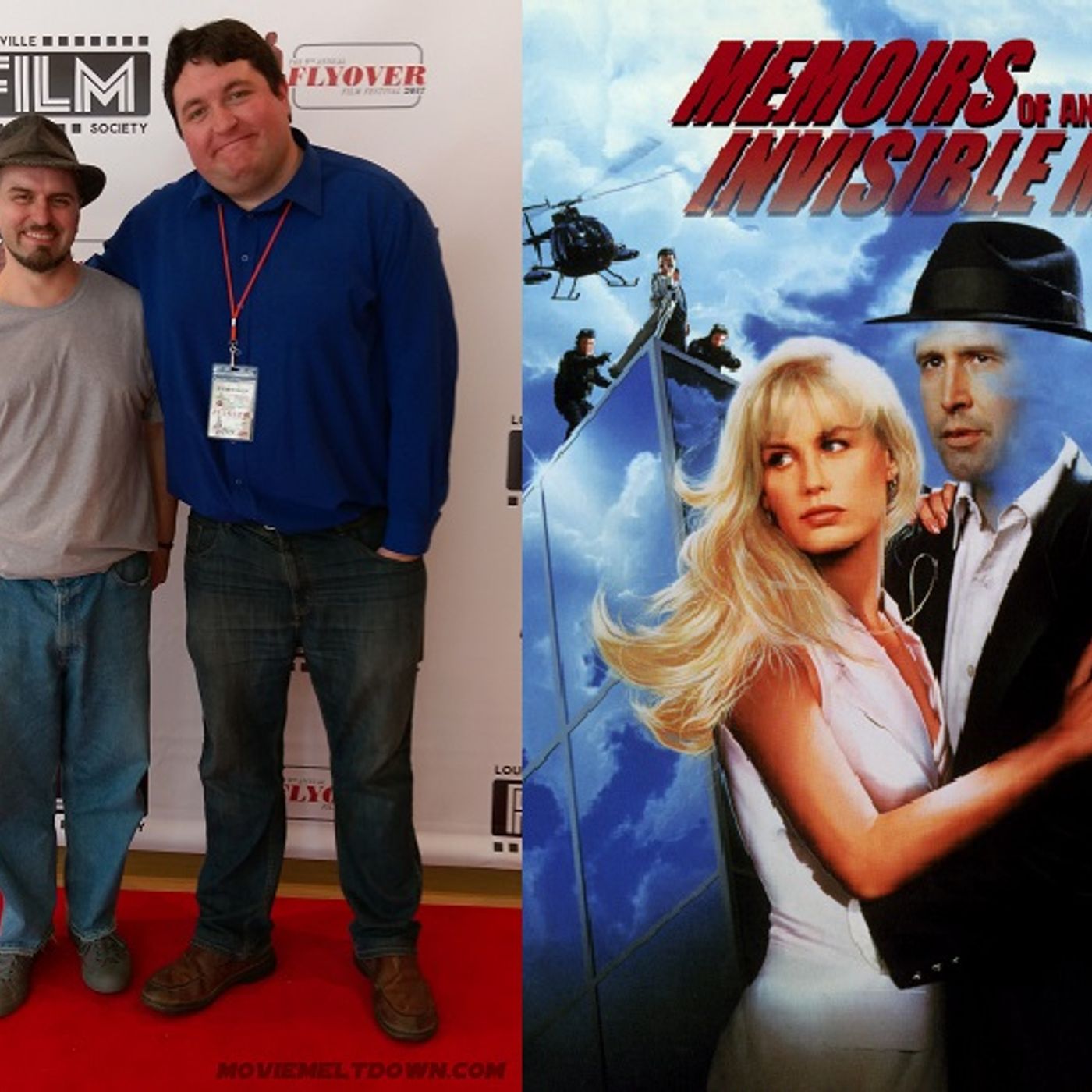
It's a perfect plan. What's up, and welcome to Movie Meltdown. I am Brian, and with me this week, special guest co-host. Tyler McIntyre. Hey, how's it going?
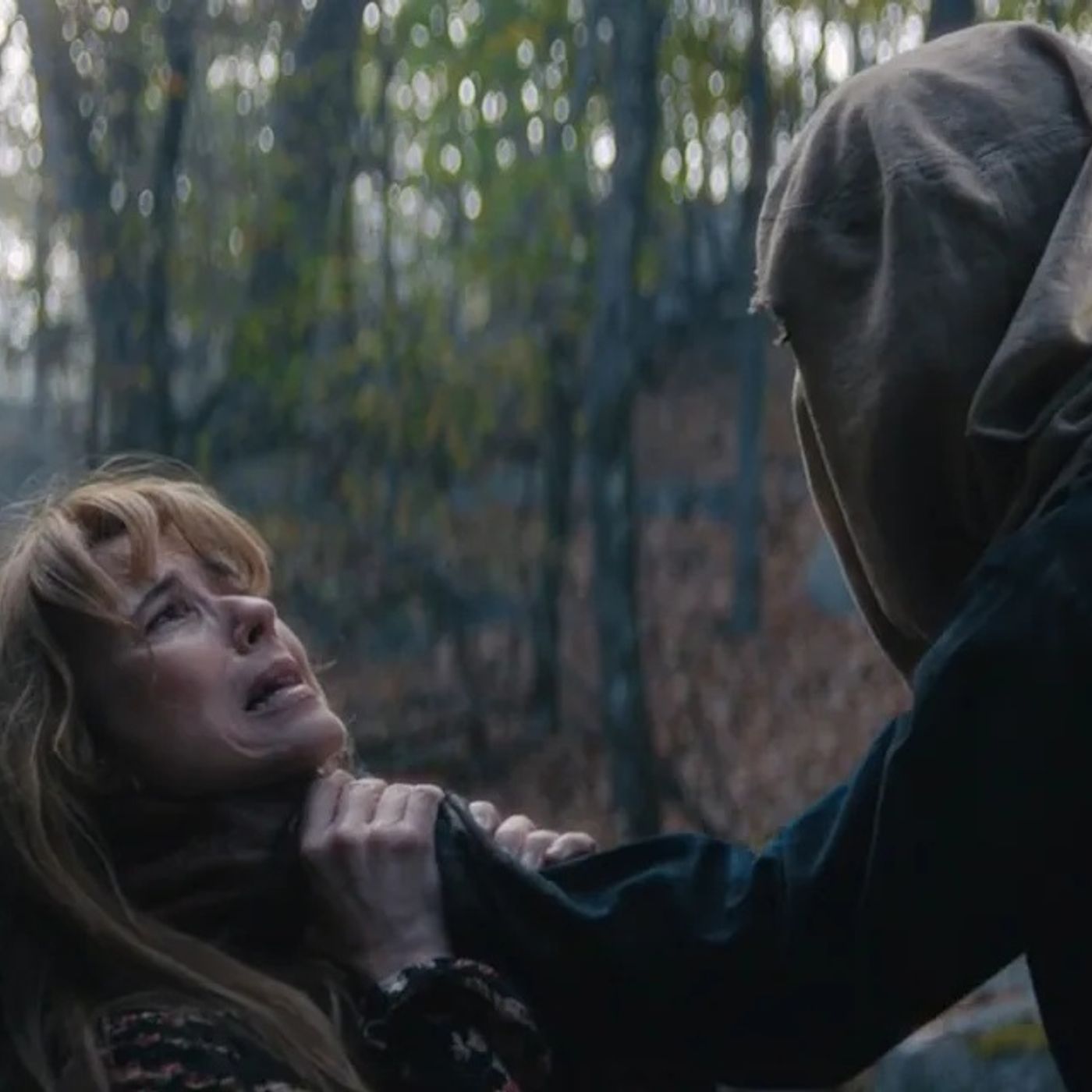
How are you? So you were here, again, we're sort of in conjunction. We've done several episodes in conjunction with the Flyover Film Fest, so you were here to show your film, Tragedy Girls. That's correct, yeah. Yeah, we actually shot the film in Kentucky, so we're actually kind of a hometown screening for us, which we're excited about.
Pulled in a lot of really good stuff, and they all kind of have connections. So, yeah, we've been discussing that in this ongoing thing of how, Much they're sort of pushing and trying to make this sort of a new... I don't know if we'll get to Atlanta level. Nobody can quite get to Atlanta level. They're rivaling Toronto at this point.
But yeah, I think it's interesting how much we... really weren't that kind of town for years and years. Like we had very few, like I'm, I'm the one I was going stripes. They shot part of stripes right down over here. I can show you where the bridge is. They blow up this building for demolition, man.
I swear it wasn't even in the movie. If I remember, they just did a promo afterwards. So yeah, I remember watching that on MTV actually. So yeah, there was a few tiny little tie-ins, but it's funny now just in these last four or five years, how that pushes change things. And it's, Rippled and quadrupled the stuff coming into the city.
So it's kind of awesome. Yeah, definitely. I mean, like, it was kind of an interesting time a couple years ago because they were, like, Louisiana was kind of reforming their tax credit. They're still pushing really hard, too. Yeah, exactly.
And I think that Kentucky made a pretty smart play to kind of pick up some of that business. So how did you find out? I guess because you're not from here originally. So how did you come in contact with the people that put. You in contact?
Here eventually. Um, well, uh, I mean, it was actually really just a coincidence. Like I know, um, our, um, my EP, uh, or well, the two guys who, who, uh, were in the comeback kids, which is one of our production companies, uh, Carrie Rhodes and Anthony Holt both had both lived in Kentucky previously. Like, uh, um, Anthony was from Louisville and, and, you know, I think he played basketball here and, uh, in Kentucky, uh, sorry. And, um, I know that Carrie went to university here and played football.
And so it was, they both, you know, always loved Kentucky and kind of, you know, once they heard that the incentive was coming up, I think they were at Sundance and one of our producers kind of connected them with the film commission and, you know, the rest was history. Yeah, because I think even the whole film society has been hitting some of the bigger conventions and festivals and stuff and just kind of let people know, hey, we're kind of doing this stuff now. We've got tax breaks and Definitely. And I'm from Canada, so it's like I'm used to people being like, you're Canadian. We can go there.
What is wrong with you? Why aren't you in Canada right now? Why aren't we shooting in Canada right now? But they forget there's actually a lot of good state-based incentives. Yeah.
So I guess to go all the way back, I usually start at the beginning. What was your initial entryway into, I guess– Fandom in general, but I'm assuming it very quickly led to film in specifics. Yeah, man. I mean, like I grew up in a town of like 5,000 people north of Calgary. So it was, you know, kind of very much prairie town, very rural.
And really like we had, you know, just a lot of farming and like, you know, some– like a couple, a couple. Action packed town. Yeah. But we had a couple of video stores, which was key. Like one of them was in the back of a, of like a, like a hot tub place.
And then, and they had like a, they had a really good horror section. And there, and then the Usher, the other actual. Seed was planted. Yeah. And so my brother was a couple years older than me and he really loved Stephen King.
And, and so he was always watching like, or renting horror movies that I was probably too young to see. And so we gradually were kind of working our way through both stores to kind of see everything. So, That's when I saw The Howling and a lot of Friday the 13th and all the Nightmare on Elm Street and From Beyond and then kind of worked my way into Evil Dead 2 and Re-Animator. And I like kind of that horror comedy space where it's– I remember seeing those movies and being like– Evil Dead specifically and being like, holy shit. Like this is– it's just so goofy and it's original and it's– I remember trying to tell people about it and trying to put it into words and just getting so like fired up.
I love the first one. Like, everybody goes to the second, but I'm like, I think the balance is a little better in that first one, because it's still pretty terrifying. Like, I think the horror works better in that first one, where it gets so silly by the second one. I love the gimmicks and the gags in the second one, but I think the balance of horror and comedy works so much better in that first one. Yeah, and the first one's interesting, too, because, like, it's a great story, like, in terms of, like, like, the production, you know, like story of is like, you know, a bunch of kids who are, you know, like went to get, you know, out to Tennessee and shot a movie.
And then the crew started to leave and winter was coming and they just, you know, kind of slowed down and kept shooting. And as a result, got like crazy shots that you were not seeing in any movies at the time. And, um, it's, you know, and it's a great, very inspiring kind of, uh, story for anyone kind of looking to get into horror. Especially independent end of it. Yeah.
Oh, yeah, totally. They were so shoestring on that thing. And, like, it doesn't hurt it in any way, shape, or form. Like, it kind of helps sometimes. Yeah, I mean, and people always point to, like, Robert Rodriguez and, like, you know, El Mariachi and, like, you know, that is kind of like a, you know, very, like, indie spirit kind of thing.
But I always think of, like, George Romero, who obviously just passed away, and then Sam Raimi and, you know, Toby Hooper, kind of like those kind of early genre movies is kind of really, you know, Doing the same thing, but years earlier. It's weird that, again, you just mentioned two of them because it was that weird period in film and I guess in the independent movement and sort of self-budgeting that you had two guys who made a movie. It made a little bit of money, so they turned around and remade their own movie. Because, I mean, Evil Dead 2 is Evil Dead again with a bigger budget. El Mariachi is exactly Desperado, only with a real star all of a sudden.
It's weird. I kind of get that, too. In terms of just trying to... I always feel like as you finish making a movie, especially if you don't have enough resources to do it, you kind of figure out, oh, that's the tone that I was going for. That's what I wanted.
If someone's going to give you resources, you don't want to put yourself in a position where you don't need to dig too deep to find the quality. It's just funny, both around that same time period, and neither really officially explain it. They're almost like, well, it's kind of a sequel. Except it's exactly almost beat for beat the same story we just did. But it's a sequel, kind of.
Just don't ask a lot of questions. Yeah, yeah. Well, exactly. I know they always, like, they talk about it in interviews sometimes. I think it's something along the lines of, like, oh, well, they couldn't get the footage or whatever.
But it's, but yeah. But when you're watching it as a, you know, like, back in the, like, early 90s, I was just super confused. Like, didn't. Wait, especially, like, Evil Dead doesn't even match sometimes. I'm like, but now there's more people, or there's less, and the girlfriends, no, this makes no sense.
Yeah, exactly, and they keep changing Lindas. Yeah, like, continually, even by the third one. I'm like, okay, just because you can get Bridget Fonda now, like, you're working her in here, like, it's very strange. But again, amazing nonetheless. So I guess, yeah, that was kind of for me, too.
We had a lot, again, I was growing up here, and we had a lot more video stores, but When I think back now, I am oddly nostalgic for they were all mom and pop. Like it was well before Blockbuster moved in. And I think about how weird they were. Like like there was one that was not far from my house that was in what I think later would become like a dentist office. Like it was just like it was a weird little office space.
Like it wasn't a storefront. It was set up to be something more like a real estate office or something. But they didn't care because video stores took off and you could start them for a minimal investment. So they just moved them into anything that was sitting still. It was like, here, put some stuff on the wall.
So I kind of missed that a little bit. Well, totally. And there was like– it was kind of a bit of a cash grab there for a long– I mean there was like a good portion where like you could almost get anything on the shelf. They just needed content because everyone was renting movies. And that's– I think that, again, that was sort of that big push. and affected all of us from that point on, especially growing up, and I think filmmakers at that point, because you saw people that were just letting them make movies all of a sudden, where before it was more of that 70s gatekeeper kind of thing, and by the 80s, we just need content.
Go make a movie. We don't care. Here's $ 4, but go make something to put on video. Yeah, yeah. I think it helped a little.
It was kind of like the heyday for, like, especially low-budget genre stuff. I mean, it was like the Full Moon movies and a lot of those. You know, it's, I mean, and even, like, you know, Roger Corman was having his second wind. His producer run. Yeah.
I like him. director run, but his producer run gets a little more of a cash grab. Yeah, well, I mean, it's just the priorities change. Yeah. I mean, again, he's a smart businessman regardless. Definitely.
But yeah, I think he had a nice eye back in the day. Yeah. But I was also going to go and this is one that I always go back and forth with as far as and not just even filmmaking art in general is like training versus like just your own weird self-inspired movement that you do. And I've talked to a lot of people and has been back and forth lately of like people that just I just decided to be a filmmaker and I went and got a camera. versus you've done a lot of schooling. So did, I mean, was that, was that in the beginning, was that your plan is I want to, you know, go to school and train to be a filmmaker or did it just happen?
Yes and no. I mean, like I did my, sorry, like I started making movies when I was probably 12 or 13, you know, like literally just with VHS cameras and like editing and camera. And then, you know, was making, but it wasn't particularly organized about it until I got into high school. And then like, you know, like IMAX came out where you could like, digitally import footage and edit it non-linearly and actually kind of go through essentially the whole process. And then that kind of like really sparked kind of just like that's all I did.
But at that point, like I'd already kind of committed to going to college for psychology, which is a bit more of like the family business. So I did my whole undergrad in psychology but then was filling up my options with like film studies courses. But again, it was like I was going to the University of Alberta and which is known for like hard sciences. It's a good school in Canada, but they don't have like a film program necessarily. They have like a film criticism, uh, you know, so it's our film studies.
And so it doesn't really, um, like it was cool cause you got to see, you know, got access to some, some kind of, um, uh, interesting films. And then you got it kind of put in the framework of film history, but didn't tell you how to make movies really. Um, but I, so we started like this, uh, uh, film society, uh, at our university where we just started kind of pooling equipment and started kind of making more, you know, short films and stuff like that. And then I realized I'm like, oh, I should probably go to grad school for this. And again, like, that's a very Canadian thing.
It's like, I should probably keep going to school. Yeah. Cause people, you know, cause then if I, you know, have a degree in this, people will think that I can do it, you know? Um, and, uh, and whereas film is one of those things, it's a very level playing field. Like no one like in the, you know, to having worked in LA for eight years now, like, No one ever asks where you went to school because no one cares.
No one checks your credentials. Well, yeah, but like– and that's– I think it's the greatest thing in the world. But like as a– you know, in terms of like it's a very level playing field. Yeah. And it just becomes like what you bring to the table.
But that said, like I also– you know, I went to– I did a master's at Ryerson, which is one of the good, you know, film and media programs. And then I– but I just really didn't get what I wanted out of that program and I mean, nothing against the program. I was pretty young at the time. But I decided to go to AFI and went there and did my MFA. So, I mean, I went to grad school twice for this.
That's what I was saying. I was like, you're not uneducated in this area. Yeah. But, like, I mean, like, the good thing about it is, like, I don't think it necessarily tells you how to make movies. Like, if you don't– like, all sorts of people who didn't get anything out of those programs.
But I think what it does is it allows you to kind of take– you know, two years off, and all you're doing is, if you're not making movies, you're watching movies. If you're not watching movies, you're talking to people about movies. And it just really kind of accelerates that whole tortured artist process where you figure out, like, who you are and what you want to say. And it, like, puts you in, like, a hands-on position, too, because you are physically, you know, and we'll get to, I was going to say, you do a lot of editing. So it's like that, I mean, once you're in that, that's almost like a workman's kind of a thing.
Like, learning to edit is kind of different than I want to write a screenplay. Editing is a little more like– I mean, granted, it's equally as much storytelling, but it's a lot more of a hands-on kind of process. Well, I mean, sort of. I mean, like that's actually kind of one of my pet peeves is like people really undervalue writing in my opinion because there's this, I guess, false perception that Anybody can do it because everyone went to school. Everyone knows how to write a sentence.
Definitely everybody can't write a good screen. Exactly. And that's the perception though is like they tend to kind of like, well, you're just sitting in a laptop and writing it, right? Yeah. You know, like it's just not that hard.
Whereas editing is like there's still a little bit of mystery to it and usually they've already spent money by the time they hire the editor. Yeah. So there's this idea that like, oh, well, we can't not pay the editor, you know? Whereas they'll try and like while you're getting a project going, they'll do anything they can to avoid paying a writer. And even though they have like, you know, like they have a lot– I think the writer probably has more impact on it.
But they're both extremely important. But I think it's a lot harder to undervalue editing because of like the technical component. It's similar with cinematography. Yeah. Like because you need. like someone to physically, you know, like, you know, like use the camera and do the, do the math and, and, uh, and you know, they have a lot of artistic input.
No one sees the writing part of it. Yeah. But they, but the technical part is extremely important. Whereas the writing one, I think since the perception is that, uh, anybody can master that, that, that they, they tend to undervalue it and accept it like very high levels. But that's, yeah, I was thinking that's, I mean, from that schooling aspect, it's like that throws you into that where you actually are working on projects, either yours or, you come in as the editor for somebody else in the program.
So it's like, you're doing a lot of it where you could almost just come out and actually get into that and just be an editor, you know, because you went to school for it and you can get a job. Whereas a writer is more of a, I hope I get, you know, I hope I sell a screenplay. Like all the writers I know that are, that are kind of up and coming, like all have, all have had day jobs or have day jobs. Um, whereas, uh, like editors, you can, you can, there's all sorts of small stuff that you can just kind of do. That's, that's just to pay the bills, um, or at least more opportunity for that.
Um, But at the same time, like, you can get really caught up in that. Like, I know a lot of people who I went to school with kind of end up in, like, reality TV or areas that they didn't particularly want to. Now it's all reality TV. I mean, and reality TV, you know, can be very, actually very creatively fulfilling, especially for an editor, because you have a lot of control. It's mostly in your hands, really.
Oh, yeah, totally. We hear about them. And, like, so nothing, like, not against, nothing against those guys, but, like, for instance, like, coming out of film school, I really knew I wanted to get into narrative. And so I'm, like, I'm going to do small, like, genre movies essentially like b movies you know more or less because then what i can do is eventually the projects will become as well as i can and then eventually they'll get bigger and it's a lot easier to go from like a key creative position like a editor or writer or director on a small movie to being the editor writer director on a big movie the only difference is whether or not the success was there so um whereas if you you know the other school thought is like you're going to get a small job on a big production yeah um and that's the way it is in canada a lot of the times you get like you start as a you know, PA or, or, or, you know, in the office somewhere and, and you, you hopefully work your way up through one track or another.
Whereas I think there's more opportunity to kind of enter in a position where you're making creative decisions. I guess either can get you there, but it's just kind of an interesting take. Cause yeah. I mean, it depends what, what skill set you want. Cause a lot of people, I mean, like, I mean, I just think I just had the skill set that was because I'd been making a lot of films on my own.
Yeah. Kind of knew, like I had a good bird's eye view of the process that I just, was able to slip into those a little bit easier. Whereas I think, you know, like, especially if you're, like, doing, like, all people end up, like, as creative producers, I think, kind of are more comfortable kind of going through, like, a more traditional, like, you know, like, PA, production coordinator kind of path. Have you hit that plane where directing and writing and your own storytelling is just the main thing you want to focus on? Or somewhere down the line, are you fine just editing somebody else's story?
Oh, yeah. I mean, I actually do that relatively frequently. I cut a movie early last year after I directed my first feature before I directed Tragedy Girls, which just for my friend Mike McGuire, who is a producer I've worked with for a long time, and he was directing his first movie out in Wisconsin. So I went on and then we worked with him as an editor. And I love doing that because you're kind of helping somebody else kind of who's really leading the creative charge and trying to get them what they want.
Focus their vision, yeah. Yeah, and I mean, I like that process. I just love editing and movie making, and I just get really excited about somebody, you know. It's funny, because it is a handful of directors that still, you see, Rodriguez, like, that was his thing. Like, he's like, yeah, I'm shooting it, but I know how much work goes into the editing and how much real crafting of the story goes into editing.
So it's weird when you see, like, There's a handful that really still attach themselves to the editing almost more than even the visual directing part. For Tragedy Girls, this is the first time I've had somebody cut something for me that I directed. Sorry, I had a short film that was cut by another friend of mine, but this was the first time I had a feature cut by You know, so Martin Pensa, who was great. I mean, he cut Dollar Spire's Club and was, you know, really slumming it being on our movie. You know, Academy Award nominated.
We'll take him on. Martin Pensa. But yeah, no, great guy. You know, and we clicked almost immediately. And I think it's because, you know, like I'd worked as an editor.
So like I wasn't making, I wasn't forcing expectations on him that were, you know, unrealistic. And then he also kind of knew how we would compliment each other. And, you know, when I, you know, he would trust me and I would trust him. And it just worked out pretty well. Is there still part of it that's hard to hand it to anybody at this point because you've done so much of it yourself over the years?
Yeah. I mean there's always– I mean there's a little bit of like hesitancy with letting somebody make any huge creative decisions. But that just– I think it's just general apprehension. But I think I'm getting better and better at just trying to be like a creative leader that's kind of steering other people to make decisions on your behalf when they should. It's where you need to get.
But yeah, it's hard to do that as any creative person knows. Deli. Authority is it's trouble so yeah well then i mean you mentioned i i guess either i mean you you kind of mentioned the other feature patchwork looks amazing i haven't seen it but just that trailer again being a horror fan like that's an amazing idea so i don't did that just How did that– and how long did it take to get to that point? Yeah. So Patchwork was like a very much– like a movie I wanted to make as a first feature just because I liked– I thought it kind of combined things that I liked about movies in terms of like being kind of a genre movie that had like something to say and was kind of elevated content to a certain extent.
But at the same point, it was just kind of a lot of fun. And so it's essentially, for those of you who don't know, it's about three girls who go partying one night and end up stitched together in the same body, kind of like Frankenstein style. And they go on this, like, revenge mission to try and find who did this to them. I kind of love this story. Yeah.
So, I mean, it's a lot of fun. And we knew we were going to do it for, like, a very, you know, modest budget and shooting in L.A. with mostly, like, you know, powered by favors and a lot of people I'd worked with before. And we were very happy with the results. Like, it ended up winning Screamfest and, like, played a lot of– it did a really good run at genre festivals, and it got picked up by The Orchard, and it came out in June. And it'll actually come out on Netflix on November 6th.
Oh, sorry, September 6th. If anybody wants to check it out. I know I am. Yeah, and so it's been, you know, we're very proud of it. We think it's a lot of fun.
And it kind of got, you know, our sensibilities out there a little bit, and that's kind of led very directly into, like, the first cut of that kind of really got us the gig to write Tragedy Girls. Yeah. And then how, again, this... I've, I've seen a lot of people's response to it. And again, it's, it's usually referring to the tone and that it is sort of, as you mentioned earlier, the horror comedy kind of thing.
So how much of that did you specifically want to do? I mean, was that what you set out to do was to get kind of that balance in there? Yeah. I mean, like I always wanted it to be, um, you know, like rooted in, I mean, I know we mentioned evil day two before, like reanimator, uh, like, you know, to a certain extent, like my basket case more and more like dead alive, like Peter Jackson's dead alive. like those sort of splat stick kind of horror, like kind of broad horror comedies of the, of the kind of late eighties, early nineties. Um, just cause those were a lot of fun when I was growing up and I wanted to make something that was like that, but like more, um, uh, like, like kind of female skewed.
Um, and so once we kind of came up with this story, um, uh, that kind of, um, sort of allowed us to kind of, uh, take these three sort of damaged characters and kind of put them in, uh, together and have them sort of work with one another to kind of overcome, um, their differences and their own, you know, flaws and put it in like kind of a high concept horror shell. It sort of just started to work with itself. And I really wanted to, you know, make a movie that was, I mean, this is the goal as well with Tragic Girls to a certain extent, but I like the idea of making a gateway horror movie, like the idea of making a horror movie that has elements in there that are for like hardcore fans that they'll recognize and be like, oh, cool. but it's really more about trying to get new people excited about the genre.
Like it's make something. And I don't mean like, as in like a soft, you know, like bullshit version of a horror movie. I mean, just a movie that has fire dresses, fun over sphere. Yeah. And that's just, uh, that's been always my thought about it.
And so, um, And as a result, like, we, you know, I'd go to these, you know, midnight screenings of Patchwork and have, you know, like, these really, like, hardcore, like, horror dudes, like, you know, like, all decked out and, you know, black and whatever. And they're like, yeah, it was a cool movie, man. And then, like, their girlfriends are like, I fucking loved it, you know. You're bringing in, like, the 15-year-old girls that have never really cared about horror. Which, well, I mean.
That's a thing now, yeah. Yeah, and I just, I mean, I just like the idea of, like, you know, like, not everything should be made for, like, the entrenched management of horror. You know, in terms of like, you know, a lot of like Generation X kind of like podcaster type people. I know. No, I believe me.
I run into that type. I am that type. Well, I mean, yeah, like guys like myself or maybe even a little bit older who like grew up with horror and very much internalize it as like part of their identity. Like I'm trying to make movies that, you know, like that they can enjoy but are really more meant to bring in other people. like fresh ideas. Yeah.
Usually those people, myself included, but we get very like insulated too. Like this is the old school horror way and it's supposed to be like this. And I think it's changed several times. Like I, even a lot of times I see people referencing scream when talking about, about tragedy girls. And I'm like, first of all, that's, there's no downside to that.
Cause scream was game changing. Like, you know, watershed. You can't. Yeah. But I mean that, that was kind of that change.
Again, you're talking about like the shifting of things and like that was, like horror hit that like drudge in the middle there where like slashers were kind of gone and nobody knew what to do and then scream came along it was like the door flung open again totally and all these teenagers came back and went oh yeah horror and like all these knockoff scream movies came out and it got bad again so it's like yeah i think these last five to eight years here where we've got like all these new we've got the babadook and we've got it it follows and like we've got these new ones that We're kind of bringing in people that, once again, they're like, now we've got this new version where, you know, then it was still kind of DVD renters finding stuff.
But now we've got people discovering things online and watching stuff on Netflix. And I think we're bringing in this new bunch of kids that didn't know anything about horror then, too. Well, totally. And I think that, like, there's a difference between, like, taking a movie and, like, putting, you know, like, referential material in there that points people to something that's cool. Yeah.
Like as in, you know, having a movie like Scream. Scream very literally. Yeah, it was literally like, no, no, no, go check out Halloween. Go check out The Town That Dreaded the Sundown. and like made the, went out of its way to be like, no, no, like you don't understand, like there's some gold, you know, in these hills, go check it out. Just because they're old, I'm using quotes, they're teenagers back then, you know.
Yeah. Oh God, from the 70s. Exactly. And now that we're, you know, kind of in this position, like nothing frustrates me more than like seeing reviews where all people do is just kind of like, like say like, oh, this movie is this meets this meets this. Yeah.
And then that's like, I figured it out, you know, like, and that's, I think a very destructive way to think about art as well as genre. And, and I think that ultimately, you know, like a, We should be looking back because there's a lot of great films, but at the same time, I think we should be adjusting them on their own terms to a certain extent. Yeah, I think it became– that sort of came out of that independent push for– and again, it was a lot of bloggers and a lot of podcasts that were just like, I'm going to try to find the shorthand version to wrap this up, mostly so I can get my clicks. And, you know, trash whatever I've decided to trash this week. So some of it's that.
Yeah. And we got a bit of that with Patchwork, too. Like, because people were like, oh, it's like Frankenhooker. And the reason they're only saying that is because it's a female Frankenstein. Yeah.
And that's really the only other one other than, I guess, May, maybe. Lady Frankenstein. Yeah. Oh, like Ride of Frankenstein? Yeah.
Which is an excellent fucking movie. Yes, definitely. But it's, you know, but like that said, like, Frankenhooker, like, is interested in very different things to Patchwork. Yeah. Like, you know.
And I'd actually never seen it until we were most of the way through shooting the movie. It's its own special classic. Yeah, but again, that's a pretty niche movie, too. So again, to them, only the hardcore weird horror guys are even going to reference that because normal people don't. Know what that is.
Oh, no, exactly. So why does it have a place in describing the film? I don't know. It's a very strange thing. Yeah.
Shoulders, knees and toes, knees and toes Head, shoulders. Knees and toes, knees and toes Eyes and ears and mouth and. Nose Head, shoulders, knees and toes, knees and toes. It's coming. Here it comes.
It's intermission time. Time to visit our concession stand. There's an enemy spy at large, an invisible man. It's amazing. He will be of great help to us.
Who is this terrifying Phantom Commando? What is his amazing mission? See The Invisible Agent, suggested by H.G. Wells' Invisible Man, starring Ilona Massey and John Hall, with Peter Lorre, Sir Cedric Hardwick, J. Edward Bromberg, Albert Bosserman, in the most amazing story of our time.
So this is a great episode, right? Well, if you'd like to keep more awesome discussions like this one coming your way, you need to join the club over on the Movie Meltdown Patreon page. If you can chip in just a couple of bucks, you can keep the show going. With your contributions, we can continue to keep producing great episodes, keep organizing these fun conversations about film, and keep booking amazing guests. So just go to patreon.com slash moviemeltdown, or go to moviemeltdown.com, and the link is right there at the top of the page, and you can help keep the show going.
Plus, you get exclusive episodes every month, just for club members. So go to our Patreon page, join the Meltdown Club, become a Melketeer, get cool stuff, and keep the Meltdown rolling. Damn the man, save the Meltdown. Popcorn freshly popped and buttered. Look good?
Sure, it looks good and it tastes even better. Get some now. Attention horror fans. Days of the Dead returns to Louisville for three weeks. days of celebrity guests, film screenings, vendors, special events, parties, a tattoo expo, and more. Special guests include Linda Blair, Ernie Hudson with special Ghostbusters costume photo op, Gary Busey, Kurt Angle, Tony Todd in a special Candyman costume photo op, Sid Haig, Bill Moseley, Jerry the King Lawler, Kane Hodder, Lar Park Lincoln, A Reunion of the Crow, and much more.
And most importantly, your friends from Movie Meltdown will be there. And isn't that really what it's all about? Regardless of your feelings on them, discount presale tickets are on sale now, so go to daysofthedead.com for more details. Hi, you're listening to Movie Meltdown. This is Patty Mullen.
Want a date? Going out? Looking for some action? Need some company? Have fun.
It's time for Sofa Theater. It all started on a Tuesday in March. If George hadn't introduced me to Alice. Let's not do anything cheap and meaningless. Okay, what do I owe you?
If she hadn't been so spectacular, maybe I wouldn't have gotten so loaded that night. Ten minutes. I'd be as good as new. And none of this would have happened. Something's happened at a magnoscopics facility in Santa Mira.
Next thing I knew, I went from high profile to no profile. What have they done to me? Wait a minute, who are you guys? Keep your mouths shut, all of you. You're in a state of molecular flux.
You want to live? You're going to have to trust us. Where have you been? Everybody's looking for you. I'm here.
Sort of. My molecule's back! Now there's a price on my head. The single most exotic intelligence asset on the planet is ours. I don't sleep well.
I can see through my eyelids. I can see through the top of my head. But I'll never sell out. Think of the adventure we could have together. Yeah, we could go to Frontierland.
Don't be afraid. It's me, Nick. You want to sit down? If not for Alice. We're the only people that can give you your life back.
I'd be lost forever. You have a face again. You don't have any body makeup, do you? Dropped about 10 pounds. But I'd look great naked.
Alice, run away! She saw me through it all. Chevy Chase. Morning. Morning.
Daryl Hannah. Wait, how am I going to tell my mom about this? Just tell her you met a guy. Could be serious. He's transparent.
Memoirs of an Invisible Man. A John Carpenter film. And if you're feeling down, he'll pick you up. He'll hold you close when you're making love. He's everything.
Oh, baby. I wish you'd look at me that way. Your beautiful eyes looking deep into mine. Telling me more than any words could say. But you don't even know I'm alive.
Oh, baby, to you, all I am is the environment. So you mentioned a universal classic. Anyway, do we want to delve into this week's movie? Yeah, are these called specific things? The ones that I end up going back and watching at home, which I did re-watch this one, is Sofa Theater.
So these are our, as we go back and revisit some of the ones that we've seen or not seen. But yeah, I did, let's see, somewhere here I'll read the little IMDb breakdown for us. This week's Sofa Theater feature is Memoirs of an Invisible Man, the year is 1992, director John Carpenter, which some people might not even realize, and the plot. According to IMDb, it's always questionable. And right off the bat, I'm going to question one of these.
After a freak accident, a yuppie turns invisible and runs from a treacherous CIA official while trying to cope with his new life. Spoiler alert, by the way. This is 1992. Hopefully you watched it by now. yuppie i'm already gonna argue first of all it's by the 90s that term was out number two the first part of yuppie is young i looked it up he was 49 when he made this movie He doesn't look it, really, but he's not a young urban professional. Yeah, I mean, and that's a very, like, super early 90s term.
Again, that's also a very backhanded, schlocky way to describe this movie. Oh, yeah, totally, yeah. Like, he's not, I mean, you know, he's a little bit of a shyster, but I don't think, anyway. He's really just a lazy, like, he's just kind of a slacker. Which, again, he's the Gen X coming into the 90s there.
He's just like, I'm gonna make as much money as I can without not really working hard to do it so he's definitely the 90s era slacker there is what he is so again this was this was your suggestion i was like sitting down with people and talking movies in general more so than just kind of you know discussing your life but just how we all kind of geek out on our movies so what is it that made you pick this movie and i guess you'd seen this originally Yeah. So, I mean, this is definitely one of the VHS hits that I watched when I was a kid. And by hit, I mean, I use that in the least possible term. I think this movie lost a lot of money. I think I saw it in the theater when I thought back about it.
I think I remember going with my friend David. I used to hit all of the new movies, and I think this was one of the ones we saw in the theater, if I'm remembering correctly. Yeah. But, I mean, I've always thought that this was a bit of an underrated classic, and I use classic in the loosest possible term, but Like, I just think it's a very well-funded movie and it has some amazing special effects. And it's a John Carpenter movie, so it's extremely well-crafted and very well-directed.
And, like, nobody talks about this movie. Like, they'll talk about John Carpenter and they'll mention, like, The Thing, Halloween, you know, Escape from New York. It is a lost Carpenter. They'll mention, like, eight or nine movies and never mention this one. Like, it's kind of crazy because, like, I think that this movie actually has a lot going for it.
Yeah. Like Chevy Chase has never been more charming. Daryl Hannah's amazing with the effects that ILM did were awesome. Like, like I think it's gripping. I think Sam Neill's a fucking great villain.
Like, like there, it's, it's like a very good example of like, you know, like I would put it in line with something like Groundhog Day as like, like really good 90s studio filmmaking of like that light comedy, you know? And, and I just think it's one of those things that no one ever mentions it and no one ever watches it. And, and, And, you know, even the people who were involved with it seemed to kind of, like, not really like it, and I just think it's brilliant. Well, it is, I mean, it's one of those, I mean, Carpenters made a lot of movies over the years, but it is funny how much we just referenced the maybe five, like, all of a sudden, these last few years, there's a whole lot of love for Big Trouble in Little China, which I loved at the time, and nobody cared about.
Like, it was just one of those, luckily, it played on cable every 15 minutes or so, and I saw it a million times back in the day, but it's just now like in these last 10 years that there's this weird resurgence and all this merchandise coming out for it. So that's one of those that like didn't fit his thing anyway, if you just go with like your, your Halloween fans or your thing fans, but like, so there's already the weird, you know, kind of offshoot things that he was doing. This is really kind of a strange move for a couple of reasons. And I think there is a, I think there is a part where it, It doesn't like it kind of misses its mark, but it hits so many things along the way that are good. Like it is a balance for me.
I think my big because again, I more than anything, and I think the only thing it probably got noticed for the time was the effects, because this is kind of that. Right at that moment when we just started to see, oh, this really is what you can do. Like, you know, you go back to Willow, it looks pretty shoddy. But by the time you hit this, it's getting pretty solid. Yeah, this was, like, early 92.
But, like, you know, it was a big watershed moment when Jurassic Park came out. But this is, like, after Terminator 2. Yeah. So we hit those couple that, yeah, you start seeing this digital effects. There's something there.
So you can see... There's times when I see it and I'm like, this still looks good now. Like, I can't imagine them doing much better even now with all the improvements in digital since then. I'm like, for what they were trying to do, it's pretty solid effects-wise. Yeah.
Well, I mean, like, to be honest, this is my favorite Invisible Person movie. Like, fuck Hollow Man, you know? Like, I mean, Hollow Man's fine, but it's very, like... It's similar to the first Invisible Man movie, like the James Whale movie. Where it's much more just like, I went invisible and went insane.
Most of them end up focusing way more on the crazy part of it. Yeah, it's like they'll go invisible and rob a bank. It's like the most pedestrian bullshit you could possibly do. I mean, that's the thing. Hollow Man is just like, it may be a little too real.
Because it's like... Once I become invisible, I'm going to delve into the worst possible part of humanity. So he's just invisible rapist at that point. I'm like, exactly and that's horrible yeah like it's it's it's you know i don't know there's the i i hate that and i like that that this movie kind of it makes it more about like he's a guy who wasn't who was it was not really trying at life and and was kind of alienated in the big city kind of thing and then like it's more about a metaphor for loneliness which i think the carpet even talks. About yeah they even mention yeah i kind of forgot that point but the fact that i think it's Was it Sam Neill?
One of the guys that he's talking to, he's like, he was invisible before the accident ever happened. Well, exactly, yeah. And that's the best thing about it, is the fact that the monster, being an invisible person, is very related to the character, and I think that's what gives it such a strength. And I don't think the other invisible people movies really do that to the same extent. And even, I don't know, the scripts, I think the shooting draft was done by William Goldman, who's a great And there's a lot of great people who worked on this.
But it got written off as this Chevy Chase vanity project. And I think there's actually a lot more to it. I think that becomes its downfall. I think maybe at the time and even in retrospect for people. And even for me, I think that's the part that doesn't land exactly right.
And it was kind of that same time. It was the same thing. It's people trying to branch out. And do something else. And like the audience is like, no, that's not what you do.
No, no. Totally. Exactly. Like people are like, you know, like, oh, well, wait a second. It's a lighter thriller.
It's a silly comedy. Yeah. Why is John Carpenter doing it? Yeah. Like, oh, it's kind of dramatic.
Why is Chevy chasing it? Yeah. It's all of the above. It's an example of people trying to pigeonhole, like audiences, critics, the studio, like trying to pigeonhole like these people into doing a certain thing. And then when they do something, I think successfully– They still won't let it be a success.
Because it's around that same time, and a perfect counterpoint to it is Vampire in Brooklyn. Yeah. It's like, it's another one trying to be horror, but then you've got a comedic lead, and like... Because that's. Landis, isn't it?
Wasn't that John Landis? No, that's Wes Craven. Was that Craven? Okay, yeah. Vampire in Brooklyn, yeah.
Because that's what it was. It was like, it's Wes Craven trying to do a comedy, and it's... Eddie Murphy trying to do a drama, or at least a dramatic horror, and they both kind of don't cross in the right place, and nobody knew what. To do with it. I think this kind of falls in that same category, because it's Carpenter trying to push that envelope of telling this bigger story about more of the...
Again, what I respond to more in this one is the mechanics of it. The fact that it is this guy... how do you deal with a life where you are invisible? Where we don't really see even in like, yeah, the original universal invisible man. It's more of, haha, I'm crazy now. But like, we don't see... how do I eat?
Yeah, exactly. So much of this movie is how do I eat and not get busted? Yeah, and I love that bit about like, you know, it's like, oh, I can't sleep because I can see through my eyelids. I can see through my eyelids. All the technical stuff.
Yeah, and that's like, I think a lot of fun. And, you know, and this movie had a comparatively like, I think it was a $ 40 million budget in the 90s, which was a lot of money. A hundred some odd. Yeah, probably, yeah, like 80 or 100 today. And that's like, So there's money to be spent, and the set pieces feel big, and I think a lot of the gags work.
Like I said, I think Cherry Chase is very charming, and I think Daryl Hannah and him are great together in this. She's good. Again, it's one of those, she kept kind of falling into things, and once again, nobody knew what to do with her. There's all these movies where I'm like, huh, Daryl Hannah's in that, isn't she? It's like, I go back and see, well, like Wall Street, I'm like, oh yeah, Daryl Hannah's in that, isn't she?
There's all those weird roles that she just kind of ended like she never really found her place as a leading woman like it was splash and then she's in a lot of other. Like until she comes back like yeah. But even then she was sort of like she's like it's only in retrospect we went hey look that's daryl hannah like that splash made it for and then like for me not until she came back and kill bill. And i'm like oh no she owns that role no totally but like i don't know i don't think there's anything wrong with like all her her A material is the stuff when she's in a weird genre movie. Yeah, it is.
Like Splash is a weird genre movie. It is. Like this is a weird genre movie. Blade Runner is definitely a weird genre movie. And Kill Bill is the definition.
But it does make me– because I think that's the thing. I think I get more sidetracked on the Chevy Chase part of it. And it's funny because I grew up loving Chevy Chase comedies. And maybe that's because– because it made me wonder– Because he's obviously trying to branch out a little bit here because it's not overly comedic. But there's almost moments where it gets a little too, like him running into the door.
There's moments where I'm like, you're kind of falling back on what you know best. Yeah, definitely. It feels like, I think he was kind of at the height of his studio power when this was made. So I think he was trying to get into more legit dramatic stuff. Yeah.
But that makes me wonder. Which I don't think worked for him. Yeah, I was like, could he have had a different career? Like, if it took a little, you know, offshoot kind of a thing, and he had a big successful drama or romantic comedy that wasn't all-out comedy, a little more of just generic romantic comedy kind of stuff, like, could he have been a Tom Hanks and, like, become a serious actor? Because Tom Hanks is in equally as silly stuff as him in the early days of his career, and he just...
Pulled himself out of that, and he's like, now I can do comedy if I want, but I'm known still more, at this point, as a dramatic actor. Yeah, I think he was trying to do, like, you know, a Robin Williams, like, get into more dramatic territory kind of thing, you know? It doesn't really work for him, I feel like. I don't know. I mean, I think it could have, but, like, that said, like, I also, I mean, actually, this is kind of funny to mention, but do you ever see Modern Problems?
Oh, yeah. Again that was one of those like at the time there's. A lot in common with this movie like they go to the beach house with like Brian Brian Doyle it's been a long time it's like I mean for those of you who don't know Martin Problems is like it's a weird movie yeah it's it's bonkers it's like Chevy Chase like is like an air traffic controller who like gets like toxic waste spilled on him and then he gets telekinetic powers it's just and it's it's out of control but like it's not a very good movie but it made a ton of money like kind of early in his. Career it's post zap when we all wanted telekinetic powers to do the dumbest things with. So yeah, I don't know.
I was like, I think that that became most of my issue with it. Even rewatching. I'm like, it makes me wonder if it ended up with a different lead, would it have been more successful if, if they would have picked somebody that was kind of well known for more of the genre type of stuff. Cause I feel like John Carpenter's did that before and almost right before this. Cause I know it's sort of blasphemous among geeks in the world and, I think They Live is a great movie that kind of gets taken down by Roddy Piper.
And no offense, rest in peace, he seemed like a very nice man, but he's not an actor. Like, if you were to put a really good dramatic or just a beloved, because to me, They Live, I feel like it's written for Kurt Russell. He'd just done two in a row with Kurt Russell. Roddy Piper looks like he's got the hairstyle of that 80s Kurt Russell. He's wearing the outfit that you would see him wear in, you know, every other movie at that time.
So it's like, I feel like midway in, he's like, oh, shit, we can't afford Kurt Russell anymore. He's become a big movie star. So, like, I feel like it's that kind of thing. He just sort of went the wrong direction with the lead. And once again, that's another one of those. they live was under the radar like nobody saw it at the time except weird horror fans and now among those horror fans it's like a classic and everybody loves it and they wear the t-shirts but i'm like again i think the story there is genius and it gets taken down by some of the silly wrestling crossover stuff so i don't know i think it's that same thing i think sometimes carpenter was making this weird call on casting and i'm like they probably could have worked better if it had a more fitting.
Lead Yeah, I mean, like, I mean, this movie in particular I don't think would have gotten made without Chevy Chase because I think he was a big champion of it. Like, I don't think John Carpenter was the guy, you know, leading the charge. Probably. But, like, I mean, it's interesting about They Live, yeah, like the– just because– The lead really does color things, but then at the same time, they found a lot of genius moments in the movie, like that big fight. What that movie's known for, I don't think would have been the same with Kurt Russell.
Kurt Russell wouldn't have a 12-minute fight scene in an alley where nothing really happens. They just keep hitting each. Other over and over again because it's wrestling. It's so funny. So again, I love it for its ridiculous, crazy things, but at the same time, I'm like, I think it would probably be a better movie without all the silliness.
Because, again, there's a great story there. And kind of the same thing with this one. The Invisible Man story and the stuff that he's focusing on is actually kind of silly. I do like that aspect, the fact that he has no family. He doesn't really have a girlfriend.
He really does. He is so disconnected from society that you do start to see midway in when he's like, You know, you start to miss being seen. And when people don't acknowledge you, you start to wonder if even you are there. Like, it really does. You start to see a little of that insanity kick in of, like, if no one acknowledges that you're there, do you really exist kind of a thing?
And I'm like, that's a cool, interesting little story aspect that I think sort of gets undercut because there's still, I don't know, some of it I feel like they still feel like they have to work in Chevy Chase signature, at the time at least, signature stuff. So he still, in the beginning, seems a little sillier than need be. But there's moments when I feel like he is trying to pull it off. Like the dinner scene and him sort of romancing Daryl Hannah. It's kind of legit.
I can almost see another actor pulling it off. I think that's the heart of it, yeah. But I also think that a lot of the action stuff, like when that scene on the trains, I think a lot of fun. I think a lot of the gags work. And I don't mean gags as in the comedy gags.
As in the... Him running away stripping is amazing. Yeah, yeah. Well, no, totally. But he also, like, he, like, I think a lot of the, like, ways out of scenes are very clever like on the page as well as like the execution of them and I think that's that's tough to do you.
Know one of my favorite parts is right there at the beginning the half a building again like that's something we have never seen before in any sort of invisible like it's still again very shoddy reasoning behind it Because, like, first of all, why would you spill coffee on a keyboard and it start a fire? Whatever. And, like, it doesn't get super technical, and it's, like, reasoning behind any of what happens. It's just sort of like, let's get to the part where he becomes invisible. Let's not worry about the science.
Yeah, yeah. So it kind of jumps over that. But, yeah, once the cup of coffee starts a fire, when we skip ahead to the building that's half invisible, like, that's one of the great gags of the movie, I think, is that he's looking up and he's like, am I in a dream? Like there's this surreal world of like half a room and you can see outside, but people can't hear you because it's still a wall. And like that whole scene is kind of amazing.
I think. So I think that's one of the better things that just visually is really well. And again, well thought out beforehand. Yeah, no, I mean, and like, I just think it's rich with like a, like a bunch of like cool visual ideas and like a lot of like really cool progressing action. And they have the resources to pull it off.
And it's a lot of people who are kind of at the top of their game, even though they're doing something a little different. Yeah. Just trying to think some of the other, well, you mentioned it earlier. I mean, as much as I potentially have issues with him as the lead, I don't know that you could get better casting on Sam Neill. Like he's like, it's almost a weird thing that he made Jurassic Park work because he's so like light and likable in Jurassic Park.
And like he can play dark and kind of does in most of the rest of his career. Like, yeah, he's almost always kind of the heavy character. So, He's very good at just being, he doesn't really get super over the top. He's just kind of no nonsense and willing to do whatever it takes to get what needs to be done, done. Like he's a very good government agent that I will stop at nothing to take care of my interests.
So yeah, I thought that was just sort of perfect casting on his part. I'll kill him. I swear to God. Back off. Do what he says.
Move it. Nick. Contrary to what you might think, I am not without feelings. Did you see where I missed the cannon, Nick? You and I.
We're not that terribly different. We're iconoclasts. Think of the adventure we could have together. Yeah, we could go to Frontierland. I just noticed in the background of when they're playing the VCR, it's the Goldbergs VCR.
You ever watch the Goldbergs? The big bright colored buttons that the Goldbergs have? It's in the background of that room. I'm like, hey, I don't remember a ton of those in the 80s, but obviously there was several left over because now it's the one they reference in the Goldbergs all the time, but it's in the background of this movie as well. Oh, what else?
Richard is a silly, almost cliche. Again, it was one of those, like, it was kind of felt like a leftover of the 80s snobs versus the slobs kind of. Oh, well, of course I'm going. Like, he's got the weird accent and the sweater drape. Like, he's of yuppie leftovers.
Oh, yeah, no, definitely. He's definitely a takedown. A little cliche kind of a thing. But it is funny watching him, you know, kind of get his... From The Invisible Man.
Yeah, no, and that's, like, again, like, that old set piece, I think, is stolen straight from Modern Problems. Yeah, once again. Well, I mean, what do you guys usually talk about? Like, what are some previous titles you guys have done? Everything.
It's been a lot over the years. Like, is there, like, a method to the madness? Like, I was just trying to think of something that people don't usually talk about. Well, again, I was just thinking more of the... some of the gimmicks, as you said, like the, you can see so much of them almost kind of showing off what they can do as far as the technical, like the, again, that, that scene of him running away, like the pants running by themselves is kind of impressive that they can make that work because these are things like you look back at, at, you know, the Claude Rains and like, they do some pretty good tricks for that time period too. Like it's surprising how well that kind of holds up from the technical standpoint, but, There's so many things that they're like, okay, we're in a different world now.
Let's see what we can do. Yeah, that movie's like 70 minutes long or less. Like it's 65 or something. Yeah, a lot of those old Universal are super quick. Yeah, so it's like this one you see them kind of push that envelope of like, okay, let's see what we can do.
Let's see, can we make him like, you know, start out in broad daylight running around and you can see the clothes moving, but you don't see him anymore. So I think that trick works really well. Then they get later on when you do the floating face thing. With the makeup, which again becomes kind of silly. I mean, I like that rain scene.
Yeah. I think, again, that rain effect is you can see that just them kind of like, let's see what we can play with in this digital realm. And it's them kind of working with this new technology. And it's still, yeah, for that, it kind of holds up still. It works in that scenario.
So I think that's pretty cool. I do still like so much of him, again, just trying to figure out a way to do it. Even if it's just... where do i go and hide like it's the logistics of like when i can't go home and you know i don't know anybody i don't really have any friends like where do you go in the world so him ending up at his club and like him then yeah so he's kind of hiding there for a good amount of you know the story there and then when he goes to the the house upstate or whatever like he all of these things of like just trying to figure out a way to survive when you again it would just be even if you weren't invisible if you were just on the run like it's kind of that same game so I kind of like the structuring of the rest of it, of him like having to, you know, obviously I can't get on a plane, so we'll take a train because anybody can kind of walk onto a train.
So it's sort of them planning out the, like, how do we make this plot work with, you know, him still dealing. With the invisibility part of it. And I think that stuff's pretty cool. Yeah. And I liked that, uh, that like he, he has the challenge of like, if he eats stuff, he has to wait until it's digested in order to like, you know, or also just floats around in.
The, it looks really disgusting. Yeah. Which again, you never think about that kind of stuff or, Or, again, another big gimmick, more or less, is the smoking. Watching the smoke go into his lungs is kind of a cool little trick that, like, you never thought of that when Claude Rains is smoking. But, like, this is, yeah, it's kind of a way more dialed up to 11 version of, here's the way that it would, I guess, look.
It's them kind of trying to figure out what all this stuff would physically manifest itself like if it had to happen in front of you. So, yeah, the stomach, the weird stomach thing is very strange. But yeah, there's... I don't know. There are moments when I think it is like it falls back on the Chevy thing.
Like him in the cab with the guy and he's moving his lips for him so it looks like he's talking. Yeah, I guess a little weekend at Bernie's at certain moments. Pretending to throw up. Yeah, it's like he's... It seems...
Again, I think there are times when it just leans heavy on the... Well, Chevy's here. It's okay. People will go with this where if it were a more dramatic lead, I don't know that they'd be able to coast on that. I don't know.
Again, I think that's somehow where it's... does it mesh exactly right? But there's still so many good things along the way that I really like. I don't know. The one thing I was going to say, though, mostly because I just also rewatched this, somebody suggested it earlier this past year, was Fletch. Oh, yeah.
It's very Fletch-like because of the voiceover. Yeah, it has a lot of Fletch in it. Like, I didn't really think about it, but I was like, oh, yeah, they both have that really heavy voiceover. They're both noirs. Yeah, yeah, and trying to figure out this mystery, more or less, and on the run, and like it, It is kind of interesting how that sort of was becoming his thing.
It didn't work, though. He didn't come back to Fletch after Fletch lives. You'd think he would have tried to kind of make that work and found a property to stick with. But, yeah, I don't know. It's like he didn't stick that same thing and kind of make that his running thing.
Because I can't think of another one that's as similar in that style to that than this one is. But this one feels very Fletch-like. Totally. Yeah. So I don't know.
What was it that– what was your take on it initially and now revisiting it over the years? Has it changed any in your view? No, I like it even more actually. Like I said, I'm a bit of a– I'm a guy who likes to mix genres a little bit. So like for me, something like the idea of doing like a– action thriller, noir, sci-fi movie with Chevy Chase directed by John Carpenter to me sounds great.
And I think it works well and I think there's a lot of quality in it that often just gets undersold. So like I– this is one of my handful of movies from the 90s that I always think to get its first shake. So anytime I can have a platform to try and get it out there, I try. Yeah. Does it feel Carpenter-like?
I was watching it trying to keep reminding myself this is Carpenter, and I'm wondering if because it's so effects-heavy. I think it's Studio Carpenter. Yeah, maybe so. It's a little cleaner than normal, but he also is a bit more of a chameleon than some people think he is. That's true.
I often actually don't think Vampires feels like a Carpenter movie, but a lot of people do. That was another one that nobody knew what to do. But also, I'm sure there's a reason that it doesn't say John Carpenter's Memoirs of an Invisible Man, which is one of the only movies that. Doesn't have that. I was starting to say, which is unusual, because almost everything, even vampires, they all kind of lean on that.
But yeah, I was thinking it doesn't have a ton of, it's very solid. Again, it works and it's very polished, but it doesn't have a lot of visual style outside of setting up the gags. So I wonder, yeah, if it was just At that point, the forefront of it all was like, how do we make these gags look as good as they can? And then because of that, you're focusing more on, well, I have to frame it so that the body ends up here where it needs to be. So it takes away a little bit from the artistic style.
I don't know. Yeah, I mean, to be honest, I assume they probably thought this movie was going to be a hit. Like, you know, on all cylinders, like, four quadrants, like, you know, effects, summer movie. I'm sure. At the time, yeah.
But, like, you know, effects movie. Yeah. But then– I mean to me I was like I don't know really why it doesn't work because for me there's so much to like about it. But with that said, my tastes are a little off. I think maybe just be– it might like– I heard somebody once say that it's like with genre, you want to be 20% original.
Like where you want to– so you want to like give like four-fifths of its like stuff that you've seen before. that you can feel really well-rooted and people kind of get comfortable. And then you want to show them 20% originality, whereas you show them any less and they say it's predictable. If you show them any more, they say it's too weird. And I think this one is maybe a little weird. Just because it's borrowing from so much different stuff.
Yeah, it's different genres, kind of. But that's it. It was a book beforehand that was very successful, so they know what they're getting. I think that's it. It's not... it's not leaning very much on the horror end of it, except the horror of him kind of dealing.
With this situation. I mean, I haven't read the book, so, like, I mean, maybe the book doesn't have as much comedy in it. Yeah. Because to me, it almost is more of, like, on the thriller aspect or the, you know, man on the run kind of aspect. Yeah, yeah.
I think it's more of like horror. Yeah. But the one you were talking about referencing old stuff, that is kind of like being the old school movie geek I am when she walks in the room and he's in the old outfit. He's in the original goggles and smoking jacket and, like, wrapped in ace bandit i'm like oh well i mean you gotta love that but again you can see carpenter there because that's carpenter's horror roots it's just like at some point i have to have him wear the outfit i mean that's the cliche invisible man outfit and so again just as a horror geek i'm like okay you get points for that because that's pretty damn cool they work that in there but so i don't know i i was i was kind of wondering just in general as as horror fans what do you think draws us to that anyway Because I was just trying to think back.
I've always loved horror. And it's such an all or nothing thing. There's so many people I meet that are just like, oh, I don't like scary movies. They're so biased towards it almost. And then the people that love it, love it.
Yeah. Well, I mean, I think it's ultimately just about conquering your fears. For me, when I was a kid, it was about. Kind of wanting something you're not supposed to have like there's a bit of a taboo element to it you know like as in like oh i'm i'm going you know i want to i want to be an adult i want to get i want to be able to experience like a story that's supposed to be serious it's supposed to be too much for me you know and you want to grow up you know um and that's kind of what you want and uh and so horror you know has that to it it has it looks like it's serious and it's you know it's emotional and it's uh primal and um uh whereas like once you're once you're you know, become like an adult and you're like trying to over-intellectualize everything, then it becomes like, oh, horror is just kind of trashy.
Yeah. You know, and there's like this kind of rebellion the other way where people kind of look down on genre. Oh, yeah. And I always think that it's like it doesn't necessarily need to be, you know, one or the other. And I think there's a lot of very sophisticated horror films and it often, you know, they go without credit because– or they go– people don't watch because they think that they're– that it's, you know– I mean, I feel like...
Somehow less quality. Yeah, I feel like genre is almost sometimes more sophisticated than traditional and run-of-the-mill drama kind of stuff. Because it's usually telling, and it leans on its horror or genre or whatever extreme kind of things it knows will bring in the viewers. But at the same time, it's usually telling a bigger story. It's usually telling... some sort of underlying message or moral or something else that like your generic run-of-the-mill studio drama probably doesn't care about and doesn't spend time on.
But you look at a lot of those old classic horror movies and there's sort of a weird message in them that they bury inside of this very extreme story of whatever genre, whatever schlocky thing they're trying to put out there to people. And I think it's, I think it is sort of one of those that There's almost more going on in horror and genre than you get in your standard movies. I don't know. I think it's not– it's kind of the opposite of like it's not lower. It's a little elevated in the way that it's telling the story usually.
Yeah. I mean like– I mean just as a horror filmmaker, like the type of things I like– like I like to try and take expectations that you know people have because like right now there's no– lay audience, it's only people who've seen films before. It's only a savvy movie going on in a crowd. Everyone likes to think they're smarter than the films a lot of the time. I like the idea of using that against them.
The idea of trying to understand that your audience is going in with a certain set of expectations that you can either meet or break. Depending on how you do that, you have the opportunity to take them somewhere they've never been before. I think horror has a little... Because I've noticed that so much in me and film in general. But the genre stuff gets more and more of like, you can delve into it and it's kind of its own little world.
So once you're one of those people, and again, we find each other. Like we go to conventions, we go to film festivals, and we find people that speak the same language as us. And it may be old movie references. Yeah, and horror fans especially are a very welcoming kind of crowd. Maybe more than any.
Sci-fi is kind of that same level. Yeah, I mean, there's a lot of overlap. But at Comic-Con and a lot of horror conventions and things like that, there's a lot of... Genre fans are generally pretty open-minded, and they're actually quite supportive. Yeah.
You know, as long as they feel. Surprisingly, because as negative as, like, the internet community has become, when you go to these conventions and stuff, everybody's pretty, they get along pretty well. Yeah, I think as long as they feel like you're kind of, you know, part of the group. Like, you know, like, there's a pretty positive vibe a lot of the time, so. I think that is pretty strong, too, because I think we've seen the comic book world and the, like, superheroes and all that became so mainstream that that, like, you see, like, hardcore horror and genre people, like, kind of hate that stuff.
Like, I think that's, like, the biggest pet peeve of anyone now is, like, The Walking Dead becoming popular because it drug regular people into our world. They're like, you don't belong here. You're not one of us. So, they do get a little, like, protective of their own little world. But, yeah, I think if you're, as long as they feel like you're genuine, it is something that, like, it is a little family that it creates.
So, I guess, just to round it out here, what's the what's the plan for tragedy girls and then what's the best way for people to learn more about it or, or find where to see it somewhere down the line? Um, yeah. Uh, so, um, it looks like there's going to be, we're going to have a theatrical release in October. Um, and so I believe it's October 20th. Um, and so there'll be the announcement about that in the next week or so, but probably already actually happened if you just literally Google tragedy girls.
Um, uh, then, uh, yeah. So, uh, so there's going to be, it's going to come out in theaters October. Um, and, uh, I'm very excited about that. And, uh, As I mentioned, you can catch Patchwork, if you're interested in that, on September 6th on Netflix. Or on VOD right now.
Both of those, go and check out. And, yeah, so thank you to Louisville Film Society for putting this on and bringing you here to town. And, yeah, thanks for coming here and being on the show. Awesome. Cool.
Thank you so much, Brad. Otherwise, that about does it. We will return next time. Same geek feed. Thanks for listening.
Incredible how you can. See right. Through me When you hear. A sound That you just can't place Feel. Something move That you just can't place And something sits In your head.
Don't turn around When you hear me dread. It's criminal how I can. See right through you. I'm in your room. I'm in your bed.
And I'm in your life. And I'm in your head. I'm the invisible man. I'm the invisible man. Incredible how you can.
See right into me. I'm the invisible man. I'm the invisible man. It's criminal how I can. See right into me.
Hello. Hello. Okay. Hello, hello, hello, hello. Never had a real good friend, not a boy.
Or a girl No one knows what I've been. Through, let my fat arms fall. And I'm in your mind. And I'm on your back. Don't look back.
I'm a meanest thought. I'm your darkest fear. But I'll never let go. Shake me, shake me dear. I'm the invisible man.
I'm the invisible man. Incredible how you can. See right through me. I'm the invisible man. I'm the invisible man.
It's trivial how I can. We'll be right back. Do you want to go to Germany for a month? And I'm like, what? Right now?
I'm kind of. I'm in the middle of a podcast. I have to show my movie. I have to go eat lunch first. Wait a minute.
This episode is a production of Movie Meltdown, produced and edited by the Auditude Studios, with opening music performed by the Empires. For more on how to sponsor or support the show, email producer at moviemeltdown.com. Talk hard! This program is a proud member of the battleship pretension fleet.