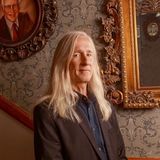
About this episode
And as we realize there was no light at the end of the tunnel, we also discuss... Son of Kong, Richard Matheson, Steven Spielberg, a 460 page script shows up on your doorstep, identifying with the monster more then the hero, Tower Records, Green Room, Ray Bradbury, a good book can make for a bad movie, Fangoria, it's gotta be good drama first before it's good horror, that's the thing about writing... it costs you nothing but time, The Invitation, a voracious reader, Stephen King, you either have the fire or you don't, Critters 2, Cinémafantastique, Guardians of the Galaxy, Hollywood horror, I knew it wasn't real, but it was like fascinating, it was my introduction to something other then the mundane, fiction as a release, the line between brilliance and madness is a very fine one, it's not normal TV, good horror is good drama first, Disney wanted me to go under contract, it was our finger to the standards and practices, interviews on the Z Channel, you take it one day at a time, working with the changing technology, Universal Horror, Anthony Perkins, the Lincoln Tunnel, James Gunn, 600 extras on the streets of downtown Las Vegas, the making of Goonies, I got my first 8mm camera, envision The Thinker out of that giant boulder, being an outsider, a nightmare in a floating dream, 126 speaking parts, being involved in the dark creative arts, we carried a steadicam with us and a Hollywood desert noir murder mystery.
"...there's a lot to be said for fear in the creative process."
For more on Mick's interviews, go to: http://www.mickgarrisinterviews.com/
For more on the film fest, go to: http://www.westernkentuckyfilmfestival.com/
Transcript
Automatically generated, so expect the odd misheard name.
Hey, this is Doug Jones from the Hellboy movies and the Silver Surfer and Pan's Labyrinth and Hocus Pocus, Falling Skies and so much more. But today you are listening to Movie Meltdown. The following feature has been rated R by the Motion Picture Association of America. It is intended for mature audiences and parental discretion is advised. It's showtime, folks.
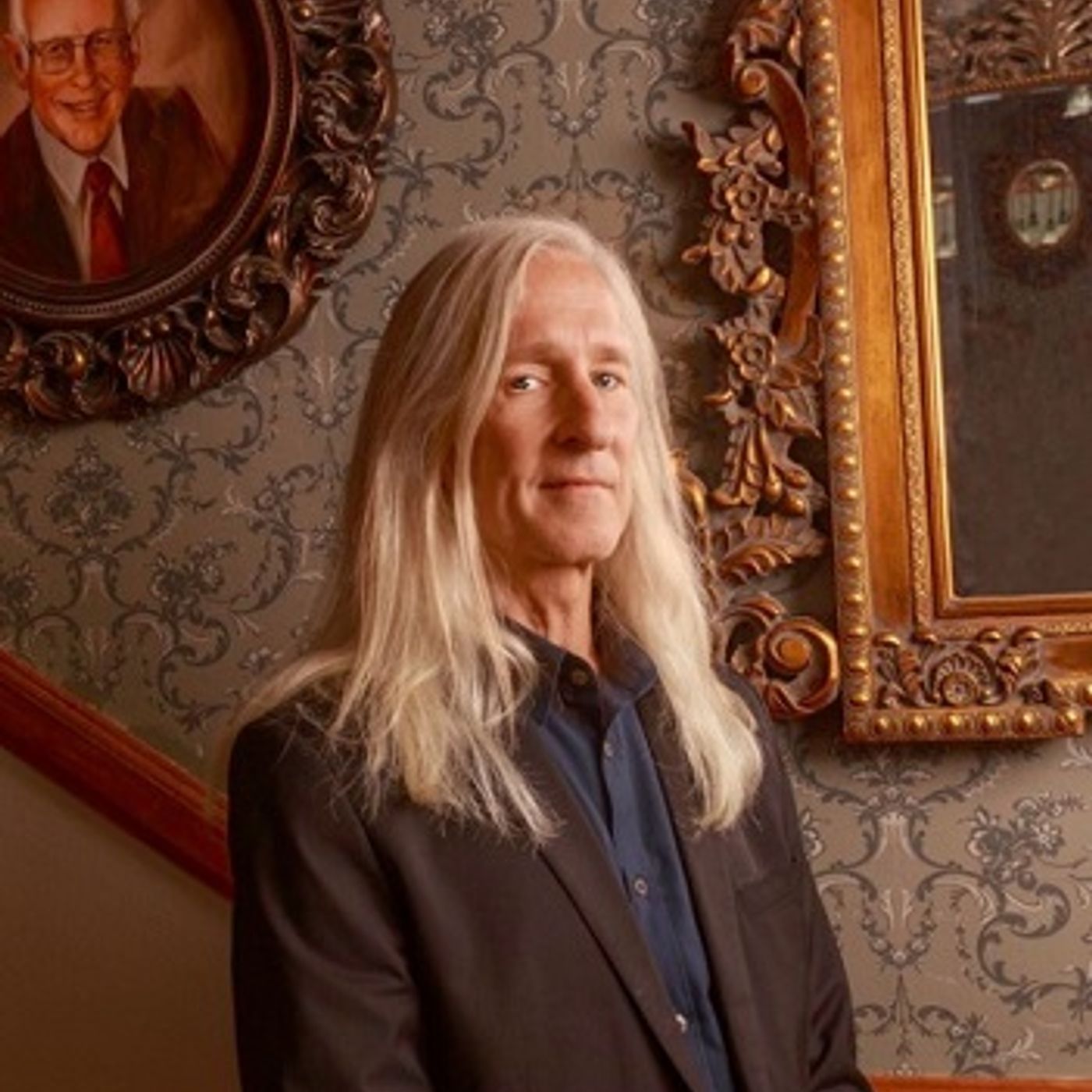
Enjoy the show. Our nuclear reactor pumping out one million kilowatts of power. What's up and welcome to Movie Meltdown. I'm Brian and this week we'll be talking with a very special guest, writer-director Mick Garris. Now Mick is someone I've been wanting to sit down and talk with for.
A while now. He's had quite an interesting run in Hollywood, and I wanted to get his take on how it all came together, and his thoughts on what I would say are some pretty fascinating experiences. Now as it turned out, it took a good amount of coordinating to put this discussion together. I'm telling you. This now because there'll be a shift in a few minutes here.
We start off talking, and Mick is great of course, but we're in a relatively loud room, and for a few seconds Mick's mic cord had some issues. So at. That point, we're actually going to take our break early, and when we come back, we'll be in a much nicer setting, it will be quiet, I will have promptly dealt with that mic cord issue, and we'll settle in for the rest of a great conversation with Mick Garris. So I say, we get started right now. I try to start early on with people and find out.
I'm always kind of fascinated what brings people into film and just fandom in general. So do you remember what was the first movie or what experience kind of really triggered it for you? I was probably about six years old and my family watched Son of Kong on television together. Very old school. Very old school, but it was TV.
I was, like I say, six years old, little black and white set living in the San Fernando Valley in L.A. I'm a native of Los Angeles. And I was just captivated by this, you know, it was jerky and I knew it wasn't real, but it was like fascinating. It was my introduction to something other than the mundane. And it just really excited me.
And I think like most people who are involved in the dark creative arts, whether it's writing or painting or filmmaking, we're outsiders, you know. And it was something I identified with. From childhood, I was reading Richard Matheson and watching fascinated by all of the universal horror movies and stuff that that i grew up as a kid much before you grew up as a kid well that's not far off i think so uh but you know it really was it was really the outsiderness of it and identifying with the monster more than the the hero. I think that's what most of the horror fans exactly it's a weird thing that like yeah you get the sympathetic you know hero that it kind of is anti-hero for some movies but like.
Well, not many of us were class president. Not the popular kids. Or we weren't on the football team. The weird kids drawing monsters on our notebooks. Exactly, yeah.
But I guess what sent you down that path? Was it writing that you thought you wanted to get into initially? I seriously started writing at the age of 12. Wow. And I started drawing.
My father was a trained artist and. He had gone to school for it, and that was the first thing I started to do creatively. But at 12, I started writing horror stories. And I was reading Ray Bradbury, and oh my God, I read everything he wrote within a year. And I just was a voracious reader, Richard Matheson.
And so I completely gave up drawing to do writing. And then I got my first 8mm camera. And I started making little movies, and they were The Return of the Count and things like that. And so, not Super 8, this is 8. Even more, yeah, yeah.
Yeah, so that's where that started. Yeah, that's been one of my running themes as the show goes on, is realizing that art is just... it's art and like you slide back and forth. That's why I kind of spill over into music and in everything. Cause it's like, I feel like we're all the same group, you know, I mean, I was. A singer and a band and a songwriter for eight years and doing all that stuff and drawing and, and, uh, you know, all of the stuff, writing journalism and, and, And not just in the horror genre.
It all spills over. It's got to be good drama first before it's good horror. Yeah, that's how you get it. Unless you're only about breaking taboos. Just schlocky and nothing else.
Throwing entrails at the screen or whatever. Which, there's plenty of that out there. Plenty of that out there. So I guess, what was the first thing that kind of sent you on that? What was in your mind at the time, like, this is my big break.
This is really going to get me my foot in the door and may have Not panned out that way. But what did you think was the first turning point? Well, really the first turning point was when I started doing the interviews on the Z Channel for the Fantasy Film Festival. And I interviewed people like Steven Spielberg and all that. Nobody had any idea that I'd be writing for him shortly thereafter, but I was doing making of documentary.
I started doing publicity for movies, particularly in the genre, specializing in that. And then Steven was on my interview show. And um they were looking for writers for amazing stories when i was doing the making of goonies and the first day of shooting that i was interviewing him there and you know he asked you know what are. You doing and i said well i'm trying to make it as a writer oh really you don't say that to steve i got. This really amazing story i.
Got this script in my back pocket and i had known steven for a while and Never, ever told him that. But I was just starting. To break away from doing the making-ofs and concentrating full-time on writing. And he said, oh, really? We're looking for writers for Amazing Stories, this new show I'm doing.
And I learned later I was the first writer that was hired to write one of the scripts. So I literally went from food stamps to. A $ 100, 000 a year job writing for Steven Spielberg. That's amazing. So.
That is the Hollywood story right there. It is, and yet it happened at the age of 33. Young, tender age of 33. Yeah, starting writing at 12, it only took me 21 years to make a living at it. But again, you do it because you love it, not because you're trying to get rich.
Did you also plan on directing, or did that just sort of get like, hey, do you want to try this? Or did you always have that in mind? I never had a plan to do anything. I just did what I couldn't keep myself from doing. And I thought, you know, when I was a singer in a band, I thought I'd be a rock star, and then that would allow me to write movies, and that would allow me.
To direct movies. It was never part of a plan, and it certainly. Happened in a much better way than that. The directing just kind of was a natural outgrowth. I'd been making a living as a writer, doing really well as a writer for about a year, and then I was offered an opportunity to direct something.
Disney wanted me to go under contract as a writer. And they were tempting me by saying, would you like to do an episode of our new Disney Sunday movie? We can, yeah, ease you in that way. And so I did that, but I didn't sign with them because I wanted opportunities from all the studios and not just family-friendly fare. Which now I guess it doesn't matter because they do everything.
They own everything. They do. And I ended up doing Hocus Pocus for them. Well, I guess since you mentioned it, that is one I was going to have to get to because... It's amazing how it's found its footing so late in the game.
I guess it did okay when it came out, but the fan base now for Hocus Pocus is insane. If you don't have a penis and you're between 4 and 40, it's your favorite movie. Or, I mean, that's the thing. We just love Doug Jones on this show. He's been on many times.
He's great. So it's like, yeah, I had to just because of the Doug Jones connection because he still has just fans lined up because of Him in that part. When I see a young woman coming up for an autograph, I know what it's for. Yeah, well. And sometimes I'm proven wrong and happily so because I don't want to.
Sleepwalkers, yes. Yeah, exactly. Finally. I don't want gender lines in my fandom. I always like when people sort of break the norm and like, I didn't expect this from you.
Yeah. And the people I most like being around are the people who don't do what you expect. Them to do. Yeah. I mean, on any of these, like, I was going to even go back to like earlier directing like Critters 2 like when you're handed part of the Critters franchise and they're like I mean how much control did you have going in or was the story relatively set?
There was a script already written by David Toohey and there were things that they wanted different and things that I wanted to do differently but they welcomed my personality you know that movie I've not often I've never done a comedy other than that other than the body politics segment of Quicksilver Highway, which was not a comedic story. But I wrote it that way, and there's a playful side of me that I've never indulged as deeply as I did on Critters 2 since. And I really like to do that, but it's every bit as much a part of me. There's humor in everything I do, but it's also the dark stuff and the deeply ingrained human. Side of it is important.
But the playfulness is something I don't want to lose. Yeah, you've got to find a balance, I think, and get a little of both of those. The other one I thought was interesting, I mean, you're given Psycho 4, and now we see an entire series devoted to what you were kind of touching on in that movie. Yeah, which they've intentionally avoided having anything from the original Psycho Mythos. Reboot and start over and pretend like...
Yeah, exactly. So I haven't really seen everything they're up to, but At first, I resisted it because it was so far removed. Wait, I had Norma and Young Norman. This was my project. Yeah, and they decided to take it in a different direction.
So I resisted it for a while. Then I really got to like it, and then I just fell out of it just because there's so much stuff out there. I just thought it was interesting because of all the directions they could have gone, I'm like, well. fourth movie already kind of did that i. Don't think they've seen the movie yeah it was. It's i thought it was a really interesting take on it too because it does and it was before everybody started doing we want the backstory we want the i mean it was very early in that little game so it's like now everybody does that but you guys were.
Kind of like breaking new ground there. We did and it was written by the original screenwriter who wrote the original psycho we had tony perkins we had My executive producer was Hilton Green's assistant director. Hilton Green was Alfred Hitchcock's assistant director. And it was an amazing, great experience. Anthony Perkins is pretty awesome.
How was he as an actor? He's a great actor. But this was a guy who had directed Psycho 3 and wanted to do 4 and they wouldn't let him because it was not successful. 3 did not go over well. Did not go over well critically or commercially.
And so.... He suddenly handed the director of Critters 2. And he did not like that? Well, he approved of me because John Landis and he were friends, and the three of us all had lunch to meet. But he was a complicated guy anyway, very eccentric, but it was all out of caring.
He, more than anybody, was connected to that, and so he's protective of it. And he wanted... It's been most of his life. It took over his career, basically. Exactly.
For better or for worse. For worse, probably in the grand scheme. I mean, the legacy is amazing, but for his acting, it. Kind of suffered. He was a young movie star lead of romantic roles and all.
And could have pulled it off. He was a brilliant actor. And he became the bad guy, the crazy bad guy. He became a crazy person, yeah. And he was eccentric.
You know, he. Was not your normal guy. Yeah. But that's, you know, the line between brilliance and madness is a very fine one. That's true.
Well, then, I guess to cross over into some of the King stuff, I mean, did you meet him early on? Because I think you'd worked with him for quite a while. Well, I met him when he shot his cameo in Sleepwalkers. We had talked on the phone and worked together on the phone and all that, but it really was when we got to Sleepwalkers, and that's where we met. And he was so happy with the experience of Sleepwalkers, that's what led to him asking me to do the stand.
I guess he signed off. At that point, I would assume he gets approval of his directors as he does. He had director approval on that one, yeah. It's intermission time time for refreshment. During the next 10 minutes, you're invited to visit the refreshment stand, where you'll be greeted with fast, friendly service.
You'll find hot dogs, juicy hamburgers, and mouth-watering, delicious pizza. There are refreshing hot and cold beverages, ice-cold cola, and orange drink. Goes great with an order of crispy French fries. Then there's a wide selection of your favorite candies and other delicious snacks. And there's always a fresh batch of hot buttered popcorn to go with the rest of the show.
So visit the refreshment stand now during this 10-minute intermission and add to your enjoyment of the movie. We're happy to have you with us tonight and hope you'll come back often. This episode is sponsored by World of Leathercraft, specializing in handmade leathercraft items with a specific nod to the geeky genres. Whether you're looking for a wallet, purse, keychain, bracelet, money clip, luggage tag, book cover, phone sleeve, laptop bag, whatever it is, World of Othercraft has so much to choose from. Plus, with genre themes like Star Wars, Doctor Who, Supernatural, Cowboy Bebop, Magic the Gathering, and more, you'll let people know you aren't messing around with store-bought junk.
Your fandom runs deep because you're carrying a handmade work of art. And since you're a Movie Meltdown listener, you get a special deal. Just use coupon code MELTDOWN25 at checkout and get 25% off all orders over $ 50. Plus free shipping on everything. So just go to worldofleathercraft.com and take a look at all the geek-friendly products they have to offer.
May I have your attention, please? I have been asked to explore the serious side of Alfred Hitchcock. Very likely, I suspect, because I am Alfred Hitchcock. I have chosen to do this through the following serious statement. I want you to see Psycho, a motion picture, exactly the way I originally made it, uncut, with every scene intact, especially the famous shower bath scene, which the TV version did not dare show.
This occurs 44 minutes from the start of Psycho. Watch for it. And remember, No one will be admitted to see Psycho except from the very beginning. I now leave you with this final serious message. Suggested for mature audiences.
Hello, creeps. It's me, the Crypt Keeper. And you're listening to Movie Meltdown. The greatest movie geek show on Earth. It's part of your problem, you know.
You haven't. Seen enough movies. All of life's riddles are answered in the movies. Now, on with the show. All the times have come.
But now they're gone. Seasons don't fear the reaper Nor do the wind, the. Sun or the rain Come on baby Baby take my hand We'll be able to fly. Baby I'm your. Man Ah we we haven't addressed the stand i did want to at least get to that at some point sure i guess as you're you're handed this project i mean you look at the book how can you not be intimidated by i mean that the phone book that it is like i.
Was totally intimidated by it you know the good news though was that it was one of my favorite books of all time yeah we had Just done Sleepwalkers together, and the reason he came to me with it was because he really liked what we had done with Sleepwalkers, especially before the MPAA got old. Yeah, yeah. And even more intimidating than that book is when a 460-page script shows up on your doorstep. I mean, you are essentially making four or more movies. Edited down, you're making four movies.
It was four movies, but you still have to shoot it like one. You shoot out all the location in one place, then you move to the next place. A movie isn't shot in order. Especially something this lumbering. Picking up all those shots in that location from four hours from now.
In the running time. That's huge. Not only was the page count really intimidating, but Also the scope of it. I had only done things on a small scale. You know, Critters 2 was the biggest scope of anything I'd done before that.
Yeah, I'd say Epic is probably an understatement. Understatement to be sure. And here we're doing like 600 extras on the streets of downtown Las Vegas. You know, the end of the world, basically. And I'd never done anything approaching that scale.
And even though it was a healthy budget for a television miniseries in 1994... It's still a very demanding project and CGI had just started being used. We used a little bit of it there and it was still pretty primitive and all. The only way you can make a movie is to do it one day at a time. It's like being a recovering alcoholic.
You take it one day at a time. Actually, something like that, yeah. I guess that's the only way to not be overwhelmed by it. And to not be overwhelmed by it is to have a script that you know is great, and you break it down into what the shooting schedule is going to be, and you chip away at it. And literally, there was no light at the end of the tunnel.
All I saw was tunnels. including the Lincoln Tunnel literally and figuratively but you know it was incredibly intimidating and all you can do is the best work that you know how to do and surround yourself with the best people you know how to surround yourself with so it was on the road it was shot on locations all over the US in six different states. Primarily huge cast you know. 126 speaking parts And, you know, primarily shot in Utah, but also a couple of weeks in Nevada and also a couple of days in New York and a day in Maine and, you know, in California for a day. So really difficult stuff to do and just the choreography of things like the Las Vegas sequences and things. Very intimidating, but all you can do is, you know, envision that.
Like Rodin envisioned the thinker out of that giant boulder. Look around and find it in there. Yeah, you chip away everything that's not the thinker. Yeah. And so that's kind of the job.
Of specifics, I did go back. I just ended up re-watching it in the past year. think i forgot about that opening sequence was that don't fear the reaper yeah the the just the roving camera was that your concept originally or did it just happen as your you know did you stumble upon. That idea or well it was it was what the plan was and you know it was written to to not to be shot in that way but it was written in a way that to me felt like well there's a And just the descriptions felt like a nightmare and a floating dream. And because we had so much work to do, the film was shot in 16 millimeter, and we carried a Steadicam with us every day, as well as a crane with a remote control head on it. Because laying the rails that you use for dollying, the dolly track and everything is time consuming. for that much stuff.
Every shot, you know, you have to do that. Plus, you're going down long corridors and things and you don't want to be able to see the dolly rails. So a Steadicam gives you that kind of floaty, dreamlike feeling that really works and that's a really haunting song as well. And so the combination of practicality and imagination were kind of, it was the perfect marriage to open this in a really stark and Shocking way. And another thing about that opening scene is one of the things that ABC said to us, their standards and practices was no open eyes on the corpses.
So we we push right into that woman's face. She's dead and clouded over eyes. And it was our finger to the standards and practices. That's what I was going to ask. Yeah, because that also is the beginning of it.
It's not even late in the running time for that night. We're in the titles. Right, yeah. You're right there when the kids are still finishing dinner and be like, hey, mom, what? Oh.
Wow, look at that dead lady. What is all this? Yeah. It's a lot of dead bodies there to kick things off. Well, you know, the good thing is they knew, look, we're doing Stephen King.
People know it's Stephen King, so we're going to stretch the envelope. A little bit. Yeah, you signed on to do Stephen King. You should know what you're getting yourself into. So speaking of him, how, I mean, again, you've worked with him quite a few times over the years.
I guess in the beginning there, the first couple of projects, how was he, is he someone that you collaborate with on these projects or is it? He just sort of comes in and oversees it? It's a real collaboration, but the writing work is usually done first when he's done the scripts. In the case of Sleepwalkers, I was brought in. We talked on the phone, and we'd talk about some changes, and he would actually fax them to me.
The next day, there'd be this great scene, five pages that had been faxed to me. We might have to stop and explain to the kids what a fax was. A fax, yeah. Nah, the hell with it. Google it, you'll be fine.
Yeah. But we never met until he shot his cameo for Sleepwalkers. And then the experience was such a good one that when it came time for The Stand, he asked me to do that. And the script was already written, but... he was there for probably half of the shoot off and on and, and very much a collaborator, but in the sense of encouragement, there, there's never been a time in our work together where he has told me, you know, I think you should shoot it like this, or I think this or that, you know, I'd go to him and ask his opinion of things, um, just because what a great resource to have. But, um, He really knows the job of the director and the job of the producer and the job of the screenwriter and the like.
And I welcome his input. But, you know, I've said this before, but a lot of people think that because I've worked with him so much that I'm his bitch. Well, I mean, we were actually on a recent episode. The guest was referencing like having him on the set and how nerve wracking that would probably be. And I was like, well, you've actually done that.
So you're a good resource. It's not nerve wracking at all. It's the opposite. It's an encouragement that he offers. And he's a really good guy.
And he is an artist first and foremost. And he, you know, you read his book on writing and you know how encouraging he can be about the creative process. And for him to be a part of it and on The Shining, he was around even more often. Yeah. He was the executive producer on both of those.
Well, that's what I was thinking. Your early projects were post the Kubrick Shining. So I guess that, I mean, that's probably his most famous issue with. His stuff being turned into a movie. Yeah.
I think it's well known that it did not really. I guess from that point on, everybody kind of approaches it as, you know, okay, we're working with you. What do you want to do? Well, not always. You know, there were movies after that that he wasn't crazy about.
But, you know, he's been very philosophical about it and really smart about it in that people say, oh, look, you fucked up this book. And no, the book's still right here. You may not like the movie, but they didn't do anything to my book. They didn't tear pages out of every copy in the library and put them back. I've always had issues with that because I hate when people, it's an argument I get in all the time with the book's better option.
I'm like, those are entirely different forms of entertainment. Like you can't, really compare better like you can like well often you can well you can like the way the story goes better but I'm like it's a different medium so like you can't. A good book can make for a bad movie yeah but in the hands of someone else it can make for. A good movie yeah it's it's just again I feel like they're so different in what you how you ingest them you know. It's like well they're different media and yeah yeah Richard Matheson once said to me when we were working together on Amazing Stories that something that's stuck with me ever since is books are internal and film is external yeah and that's a huge difference and people who can work in both media you know it's it's it's really uh an amazing opportunity to be able to tap both of those.
It's a totally different way of telling the story because yeah you're you're leaving so much up to the reader as an author of a book but like you have to make sure everything is on the screen as you're throwing the screenplay together. So it's a totally different approach. The thought process a character goes through has to be represented visually. As somebody who works in both media, it's an interesting conundrum or challenge or exciting opportunity. Well, I was dealing with, I guess at that point, King, but you didn't.
You came from California, but you really didn't grow up around celebrities or the like. No, I mean, I was born in LA, in the San Fernando Valley, but in very blue collar circumstances. And no, there was no celebrity in my childhood or my upbringing. And it was all just really you know, I started doing the interviews and stuff when I was a musician first with, with, you know, Janis Joplin, Jimi Hendrix, when I was a teenager and then, uh, moving into my interest changed to film after I'd been going to school and like not film school. And then I did the Z channel show and did all those interviews.
And, and often they were people I knew because of publicity jobs I'd met them on. And, uh, So yeah, I definitely earned my way into that world. It wasn't because I was an LA native. Yeah. Was it unnerving those first few times?
I mean, now as time's gone on, you've worked with so many amazing people over the years, but in the beginning, was it still that same thing that everybody else goes through? Oh, of course. Of course. And worse because I'd never been a television interviewer before. I'd done print interviews for newspapers and magazines, but To be interviewing Steven Spielberg for a TV show.
Hi, I'm Mick Garrison. This is the Fantasy Film Festival. And it felt so ridiculous to be talking to a camera and not a human being when you're doing the introductions and the like. But what's great is they were just conversations. The shows that we did then and then later on in post-mortem, it would get into...
We weren't selling anybody's new movie or doing... promotion or anything they were conversations and it really that that nervousness really wore off quickly as as they were put at ease and and that put me at ease and yeah became a particularly in post-mortem where it was people who do the same job talking to each other rather than a nervous kid and A journalist talking to his idols. Yeah, it is. And that's kind of what I've taken to so much with this format over the years. It is. And it's why I've almost avoided adding a camera because I think that, number one, it adds an extra weird little thing that then people are super self-conscious about what they look like in that moment.
But it also adds a weird technical angle that you have to have all this other stuff involved for it to not look horrible. Right. Whereas this is so much more relaxed. You don't want to carry lighting rigs around. And you need somebody else running everything.
So you've got other people sitting there where this, just, yeah, just sitting down and having a conversation is such a different experience than, yeah, going through the press junkets that everybody else is usually thrown at. So, yeah, it's. It's always way more interesting. And where the interview subjects say this, try and think of a way to say it differently to 27 different people. Over and over and over.
Translated through a Japanese translator. There's that. Over and over. But then, yeah, I guess as you got into doing those kind of interviews and stuff, was it, I don't know, it. Took you a while.
I think you even mentioned it took you a while to make it. in quotes, before you got into the business. Well, to make my living. As a writer, I was 33 when that first happened. But it was writing for Steven Spielberg. That's a good jump.
My world changed. I was on food stamps when that happened. But the fact was that I kept doing it because I loved it, not because I hoped to make a living at it, but I didn't imagine what happened would happen you know that the first guy to hire me as a screenwriter was steven spielberg darn the luck yeah but again a lot of people do it to make a living and you know if you haven't done it by 33 you're going to give up for most people yeah but i love the process of writing and i love movies and that's why i did the journalism and stuff to learn to to evolve and to to see if i could attain some knowledge from these people who were the gods to me you know. Yeah it's such a process and for most people in the entertainment industry, that fight, as you said, like the making it before a certain cutoff or like, that's how long do I keep doing this?
So I guess then I wanted to know what, what kept you going? Like literally, I guess, what were the jobs you were doing in the in-between time that kind of kept you surviving when you weren't. Getting food stamps? I was working at Tower Records, you know, I was working in record stores and, and, moonlighting, writing for Cinefantastique and different magazines, which you certainly can't make a living off of. No, certainly not anymore either.
And my last job before I started making my living as a writer was doing publicity. I was at a PR firm that handled different movies and things, and then I worked for Avco Embassy at the time of The Howling and Escape from New York and The Fog, which was a great place to be because I hired myself to do the making of. And then. the head of Avco Embassy moved over to Universal, and so I happened to go to Universal. He brought me in there to do special genre publicity for E.T. and American Werewolf in London and Videodrome. It's just good timing all together.
Yes, because that's also when that new level of fandom started. It still isn't the way it is now. It's out of control now. But, like, yeah, we just started getting... There were always old-school fans, but, like, the 80s bred that new... extra layer of people that were putting together fanzines, that were watching extra footage at the end of a videotape, which now it's hard to even imagine, but when they used to do that, if you leave.
It on for an extra 20 minutes, yeah. Fangoria was new. Those magazines, there were a few of them, but not many. There was no internet. So when you're talking about publicity, one of the ideas I had was to do this Fear on Film roundtable.
There's three movies we were working on from Universal that were genre films. It was The Thing, American Werewolf and Videodrome. So I thought, wouldn't it be interesting to get those three directors on, talk with them for half an hour, and then give it to TV stations around the country, which is exactly what we did. And because I'd done the Z Channel interviews, I hosted it and did the interviews, and it's kind of turned into this kind of classic thing now with these three great filmmakers talking about their films in 1981 you know. Did the stations know what to again at that point it was so early on did they know how to make use of it or.
Yeah well often they would take clips from it and put it on their news shows or and late at night um there were there was open space. Yeah for the national anthem. Yeah yeah it wasn't 24 hours on every channel and so USA Network ran it several times whenever just to fill a half an hour slot where they didn't sell commercial time or something and universal would just give it to them and and it you know was not widely seen then but people would run across it like you'd see an infomercial you. Know and again that's where those fanboys you know they're up in the middle of the night looking for the midnight movies anyway so they're gonna they're gonna take to that yeah well then i guess again in that sort of in between time I don't think we'd addressed the family situation.
Were people supportive that you were still like trying to make the dream happen? Because sometimes that's a fight with entertainment industry as a whole. It's like everybody just wants you to get a real job and get past it. Well, you know, there was never a time where my family thought, gee, he's 33 and still working in record stores. But, you know, I had a real job as a publicist.
Yeah. And was working at studios and the like and making a decent living at that. That's at least a. Real job by that point. Yeah, it was a real job.
There's plenty of people that just do that for a living. Yeah, and what I do now, not many people would consider a real job. It's a different world. So, you know, I had a pretty supportive family about it. But, you know, again, I was in my 30s, so I was on my own.
But the only member of my family who went into the arts, my father studied art. at art school and was a talented artist who did it after he was in his thirties you know he just became a realtor and and and did not say they didn't even do it on the weekends. People are that yeah i think that you have people do i'd see a lot of people that like we'll talk about well i was in college i did all these paintings and what do you not do it now like why how can you just let go of that. Well you know i started out drawing before i started writing once i started writing that quit drawing and hit I think you either have the fire or you don't. And fires can be extinguished. And that's not necessarily a bad thing.
It's not a shame when a talented person directs their talent in a different direction. It's a shame when they feel they have to and they give it up because of the pressures of raising a family. My dad had four kids and had to support four kids. And I don't know that he really missed doing the art after a certain point. Yeah.
I guess that is with some people. It's different if you channel into a different artistic form. It always is sad when they just give up and go get a real job. Well, it's really hard to make a living in the arts. And harder now.
Even though there are so many more outlets, they don't pay. I mean, the internet, you know, YouTube, you're not making any money doing movies to YouTube. And as a new filmmaker, how do you find your audience? You know, if you Studios are basically making, you know, they're not making movies nearly as much as they're making events and amusement park rides, something that you can't watch on your phone. That's the only way to get people out of the house is to add a new level to it.
So storytelling, it's either television or it's online where it's almost impossible to separate the wheat from the chaff. So it's a great time to be creative. But it's a terrible time to make a. Living being creative. It's not a lucrative time to be creative.
Or it's, you know, people are finding ways to do it. It's changing. It's democratic, which in the arts is not necessarily a good thing. The fact that anyone can make a movie means that anyone can make a movie. And that means the people who are great at it, this is great.
And the people who are terrible at it have just as much access to your eyeballs. In a way, that's fair. Well, again, that's the sidebar. I think it's fine because it gives everybody freedom. And I think even the people who may have originally not ever gotten a chance to now get a chance to might rise to the ranks of the real filmmakers.
But I think it also, everything can get lost very easily because now there's such a flood of. Stuff out there. Yeah, yeah. How do you choose the good stuff? You know, you rely on recommendations from friends or websites or, you know, it's just very difficult.
There's so much out there. And production value is something, yeah, you can do amazing things with the tools, with your phone and your computer that you could never do before. nothing will replace the ingenuity of a good script or the talent of a good cast. And that's the key. I think there are still those handful of people that are out there and still are talented enough to make that work. So I always love when one kind of pushes through and had no budget, and yet they still put together a.
Good enough project. Absolutely. But there's a lot of junk that comes along. There is. And for young filmmakers, the first thing I always say is, don't hire your best friends to act in your movies unless they're the best actors you've ever seen.
And they better be good. Yeah, because that's the first way for your movie to look amateurish is to have your buddy. Well, he's really funny at parties. Yeah, well, good. Doesn't always translate.
Yeah, exactly. Well, then that was another one I was going to ask. Because you've done feature films and you've done episodes of television, so it used to be a very different medium before. Now that the lines are blurring, TV's gotten almost cinematic. Oh, very cinematic.
And episodes, what used to be, it was really weird when you did something like The Stand, whereas now they're shooting series like Daredevil, and it's just a 15-hour episode of a show. Yeah. I don't know. I guess from both angles, as a business or artistically as well, how do you look at it? Well, for me personally, I feel that the best writing is being done for television.
Yeah. And a lot of the best filmmaking is being done for television because it's the best storytelling. You still get really good stuff in the theaters. My particular realms of interest don't necessarily include comic book movies, $ 200 million comic book movies. There's a few of those getting made now.
For me, usually the more expensive the movie is, it's in direct proportion to how much less I'm going to like it. Sometimes that's the case. Some of them are great. You know, there's really great exceptions. Guardians of the Galaxy was fantastic.
Most of the Marvel stuff's been really good. Yeah, but the superhero stuff is not my cup of tea. Yeah. I love it when they send things through a blender and come out differently, like Guardians of the Galaxy. Guardians, nobody saw that coming.
Really witty and smart, and that was one filmmaker's vision. They let him make it his way. And somebody who had no money and spent... He was one of the ones that pushed through. You look at those.
Yeah, he came out of trauma. All of him. He came out of trauma. Even up until right before that, he was making... really low budget super and yeah super is like amazing and so well written and great acting and it shows like it's all you have to do is. Put that together and it came from a writer yeah you know.
He's just a great writer really good writer good guy too i love james it's very cool but um yeah i guess as as you look at these like projects is it Is that the sort. Of thing you would rather end up doing now as more of like an online, like something for Netflix or Amazon or one of those? Well, that would be amazing. I've written a pilot that we thought was going to go based on a King story that so far hasn't moved ahead. But I'm right now in the prep stages for Nightmare Cinema where it's a feature film, but it's for any platform.
I can play theaters. That's probably how you have to do it now. It can be streaming. If we do multiples of them, we can do it as a series on Showtime or Netflix or whomever. Or it could also act as a pilot for another anthology series.
So we're just hoping to be in the finalizing stages of that like any day now. But that's something. It's a very low budget, but really great storytellers. We've got filmmakers from around the world doing stories they want to tell without getting creative interference. You mentioned the anthology thing.
You've either put together and created or been a part of a lot of different ones over the years. Why is it you're so drawn to that idea? Is it something specific? They're all different movies. Each one's individual.
I In my formative years, when I was a kid, I watched a lot of series television. But as an adult, as a young adult, I never watched a series. I loved movies, but I never got into series. I didn't watch the popular series of the time. And then along comes Tales from the Crypt.
In my case, my first job was Amazing Stories. And working with them, I did a Tales from the Crypt. I did a Freddy's Nightmares. It just. It stands on its own.
It's got a beginning, a middle, and an end. It's only in recent years that television has fascinated me and everybody else. Just because it's changed so much. The quality is so magnificent. The level of actors, the level of filmmakers.
And you have to make cinematic storytelling now. Whereas in television, it used to be just turn on all the lights and... Close-up master reverse, and here it does. We're fine. Even sitcoms aren't like that anymore.
No. I mean, have you seen The Detour? Yeah. It's great. It's hilarious.
It's not a normal TV show. It's not normal TV. You know, Louis is masterful. Again, one mind coming up with it and following through. And I didn't know until much later, he... went through, he wanted to be a director before he wanted to be a stand-up comedian.
You kind of see it. Yeah. He's really, really great. Well, and then on that, I didn't know if it was more on the anthology thing, if it was a running time, if you felt like stuff works better with a tighter running time sometimes. No, not necessarily.
Just case by case. It's just, you know, I love a contained story. Yeah. Um i've grown to love other things you know breaking bad stuff like that you know dexter that that continues that that kind of whipped my head around you know it it made me want to watch series tv yeah and uh things yeah. Last 15 20 years it's been a whole new world yeah it changed and you know to see american horror story to see all these things that you never would have seen in the 90s, you know?
And things that go way further than the stand did, you know, on commercial TV. Yeah. Well, that's another one I was wondering, and I've wondered this about a lot of directors, but it's because you've done both versions, I wanted to ask you. You have, like, feature films, and you've got, you know, a 90-minute running time to put your stamp on, you know, what you're trying to do and your artistic expression. But then when you come in, specifically when you do, because you've done a few that are just one-offs in the middle of the run of a series.
I'm about to do one next week. How do you, as a director, how do you approach that? How do you put your artistic stamp on something that's part of a bigger story and part that you're not going to be there for as you continue on? How is it that you'd handle something that segment? Well, it really is just stepping in and trying to make it you don't want it to not match yeah you know that usually there's a look of show meeting that you have before you get into it although a couple of the things i've done they've forgotten oh we didn't tell you but they usually invite me because of the work that i've done and and i found i only do just the last few years i've done like one a year one or two a year yeah and It's really fun to work with young casts and work with the changing technology, the tools and everything to keep fresh at that and to try things.
But the shows I've been able to do, they've been encouraging of me doing my style. But, you know, it's never going to be really far removed from it. But like the last two, I'm about to do episode three of a new series next week. So they haven't really set their style that much. So there's still room for it.
And then in Shadowhunters last year, I did episode two. So they hadn't even finished building their sets yet for episode one. So I was the first one to shoot the set. So I ended up setting the style for how that was done. So I've learned that it's really great, much more fun.
I didn't expect to want to do episodics of other people's series, but the the people you you're working with new people and and all this stuff it's it's really you know still exciting. It seems really interesting yeah but such a different angle that you're coming from. It's also a lot less responsibility than being a boss you know when you're the the creator or showrunner like with masters of horror you're on top of every show But even that was easier than most, which have a big staff and which, you know, say a writing room and all that. I was the only writer on staff on Masters of Horror because they were all done independently. But yeah, the idea of just going in for three weeks, prepping and shooting and cutting is like, and then you're done.
And then they change everything. No control. Yeah, but you don't have the frustration of ownership. It wasn't your baby either. You just came in and were handed these pieces.
And you want to make people happy too. As a filmmaker, you're an entertainer. And it may be behind the camera instead of in front of the camera, but the object is still to make. the viewers happy. And those viewers include the creators of the show. You're trying to help them engage their vision and bring something of yours to it that maybe will make it even more than what they expected.
So it's fun. Yeah. Well, and I also wanted to address the writing end of it. I mean, you're, you're doing writing seminars now. Uh, I guess, how do you, you've written quite a bit of it.
I mean, how do you approach, you know, Yeah. How do you approach a writing project? I guess either either novel, but then specifically as you go to screen and it's such a different version, as we said, like how do you approach? Well, it depends if you're being hired to write something or if you're doing something on spec. If you're being hired to do something, it's because you've pitched a take on it that they like or that you've come in with a story that a studio wants to pay you to develop.
That way you have to do every step of the way. You have to plan it out. You have to do a treatment and then an outline and all this before you ever go to script. Most of my writing is on spec. And so I just sit down with an idea on page one and then I write it to the end.
And I don't have any interference. I never outline. I just write it and, you know, in a couple of weeks I've got my screenplay. And it will either engage someone or it won't. And there are more that have not been sold than have been sold.
I think that's pretty standard with all writers. But that's the thing about writing. It costs you nothing but time. All you do is write your story and then put it in the hands of the people who sell it for you or do it yourself. And it'll either work or it won't.
And you have to be willing to let your babies die. Sometimes it's really exciting. But that's the great thing about books is that there are no considerations other than me and the reader. There's nothing between communicating to the reader. There's no budgets.
There's no egos. There's no pitching. There's no location problems. There's no ratings board. You know, you have an idea and you either sell it or you don't.
And I've got a great relationship with the Cemetery Dance publishers that have been incredibly encouraging most of my. Books that's again another industry that's changed so much that has changed so much now you don't even have to have i mean i have a friend of mine just wrote a book that he'd been willing to write forever and like there's new setups now where they print it per order right as you go and i'm like that's amazing or it's an ebook deal yeah a lot of. Them don't even get out there the last uh dark screams collection from cemetery dance which i have a novella in It's only available as an e-book, and that's through Random House. It's not even a printed version anymore. Yeah, but I'll tell you, almost every book I read, I read on my iPad on the Kindle app.
I can travel and have a thousand books on my iPad. Or they're switching to audio. Or audio, which I haven't been able to get into the audio book thing. It's different. It's more time consuming and it's somebody else's voice.
Yeah. And it's hard for me to pay attention the way I do when I'm reading. Unless they do a whole production on it. Yeah. One of my favorites was, yeah, I was just going to say that was one of the few I got on cassette back in the day.
And I'm like, it was a drama. It was made, it was beyond normal, like radio production style. Like it was so impressive. And before there was even a movie of it. So yeah, it's such a good representation.
Well then I guess going into the, the, the book and stuff. And I mean, have you got, that that you're kind of promoting to people or what what is how many things i don't really push anymore well just you know when you're telling people what you have coming up i've got. A new book coming out uh at the beginning of june called ugly and it's a novella um and it's i've kind of created a sub-genre of hollywood horror you know this the last book was not a horror novel it was but it was still a hollywood kind of hollywood desert noir murder mystery called salome. It's a good subgenre to have. Yeah, it really came out well, and they're very happy with it.
And this one is, it's not a Hollywood story, but it's an L.A. Story. It's a plastic surgery story called Ugly. That's very L.A. Yeah, very.
It's very Beverly Hills in particular, this one. It's about an esthetician, a plastic surgeon. who is offended by ugliness. You know, if he sees somebody that's not perfect, all he can think about is how he can fix them. I guess you would get to that point. Yeah.
And he's arrogant and rich and drives, you know, the Maserati and all. He's everything I hate in a human being. And yet, you write from inside his point of view and make him, you know, sympathetic to a degree. Anyway, a lot of my books are tinged with satire and observational stuff from an industry that I, that i live. In so are you still drawn more towards the filmmaking or do you want to again you bounce back and forth but is it is it something one versus the other for you or everything.
Well i do the the fiction as a release you know i i you know i'm glad i don't have to make my living from that because in the. Book especially now it's a different world. It's a very different world And, you know, I came into it late in my career. The books came, you know, just a dozen years ago or so. And, you know, I consider myself first and foremost a filmmaker.
But it's nice to see filmmaker novelist, you know, or author. It's nice because it's something that I've always, like I said, since age 12 wanted to do and have done, you know, and being published regularly now is really kind of a great accomplishment and something, you know, I never thought I'd see a row of books that I wrote on my bookshelf, you know, and now this, I think, is my eighth book. That's awesome. Well, then I guess we usually kind of do a segment just of what we've been watching lately, so I will throw it to you. Have you seen anything interesting as of late?
Yeah, the last couple of genre films I've seen have been the best I've seen in a long time. The Invitation that Karin Kusama did. Have you seen that? I don't think so. Is it a recent?
Oh yeah, just in the last month. It came out theatrically in some places, but it's also on demand and it's really good. What's great is, for me, good horror is good drama first. It's not about the splatter. It's not the gore scenes and all that.
Not that there's anything wrong with that because that but it's a different point of view it's a different approach this is a great very adult very human horror story and then green room which is also incredibly intense and uh really dark and neither of them are supernatural in any way but they are all the more horrifying for that you know because they are so plausible and believable And both of those, you know, it's been a long time since I've seen horror movies that I could get really excited about. You know, there are very few that have a point of view other than let's gross out the audience. Or, you know, there's good stuff out there, but these are two exceptional ones. That's what I've said.
Again, there's so much being made now that. Like, there's a lot of. Watchable stuff. Yeah. Sometimes it just kind of mediocre.
So when you get one that, that kind of pushes through and you're like, Oh no, this is really well put together and a good concept. Yeah. You know, and I've got a 70 inch TV, the 4k and all of that. And, and I don't want to watch a movie on my iPad unless I'm on an airplane. I don't.
And so if it's not streaming on something like Netflix or Hulu or a place where I can watch it as close to a theatrical experience as possible, uh, then I'm not too, I'm not prone to do that. So it's going to be harder for me to look something up on YouTube and put it on my watch later queue and then run it on the big TV. Do you, I don't know, do you respond to stuff at home versus the audience? It is, it's not a total dying area. There's still resurgences.
Well, I still go to the movies at least a couple of times a week. And you know, The audience experience, particularly in horror and comedy, where it's shared and external, is great. That said, I don't want to go to a movie on Fridays. or saturday night where it's a full house and all of that i almost always go to the movies in the daytime where it's not a giant audience you know it's still a theatrical experience but it's the good part of the audience rather than the texting and screaming and talking. And yeah i've realized i don't get much of that but i kind of do the same thing like i usually like first showing of the day on the yeah on the weekend maybe i'm like so i don't get that and i've heard it's not even as everybody likes to blame teenagers but i'm like really everybody i hear specific stories about they're all old enough to know better absolutely just absolutely no respect for.
Audiences there are theaters that take the rains and that, you know, there's the art and the Arquette cinemas in, in LA, they all are hosted and they all tell you, you know, if somebody's bothered, please do not use anything that emits light. Yeah. Don't do a, you turn off your cell phones and all of that. And if you have a problem, come and talk to one of us. And, and, uh, you know, it's, It's a good thing.
It costs you a couple of bucks more to go to that theater. But for that experience. Put up with those people. Yeah, with perfect projection and great sound and all of that. And you don't have somebody tweeting everything in the movie next to you.
You know, it's great. Which is its own weird thing. Like now there are those special theaters that are doing like a second screen. Like it's approved and encouraged for everyone. Like I don't understand that either.
AMC threatened to, they said they were going to do that. And the backlash was so hard that they took it back. I'm wondering if that will be a thing. Like, again, I'm like that, but I'm just, I'm of the old last era of that generation. I'm wondering if kids coming up now like that will just be normal and they're okay with that.
I don't know. I hope not because I hope there's respect for the form, you know, and it's just incredibly selfish and stupid. And you, you spend $ 12 to go to a movie and you're not watching it or you're all of that stuff. It's just like, go home and watch it on tv or watch it on your fucking phone don't pay attention. To it yeah that's it is kind of insulting to the filmmaker to the actors to everybody involved that you're like not paying attention.
To it what's the point you know it's pretty sad watch it at home where you can talk with anybody you want. To so go out and see movies and be respectful yeah we want to sound we won't end because it is a positive experience We won't end on that. Again, let's tell people where to find you. You've got so many things in the works. You've got the novella coming out.
The Ugly will be out. Amazon is always a good place or CemeteryDance.com. They're the publishers who've done most of my books, not all of them. The old interviews that we did for Postmortem and the old Z Channel interviews and a lot of the making-ofs I've done over the years and the early part of my career are all posted for free at mcgarrisinterviews.com that's cool and it's a nice source for film students and stuff to see interviews with people like carpenter and and william friedkin and wes craven and all that it's pretty exciting stuff and um dead of summer is the show i'm about to go do episode three four and uh we'll see nightmare cinema should be kicking in this summer as well so there's A lot of things in the works and a couple things I can't talk about yet.
That usually means they're good projects, so that's okay. Yeah, it's nice to still be doing what I'm doing and feel like I'm a young filmmaker. Each time I feel like I'm starting over again and I... there's a lot to be said for fear in the creative process. I think it's so much attitude too, because yeah, just in what I've seen, like you have such a positive attitude towards working versus somebody. Yeah.
I'm lucky I'm still doing it. A lot of my peers have not been able to continue and it's, it's a rough game out there. And, and, uh, every day I'm grateful for the opportunities that I've gotten. That's cool. Well, so that's it.
Keep trying kids. Yeah, that's advice. Exactly. And you do it because you love it, not because you think you're going to get rich doing it. So I guess that's what you tell up-and-coming filmmakers at this point.
Well, you'll come to the seminar. We'll see what happens. Because you love it. Yeah, well, that's it. If you expect to get rich by being a screenwriter, good luck.
But the likelihood of that, these days especially, is fairly limited. But if you're writing, you can... I wrote... At least as much when I was working for a living doing a regular job. Yeah.
Because you can do it at night and on the weekends. And they never saw. The light of day most of the time. Yeah, exactly. But they did open doors.
Yeah. So that's cool. All right. Well, thank you for being here with us. My pleasure.
Once again, thanks for having me. Yeah, I think it's time for you to get out of here. So we will wrap it up. Excellent. Otherwise, thanks for joining us.
Thanks for sitting in, man. Really good to see you. Thanks for driving. Alright, so obviously a big thank you to Mick for sitting in with us this week. But I also wanted to say thank you to another group of people, because the bulk of this week's episode came together at the Western Kentucky Film Festival.
Now, I went there to meet up with Mick, and while I was there, I met quite. A few of the people who organized the film fest. And everyone was great. I was impressed by just how dedicated they all were. A really great group that put a lot of time and effort into building this film fest.
And I'm definitely interested to see where they're going. And you should be too. So to see what they'll be putting together in the future, go to WesternKentuckyFilmFestival.com and see how they build on this. Year's great event. So thank you to them for inviting Mick and for letting me at least get minorly involved.
All right. Well, that about does it for this week. We will return next time. Same geek feed. Thanks for listening.
This is my life, and this is how it reads. For every chapter, a thousand memories. A murder, a mystery where everybody bleeds. A fantasy, a thriller with romance and disease. Diary entry night for May 62.
We've had some ugly babies, but none with work. Diary entry 62, end of May. It looks as if the nose and. Chin are left only here to stay. Here to stay.
Here to stay. My lips start smiling and my knees start knocking. I'm a failure. And if I seem half-hearted, it's because I'm broken-hearted. I'm a failure.
This is my life and this is how it breathes. A documentary that nobody believes. Albert Steptoe in Gone with the Breeze. Mother played by Peter Beardsley, father by John Cleese. Diary entry 68, end of the year.
The cop on Apollo 6 has given the offer. 11 December 68, captain's log. Proposed trip to Mars is cancelled due to fog. It's due to fog. It's due to fog.
If my lips start smiling and my knees start. Knocking, I'm a failure. And if you see my heart, it's because I'm brokenhearted. I'm a failure. I'm a failure.
This is the play, it was I who wrote the script. It's Harry, Miss June, in. Tales from the Crypt. It was going to be a film, but the camera person slipped. They later found him scolding a banana.
A diary entry, 10th of April, 89. The world is going mad, but me, I'm doing fine. I'm doing fine. I'm doing fine. Back to bed, back to reality.
Back to bed, back to reality. Back to bed, back to reality. Back to bed, back to reality. Boy, that was an experience. Yeah.
This episode is a production of Movie Meltdown, produced and edited by The Oddity Studios, with opening music performed by The Empires. For more on how to sponsor or support the show, email producer at moviemeltdown.com. Talk hard!