About this episode
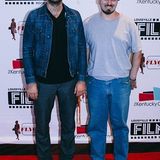
And while we come to terms with the fact that some of us never grow out of that awkward stage, we also bring up... Film Festivals, Arman Darbo and Sawyer Barth, the power of friendship, Get Out, shooting on-location, nothing to do with the industry, The Beguiled, back to school sales, I like to read other people's stuff and fall in love with it, someone stole my pencil, The Thin Red Line, Sunday night uneasiness, It Comes at Night, a very suburban feel, He Got Game, a form of trickery, The Babadook, unfiltered shame, Evan Glodell, you don't want to glamorous it, It Follows, working with kids, your world is only that big, he was somebody I really believed in, mental health, shooting in Louisville, elevated horror, there are no single answers to these tragedies, The Witch, everything hurts more, is that your wheelhouse, Saving Private Ryan, access to guns, you hit this wall, Trigger Street, probably very illegal?, Seven, a user review on IMDB, actually trying to get a feature made, The Basketball Diaries, we were all crazy at that time, ripping off other movies, Kids, if you only knew the hell we went through, we were just doing it, forensic investigation, true crime books and the most impressionable years.
"...it was... I'd say the most down and dirty a group of friends... can make a movie."
For more on the Louisville Film Society, go to: http://www.louisvillefilmsociety.org/
Transcript
Automatically generated, so expect the odd misheard name.
This is Jess Weixler and Jennifer Predaker and you're listening to Movie Meltdown. Movie Meltdown. It's showtime. The following feature has been rated R by the Motion Picture Association of America. It is intended for mature audiences and parental discretion is advised.
Our nuclear reactor pumping out one million kilowatts of power. Provide more cooling in the containment chamber. I was fighting back. Who ever told you to fight back? Looks like I'm running late again.
As it waits, it's all concrete. Keep the beat. Always somewhere to go. Nowhere to be. I'm looking for my flyover stick.
Those backyards and great lakes. I gotta take it easy now. Kentucky, Missouri, Illinois, Ohio, the red ones, the blue ones. The places that I know. Look up the way you've gone, the way you've been away from.
I'm in a flower stand I found. I'm in a flower. Stand I found. What's up and welcome to Movie Meltdown. I'm Brian.
I'm Jacqueline. And we're coming to you live via digital recording from the outskirts of the Flyover Film Festival. We just left. It's pretty exciting. Yep.
What do you call this venue that we're in? It's very glamorous. I mean. The red carpet basically went straight from the Kentucky Center of the Arts all the way to. All the way to the Meltdown Machine?
The Meltdown Machine. We took this on a road trip. Quite a few at this point. Yeah. This has become an instrumental part of the Meltdown Machine, as it is the Meltdown Machine.
Meltdown Mobile? The MM? The Meltdown Machine. It's going to be in our wacky adventures in our comics. I'm still getting that.
I'm finding a new artist, although the last artist who did our last comic book has resurfaced lately, so maybe I can find a way to sucker him into doing another issue. He's behind on issue two, but We do have the Meltdown comic. But I've got another one I'm going to try to pitch like a different idea. His is post-apocalyptic. This one I want to get more of a Scooby-Doo vibe in the Meltdown machine.
I want to be like solving mysteries and shit. So I think that's the way to go. Smoking doobies? No. I saw the movie.
That's not what they're doing. We'd be back there and smoke would be rolling out, but we'd have like a hibachi or something and we'd be back there making food because they just ate a lot. That's what they were doing. Yeah, they were just smoking stuff. Just smoking meat, not smoking doobies.
Yeah, James Gunn would not do that sort of thing. All right, so all that aside, so far been a pretty impressive festival, as expected. Always kind of is, but this year the lineup is pretty damned impressive. So I have to give credit where credit is due. I looked at it this year and I went, these are things I would see anyway, if I wasn't, you know, sometimes you end up at a film festival and you see something cause it's the film festival.
But most of this, I was just like, I'll, I would be watching these at home on back in the day. I would have rented them at Wild and Wooly, but now I probably have to stream them from some fancy service. And That's where I got my cool indie art movies. But now they've actually delivered all of them this year in this lineup. And kind of ahead of most people.
Because the one I'm about to tell you about just premiered at the LA Film Festival. And then it came here. So I think we're the second showing, literally. I don't think he's done any other festivals and hasn't shown it to anyone else. Flyover is basically South by Southwest now.
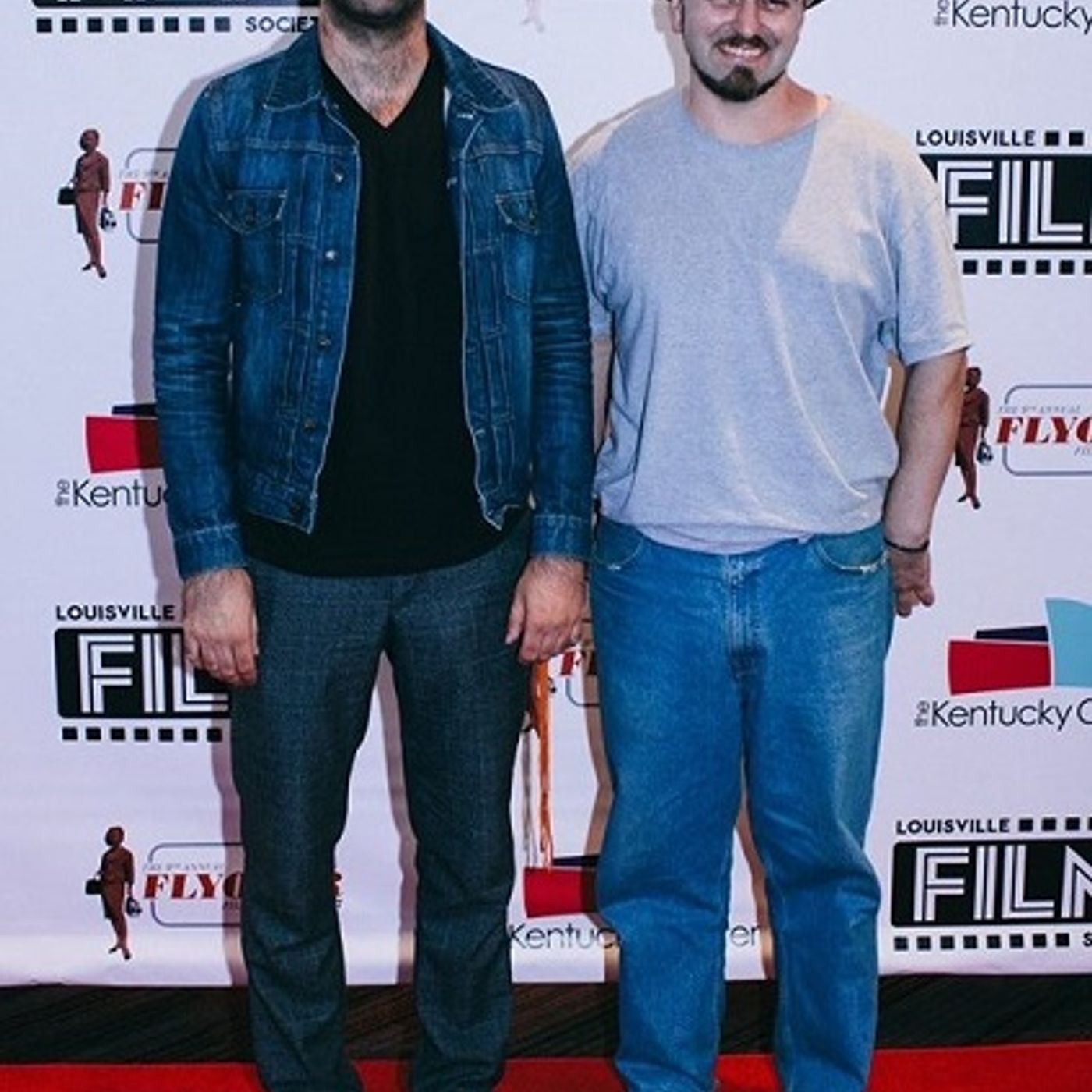
Just saying. That's right. We'll show you. Anyway, so I did, in the middle of all this crazy festival goings on, sit down and talked with the director. He is Vincent Grishaw, the director of And Then I Go, which is the one that just premiered at Los Angeles Film Festival a few weeks back.
So I did. Didn't know what to think going into it. I'm actually trying to keep everything in our conversation kind of not overly spoilery. I mean, not that there's a... It's more of a tone piece than worrying about spoilers exactly, but I guess there is a way to look at the end after the fact.
So, yeah, we don't really ruin anything. We just kind of give you what the premise is here. But, yeah, we're going to talk about again, him getting into the industry of the second person born in Los Angeles in a row, kind of. So that was interesting too. Just usually everyone head that way.
And right. I've had two in a row now that were born in the middle of it. So we'll see. How usually they're just trying to get out. Yeah.
Yeah. Or do anything that's not that business. So yeah, it's, it's interesting that still, you know, when you're supposed to be an artist, you're supposed to be an artist. Even if you're born right in the middle of the biggest weird entertainment industry, there is like, You can't fight it. It's where you're supposed to be.
So we will learn how he made his way through all of that right now. And by the way, we are in the vicinity of even this festival we're at right now when we're doing this. But we met up and decided, hey, it was actually noisier in the hotel where he was at. So I'm like, there's crazy music. So I'm like, okay, it's not too bad heat-wise outside.
And he's like, okay, let's sit outside. Then the cars go by and there's a plane overhead. So it's ambiance, guys. You'll just get to experience the whole fun thing. Just like this film.
Like I did. So, yeah, you'll be immersed. It's a tone piece. Immersed in what's going on around us. But I'll try to clean it up as best I can.
No. If not, you'll feel. They'll like it dirty. That's you. I'm not going to tell you what you need to do.
Anyways. So we will hear all about that and more right now. Kentucky, Missouri, Illinois, Ohio. The red ones, the blue ones, the places that I know. Look up to.
Where you're going, where you've been, where you're from. I'm in a flower stand I found. I'm in a flower stand I found. In a flower. It's interesting because I just... kind of had a similar conversation because i usually start off and kind of start at the very beginning and find out how people got to you know not just the career of filmmaking but also the place los angeles.
When you're born there how does that change it i mean does. That change your childhood do you have different like way of looking at film overall and then especially the industry. No, I, I, I actually think, you know, I grew up in the Valley, which, uh, the San Fernando Valley, which is pretty much the Northwest part of it. It's very suburbs. It could have been, might as well have been the Bay area, like the Danville, California, or, I mean, it had a very suburban feel and, uh, I think if you ever go to L.A., for the most part, when you meet people from there, most people are not in the business at all.
Yeah, that's what I do. Most of my friends growing up and the people I know growing up, they have nothing to do with the industry. And so I think in terms of, you know, for some reason, L.A. Giving you a one-up on the business somehow I don't think is necessarily accurate because, you know, what got me into it is just watching movies. Yeah.
Writing on my own, very, very young, I think I started really kind of ripping off other movies and writing scripts. Like everyone kind of does. In junior high. What were your big movies at that point, like early on? You know, I mean, it's funny.
There's a specific age for me that I think about a lot of being the most impressionable years of. Creativity, I guess. And so I think I was around 30. think the movies and the things that I was watching from 13 to 18 years old were the movies that I'll remember forever. Yeah. Not even my favorite movies, but the ones.
I think we all kind of fall into that, yeah. I mean, there's ones that I look back on from that period, and I'm like, these aren't even great, but they were so monumental to me. Yeah. Like, yeah. They really stick with you, and especially when you start to kind of take creativity a little more serious, you know, there's movies that I just... that kind of made their, you know, footprint on my own aesthetics, you know?
And so. I guess the only thing is you just get better at it as you keep doing it, if you stick with it, you know? So which ones, I guess some of the big ones. Oh, which movies? Yes.
Well, one that always comes to mind for me is this movie. It's a Spike Lee movie, which is called He Got Game. Yeah. And, again, it's not even, I wouldn't say, the best movie out there. It's one of my favorite Spike Lee movies, but it just was the first time I think that music and cinematography... kind of got into my subconscious without even realizing it and just kind of really, you know.
It hit me. Had you already seen his earlier stuff? No, not a lot of it. Because it's funny, that's not usually everyone's go-to. Right.
Either, I guess if you're really old school, it's like, you know, the first weird indie short in. Black and white. So it's like, or then everybody goes to do the right thing. Do the right thing or get on the bus. It's kind of good, yeah, coming in at a different point.
For him, he's a little more polished at that point, too. Yeah, and it's just, you know, I think when that came out, I was in my late teens, but really started loving movies and understanding filmmaking technique a little bit more, or thinking I did, you know? But, yeah, that's one that came to mind. A lot of movies that deal with, I think, friendships and kids, the movie Kids had a heavy... imprint on. A little heavy.
Maybe that explains how you end up on your subject matter. Right. That is not a light. You know, most people are like, you know, kids and friends, like, goonies. It's a little different tone dealing with kids.
Yeah, kids, basketball diaries, seven, like, a lot of dark material. I mean, I was certainly watching that, too. Yeah. But then, like, bigger movies, like, I remember Saving Private Ryan and The Thin Red Line. You know, I had this time in my life where I was.
Both my grandparents were on World War II, and it hit me pretty hard, those movies, in terms of, I guess, respecting that generation and that sacrifice. In high school, I had made a World War II movie and took a bunch of friends in the middle of nowhere with guns. That's a huge budget. When you have no budget, that's a lot more to deal with. As far as. outfits and weaponry and yeah but I mean in a way it kind of was the segue to me taking the business serious and kind of diving in right out of high school I didn't go to college so I yeah I didn't take that that uh route but um you know I I made that movie in high school and I spent like a weekend shooting in the middle of nowhere with friends and my dad as a kind of chaperone but you know we had world war ii authentic uniforms and guns and we were firing live ammunition and blank ammunition and Like we would shoot blank ammunition, blank ammunition when we shot at each other and then live ammunition for like shots where we were just aiming at nothing.
Seems like a dangerous switch. Yeah. I mean, this was before like, yes, it was a different time. This was like the late 90s. This was post-Crow though.
You don't mess around with that. Filmmakers learn the hard way. Ammo in general is a tough thing to deal with, but. But then I guess, I mean, as you're getting to that point, because that was going to be one of my, and I kind of come to that with artists of all types. I'm like either even like painting or whatever.
I'm like the learning something in a school setting versus just hands-on doing it yourself. So I guess you've dealt with people that have gone through tons of film school and just learning that. Does it seem like, are you more pleased with the way you went about it? Yeah, I mean, that was for me. You know, I set my, you know, in high school, I came out of that with a clear agenda of where I wanted to go and what I wanted to do and how I wanted to do it.
And I made a lot of mistakes along the way. I got burned a lot. I got screwed over a lot. I learned a lot about contracts. And there are a lot of, you know, facades in this business of people that are, you know, you just go through a lot when you go that route where you're not necessarily protected and you don't have a circle of people you can trust yet.
Um, but to me that was essentially my school. Um, I know a lot of people that went to film school and, um, you know, I, that have great careers as well. So it's, I think it's just what, you know, what's best for you. And, um, you know, I didn't have any relationships in the business and, uh, through family. I didn't have like those sort of connections, uh, So I just made them my own.
I pursued trying to make movies and projects. Like I said, it just kind of after X amount of years started snowballing and getting a little bit easier. It's still always difficult, but yeah. I think it depends on the person. Early on at that point, I suppose, you're doing a lot of short films.
How do you approach short films versus your features? Because it is one of those... Do you think it's just a stepping stone? Because it's so rare that I ever see established filmmakers go back and make short films. And I kind of wish they would because it's its own thing.
You know what's interesting is I think there are a lot of filmmakers starting to do short films just on the side now. Just to do it. Because there's a market now. There's a little more of a market. You can just dump it on the internet if all you want to do is make it for the sake of making it.
Right. And it's, you know, there's something to say about a short film sort of story. It's its own art. Yeah. You know, I did make some shorts, and I do think it's a way to learn.
Like, it really was. Like, I made a lot of, you know, you see your body of work, and you're just like, man, you know, I look back at some of the stuff I did. I'm like, that is garbage, or I would do this differently, or, you know. At least that lasts. I think everybody looks back and goes, oh, wouldn't have done that now.
Yeah, but, you know, it definitely offers a perspective at the end of the day when you look at it, and you're like, well, you're growing, and you're changing, and Even the movie I just did, I see things in it that. I would do differently. Which I think that's good. I mean, that just means you're still a developing artist and you should always want to be. Like, if you get so set in your ways that you're like, eh, it's fine.
Right. And you wouldn't ever want to readjust. Things as you go on. It's like, that's probably just lazy. So it's like, it's good that everyone.
I think there's a misconception in thinking, you know, you're ever going to make the perfect movie. The flaws actually offer... I produced a movie called Bellflower a few years back. Talk about a movie with flaws and rawness that actually transcends in the indie film world back then. It did.
It offered a lot of opportunities after that. That's true. One of the things I was going to head into, yeah, I guess, how did that come together? At what point were you involved? Was it from the get-go you were involved with everyone?
Yeah, so essentially, you know, after high school, I was actually trying to get a feature that I wrote made and had a lot of ups and downs over the years. I'd say about eight years or so of the ups and downs, having it funded, having it fall apart, having it funded again with name actors, having it fall apart. You know, you hit this wall every time. It's just, if you let it, it's really disheartening. Yeah.
And I had met other filmmakers on the site called Trigger Street. I don't think it's around now. It was Kevin Spacey's site. Yeah. I kind of remember him talking about it at the time.
Yeah, 2002 it had started, and it was a place where you can upload your short films or screenplays or books, comics that you wrote and get feedback from other people in the community. Yeah. And I had uploaded a short that I had made. And at the same time, I saw this other short that a friend of mine, Evan Glodel, made. And I watched it and I reached out to him.
Oh man, I watched your short. It was crazy. He lived in North Hollywood. And so we kind of just started talking and linked up. And I think that was in 2004.
And just became friends. And made some stuff together. And then A few years later, he had Bellflower, the script he had written, and wanted to make it. And so kind of dove in trying to find a little bit of money. And that was a movie that we made for just under $ 20, 000.
But it was never like we had $ 20, 000. It was like, oh, we have $ 3, 000. We got $ 1, 500. We did some work to get another $ 5, 000. It was a long process that we did in the summer of 2008.
Film, the most part of that movie. I mean, that's one that, because it's funny, I've known about that since it had a good amount of buzz around it for being the independent project that it was. How instrumental was that kind of getting you to that next level? I mean, did it really sort of put you on the map, at least in that circle? Well, I mean, I will say, like, when we premiered that at Sundance in 2011, and so that was almost three, two and a half years after we filmed it.
And I think what I learned and what I went through over that course of time from Sundance until we came out in theaters and ever since then overwhelmed the 10 years in that business where I thought I knew what I was doing or what I was talking about. I learned a lot. I really did. So it's just. Another way of just education, I guess, growing in the business.
But I developed a lot of relationships and a lot of opportunities came my way that it wasn't just, you know, being handed stuff. I took advantage of things and was persistent the same way I've always been. But with a sort of stamp of approval and the body of work now, or at least one thing that people are like, wow, okay. Something under your belt to be like, okay, let's. Talk to this guy.
Right. It offers a little bit of credibility that, you know, it's hard to get. Yeah. I mean, that speaking of, you know, things dealing with a lot of different stuff. I mean, there's again, much like the war film, there's a lot of crazy things going on in that movie.
So were you prepared for, I mean, I wouldn't think anything you'd made had like the amount of like car chases and, you know, fire, like you're dealing with a lot more. It is sort of a dangerous shoot, I would assume. So were you guys prepared for that kind of stuff being thrown at you? In that and Bellflower? Yeah.
Well, I mean, essentially, it was the, I'd say, the most down and dirty group of friends a group can make a movie. I mean, borderline, you know, dangerous. I mean, very dangerous. Oh, yeah. I would think so.
Especially on that budget. Without saying too much, you know, probably very illegal. Yeah. I mean, and this is pre, you know, Sarah Jones and her story, you know, being hit on the train tracks and killed. You know, obviously, you know, we were young and we did things, you know, as a producer on that film, trying to be very conscious of people that are involved in safety.
But I think there's this sort of, you know, you're obsessed of getting something done, a group of us. And we were all crazy at that time and, you know, kind of just... You know, daredevils. And we just didn't give a shit. We were just like, you know what?
We're doing this no matter what. We didn't have money. We were just doing it. There's nothing going to stop us. And so, you know, Evans is a very, very unique, interesting filmmaker.
And him and I are totally different filmmakers. And so we have, I think, a different process and different types of. Movies we want to make. But he was somebody I really believed in. And I loved his idea with Bellflower.
And so I sacrificed a good amount of time doing it. But, you know, I would say that that experience. Jump-started a lot of my own career. And threw you in the middle of a lot. I mean, you're helping shoot on that one, you're editing, so it's like you've got a.
Lot of hats all of a sudden. I was camera operating at times. It was really that everyone's wearing a lot of hats. And it's funny, after we came out, I remember reading this, like, user review on imdb and this guy who was convinced we were part of the rich elite and we made bellflower for three million dollars and purposely made just said we made it for 17 000 and there was he was 100 convinced that was impossible and it was just like man if you only knew the hell we went through and how many times it almost fell apart and how how dark it was even up to getting into sundance it was some there were some really dark days. Yeah um And so it's just kind of funny to me.
The Internet's full of a lot of people that have not the most productive information or comments. It's good anecdotes. So, yeah, I don't know. I wish people could be a little more supportive. I have plenty of criticisms for people, but I at least try to find the good in things.
I just looked at it as a compliment to all of us. Like, wow. You put $ 3 million on the screen is what he's saying to you. That is a compliment. Love We will be hurt But we'll be okay Love.
Life will be planned. We'll be okay. It's a crash on the window. Oh, it spreads a little more. The light diffracts.
A little more as it comes through. Oh, I say love. Good evening. It's intermission time. Our service is friendly and quick.
You'll find hot dogs, hamburgers, pizza, your favorite candies, hot and cold beverages, and other delicious snacks. So add to your fun of watching the movie. Visit our refreshment stand right now. We're glad to have you with us tonight. We hope you'll come to see us often.
It's great to get out to the movies. It takes four years to graduate and 30 seconds to make sure you don't. Graduation day. There are 200 seniors at Midvale High and seven days till graduation. They're being fitted for caps and gowns and coffins.
Graduation day. The class of 81 is running out of time. Rated R. Under 17, not admitted without parent. So this is a great episode, right?
Well, if you'd like to keep more awesome discussions like this one coming your way, you need to join the club over on the Movie Meltdown Patreon page. If you can chip in just a couple of bucks, you can keep the show going. With your contributions, we can continue to keep producing great episodes, keep organizing these fun conversations about film, and keep booking amazing guests. So just go to patreon.com slash moviemeltdown, or go to moviemeltdown.com, and the link is right there at the top of the page, and you can help keep the show going. Plus, you get exclusive episodes every month, just for club members.
So go to our Patreon page, join the Meltdown Club, become a Melketeer, get cool stuff, and keep the Meltdown rolling! Damn the man. Save the meltdown. This is Calvin Reader and you are listening to Movie Meltdown. Yes, I'll always be a rambler.
But it's so. Hard to find my way. I just can't go on this way. It's part of. Your problem, you know.
You haven't seen enough movies. All of life's riddles are answered in the movies. And now, on with the show. Well, then I guess getting into, you know, at that point, you're moving towards Coldwater. Is that...
Again, that's changing a lot. So you've done short films and you've done, you know, kind of working with the team on the other project, but like this, how much of an adjustment is it when now you're, you know, everything is on your shoulders, doing a feature film that you are, you know, full-on director. Right. Yeah, I mean, so Coldwater was the script that I was trying to make. That's the early one?
Yeah, the early one. And. When it finally got financed shortly after Bellflower, it was a movie that I kind of had to re-fall in love with, the script at least, because I had been away from it for so long. I had changed as a filmmaker. As you said, that 10 years was a huge change.
I look at it as like if you ask a musician to record an album 10 years later, they're going to be like, get out of here. I wanted to say that 10 years ago. No, thank you. I'm different. Yeah, totally different place.
But with movies, you're just like, well, I'm not going to pass this opportunity. In a way, I wanted to close that chapter in my life. Yeah. And I looked at it that way. It's like, look, I spent my young adulthood trying to make this film, and here's the opportunity.
But I had to kind of, again, re-acclimate myself with it and. Build that same passion I did have for it before. And I did. Did it become a different story to tell? Did you have sort of a different perspective? looking at it again as you.
Reevaluate yeah definitely and um like i said i mean it was you know the the guy who came on board um really believed in it and it so it just it was reinvigorated me yeah um and so yeah it was also a different you know it was a budget It was a more structured sort of way you would make an independent film to schedule that, you know, 25 days or three weeks, four weeks. But, yeah, I mean, we essentially made that movie in the middle of nowhere for, you know, at a camp. Yeah. Yeah. It's a little more controlled.
Again, sometimes you look at this and you're like, okay, that's a good idea for an independent film. And then there's other epic stories and I'm like, oh, you guys, you've made this so much harder on yourself. Yeah. I mean, what I really felt with Coldwater was the kind of social relevant aspect of it. And knowing that a lot of reality, there's a lot of these places that are out there and that exist and that really...
I wanted to paint that accurately, but also keep it an entertaining film. So it was kind of balancing that without being too preachy. Well, then that was also a story that you had kind of conceived, sort of based off of something, if I heard correctly. So, I mean, moving forward, like you're telling most of these stories are coming from, you know, they're yours or you're involved from the get-go on a lot of these. So as you get into And Then I Go, you're dealing with a preconceived story that is somebody else's property.
Right. First off, I guess what drew you to that, that story? Yeah, no, that's a good question. I mean, um, and then I go, came my way, uh, through the producers. They had been trying to make that for, I think since 2010.
And, uh, I had met them at the, I think around Bellflower at Sundance. Uh, so I'd known them for like six years. Um, I had, I read a lot of true crime books. I'm a big fan of true crime and it's another passion of mine. If I wasn't making movies, I probably would have been like a, tried to be a homicide detective or something in forensic investigation.
Super detailed work either way. Yeah. I just love it. And, um, so I had done a lot of reading on, um, Columbine and, and, and school shootings. Um, cause I was a senior in high school when Columbine happened.
And, um, you know, so when, uh, when they had told me about, and then I go and they, uh, just secured the financing and they were looking for a director, uh, I just basically was like, yeah, send me the book and the script. It was funny because Rebecca Green, one of the producers, was like, yeah, I'll send it to you tomorrow. It was kind of late. I'm like, no, send it to me now. She's like, okay.
She sent it to me and I read it the next day. I think what really struck me is that obviously there has been movies that have tried to tackle this subject in different perspectives. But this one, I felt if there were any sort of There is no single answer to these tragedies. But if there was something that offered some sort of insight, I felt the book really nailed it. Because it stripped away a lot of cliches and a lot of things in movies that you would see that would blame something.
Singular. And being able to change the perspective for people. Because it's so horrible. But at the same time, they got to that point for a reason. It's not like just one day they woke up and decided to do it.
I mean, it is. a building. Because I always kind of see that. People are just. Immediately damning everything about that person. I'm like, yes, what they did is horrible, but there's outside forces that came into play.
It doesn't excuse their actions, but it definitely shaped that person and made them susceptible to go down that road. Just giving people even a window into that is kind of hard to do. Right. It's definitely a balancing act because you don't want to glamorize it you don't want to you want to consider people that families and victims and because essentially and then i go as a movie that really focuses on the two perpetrators and um you know humanizes them and it kind of refuses to paint them as just uh an evil person or a monster because for me that was critical um and also tackling that age where you know I don't know if you remember Junior High very well, but this movie. I still don't like it.
Yeah, it takes place in Junior High. Back on it now, I don't like it. Yeah, 14 years old. And, you know, I remember it vividly, what I experienced in Junior High. I wasn't necessarily bullied, but I observed a lot.
It's funny. Yesterday, I was out in the world, and, like, it's still... It's been a long damn time since I've been in school. I still see the back-to-school sale signs go up, and it gives me... It just.
Creeps me out. I still hate Sunday nights. It creeps me out. Today is Sunday, and I always have this uncomfortable feeling on Sunday night. Yeah, I don't have school.
I don't do that. Yeah, I'm right there with you, man. It's weird how it's in your brain. It's just embedded. It's ingrained in your head.
Again, a lot of damage is done. As much as you're developing in a good way at that point, all of the things that end up going wrong with you are probably seeded right there. It's getting worse. And the thing with these two kids in the movie is, Sure, the movie, from a plot perspective, is about a school shooting. But we dive really into, I think, what the power of friendship is at that age.
And just how the stakes are so high, but your world is only that big. And you don't know a lot of things. And parents and teachers, they tend to think kids are going to figure it out. Or, okay, it's a tough time right now. Or just even like, man, in a few years, don't worry.
You're going to have nothing to worry about. It's fine. You're going to be okay. It will get better. They can't grasp that.
Yeah. Again, you're immersed in it so much that your life is a nightmare and there will never be any. You're a kid. There is no tomorrow. It's all.
Your whole life is around you and this is it. Yeah. And in a sense, stripping away all those cliches but still having those elements because there are there is something to say about, obviously, bullying, mental health, access to guns. Schools in general. Yeah, they all have something to do with it, but the movie, I think, stripped away all that to just where it was really in the mindset of these two children.
Well, and then, had you worked with younger actors before this? Yeah. That's its own kind of undertaking, is you're dealing with main characters that are relatively young actors. This was probably the most ambitious for me in terms of, cause I, I, we had a lot of kids in the movie and I didn't want older to play younger. Yeah.
We didn't want, um, you know, 18 year olds like playing totally 14. Right. You can tell. Yeah. So we found, you know, we, we searched extensively for the two minutes, two leads.
And then there was also six year old, a seven year old, a 12 year old. Um, there's some significant amount of roles that are, uh, are young kids in this film. And so, I feel like I'm good with kids, you know, just, you know. But directing them is kind of different, yeah. It's like even being good with kids in the real world is different than making them have to be believable on screen.
Yeah, I mean, I think, you know, with filmmaking with kids, you have to look at it as almost a form of trickery. You know, it's like The Shining. Most of the time, yeah. The Shining, you know, the kid in The Shining didn't even know he was in a horror movie. And so there's ways to kind of play with that, you know.
It was just what made it difficult was, you know, and then I go, there's these dinner table scenes with parents and a kid and they may go on for three to four minutes. And the kid only has a line every so often. Right. The six year old. And so then you're just like you get distracted and they, you know, they they just kind of start looking at camera.
You just have to find ways to kind of. piece it all together. So my armpits were sweating a lot during those scenes. That becomes the editing game. Okay, we've got one good shot of him not looking at the camera. It doesn't necessarily play like, oh, let's do a whole take of this scene.
It's going to be like, no, you're piecemealing a lot. So it's a little stressful, but the two leads in our movie, Armand Darbeau and Sawyer Barth, are. I don't know. It would take me an hour to kind of explain how brilliant they are. Well, Armin's not.
Your normal kid actor or kid in general, like looking at just a little of his story. Like he's already lived more of a life than most grownups. I know. Yeah. Well, yeah, he just speaks four languages.
He's lived in China, France, Costa Rica. I mean, he's lived everywhere. Um, and he brings this sort of rawness to the character and, and he really still is a kid. Yeah. Um, Sawyer has been acting for a while and he's a totally different person.
And it's really interesting that that dynamic, what it created on set, really helped. It just really helped what I was looking for. Well, that's good to have that dynamic between them. Because, again, that's kind of how your friendships work anyway. You end up hooking up with people that aren't necessarily just like you.
It is some sort of weird, you balance out something that I kind of need at this point. Right. I mean, and go back to friendship, like these kids in the movie are supposed to have been friends since they were like five years old. And that's another thing. When you hit these awkward ages in middle school, you your voice is changing.
His isn't or, you know, you're just growing and you don't know why. And you're kind of still grasping for the friendship of old. And there's something inevitable about growing apart and. How devastating that is. Most of the time it happens and we don't want.
We don't not only. Want that to happen, we don't even know that it's going to happen really. It's like we still all go into that thinking we're going to be friends forever. And like sometimes there's a reason you have to grow apart even more than just, oh, we went to different schools. Like you do end up going down different paths like mentally. and developmentally that changes.
Everything i mean the movie reminded me a lot of my in high school you know i had you know best friend that i was really really close with and there was kind of there was a falling out and even at in high school it was I wasn't an adult, like 18 or over, but I think adults go through these sort of friendships and loss like that. That is as devastating. But if you imagine coming from a kid's perspective, it's like your world. I think by the time you hit, especially well into adulthood, you don't latch on to anybody that level. So I think you can just be like, oh yeah, we were friends and then it kind of drifted apart and we got different things going on.
But when you're a kid, that best friend is maybe your only friend. Right. Everything in your world is wrapped up in their existence. So if there's a falling out like that, like, yeah, it devastates your whole, from that point on the rest of your life. Right.
I mean, in that sort of bond and that connection for two kids that are doing something so intimate, like planning a shooting, it has the power to drag you along into something that deep down you know is wrong. Yeah. You know? And so it's definitely, um, the power of friendship just really spoke to me in the book. Well, and then back to this being a different property, how different is it having to tell someone else's story?
And I mean, it's not like this is a writer who's no longer around. He's still out there working. So do you feel sort of you hold in to try to live up to something he was doing in the novel or in the screenplay or like it's, it changes hands a few times, but it's still sort of originally belongs to, to do. Well, luckily the script was very close to the book. And I had a lot of conversation.
And the book is very simple. It's not like a 500-page, 1,000-page novel. It's a very simple type book that was very intimate. And so in talking to Jim Shepard, the author of the novel, when I was campaigning to get this gig, I flew out to New York and met with him and talked a lot about what I would like to do with it. And we were in sync.
And so, um, there was, he trusted me a lot in the co-writer, Brett Haley. Um, I didn't get to talk to him too much. He was doing another movie, but, um, you know, luckily they entrusted me. Um, and coming on board, I did take a different stance on the sort of collaborative effort since I did not, it was, I didn't bring the script together. I didn't write it.
It wasn't my baby from the start. I took that into consideration, you know, basically, um, Even with the producers, Rebecca and Laura, I. Wanted them to understand this was as much theirs as it is mine. I don't want to take it away from you and do something that you weren't intending. Exactly.
And I think by the time I was hired, we were all on the same page anyway. Yeah. So it was more of just a partnership between a group that we're all very passionate about it. Yeah. Because when I get on board, I throw myself 100% in and obviously do all the work that I need to do.
To get anything made at this point, you kind of have to, yeah. Yeah. Well, along that line, you've... These last... Definitely these last two films, you've also...
And probably, you know, Bellflower before that. You've gotten thrown into the middle of the film festival circuit and world. I mean, it is kind of its own little existence. So. How well have you taken.
To that life? Because it is a nonstop as we're in the middle of now. It's like it's sort of a weird thing to be thrown. In the middle of. I love film festivals.
I truly do. I mean, they're one of my favorite aspects of, you know, after finishing your film, you're just like, oh, now I can relax. I get to meet people, show them your body of work and travel. And hopefully, you know, Coldwater and Bellflower, I get to travel a lot and just share that. It's just amazing.
Like I said, you have a lot of fun. It's one of those things I think I really look forward to. Because the process of making a film is really, really tough. A year ago, I was in Louisville in pre-production. It's good to be back and be in Louisville and share it with a big audience.
How well do you take to Again, because you kind of have to go with wherever works. I mean, how has that process expanded for you? It's like you've gotten more and more schooled in it, like the producer end of it of like, okay, now how do I shoot this and how do I find the right place to shoot this? Right, in terms of location? I mean, I think just in talking to the producers, we obviously wanted to do it somewhere that felt, you know, middle America, timeless, like not really focused on an individual also.
Setting like we didn't want to say where it necessarily. Was but also from a business standpoint you know as being a producer i understand like you want to shoot in an incentivized state to get a rebate or what it's come to yeah yeah um and so yeah louisville has a really healthy one and um it was very early on i think in in in their program so you know i think we we looked at a few but this. Was the one ultimately that one won us over Yeah. They've really been pushing hard these last several years of trying to get us. So we've always had like, I think a film fan base here and a handful of like really talented filmmakers that are still living here, but they always had to kind of go somewhere else and do it most of the time because we hadn't really gotten to the next level to kind of get the mechanics going where we're really pushing for that.
Yeah. I think like you guys are going to turn into hopefully like the new Louisiana, Georgia kind of thing. Ohio is doing well. I mean, you know, Atlanta's moved to a point that I don't think anybody could have seen. Right.
It's ridiculous now how many things shoot there and like the level of, you know, Marvel moving in there and be like, all right, well, we're taking over your town now. Right. It's yeah. I love on location. I would prefer to shoot somewhere else.
Yeah. Every movie, just because there's, there's a difference with like the crew in, in terms of like building a family and being stuck together somewhere and making something opposed to everyone going home in LA and, You know, and just kind of going about their day like it's a job job. I mean, it's so important to kind of just build that. It creates a different experience too. Like you're just, that is a time and place that it's there and it's gone.
And like, so those people you may never work with again, like that location you might never get to. Go back to again. Totally. Very accurate. Well, then again, looking at these, definitely these last two, as I said earlier, it's super serious subject matter.
Is that, do you feel that's your wheelhouse or do you want to do like, are you okay with doing a comedy. Or like a weird genre movie? I'm, you know, I'm always open to just what I, what script I respond to. So yeah, I hope deep down somewhere there's like a, a PG or a love. Story somewhere in there.
Um, I don't write a lot, so I like to read other people's stuff and fall in love with it. So, yeah. I mean, I'm picky in a way that it has to be something I really respond to right away. And my next movie that I'm going to direct is a horror movie. So horror thriller is much different than anything I've done.
But one that I'm very, very excited about because elevated horror right now is doing really well. yeah um elevated just meaning this sort of mature restraint uh it. Hit like a weird self-aware phase that was refreshing at the time but it's funny then everything became that in like these last 10 years there is this new like going back to the basics of like what makes it horror and like kind of defining why a really good solid thriller or horror movie is what it is and just essential like things that work and i. Think like you can have a movie that isn't conventional horror like it's not blumhouse it's not um you know slasher movie it's not gore torture porn to me horror doesn't even need to be scary in the same sense it could it doesn't even need to be most of the movie you could still call a movie a horror movie if it if it terrifies you and it doesn't you know it doesn't mean ghost or supernatural a.
Perfect example lately is get out I mean, it's sort of more thriller, but by the end, it's pretty horror. It's almost more of a Twilight Zone episode. It's just like, this is weird, and I'm. Not 100% sure why yet. And you get midway, and you're like, oh, no, this is horrible.
So that's one of those, yeah, he found a great idea. It comes at night. That was a good example of just how paranoia can get in your head. It follows the Babadook, the witch. I mean, those are all, I think, movies that are really doing well right now. because they're just really smart and they trust the audience is going to, you know, get it.
I think it also, I mean, and thinking about them, like these are all pretty limited budget too. So thinking this is almost like the business perspective, which I guess kicked in years ago with paranormal activity of like, you don't need a ton of money to make a ton of money. If you have a good story to tell or a good way to tell it, that's. A little different. So no, exactly.
I hope it's encouraging better films to come out. Yeah. Yeah. Most definitely. I mean, so, yeah, I mean, in terms of the brand or wheelhouse, you know, I do like working with youth in.
In in social sort of you. Know relevant yeah films but um you know i'm not harnessed to anything really something having something to say i can see myself doing a hopefully down the road doing a even a studio movie one day and just making like money that's crazy talk no i know none of that yeah. Well you named a few of the horror i also we usually just try to talk with people about what they've seen lately or what they liked have you seen anything late and I guess it changes the perspective since you've hit so many film festivals over the years so yeah is there anything really impressive to to pass along to people. Oh man yes and right oh my god I had it hold on well I did see it comes at night um I've seen I've seen a lot of movies lately at the festivals but um what was the mood oh I'm gonna kill myself I don't which is it uh studio or no oh I just saw the beguiled Okay, yeah.
As well, which I really liked. Again, a little independent filmmaker. She doesn't have any. Yeah. No nepotism there.
Right, right. I mean, you know what, though? It's like, God bless people that have something that makes filmmaking easier. Because it's hard enough as it is. I just listened to a big interview with her, and she doesn't see that at all.
So that's not the perspective she's coming from. So I do totally respect whatever she makes. It's weird, I guess, for the rest of the guys on the outside. They're just like, yeah, but... But she's so talented.
Like, I do love seeing that she's sticking with it. It wasn't like a one-off. Because even in the beginning, she said it wasn't what she wanted to be. Like, that was Dad's thing, and I don't want to worry about that. And, like, it just...
She loved that novel and made, you know... Virgin Suicide. Virgin Suicide. There we go. And I was like, then she, like, yeah, it became a passion.
But it was, like, one of those. She wasn't ever really trying to... leech off of something that he'd done. So I do like watching this expansion as, as you know, she, she gets older and a more mature filmmaker. Yeah. I mean, I, yeah, I like her movies.
Um, I, I, you know, I try and see, see them when they come out. Um, you know, yeah, it's, I guess, you know, cause a lot of people, there's kind of an elephant in, in the room with, with filmmakers that have the luxury of making films one year and just being able to pop it out. And, I don't think that anyone should be ashamed of that. Like, you know, if you're in that situation, great. Like you're lucky than most people, but, um, just keep doing it and then help others.
I mean, I try and really make a habit to, if there's ever something to help other filmmakers to, to do that because I went through the struggle. I was still, I'm still, you know, building my own career and it's, it's hard. So that's all I can say about that. And yeah, it's almost like, it's almost an insult if you have the opportunity to keep putting out, you know, if you're making good movies and then you're just like, nah, you know, so, I mean, if you have those opportunities, yeah, definitely keep putting out good film, like, and help other people. Totally agree.
Then, I guess, you mentioned you've got new projects. Is it something you get too far ahead on or is it one of those you can't, you just kind of have to focus on the next thing because you're so, like, as a filmmaker, it's so weird because the thing you made a year ago or, four years ago, sometimes you're still working on promotion for while you have to be prepping for the next one or maybe the next two for some people. So it's like, how overwhelming is all that or how. Do you balance it out? I mean, I wish it was overwhelming where I'm just like, oh, I have to be here.
I'm shooting too many things coming my way. Too much money being thrown at me. Yeah, no. I have to turn down funding. Yeah, no.
You know, I come from a place where it's like, you know, my next film is my baby right now. I didn't write it. I acquired the rights to a couple of years back and I'm just, I really believe in it. And so I'm obsessed with it. You have to be obsessed and almost selfish about it.
I'm not the type that can just throw 10 things on the wall, see what sticks and go with one of them. Like my heart's in one place right now. I do have a couple other things that I'm developing and they're in early stages or scripts that have come my way that I can see myself directing. And not to say that it couldn't move in front of my next movie, But my heart is still with that. And so for right now, that's where I'm focusing all my time and attention on.
But, you know, not to say that something else can, you know, jump that. With that balancing, again. Especially you being that focused on, is it harder to be like, okay, I want to focus on this movie. I want to do it. Oh, wait, I have to go promote this thing that I made before.
Like, does it take you out of? Not really. Not really. You can back up a year and a half, two years. Well, because, you know, we're here in Louisville and, you know, we're playing tonight.
I'm here for pretty much the week. And, you know, I'll be in my hotel room a lot. So you're just. Sitting around. This is all I do.
So, yeah, I could just get on my laptop and do some of my other work. It doesn't really pull me out. That's good. Well, what's the best way for people to either find the new movie, to find And Then I Go, or then to find out more about it if it's something to look for in the future? Right.
So, yeah, we're currently showing distributors. We've been having screenings in L.A. and New York for buyers that are interested. And so we're having second screenings. So, yeah, a lot of people being shown it right now. And we're just looking for who's got the best home and plan for it because it is a delicate subject matter.
It's got to be handled in a way that, you know, gets it out there. On the right people that want to take that on. It may be more than they want to deal with if it's just some random thing. yeah so yeah um i don't know where that is yet um you know when we do know we'll obviously let you know but um yeah right now it's um we're playing out here louisville we're doing we're going to be doing a lot of film festivals i think abroad and out in the u.s so yeah i've heard really good things uh we don't have a website we don't have a website on the uh yeah i'm on instagram i don't i'm not barely i mean on twitter i don't even think i have any followers but um That's so, I know in today's society, it's another world.
It is. I just don't have the energy to kind of pursue like, oh, I need followers. I need to tag. I don't even hashtag. I never even do that.
I forget it most of the time. I've been Instagram. And usually if I'm doing it, I'm doing it smart ass reasons. I'm like putting something stupid in there. Yeah.
Like it's not a real hashtag. It's just me making the other half of my joke. Yeah. So, yeah. But, you know, yeah, I'll be, I'm on Instagram.
So if you. dare follow me do it. Just under your name? No, yeah. Well, my name is there, but my handle is Optical Railroad. Nice.
That's where you can follow me if you want to. Do you get super arty about it? Or is it just random day-to-day stuff? It's just random stuff. I don't post very often, but when I do, I kind of think it's cool.
I like to be kind of selective with it just i think less is more always that's. Yeah we've got what essentially is supposed to be the show version of instagram and it's that one's just the weird stuff i only instagram like odd thing like normal stuff i'll post like on facebook and twitter but the weird like where what is this giant thing in front of me i'm taking a picture of it that just goes straight to instagram so if you look i look back at my feed and i'm like i wouldn't know what to do with this if i. Looked at all i usually post photos of stuff that If I am in a situation and I see something, I'm like, I need other people to see what I just saw. I'll try and get a photo of it and throw my own sort of framing aesthetic on it, hopefully.
But yeah, that's the gist of my social media. And your life as well. Thank you, sir. Thank you for sitting in with us and telling us about your life up to this point and this movie. So we'll help get the word out and hopefully everybody will go see it.
My pleasure. All right. Thank you, man. How do you prepare clips? I mean, I could tell you, but it's not that interesting.
I read the script a bunch of times, and I prepared them. Like mom, I guess. I watched a. Bunch of movies. It's just because it's like, he's just a kid, so it's.
Like, It was just really easy to relate to the base. Of these puns. So it felt really natural. And he's an incredible actor too. Yeah, I mean, the stuff that this kid did, I mean, we had a lot of kids in this movie, obviously, they're all really fantastic, but Armin was especially unique for me to deal with because, you know, you're really conscious about putting them in a situation, dealing with the subject, and the material is really heavy, and the pressure of carrying a whole movie.
And essentially, he was only 14 at the time. And so, but there's something, like a light switch he turns on, I don't know what it is, like he could be. On his phone, messing around behind the scenes, you know. Elliot was on a crew, and he could attest, like everyone here who's on the crew, we just had a good time making this movie, making. Each other feel comfortable and safe.
And even on an emotional scene, we didn't really have to talk too much about where he's gotta be. He was just very aware, I think. But he could turn it on, and then on cut, he would start laughing or something. It was a little weird. We're all good.
You do have so many characters that you're actually curious. Well... Yeah, I was. I'm sorry. I'm nervous.
I'm very nervous now. On the topic of your character, how sarcastic are you? I don't know. So thank you to Vincent for sitting out there on the street and talking with me. And, um, more than anything for the movie.
Cause I've now seen the movie and it's kind of amazing. Like I'd heard decent things going in, which gave me a little hope. You know, I kind of go into sometimes just talking about the filmmaking process detached from the films themselves. So it's, it's different once you see the movie and once you have a reaction to the movie and it's, it's, Like, it really is, like, surprisingly immersive in and of itself. That it is about, as you heard, it takes place around kind of the end of middle school heading into high school.
And it leads towards a situation that's around a school shooting. So it's serious. Yeah. It's it's one of those like I think more than that, because even, you know, I everybody will describe it as being about a school shooting. And you even hear Vincent discuss how much of it is based around friendship, which it is to me like coming out of it.
It's like it is so overwhelmingly just kind of dealing with sadness. And it's that like that. pre-teen, middle-teen era. The worst time of your life? When, like, really, like, as I said then, but even now, it's like, watching it, I'm like, all of these weird little things that go on in your day, in your life, are the entirety of your life. I mean, there's a minor little situation with this kid and his little brother's football.
And it is so, like, it weighs on him so much that I'm just like, that's the kind of shit that, like, Oh yeah. When you're a kid, that stuff means so much. Like just these things. And it's because I think it's boiled down to everything is at its very essence. So it's like this kid feels like guilt and shame and all of it is the most pure version of that you're ever going to get.
Yeah. Cause it hasn't had time to have all these other things in life just sort of beat you down and you don't care about stuff the same way you do. Like everything is still kind of new when you're a kid and like, Everything hurts more. Yeah, especially like in like that that age, like middle school, early high school, when you start to. Have that kind of awareness.
Yeah. But you also are like unfiltered shame, just complete, like potent, just something small. Like I was just thinking about how when I was in eighth grade, someone stole my pencil or something. And I was like, no, you do not steal my pet. And I made a scene.
Actually, this sounds about right knowing you. But, I mean, I made this whole scene about it just because I was like, no, you're not going to take advantage of me anymore. And, like, just crippled with shame and anxiety about, like, losing it in this half a second. For, like, weeks. And not being able to get over it.
Yeah. Because I was aware of how humiliating it was for me to act that way. Yeah. I mean, that's, that's the thing watching the, and this shows again, that my, my place, my place in my head in the world, because we, we sat there afterwards and they, they did kind of a Q and a with, and the audience had some, some stuff for him. And one of them was this lady, because you do get a decent amount of time with the parents.
And that's the other thing that I think is so well done here is like, it's, As I say with him, but more so having seen the movie. I mean, like, there's not a lot of finger pointing. It's not a. Lot of, like... Again, everybody gets so preachy about these situations.
And blaming the kids because they're bad kids. These aren't bad kids. You know, blaming the parents because they're bad parents. You watch this movie. These are good parents.
And parents that are kind of trying to be involved. But there's only so much you can do. Like, again, I was that kid. You're not going to get any more involved than I want you to. Like, kids. at that age in particular, can pull away from you in, like, not even physical, in a mental way that you will never break through.
And the more you try, like, the more they're going to be like, hell no! You're pushing them away. And so, yeah, you watch the parents and they, that's the scary part I think that you take away from it is that there are signs that the kid's having problems, but there's not signs that it's that bad and that he can turn things on and off. That, like, yeah, he's in the middle of dealing with guns at his friend's house but at the same time mom's talking about you know going on a vacation and he's just like yeah that's cool like and it it's just sort of a different switch in his brain is thrown and it's not like everything's bad and he's in a dark place like it's just a different mode that kicks in and there's times when he can be a normal kid and he is a normal kid and then there's times where he just makes bad decisions so yeah I think that's that was part of it but that that's what I was saying the the lady at the Q & A was so the mom and she's sitting there, she's just like, oh, and I so identify with that.
And I am wondering if I'm, you know, making these right decisions and like, if I'm, you know, I should be paying attention to this with my kids. And like, I'm sitting there the whole time going that part, I get it, but it never really hit me the way the kid did. Like, I am that kid. Like, I am so that kid. Even to the point of destructiveness, maybe not that level, but, like, I remember the kind of...
And, again, I'm using quotes, the friends that I had at that age, which were iffy at best. But, again, you end up with whoever's willing to spend time with you because you're all obnoxious. So, like, I do remember some of the... Because a lot of the things these kids are doing are, like... destructive but it's the only way you know how to express yourself at that age like it is just sort of like it's the only thing that comes to you I'm a dumb kid I don't have anything else I can do but I can destroy things like I can I can get in a fight with somebody I can like it's the only way I know how to deal with something. It's like I can't affect the world but I can affect this kid's day like I can.
Affect can affect the world this is it this is my little part of the world and the only way I can do something that by the end I think that's it it's like the only way I can make any sort of change is through this. Good, bad, or otherwise, like, I hate the way my life. Is right now. And it's dealing with that kind of just overall sadness that these kids are kind of dealing with. And it's like, this is the only way I can change something.
Good or bad, it may be the end of me, but I can change things. And it's really fascinating to see this version that he does because, again, it doesn't really point the finger at anybody. And it doesn't really... make you side with any one person. I think you find as I did that poor demented child that I am like that, that was, that was it. Like, I think you find who you identify with in this and maybe you kind of identify with everybody a little bit, which is what you really, you know, that that's what you should be taking away from it is there's something to learn from everybody in this movie.
So it's, it's amazing. And that kid, oh man, he's Armin Dabo is amazing. Like again, he's, Like, more so, somebody at there tried to compare him to, like, a young Leonardo DiCaprio. And I'm like, he might be a little more layered than that. Like, this kid is so subtle in his approach to stuff.
It's amazing. Like, he is so genuine on screen. What's even funnier was he's at the premiere. He's at the Q & A. Like, he's such a kid.
Like, he's just such a, like, he's so, like, polished and well put together on screen that And then you see him in the real world and he's just a normal, dorky teenage kid. Like he's just, and doesn't know how to deal with normal interaction. Again, so polished it like the performing part of it, but the normal conversation part of it is just kind of, I don't know. He's just, he's the same thing I was doing at that age or now. That's reassuring.
So yeah, it was just like, it's amazing how talented he is, but it's even more like refreshing to see what a normal kid he is. Like in the real world, he's still just, kind of a regular kid. That was promising for me, so I am that kid. Chaos incarnate. I still was.
Afterwards, there was the party after the big premiere. Did you flip a table? No, I went and I'm like, I'm still that kid. I just didn't go to the violent outburst end of it. I went more to, again, more to his character.
His character is a little more of the reserved one, so I just stood there at the party by myself the whole time. So I'm watching that, and I'm looking at him across the room. I'm going, yeah, I'm still that kid. The only way I'm functional is on the show. In real society, this is it.
I just go and sit there and don't drink and don't interact. I don't know any of these people, so I don't start pestering strangers. So, yeah, I just kind of hung out long enough to be like, all right, I'm good here. Let's go home. I like to do a lot of things by myself.
Just chill out, watch other people do their things. That was the interesting part, though, just kind of watching everyone interact with each other. I'm removed from it. It's like Wildlife Kingdom for me. I'm just sort of watching it going, ah, this is interesting.
This is how the humans interact. They still do not suspect I'm among them. Luckily, I'm hiding in this plant. They'll never know it. here. The binoculars might have been a bit much.
But anyway, that's beside the point. All right. Well, I think that rounds out this week. We have more things in store at Flyover. So we will be back in the near future at Flyover with more fabulous guests.
And once again, a big thank you to the Louisville Film Society for putting on a great event tonight. They've put together a great show every year for Flyover Film Fest, but this year in particular is an amazing lineup of movies and bringing in talented filmmakers and actors. And it's just been a great rundown this year. So always check out, see what they've got in the works. They are at louisvillefilmsociety.org and look into Flyover Film Fest and everything they have to offer.
And in particular this year, if you don't live in the area, here's a good thing to check into, as you heard earlier in the episode. If you're looking to shoot a film, check into what Kentucky has to offer. Obviously, the Louisville Film Society has been pushing really hard to get this stuff not only legally pushed through so that you get some tax breaks and some incentives to come here, but just to make sure that the city and the state itself is kind of working with filmmakers to put together, you know, great films. So that's something to consider if you're a filmmaker out there looking for the next place to shoot your film. We've got some stuff to work with here.
So yeah, definitely go to LouisvilleFilmSociety.org and they can point you in the right direction of who specifically you need to talk to for your type of project. Otherwise, that about does it. We will return next time. Same Geek Feed. Thanks for listening.
I learned the hard way Nothing comes easy. Living is losing. Brother, believe me I try to sink roots I try to plant seeds But all that I get Is a harvest. Of weeds Nothing but weeds I made a. Decision Or better or worse Just to keep living.
No matter how much it. Hurts So I try to sink roots I try to plant seeds But all that I get Is a harvest of weeds There's no going back There's only right Where I am The future's a blur But I'll get there If. I can If I can If I can I. Try to sink roots I. Try to plant seeds But all that.
I get. Is a harvest of weeds Nothing but. Weeds Harvest of weeds. I just saw a mosquito fly by the window. Like, they followed me here.
They're going to find me. Oh my god, they can smell me. They're coming to get you, Barbara. This episode is a production of Movie Meltdown, produced and edited by The Oddity Studios, with opening music performed by The Empires. For more on how to sponsor or support the show, email producer at moviemeltdown.com.
Talk hard! This program is a proud member of the Battleship Pretension Fleet.