
Season 4 · Episode 4
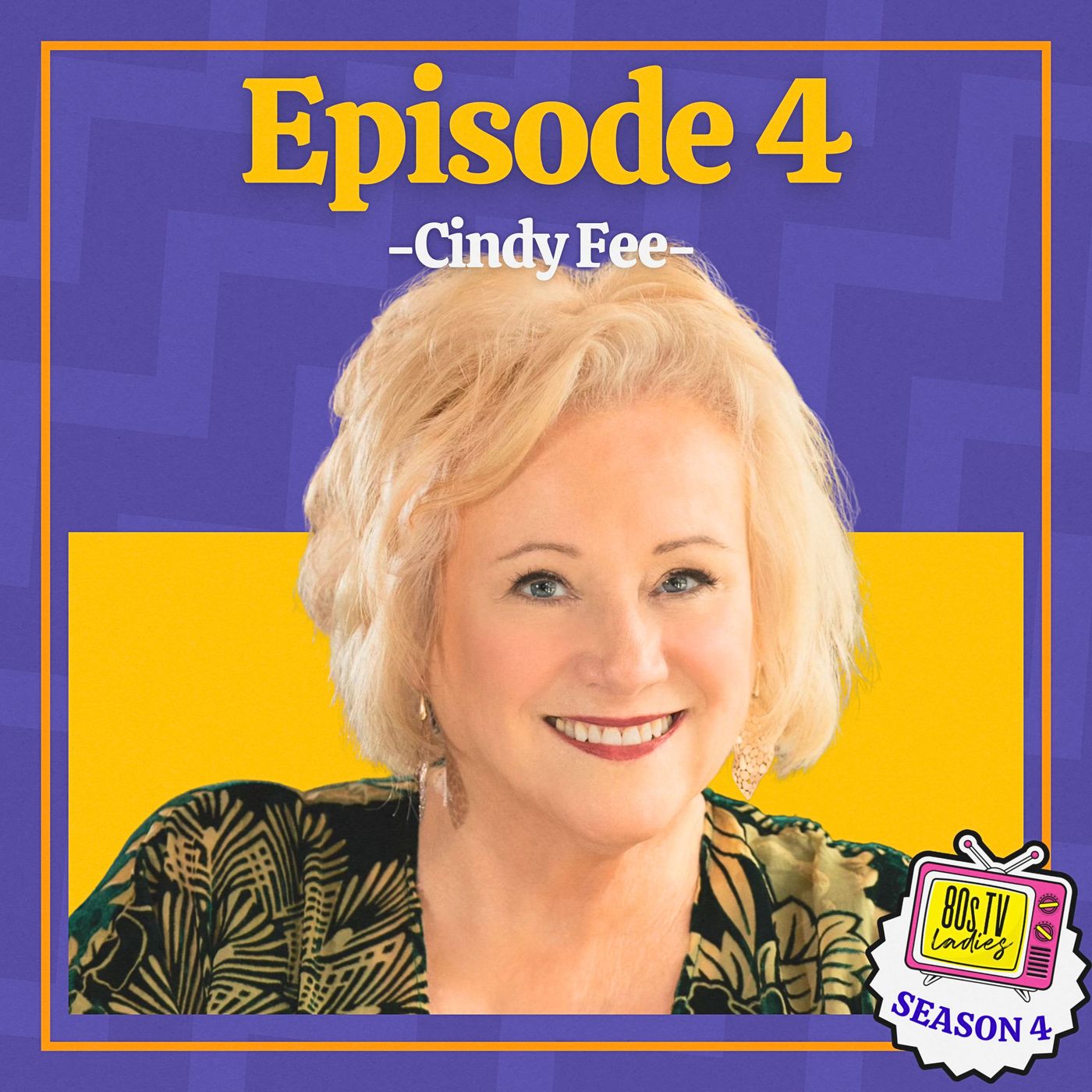
An Iconic Voice | The Last Golden Girl Cindy Fee on the Art of TV Themes
About this episode
Cindy shares behind-the-scenes stories from her career in jingles, commercials, and studio work, as well as her experiences performing live. She also reflects on the enduring appeal of 'The Golden Girls', the impact of TV theme songs, and the evolution of the music industry. Cindy's anecdotes and insights offer a unique glimpse into the life of a versatile and prolific singer.
00:00 Introduction and Hosts' Welcome
00:32 Introducing Cindy Fee: A Musical Journey
01:57 Early Beginnings in Music
04:13 Moving to LA and Career Breakthroughs
06:04 Recording Demos and Working with Diane Warren
10:58 Family Life and Balancing Career
12:57 Studio Work and Jingle Singing
25:58 Golden Girls Theme Song and TV Music
29:41 The Evolution of TV and Music Industry
39:25 The Impact of AI on Performers
39:58 The Role of Unions in Protecting Talent
41:06 Misconceptions About Golden Girls Contributions
41:25 Golden Girls Conventions and Fan Interactions
42:53 A Career in Music and Jingles
49:11 Memorable Collaborations and Advice for Singers
59:20 The Emotional Connection of 'Thank You for Being a Friend'
01:09:45 Future Plans and Final Thoughts
AUDIOOGRAPHY
Learn more about Cindy Fee at CindyFeeSings.com
Find Cindy at TikTok.com/@goldengirlfee
Be a part of Cindy Fee's new "Thank You For Being a Friend" music video. Learn more at her Instagram
Check out Golden Girls LIVE! This December in San Francisco
COMMERCIALS:
Hoover Nobody Does it Like You on YouTube.
Wheaties What the Big Boys Eat on YouTube.
Pontiac Ride Pontiac Ride on YouTube.
The Golden Girls Streaming: Hulu, Disney+, Philo
Purchase: Apple TV, YouTube, on DVD at Ebay
Book Recommendation - Golden Girls Forever: An Unauthorized Look Behind the Lanai by Jim Colucci. Find it at Harper Books.
Visit 80sTVLadies.com for more info.
Listen to 80s TV Ladies at YouTube. Subscribe and help us grow.
Don’t miss out. Sign up for the 80s TV Ladies mailing list!
Help us make more episodes and get ad-free episodes, video interviews, and exclusive content on PATREON.
Transcript
Automatically generated, so expect the odd misheard name.
Eighties D Day and So Pretty Eighties to the City. Dunning Manny, Welcome to Eighties TV Ladies, and thank you for being a listener. You're your hosts, Sharon Johnson and Susan Lambert HadAM. Hello, I'm Sharon and I'm Susan. Today I'm so thankful.
I'm thankful for music and friends and singing, and especially for our guests today, a woman who knows all about music and friends. I am thankful too, because Cindy fe is a recording artist and singer who has been performing professionally since she was sixteen years old. She has sung with Kenny Rogers, Garth Brooks, Dolly Parton, Whitney Houston, and Lionel Ritchie, among others. She's a prolific studio performer, jingle and commercial singer, and she is most known for singing the incredible television theme song for The Golden Girls, thank You for Being a Friend. That may be one of the most, if not the most recognizable theme songs of all time.
We're so thrilled to have Cindy Fee on the show to tell us about her career and her incredible journey. Welcome to Eighties TV Ladies. Miss Cindy Fie. My pleasure. Thank you for having me.
We are really thrilled to talk with you today. Starting off, are you still singing and performing these days and doing your cabaret show by any chance? Yes, yes i am. I started at last spring in Chicago, and we're getting We're booking dates throughout the Midwest and on both coasts. Oh my goodness, that's fantastic.
We will come see you. Ah awesome. Yeah all right, but let's take ourselves back in time a little bit. You started performing very young professionally. Yeah, I was actually making money performing by the time I was about fourteen.
But I was one of those one of those little kids that you know, I sang before I talked. I was singing for my family and parents' friends by the time I was about three, you know, very very age appropriate tunes like you know, hey, good look in you know stuff that it was, of course that your parents listened to, you know. But I did have a wonderful musical upbringing of all kinds of music, so it kind of shows in my voice I sing. My voice is a mix of all these different styles, and I think that's partially due to that that my parents listened to everything under the planet. And are they musically inclined to or they are they musicians?
My mother had a wonderful voice. Both of my parents had deceased, but my mother had a wonderful voice. My father had a great tone, but he was toned. But he couldn't hold a pitch for anything. And so and yet after he was told to just mouth the words, you know, he just sang louder.
So yeah, yes, good for him, is right, because singing's a pretty wonderful experience. So what like, how did that look like? Did you just do you just kept going and suddenly you were being paid to sing? Or did you make a choice? I think the well it was I had been singing all along, you know, and various little things, even as a five year old and a Beatles band, you know where they kicked me out because I didn't want a lip sync, you know, I was a young kid in the Beatles band.
But I that was when I lived in Detroit, But I moved to Kansas City probably about fifth grade, and by seventh grade, I sang in the talent show. I sang with a group of other singers, other kids in school, and then I sang out and did a solo. I sang sitting on the dock of the bay, which is I'm all things, sol is kind of where my wheelhouse is. And I from then on I was just known as sort of the voice, you know, the voice of my school. And I started making money singing in a trio, a guitar trio in a restaurant the summer after my after eighth grade.
So and then never really never looked back. And so in your bio it says you packed up and moved to la at twenty. I did. And so what was that like? And what year are we talking about?
Not those you know, we're talking about seventy round seventy eight, And uh, well, I just remember driving across the desert in my beat up old car that didn't have air conditioning. So I drove at night with my cat and my record collection and hauling it all and in the daytime, the one time night I spent the night so my records didn't melt. I knew a couple of people that had moved there from the Kansas City music scene. I had started playing, I'd done a number of things. I'd been in a band that was one of the top bands in the area.
By the time I was eighteen, too young to go into the clubs we played at I one year. I sang jazz with a jazz trio for a year, and the man that was in the band that I was in, Hotfoot, he had moved to Los Angeles ahead of me, and so he was the one person I knew. And so, you know, you get to a certain point and you go, do I want to be back then? Of course, today it's a different story because today you have the Internet, so you can kind of, you know, you can kind of make music wherever you are. But back then you went to one of the three major centers.
If you were really serious. You go as far as you can in your small pond, so to speak, and then you move to the big city. And I was pretty lucky. I probably had the only job I've ever had in my life that wasn't singing for about five months, and then I won the Best vocal Performance on the American Songwriting Festival for a song that my friend had written, and that just led to all kinds of things, just down the road things, you know, because that's the way it works. You know, one thing leads to another, and then you just kind of keep going.
So work begets work, yeah, kind of. You know. The first thing I did was start singing songs for a songwriter that you might have heard of, Diane Warren. Oh yeah, very young Diane Warren. She was probably just about the same age as me, very prolific, and you know, I sang a ton of songs for her, you know, song demos for her at that age.
So that was what got me going. That is amazing. And did you guys just sort of click and she's like, oh, I like you you can you have the right voice to demo my songs or did you confronts? No, I'd never met her before that I must know I must have had the right voice because I basically did six or seven demos a week for her. Because man, she was really prolific in the I mean, I'm sure now she still cranks them out at at an amazing rate.
She's a very prolific writer. But yeah, she was great. She was wonderful to work with. She had someone that believed in her, and so you know, we did these song demos at Western STU Studio, you know, every week, Oh. My gosh, and then and then when the when the song comes out, of you're like, yeah, I did that demo.
Well, early on, there weren't that many, you know, because like I said, she you know, she was just writing so many. By the time she actually started having hits, I had moved on to other stuff. I wasn't really doing song demos anymore. So what is what is that world like in terms of getting to do demos for a songwriter? Honestly, I don't know much of anything about that world.
So well, what that world is and you see it in particular a lot in Nashville because there's so many songwriters in Nashville, is that there's a lot of writers that although they're wonderful, prolific writers, they're not great singers, and so they hire someone to come in that is a good singer that can sing the song, to make the song sound as good as it can be, and then the songs, through their publishers, get shopped to artists or in the case of Diane Warren, at this stage of the game, she probably doesn't have anybody doing it. She's just playing the song for whoever wants a song for her. But it's it's a good way for a lot of young singers to get started. You know, because your voice is getting out there.
You get things to put on a jingle, you know, on a reel so that other people can hear you, you know, because you know, left to your own devices, it's pretty expensive, especially back then, nobody had home equipment to go into a studio to record. And is the writer pretty much are they still sometimes working on the song in terms of trying to figure out what not necessarily what genre, but to to figure out what the song is going to be, you know, how much the tempo. Well, usually usually the songs are done okay, you know. Usually they have an idea because they're going to hire a voice that gives them someone like say, like say early on, a writer wants to send a song to you know, to Celine Dion for example.
They're not going to hire someone that sounds country. They're going to hire someone that sounds somewhat in that genre. Not They don't want the very best vocal performance because they want it to be they want the artists to be able to think about what they can add themselves. But they want someone that's a good singer that you know, that shows the melody, shows you know, the direction that they see. Now many times people will take a song a different direction for sure, but they're you know, it's it's mostly done, like I said, by young songwriters that are trying to break in.
You know, they don't they can't just call up, you know, an artist and have them pick up the phone. You know, it's just not going to work that way. And now, did you do any writing yourself? I learned to write after I had had a deal with RCA in Nashville. When I went to Nashville, because Nashville is kind of one of those places where everyone writes.
It's going to kind of like you just sort of plug in and you know, and there's a million songwriters, just like there's a million players in Nashville. So yeah, I right, I write quite a bit. Actually, it's such an amazing artistry. And but singing is a mystery to me, like as someone who is who loves saying. Sharon's a singer and I love singers and I work with singers, but just the ability to make your voice do amazing things is so I love it.
It's like it's like acting to me. I work with actors all the time, and yet I still think it's kind of magical what they do well. Everyone's got their own process, and Sharon, I'm sure you agree with me, you know everyone, but those of us that are singers, you know, it's just for me anyhow, Singing is even more natural than talking. You know, I've always sung, and I sing whether I'm working or not. You know, some singers don't, but I do.
I just kind of sing, you know, I just go. In fact, there was one point when my kids were like, quit saying, Mom, you sing too much. You know, stop you think life is a musical. And I said, well to me, it is really I love that. And do you were your kids to wear of what you're doing?
Are they impressed by it? Did they? Did they go into it? Yes? Yes, No, No, my kids were aware because I you know, I would fly off to work or i would work in town, and I've always done live performing at various times throughout the pace, so they they weren't particularly impressed by it when I was young, you know, when they were young, you know, because I was mom to them, you know, that was it was just it was different, you know, and they and then they got used to it, and then they were like, you know, i'd go you want to go hear Sheryl crow sing and they'd go because you know, because the people I know, and they'd go, well, what kind of food are they having backstage?
You know, like weird things, and you'd go, Okay, now they're now that they're you know, they're like early thirties. They're both very impressed by it. You know, they came to one of my shows last uh spring and they were basically like, we didn't know you were funny. We didn't know you could handle an audience like that. It's like, well, maybe if you'd come to some of my shows for the last ten years, you would have.
But you know, but you know that you're just mom. It's different. It's very different. It's it's really neat though, to be able as your kid's age for them to then see you. You start to see them as like people separate and apart from being your child, and then they start to see you a little bit separate and apart from being parent exactly exactly.
It becomes you know, you're always going to be their parent and they're always going to be your kid, but they see you in a different way. And for me it's nice because I'm very close My husband and I are both very close with both of our kids. And you know, and they call me a lot more than I call them. Actually I'm not the mother that's always calling them. They call me a lot.
They check in a lot. So and do they live close by or are they far? They both live in Chicago, so they're about four hours away, you know, they live there. But I see them because I go to Chicago fairly frequently for things, so I see them when I'm in town. And so, you what got you doing the studio work?
Right? It seems like that's where you sort of landed. Well, right after I moved to Los Angeles. First of all, I started doing those demos for Diane Warren and that led me to one day I was in a studio with her and she said, have you ever done jingles? And I said, well, I would like to, but nobody's paying any attention to my jingle reel I'd send it out.
And she said, well, there's a jingle writer in the next studio, John Totali, And she said, why don't you give him a tape? So I had a reel with me, because as a singer, you always have a reel just in case. And I ran in the studio and said, hi, I'm Cindy Fiama singer. Please listen to my reel and then ran back out, you know. So it was like like a hit and run or something like that.
And he called me a few days later and had hired me for a spot that we flew to New York to do. My first time in New York. It was pretty exciting for this pretty young kid, and I didn't he did not get the spot. The spot we sang, I think it was for a Claire commercial, but while I was there, the producers liked my voice and flew me back the next week to sing a demo. They call them demos until they decide that's what they're going to do for the new Avon campaign.
So I got that and so then started flying back and forth between New York and LA every other week to do Avon And that led to the LA jingle writers, who, you know, the business, everybody wants somebody that they think other people are using. They were like, okay, now why are we not using Cindy Fee if New York is using her? So I started working there and also at Mike Posts, the man that had you know that's written a million TV themes and Mike Yes, and Mike recorded some sides on me to try to get me a record deal, which he did not get a record deal, but he introduced me to all of the guys from First Edition, which is how I ended up meeting Kenny Rogers and singing with them for quite a while. So I had these two kind of things going simultaneously.
I was starting to do jingles and then starting to do recording projects as well with them. So it kind of which is how it works, you take off on two different fronts sometimes, and. So late seventies, early eighties, this is happening. Yes, by maybe eighty one, eighty two. You know, I was really doing a lot of stuff by then, because it's a whole particularly back then when everything you know, there wasn't a million studios with nobody had their home studios.
So jingles were all being done by five or six jingle houses. Same things for film or for TV shows, you know, they were all being done by you know, there maybe four or five six writers in the area, and one person would hear you, then you'd work for someone else. So it just became a you know, it was very lucrative because it was all network back then. You know, no one we didn't even have cables, so it was all network spots, and so the people that you were working with really were the best of the best, people that were incredibly fast, incredibly good at the craft because you'd have to come in and sing something, and you know, sing a lead in a half hour, an hour, sing backgrounds in an hour, and everything would be done in one day, not like record dates where it can take weeks to get the right vocals to get the right things.
So it's a very so it really attracted the best of the best people and that and the money. Of course, your parents must have been really happy that things started going so well for you relatively quickly. I would imagine that they might have been a little trepidacious about you moving to Los Angeles initially, you. Know, yes and no, yes, because it took me a while to finally decided and when I first got there that I needed to go get a job, there were a number of can I have a couple hundred dollars dead phone calls home? But my parents were always always, they just believed in me so totally.
They were always in my corner and they and they just knew because I never went through this phase of what am I going to do when I grow up? I always knew what I was going to do. It was just who I was, and they were my biggest fans. I was lucky because you know, my husband, I believe his mother. He also moved to Los Angeles as a guitar player writer as part of a band that I had to deal with capital, and his mother had told him, you know, if you're going to be a musician, you're going to be a second class citizen, you know, which was what a lot of people in that time, you know, period thought.
And so I was lucky to have people that believed in me so totally. Oh that's fantastic. Now, did you guys meet in la as a music thing? We did, although he was by this time doing appraisally as a very successful appraisal review company. Because he got to a certain point.
I think the biggest thing he ever did was he was Bet Midler's arranger for a while, but he kind of went, you know, there's a million there's a million arrangers here in Hollywood. Am I Am I that amazing that I'm going to have this amazing career. Maybe not, so I better find another thing. So I became an appraiser, and appraisal is good for musicians because it's numbers, you know, just like music. Music is numbers.
So that's amazing. All right. So you're working with Mike Post any Mike post Stories because I'm a huge Channel Mic Post fan. Well, he brought me in to see He brought me into one of Dolly's recordings and I got to meet Dolly Parton. Here I am this twenty one year old kid, and I meet Dolly Parton and heard her sing in the studio and she he did a record with her during that time period, and she recorded the song the Woody Guthrie toon Deportie, and it stuck with me so amazingly that I've sung it as an encore for years and years.
But what I loved about Dolly was in the studio she wasn't all made up, and she didn't have her wigs on. She just looked pretty normal except for obviously how she's built, you know. But I mean she said, yeah, this is how I look in ordinary life, so I can go about order in their life, you know. Back then. The other thing that was pretty great is he hired me to sing on a or he was producing a record for an artist out of Memphis, and he hired me to sing in a big, giant background group, and so that was where I met Ken Vassi, who led me to the first edition.
But I'm singing in this group of about twenty singers, you know, I'm pretty excited. It's one of my first LA sessions out there. And I hear this amazing voice and I look over and there's Linda Ronstead two singers over from me, and I'm just like, Holy, Holy Jesus, I can't even believe it. You know, It's like you're just going this is you know, being thrown into the I mean it was fine for me. I was okay with it, but it was so exciting and so amazing, you know, to hear these voices.
I mean, how what an exciting time to be in music. I guess music is always exciting, but that was a really neat time to be breaking into music, and. Because you you didn't have like everybody does stuff in they're at home now or in their producer's studio, you know. Back then, you know, like Mike also produced Bruce Hornsby and now he didn't get a deal on Bruce. But but Bruce went and did his own record a couple of years later and brought it into the studio at a Lion's Share at Kenny Rodgers' studio and played it for us before it was ever released, because I was there doing some work and so it was exciting because you had it was just different, you know, people had to get together.
They had to get together. It wasn't done so separately as things are now. The other side of the coin in today's world is that an artist can be an artist without without ever leaving their home, you know, like Billie Eilish who you know, broke out with her and her brother doing their stuff at home, you know, And that's that's a wonderful thing too. You can find you you can find your own audience in today's world, you know, but you don't have the you know, without without having to get through the gatekeepers of the major labels, which is what you had to do back then. How old were you when you did.
I went into a studio for the first time to record. The first time I ever sang. I was about eighteen. It was in a studio in Kansas City, and it was it was a studio that had been built in this big cave. It was called Caverns Studio, and I went in with a friend of mine who to this day still makes music, Gary Apple, and he had me sing.
What did I sing? I sang a female version of Tom Petty's American Girl. She was an American Girl, you know. So that was pretty exciting, you know. But I did so much recording by the time I got to LA that it just became secondhand.
Because it was like during the jingle height of the jingles and session work in Los Angeles, you were working three four sessions a day. I was going to ask you, like, so is what was a session day like for you? How many? Usually I would have a couple of jingle sessions, you know. And then because I was singing both lead and background, I got very successful doing lead.
I was probably the top female call in town for quite a while. That means the top female solo voice. And it sort of depended who you worked for. But there was a lot of wine back in those days. I mean it was literally like Madmen, only you know, all the top jingle producers writers would have their wine stash and all the clients would come in and they'd start drinking wine.
The beginning of the day, these amazing bottles of wine. So as a young singer, I learned then when you were done with your session, if it was the end of the day, you'd have a couple glasses of wine. So I'm learning to drink this amazing wine when I'm twenty one and twenty two. But I would usually do a couple jingle sessions and then maybe go maybe a record date at the end of the singing background for different people. So it was just going from one studio to the next.
I mean, you had to keep your time fame. You were booked from like ten to twelve, thirty one to three, you know, and then three point thirty two whenever. Yeah, so they would work around your schedule if they particularly wanted you for something. But yeah, so you have to walk in there and pick thinks. You have to immediately be able to pick up anything and sing anything anyway.
Yes, and in jingles it back then, in particular, it was all charts. They put charts in front of you. I mean they would sometimes if you were singing leads sing the song for you, but it was mostly charts. Luckily, I read music, which is a good thing because I mean the rest of those singers I was working with. Those people could read anything, and they still can, a number of them, Edie Layman.
They still work a lot today. You know, there's a lot of people that are still still around doing what they do. You know. So at a lot of times would you walk into the session without having the opportunity to hear or see the music ahead of time to prepare or. Always always you never saw it.
You know, you walk in there and you'd read through it. They'd play the track, you'd read through it if it was you know, if it was a particular it was a song, you know, like in the case of which we'll get to later. I'm sure the Golden Girls they played me Andrew Gold's version of the track, you know, a couple of times. But yeah, it was all you never got anything ahead of time, it was, which is why I said the people were the best of the best, because they had to be willing to do that, you know. You I still recalled years later doing a session for a producer in Nashville and he said, I walked It was a recording session that he was produced some sides on me, and he goes, you walked in.
You just set your coat down, You went up to the mic, you put the headphones on, you put your water bottle, and you said, okay, I'm ready, and he goes. And that's just not what happens in records generally speaking. But I was so used to that from jingles, you know, that was what I did. So what was LA like in the early eighties, Well, LA. Was really exciting in the eighties.
You know, there was a lot of you know, there was a lot of money going around, there was there was a lot lot of work. There was a lot of incredible talent, you know, I mean from you know, from everyone from like I said, you know, the young people that were coming there, like Bruce Hornsby and people like that. That there were people that became gigantic stars that tried to break into jingles and weren't successful, like Sheryl Crowe, you know, which is where I first met her, you know, on a jingle date. But it was just a very creative time and a lot of work, you know, it was it was It was really fun, a lot of work, and it was a good time for singers because we had contracts in place. Union contracts were in place.
I met this guy that had sung the theme to Gilligan's Island. But he but they didn't have TV contracts in place back then, so he really only made his daily players rate and that was it. Wow. Wow, Yeah, So I'm glad you had contracts. Yes, me as well.
All right, So jingles? And when did you start doing theme songs? Was that just mixed in? How did that? Yeah?
That was mixed in? I had sung a number of them, but the Golden Girls was the one that was the that really went. And you would do back then Network TV all of their false shows, they would all be like the second week of September. They would debut all the shows, so everything would be done in the summer, you know, you would. I think I got the Golden Girls call probably June, June or July right in there, and I went in and sang it.
And I didn't really know much about the show other than I was, you know, I just was singing this song. I didn't find out much later. And what they would do is they would the networks would do a pilot in, put music to it, hire everyone for pilot, and then they would do it for an audience, and if the audience liked it, you know, a test audience, then they would order episodes for the season, and so I must have I mean they I must have done it early, probably June. It probably was June because they would have then worked dull summer getting the episodes ready to start, although they kept filming week after week. So it was an interesting process.
It's very different from what they do today. Well, and so you didn't know, you were just you just went in. It was one of the jobs. At what point did you know? Well after the probably midway through the first season, because it was getting so much press.
And it's wonderful that it was, because I mean, in today's world, would they do a show about three older women and their mother. You know, No, no, it would never happen, you know. And so and yet I think that one of the things that made me fairly early on realized that it might be a show that had some staying power was the fact that almost every episode they did, they did things that happened to women. You know, Like one episode, b Arthur finds out the man she's dating is uh is married, right, and then the Roue McClanahan is saying, oh, go for you, you deserve to have love, and Betty White's going no, it's wrong, and I thought, this is why this show is so popular, because there is no woman on the planet, you know, that has not found out that the person that she's dating is either engaged or involved or married.
You know that is now. I'm sure it happens to men as well, probably not as much, you know, particularly back then, but I mean, you know, what they did was come up with things that are uniquely women's issues, and that was pretty brilliant. You know, I know you had you had stand on here a while back. Yes we did. Yes, he's a pretty charming guy and so funny and so interesting.
Yes he is. We had a blast and and it sort of led I don't know if that's how Zach heard of us, but we're delighted to be in touch with you, and we you know, it led us to moving Golden Girls up. I've been a little intimidated by Golden Girls. It's the it's the ultimate eighties TV ladies. So I was like, well, we can't cover it near the top of our show.
But then I was like, all. Right, well, yeah, well, and of course the fact is is that there aren't anymore. I mean, I guess in some ways I'm the last Golden girl. I know, and I am now the age a little bit past the age that they were when they first started doing it. It is so amazing, because disconcerting with very disconcerting.
Yeah, they weren't that old. They don't seem that old. The older we get doubt. Well, we have to take a break, but we'll be right back to talk more with Cindy and play the commercial jingle game. Welcome back for more eighties TV ladies.
I miss TV theme songs. I really do. I you know, there are so many over the years that I've loved, whether you know, some instrumental, but certainly the ones you sing along to, they are so ingrained in you when it comes to your thoughts and your feelings about the show. You hear the music and you're right there. You're in the living room with with with Blanche and Dorothy and Sophia, you know, or sitting in the kitchen with them having cheesecake or whatever when you hear that music.
And that's true with so many shows, and I miss it. I understand the reasons why I don't like the reasons why they don't do that anymore, but as much anymore, but I really really miss it. Well, they are trying and some shows are trying to bring it back. The show outlander Us is the same song to open every of one of its episodes. Now it does change the singer.
I think every season. I was told, but you know, I think that. Yeah. I think it's interesting because when I first started doing jingles and all this kind of stuff, writers tended to look at things like, you know, like a like a song for a TV show, A song for a jingle is almost like you're selling out until they started realizing how much money was being made. You are, and how how profitable it was to.
Sell out exactly. I mean, it got crazy. I got a call once to sing I think it was for a Good Year commercial. It was to sing respect, that Aretha Franklin song Respect, And they hired me because they wanted someone soulful, but not someone that would sound that would sound black, right. They wanted to make sure because they didn't want to get sued you know, by the Franklin you know corporation because everything's in corporation now.
But it was it was pretty wild because you know, I'm singing at it, I'm trying to take I mean, and I do normally, I'm you know, I'm a soulful singer. I can sing with a lot of licks and a lot of stuff. But I just kept scaling it back and scale. They kept going, no, it's still too soulful. And I wasn't doing any licks by then.
You know, I go, well, what what is too What is too soulful for you? And they go, what what you want? Baby? I got it? I go, well, what am I supposed to sing?
What do you want? Baby? I have got it? You know, it's like you're just going, did you even think about this before you pick this song? You know?
I think probably it was Northern Exposure that was the first TV show to start playing a song at the end. I'd forgotten that they did that, and I watched that show. Yeah, oh my. Gosh, remember you just that was the first time I ever saw that, and it was and now everybody does that on TV shows. They you know, they come up with a song, and everybody wants their songs on TV shows now or film everyone wants it because once again, when they realized the prophets involved in it, you know, that changed it.
But yeah, I mean, the the industry has changed so many ways, you know. Yeah, and is it? Is it for the better or worse. I think some of it is for the better because I mean it's not necessarily the recording industry. Songs not so much for the artist because unless you're someone like a Taylor Swift, you know, or you just sell directly through your own website, you make no money.
I mean literally, I have three two, two or three records on all the streaming services and on Apple you can buy it, and you know, and I sell quite a sell a lot of them every year, and I probably make maybe at the most fifteen dollars. Oh wow. I mean it's like you get nothing basically. So that's why so many younger, so many artists they have to tour, you know, they just go on they go on tours because they don't have an option of making money. You know.
It's not the way it used to be. I mean, even back then record labels, even back then, your first your first deal, what was my first deal? It was I got five cents out of every record soul. So unless you had a hit, you know, you're not making anything, you know. So so it's just different.
So in the recording industry, I would say, yes, it's not. It's not nearly as good as it used to be. Also because so much of it is done by by AI. You know, they're they're they're basically deciding. You know, if you look at an artist and you go to you know, one of the streaming services, uh, they'll put the songs that you say, okay, I want to hear a Cindy Fee playlist.
The songs they put on there are ridiculous. A lot of them are like, why, what the heck does that have to do with anything I've written or anything I've done? Nothing, But it's what some computer generated program thought. So for music, not so much for film and TV, I would say it's it's been a good thing. I mean, look at the quality.
Back in the day, no movie star would ever do a TV show. Yeah, generally speaking, unless they'd gotten old, you know, I mean you you did one or you did the other. You know, you were very lucky if you could cross and once you crossed over from TV to film, you usually didn't go back. But in today's world it's different, you know everybody And. Was that true in in for singers, Like if you're doing commercials and television, would you get called for a film or for.
Oh yeah, it's the same singers. It's the same singers that do unless they're hiring, unless they're hiring a celebrity, you know, and then the celebrity is getting you know, there's I mean, they're not doing a SAG daily players rate contract. You know, they're getting there, you know there. And even in jingles. I mean, I was very lucky because a couple of jingle campaigns that I did, I did for long periods of time.
I sang, Hoover, nobody does. It like you, Hoover Nobody. I sang that for seven years, and I was under contract, and so every couple of years I would sign a new contract, you know, and they had to pay me a certain amount per year, and I'd get a new Hoover appliance. And I just remember thinking, you know, because the way it worked back the way it worked was you back then, as a face, if I had done a Hoover commercial, I couldn't do a you know, a dirt Devil commercial for example. You had to kind of stay, you know, whatever you did in that genre.
But it wasn't that way for singers, because I remember thinking, what do they think, like dirt Devil is like beating my door down, you know, but okay, like so so it's a little different. You know, it's a little different. No, singers do everything, you know, in from film to In fact, there were a number of contractors people that would hire singers, like say for a film coming out, you know, like like say the film Glory, right, you know, they would hire I think there was probably one hundred and twenty singers singing on that film. And as a consequence, you know, I get my little residual every now, because apparently it's still being shown. Occasionally, I'll get like a you know, it'll come through you know, sag and it'll be like a residual for ten cents.
You know. Everybody, every singer gets those things, you know, like a ten cent residual. You know. So what's been the most unexpected like residual that you wouldn't think of, right, I mean we assume you're getting good Golden Girls residuals even to this day. Oh yeah.
In fact, the pandemic was huge because that's when the Hulu picked up The Golden Girls, and I think Zach told me that it's streamed something like in one week alone on Hulu, It's streamed like two point three million times just one week. So for most people, you know, the pandemic was financially a problem. For me, I'm going, Holy cow, why have all why have my residual checks suddenly quadrupled? You know, because and that's why, you know, so because streaming services picked it all up, you know, because people wanted shows like The Golden Girls. They wanted shows that made them feel connected.
Yeah, and joyful. They wanted yeah, and funny, funny, community funny, yeah. Yeah, all of that. I just wondered if the networks had changed the contracts at some point to phase out as new things come along, those sorts of long term payments, because I've got a. Well, I know, I think they tried, just like they've tried everywhere.
But the fact of the matter is the Screen Actors Guild, we have celebrities. You can't do a movie without top SAG talent, and so we have all the cards, you know, I mean we have basically with the exception of a couple of strikes when we really didn't know what was going to happen with them. The strike in eighty eight, which is when cable came in, nobody really had any concept as to what cable would be like. You know, they and the same thing. But by two thousand and three, I think might have been another strike right right after, right after nine to eleven, if I remember correctly, right around and then there there was a strike, and that was because they that was when the Internet came in streaming, and by then they realized they did not get what they really wanted with cable all of a sudden, you know, your your song could be played a bunch of times on cable and you weren't making very much at all.
But when you know, but with the internet strike, both the early two thousands and then the one we just had with basically AI was the main thing, you know, because AI is pretty scary for a performer. I mean, they could take my voice and and just copy it and use it and never pay me anything. So I think that what, like I said, we're lucky because we have the top talent. You know, if it wasn't for that, they would have, you know, their money people, they would have done anything they could to save money, you know. But with celebrities in our corner, you know, it's it trickles down for everyone.
Yeah, the only trickle down economics that ever worked. Because you have a contract union. Yes, there you go, unions, unions, pro union. Because I think what most people don't understand is that the contracts are for the people at the bottom end of the food chain, because if you're a celebrity, you can you have a lot more leeway to get in your contract what you want. It's exactly, and you're not signing a SAG daily player's rate for two thousand bucks a day exactly if you're If you're a celebrity, you know you're That's why, to this day, I'm not even though he was one of maybe the most amazing golfer that ever lived, I'm not a Tiger Woods fan because he crossed the picket line during the strikes in the early two thousands, you know, to do a commercial and that was when he was in is you know, his heyday when he was winning everything, and I thought, really, you really really need this that much, you know, But you know that's just yeah, yeah, my interpretation of it.
So keep sang a song for an episode as well. Did you go back in and do more stuff for Golden Girls? That is not me? Oh, that's not you. Everyone thinks the one that you.
Yes, that's not you. That's not me. No, That's why it's not on my wiki page, you know, because that's not me singing that. In fact, that was a question that was asked at the Golden Girls conventions. They had the first of them a couple of years ago, and people, you know, I did do the song in my show for that very reason, because you know, well, my that was that was an interesting thing because the first year I sang, I thought, okay, they want to hear me sing stuff from the Golden Girls that was on the Golden Girls show.
So I did there, and there weren't really that many songs. I wasn't going to go out there and sing Turkey Lurky, you know, because that's not really that's not really a song you sing. So I tried to pick a few things, you know, that they had done. Uh you know. But by the second Golden Girls convention, it became clear from what people said to me that they didn't really care that I was singing the Golden Girls stuff.
They wanted to know what I had been doing, which is what led to the show that I'm now doing, because people were interested and you know, here, you're this voice we've listened to for gosh, almost forty years now, and it means so much to most people you know that have listened to it, people of all ages, because you know, the first time we did the convention, I thought, what are they going to be like, oh old, you know, not, you know, are they going to be old? And they weren't. They were young people by and large that had watched the show with their mothers, with their grandmothers and kept watching it because they found a sense of community and a sense of family in it. So so it was pretty interesting to see that most of these people they wanted to know what I had done, and that's what led to the show, you know, they and you know, the shows I did and the shows I'm going to do in the future.
It's basically my life in music, from starting from when I was very young. What I've sung, the thing people I've met along the way, the songs I've sung, the things that have happened to me. And people are fascinated by it, you know. I mean I have met a lot of very famous people that might be part of it, but they're also just fascinated because they've known my voice for all these years, but not really know, you know, not really knowing my background, you know, sort of the Phantom Voice. You are the Phantom Voice.
Did you ever meet the Golden Girls? I met Betty White at a screening of Evergreen, Remember she was on Evergreen for a while. She played because I knew someone that was in the show, and so I went and w and I met her and she was lovely and very nice. But I never met any of the other ones. No, because you know, it's very separate.
You know, you come in and you sing, you do, you know, because you're a singer, Sharon, You come in and you sing, and then they put in the TV and film industry. Then it gets put together. You know, You're not like they're when they're when they're performing. They're not there when you're performing. And did you think when you've seen it and you're realizing, oh, this show may go on for a long time, did you actually think you'd be going to conventions in twenty twenty two?
No. When Zach first found me, and he tells the story that he he says he stalked me to find me because I'm kind of hard to find. You know, I don't know, I don't have you know, nothing's published or anything. No, I had no idea and I don't think even Zach knew what it was going to be, because he told me that when he first came up with the idea for the convention, he thought he'd put it on in someone's garage, and it ended up being at Navy Peer, one of the biggest venues in Chicago, with thousands of people coming. You know, So no, I had no I really had no idea.
I mean I knew that people love the sho show because throughout the years, that is one thing you know that you know, when people say, oh, you're a singer, you know, have you ever sung anything? I would know. I mean there might be commercials that if they're old enough they would remember, but even young people know the Golden Girls. My son when he for my oldest son, when he first went to college, he called me one morning and goes, well, thanks a lot, mom, And I go, what I do now? And he goes, I went to a party last night and some girl goes, hey, there's the guy whose mom sings the Golden Girls themes.
And he's like, and I'm going, well, you know that show is paying for your college, so you know, be a little more grateful. That's right, Because apparently they had viewing parties in colleges were young kids with young girls would sit or guys too. They would watch the show. So no, I had no idea what it would And it is interesting, isn't it, because you know, I'm not sure that they ever you know, they've had a lot of star treks and sci fi and things like that, but I don't know. I mean, I haven't heard of a family house convention, you know.
I mean it's kind of him doing the Golden Girls convention is kind of singular. It's kind of new. Yeah, you know, it's really neat and now that we know about it, you know, the eighties TV ladies would be very excited to be part of the Oh. Yeah, because because it was wonderful. I mean literally, I will say this.
At both conventions, I did not meet a single person that I didn't think was just lovely. I met Marcia uh, the producer of Golden Girls, and that's when I met Stan and what was right after my show, I went down and they introduced themselves and they and Marsha was actually in the studio when I sang the Golden Girls theme, Oh Wow, my gosh, which was wild because I because when Zach first approached me. He goes, well, what do you remember about doing the song? I said, I remember that it was really quick. I went in there and they played me a song and I sang it two or three times, then a couple more times, and then I left.
You know, it was because you didn't know what it was. It was just another I probably sang three different TV themes that year, so it was just it just happened to be the one that went and became this part of history. Yeah, that time, at that time were there were dozens of new shows every year, and a whole bunch of things that were launching, you know, getting ready to launch that fall, and you never know, you know, somethings. Most of the time. It's a surprise when something's hit.
All right, So were you watching a lot of television at that time or were you just too busy? Probably not. And you know what, I have watched Golden Girls on my own. I'm you know, twenty I was probably what twenty six at the time, a twenty six year old who was working all the time and living the good life. You know, I was probably not because back then we couldn't record anything, right, you know, you had to be sitting in front of your TV when the time Saturday night.
So probably not. I probably didn't. You know, I didn't watch a lot of the episodes till much later on, you know, when I had a chance to watch them. Just yeah, So you weren't sitting in front of the TV, going, oh, I want to be that commercial. Why didn't I get that one?
Did you ever be like, oh, I wish I'd gotten that one? No, not so much, because I was really lucky. I worked a lot. I was very, very lucky, and I had big campaigns that went, you know, get on your Pontiac and ride. I did that both in Los Angeles and then later on in Chicago they resurrected it again, Big Boys Eat.
I want a clio for that one. I sang that for, you know, the very first person on the Wheaties box, Walter Payton, you know. So you know, I was just I was very lucky to have a lot of stuff that went, that went for long periods of time, and to work with amazing people. And I think part of that is because I never really approached it like a jingle singer. I just I just sing, you know.
I from the time I've been a little kid, I just sort of sing. I just opened my mouth and let it it comes out the way it comes out. I couldn't. I would never be able to sing a sound alike. I'm not good at that kind of stuff.
I'm just really only good at doing me, you know. So do you remember the first time you heard or watching The Golden Girls and heard yourself singing the song? I do. I'm sure I watched it about mid season. I can't tell you what episode it was, but it was like, and I may have watched the original one because that was pretty exciting to be on a you know, to be on a theme you know, a theme song.
I had already had sung a couple of movies stuff. I had sung a show called a movie called Lefty about a one arm gymnast, and I remember and I watched Lefty because I had a girlfriend, a very close girlfriend, who was an artist that was born with one arm, and so that really meant something to me to do that. But yeah, I do, you know, to hear your voice on TV's pretty fun, you know, to hear your voice on commercials or on TV. Although remember that back then, the distinction between SAG and after back in the day was that all TV shows that were any TV show that was filmed was SAG. Anything that was videotaped was after American Federation of TV and Recording Artists, and almost all shows on TV were after you know that, almost everything was videotaped.
Back to the movies were what was filmed. All the sitcoms were after, right. And we're commercial, but commercials were filmed. Commercials were filmed except for radio commercials. Yeah, so you would get like say, if if one of the commercials, say Hoover is running on radio, then I would get a check from AFTER for that I'd get and if it was on TV, I would get a Screen Actors Guild.
So, because back then the unions were separate, they were different. I mean, we've we merged about five years ago. But all right, so if we should do a commercial TV jingle, game for it, because you clearly remember your commercials, which is I'm gonna shout out one of the jingles and you can tell us a one line memory or favorite line or a person you worked with from that commercial, or you could just sing a line, because you can get away with anything if you're singing in here. That's true. Okay, Actually I can get away singing what any of them?
Anywhere? People go nuts? All right, What the Big Boys Eat? That was for Ron Hicklin, And it was so exciting because, like I said, it was a it was a Cereal box, you know, the first time, you know, and I sang it to a bass just a bass recording, is like. Come on in, take a seat, We're gonna tell you what the Big Boys Eat?
You know. So it was it was that was really fun. Although it's very hard as a singer to sing to a bass just alone, is pretty hard. But that was a that was an exciting commercial. And like I said, it won a bunch of cleos.
So that was really a good commercial. Now do you get a Cleo when you went a clean? I know, it's just the person that writes it. Oh yeah, I want to cleo. I want to cleo at Disney for some marketing because I worked in marketing for a while.
But what did you win your CLEO for? It was for the website for the Royal Tenet bombs And it was the second year they gave Cleo's for websites. Uh and uh and uh. Disney got the Cleo's. Awesome, that's awesome.
I didn't get to take take a Cleo home. No I didn't. I did not. I just it was you know, the person that wrote it got the cleo. So well you got the you get the you know, the check mark.
But no, is there a That's. Okay because I got the money there and the notoriety. You know. Now, was there a female version of What the Big Boys Eat for Mary lou Rettin? Was it a different version of the song or was it the same thing?
Yes, I sang all of those I sang they just well they they I didn't if you remember the commercial, you don't really say the person's name. What I would do is do a voice over in between, like hey sweetness for Walder Peyton, you know, or or you know, you'd say like a little you'd say a little clip in the middle of it, a voiceover. But the song itself didn't actually mention the athletes, so they used the same song over and over. Okay. I did record different versions of it at various times, but uh, which is which is unusual because you don't usually do that.
Usually they just use, you know, you'll do like a long like Pontiac. We did almost like a three minute version of it. I sang that with a wonderful singer, Mark Mark Campbell, an amazing singer. He and I did a ton of duets at the time. He had that big, crunchy, wonderful, big growley voice, and so we would We did like a three minute version of it for uh Lanny Music, Mark Mark uh uh Viejo, who was just wonderful.
So it was, you know, it was, it was. It was a pretty It was a pretty great thing to do. Get on your pontiac and ride Lanny Music. That was a They were really kind of There were a number of really great, great music houses, but Lanny was the more cutting edge one, you know. So it was it was a great place to work for you and there were a lot of There were a lot of people that went on to become recording artists that went through that particular one.
I worked with the two people that compromised Boy Meets Girl, you know, the do you remember waiting on the Start a Fall? That was their big hit, you know, Richard Marx. There were a bunch of people that came through. Cool you know, jingles, that's cool, all right, so jingle nobody doesn't like you? What do you remember about that?
Well, the best story is that I was at a session in Chicago. I'm in a session and some girl goes, man, I wish I could do a jingle like that girl that does that song. You know, nobody does it like you. She must be making a fortune. And everybody kind of looked at me, and I'm going, okay.
But the other thing was this showed me. This showed me how much money corporations had. I got hired to come sing it as a surprise guest at the Hoover Convention in Florida, and so I was a surprise guest, so nobody really knew I was there. And so they flew my husband and I down there and we had this amazing bungalow on the beach and all I had to do was sing the song for you know, at the very end, you know, sixty seconds of the song. And they paid me just a fortune.
And then the day before I sang, they said a few of us are staying on for another week or so if you want to stay. So we quickly called our babysitter. You know, because that was in the corporate heyday of so much money, and it was like it didn't even mean any That's why in today's world, where you know, there's such inequity in what people get paid. I mean it's kind of always been that way at the top of corporations. You know, these people just had so much money that it didn't matter to them.
You know. I was in a bungalow on the beach and this was I don't know twenty five twenty seven years ago. That probably costs two grand a night, and they just said stay another week, we don't care. Yeah. So, but I love singing that commercial, you know, because even though it was kind of odd, because it's like here, it is like a love song to a vacuum.
Yes, would you have any advice for singers that wanted to make a living with music now? I would say, find your own voice, try not to be you know, yes, listen to everybody you can listen to, but find out what truly makes you special, what gives you the most pleasure when you're singing, What do you like about what you do, What do you like the most in music? Don't try to be someone else, because that was certainly something that was done back in the day of the big labels. You know, they'd when lawyers got involved, you know, they'd sign a Madonna then every but it would be looking for someone who was like Madonna, you know, as opposed to you know, a singular voice. I think it's a little easier now because you can make your own videos, put them out there, you know, on TikTok, put them out there on your web pages, you know, make your own make music.
I do think that part of what is a is harder for artists today is that because of that, you know, they haven't they didn't come up singing six nights a week, like I did you know where you're singing? You know, I sang in this kind of band. I sang in that kind of band. I did a jazz trio for a while. You find what you like best and what works best for you when you're performing, when you see what people what you love, what people respond to.
In today's world, I mean, so many of these artists they have never sung in front of a live audience until they have a hit. And also, I would say to people, even though we live in a TikTok nation, we live in in sound bites. I was at a football game in Atlanta a few years ago, and they had this young girl who'd won one of the talent shows, or was on one of the big talent shows, and she came out there at halftime to sing instead of doing one song where she could actually, you know, a song is like a play. It has a rising action, it has a climax, it has a falling action, and as a singer, that's what you're going through. You're building to something, you know.
But instead of doing one song, she sang bits of five different tunes in her three minute segment, and it never got to a point where you emotionally felt of anything. It was all just kind of licks. It was just all her like trying to sing as best she could sing for you know, over and over different things, and it lost that feeling of emotion. Because truly, what makes someone respond to an artists, whether it's an Adele, whether it's a Taylor Swift, is the emotion they're feeling through that song, what they themselves. It's like looking at a piece of art.
You may not feel exactly what the artist felt, but you're feeling something. It makes you respond to it, and that's what true original art does. So I would tell people try to find your own voice and try to think less in soundbites. I think that's great advice. I love that.
Do you remember, let's talk about thank you, thank you for being a friend. Why does that song resonate so much? Why do you think, Well, I think it's because because I think it's because friends are the family we choose, you know what I mean. That's why I think The Golden Girls is so popular, because you know, families, we love our families. I love everyone in my family, but families are complicated.
You know, when friends, when you find a friend that you everyone has that meeting where you meet someone and you go, oh my god, it seems like I've known you forever, and it always is that way the rest of your life. My best friend, I've been best friends with her since I was the you know, we met in a babysitting class and to this day she is the person I will turn to, you know, if I ever need someone. So, you know, I think that I think that The Golden Girls resonated in that way. It was the family, you know, becoming a family with people that you weren't necessarily related to, you know, and I think that's the biggest thing right there. Zach says, it's because you know, Funny never dies and he's right about that.
The Golden Girls are extraordinarily funny. Every one of them were so talented. It was so well written. But I think it's more about family, and I think that's why it did so well in the pandemic, because people, you know, we couldn't be near our family, you know. And I will say this, during the pandemic, one of the most beautiful times I ever sang the Golden Girls theme was I got a Facebook message from a friend of mine who said that her one of her friends, her girlfriend was an emergency room doc and was work working full time all the time, and she was getting ready to have a big birthday and this was early in the pandemic.
Would I come on to the big birthday zoom and sing for her? And I said, absolutely sure, I'll do that, And it was It was interesting because, you know, it was one of those where they had, you know, everybody had the little square, you know, new version of the Hollywood Squares. Everyone had their little square, And all of a sudden, I come on and I'm like the only white face in the bottom of the screen, you know, and I'm I'm down there, and eventually people are starting to go, who's that girl down there because they didn't know me. Who's that girl down there? You know, who is that and something?
So that was when the host said, we have a special thing, and so I said, Hi, I'm Cindy Fi and I want to thank you so much for being such a friend to the world, for what you're doing. You know, you're out there on the on the front lines, helping all of us every day. And I sang the song to her and by the time I was done, everyone was crying every and I after I got off the call, I thought, you know, that may be the most favorite time I have ever sung that song because it meant so much to all these people. And I thought, for me, what was it? It was what two minutes of my time?
And it's not like we all didn't have lots of time during the pandemic anyhow, but it meant so much to these people that I just that was when it truly hit me how much the Golden Girls meant to people. Yeah, and that song both because it was on The Golden Girls, but the song itself is just incredible. It's a song that makes you feel happy. Yeah it is. It is a song that makes you feel happy, and I know that for Andrew gold It was a bittersweet thing because here's his song being played, but he's an artist.
It's not him singing it, and you know it, and it's associated with the show. But I mean for all purposes that you know, he is a part of pop culture for writing that song as I am for singing it. And that's not a small thing, you know, because to this day, like I said, people still respond to that. And that's that's something really special. I mean, like I said, I I can name commercials and many people know them, but the Golden Girls theme everyone knows.
I have never once said to someone when they asked me what I sang, you know, I sang, thank you for being a friend from the Golden Girls. I even used it to get a dog during the pandemic because nobody was paying attention when I would like, you know, try to email about an animal. And one day I woke up and I saw this picture and I went, that dog is supposed to be my dog. I know it. I know it.
So I sent them an email and I thought, what can I do to be special? And I said, I want to thank you for being a friend to animals. And by the way, I sang the song thank you for. Being a friend, and they called me immediately, immediately, and so I kind of thought, well, I don't use it very often, but I used it when I needed to. That was my ace in the hole.
So you know, that was for a good we was a good cause. And I love this dog so much to this day. We got COVID kittens. That it was everybody was getting their their COVID animals because we needed love and support and we wanted to love and support things. Exactly because did we even know, you know, when it was going to open up?
What you know, I mean, the whole world was traumatized, and you know, I mean it was we were all collectively traumatized, and animals at least gave us, you know, some feeling of normal see and love. Yeah. Did you did you ever meet Andrew Gold? I didn't. I didn't, uh uh, because you know, by we were kind of in different circles.
He was part of the LA songwriting scene and the artists scene. And since I'd never had big hit records of my own, I mean, I sang I'm one of Kenny Rodgers records with him. I sang a duet with him. But since I had not, you know, my recording deals had not worked out. I was.
I was in kind of a differ musical circuit, although I did have many friends who were in that circuit. Rosemary Butler is a singer that she sang on Jackson Brown's the Oh Won't You Stay? And she sang with everybody and she was so there were some people that crossed back and forth, but you know, not me as much. So who are some of the top people that you really enjoyed working with over the years, Like Dolly Parton? You know, Dolly was amazing.
I loved working with Lionel Ritchie. He produced a number of Kenny's records when I was singing with Kenny. And what was amazing about Lionel is that he was so secure in his musical talent that he didn't care who came up with an idea. It could be the guy sweeping the floor out back. He just was just missed.
He was just mister music. Kenny was great. Kenny was very interesting. You know, he was a star, you know at that time, a big star, and he kind of lived the life of a big star. You know, there were but I have to say, probably the most starstruck I ever was was with someone that you wouldn't even probably know, a guy named Ken Vassi who was in the second edition of the first edition, and kN was the most soulful singer I have ever heard in my life.
He sang with Frank Zappa, He sang with all these people, and just for me, it wasn't really the celebrities as much. I sang with Bill Medley of the Medley Brothers. He was great, you know. I sang on a bunch of Whitney Houston records and that was great to sing. But she was never there.
I never saw her, so I never met her, so, you know, and that happened a lot where you would go into sing and the artist wasn't there. Yeah, you know. So here's a great story that I sang with Kenny. I sang he was wanted Barbara streisand to do a duet with him. So I sang the Barbara streisand Part and it was a good song and I sang it pretty well.
And she turned down the song and said, never send me anything with that girl singing on it again. So I took that as a compliment. Absolutely. Think that's a compliment. Yes, you made Barbar Streisand feel like she couldn't sing it.
Well, just different. It's never although Barbara Streisand was certainly one of the singular voices in music period, you know so, but you know, once again, it just comes back to the idea that to young singers, be yourself. You can't be You're never going to sing a Streisand song better than Streisand you're not going to sing an Adele song better than Adele. It's not about the licks you do. It's about the emotion that comes through what you do, whether you're acting or whether you're singing.
It's emotion because that's what holds people to you. That's my advice. That's pretty good advice. Yeah, you know, and you know, don't let other people's perception of what you might not be everyone's cup of tea, but you're going to be many people's cup of tea. Not everyone's gonna love what you do, but the right people will.
And that's what I always carried through with me when I went on big sessions, like when I sang on that session with Linda Ronstead. You know, it's like, you know, I'm not going to be intimidated. I'm just gonna do what I do. You know, just take it, take a deep breath, and just do what you do, because what else can you do. I don't like the shows so much, the voice and shows like that, because I think we're all apples and oranges and pears and for simmons, and everyone's so different, and how can you say this person's better than that person?
You know, I think that that. I think I would tell young singers to mostly not pay that much attention to those kind of shows, to just go out and, you know, be who you are, try to sing live, try to find it, you know, go sing with someone, even if you're not making much money, just to get a chance to go out there and sing. And you know, there's something about singing a lot. Sing as much as you can. You know, the voice is a muscle.
The more you sing, the stronger it gets, like anything else. If you don't lift weights, you know, if you're not if you're not singing, you know, you can't expect to go out there and just sing as great as you could as you can. You have to exercise it. Do you teach? Are you a teacher?
You teach music? No? I don't really like to teach. I have taught classes like at universities on jingles. You've have good advice and you're very inspiring, So well you can just talk about that in your show.
I guess, well, I'm opinionated. I am that. Yeah, I'm opinionated. Uh, and I know what has worked for me. That's all I can tell people to do, you know, to you know, try to find yourself.
That's the most important thing, not don't be anybody else. All right, Well, what's up next for you? Where can people find you? Is there going to be another Golden Girls con. I'm not sure about the Golden Girls Convention because I don't think Zach wants to do it anymore.
It's possible be. If it is, it probably will be taken over by Disney because he wants. He's pretty much staying on as my manager now. He wants. We're talking, We're getting ready, We're booking things for the winter in different cities across the country, getting my website together so that I can actually talk to people in that particular way.
I'm an actress. There may be some acting roles here in the future, coming up with things like that. You know, it's kind of like, you know, this whole thing was sort of like a you know, like another act. You get to a certain age and you go, Okay, you know, I can still sing, I can still do what I do. You know, what's my next act going to be?
Is there going to be another act? I would there's a particularly gifted musician in Los Angeles I've known for many years. I'd like to do a duets album with. I'm not interested in going out there and doing a sixty date tour at my age, but I am interested in getting out there and talking to people and singing for people because I still do what I do. I still am who I am.
So I'm thrilled that you guys reached out, and I'm thrilled that we got you on the show and you're going to be part of our Golden Girls series of episodes. It's very exciting. That's wonderful, and I love what you guys do. I looked at a few of your shows. I think what you guys do is wonderful because there will never be another decade in the entertainment industry like the eighties in terms of what was done on TV and how much it means to people in my show, you know, since everyone of course is waiting for me to sing the Golden Girls theme, which I do at a certain point.
I do. At one point I do like I act like I'm going to sing it, and then I sing a couple of other theme songs, bits from other theme songs, just to sort of build up. But what I'd like to say to you guys. Is thank you. Will be in a free traveled down the road and back again, your heartiest thank you, your repel and a confidant.
And it's fifth through a party and invited everyone you knew you would see. The biggest gift would be from me, and the card attached would say thank you for being a friend. Oh my gosh, that is thank you, that is so amazing, so amazing, Oh my gosh. Thank you. That was just too special.
Thank you so much for everything, and keep doing what you guys are doing. Thank you well, Thank you guys for winning all these awards. You guys are really tearing. We've had a good year. We've had a good year, really blessed.
So thanks so much. We'll see you again. We'll see you. You know here at Abes TV ladies, how much we love to shout out the amazing ladies of the twentieth and twenty first century, and we love podcasts who shout out amazing ladies of anytime, So we want to tell you about the Art News podcast. Every episode they focus on telling the stories of the women pictured in the most famous works of art through history.
What an incredible idea for a podcast. Please check out art News Podcast and hear host Grace Anna, who aims to reinterpret works of art by bringing the stories of the women in those paintings to life. Who are these women and what are their stories? You can find out at artmeuspodcast dot com. In today's audiography, you can find out more about Cindy Fiat or Instagram, Instagram dot com, slash.
Thank you for being a fan, and there will be links in our description to some of her commercials and other work you know. Here at ABSTV Ladies. How much we love to shout out the amazing ladies of the twentieth and twenty first century, and we love podcast us who shout out amazing ladies of anytime, So we want to tell you about the Art News podcast. Every episode they focus on telling the stories of the women pictured in the most famous works of art through history. What an incredible idea for a podcast, Please check out art News Podcast and hear host Grace Anna, who aims to reinterpret works of art by bringing the stories of the women in those paintings to life.
Who are these women and what are their stories? You can find out at artnewspodcast dot com. We hope Eighties TV Ladies brings you joy and laughter and lots of fabulous new and old shows to watch, all of which will lead us forward toward being amazing ladies of the twenty first century. You can happen, bore the money in the Bamber, anything nas



Similar episodes across the network
Matched by shared keywords.
-
Episode 12: Spies Like Us (1985)
1 shared keyword: theme song
-
Special Report: A Disturbance in the Force (2023)
1 shared keyword: bea arthur