
Season 4 · Episode 5
Stan Zimmerman: From Golden Girls to Gilmore Girls - A Writer's Journey Through 80s TV
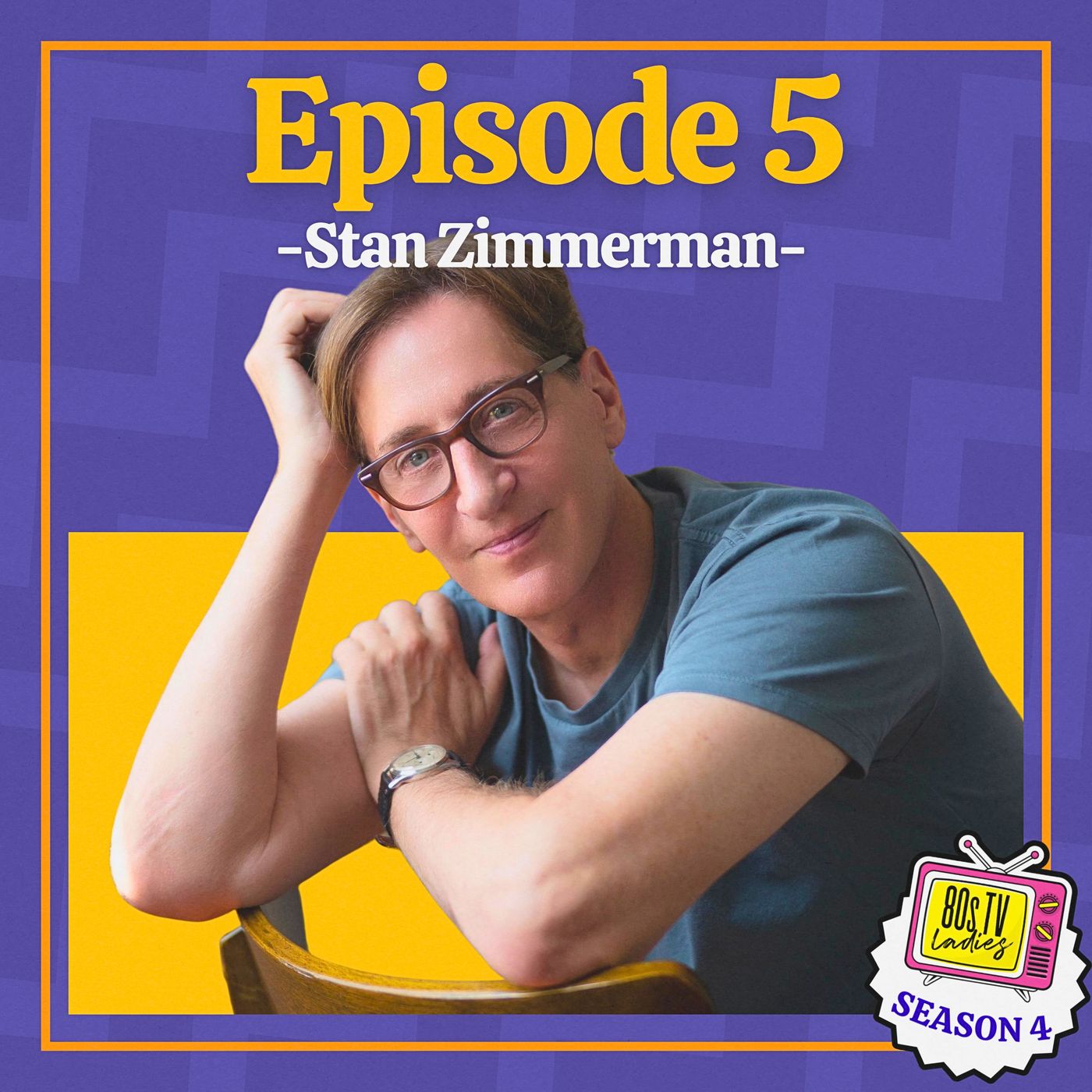

About this episode
From recounting behind-the-scenes moments with Betty White, Bea Arthur, and other legends, to addressing the challenges of being a gay writer in Hollywood, Stan's stories are both entertaining and enlightening. Tune in for a journey through 80s TV history, writing partnerships, and lessons learned along the way.
00:00 Introduction and Host Welcome
00:43 Introducing Stan Zimmerman
01:51 Stan's Writing Journey
02:37 The Personal Side of Writing
03:36 Journaling and Reflection
05:13 Challenges and Resilience
10:18 Golden Girls Insights
14:30 Writing Partnerships and Hollywood Politics
17:27 Spec Scripts and Early Career
25:50 Golden Girls Episodes and Legacy
36:50 Pitching Jokes to Soap and Benson Writers
37:39 Evolution of the Writer's Room
39:04 Golden Girls and Changing Times
42:23 Stories from the Book: Celebrity Encounters
50:59 Theater and Making a Difference
56:01 Challenges and Triumphs in Hollywood
01:00:41 Friendship with Lily Tomlin
01:10:45 Reflections on Writing for Golden Girls
01:12:19 Conclusion and Podcast Shoutouts
AUDIOOGRAPHY
Find more about Stan at ZimmermanStan.com
Book Recommendation: The Girls: From Golden to Gilmore by Stan Zimmerman.
Get it at Indigo River Publishing. Or at Barnes and Noble.
The Golden Girls Streaming: Hulu, Disney+, Philo
Purchase: Apple TV, YouTube (for rent/purchase), on DVD, and more.
Get Involved in Your Community
Indivisible: Find a group near you and get involved at indivisible.org
Contact Your Representatives: Check out Five Calls to quickly and easily call your representatives.
Visit 80sTVLadies.com for more info.
Listen to 80s TV Ladies at YouTube. Subscribe and help us grow.
Don’t miss out. Sign up for the 80s TV Ladies mailing list!
Help us make more episodes and get ad-free episodes, video interviews, and exclusive content on PATREON.
Transcript
Automatically generated, so expect the odd misheard name.
Weirdy Way Media. And so Pretty thro the Cityman World. Welcome to the Eighties TV Ladies, where we celebrate female driven television of the nineteen eighties, and thank you for being a friend. I'm Saylor Franklin filling in for Melissa Roth. Here are your hosts, Susan Lambert Adam and Sharon Johnson.
Hello, I'm Susan and I'm Sharon, and thank you Sailor. Today we welcome back friend of the Pod and writer for television, movies, plays and now books with his The Girls from Golden to Gilmore. Mister Stan Zimmerman. Stan Zimmerman is a prolific writer, director, producer, and actor. He is perhaps best known for his work with writing partner James Berg on the classic television female driven comedies like Roseanne, Gilmore Girls, and of course, The Golden Girls.
Stan also co wrote the movies A Very Brady Sequel and last year's lifetime hit Ladies of the Eighties, A Divas Christmas. If you want to hear our first interview with Stan talking about A Divas Christmas and his break into Hollywood, you can check out season two, episode twenty of our show, From Golden Girls to a Divas Christmas with Stan Zimmerman. Welcome back to eighties TV ladies. Stan, thank you for having me back. We're so excited.
I was hounding you, please have me back, banging on your door, driving around your neighborhood, and now actually here in person. It's fantastic. We had to get you to stop somehow. Yes, as they fly on my way to Palm Springs. Yes, we're super excited to talk about your book.
It's really wonderful. I got a chance to read it. I bought a copy and I can't find like I bought it and read it, and then I couldn't find it because I want I wanted you to sign it when you're here, so I'm going to have to get you back, and I could you just sign it? Okay? I loved it, but it.
Was like, as you see, we have a lot of books and just a few, and then we have more house. Okay, but yours is here somewhere. I'm looking for the color I know, well I did. I had fully intended to, and I will buy it as well because I have to order it from Barnes and Noble. They don't have it in store anymore.
And just a lot's been going on the last couple of weeks for me, so I didn't get to it, but I. Will give you a hall path. Oh, thank you very much because because yeah, I can't wait. It is a book like you thought it would be. You know, it's more personal.
It's more personal. I was that I would. Just be like spilling tea about all the shows that I work. Yeah, but it's it's very much about the journey of a TV writer. Right like, and so that I'm down, being knocked down multiple times, yes, And that's what people have commented, like, how do you keep getting back up?
So it did become almost a spiritual book, but how do you reinvent yourself? How do you keep going? Where do you find the strength? Luckily, to my writing partner, we pick each other up when each other's down. Very rarely have we both been down at the same time.
There was a moment and it's in the book when we pulled over on pch and we're hoping like a rock slide would come down and just like, you know, knock us out. It was just like so many times being battered and so close and then not getting there. There's resilience in fighting, and I think that was important to tell that part of the story. And I think it's also personal because I started the book by going through my journals, which I had kept since my NU days. We had a dance teacher.
I don't know why she asked us to start keeping journals, because I never would have done it on my own. And luckily I was writing in my journals during every single TV show, during Golden Girls, Roseam and Gilmore Girls and Pilots and Reader Rocks. So what I did was I was I knew that the title of the book would be The Girls from Golden to Gilmore, and I thought, I can't write a book and I've never done that. What made you I want to write it? People asked.
They would always ask me the question like how could you write for women? You're this guy, and I'm like, all right, let me just explain it in the book. And so, not knowing how to write a book, I kind of outlined but thought I would go chronologically. But I started going through it. I said, the easiest first step is go through all the journals and pull all your quotes of all the women that you've worked with.
But then I had to retype them into the computer. So as I'm typing them, I'm reliving it. I'm going oh wow, oh wow, and like, oh you're knock down again, but you got to come back up and you keep doing and doing it. And then that kind of gave me the idea of what if I put those in the book and then comments on them as I'm the human being I am today, and it's very different. You know, you're very vulnerable and I was very young when we started out.
What was going through my head? And and how has it changed with my thoughts and different people, Like my attitude towards the Betty White was very different back then than it is now. And and her stamp is coming out. Actually that's very exciting. Yeah, did you buy it?
He didn't buy that either, doesn't buy books, doesn't buy stamps. We're saving on that. Okay, okay, okay. But I'm curious about the journal What was it that kept you doing doing doing journaling? It was just a good place to release thoughts.
You know, they swirled a lot in my head and I couldn't believe everything that I was seeing and the rooms that I was in, and you know, all of a sudden, I'm at Jane Fonda's house, and then I'm sitting there getting stone with Lily Tomlin and then holy moly, just like somewhere, just put it down. I'm glad that I thought of that, that, just keep it somewhere, not knowing at the time that I would ever write a book, because I never thought I would ever do such a thing. I don't think i'll ever do it again. Was there a journal entry that you had in the book and your editor said, don pick it out. There's some that I use hold out that I felt would hurt people that are close to me, or just again just to be gossipy.
I if it didn't serve a purpose. I think if you, well, when you read it, you'll find out it's a Valentine to all these women. It's my love towards them. And yes, there's some gossipy things, but I didn't want to just be bitchy to be bitchy, and I know some people have written books since says some things. I'm like, oh my god, I would never say that.
So, yeah, are you still journaling? Of course, journaling about the two of you them, And then I get out and get out of here. Yeah, Sharon, Yeah, who did they think they are? Yeah? Just reading things.
My publishers, we're a little concerned about the subtitle of the book. So it's the Girls from from Golden to Gilmore and the subtitle of stories about all the wonderful women I've worked with a Roseanne. And so when we were doing the layout of it, I was saying, and rose Ane should be on the cover, and they're like, we shouldn't even have the subtitle, and what happens if she sees it? Blah blah bah. I'm like, if she sees it, that's gonna be a good thing.
So the compromise was it's on the back cover, so you kind of have that and then flip book joke. Yeah, but pretty much everything they once I got the first draft, they wanted me to go back and make it more like a script actually and make a dialogue rather than all just me telling the story from the journal point of view person. And at first I had a hard time with that because I didn't want to lie like say, oh Betty White said this, and like quoting things. So I found a way to do it and so that there was a nice balance. It's very enjoyable, and then I'm I'm I'm curious about you kind of start off the book with the three women that were my life.
Yes, my mother, my grandmother, and my sister, and I credit them very smart, very funny, very verbal women. And I could listen to all that beautiful dialogue and we were not shy about sharing our opinions with each other. And I think that's where I got that idea, and listening to women and how they talk differently, not knowing that actually that figuration of generations is exactly what Gilma Girls was. Yeah. Literally, my grandmother was very Emily Gilmore and the fact that like Rory and Emily and my sister and my grandmother were very similar and my mother was kind of in the middle.
So that was like whoa moment when I sat there went oh, yeah, I can do this. Yeah I know this, I can do this. But I didn't know how QUIET was going to end it, because I do. I just ended at Gilmore's for the title, and then I we got to show reader Rocks and I was like, oh, no, these are great stories about wonderful women. And then I started doing theater and but I'm still doing all these plays with about women.
I'm writing plays about women, So I kept that going. And then as I'm writing it during COVID started, and then my mother had a stroke and thirteen days in hospice and it was the worst thirteen days of my life. And I was like, oh, can I swear yeah, Oh, this is the end of the book. If I'm so honest. Everything else, I have to talk about grief.
And I think that's something people can relate to. And it does harken back to different things in the book, like Golden Girls, when the first episode we wrote and we were about to shoot it that we be Arthur's mother passed. So it's interesting all these full circle things that are connected in some weird way. And as I say in the book, we were going to the producer's offer to cancel the taping of the show. This is this is for.
And the Younger Man Yes, or Rose's mother. We had two titles. I thought Blanche and the Younger Man was could not be like I didn't see and the Emmy goes too, but you could be them. He goes to Roses mother. That would be a classier, but the Emmy did not go to I could have.
We did get a Writer's Skilled nomination for it, so I was very thrilled for that but b Arthur said, no, I come from the theater, and then in the theater we say the show must go on. And she just knew all these people that were employed, like they need to go to work, So let's keep the plan and film it on Friday. And but if you watch that episode, that scene between Be and Nostelle when Estelle thanks b for treating her like a woman and not like an old lady. Who I mean right now, even the hairs on my arms start standing up, Like Be can't even look a Stelle in the face because she knows she'll just break and start crying. That's real emotion.
Yeah, that's amazing, Like and that you know that b Arthur was that old school like broad but also that old school actor of nothing stops for the show. Yeah, and it's interesting to see where we are now. It's like, no, if people need like a day mental day off, like you take it. It's a very different way of looking at things. And even just like with illnesses, like remember the colder sniffles, we would just go to work.
It's like now it's like stay home, Like those sniffles could be something we don't even know. So it's just how the world has changed. I know. But okay, so let's talk about the episodes that you are in. Okay, We're not going to talk about the world changing.
Yeah, we'll get to that. Okay. I want to talk about the Golden Girls part of the book and the episodes that you Engin wrote. Okay, but people have to understand which they really don't. They think so are because our names are on three of those.
So when we the first one was just a freelance episode, and because we wrote such a great first draft, they brought us on immediately on Step On season one. And the only reason I think we got those voices down is because you know, I was raised with you do your homework. We went to all the tapings between getting the job and they started filming them. They were not on the area yet. Remember this is the summer before the show went on the air in nineteen eighty five.
Yeah. Yeah, so we're just watching the tape and the writing. Oh they say that, Oh look, you know Rose has all these long stories. So we put that in the show, like we're smart enough to know these are runners, this is the characters. Let's like lean into what we saw.
So I think they got that, and it's for a writing staff to get a first a good first draft that everyone can work off of. That's like gold. So that's why they brought us on staff. We were not contracted to write any other episodes, but the writing stuff was like, no, this is good. Let them go off and write another one.
We can, you know, then we can just rewrite it. So then and we kept writing good ones. So that's why we ended up with three. But you as a writing staff, you work on all the episodes. So even if you're it's not written by we're in the room, you're pitching jokes.
I don't remember which jokes I pitched for that. I I mean, there's so much craziness that goes on. But a lot of people don't understand that. And even like Susan Harris didn't understand that when it's in the book about when phone call and I put the words that she left on Jim's phone, not machine whatever it is, voicemail, you know, and she was complaining about something and oh, you only wrote three. Not to put her down because she created she's an amazing writer, and she was in pain when she made the phone call.
But she had epstein bar, which was an autoimmune disease, so she couldn't come into work. So when she would write a script that week, we had an easy week because we really didn't rewrite very much of it. It's mostly trimming for time. We were in the trenches there every day. So for her to say, oh, you only wrote three episodes, I want to say, honey, we were there.
You weren't. I mean, she couldn't be, but you know, you have to give credit. We were all there as a group. And it doesn't matter if your story editors or staff writers or executive you know, producer of writers on the show in the room together, you're all eating the same food, drinking the same coffee. Yeah, it's a very like you know, that's a story that happened to you.
And she called and left a main message, a terrible. Message that you know, she got me on the phone like I'm like, Jim, I picked up the phone not knowing it was her, and it was just like oh, and this was around the me too moments, So I didn't want to like, you know, I want her to speak her mine. But then I said, was like, just hold on a second. You know how the business works. In every interview, like including this one, I say, you're the genius behind it.
You wrote the pilot, you came up with the characters. I mean, she is genius that that she did that. But this was in response to there being an announcement somewhere that there was going to be so a quote unquote Golden Girls for men. Yeah, Silver Foxes, which ended up being a play. And you know, we we'd license and publishers in the Drama Bookshop in New York, which I still can't believe.
Uh, thank you. So we did a big production in Dallas with the brilliant Michael Uri who's on the Apple show Shrinking when he directed it, and with Uptown Players. They just commissioned us to write a sequel to it. So we're doing the Silver Foxes too. Now it's been done in Columbus.
I'm going back to the end of October to Detroit, my hometown. They're during a production there. We're hoping to do it in Palm Springs sometime very soon. So now it's been down all over the place, which is very exciting. That is very exciting, and it I mean, it's a it's a weird thing to get upset about because like there's a Golden Girls on a train like every other season, like you know.
Everything, just because you know the hybrid reporter calls it this pilot or this play. It's an easy way to say it's a gay man's Golden Girls. That's like a headline. And that's what I said to her. I'm not saying it, They're saying it.
And then she kind of got, yeah. You know, it's a lot of emotion in holloween. Well, she also Paul with her husband had just passed, so I think you think she was. I think she was still in the grieving period, and I think that probably she was. You know, there was some memorial service and people were coming up toward thinking, hey, congratulations, I hear Golden Girls is being rebooted, and you know, once it's fine, but if you're bombarded with that, it can be it can be hurtful.
Yeah. When the sad Colada was kind enough to talk with us, he mentioned that he had spent several years watching sitcoms being made so he could learn how it all worked. And you mentioned that you were able to go and see a couple episodes before you guys wrote yours, which of course is. All that while we were writing, right, which. Was totally invaluable.
First of all, there aren't that many sitcoms that are shop for a live audience that much anymore anymore. But back then, yeah, there were a lot of them. Yes, some seasons there were like seventeen and we would have our pick, like which showed do you want to write? You know, and now there's. Yeah, well yeah, well maybe two yeah, but hardly any basically, which unfortunately, it's too bad.
Did they know you were perhaps being considered and let you come and watch or or something like that, because I think with a sad it was something like he met a couple of people and they were kind enough to let him come and just Learnfore. That we did have a mentor, Gary Keeper, who has since passed in and worked at Paramount. So when we did move out here, we couldn't afford to even go to movies, so we would just go to free tapings of things. We went to Laburn and Shirley. We went to actually one of the first episodes of Cheers before it was on the air, So it was that summer between them picking up the pilot in the spring to it airing in September, and Jim and I looked at each other we went this is exactly our style of writing, and we ran back home and we started writing a cheer specscript.
No other writer had seen Cheers, so we were the first cheer spec out there. So when that came out, it like our life changed instantly. And we had written Alice Love Sydney, Effects of Life, but that cheer script was I mean, people just like, oh my God, like this. They'd love the show before it became popular. It was in the industry, it was like considered a very classic show, so that that changes.
But I think like Golden Girls just being there and watching week after week, and you know back then, seasons were you know, over twenty episodes. Yeah, it was twenty five episodes. Yeah, so that was like school for us writing sitcom one oh one and I was just talking to someone about playwriting and they were like, well, do you want to work with the director and they can help you with cuts? And I'm like, you know what, I don't need help with cuts. When you think about like a playwright during their lifetime maybe writes two, three, four or five plays, think of how many half hours I worked on And if you just even take like my show Reader Rocks, I was in the editing room for forty episodes.
That's like forty little plays that I had to get cuts down to the exact second to go on the air. So I think I know about cuts in a good way. Like this is like, this is my experience that I can bring to the table, even though some people are like, well that's too much. That's just that was my training. Yeah, And so what was it like to be there to two of you?
Garry as hell? Think of it. Think of it. You're going to work and you're looking at be Arthur and b Arthur is saying words that you wrote or you have to write words for be Arthur. Let's just stop there.
Yeah. Then you add Betty White, then you add Rue McClanahan, then you add a Stlghetty, Then you have with Thomas Harris. That was like did soap, And like, I mean, that's a lot for any any especially a young person coming to pala. I'm scared, I say fifteen, Yeah, but obviously not just at the very very beginning, yeah, of our careers. And that was frightening.
And then you want to get your option picked up, which it was, and then you want it picked up for season two, which it was not even though Susan Harris sent to us at the REP Party seeing a couple of months. That was very hard to take and it was a first like knocked down, Like you know, I was raised. You do good work, you move up the ladder. And we were doing good work and we got nominated for a right skilled award. Nope, I mean there was and I was like, oh, there's politics involved.
It's a lot more than just doing good work in this business and in most businesses, right, yeah, not even just in Washington, but here in beautiful Hollywood. There's politics involved, and you have to learn how to navigate those politics. And that's a whole other follow our. Sometimes those politics have nothing, there's nothing to do with it. First has nothing to do with your quality of work, and then it has nothing to do with you.
It's other things. And especially back then and now too, there's this toxic masculinity that we had to walk in and as closeted gay and there was all that. So there's just a lot to navigate when you're a young person and you're in the closet and you're trying to hide who you are to keep getting work. Politics. Political politics at work is always difficult.
It's almost never personal, but it's but it's still the one of the hardest things you have to learn how to navigate and whatever business it is. Yeah, you do your work, and it's odd because in your work you have to be really sensitive to do good work. But then so I tell when I teach acting, it's show business. There's the show part where you're vulnerable and everything is out there and it's just ozing, and then there's a business you have to put on a hard hat. So it's like and that hard hat to protect yourself, and it's like and some people it's just too much for them and they can't handle it.
And I think for whatever reasons, we have been able to, and I think that's why we have some longevity. Or also having a writing partner that you can just laugh at with and go like did you just see what they said? Or did that really happen? Or wait, Roseanne has to be written out of this week's episode because she's getting electric shock. I mean, like what And but we had each other.
Too, I was going to say, and how do you navigate that relationship? So fascinating? I never thought I could because I had never really been in a romantic relationship, but a business relationship. I just I didn't first of all, think I could be a writer because I didn't read. But then as a young sixteen seventeen year old teenager in the suburb of Michigan, I knew there was going to be somebody out there.
I didn't even know what a writing partner was, but I knew there was somebody that could complete me in a way. And I came through it from an acting background. He came through it through journalism. So we came together with that, and we just naturally went into this thing, and we came up with our business name. So we were like in college, we agreed we'd be known as Zimmerman Berg.
I don't know why we said that, and then but we would be credited as James Berg and Stan Zimmerman, which we thought, well, that's fair. And then early on we had this thing like let's not talk during the weekend and that wait Monday, when we got together to write, we'd be like, oh. And we kind of kept that going through the years until like we had like certain assignments and just we had to get together on weekends. And it's really been just an interesting journey and you know, there have been ups and downs, which I talk again about in the book. Talk about that in the book at which is really interesting because you know, the writing partnership is fascinating to me.
Right, I've written with people, but I never had a long term writing partnership. We're still doing it, and you're saying, how crazy is that that all these years later? You know, I mean there were years where it was like five days a week and then on weekends I was writing my plays with another person. And now it's not as much because he kind of had a mid life crisis and didn't want to spend all those hours on a sitcom. And I'm like what, Like I thought, this is what we're working for.
So that was a real shocker. That was around the Gilmore Girls time, and I was like, oh okay. And that's when I started going back into theater and then directing plays and then ultimately writing plays. And all those weekends of writing plays now have come to fruition and I'm directing those plays all over the country. And now he's like, hey, where are you going now?
It's like come back and write this or that. I'm like, well, I'm busy. People seem interested in these plays and I love going to different towns and doing them and that's been just a really exciting new chapter of my life. That is exciting, That is really really cool. Okay, so back to the Golden Basble.
You're on season You're in season one, Blanche and the younger Man, Rose's mom is the Well. And then Adult Education flu, which was the one that you wrote, the first one that got you the staff gig? Was it, Blanche? No, Blank's in the end? Okay, So those first one, because it's it does it's a beautiful Goldman girls.
I don't know how he did it. It still stocked me sometimes. So years later, I was actually on set of Hot in Cleveland and I was observing the director because people said, stand, you're directing theater, you should be directing sitcoms. I'm like, okay, oh some nice money in that, and it felt the natural. I shadowed the director for thirteen shows and still couldn't get a job.
A lot of those directors are like, I'm not giving him an episode. Like yeah, I'm like, you're directing fifteen to twenty episode and you couldn't give me one. But anyway, I learned a lot, and I met a lot of wonderful actors through that. But I was on Hot in Cleveland and Todd Milliner with one of the producers New Mean. He says, Oh, we're doing benefit for Celebration Theater, and Celebration Theater had given me my first directing theater gigs and they said, we're going to do the Castle Hot in Cleveland.
Reading a script of The Golden Girls, can you recommend an episode from the series in any of the years, I'm like, Todd, you're going to do one of mine? Hello? And he's like, well, can you email it to me? I'm like, Todd, we wrote them on typewriters. There's no folder.
What am I going to do? I can fold it up and I want to huh. So I said, I'm going to go home and I'm going to bring my original copy and you're going to treat it like it's you know, like it is gold. Gold. It is gold.
It is definitely gold. And I've like I watched it as a copy then like I thought the machine would eat it up or something. And we did Blanche in The Younger Man. I got to watch Betty White do it, but she would not play Rose. Yeah, So who did you play She wanted to play Dorothy of course, which that to me is like you don't need the therapist to figure that one.
But anyway, that was quite interesting and seeing the great Wendy Mallick in the whole of Valley Burton, Nelly and I went down to rehearsal before they just like rehearsed it once and then we had like a sellout on the set. That's CBS Radford. I'm just listening. I'm going what young man would write the story? And the way the words and the way they talk, it was like, I don't yeah, but it was the most magical evening.
And I think they had to like pride me from the set to leave because I just I just was soaking it all in. It was such a beautiful, really a full circle cool moment. That is so cool. That is so cool. And so the lines, there's some famous lines from that.
What's your favorite? Do you have one in What Blanched dog Years? Yeah? That's that was in I think the rough draft. So what made us right in what Comma Blanche Comma dog Gears?
Why did we put it in that order? We just heard it in those voices and it's like the perfect order, but it doesn't really make sense, you know, but coming out of her mouth, it's like, of course she has to say it that way. It's all that watching her, I just watching, yes, and that that's an art to itself, which I learn at a young age when I started taking acting classes at age seven and a half and they said just go watch, listen to other people, observe people. An actor is about observing and listening. And I just took that, did that in my acting, and I put that into my writing.
That's also the writer. The power of the writer is the power of listening. Yes, yeah, anyway, Yes, that's I think my favorite line from the show. Becausen't like when we saw the cheers. We notice, you know when when clip for whatever come in, they would just come in and go hey, hey, right, we would never write down that's not a joke.
But if you notice when they come in they go hey, hey, oh, still write it down. So when we did our cheerspeck and we did hey, people are like, why would they even know to do that? There was no scripts to read, you know, but we heard that's what they did each time they came in, and it was just part of their vernacular. It's very important if you want to be a writer that you study. You want to write, I want to write, and you break it down and you and then you.
But now you can you can get copies of scripts everywhere and so you can read it. Oh that's the way they did it. Like when we were doing our first spec script of Alice, there was no Alice specscripts that I could get in New York. In my little fifth floor walk up studio with two burners on the half of a refrigerator, I had to sit and watch episodes of Alice with a notepad and go, okay, they have like I would time it. Okay, they have two minut little thing and then a commercial and then the show comes back and then there's like three scenes commercial, three scenes and then the tag or I didn't even know it's a tag, and this whole thing at the end.
And then I watched the next episode it's like the same thing and going, hey, you know there's a format to it. And that's how we learn the format. That's the assignment that my husband, who win, he's teaching writer. He's a writer two for TV. He and the first thing he does if he's working with somebody it's like I want to write a this, It's like go watch one, watch it, yes, write it down.
Yes, because once you write it down, it becomes you. Can see it. You can see it. Yeah, even if you want to direct, like multi camp I say, even to actress, look at it like a shell. Like friends.
You can literally count if you just did one, two, three four cameras, you can go. You could go this shot one four three three two one four. You can start seeing it and it's like, oh, that's how it's put together. Yeah, all right. So of the three of the three episodes, episodes with our names on it, with your names, and I know you work out, but I forgot.
I've got some funny questions. On the last cruise, someone would say to me, so were you in the room with those four ladies? And I'm like, no, Rose, I would in Altadena whenever writing. Of course I was in the room with them. What do you think, Like did they rehearse it?
Like? What are you crazy? Of course they rehearsed it. I went to work. I saw them at work.
They were my co workers. And I say it in a loving way, but a little I throw a little you know, little Dorothy, and come on let me have some fun. But I can understand if you're not sometimes, you know, on some level, if you're just watching it at home and not thinking about how it's made, because that was me. These people are just sitting there and these things just come out of their mouth, you. Know, think about I have said some things on Facebook when these Facebook grips, and I'm in a lot of them, and they don't.
You're in ours, yeah, of course. And there's a herring scene at at the table, you know, and Betty White says something and the other women laugh. Well, people say, oh, Betty White ad lib that and she cracked them up, and I'm like, hello, no, like every word was written, and then people start fighting. He's like, well, what do you know about it? And someone say, standing wrote it.
Yeah, And then people like Marshall, other people that worked on the show. We'll send copies of the script with the actual words. And I think it's a testament to their acting that it looked like it was improv and they're so talented, but they said every single word that was written, And unlike any other TV show I've been on, they thank the writers in every interview. If you every you know, go to YouTube and like whether it's you know, merv Griffin, any talk show, they say it's the writers, you know, just say the writer Susan Harris. They knew it was collectively this crazy group of people over the years.
Let's take a quick break. We'll be right back. All right, welcome back. So anyway, let's talk about like you coming in too, Golden Girls. How did your agent or whoever send you over describe it?
What do you mean, Like, Okay, you're going to go meet they pitched to us or to them to you. We were running around, Yeah, it was just another meeting. Remember at that time, the idea of a show about four older women in Miami, Like you go, well, it's cute, but no one's going to watch that, That's what that was a conventional wisdom. So we were out pitching. We'd been on staff, and then we did a bunch of freelance episodes, like we wrote an episode of Fame that this unknown person person called jam Jackson was in.
On our last episode. Yeah yeah, and Debbie Allen directed. And then so we were out pitching to family ties and we did get an episode of Valerie which ends up turning into the Hogan family and then we went and uh pitched two Golden Girls. So you go in because there was no computers to like send us the pilot. You went into the office and then you sit in a room and watch the pilot and then you go away and you come up with episode ideas and you come back in the pitch day or no, they give you a couple of days.
Yeah, sometimes the very awkward, like there'll be some producers that will sit with you. It's like, yeah, that's weird. No, because we like to like, oh well that's not funny, or oh that's been well whatever. So uh, we we went and pitched to the Valerie Family, got that, and went in pitch to Golden Girls. Got that.
So something just I don't know why. Maybe it was our agent said this, this could be something you should focus on this. So we told h Valerie, like you can. They bought the story, but we didn't write it, and we just focused everything. I'm Golden Girls and I'm glad we did.
Yeah, and then what you know, so you get now you get highed some somehow, I don't know how. Suddenly you know, and then it went from yeah, I mean but it was before they filmed our episode. You know. So it was like they just knew from that draft. And then suddenly they're like, and now you're at Sunset Gower, and then and here's your office, Like okay, here's our office.
And then they said and then there's like this pa guy who's going to be watching because we we wanted to just teach him how sitcoms are done. It was Chris Lloyd who co created Modern Family, and he's sitting on the couch watching me and Jim freak out every day. So he had like a it was like theater to him. You're like, what, this is a great show, and we're just. Like a.
And we weren't shy. He was like certain, we just kind of forget he was there and we were just like, oh my god, what do we doing, Malika. And then they would say, you know from another episode, we need what's called the blow the end of the scene, like we need b Arthur or maybe with Sophia to have the last joke of the scenes. You two go off and come up with and then come back in the room and pitch it to us. Not intimidating at all to go in and pitch to like these soap and Benson Riders and then Jim would you usually say, like you do what you're the actor.
So then I would go and I would, you know, I would do my Blanche and you know, I'm just devastated, like I would like become a drag queen right there in front of everybody, but I had to sell the joke and they would laugh and they would pick one and they would go into that. But we would set we sat in that room and we can't do We're not joke writers, we're not funny, we don't know how to do it. And then we're just like, you don't have a choice, you know, and you have to do it or you're not going home. So we learned to do it. It's just so interesting listening to you talk about in so many ways how things were at the time when you started working on Golden Girls, and just from what obviously much little I know, it seems like things in a lot of ways are very very different, whether it be how you get the material, how you as you were being considered.
You walk in someplace they literally type cerial yeah, and there's that yeah, and and get your be able to see what it is they're asking you to work on or to pitch something about. Even in the writer's room. I mean now they have it up on the screen, and then there was no screen to put it up on. It was just someone there writing, taking notes, and then they would go off and I guess type it in and then we would read it. So we'd be waiting a lot of times for them to make copies of things for us to read.
Where it's like now you can just all see it on the screen, or yeah, they could go right to your computer and do it. I was I was visiting a friend of mine that's on an animated show, the New Phineas and Verb, and I. Know Martin was Martin? Where was Martin? You know Martin?
I know. I also know Matthew, Michael Matthews. By the way, Oh well you know Martin is a mentor at the Castle. I was just spent some time with him in France. Delightful.
Okay, well I will definitely do that. But it was so funny because they were zooming with other the writers producers. They had the script up, they were punching it up and it was happening in real like it's like real time. It was real time, and you're like, this is so crazy. Like, it's crazy, it's crazy how fast it is now.
And the writing assistant like they would hear like a room full of writers and they would like put all the jokes down, and then certain ones will get in there, like how do you do that? Yeah, that in and of itself, I. Could never have done that. It's it's it's crazy. But I would imagine in some ways it's made things easier.
But in some things and. I think easier, I think here, but it's also. You know, I think that the challenge for all of like filmmakings easier, but then a lot of bad decisions get made at the last minute. How is that possible because you don't have to plan. I think it's now you don't have to plan.
What do you mean? I think for for sex driven. Movies in particular, let me just touch an ai or touch an ai. But I imagine that somebody came up with that, like she drops the thing and the thing you know in snow white, and then later. Are like an executive.
So yeah, we need that. Yeah, we had a portal. We did some testing and you have to have a portal, and like the hell I am put on portal and then we put portal and then suddenly and it's like portal. Well, from a technology standpoint, I worked at marketing at ABC for a number of years in the promo department, so they would cut all of the and produce all of the. Reels for all the new shows.
Now, before satellites came along, they had have everything done by like whatever time, had the tapes at the airport by the time the last plane what's flying to New York to get it there in time. But now when you have something in somebody in decisive working on there were times right in the middle of the show they're working on the ending. It's not done because somebody said, because I knew it could be done, Oh, we want to change this, we want to fix that, we want to this isn't you know whatever. So there's an upside in the downside too, as with everything to the technology of it. But more than that, I'm just thinking about in terms of what the two of you as writers, you have this chance to go in and you're sitting and you're watching the episode of say the Golden Girls.
As we were talking about. It just seems like you had more time to really do stinking and had more time to at least initially, or at least sometimes as opposed to trying to, you know, figure out fifty things to do, or some people aren't making decisions because they don't have to at the last minute, you know, up until the very last minute. And I don't know what degree that it makes any but. You have to like get dressed and get in the car and go over there in the park and are you know, and now you can like I can just like walk you know, five steps and get on zoom. Like the time that saves.
It's a lot, it's a lot more fun to come in person. Is That's why that's why I came out here to Beatville Pasadena. All right, So going back to your book, you have so many stories in your book about so many amazing women and your friendship with them. Yes, do you want to talk about some of them? Who Bernhard?
Oh, I love Sandy as we call her. I would like to. I think you need to tell a story about how you ended up in a women's bathroom with Sandra Bernhard. And Madonna and Madonna on the count the washing what's that called where you wash your hands counter? I guess that's the counter, right, the sink, mason area whatever, it was this like down in dirty club on Pico and we would here in La here in La Yeah, we were.
We were down in Pico. We would go dancing and it was just a super cool club and I knew the owners and Sandy would come because we all were hanging out with the same group of people. And then by that point she was friends with Madonna. And then all of a sudden, the door swings open and it's Madonna and Warren Baty together. So they were dating at that time.
And then I just remember them like he would just sit in the corner. He'd be like, eh, you just go dance with the argue with your gay boyfriends. And then all of a sudden, we're on the dance floor with Madonna, so like think of that. So you like you're like, how did that happen? And then Standard is like I'm coming to the bathroom, come with me or something, and then I'm like okay, and then there's Madonna in there and there's just the three of us, and I think I was trying to buddy up to her, like the shower that was like cool and from Michigan too, And you know, I don't know if it worked.
I mean, obviously it didn't because we didn't become fast friends. You know, no, like why didn't she like want to like hang out with me and drag me on David Letterman. But you know, I so respected her and I loved her music and still do. And it was just fun to be in that orbit. But it was just like you know, and people say, oh, you do a lot of name dropping, but that's who came to the club where I was dancing with friends, you know, it wasn't that was just Madonna there.
So yeah, it's very exciting they were. Name dropping because they're like, oh, let's go to that club where stands. Yeah, I'm sure they were doing that right, No, no, but nobody cares about me. I mean that's what's kind of fun about doing these cruises and fan festivals, like for you know, two days on the weekend, like people care about me or know who I am or you know, they always everyone's so great, but they always started with like, we hate to bother you. When I said, you're not bothering me.
For a writer, it's so exciting for me to hear, like what did the show mean to you? That's why, like I see, you know, obviously Golden Girls mean something. Yeah, so to hear all those stories come back for right, because we're usually invisible. We're watching and observing and listening. Actors get it all the time, but we can just be.
So that's kind of fun to go and to do that and have that energy just come at you, you know, wherever I go. And then I come back to Alan and it's like, you know, step aside knocking me over, you know, and then may it wherever it is Ralph's or whatever supermarket, And so it is a little bit of a like, Okay, you're back to reality, I. Know, but you've had so many like we love you okay, and you like, you know again in the book. It's so you're like, oh, you know, and then you're you're going to carry Fisher parties. To get invited to the Vanity Fair party, and you know, we all watched it at home in our pajamas, which I did.
Then I dressed, got in the car, went to the Danny Fair party and I'm standing next to Oprah Winfrey that I just saw on TV in that outfit, and I'm like, why am I wearing this little smart And so it's like I think people like this just this midwestern boy somehow ended up in these little spots and it's it's it's funny and weird, and I, you know, still have all the baggage of being that like this nerdy theater kid that somehow landed here and ended up in certain places certain places. But what like, was there a point where you're like either you and Jim or you were like mine made it. I never think of it that way. It's like it's always this moving I think when I was younger, I thought that if you got to this like Placateau and you could just like I'm just going to hang here.
No, you ain't hanging anywhere. It's like you want to You got to keep going. You got to keep moving up because it's it's changing or people are passing you by. And so it's always there's always something. It's always work and it's exciting, and uh, I think it's important to be in the present and appreciate and how lucky you are.
But it's never about like, oh, look where I am. It's like like look where I am? Oh my god. You know that's kind of and it just keeps going like, oh my god, I'm here. I'm like I'm going to be in a you know, a castle in France or in Italy, Like how did I get here?
It's like I'm walked into this fairy tale and I'm so grateful and was I've always been and I think that's being raised, you know, by my mother. I'm in the Midwest, in this little suburb of to really appreciate each moment, whether it's on the set when I'm standing there at Sunset Gower looking one side as a bleacher full of all these people I don't know, and then there's b Arthur and Betty White and Room with Clanahan is Stilghetti and they're saying my lines and they're laughing at my lines, and that's just like, whoa, That's amazing. And I would imagine that that's the kind of approach, that's the kind of thought that helps keep people grounded, if you will, in this crazy town, because it always seems like no matter where you are, there's somebody higher up the food chain than you.
There's there doesn't seem to and it's really easy to get sucked into. I need you know, this is great, but I'm looking beyond how wonderful things are right now today. I appreciate it. And I have my friends and I talk I think I talked about this in the book where they'll sell a pilot, macho congratulations, I'll call them up and it's never going to happen, but you just sold it two hours ago, Like you can't even enjoy like that a moment. Take a moment, enjoy it, and yes, of course we don't know where anything is going to go, but you have to enjoy the road along the way.
And yes, there's gonna be times and things, and you're going to trip and fall and stub your toe, and you know what, it's going to heal and you're gonna get better and then you're going to keep going and then there'll be something else along the way. And trust the process and enjoy the process because there's you can't stop it. It's just you know, you can fight it, but then then where do you get. Yeah, And it's I think in just in life in general, I think that's as it's really important to take the moment and appreciate it. There's always going to be ups and downs coming forward, but if you don't take those moments, then it just can suck all of the joy out of your life.
Yeah, you know that's what I wanted. I think what you got from the book that it's not just stories, that it's things you could philosophies you can take into any job, any part of your life and hopefully, you know, skip through life and enjoy it. Like my mother said that my brother came out of the room just like crying, and she said, I came out like laughing, with this a big smile on my face and said, I think I got like a happy kid, and I just I think that's just my nature. And yeah, and why I am the way I am. It took me a little bit longer to get there, Okay, but I'm I try to do that as much as I possibly can.
Well, you know what to say about trying, don't try, just do it. That's what Yoda says. Yeah, that's what I teach in and cry. I have people I saw that they will be like, uh, take this pencil from me. Okay, okay, now try to you never get the pencil.
Yeah, So words they're powerful. Watch what you tell yourself. If you're saying I'm going to try to do it in your mind, you're giving yourself an out almost like I'm never going to really do it. Yeah, that's true. So either just say I'm going to do it, but just yeah, I know you're going to hate me.
Yeah, yeah, I should do a Ted talk. I would love to, but I couldn't write it. I'd have to get like a chat you know, to do it for me. Yeah. Maybe performing that's a lot of words.
Do they just memorize it or is there like a monitor or something. I think you can have them moment, Okay, I think I would hope. So, I mean, I can't imagine somebody would go out there and not be just sort of wing it as they're standing there trying to me. There's also a lot of rehearsal memory. It was like, get okay, I know you could part of me, which is what I've been doing now in my suicide Awareness play, acting the narrator, which is basically me and with a very very heavy subject.
And I've been doing it all over the country and I did it recently in Virginia with high school kids and giving I wanted to do that with two adult actors and then two young students audition kids, put them in the play and give high school kids like their first professional job, to put on the resume would be with me and other adult actors. And I just actually yesterday I heard from one of the girls, the girl that was in it. She goes, you changed my life. Like we just treated her like you're a professional actor and you're acting with us. They had never had that, you know, they maybe do play in camp or high school with other kids, but it was suddenly real and with something heavy that they felt they could make a difference in the world.
That is amazing. I think that's really powerful. We we just had a reading of mine new play. Okay, we'll be doing together. And we but basically there were three high school students that were involved with it too, as musicians and one as assistant director because I knew she was interested and I was like, do you want to come do this?
And she I wrote this like amazing, you know, sort of email afterwards to the whole team going thank you for my first professional gig and the thing and it was so great and it's so what You're like, that's. That means their life? Yeah, Like if someone had given me that opportunity, I know. You're like, yeah, come along for this ride and we'll we'll walk you through the steps of it. So it was the tacticals that that happens by you picking that person and then what they do in the rest of the world.
And it does make a difference. It does make a difference how you treat other people, what you lifting up other people. As we know, it's maybe our only option this point. Hard, but you know, right now we're the first line of resistance. And it's important for theater artists to get out there and connect with real humans.
And you see that interestingly in town halls, and you know with Bernie and AOC going out there, having that connection in person I think is important. And they're doing a version of theater, I guess. And for us to go out there either make people laugh or I think provoke conversation, like what I'm doing with the suicide play. Otherwise you can just you know, you want to crawl into your bed and under the covers and hide and go I can't make a difference, but you can. You can.
And it's showing up and it's and it's telling stories, and it's about connecting with people and realizing like, hey, we're all in this together. Yeah, we're on this planet together. And the authering of people. It's just got to stop. I mean we are only better by our differences, and that we're what each person can bring to the table.
I mean we want all kinds of people, and I can learn from you and you and diversity is there can learn from Kevin. No, No, it's it's true. We've gotten into some weird, upside down universe and the only way out, I think is together. Like it's we have to recognize how important human beings are to each other. Everyone is valuable and needed and connected.
And I don't know, it's it's a very scary time, and it's hard to write in a very scary time. I think sometimes I've actually done more writing. First of all, I turned off MSNBC, which was That'll do because it was my choir and I was like eating dinner around it. I was like, you know, if learned so' donald was on, I was there and all the people, and after September it's like, no, no, I'm not going to get sucked in with that. And I'm like writing all these plays and all this stuff.
I'm like, Okay, I have time to do and see and see people and have experiences in the world. I think, yeah, and I think it's important to tell all the stories right, and you know we need to react to when the Arthur is taken off of the website. Website, yeah, for her service, right country. I think they have put her back on. I think there was such a ground swell the Golden Girls people are probably didn't put back on other people that didn't need the ground as well.
Yeah, like one of the guys on Mejima, I mean heard Jackie Robinson. I mean the list goes on and on. I just thought we were over this, waking up and like and being like, what is it today? Is the world still going on? I just want to wake up and.
And have government be boring again. I have coffee, Yes, let's just start there. Just just have coffee without having to scroll through TikTok and go holy. Have my brain. Yeah yeah, So when did you feel comfortably We were going to wrap up, but I have.
A couple more questions. Yes, when did you feel comfortably out in Hollywood. Two minutes ago? Way after Golden Girls, I mean Golden Girls that were in the closet. So and then a few years went by, and because it was considered an old boys network to be on the writing staff, I mean actually when we were beginning, we would read articles about Gary Marshall and his staff are writers and it said I remember Gary saying something about during breaks from writing, we all go and play basketball.
I'm like, well, I can't play basketball, so I can't be a writer like that. I put those two together and I got to meet Gary Marshall. Actually, but I think we just there was a free alternative newspaper called The Laly and they were doing a piece on Hollywood gay people, and somehow it came to us and we went to our representatives and said, I don't know if we asked, we just said we were going to do it. Oh, we don't think that's a good idea, and we're like, well we're doing it. I mean, no, try, no, no, try, just do it.
It was like we're out in our life. I think by that point we were probably out with people at work and it's like we need to just be out in the world and so that other people can see it's okay. But we were probably the first, I think, the first writing team to be out. And you know, then all these other magazines wanted to do stories about us because it was it was something unusual. I mean, there were even very few women writers and staff.
So a lot of times we had to be like the women police and I'd have to raise my hand and go if there was a character description of this woman and it was like, she's twenty eight and pretty, and I'm like, excuse me, can we give her one more characteristic? I mean, wanted to help us in writing, and what is that? And why you know, just just do the jokes and move on. I'm like, no, come on, come on, we can do it, you know. And did you feel like you might be costing yourself something by doing that?
It didn't matter at that point. I mean in the beginning, I think we had we wanted to keep jobs and we wanted our contracts were new to so we kept quiet. And now I think about it, and I go, so they would really fire us because of that? But then like that, maybe that was part of why we didn't get aspect for Golden Girls. Did they not want to have to talk about it or to think about what they said in the room, you know, think about all the things that were in the rooms when we weren't there.
Yeah, do you think there were people or most people though knew over time that they kind of figured out or that they were told yes and did. But it was freeing once and then but then when it came out, there was a period where that's all they wanted to do was talk about it. And then we would say the writer stuff, can we just go back to the show, But they were so curious, or like we were at an office at Paramount. There was a big window and there would be like this gorgeous girl would walk by and they were like nothing, and I'm like, no, I mean it's a nice outfit. I would to, you know, match that top with with the pants.
But and then the hot guy would walk by and we go to them nothing. So and then one time we were out of the room writing a script and the writer's assistant said there was a group discussion between all the men they were only men writers if they were on a desert island and they had to like hook up with one about me or Jim, which one would they picked? What? Yeah, it's always on a desert island with strike guys, like otherwise they couldn't do it. You throw them in a desert island.
Things happen, Things happen, love island, folks. I got the executive producer, so I thought I won. Yeah, I won. There. I was like, really, they're talking about us about that well, and you.
Know how many times that's happened for women out of the room. Oh, I'm sure all the time, all the time, and and but all think about the sexist things they said. I would say, yeah, I mean we we've hopefully come a long way. And you know, as we would start to do our own shows, I'd be like, can't we just have an all women writing staff? Like like I would just be my happy place and always I mean, as you know in the book, I were always friends.
My best friends were women. I would and back then we would talk on a phone for hours and dissect everything in life. And it's just I just, for whatever reason that was for it all comfortable. That's so. And it's true you're talking like like, I'm also like curious about your you know, friendship with Lily Tomlin.
And literally we love Lily. She's a goddess. The minute as a young kid, I saw her on Laugh and I was like, who the hell is that? And these characters, I mean, they were just smart characters. And then she was from Detroit and I was from Detroit.
So then when she was coming she had an album come out, and she was coming back to Jail Hudson's department store to sign the album. And I was like, Mom, we were going there. I don't care if I have school, We're getting out of school. And she knew I loved her, and she dragged me to there and Lily signed the record and I got to show Lily when she came to my house. I dragged the record out and oh cool, that was really cool.
And then one time my mother was she had my obsession for Lily, and thank god she did that. But Lily was very involved in the women's movement and there was a NOW meeting and it was downtown, and she took me and my little sister to see Lily Tomlin. She didn't tell my father where we were going because it was a NOW meeting, and you know, my god, was downtown and you know, there were women there and there were lesbians there, and who knows what could have happened. But I got to see a little Tomlin performed there, and it was it was really really cool. I got to tell her that as well.
So thank god that my mother saw this and she was not afraid to let you blow them me be like that It's like, for whatever reason, I loved her encourage and encourage that I got to bring my mother and Lily together. My mother was living in Santa Barbara and it was my mother's birthday, and Lily was going through town doing signs of intelligent life and she was so nice to my mother, and I was like, Okay, all's well in the world. This is perfect. So and now I never really felt like what my mother must have thought, like remembering all all these years of like way back when, and then here we are and like my son is just like hanging with Lily, hanging with Lily thanks to her. I was going to say, and then you tell another story about your performance in elementary school.
Oh God, no one's asked about that. I want to. I thought I would bury that in the book Beautiful it is. It's embarrassing, and I never really have mentioned it to anybody except in the book. But in the book.
So I guess people. I mean I was in the first time I was in drag, first and only time in I think fifth grade talent show, I dressed in drag and did Ernestine in front of my elementary school. Like what my parents must have thought, Did you get last. Of course I got last. It was funny and I was I did the whole you know, the whole thing.
I did everything, But that was pretty brave. I don't think if I really had thought about it, but I think at some point we had a discussion in my family was like, he's doing a character. So it wasn't like I was being a woman. It was a character. So he's an actor.
These are just characters. I think that's how my father got through it. I'm sure he was. He was embarrassed, probably, but the fact that his son got laughed like he couldn't not see and hear that, and I think that's what allowed him to go through allowable. Yes, And how was that relationship with your dad not good?
And in the end, being a middle child, I was always wanting, like my sister and him to get along, and then I just didn't like the way he treated people. And I finally, you know, you can't change people. You can walk them to the water, but doesn't mean they're going to get a drink from it. I had to step away and he had to be who he was. He was never going to learn and that was very disappointing.
When whether it's a family member or friend. They have to do their thing. I didn't understand, like at this point of your life, like, just enjoy your kids, Like why why do you have to can't mold them into whatever they're going to, Just enjoy it. I mean, you've done your work. So oh yeah.
Unfortunately at the end of his life, we were we didn't talk, and that's that's tough. It's tough. But you know what I feel like now if for me, it's a very low bar to be in my life, Like you have to accept me as an equal human being. That's all. You would think, that's all, But there's you know, seventy seven million that doul't see me as that.
Yeah, and if you can't meet me at that place, then I just don't have time anymore. Like I want to be surrounded by by loving people in this community that I've created and that's where my family is. Yeah, there's enough negativity out there. Why have it in the people that you're you're closest to that you're dealing with. No just because they have the same last name or they grew up in the house that you were in.
M Yeah, yeah, I'm from Georgia, I have you know, and I'm very lucky. I had a very I had two parents that were very different, but equal in their respect for other people and in their understanding that if that feeling uncomfortable was not an attack on and so they could talk about feeling uncomfortable and being in situations of feeling uncomfortable, and which meant they could talk about you know, racism, and they could talk about sexism, and they could talk about you know, being you know, equal to everybody, even when they were uncomfortable and didn't understand it. You know, my mom has come a long way in a lot of her thinking, particularly around LGBTQ issues, and it's been working like she you know, it's like, well she's you know, she just didn't understand it, but it didn't keep her from wanting to understand or denying people's existence.
Or that's for the difference is. And so it now has become like she's a champion, and she's a champion for human rights and for civil rights. And she's eighty five and a little old white lady from Georgia. Well she's she's not from Georgia, so that probably helps. To it doesn't matter what age.
I mean is if you have an open heart that it's not it's ageless. So and it's great that she's a champion, but you don't have to be a champion. You just have to let everyone just be yes. That's very very I think would be very simple. But for other people, for whether they gives him a leg up, if they kept somebody that they can stand on or put down, I don't know.
I never got that in being a liber Again, it's just I want fair and balance. I just want people to be fair about it. And I think, but I'm so sensitive about other people and a lot of my writing is about I was putting myself in other people's shoes. Yeah, and that's very thematic in my work. And also people said there just seems to be a heart from there.
So I always go to like, well, what I have no idea what it's like or to be like you or like you or anybody here. But if I can just for a second, and that's what I'm people say, well, you can only write what you are. I think, No, why are we taking away a learning of possibilities. Let some straight white guy write a gay character. Maybe they he'll feel what it's like to be in my shoes.
That's that's what has happened since the dawn of time. People don't write about just people that are them or like them. They write about all kinds of people. They have to to tell their story because that's what's in the world. And if you're going to create a world, you're going to have all kinds of people, and you can't.
You can't tell a story that without that. But we also have to create more spaces where people do tell their stories because there's so many people that we have been able to give them platforms and spaces and places to be seen, whether it's television or movies or theater. They just they haven't and so well we can do both. Everyone always like like we can walk into gum hm. We have room enough for everyone and love enough for everyone.
I was writing with somebody and like, oh, I hope their project dies, and I'm like, you cannot talk like that in my house. Yeah, I mean, every let everybody succeed. There's enough room for even for us to tell similar stories. No one is going to tell the story from my shoes and my eyes, you know, Y mean I tell that to actors. If you have twins, it's still a different perspective.
You know, unless it's exactly less, even conjoining twins like like they're still slightly different and that's the difference is I think this is so beautiful in art. Again, they're your. Perspective, absolutely, and I think it's it's the power of being able to see from other people's perspectives that gives you an ability to write and gives you an ability as a young man to write be Arthur, to write for be Arthur. And and because you're like, I'm because you were sincerely approaching that and I want to. I want to understand that.
Some people say, like, how would you know that way? Oh maybe that's how my mother and grandmother fell. Oh okay, maybe that helps me understand who why they were fighting about that or you know, all those different specifics. And I would never have had that if I wasn't writing for those characters. I'm just starting my revisit right, like just started with season one and again like.
You can stop after that. I mean, that is the best one. Wow. That really it's hard to believe there's anything that season. There was something about it unfolding that was different than others.
And I have to say now watching future episodes, that will get me into trouble, but it was very different to me. I always felt like they're they're carbon copies or faded copies of jokes we had done. And there was also something and since talking to some writers they got joy out of let's get them those old ladies dirty lines to say, and like, no, we never thought that. We were always like they were gods in my eyes. So I want only wanted to give them like pearls.
You know, there's so much world building in that first season and so much character building, and you're inventing all the you know, Saint Olaf's and all these these sort of tropes for the Builden girls that became you know, what they're known for. It's a pretty spectacular first season. I will give you that. Oh give it to me. Thank you.
I love it, Allie, Thank you so much. Thank you for having me back. This has been really fun, really has well. We will have to figure out a way to have like Stan's corners. Okay, okay, it's sure.
I love it. So that's in the. Thank you. You know here at eighties TV Ladies, how much we love to shout out the amazing ladies of the twentieth and twenty first century. And we love podcasts who shout out amazing ladies of anytime, so we want to tell you about the Art News Podcast.
Every episode they focus on telling the stories of the women pictured in the most famous works of art through history. What an incredible idea for a podcast. Please check out art News Podcast and here host Grace Anna, who aims to reinterpret works of art by bringing the stories of the women in those paintings to life. Who are these women and what are their stories? You can find out at art news podcast dot com For.
Our audio aography. Today, you can watch Golden Girls streaming online. It's currently on Hulu with a subscription and on Filo without. It's available for sale on YouTube, Apple, and Moore. You can order Stan's book The Girls from Golden to Gilmore at Bookshop dot org.
The link is in our description. You can also find out more about Stan Zimmerman at zimmermanstan dot com. And a little book that I enjoyed reading is Tdmilestone series The Golden Girls by Kate Brown. The advertising you here on this show covers only very little of the cost of producing the show. The very best way to support this show and not hear ads and get some cool insider info and videos is on patreon dot com slash Eighties tv Ladies.
Your support goes directly to supporting the show. We hope Eighties tv Ladies brings you joy and laughter and lots of fabulous new and old shows to watch, all of which lead us forward toward being amazing ladies of the twenty first century. Hands pretty through the city, the world,



Similar episodes across the network
Matched by shared keywords.
-
Episode 52: Homeless + The Tontine + Examination Day
1 shared keyword: 80s tv
-
Special Report: A Disturbance in the Force (2023)
1 shared keyword: bea arthur
-
32 - John Patrick Shanley - Writer / Director - Joe Vs The Volcano, Moonstruck, Doubt
1 shared keyword: theatre