About this episode
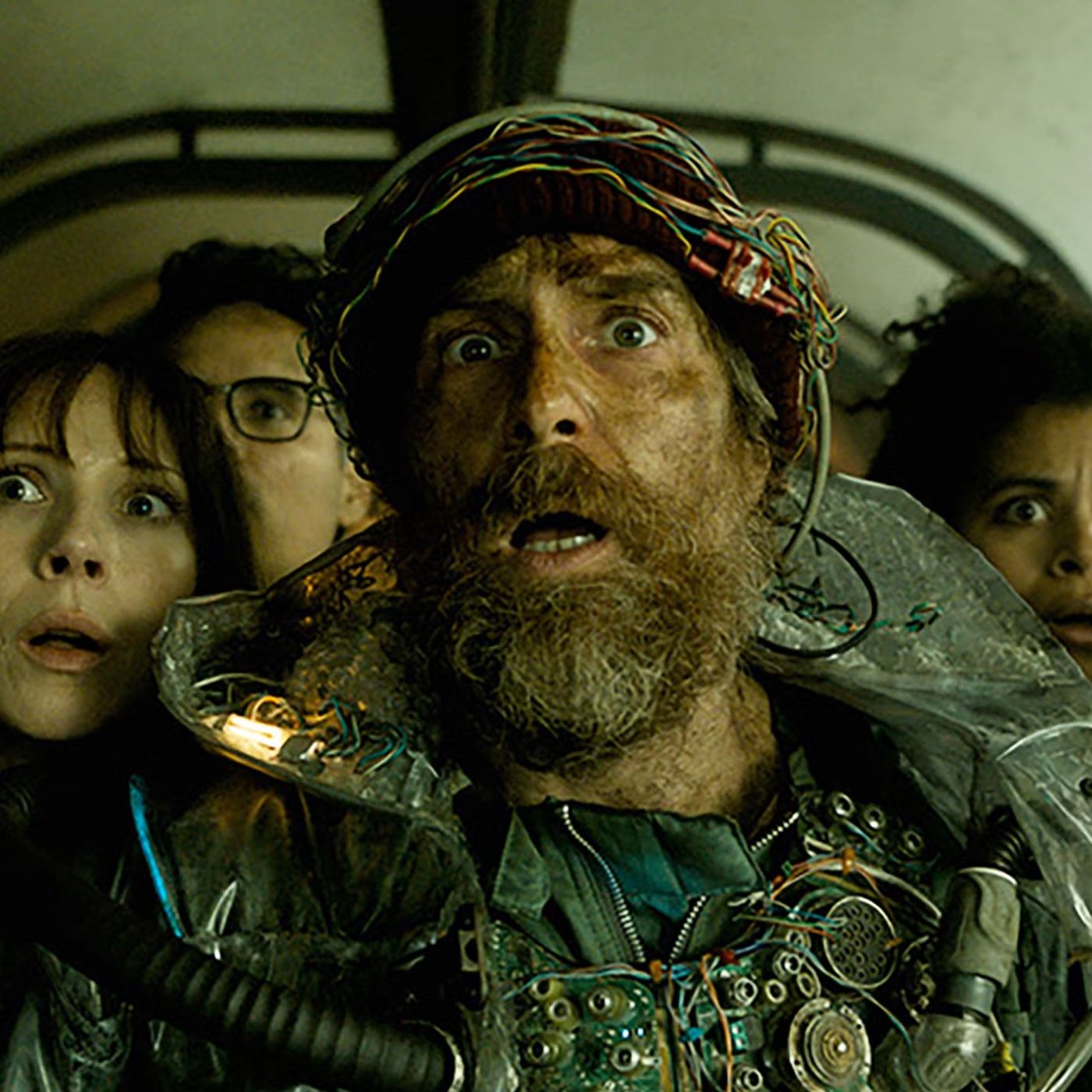
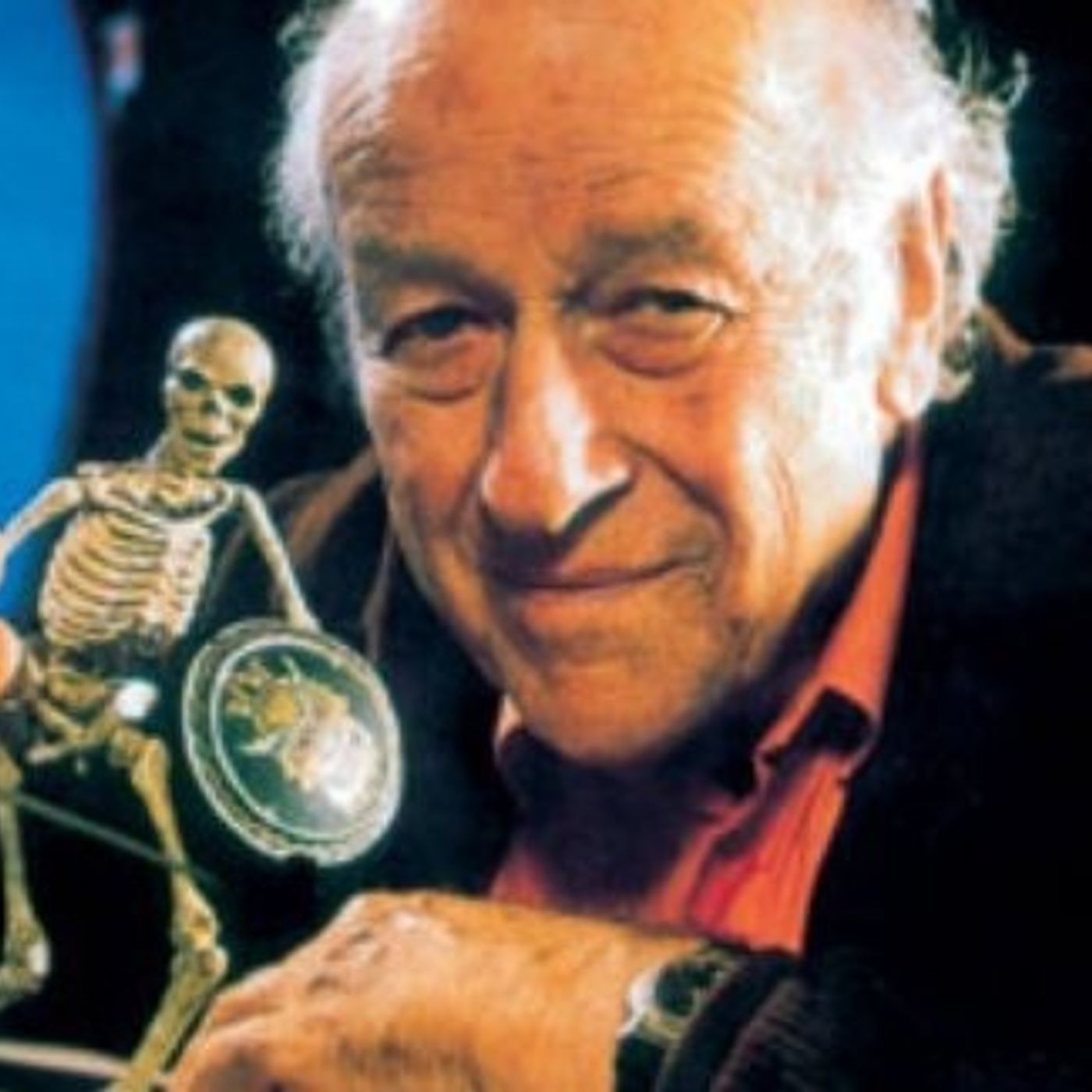
Movie Meltdown - Episode 232 This week we remember Ray Harryhausen and discuss using the old-style of visual and special effects. And those topics become even more interesting when we work in our special guests Eric Chu and Lee Stringer. Both of which have spend a lot of time working with the newer technology and effects including CGI. So we reminisce about what initially got them interested in visual effects and what it has been like working in the modern CG-dominated world. Plus we continue hanging out with Ben and Dave from "Tower of Technobabble", and hear their thoughts on stop-motion animation as well. And while we all confess that what we really want to do is direct, we also discuss... getting married, a teddy bear that comes to life, Greg Nicotero, LEGO, Tim Burton, Battlestar Galactica, blood and gore effects, Ricardo Montalban, Rebel Without a Crew, Medusa totally had extensions, ParaNorman, Firefly, Gerry Anderson's New Captain Scarlet, visual effects shot, being dressed as a sexy space vixen, Dark Shadows, Clash of the Titans, everybody wants to direct, Trojan dewback, limits really focus you into being creative and being clever and keep you from just going overboard, Star Trek: Voyager, Star Wars: The Clone Wars, Team America: World Police, micro micro low budget, James Cameron, suck it up Gandalf, ping pong balls cosplay, he hated the puppets... originally he called them, 'Those damned bastards', Frankenweenie, Iron Sky, Jason and the Argonauts, vinyl vs. digital, The Thing prequel, being the puppet guy, working on a limited budget, The Walking Dead, the corniest thing in L.A., cg-ing IN the strings, one of the first movies I ever recorded on VHS, stop-motion and Transformers, Golden Voyage of Sinbad, distractions, A.I., Poison Ivy and Sam Worthington. "It's like watching toys move. And that's the magical part about it."
Transcript
Automatically generated, so expect the odd misheard name.
Okay, you bozos out there, this is Stephen Chiodo, and you're listening to Movie Meltdown. It's showtime. The following feature has been rated R by the Motion Picture Association of America. It is intended for mature audiences and parental discretion is advised. Our nuclear reactor.
Pumping out one million kilowatts of power. Provide more cooling in the containment chamber. What's up and welcome to movie meltdown i am brian and look we're with your favorite person ever mr eric chu hi there you guys have missed him don't lie I sure have. You've missed you. You've missed being on this show, I'm sure.
Oh, yeah, that's what I meant. That's what I thought. So we had you on last year, and it was quite entertaining, we'll put it that way. And I think, you know, we bonded, and you were so broken up that you weren't around me. You had to come back this year.
I mean, it's been sad for you, I'm sure. Yes, I am broken up. So much so that you did a really desperate thing And we were discussing this a couple weeks ago. You did a very un-geeky thing. Since last we talked to you, you got married.
What are you thinking? I mean, married? Well, you turned me down. I mean, I was broken up. I thought we needed somebody to fill the void.
I can see where that would drive you to, you know, have to find someone. All these people out there are just... Believing that we have some sort of bromance going. I don't use that word. But in all actuality, yes, you did.
Far from me. She's actually a very lovely woman. So, congratulations to you. She's very understanding. That's good.
I mean, she's married a hardcore geek, as we know. So, I mean, it's probably tough for her, if nothing else. Does she put up well with... I mean, she's probably not a super geek. She's not into all this stuff.
No, she put up with it quite well. We went to a Halloween party and had her dress up as a sexy space vixen. And she was holding a leash. Nice. Yeah.
It was tied around my neck, and I was playing the super geek with the tape around the glasses and slicked back hair. So this is just a regular Tuesday for you. I don't know if she actually understood what the whole concept was, but she played along. She quite enjoyed it. She does like dragging you around by a leash, I'm sure.
Yeah. And we didn't take that off until we got home. So you're safe. That's your story. Anyway.
I'm sticking to it. So, we're glad to have you back here. Thank you. We're also glad to work in your very special artwork into the movie Meltdown Universe. Yes.
I'd show them off to you right now, but... No, no. This is not descriptive radio. I was talking about the fabulous poster that you put together for it. Oh, that.
Oh, that. I was trying to block that out of my... Yeah, everybody is. For those of you who haven't seen it, it's quite a piece of work. Yeah, it is a piece of work.
Yeah. Yes, I thank you and damn you for both of these. You know, it's like H.R. Giger. It's both frightening and beautiful at the same time.
He is one of my favorites. I mean, I do sort of appreciate it on that level that, yeah, I am now part of a Giger-esque looking thing, and I have you to thank for it. Yes. Yeah. Oh, wow.
So, yeah, we are here at the Wonderfest. And I think you brought it up. We were trying to decide what we should discuss this time around. Last time it was Tim Burton. Your favorite, Mr.
Tim Burton. Oh, God. And your favorite of his movies, Dark Shadows. We haven't recovered from that either. Two hours of flak brooding...
Gothic darkness. I will ask you this. Have you seen Frankenweenie? No, I haven't for some strange reason. But I will admit, Tim Burton used to be a really good director.
I think he was at his best when he was doing his short films. And Frankenweenie, Vincent, I think there were a couple more other ones out there. Those were the big ones, really, in the early days. But I mean, his ideas seem to sustain... Well, for a short subject, when he gets to full features, I think he kind of runs out of steam.
He's not really much more than a stylist, in my opinion. I would think, and again, I'd almost totally given up hope on him. With the dark shadows. But since then, I did go and see Frankenweenie. And how was that?
I was impressed. Like, I have to say, like, I didn't know if I could come back to liking. Like, it was very hard for me to admit. Did he actually direct that movie? Yeah, he directed it.
I was surprised, too. He usually passes that stuff off to other people. But, yeah, he actually came back. Henry Selick, I think. I mean, Tim Burton's name is plastered all over Nightmare Before Christmas.
Yeah, it's not his. Which I always kind of gave him shit for that. I was just like, everybody. gives me so much. Credit presented by tim burton yeah i was like well i can present things it doesn't mean i did the painstaking hours of you know uh stop motion animation so yeah but but i have to say he he came back with frank and weenie and like i i love the movie but it's funny that he went backwards like he he sort of went with the live action. One and then turned it into stop motion and.
Maybe he should just stick with stop motion i think he's bad with actors i think. It's gotten worse over the years, I have to say. Yeah, it's definitely gotten worse. But this one, to be a little countering what you said earlier, I think, because, again, I thought it worked so well as that, like, hour-long little short film that they did. But he expanded it, and he added a whole new aspect to that second half, and it kind of works.
It was pretty good, so. I have to say. Mm-hmm. The other one that worked quite well that has nothing to do with Tim Burton is Paranorman, if you've seen that. That one I haven't.
I opted for one and didn't get to see the other, so I still haven't seen Paranorman. And we are now being joined by our new member, our third party here. Hello. Introduce yourself. Introduce myself.
I am Lee Stringer. I'm a Pisces. Well we already had a little weird uh thing going on between us so what are your turn-ons go ahead. Oh no i'll i'm not i'm not answer that one because this is being recorded on a on a zoom so i'm gonna stay clear. It's going out onto the world everybody's gonna know yeah so um yeah i guess before we wanted to do our little our topic but just to give people a little history on you i guess tell them uh what some basics you know highlights of what you've done and where they've seen your work because i'm sure they've all seen.
It okay okay um well uh as far as as far as work i mean uh i kind of uh the first professional thing that you know legitimate professional thing that i got hired for um was star trek voyager yeah that was a at the at the last two seasons of star trek voyager and then uh there's a bunch of other stuff in between but i went on to then firefly Which is only a year unfortunately half a season for everybody and then two years on Battlestar Galactica for the the miniseries and the first season And then I got to work with Gerry Anderson on his last TV show which is called the new Captain Scarlet Then I actually taught at a school for a couple of years So I kind of took a bit a break and then then I headed off to Singapore to work on Star Wars the Clone Wars and And then I was in, again, other projects around.
Then I went to Finland two years ago to work on a movie called Iron Sky, which is a sci-fi parody. And then last year I was in Thailand working on a new animated show for Lego. So I've kind of run the gambit of all sorts of bits and pieces. And these are all, I guess, what categories? CG effects or visual effects?
That's the weird thing that I've actually, I guess, fortunate in being able to do. I've actually kind of flip-flopped between live-action visual effects and children's animated CG TV. So it's kind of weird. It's weird how what you do actually translates back and forward between the two. You might not think that working on a live action movie would have the same sort of skill set, but it does actually.
There's quite a lot that translates back and forth. Actually, I kind of wanted to ask, you worked on the new Captain Scarlet with Gerry Anderson. How was he feeling about having started with puppets and then now having to translate to CG? Oh, no, no. He loved it.
He hated the puppets. I mean, literally, he called them those damn bastards. Seriously, he's completely world-renowned for puppets and whatever, but for him, it was just a means to create the stories. And it was a way that the studios were like, oh, yeah, you're the guy who does puppets. Okay, you can do this show.
And he's like, I did the puppets because... I was, you know, there was somebody who had a job, you know, in the 1950s, you know, that needed somebody to do a show with puppets. And I went, okay, I can do puppets. All right. And I did the puppets.
And then it's like, oh, then he become the puppet guy. And he, he actually didn't, he never wanted to be the puppet guy. It was just, that was what he kind of stumbled into. And, uh, no, he wanted to do more, much, much more live action. That was really his thing.
He wanted to do live action features was actually what he really wanted to do. Um, he got to do a couple, I think, or at least one really. you know, but he did get in the seventies to do, uh, live action TV. So no, no, he was, he was, he didn't, he wasn't lamenting about going back to the puppets because as well, you know, if you want to know about, you know, what it's like, I've not really worked with puppets per se, but, um, talk to, you know, the, the South Park guys, Trey Park and Matt Stone, um, you know, they did their essentially a homage to Thunderbirds, um, which is, uh, you know, um, Team America, World Police, you know, that's, it's totally. The Chiodo brothers did the. And the thing was, though, that they, I think, I don't know exactly, but I think Team America took them about three times as long to make as they actually had figured out it would take because they didn't really appreciate how long it would take with the puppets.
So, no, so Jerry was actually, he was loving the fact that, you know, he could do motion capture and animation and didn't have to deal with puppets. And I did just watch Iron Sky. And that's probably the most impressive thing is the visual effects. You guys were working on a pretty limited budget, weren't you? It was a very limited budget.
The final film had just over 800 visual effects shots. Now, to give you a perspective, up until about 10 or so years ago, a big movie, a big Hollywood movie might have 200 or 300 effect shots. Yeah. um you know amazingly low compared to that you know um then actually uh uncle george lucas kind of messed that all up with episode one actually. Because a lot with episode. Well yeah but i mean but that was actually one of the first films i think that had 1500 effect shots and that was one of the first films that just because he owns a visual effects house he is like i want every shot to have a visual effect so of course he can because he owns the place that makes him so And now, you know, I don't know the actual numbers, but when you look at Iron Man 3 or Avengers or whatever, I mean, we're talking 2,000 plus visual effects shots in a movie.
So, Iron Sky had 800, which, you know, nowadays is a modest amount. be honest. But even 10 years ago, that was an unheard of amount of visual effects. For a low budget film. Exactly. Right.
So for a low budget film, now the visual effects for that film, I don't know the actual amount, the number, but I heard a number of around half a million dollars was what they had to that. Now, again, when you've got something like a modern film that's got 2,000 effects, Avengers or whatever, they've got budgets for VFX in the 50, 60... million plus, and probably some of them are heading towards the $ 100 million, and half their budget is probably on visual effects, but that's what, three quarters of the film is visual effects, so yeah. And on Iron Sky we had roughly an average of about 20 people for less than, probably about less than a year, definitely less than a year, they had roughly 20 people and half a million dollars to do Yeah, 800 visual effects shots.
For as good as it looks, too. I've seen a lot of bad visual effects, and they're not in that movie. They turned out really good. Yeah, yeah. There's only one VFX shot in that, and then there's one compositing shot.
When I saw it in the theater, I went, oh, I wish we could have done that one again. That one didn't quite look as... Because, again, one of the biggest problems when you've got a low-budget film is you actually... You don't get to go look at it in a theater and really check everything. You're literally looking on your computer screen.
And unfortunately, even a big computer screen is nowhere near as big as a 60-foot screen. Suddenly you see something on a 60-foot screen and that one shot where you go, oh, that didn't quite look as good as it did on the monitor. But really, to be honest, I only saw two shots in the whole movie where I went. Yeah, I wish we could have done a tweak on that with a little bit of extra polish. It looks good.
Well, both of you have sort of worked in the newer version of that. I mean, we have talked about that with you. You've worked in animation and you've worked in visual effects and a little bit of CG as time's gone on. So, Eric, you threw out there that we should sort of, in light of his passing, kind of look at stop-motion animation and then, I guess, overall Ray Harryhausen. So, to get your take on it, having worked in the The newer end of the art form going all the way back to the original form.
Well, I've always had a soft spot for stop-motion animation. In fact, any kind of where you use puppets or something physical. It's the problem that I find with having to do stuff recently with CG is that even though a shot can look perfect, somewhere in the back of my head, I know it's not real, and it never really existed. Whereas with a puppet, you know that it may not fool you as being something that is life-size or twice life-size. You may still subconsciously see that it's maybe only a tabletop model, but it's real.
It's physical. It's physical. And I recently just looked at some clips from the Golden Voyage of Sinbad, the What was that statue with all the arms? And it still has some sort of, I don't know, emotional connection where I can still 100% believe that this thing is there and that it's a real threat. Whereas when I'm looking at, say, something from Transformers or What's any of the other big budget?
Take your pick. Everything out there. I fail to engage with it. And I don't know why. It certainly looks very impressive.
It certainly looks very realistic. But I know it's not real. So I've always loved stop motion. And even though it's... Or puppets.
When I was watching things like Captain Scarlet as a kid, But yeah, you watch the show, the depth of field and there's scale problems. But as a kid, it's like watching toys move. And that's the magical part about it. And I think that's something that I wish would come back. I'm kind of really tired of seeing flawless CG and would like to see something with like wires and seams and something that's tactile again.
And I think kids would really gravitate towards something like that. One of the interesting and sort of slightly ironic things going back to, and again, I didn't work on Team America, but they actually CG'd in strings and wires on a bunch of the shots because There were some times when they couldn't see the strings, and so they actually did put some in to make it. I guess it defeats the purpose without seeing the strings. It sort of did, but yeah. I always thought that was a pretty.
But that's the charm of marionettes and puppets. You're talking about also being taken with it as a child, and it's funny how much almost all of the things that kids got attached to, like those holiday specials, were all stop-motion animation. The classics that now even kids. now are growing up with are still like the Rudolph and. Any of those holiday specials. Well, I noticed that Rankin-Bass, they had a stop-motion version of Frosty the Snowman, but they also produced a cell-animated version of it, and people only remember the stop-motion one.
Going into also as a child and being taken with it, I guess as far as the Harryhausen thing, what was. The first monster of his that you saw? Either. Both. I don't remember exactly which was the first one.
Yeah. That took me to the Golden Voyage. Yeah, it was probably either Seventh Voyage or Golden Voyage. But, I mean, you know, but like everybody from sort of our, my generation, you know, it was Jason and the Argonauts, which was the one that, you know, because it's like, you know, jerry anderson had a huge body of of different shows and stuff like that but it was like thunderbirds that was the one that had the the magic as it were for some reason and the same with ray harriers i mean all of his stuff was phenomenal but you know there was something about jason the argonauts and i don't know if it was just the the the skeletons i mean but that you know for me it's definitive i mean there's just you know yeah and even now i just watched it again the other day because when he died i was like okay guess what i'm watching tonight you know you have to do it um but.
Which was the like the peak of his I think I. Think Jason probably was the peak you know and it wasn't because I mean he kept doing stuff long after that but that was where he had reached the level where he maintained that level for a long time. And I did go see Clash of the Titans. That was probably the only one that I actually saw of his when I saw it as it were when it came out. Yeah, I saw it in the theater.
Yeah, that was before, I mean, you know, Jason the Argonauts was made two years before I was born, you know, so, you know, I only ever saw that stuff. But I think also for me, Jason the Argonauts was one of the first things that I remember recording off of TV with a VHS, you know, because, you know, it was coming on TV and we'd just got a VHS and I, you know, I think I had my one tape, you know, and I put it onto extended long play so I could get six hours on one tape or something. And I remember you know, Jason, the Argonauts was one of the first films that I remember recording off of TV and watch being able to watch it over and over and again, because that was unheard of. That might be the high point for him also, just cause it's so complex a scene like the skeletons, because they're, I mean, they look so good anyway, but it's not like you're dealing with one, which most of them are one monster.
It's like seven different. And he's got the whole battle planned out and then he's got them, you know, he's replacing them and putting them in. It's, It's such a complex scene. It's amazing. The thing that I think– I mean everybody from our generation but maybe newer people to Ray Harrison don't quite appreciate is that he was– like 95% of his stuff was just him.
I mean almost– I mean he was there when they were filming the stuff so that they could plan it out beforehand. you know, probably was helping choreograph the fight scenes, and then he was building the armatures, he was building the models, he was animating the models, he was effectively re-filming the models and lighting the models, you know, with the rear projection of the live action put behind them. So, I mean, that was the thing that's insane in a way. And a lot of people, until you really sort of like step back and think about it, he was a one-man machine. Nowadays, you look at the credits. Look at the credits on a movie.
I mean, I just went to see Star Trek. I got dozens of friends who worked on the new Star Trek movie, and I managed to spot like three or four of them in the credits last night. But there was hundreds of people involved in the post-production of that. Hundreds and hundreds. Go back and look at his, and it's one credit.
Stop motion animation by Harryhausen. That's it. There's nobody else. It's amazing, yeah. Yeah, basically he handled the whole thing himself.
And that's an incredible feat. And I think people don't realize, maybe they don't understand how stop motion is done, but it's a very isolated, lonely job. You're sitting there by yourself, moving that puppet one frame at a time. And 24 frames in one second of animation. And when you get something as complex as the skeleton fight or...
You know, Kali with all her arms, and it's mind-boggling that he was able to keep all of that straight in his head. And not go crazy. I think part of the reason why he was actually able to do that is because he didn't have the internet and Facebook. Nowadays, anybody, you know, he'd. Be like, okay, move a frame.
Oh, Twitter. Wait, wait, sorry, somebody sent me a text message. Hold on a second. You know, it was like, you know. I got to go microwave my pizza and then I'll come back and finish this scene.
That could be it. I mean, it was a very different time. It was. You had less distractions. I mean, nowadays it is, you know, I mean, the thing for me is like, you know, I don't if I'm working at home, especially this is often too many distractions and, you know, and sometimes you just have to just, you know, turn off.
And once I get into that, you know, once you, you start, you know, fixating on whatever it is you're doing and suddenly three hours can go by and you don't realize it. But then there's other times where, you know, you spend three hours doing nothing. Can you like, okay, what did I just do for the last three? Well, it's great that, uh, you know, uh, after having spent so many hours isolated and alone and, uh, in those later years that people do appreciate his, his work. And, um, And I imagine there's a lot of people that have the same sort of drive in their passions, but they don't ever get recognized.
No, no. And he at least had the, you know, he had his retirement, as it were. I mean, he had, you know, I mean, he was, what was he, 80? I don't know how old he was. No, 90, I think he was.
I think he was 90 plus, you know. So, and I think he retired. I don't think he retired until he was like 65, 70. So, he had a good 20 years. And, you know, I went to, you know, I met him a couple of times.
In fact, the first time I met him was actually, it was a very interesting year because it was the year that I thought stop motion was dead. And that was 1993. 1993, you know, Jurassic Park came out. Yeah, that killed it for most people. I'm like, stop motion is over.
But what people forget is also 1993 was the year The Nightmare Before Christmas came out. And I went, Well, stop. Motion is definitely not dead. And then I got to meet Ray just after those. And he was fascinated by both.
Because obviously he was great friends with Phil Tippett, who was one of the main people on Jurassic Park doing the actual animation. And they wanted to maybe do that stop motion. But I thought that was a... And he got to see that sort of transition from new technology to old technology. The thing other people forget about as well is that, again, like Jerry Anderson using the puppets, I'm sure if Ray Harryhausen was Phil Tippett, and Phil Tippett is, he would have made that transition.
And if he was coming of age now and coming into the industry, he would be essentially a computer. But luckily there are still companies that are using stop motion and stuff. The thing I always tell people as well with the whole digital, everything's going digital, everybody's doing CGI and whatever, you know, it will come around again because, you know, and we're actually already starting to see it where people are actually going back and starting to use miniatures again and models again. It's kind of like, you know, DJs who go, you know, come back to vinyl, you know, in a way, you know, because it's like, and it's not just the whole hipster thing. Oh, I'm using vinyl, aren't I?
It's like, no, no, no. There's a certain sound is, you know, slightly different and there's a little bit, you know, and so people go back to miniatures and models because there is something, you know, and For me, it's like I just did a movie last year where they had a teddy bear, a teddy bear who came to life. Was this Ted? No, it wasn't Ted. No, no, no.
Sorry. This was a very low-budget film. Yeah, it was called Renee, was the movie. But it had some flashbacks to when she was a kid, and she had this very vivid imagination, and they wanted to show– She had like paintings on her wall that came alive and she would see things and just in her imagination. So I wanted to visualize her imagination and they had it where her teddy bear would come alive and kind of didn't talk to her, but it would kind of like, you know, do things.
And they wanted, you know, the producers wanted to do a CGI. And I was just like, no, we're not going to do CGI. And they were like, wow, you know, they can do really good. I said, hey, fur is still, you know, it's still very, very difficult to do hair and fur. Hair is pretty much there, but fur...
You know, it's still very, it's one of those ones that's still very, very difficult to do. So I said, look, I said, even the big guys have trouble doing fur. They really do. It's a tough, it is a tough one. So I said, look, we've got no, very low budget here.
I said, we make a puppet. We hire a puppeteer. He'll actually puppeteer it. But what we'll do is, you know, he'll have, you know, we'll use sticks and we'll use hands. We'll put green screen on the sticks and on the hand of the puppeteer, you know, the arm of the puppeteer.
He can puppeteer it. And then I'll remove the puppeteer digitally, but we'll get a real teddy bear that's actually moving and can react. It feels real. It feels real. And it does.
I mean, and the final result, it looks like a teddy bear that comes alive because it is, as you say, there's a physical presence there. I think they used the same technique in the AI, didn't they? In AI for Teddy, yes, that was actually, yes, it was. And he looked really good. It's been a while since I've seen that, but yeah.
He looked good. But that was also done by Stan Winston Studios, which are like the masters of that field. And the Teddy in AI probably had a bigger budget than the entire movie that I worked on, but it's a small independent. But small independents sometimes are actually the more, sometimes a lot of fun. Like Iron Sky, it was a smaller independent.
Yeah. When you don't have money and the resources, it sometimes makes you more inventive and creative. I don't think you could do Iron Sky as a big-budget movie anyways. No, it wouldn't. The subject matter would just never be accepted.
And trying to do a sci-fi comedy is very difficult. To me, there is a little of it. Like you were saying, it's... them like like the return to vinyl and it's people just trying to be. Cool i hear the gramophone is coming. Back i think well i think a little of it is that like you do get that that novelty thing at the beginning but the thing is i think then everybody else sees it and like you get those few people they're just like oh it's just kind of a cool thing because nobody else is doing it so it is a little bit of a novelty but like i think it's kind of the same thing with like visual effects like as far as like blood and gore it's like It went for years and everything went to CG.
And like now all of a sudden it's like you look at the Evil Dead movie they just made. And it's all practical effects again. And it's like everybody showed up and they were like, oh, wow, that was cool. Even if they didn't like the movie, they were like, but those visual effects, like that was gross. Like I really like that.
And it's like you get that real feeling. And I think it also brings that whole new group of people in that are just. Like, oh, yeah, I think, we should do that. All those techniques are perfectly valid. I think you just have to take each shot and decide what's the best way to approach it and which is the best way to attack it within the budget that you have and what's the most effective.
You're talking about makeup effects and stuff. I mean, obviously that's one where those guys lost a lot of work to CGI. Right. But as you say, it finally is coming back. I mean, Walking Dead is also a really good example.
And what they've done, I mean, obviously one of the producers is Gregory Cotero, who's one of the main makeup guys. But that's good. That's a good thing. But what they're doing is they're doing quite a lot of CGI as well. But they're blending it.
And they're doing what you should do, which is to use the right thing for the right time and the right place. And it's like, okay, we do this much with makeup. And then we go, okay, well, when... the woman actually swings a sword and the head gets chopped off. We can't quite do that with makeup. We still like that extra.
We shouldn't do this. Yeah, we won't. You know, so that's when we, you know. That one, however, was asking for a raise. I think we can get rid of that.
Yeah, get rid of them. So, you know, that's where you CG and you blend the two together, you know. Another good example that could have been, I don't want to say could have been done better, but, you know, was the essential, the prequel slash remake of The Thing that came out a couple of years ago. There was a lot of flack over that because they did nearly all of the creature effects as CG and everybody was like, well, why didn't you, you could have done it, most of it with practical and then done some CG and I think it would have actually looked better. And that would have been my approach.
I think I heard the answer and it was they didn't have the budget and mostly the time. Like they, by the time they, greenlit that project, they had like six months to get the effects done. And they're just like, we can't make things, you know, we can't build models. Well, if you look at the behind the scenes, a lot of it was practical. A lot of it was animatronics.
Yeah. But, uh, I, I guess the, my, my, my guess is that the, the producers lost confidence in it and just wanted to. Yeah. Yeah, they still built, like, the bodies. I think it was mostly tentacles and, like, all the extra stuff they added in, yeah.
But I think that was only one of the many problems with that movie. It had some issues, yeah. As we've discussed on a previous episode. Ah, okay. But, yeah, I mean, as far as, like, Harryhausen, I think, like you were saying, he did sort of find him himself.
You know, as he retired, he, like, I think a little bit of it was sort of out of bitterness. Like he was watching that changing of the, of the guard almost. And like he, but he was pretty much retired by that point. And, and then he just worn out. Maybe.
I mean, that's a lot of, that's a lot of work he'd done. I mean, but I think when I first met Ray the first time, I think he had to have been 60 plus, you know, at that point, you know, and I was only meeting him for the first time. So, you know, I think he was pretty much, you know, moving into retirement, whether it was willful or not, you know, willingly or not, but you know, But then, you know, I mean, every time I'd see him several times after that, I could see him when he got his Hollywood star, you know. And, I mean, he's just surrounded by, you know, fans. And I think he, you know, he had the opportunity to realize that, you know, he was an influence.
I mean, you know, especially, I mean, you know, if I went, you know, you go to see, you see Monsters, Inc., the movie Monsters, Inc., Pixar, which is, you know, And the restaurant in Monsters, Inc. is called Harryhausen's. Now, he has to have seen that. He has to know that. I mean, you have to know that you're appreciated and renowned and known and respected when the top animation film in the world, a company in the world, who's making the best animated movies there are, and you're there as like a key kind of cameo nicely cameoed where you know it's not just you know slapping in your face or whatever it's not a parody comedy it's a homage cameo and you know right there and he has to have known that that was there he has to have seen he probably visited Pixar and they probably all just you know groveled.
Over I don't think he would have any problem with that I think that even though technology has moved beyond that he will always be known as the king of what he did. Yeah And I think you're right. I think he did know it because as he got older, he also did a little more of those appearances and he came here. And when he came here, he was in that room next door and like that line was through this hotel and out the door. And like I've been coming to this thing like half my life and I've never seen a line like that.
Nobody knows that. Not even for me. Definitely, you had like two people today. But like even when Romero was here, like they brought in, but they were hardcore, come on. They were looking for that poster with my head on it, but, but yeah, they, I mean, they, they brought in a lot of huge people and it's like, I've never seen a line that.
Touched the Harryhausen line. It was, it was just huge. Yes. Yeah. And then he's humble.
Yeah. And was so, was so glad that like, again, I think that was at the beginning when he started doing that. And I don't know if he knew people were going to show up. He's like, I'm not, you know, I'm not the guy on the screen. I'm not a big star, but like.
In their world, it was, and they all showed up. I'm more interested in going to see stuff and meeting behind-the-scenes people. I mean, I don't generally go to see actors every so often. I mean, I'll give you a good example about sort of humble and fans. Ricardo Montalban, who played, you know, taking on the new Trek, he played the original Khan in the other one, and, you know, He was just, it was weird because, you know, he did several TV shows and films and whatever.
But he was, you know, he was Khan and he was kind of this larger than life kind of character, you know, on screen. And so I remember maybe 10 years ago, you know, when the, I think it was when the Ratha Khan DVD came out. He was doing a signing in Los Angeles and I was there. And there was a bunch of us from work. We were like, Mantaban is going to be, we're like, let's go.
You know, it's Mantaban. It's like, you know. And, uh, and he, I don't think he'd ever, you know, been to like a Star Trek convention and, and, you know, so I don't think he'd ever done any of that. He just wasn't, doesn't want his thing, you know, but he did this. And there was this huge, as you say, like for Harryhausen, it was, you know, there was this massive line and we were like halfway down and by the time I got to it and he was just. you know, he was sort of in awe.
He was just like, you know, my God. And then he was like, curse my father for giving me this name. You know, it was, it was hilarious. He was funny. He wished his was Eric.
Yeah. Yeah. He was like, but you know, but he was, he was, he was, he was humble, but he was, you know, and we were like, thank you for coming out. And he's like, no, he was like, thank you for coming out. And we were just like, you know, and you know, And that was only maybe a few years as well before he died as well.
And I don't, I think, I think, you know, he knew he was a big name. You know, he's quite a larger than life character, I'm sure, off screen and on. But I don't think he ever did too many events with sort of the, us the little people, as it were, you know. But he seemed very genuinely, like, amazed that there was this huge line of people came out to see him. And I don't think he was expecting that or anything like that.
It's always good when people have that level of humility, too. Yeah, definitely. I really wouldn't mind if my name was Ricardo Montalban, actually. If you want to trade, but then you have to be dead now. So we get Ricardo back, but you can have his name.
It's complicated. I don't want Hervé Velichez, though. Are you sure? That guy was pretty cool. That's a long name.
But yeah, I think that's kind of the basics on our discussion for now. But anytime you guys want to come back, we've already suckered Eric in. Do you have stuff coming out that you want to tell people about? Projects-wise? Yes.
Well, basically, the project was done last year where I actually got to be moving into episodic directing, which is something I tried to move into a while ago, but it took a while. Yeah. It's hard to get somebody to hire you as a director. You go, yeah, I can direct that. And they're like, yeah, sure you can.
All right, whatever. But no, last year, most of last year was spent working for Lego. And everybody loves Lego. They really do. And they have a new product line that just came out a couple of months ago called The Legend of Chima.
And they've probably seen it. Well, they're doing a 20-episode TV show, which I believe the first two episodes have already aired. I was the CG supervisor on the first four episodes because they needed somebody with experience to actually get it kicked off and help them out with that. And then I was either director or co-director with another director on seven episodes this year. So, yeah, look out for Legends of Chima.
It's a fun show. I'm still addicted to the Monster Fighters series, but that's the actual physical ones. Those are awesome. Yeah. But I will have to check the new ones out too and look for the show.
Eric, do you have anything coming up you want to tell people? Yeah. There was a script that I wrote a few years back and it looks like that we've got funding in place and if all goes well, I'll be co-directing it in September. And you're flying me into Star. Yes.
It's a pornographic film Like all of your others, don't lie. You need a turtle boy. Or a fluffer. Fluffer, that's it. I don't know if I'm on board for this anymore.
I'm checking my contract. Wait a minute. No, and basically it is a horror comedy. And it's my first project that, as far as live action goes, that I'll be sort of dipping my feet into direction. And it'll be extremely micro, micro low budget.
But, you know, as far as these things go, they're very, very difficult to get film projects off the ground if you are not the big studio. So if nothing else, it'll be fun. It'll be interesting. And I think we'll have a lot of fun doing it. And if I had to describe it, I think it would be something along the lines of Piranha.
Nice. The new Piranha or the original Piranha? Somewhere in the middle. The Joe Dante one with the stop motion. Then here we go.
Full circle. Back to the stop motion. And the running theme is everybody wants to direct. We're both moving into directing now. Well, we're old enough now.
I think we've graduated. Up to directing. It's actually one of the corniest things in L.A. There's two things in L.A. When you live in L.A., A, everybody's got a script.
And I mean, you hear about people saying this, and until it happens again, I've had people just come up, you know, and I'm like, I do visual effects. And they're like, yeah, but I've got this script. Do you think you could read it for me? And I'm like... I can, but I'm not going to be able to do much with it.
I'm not a producer. I'm not, you know, I stay away from that stuff. And then there's the other one, which is, you know, I've always wanted to direct, which a lot of people say, but I, yeah, it's, I have always wanted to direct. I really have. And I mean, it is some, and actually a lot of visual effects people do, have made the transition.
There are quite a few that have made the transition or wanted to make the transition and, It's a difficult transition to make, but when you're doing visual effects, a lot of times you have to kind of be a mini director, because when you're doing sequences, a lot of times you're creating a sequence, the same as a director is creating a scene. A lot of times you have to create a scene out of nothing. And so you, I know it sounds like a corny thing to say, I want to be a director. But in a way, visual effects is actually quite a good training area for doing visual effects. You're still kind of directing it in your head.
In a way, you have to, yeah. I started out doing storyboards, and storyboards is kind of like being a director on paper. But yeah, a lot of visual effects people have moved on to directing to a certain extent. I think Phil Tippett did Starship Troopers 3? 2?
2? 2? And Matthew Gratzner is now doing a Western, I believe. For those of you who don't know, he's the one who did all the miniatures for the big budget movies like The Dark Knight. He's done lots of stuff.
And James Cameron started out as a. Visual effects guy. Yes, absolutely. He was a model maker. Working in the prop department.
Yeah, yeah. So, I mean, that's a perfect example of And actually, it's kind of cool because although he's, you know, he's, I've never worked with him. I've met him, but I've never worked with him, you know, and I've heard many stories from different people, but for the most part, he seems to be a little bit more accommodating and chatty with the effects people because that's where he came from. So when I met him, you know, it was a good time and a place to meet him because I'd just won an award and it was in my hand and he's like, oh, what did you win that for? And I'm like, visual effects, oh, blah, blah, blah, blah, blah, you know, so that was a pretty, you know, and I'm like, You know, he hadn't done, I think he'd done Titanic at that point, but it obviously was before Avatar.
But, yeah, no, Aliens is one of my, you know, I didn't tell him, like everybody, you know, one of my favorites. So, yeah, it's a little, like, I don't kind of get tongue-tied when I'm talking to famous people, but, you know, in your head you're going, don't say something stupid, don't say something stupid, don't say something stupid. Yeah, so it's... Oh, God, that was stupid. Yes, I know.
Yeah, so... But no, I mean, yeah, there have been a lot of people, you know, but it is a difficult transition to make. It definitely is. There's hope for all of us. The main thing is, you know, the hardest thing is just go out and do it.
When it boils down to it, everybody wants to be a director, but not many people actually do it. And I think that's true for anything in life. You just have to do it. Yeah, a lot of people are like, oh, how did you get into this? And this show was brought to you by Nike.
I will take their check gladly. Yes. So, yeah, no, if you want to be a director, go direct. And at this point you can. I mean, it's different than even 20 years ago.
You can do everything by yourself at this point. I can direct with my phone. I could direct a movie with my phone right now. They're happy people that have done features shot on their iPhones. On their phone.
I mean, and that's the crazy thing now. I mean, to be honest, one of the things when I was growing up was there was this definite frustration that I didn't have... camera that I could do something or I didn't have, you know, whatever gear and that, you know, a lot of people always use that as an excuse. I mean, a good example of the whole thing with equipment and gear sort of maybe holding people back and then finding ways is Robert Rodriguez. If you read his book, you know, he went to college. He didn't want to go to college.
He didn't care about the college. But by going to this, I can't remember which college it was, probably somewhere in San Antonio or Austin or somewhere like that, Texas. He got access to all the equipment of the school. And that was the only thing he was interested in. He didn't care about going to the college for the class.
He just wanted access to their, he could borrow the cameras and the lights on the weekends and go out and make Desperado, which is the film that he did. Sorry, not Desperado, El Mariachi. Desperado was the remake. Sort of the same thing. Sort of the same thing.
It was the big budget remake afterwards. But El Mariachi was made because he basically borrowed the gear from his school. But nowadays, yeah, anybody who says, oh, I can do it because I don't have the, whatever, it's like, no, no, no, that's gone now. It's not even. And I think for those of you who haven't read his book, it's Rebel Without a Crew.
It's actually quite fascinating. It's a really good read. It's a lot of fun. And I think I learned more from reading that than I would have from any other filmmaking textbook. Yeah, well, people describe it as a film school in a book.
Yeah, without getting technical. But, I mean, it does outlay the trials and tribulations that you would go through in getting a film. And it is. It is a real chore to put a film together. I don't think people realize just how much effort and how much work.
And it is disappointing when a film doesn't work out, but you have to realize there are so many people behind it that really did their best to make that film. And the main thing, as I say, it all boils down to is if you want to do it, do it and finish it and put it out. Even if you put it on YouTube, it doesn't matter. That, it's, you know, if it's actually a story with a narrative with a beginning and a middle and an end and it tells us, you know, it doesn't matter if it's two minutes long or two hours long, it doesn't matter. Doing that and, you know, as opposed to like, you know, filming your cat or filming someone on a skateboard or whatever, but actually doing something with a narrative, putting it, finishing it, putting it online.
It doesn't matter if it's CG or sock puppets. Exactly. It doesn't matter. Stop motion animation. It is.
But it's doing it, finishing it, putting it out there. Okay, and then doing another one and learning from what you did on the first one and moving on to the next one. Definitely. So it's a call to action. Everybody go make a movie.
It is. Go do it. Well, thank you to both of you for being here. Before you leave, I've got a script I want to keep. Popcorn freshly popped and buttered.
Look good? Sure, it looks good and it tastes even better. Get some now. Journey to a magical time when heroes and demons battle for the golden treasures and the human spoils of forgotten kingdoms. Thrilled at the story of a legendary superhero who fights through all the torments of hell to save the woman he loves from the world's most powerful sorcerer.
This is Sinbad's greatest adventure. The Seventh Voyage of Sinbad. The sadistic magician shrinks the beautiful princess to the size of a tiny doll. Only Sinbad can save her. See the living skeleton, the attack of the two-headed bird, the dance of the deadly cobra woman, the spectacular battle between the one-eyed cyclops and the fire-breathing dragon.
See The Seventh Voyage of Sinbad in the breathtaking motion picture miracle of Dinarama. The Seventh Voyage of Sinbad from Columbia Pictures, rated G, general audiences. Hey kids, it's Brian. So you're listening to this episode, and it sounds pretty good, right? That's because we're using our new mics from the Doo-Wop Shop.
We are using the. VLH-SM2000s that are made specifically for the Doo-Wop Shop. And if you want one, you can go get one yourself. They are actually only $ 65 if you want to buy one, or they rent everything in the Doo-Wop shop, so you. Can go there and get it for as little as $ 5 a month.
So you too can be out there using your microphones to record a show, or interview people, or, I don't know, most people probably have, like, bands and, you know, rent instruments and stuff, which. They also do. They have a huge selection of instruments, so... Anything you need for any type of event, whether it's a music show or a business meeting or whatever kind of occasion you've got, they've pretty much got everything covered. So they are located in Louisville. you can go to the highland store at 1587 bartstown road or in the east end at 2915 south herspern parkway even if you're not in the area they have the website like most businesses but um you go to dewop.com And specifically, they have a huge selection of karaoke discs.
So you can actually go to the website. They have thousands of titles to choose from, and they're. Only like $ 4. 99 a month. So whatever you need karaoke-wise, they can hook you up through the internet, and you don't even have to be in the area.
So again, that is doo-wop.com. Go there. They'll have whatever you need. They certainly did with us for the mic. So yeah, go to doo-wop.com and check it out.
Dave, I do not get superheroes. Oh my god, I don't get you. What don't you get? Towerbot here. Well, the meatbags were going to say that if you're a geek and like podcasts, then you could try Tower of Technobabble at www.toweroftechnobabble.com.
Then this started. Well, it's up to you. I'm gonna get my taser and put a stop to this. Towerbot out. Okay, monkeys.
It's knock time. Tweaked Audio, your source for high-performance, noise-reducing earbuds. Available in three styles and seven colors, durable and designed to sound great for both music and those chatty podcasts, like the one you're listening to now. Tweaked Audio earbuds come with a one-year warranty, and now there's a special deal for Movie Meltdown listeners. Just go to tweakedaudio.com, and when you check out, enter the discount code MELTDOWN.
Then you'll get 33% off and free shipping. Creeped Audio. Sounds better. Hi, this is Torn Peterson, and you're listening to Movie Meltdown. It's part of your problem, you know, you haven't seen enough movies.
All of life's riddles are answered in the movies. And now, on with the show. So we're back here with Ben and Dave from Tower of Technobabble. Hi. And this is our special episode.
We're discussing stop motion animation and specifically Ray Harryhausen. So do you have any thoughts or memories of your times with Ray? Even if it was just watching him at home. I mean, that's how most people experienced him. Well, honestly, I always found it hard to hang out with Ray because he would move a little bit, and then you have to stop, and then you have to wait a minute, and then you move again for a little bit, and then you have to stop.
It was a lifestyle choice with him. It totally was. If you're telling a story, you lose track of where you were. I know. That's why you can't leave.
You have to sleep there next to the model. So, once again, you have to sleep there next to Ray. Going to get a. Don't ever. That was creepy.
Taking out the trash, the simplest task, turned into two-week affairs with that guy. Yes, but you're taking out the trash with Medusa. Wait, one of the snakes are wrong. Medusa took longer because he had extra limbs. That's true.
Appendages, if you will. Okay, you're taking out the trash with a skeleton. Medusa totally had extensions. No, that was real fun. It's uncalled for.
You'll rip that weave right out of her. Marisa is going to hear this and she's going to come kick your ass and or turn it to stone. One or the other. And the gravel. Yeah.
Did you guys see the new Titan Tower? No. I'm pretty sure he had nothing to do with that one. So I have not seen it. I am such a big fan of the original Clash of the Titans.
And I've gotten over where I'm not quite as bad about, oh, it's a remake. I hate it. I've gotten to where there are a lot of good remakes, and I'm trying to approach them all as their own thing now. But that one just looked bad was my problem. It's not that it was a remake.
It wasn't good. It just looked like a bad CG-filled mess. It wasn't good. Who was the guy who was in Avatar that Sam, he was the star of Avatar, Terminator 4. He was the big thing for a minute and a half.
He was in three major movies almost simultaneously, and then he just disappeared. Because none of those. Movies were very good. I think because he was computer generated and the computer got turned off. And they couldn't pay the electric bill.
And we're done with you, Sam. So, I don't know. Are you stop motion fans of the old school? Absolutely. I have CGI fatigue like you would not believe.
I love seeing something physical. I love seeing strings. Love it. Love it. And, you know, I think just the whole fact that there are conventions like this, just the amount of love that's given to that old school sci-fi effects, special effects.
I mean, people used to think, you know, that years from now they would be laughing at it because you can see the strings and shit. And it's just. It isn't that you can see the strings. The important thing is that people are still looking at it. Right.
You know, there's just something about it. The amount of love, the amount of imagination that you had to have to figure out a way to make something look the way it did or behave the way it did. Well, and just your brain knows, well, it's getting to the point now where it's hard to tell, but your brain knows when something's real or something's not, the physics of it, the weight of it, the gravity of it. I mean, even if it's a model ship, it's real, it exists, it, you have some sense of its matter. You know and i've always said that about most special effects like even just practical effects you know like giant monsters like i always said that with uh like to me the best example was like the alien series it's like alien is creepy anyway because there's a giant thing sitting there and then you get to like the alien and you've got a guy in a suit and and, like, they're physically in the room in Aliens.
Like, you can still feel them, like, crawling across the ceiling there, you know, ready to kill everybody in the room. By the time you get to three, and the little, like, cartoon Jaguar aliens jumping around, I'm like, it's cool. Like, it's interesting the way that they progress the technology, but it's not the same. Like, I still prefer it physically being in the room. I think it's important and makes a difference.
I don't know if this is a rumor or if this actually happened. Didn't oh crap gandalf didn't gandalf throw away a fit because he was trying to act on a blue screen and there was no one else ian mckellen he kind of had a he had a movie meltdown if you will because he had nothing to work with and. He well that's got to be that's got to be difficult so when you're trying to show any kind of emotion to something it's just not there or if it's a ball and a stick so you know you're looking at something but But. They were always kind of doing that. Like, that's the thing.
Like, looking back at the stop motion stuff, like, they kind of, and that's what amazes me is that they could figure that out then. Like, when Harryhausen was doing it, they still had to figure out, like, I was watching, like, a behind the scenes thing. And they had, like, the skeleton fight. They had these numbered guys that came in. and mimicked the exact fight, how it. Was going to go.
Oh, I never knew that. And then, well, so they do that first, then they actually shoot it, and the guys mimic what they just did with that person, and that person isn't there anymore. They're just pretending with air. They don't even get a ping pong ball at that point. They just have to remember how the fight was supposed to go.
And then at that point, Harryhausen's probably already been animating for months, years, and he has to go back in and work those together and make those two look like a real. image, and they always did. That's what's amazing. He didn't even have that much to work with like they do now, and made it look amazing. Suck it up, Gandalf. Come on.
Man up. I appreciate those guys who did that, because can you imagine the mindset of somebody who does that kind of animation? I saw this thing where they were doing the walkers in Empire Strikes Back, and they were on a stage, and basically they were under the stage, they set the scene, then there's like trap doors, and And so they wouldn't have to go around the stage. They could just kind of come up right next to it, move it ever so slightly, then duck back down, take the picture, come back up. That's got to be exhausting.
Those pictures are amazing to see, too, because it's this little landscape of Hoth and this big dude's head sticking up out of the bottom of it. I love seeing that kind of stuff. I think I also like it, too, because it gave you limits. And, you know, Lucas, when he was first going on about having CGI, back before Phantom Menace came out, he was saying how, now I can do anything. You need limits.
Yeah, that idea. Limits really focus you into being creative and being clever and keep you from just going overboard. It definitely makes you more creative. Like, when you hit that wall, you're just like, you can either, okay, I can't do this at all, or you have to find a way to do it. And, like, that's...
When you get super creative and super. Artistic sometimes in the stuff that comes out of those decisions that you're forced to make. Make so are we are we actually doing a a recording now or are we yes or were we just talking because i just i just had a uh cosplay question i just had a cause cosplay question you know we were talking about people We just had a Poison Ivy walk by. A very nice Poison Ivy, I might add. We got the Stormtroopers walking around.
There was a Gorn. Why doesn't anyone ever cosplay as the guy wearing the ping pong ball CGI suit? That'd be a great cosplay thing, man. People are wondering, are they filming this right now? Yeah.
Be hardcore. This is a guy walking around in a black gimp suit with ping pong balls glued all over him. Is there going to be like a rancor through here when I see this on film? Yeah. I think we've picked out your costume.
Know what I'm doing for all week. So next time I think we see, that's what you're. Going to do. Because technically, I can be anything. Because whoever films me, they'll turn me.
They could turn me into me. I could be. I'll have your reference spots. Yeah. Oh, no.
Ghostbusters, forget it. I'm going as a reference. They're turning into you, only slightly taller or smaller. And we all just had our picture taken down at the dewback. Like you do.
And as we were talking, the dewback is actually a puppet. And, you know, you get a couple guys in there and you can walk, walking around and move its head. It made me think, is this a Trojan dewback? Is this how the Imperials infiltrated, you know? Yeah, two guys come in behind them.
There wasn't much in Tatooine to want to take, really. It was quite a wasteland, really. Well, the plan was just its tryout phases, you know? Maybe they were liberating the slaves. That's how they got into Uncle Owen's farm.
They're so good with the slaves on their planet. Yes, maybe the slaves were sneaking out. They were escaping through the dewback. Jedis. Wait, it's the Dubac Railroad?
Exactly. The Underground Dubac? Exactly. Since the Jedi's weren't going to do crap all to help them. Underground Dubac's my new band name.
I'm just waiting for the Lost in Space robot across from us to actually start moving. I just feel like it's probably been a costume this entire time and the guy's just been standing there waiting. The guy goes, ha ha, your show's lame. Danger, danger. Now, I always confuse the Lost in Space robot with the one from Forbidden Planet.
Which is which robot? That's Robbie the robot. That's Robbie's Forbidden Planet. It's Forbidden Planet. Okay.
This one's just robot. Actually, he has, like, a numbered name. Lost in Space robot didn't have a name? They just called him robot on the show. He has, what does it say on that package over there?
He's got a model number that he's, like, referred to as. But on the show, they called him robot. Now, I'm not talking out of school here that, like, Was there some sort of a copyright issue? Like, did one steal from the other? Forbidden Planet was first, so I suppose.
But to me, Robbie looks very different. I mean, the arms are a little similar, but body-wise and definitely the head is a very different. I'm guessing the Forbidden Planet one was better able to pick up women, right? As you do. If you're going by the poster, yes.
But no, Robbie has, like, legs, too. He, like, sort of walks. I thought that they both had treads. I thought they both had treads. Oh, okay.
He's like Towerbot's great-granddad. Okay, yeah. And as we're looking at the Lost in Space robot, there's lots of lights going off and buttons. I don't see any USB ports on that thing. It's in the back.
It's in the back, okay. You don't need to see where that is. You shouldn't probe. It's not polite. So, I don't know.
Any other specific Harryhausen-based stuff? Well, I wouldn't have mocked him if I knew that we were recording. Isn't that how this always works? This is a gentle mocking. The mic is always live.
The gun is always loaded. That's how the rule works. The people on the show learned that in a hard way. I thought there was like a little red light that would come on and tell me, don't mock an icon. There's no little red light when the gun's loaded either.
You know, I have to admit, because I grew up without cable, I haven't seen a lot of the classic Harryhausen, like the Sinbad and all that. But I've always really wanted to see the one with the sea monster one. Have you guys seen that? I can't even think what it's called. Something like it came from 20 or something like that.
Have you seen that? That one, I know, again, it's like his is the main clip. So it's like, again, I don't know if I've seen the entire movie. I've seen his version of it, like his scene... Many times over.
The good part? And was just kind of watching it. So the whole movie isn't just that monster? That's the thing. I don't know if I've watched the entire movie now that I think about it.
So many of the other ones I have, like the Sinbad and Jason and the Argonauts, like all that stuff I grew up watching. But I don't remember seeing that. Okay. Which of those two has the skeleton soldiers in it? Jason and the Argonauts.
Did that one come first? Because one's a sequel, right? I think it's Sinbad. I think it mixed it up. I think Sinbad was first, then Jason and the Argonauts, and then later they did more of the Sinbad moves.
Okay. Because they did at least three different Sinbad. Yeah, I'm going to have to Google that to figure that out. And Clash of the Titans was his last one, right? Yeah, I think after that he was just kind of done.
All right. I mean, he was around until, you. Know, a year. I think after that it was probably the effects were starting to move in a different direction. Yeah, from what I heard, he was not happy.
Like, he really was just not pleased with the way that things were going and how everything was being run by computers. Well, I think about that when, you know, models started going out. It's like there was these people who were just insanely talented things. at wonderfest it's kind of the same thing yeah it's like there's this whole arm of movie making that just kind of went away and to movie's detriment i think. Yeah i mean again there's such a love for it in the fans you know these kind of fans and and people listening to the show are probably you know it's it's a certain level of movie geek that like it recognizes how you know like important that was and how like painstaking that was and And there is something to it that you don't get out of the CG or anything that gets sort of processed through the computer now.
And you know, the one sort of sci-fi genre that probably would have looked great with stop motion is Transformers. I mean, that would have been perfect. That would have killed three stop motion anime. I already did that when I did my Super 8 movies when I was a kid. And I had my Transformers.
I had Soundwave Transforming. It was pretty awesome. Yeah, and stop motion and Transformers were made to be together. And the CGI just. Well, it would have stopped them from being so damn complex that you can't see what's going on, too.
Not if Michael Bay had anything to do. I can find a way to still make this complicated. You're saying that you didn't have your Soundwave have a patriotic slow motion explosion when you were doing this? It did, but there was also the reflection of the American flag in his cassette tape deck area. How many cassettes did you have?
At least four. I had the Jaguar Panther thing. Oh, he was the best. I never had that one. He was the cool one.
That was my. I had the. I think I had the bird that it came with, and I think I had one of the other ones. And then the little guy that was like the miniature version. I had the little...
I can't remember which one because the name, it was either Frenzy or... What was the guy that would make the earthquakes? Earthquake? Could be. I can't remember.
But. It was like a purple and a blue one. And on TV, the names were switched from what it was in the package. So I can never remember which one that I had. And I had one of the birds and I had a bat. did they make a bat yeah it was one of the later ones like a set that turned into a bat and here's the thing he didn't exactly fit into a sound.
Wave you sure this wasn't like a knockoff no no it was totally it was. Like go bot you were jamming into your. Sound so what i did like he was a little bit too wide so i went into my dad's garage and i got some of his automotive sandpaper and i started sort of making the cassette a little bit narrower. That's why people should watch their children. I think my dad was really excited.
He's like, oh, my son's going into the garage. He's going into the toolbox. He's actually getting some tools. Oh, my God. He's going to learn to fix the car.
What's he doing to his toy? Oh, God. I did have a boy. I have no son. Oh, no way.
I will tell you. I sanded that sucker down, and that bat fit in the sound wave. I'll tell you that right now. I need to go find this bat now. Man.
Kids, Google it and write into Old Uncle Conduit and tell me exactly what transformer did I have, okay? Wait a minute. I'm the repeater. You're the conduit. I was going to say, are you telling them to email him?
Yeah, because I don't have Facebook. I don't have Facebook, so contact Conduit. Conduit's the only responsible one. Tell Conduit to tell Brian. I'll know if it'll break Ben's heart or not.
We have to filter all stuff through Ben. He's a delicate flower. I will vet all information going to the repeater. It's for the best, really. Oh, Lord.
All right. So I think if we've gotten our stop motion out there, in the middle of that somewhere. You know, I've actually thought a good movie meltdown episode for us to do together would be Wizard of Oz. Because when you think about it, it's one of the first sci-fi movies ever made. and the model work the I actually was I hadn't seen it in a long time and I can't remember where I was, but it was actually on a big screen TV. I'd never seen it on a big screen TV.
When I was a kid, it was always on our little 19-inch thing. And seeing it on this big 56-inch screen, I was just noticing how the backdrops were painted and how you could actually kind of see how things were done. And it was neat. I just never really stopped to think about how they made it in the. What was it, the 30s?
Yeah, 39. I'd have to see it again. I haven't seen it in forever. It's still impressive on a lot of levels. Have you guys done one on Wizard of.
Not, no. Or is it sort of like a sacred cow? I feel like. That with so many of them, but I'm like, to me, they're all up for grabs as long as we haven't already done it. But it's funny when people pick, because then I'll just kind of... sometimes let other people pick it and they seem like they pick a big one like that but they.
Do it kind of half-heartedly. If you're not going to put all... This is the only time we're going to cover this. You need to cover everything. Maybe it's...
Maybe it's one of these movies that's so big you almost need to pick a specific topic for it like like looking at wizard of oz with a sci-fi effect frame of mind. Again we can do not like a full movie discussion but do that as one of the other just like general topic type discussions so they could be looking at you know either that movie or just you know classic movie. Clever girl. The velociraptor just walked by and actually opened the door. Only three people were killed back there.
It's amazing. Do you think a velociraptor can use a litter box, or do they have to take it outside for walkies? They don't care. They do whatever they want. They crap where they feel like crapping.
All right. I think that does it. Otherwise, that about does it. We will return next week. Same geek time, same geek feed.
Thanks for listening. Rain As of today I can't say things will ever be the same And that could be a shame. Cause though I think I know Another lonely exile when I see one. And you appear to be one. Still in there.
Playing it down. Cause I could really. Be found if you've got a two-spin I'm playing it cool but it's terribly. Cruel cause I ought to be. There Ray Ray.
What can I say? You don't know me And. It's just wishful thinking. To keep myself from sinking And. Hence, no evidence.
To support any theory I have handy That you could understand me And. So I'm playing it. Down Cause I could really be found. If you've got it to spare. I'm playing it cool But it's terribly cruel Cause.
I ought to be there Cause you're. As bad off as me. Rain, can we repay ourselves for days that we've. Lost our indecision? With one of recognition If so, then here I go Cause.
Some things you know. And some you just believe in I hope it comes out even. I'm playing it. Down cause I could really be. Fine If you've got it to spare.
It's terribly cruel, cause I ought to be there I ought. To be there I. Ought to be there. Wow, you got that DJ voice. I've done this before.
K-Hits Live 104.2. You can do the George. You got the little George swagger there. The George swagger? What's the George swagger?
Oh, my. Oh, my. There you go. This episode is a production of Movie Meltdown, produced and edited by The Oddity Studios, with opening music performed by The Empires. For more on how to sponsor or support the show, email producer at moviemeltdown.com.
Talk hard!