
About this episode
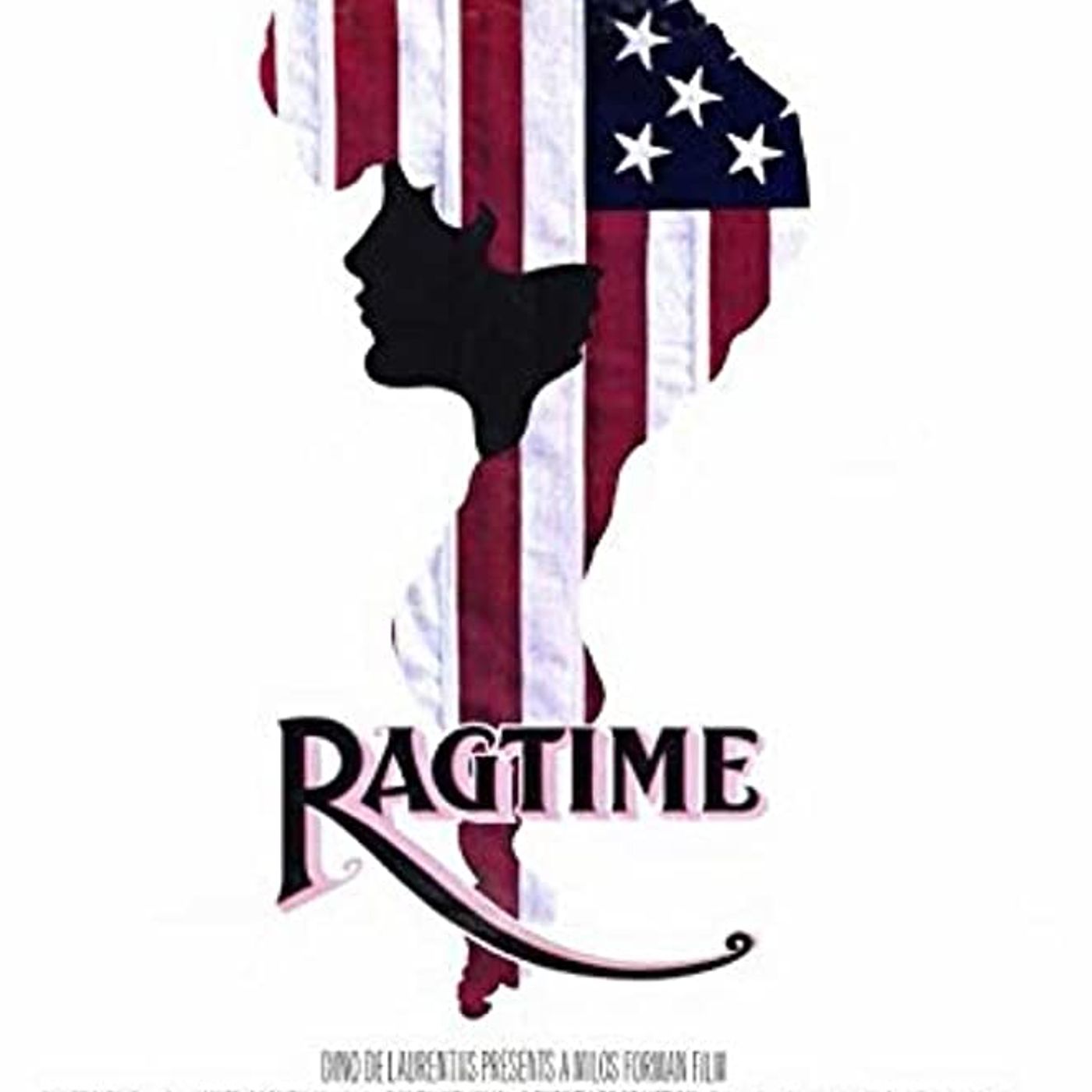
Starring an ensemble cast, the story focuses on a family who is thrust into the spotlight after a baby is left in their garden during the turn of the 20th century. It then escalates into racial violence, musings on responsibility in a young America, and what it means to be an American.
For more Kulturecast episodes and podcasts guaranteed to be your new favorite audio obsession, check out Weirding Way Media at weirdingwaymedia.com.
———
The Kulturecast is a film and culture podcast from Weirding Way Media, hosted by Chris Stachiw, the Doctor of Podcasting, alongside a rotating table of guest co-hosts. Each week digs into where film and culture meet — and how each one bends the other. Now home to sub-feeds including Required Viewing: A 360° Film Study with Dr. David D. Perlmutter.
New episodes weekly.
Subscribe on Apple Podcasts → https://podcasts.apple.com/us/podcast/the-kulturecast/id931361376
Spotify → https://open.spotify.com/show/5wjxip9XVYapYuY12yEaGY.
Back the show: https://www.patreon.com/cw/kulturecast
Transcript
Automatically generated, so expect the odd misheard name.
We're you know, I was really disappointed that the name of this movie. I watched a different movie and there was a lot more gay sex going on, and I think that it was maybe a different movie, similar title, though, but it is different by one letter. Is that not what you guys watched? Rag tim Rag timed Richard Richard Richard making the joke that you made the last time we were together was pretty good, though. I will give you a hint, Mike.
The letter is f called rag Fieka. All right, I get it now, I get it, I get it, all right, Rag fine, Okay, yeah, that's fair. Rag Fime Jesus Jesus directed by Milo's foreman, Rag Fime no Milo's foreskin. That to the movie I watched was directed by That's the Weird bar Jo and it also starred and overweight James Cagney. So that was the strangest barn boy.
What a great way to kick off such a fun any movie writer? Am I right? A few laughs? Yeah? Yeah, I was.
I laughed all the way to the bank. Oh my god. On this episode of the Culture Cast, I'm still the host Chris Dashwin. Guess what, I'm joined by the co host of Ranking on Bass. Isn't that weird?
We've never all been on an episode of Not Ranking on Bass or Barney Miller together. Really wow? Yeah, this is the first time we've done a culture cast together. Yeah, you're right. We just have done cole Chack tapes and yeah then Bernie and yeah yeah yeah.
So I'm joined by the projection boots Mike White and uh and uh Ranking on Bass is Richard had him? All my clothes went away. Guys, Richard has his camera and he's not. And on this episode of the Culture Cast, we are finishing Mike White may not march with a look at nineteen eighty one's adaptation of an Eli Doctoral book, Ragtime. What a time it was.
It was a time when a nation lived out its wildest fantasies, when a sexual obsession triggered the murder of the century. It was a time bursting with life, passion, and rebellion. When a man's pride held a city for ransom. It was the beginning of an incredible time when the famous and the faceless made history together. Bad Time, Good Time, rag Time rated pg L E L E L.
Is it what is it? Mike White? May Or is it Milosh Foreman. May it's Mike White May. Yeah, better answer.
Chris is going to ask me in a few minutes why this, And I'm going to tell you that this whole month has been pretty much all movies directed by Milosh Foreman that I had never seen before. But when it comes to this one, like we kind of ran out because there was another film called what was it A Walk to Remember or something like that, right, and couldn't find English subtitles for it. He did that both as a younger man and then revisited it with his son later on, like one of the last things that he's credited as director. Couldn't find those subs So I said, you know what, Chris, I've been wanting to do an episode of the Projection Booth for a long time on Ragtime, so let's do it. So all of the research and all that kind of stuff that I normally do for a Projection Booth episode, I have done that for this.
So I'm like rag Time up to the top my head, which oh, thank god, yeah it's it's so I'm excited. I'm super excited and spoiler alert, I fucking love this movie. And I've seen this probably two to three dozen times over my life. So this is this is one of my faves. Oh so you well you've seen it way more than me.
I saw it twice when it came out in the theaters, Yeah, which is a little strange. I like, I'm like, well, why did we end up seeing this one more than once? You know? I mean, I'm sure we saw it the week it came out, because it came out on Christmas Day or the day after in eighty one. So, and that was prime high school for me, going to every movie every weekend, whatever was coming out.
My friends and I went and saw. So that's what I saw it. Now when I think about it, we might have seen it a second time because of Elizabeth McGovern, Yes, and we would just to catch a glimpse of like and I didn't realize that scene went on so long. I couldn't remember. I remember there was that one shot where she's like full frontal and then and I forgot She's nude throughout the rest of that scene.
I mean that was like, it was like the most nudity and that was a guy like me in high school could see in nineteen eighty one. I was so when we were watching this the other day, my wife and I and she was just like, oh, like probably had a similar reaction to Chris. And she's like, oh, that was real cheerful. And I was like, this is one of my favorites. And she's like, why is this one of your favorite movies?
I was like, well, a lot of things. I saw it a lot when I was a kid. One of the first times I saw Boobs, which is a big deal to a young man, and I was I was nine years old when this came out. I was there is a great tangential relationship of this movie and Bob and Doug McKenzie for me. And this is a horrible story, but I'm gonna tell it anyway.
I went to Harmony House to buy the Bob and Doug McKenzie album, like their comedy album, and somehow my mom managed to talk me out of buying that and getting the Ragtime soundtrack instead. So these an equivalent things. No, No, not at all, not at all. But I love piano music. I was a piano player when I was younger and stuff, and somehow she talked me into this, and so I have listened to the songs on the soundtrack probably like thousands of times because I usually just you know, it's one of those soundtracks you put on and it goes all the way through when you flip it over and you listen to it, and then you listen to it again.
So yeah, like I'm super familiar with the music, super familiar with this movie. I used to watch it when I was on cable and I would I would rent the VHS tapes, the two tape set and stuff, and yeah, I just something about this movie. And I guess too that it was really one of the first times that I realized how dark our history is of in the United States. Because when you're nine, ten eleven years old, everything is you know, apple pie and cutting down cherry trees and freeing the slaves. You don't think about this, you know, violent time in the United States history, one of many violent times.
You know, guns going off, we've got assassinations, we've got bombings, we've got all this stuff. Was very mature for me as a young man, and I don't know, I'm very curious to hear Chris's take on this, because this is I think a first time viewing for you as opposed to me having seen it so many times, and Richard saying it at least twice in the theater and then maybe afterwards. I don't know. I came to it this time just with the vague memory of the only things I remembered about it were Lizabeth mcgovernor was naked, I liked it. I'm like, oh, yes, my memory is I liked that movie, but I don't know why.
And the end feels like it was this very intense like standoff. But I can't really remember what the nature of that standoff was. But it was some weird crime thing and James Agney was a part of it, and I don't really remember, but it was something like that, and that's all I remembered. So I'm like, Okay, well, you know it's food I remember liking before, so I'll eat that food again. And I had the exact same reaction, like I literally think I had the exact same reaction to it this time, which was wow, that was really good.
Yeah. Yeah, So Chris, what were your thoughts coming to this as a brand new viewer. I just want to comment on how the last ten minutes of this show just existing without me have been. You're a guest on You're a guest on your own show. I appreciate that more than you guys, to know the first time in Mike White may that I've just really been like balls out because like the last few films that we've watched, I've just been like, I haven't ever seen this film, and I'm kind of glad I didn't, But this one, I'm like, no, this is this is, this is where I stand for.
I planted the staff. You shall well And that's funny to me because again, like for me, guys are gonna laugh like this movie. It was fine. I don't know, like this is the right person to tell this story. Okay, that's a conceit that I can get behind.
Milosh Foreman is a perfect person to make this kind of story. I guess I just wasn't as compelled by this movie as I was hoping I would be. And I don't know why that is. You know, I appreciate that there are you know, the real people in here. Like you mentioned Cagney playing Ryan lander Waldo real person.
There's plenty of real people. I mean Elizabeth McGovern playing a real person. Like, there are people playing real people in this movie. And I like that aspect of this movie where it's the fictional and the nonfictional kind of intertwining. I guess for me, maybe the time and the place is just not It's not that it's not compelling.
I just think for me, it's not something that resonates person. I could totally understand seeing is it at the right age and this being like fuck, yeah, I got to see boobies and bush in the same movie, like it's right, and again like not only is it t and A, but it's like Elizabeth McGovern is a beautiful woman then now forever so like again, like it's it's not like you're seeing I mean again, it could be anybody for the most part, but again, you have a woman who looks like that naked in your movie for extended periods of time. I can understand why it would like, oh, I remember this movie and I and like again. I think the movie stands up in spite of the fact that there's all sorts of kind of really interesting transgressive stuff that we can talk about, especially for a melosh Foreuman movie, at least again perception of a milosh Foreman movie, I think, but I enjoyed it.
I just think the ending is very rushed for a movie that's two and a half hours, the ending, the end, like where the story ends up going. It seems like they kind of sunk a lot of time into one of the three stories they could put a lot of time into, and one of the other stories kinds of kind of gets forgotten, which is the Mandy Patankin stuff, which I wanted more of that, and I know, having done the research that in the book, that's a huge part of the book. I mean, that's that's as big of a I mean, it's it's it seems like it's as big of a part of the story as maybe the Evelyn Nesbit stuff is in the movie. If you just go by what the movie gives you, you feel like there's because at the beginning there's a lot more of of um, is it I'm sorry Evelyn Nesbit?
Yea, Evelyn Okay, so there's a lot of her. So so I thought, oh, okay, so this will carry this will carry through it largely gets dropped and and at the same time, it feels like the Mandy Patinken character who is um sort of in the Jewish ghetto and he's an illustrator who then transitions in his life to a early film silent film director, that that character feels like it's it's given short shrift. It is. I agree with Chris at the end, I feel like this is a two and a half hour movie and I feel like I'm missing something. Yeah, they are.
Well, it's interesting because they had to add more stuff at the beginning because when the book begins, I believe that the why am I blanking Stanford White is either just has been shot or has been shot for a little while. So like it's more the trial and things like that, and we kind of start already, like in C. Two, we are already there, and so they have to set that stuff up. We have to meet the fall character. We have to get a little bit more of that stuff.
But to your point, that takes so much weight at the beginning that once, and it's smart that they introduced coal house walker right at the beginning with him kind of playing the piano for the news, real footage setting up the world, and then we get more of him coming to the house and meeting mother and father and younger brother and Sarah and all these So they do a pretty smart job with that. But yeah, Mandipetank in his character, like there's a lot more like when Evelyn meets Tata. There's a ton more stuff. She basically falls in love with his daughter and goes and meets him and eventually finds his place and goes there and has his whole relationship. And then she gets called out by Emma Goldman, who is another real person from history, this anarchist.
They're at a meeting together because he's this big time socialist. She calls out, hey, look, Evelyn Nesbit's here and she did this and she did that, And the Mandy Petenkin character is just like, oh, I'm surrounded by horse and he just leaves, picks up his daughter and leaves town, goes up to Boston, gets into this big fight and the strike and all this kind of stuff. He comes back, but then he disappears from the story until the family goes to Atlantic City, and then doctor Row doesn't even tell us for like the first chapter that he's back. He just starts referring to this guy as, oh, and they met this filmmaker, the baron, and he's doing this, and he's doing that, and he's got this really cute little girl with him, blah blah blah blah blah.
And then the chapter after that, he's like, you know, oh Tat was working on his film script and blah blah blah and how he reinvented himself. But at least we do get that connection between Tata and Mother because when they took off together at the end of the movie, it's like, what the fuck just happened? Why? Why are they going on? Is not there on the film set?
She is? She is fucked off from the movie or from the book completely. So I'm i'm I'm concerned that a listener to this podcast who has not seen the movie, I know, yeah, which might be weird, will be confused because we're talking about the movie, but then we're also talking about the the book that It was adapted from the book Ragtime, written by El Docerro and published in nineteen seventy five. Was was characterized by I think more than a dozen stories of that that that intersected, and the charm of it was the was the sort of coincidental and unexpected meetings and partings and watching these characters sort of Kareem and Karum off each other like like pinballs, and and it allows El Docro to tell, you know, sort of a large palette story of various classes of people and races of people and and and embrace everything that was sort of part of the that optimism and struggle of the early years of the century.
I think the book starts at around nineteen oh six and probably goes up to the beginning of World War One? Is that about it? Okay? So so then so the movie gets made and it can tricks down to maybe two or three stories, the biggest one being the coal house Walker story, which coal house Walker is played by Howard Rawlins Junior, and he's an African American man and and we're we sort of follow his story primarily, and we'll talk about that in a second, but but we're But it is strange because because for the end, we're told Elizabeth McGovern's character meets Tate the the the Jewish street illustrator early on, and we're led to believe a connection is there because she's also leaving a character. And by the way, I don't love the fact that main characters in this drama are referred to as father, mother, and younger brother.
Yeah that I don't quite get. I'm sure that's something from the book, but okay, it is. Younger brother. Um sort of had this crush on on Evelyn Nesbit and and and sort of tracks her down, and they begin at least a sexual relationship, which leads to the nudity we've been talking about, like a bunch of ppubescent freaks. Yeah, yeah, And then you expect that you're going to see those two characters in some way you don't even really understand.
It's like, well, I guess they break up, and then the next thing you see is is Evelyn with this director, which is the street artist who has transformed himself. But they're not romantically involved. But it's sort of hard to parse because in movie language, you think, if two characters break up and she's now with this other guy and she's an actress and he's a director, then they're together romantically and sexually, and there's really no other way to see it. But I guess not. I feel like that story alone could have used another fifteen minutes, just to fill in a few blanks and further drama, because I gotta tell you, you know, nudity aside, Elizabeth mcgovernment is great in this movie.
I didn't I forgot how like funny she was. Her character is legitimately funny, and she does a great job with it. Well, you wonder how smart is she, how shrewd is she is? She putting on an act of being dumb. Sometimes I think she is, sometimes I think she's not.
You know, there's some moments in here, and there's one just I would say that it's a great scene, but it's an interesting scene when Emma Goldman was in the movie, and that scene really kind of it talks a lot more about Evelyn and through like through having her contrasted with Emma Goldman, who is this real life anarchist. She actually got deported from the US, I believe, right around World War One because they tried to get rid of all the riff raff. We don't need any provocateurs, I mean, don't forget guys, this when it starts. You know, you mentioned nineteen or six. We have had assassination attempts on Teddy Roosevelt.
We just had the assassination of William McKinley. This is the time of anarchists, socialist, communist, all of these things going on. We're right before the big revolution in Russia. We've got a revolution happening in Mexico that eventually younger brother joins up with. But we don't ever see that, except for like one cut scene of him and Zapata basically being murdered by a firing squad, which was crazy.
But yeah, we've got Emma Goldman talking to Elizabeth McGovern talking to Evelyn about just like, hey, oh you are this figure now and you've got to use this power and you've got to know you've got this this platform you can be on and you know we can work together and all this kind of stuff. And there's almost this lesbian thing that's happening, but not quite. And there's more new to this stuff. This was shot. This whole thing was shot, and that's in the now.
There's a workprint version of it which you can get on the DVD or the Blu ray, and it's part of the cut scenes that are on the DVD as well. But yeah, it was really kind of cool to tie all this stuff together, but it just has gone. But the hilarious part that is from the book. In the book, the exact same thing happens as far as this meaning of the two women, and younger brother is there, and he's there in the movie, but in the book, younger brother is there and at one point they discover him and the way they describe it is just like he bursts out of the closet. He's been jacking off, and he's just spraying seamen everywhere, and I'm like, what the fuck?
Wow, well, and then they still end up getting together. What I like about what you're saying is that it's what you're describing is a sort of a story of radicalization of yeah, oh definitely, Younger brother realized Lenzbit almost gets radicalized. But that's the thing. You're like, is she dumb? Is she not?
Because she's talking about stuff and you're just like she's like, oh yeah, my dance instructor said that, And I'm like, yeah, are you just not picking up on what she's really saying? In the movie that we see the existing if you go and rent it from Apple Um, it's she's a young woman who seems fairly naive oh yeah, but but almost not naive about her situation. When she's given the opportunity, it's like, look, either you know, you know, go through with this divorce and take twenty five thousand dollars. You're never going to get the million you were promised. Right, There's this moment and and younger brother is like, no, no, no, well, I'm gonna get my lawyers involved, and she's like, does anybody have a pen?
Right? I am never going to get any more than this. So so suddenly she's very pragmatic and sitting there nude in a room with three men and deciding where those three men. I love. Those three men are Brad Dorriff of course his younger brother Richard Griffiths an American accent in here because this was all shot in England, and I finally am figuring out that Billy J.
Mitchell, who for me famously was Nick Rivers manager from Top Secret, he must have been an expat as well, because they were hiring anybody who was American or formerly American, because they shut this all in England. So it's just like, yeah, well, yeah, give us all of these you know, American sounding people here while we're in England. I love that. Well, well, you know, so she so the character, even even given that we don't get a lot of her interior life, I could totally see that that is a character whose journey we could follow as a woman at that time, and what are her options and what is her perceived power and how does her radicalization harmonize with what we do get, which is the extremely emotional radicalization of coal house Walker.
And now coal house Walker is an interesting story when it comes to you know, we're talking like Evelyn Nesbitt, real person stand for white, real person, saw, real person we've got you know, the Vice President shows up in in here, book or T. Washington shows up in here, Ryan Ryan Lander whatever, or the James Cagney character Ryan Lander Waldo, such a great name, shows up in here. All real people. Now when it comes to colehouse Walker, Junior not a real person, and in fact, his character, his whole story was based on a novella from eighteen o six, I believe by Henrik or Heinrich von Kleist or klis kl e i st which was called Michael Cole House It was k was a k w O h w A s or something, and it was this whole story of this guy who's in God, I want to say, it's like the very or something, and he's going through, like going from one city to another and he gets stopped and they're just like, hey, you need to pay this toll.
You can't sell your horses around here unless you have a permit, So first pay the toll and then go get a permit. Okay, well where do I get a permit? I've never heard about this before. All right, you know, like they won't just let him go. He has to leave two of his horses behind.
He goes off, he talks with the authorities, so like there's no such thing as a permit. You know, this guy's full of shit. He comes back, his horses look awful. They've been used for working in the fields rather than being these beautiful riding horses that they are. And what do you know, there's like the guy who also these who's supposed to take care of the horses.
He gets beaten up and he gets basically punched right in the chest. He's having all these problems. He doesn't die like Sarah dies, Debbie Allen dies. But this is that story, and there's this very kind of shady thing. Does doctor admit it?
Yeah, eventually, but is it kind of one of these like Quentin Tarantino apologies kinda? So it's like, hey, this major thing that becomes really the focal point of this entire thing is not necessarily made up whole cloth, but is taken from another person's work from one hundred years prior or almost like two hundred years prior. So it's very odd that we've got real, real, real, and then stolen. It is. It's strange, but it works, I will say, man, And I don't know if you know.
Look, when you go back far enough and you don't have to go back that far, nothing is owned. Everything is in the public domain. The idea of copyright didn't really even gain purchase until the early parts of the last century, so so he may have felt it was akin to taking a story of robin hood and adapting into a modern context. In any case, you have Howard Rowlands Junior playing the role of coal house walker, and he's a piano player. He's clearly very educated, very articulate, I mean charisma bouncing off the walls.
And the story of Howard E. Rollins Junior is one of the biggest tragedies ever in how they would for me, it really is, because there's no way to watch this movie and not feel like you are watching the next big superstar of the next forty years. Oh yeah, but we meet his character because he sort of comes into our actual narrative because at the home of mother, father, and younger brother. And by the way, their home is a very nice home. We'd call it a mansion.
Now they're clearly well off, but a but an African American baby has sort of been abandoned in their yard. They eventually do find the mother and take her in along with the baby and Andy. They sort of are housing them and taking care of them until until whatever other circumstance can be found for them. Well that's when Cole house Walker shows up and informs us that he indeed is the father. Now it's a little bit strange that he's abandoned them.
His story is that I was I was in no shape to raise a family. I could barely support myself, so we didn't stay together. But now I've got a great gig. I'm in a band, I'm in an orchestra, in a ragtime thing, I'm performing. I'm clearly a skilled musician, and now I want to come back and do the right thing.
So it's like, oh, okay, great. Now what happens is like what Mike was describing in the German novel, this sort of it's not even a comedy of errors. It's almost more like a Kafka esque tragedy as unfolds. But it has its roots, of course, in Racial Prejudice, there's a group of white volunteer fireman who see this well dressed black man driving a beautiful, brand new model T and that just ain't gonna work for them, so they start fucking with him, and ultimately he goes off on foot to get a cop and by the time he comes back, one of them has defecated on the beautiful buttery leather seats of this car. I want to say, it's a horse shit.
That's what I thought, but then later I read that maybe I was reading something that was referring to the book. I also thought, oh, they took the horse shit and put it in there, but I think maybe in the novel one of the guys did it. In any case, his car has been defaced and it sets something off in him, as you can imagine, which is this is not okay. Because the police officer ultimately goes, look, here's the way this is going to end. They're gonna go free.
Just you clean up your car and go on your way, and let's just forget this ever happened. But he can't, and that leads to everything that happened, which ultimate literally ultimately needs to him and a group of of African American outlaws, including Samuel L. Jackson and Frankie Faison. Yeah, but it's like, wait, wait, wait, who are these people? Yeah, well, you didn't even mention the cop was played by Jeff Daniels.
You look, baby, in this all these famous people turn up in these like really kind of small supporting roles, and in some of the larger roles are actors you don't really recognize. Like the guy who plays father. I don't recall him before. Oh you know, jam only bodies were left for him after Commando Matrix got done with other guys. Come on, he's the guy who unless Schwarzenegger in Commando, Yeah, Major Franklin Kirby plus in Commando or in Predator in Commanding, he's the one.
He's the one who shows up and he's like, hey, you know, I need your I need your help. Yeah, that's the only thing I know him from. Oh no, no, Chris, you know him as well. He was the horn player that was they were trying to pin the murder of the in that was John Cassavetti's trying to do him dirty. Yeah that's right in Collo.
But but but but he's L Jackson. Oh yeah, that was one. Yeah, well that's the thing, like he's not He's not someone I feel like for me, this is you know what this movie felt like for me. This movie is a more success and it's going to make complete sense when I say it out loud. Okay, this is like a more successful version of Bonfire of the Vanities.
That's this story. Isn't it the same kind of thing? Isn't it? This like racial, social, all of it together. I mean it's I mean, look, Norman Mailer is in this movie, right, like Norman Mailer, Tom Wolfe, Hunter s Thompson, all new journalism people, Tom Wolfe Rights, Bonfire the Vanities.
The movie is awful, but yes, book, the book obviously not. It's I've been reading. I've been reading it slowly. It's a lot to get through. But like that's what Ragtime strikes me as it's again, it's like it's trying to be a lot, right and why canvas?
Yeah? Right? And I appreciate that, and you know, like watching it twice, I think the second time I watched it, I appreciated that that aspect of it more. I think for me, these kinds of stories, they this one, not in particular, but it succumbs to it towards the end, it feels a little long in the tooth and then ultimately doesn't have a purpose like the movie doesn't the story of the book, and the book clearly does. But like all of the good setup that they do, for some of the stuff ends up feeling ultimately for not like the story that I'm interested in is not necessarily the one that they're showing and showcasing in the movie.
Well, well it did based on what it was at the beginning. I think I expected more intertwining through the end. I've got no real problem with them focusing on the coal House Walker story. It's certainly the one with the most cinematic potential. There's there's crimes, there's explosions, there's guns, there's a standoff with cops and intrigue.
I mean, it's fascinating, it's it's great, and there's some nice twists and surprises in that storyline. Um, what I wish is that there had been a way to And I don't need a lot, I don't need another half hour or even another twenty minutes, but if we could have pulled Elizabeth McGovern and Mandy Patinkin into that sort of geography and just sort of just sort of let us know that, oh, while all this is happening, their lives are happening too in a way that we understand. Instead, we sort of get this. It feels like another story is starting when we go to Atlantic City and we're on the beach and and and suddenly Manny Patink's a movie director, and it feels like, oh, we're going to get a lot of this, and then we don't.
And I just need a little more so that I know that it continues the conceit of events that are just ricocheting off the people that we know and drawing them in in unexpected ways. I would have appreciated out more. And you could have had the James Olsen character talking to the wife to then talk to the Mandy Patinkin character to say, there's this thing going on, can you help us? And that just brings him in and like a guy with a camera who is a Eastern European immigrant has a lot in common with again marginalized people in this country, and like that could have been an immediate connection that would have I think enhanced the finale of the movie, which it just the finale of the movie feels a little one note and it's not supposed to, like that moment of him coming out after he's had this like you know, after he's had this massive emotional outburst the cole Walker, the coal House Walker character, and then like he just walks out and gets shot right again.
We understand how important that moment is, how devastating that moment is, but it needed to feel more devastating for more people than just the one James Olson character. And that's ultimately the way it feels. It doesn't feel like it's a big deal, and maybe maybe that's meinlosh Foreman's point is the banality of it all, and like that's perfectly fine. I mean that it could be because he's Checklist Slovakia and that's very like in keeping with the kinds of things he talks about and his other things. It's just like, ultimately, there is nothing you can do about it.
Like that sucks, But this is very the movie the movie itself in other words, including performance and direction and production design which is just mouth watering, and music by Randy Newman, which is heartbreaking. It is not perfect, and it is not perfect because it is not a perfect screenplay, because it is at that level that those strands are lost, and that we are then presented with things that feel like leftover bits and pieces of narrative from the novel that just weren't earned. When Mary Steenbergin mother leaves, it is bordering on incomprehensible and not through character motivation, but we simply haven't been given the narrative building blocks to even literally understand what it is we're seeing happening.
They're driving away in a car. Father is watching, and we're like, well, are they just going out for the afternoon or is she leaving? I don't Yeah, literally don't know what I'm supposed to be getting out of this. I can't believe so much of this movie happens offscreen. Yeah, well right, And then you're wondering, you know, are these cut scenes though?
Or and I don't think they are. I think the cut scenes are with fucking Emma Goldstein or Ama Goldman rather, I'm sorry, which is fine, and that would have been a cool story too, But it feels like they didn't even shoot the material to make this stuff work, which is really odd to me. Michael Weller did as best of a job as it could, but I think, yeah, I will agree with you completely that there are some things that don't connect. But there are some things that don't connect in the book. But there are also things that could be remedied here in the movie that they didn't remedy.
So Father, that's what I like. Father goes off, he is killed on Lucetamia of all places, and then it's okay for Mother to go off with tatsa type of thing. But there's much more strain on their marriage that you do get to see. Like mother maristein Bridge and she's a fucking fantastic actress, and you barely get to see her act in the movie. So all of the pressure of father and he, you know, like at one point, she's the only one that's raising this child, and she's just like, hey, how about you open up them coffers and get me some help around here, because this is freaking crazy.
She's starting to lose her shit. She's too old to be raising this child on her own. And you know, there's that there's coal House is in the news, he's doing all these terrorist acts, and so she's just like, they're gonna come away around and take this baby away from me. I can't have that. You know, we need some stability.
My younger brother hasn't been here for weeks. I don't know what the hell's going on with this guy. She's starting to lose her shit, and the friction between her and father is really palatable, but we don't get that. So yeah, her running off with Tatsa at the end and just leaving James Olsen looking at the window at her, you know, kind of doing that Russell Crowe meme from Lay Miss Rob. It just it's unearned, and yeah, it's it's it's a very odd to me, So yeah, it's it's.
It does peter out at the end, and it shouldn't. I think music definitely covers over a lot of that and just the use of the montage and that we go quickly into more newsreel footage, but it doesn't save it. You get the feeling um uh uh that you know, it's two and a half hour movie. The stuff with co Housewalker is great, Jimmy Cagney is great. It's like, you don't really want to lose.
There was nothing in there I wanted to lose. But it's a hard argument to make that you're gonna it's like, okay, we're gonna add we're gonna make it from two and a half hours to two hours or forty five minutes, especially in nineteen eighty one when that was not the norm. So I can sort of understand that I would have really appreciated seeing the deterioration of that marriage because I didn't think there was a problem there. Well, and even the workprint of it, which is nineteen minutes longer, you're probably spending maybe ten minutes on that Emma Goldman stuff, and then the nine other minutes you get little pieces here and there, so it's not like, oh, wow, you know this whole other thing. Like there's a couple like liberal scenes where you're like, maybe they should have kept that, Maybe they should have kept that.
There's like just little pieces, but it's not like you're missing, you know, a major And I would say, Emma Goldman, she wears out of her welcome very quickly, so don't swat it. You know, you're you're not missing a lot with that character. So it's really okay. If anything, it's kind of a more of a tie between her and Tata and then little brother and all this kind of stuff. But yeah, there's not there's just not a ton of stuff.
There's one nice little moment when you see coal house driving down that street and Kenneth McMillan as the fire chief comes out and he's just like he would you look at that and you're like, Okay, so this is gonna come back, you know. So you get some of these like little pieces, but it's not like ARCA the Covenant type of stuff that you're missing from here. And by the way, Kevin McMillan fucking amazing as Willie Conklin, And especially when they're going when they go to that old guy's house and they're like, you're coming with us, Conklin, He's like, I'm not Conklin, I'm not coming. He's right there and he like sticks his head up over the bed. Fucking kills me every single time.
Think kid a Stone cop at the moment too, because then they jump in and one of them jumps on the bed and the bed just going ricks. It is so Keystone every time those cops show up with those stupid hats, and I was just like, this is total Keystone Cops. Kenneth McMillan has the ability to play the the cookie lovable racist and I love that we're would that we get Kevin McMillan and Brad Dorrif squaring off. Just a few years later in another Dino de Laurentis production of one of my favorite movies in the entire world, David Lynch's Dune. So that whole thing of I told the Duke my plan, my plan, the plan.
I love that this is like a mini early Dune reunion. Yeah, Kenneth McMillan, and this is, oh my god, such a such a great piece of shit. Just oh, he's awful, He's terrible. And I love when James Cagneys just like, yes, slime Willie. I'll tell you guys something funny.
I forgot that Cagney was in this movie. Like I was like, who is that? Oh right, James in this movie? Like yeah, back in nineteen eighty one, they made such a big deal that this was the return of James Cagney. You could not escape the news stories were all about and that was so funny to me.
Like obviously now you look at this movie and you're just like, holy shit is mctgommer and James Olson man it tinkin like all these you know stars Daniels right, Jef Robert Joy who I love that guy. I was like small time kind of stuff. But he's he's great. He's great as a I think he's really kind of psychotic and desperately seeking Susan. If memory serves, he's wonderful.
But it's like, you know, but James Cagney. Bringing back James Cagney was the thing for this movie. And that was the thing that Dino day Laurances was just like, I have to have a star. I have to have a star. And at first it was gonna be instead of Robert Joy, it was gonna be Jack Nicholson playing that role, which would have just been kind of crazy.
No, no, no, it was gonna be it was gonna be Nicholson playing father. Really, Nicholson was going to play father. That was my understand to see him as father. I could see him as Thaw because Thaw's role is a lot smaller though he was almost Robert Joy is great as Thaw and and that role is unhinged. Um.
What's what's interesting is that Cagney was out of movies for like twenty five years, um and and in that time he only did one or two projects, one of which was doing voice work and a little thing called the Ballad of Smoky the Bear. That's right, that's right. Oh boy, So we're on a streak, you guys. James Cagney podcast cast years to do. Oh my god, like decades.
Good lord. Yeah, oh, we'll just watch all the movies that he did. Yeah, that's a lot, that's a lot. Voice. Yeah.
Yeah. His last movie before this was what one, two three? But yeah, a great movie. Great movie. Oh yeah, it's like what a you know, god on't a high point, huh?
And then come back and just like totally own this movie. Whenever he shows up, I think that he does a great job. Yeah, it's a little you know, like he's old, he got fat, he's got that great mustache though that kind of evens it out. It's just I just I forgot that he was in the movie, and I didn't recognize him. And then I was like, oh, right, Cagney is in this movie and he's the he's the police chief, and I was like, or commission.
I was like, holy shit, I noticed it was him. Like there's like a lot of roundheaded guys with those handlebar mustaches in this movie. They begin to all look alike. And then I'm like that second that one. It's not as good as France Dresher though screaming, Oh my god, fran Dresser screaming in the middle of the street.
It is also pretty great in mostly Yiddish, and like, I'm really glad I had the subtitles on because I was like, oh wait, no, she's speaking English here, but she's just so hysterical that you can't understand. And then she'll switch back to Yiddish again. She's amazing in this though, I really, I mean, she's still a beautiful woman, but she was just a knockout when she was in this. That whole sequence was so great, and so when I was watching it, I'm like, oh, right, you know, Mulosforman was a documentarian, and there's something about sort of the distance from which we are watching this sort of play unveil itself before our eyes. We don't understand the language, but we have no misunderstanding as to exactly what is going on.
Right when he puts us in that Elizabeth Nesbit role watching all of this, because she doesn't understand what's going on either, She's like, why is this little girl tied up? What's going on with this? And then all these guys come over start hassling him, and then next thing you know, he's standing up and going over and you know, taking that woman out of there, throwing shit out of the apartment on the third floor. I'm just like, Okay, yeah, this is pretty cool. You know.
I love that line. It's so good. Um, I was gonna say the in a weird way. The great thing about Melish Foreman. One of the things I noticed watching Amadeus Um again Chris and I talked about, was how how do I how do I want to articulate this?
People are allowed not to have the mid Atlantic accent that so many actors sort of acquire when they do a period piece. Elizabeth McGovern sounds like she is in nineteen eighty one. But it works, and it also makes the movie very accessible. Like there's something I'm going to say that Melish Foreman is an is a very unsubtle filmmaker. You're watching what he wants you to watch.
You're not watching you going huh, what's going on here? I know we were talking about being frustrated by not getting certain moments within a narrative, but when you're watching a scene, and again this is not a criticism, but it's almost like you're watching a television show. You're very clear on everyone's feelings. The dramatic moment is being played out, and while the production dresses it up. He is a director does not try to necessarily elevate or inject something with a sense of importance that is above and beyond what it just holds naturally and narratively.
The things that are happening are very important and have meaning and moment in these people's lives. But he doesn't feel that he needs to be reserved about it or or sort of clouded in any particular way. You're seeing the emotions and Amadeus. All you got to do at any point in that movie is look at f. Murray Abraham's face, and you know what's happening in the movie.
His face acting is off the charts, and the same thing here just voices people's they're just you're within a scene. You're not confused. You know what's happening and why it's happening. And I think that's what makes his movies compelling and watchable because you feel connected to them. You're like, oh, yeah, you was a nine year old knew what the hell was going on.
I as a fairly unsophisticated fifteen year old was watching this movie and I got it all. I'm like, yep, yep, I'm right with you. And that was not every movie when I was fifteen, In going to the movies, I was confused more often than not. I was confused by fucking everything. I was confused by Raiders of the Lost arc am I understand was that the same guy that was the other guy that was the main I mean, I definitely get more out of this every single time I watch it.
I mean I didn't necessarily understand everything when I was nine years old. I mean, the boobies definitely held more weight to me than a lot of the other stuff. But I mean, yeah, I knew watching this the trait I add the tragedy of coal House. I mean, oh, of course, wow, his face is the f Murray Abraham face. Yes, well, and just too the whole idea of and this I believe was added, the whole thing of him going to this clerk, who gets said to that clerk, who gets sent to this clerk.
It's very Terry gilliam esque, the way that he's just running through this bureaucracy. I mean that is straight out of Foreman's life, this whole thing of you know, and he was even saying like in the commentary, he's just like, yeah, the humiliation that you would have and just the weird shit of like, you know, the Nazis first because his parents are killed in concentration camps, and then eventually when he's in Czechoslovaki, he's just like also getting the run around from the Communists and just all the weird rules, the arbitrary nous, the humiliation that you face every single day is like, you know, what's what's my dirt doing in this guy's whole kind of thing and that's just his his life every single day.
So he just loves the skewer that kind of awfulness. But then when you add the racial politics to it and you just think about where we were and you know, the early nineteen hundreds and where we are today, it's like, I feel like, you know, this movie was made but forty years ago, yeah, forty two still relevant today as it was now as it was in nineteen o six. And what's cool about that little sequence, the sequence where he is trying through channels, through legal channels to settle his claim and and well, what's great about that little thing where he's getting sent back and forth between the cops and the city clerk. Is that those scenes right there don't feel like they're about his race. No, No, it feels like anybody would be going to the exact same thing.
It's not like they look at him, look him up and down, and go get out of my office. They're literally going, they're just saying, this is not our purview. Go back to the cops, and the cops going I'm sorry, but it's not our purview. Go back to the city clerk. And he keeps going back and forth.
Then it allows you, It allows any viewer of any race to go, oh, I know this, we've all been through this before, and it makes you want to kill someone. Oh yeah. And then what happens to the d M. Yeah, then it's like, oh shit, oh that's what he's gonna do. Yeah, oh yeah, he's really trying to follow it.
And then yeah, the whole thing too, like, oh well, these are volunteer firemen, so they don't actually have anybody that they report to, and you're just like, m really, they have no authority whatsoever over these guys. Okay, right, And then he goes to Ted Ross the African American lawyer. Oh yeah, and you're like, oh great, you know he's going to get this guy on his side. And boy, that scene does not play off the way you think. No, no, And I thought Moses Gutt in this book A.
T. Washington was just terrific. I mean, he's such a great actor and just coming in and they're tete a tete about stuff, and just the way that he's like, I'll get you swift justice and a painless execution. I'm like, oh God, so he knows. I mean, he's not sugarcoat and anything.
You are fucked coal house for doing this. I'll try to make sure that they kill you quick. Yeah. He's the only one who actually tells him the truth. Because when father goes in and says, I don't think you're in as bad a situation as you as you might think.
I think we can actually take this to court. And I'm like, what are you talking about. People have been murdered, their bombs going off. I don't think this guy's getting a probation. And I love the whole thing of younger brother having basically been radicalized.
Yeah, he's fed up with father. This whole thing of like that's not what the lawyer said. He said that we could do this like before, you know, like, but Sarah even right gets herself kild. He's just like, you're you're lying to this girl. Why are you doing that?
And Father's just like, hey, you know, back off kind of thing. And younger brothers just like hmm. And when he joins up with coal House, I love that. I love that scene and just how he's like, oh, I make fireworks and everybody's laughing. He's like, no, I can make bombs and just boom.
You're like, oh, we have just gone to another level. And when we see him there with the dark makeup on his face and stuff, and in the book they really describe it. He basically does a minstrel show like the Burnt Cork all over and they talked about how he emphasizes his lips and all this stuff. I'm like, Okay, that's kind of weird, but I love how they use his whiteness. And the other thing that was weird in the book is that father sees his brother younger brother, he sees his brother in law.
I like that they don't have that in the movie. That he puts on that hood and he's just one of the guys, and then they use his whiteness to escape. Is so great for me, It's so great. Yeah, that twist is really really fun. Love it and and and it's now that I think about it.
Yes, So now that's our third radical. His younger brother totally becomes radical. I mean, like literally textbook I'm gonna make bombs. Um. Sarah the Uh, you know, Cole House's ultimately wife and mother of his child, played by Debbie Allen Uh is also radicalized.
I mean, she leaves town, she goes, she chases down the the vice president at a whistle stop and and and tries to approach him with her case. It ends tragically, but but she is launched into motion at a lot of people sort of launched into motion and out of their comfortable space. Again, you could have done it with Mary stein Rgin. You could have done it a little bit more with Elizabeth McGovern. You could have done it.
You could have had everyone's little, you know, kind of trajectory into a radical future, even Father in a certain way. But I guess we just didn't have the real estate to do it. Feel like the father character is the one character that attempts to be. I would you say, like the placeholder for like not the government, but the way things are, or at least the way we perceive things to be. Some people would like to believe maybe the sugarcoated idea of it, because, like you said, towards the end of the movie, he goes in there and he's like, yeah, I don't, like you said, I don't think you're in as bad at a spot as you're in.
He's like, get the fuck out of here, Get the funk out of here. He's like, you don't fuck. He's at the point where he's like, you don't fucking understand, and I can't get you to understand. And like you said, Mike, the thing with Book or t. Washington is like that's the moment of like, hey, dude, like you're past the point now, like you've murdered people, which I think the movie kind of does the coal House character, I'm not a disservice, but kind of sanitizes it a little bit by us not seeing that really happened.
It's just like the firemen were murdered off screen. It's like he killed those guys, Like, oh no, that was on screen. We saw that attack, we saw those people getting shot. Those guys were hiding outside. They call, right, the guys come out and we see them on the ground and they're screaming at the guy.
Where's Kenneth McMillan, Yeah, where's Conklin. You're right, yeah, yeah, yeah, we know, we see it. It's bad. And they killed it. Like you're like, oh, are they not dead?
No, they're dead. Yeah, murdering firefighters, Like, yeah, that's not a good look. No, it is way worse than the book. It is. Of course, when they talk about how there's a guy across the street, the horses come out, you know, like the they're pulling out the steam engine and these the guy across the street with the shotgun just starts shooting stuff.
He murders those horses, murders the guy who is driving the horses. The steam engine tips over lands on one of the guys who're just like Jesus Christ, and yeah, it's really bad. And then they talk about all the bodies that they recover. They even talk about in one they hit another fire station and they're like, oh, yeah, four firemen died in here. Plus the lady across the street was so scared she died.
I was like geeze, yeah, because then they go on it's like, Okay, now we're just gonna start randomly killing more firemen until someone takes us seriously, right, And I like that the end of the movie, they're finally like again we see that moment with Book or t Washington and that understanding. But yeah, it's the James Olson character for me, is supposed to I guess he's supposed to be like the stand in for not the government, but again, like the way things are because his like the way he treats mother and the child and like lack of compassion there where he's like but and she's like but fucking what and he's just like but it's like god damn it. It's like it's that idea of like, when given the opportunity to do better, there's always going to be that person who can't take that next step.
And I think that for a lot of us, that's what our perception of the government is is like it never goes and doesn't it never does enough, and it's like and it but it always says that it is. And it's like that's the father characters. He's trying to signal. He's virtue signaling right, Like he's like, oh, yeah, no, it's great and all, but that's like when given the opportunity to do something, he's like, never mind, I back away from the opportunity to actually affect change. He's he's the white man who who sort of who sort of gets it and like isn't actively racist or actively but he is passively supporting the status quo.
I would have voted for Obama for a third time, like says, and get out. It's like that, That's what he reminded me of. It's like I'm an ally, and it's like, but you're an ally quietly, Like to be an ally anymore is not to be quiet, like, especially with how loud these assholes are. Like he's an armchair ally who who benefits from the status quo, who who's not going to give a full throw to defense of it and is not going to be like Kenneth McMillan, and and you know actively, you know, committing hate crimes. But he's not ready.
He's the non radical. He is not ready to cross that line. And so people leave him. His his wife leaves him, his brother in law leaves and and he's left sort of alone in his mansion as as as in the movie as others go off to their their changed future, more exciting future watching through the way. Yeah, you know, I gotta hop in the sack with Manny Patinkin, all right, or he could be dead on the Lusitania.
Well again again, we don't know that, we don't know. I don't read books. I only see movie. Yeah, I mean, I was really glad that during this episode finally motivated me to listen to the book. And by the way, it feels like I'm a slagging on l doctor a lot during this, and I'm a slag on him one more time.
It's not the best idea always to have your author read the book on the audible version that could have a reader on this. Yeah, he's very flat, and there's a couple of chapters. I wonder if they took this from an old cassette tape, because there's a couple of chapters on audible where the volume will either raise or lower significantly to the rest of it. So it's you know, you gotta get pros, you gotta get an actor, you gotta get someone who knows what they're doing. You can't, yeah, exactly, And this would have been a good cast one.
I mean it is all told from a third what is it, an all seeing narrator type of guy. Yeah, and he occasionally will talk about things from the future like oh, and then he would die in this year or whatever, like yeah Thaw, Like Thaw escapes from prison in the book and then he goes to Canada and they talk about like basically for the rest of his life and he died pretty early type of thing. And there's like little things like Henry Ford as a character JP Morgan as a character, the two of them hanging out is kind of weird. Like Morgan is like, oh, there are people amongst our population that are blessed. And this goes back to you know, the Egyptians would recognize that there are always these special people, and he's trying to like surround himself with special people.
So of all the special people he goes through, he goes to fucking Henry Ford. And I did like like Ford's just like oh yeah, yeah, that sounds great, but not the Jews. And I'm just like, okay, good that I was about to say, I can get real, real white and blue eyed real quick. Yeah. So I'm glad that they kind of portrayed Henry Ford as a piece of shit because he was a piece of shit.
I'm waiting for someone to write the book like this for now, where the fuck is the bonfire the vanities for now? Because I want I want the character that's the Trump stand in. I want the character that's the Elon Musk stand in. I want the AOC standard like I want these because that's what this is. Is that not like?
And that's what the appeal of this is. This has a similar appeal to something like Forrest Gump, where you've got the story and then you've got the real world as we know it around it. But it's the things that we're being deemed important by the person who's writing this book, and it's like fucking Houdini is important. Well, it's hard now because so much of what is transpiring is being tracked minute by minute anyway, it's sort of it's harder. It doesn't leave a ton of room for interpretation.
And then when you do get something like that, and this is my own personal opinion, but when you do get a movie like Don't Look Up, it feels like it's trying to do that, it's not very good. I was not a fan of that movie. No No, I mean you get the most ham fisted Amadi quote unquote in the world through that, And I hate to be this guy. But right now it feels like things are so silly that if you were to write this down in a book, you'd be like, yeah, no, I don't believe this. But it's also like it's almost like the world is worse than what you could write it.
You know, like the moment you think that somebody reaches bottom, they always go look worse, you know. The you know, we all know that Elon Musk is a piece of shit, but he just keeps wanting to prove that he's one of the biggest pieces of shit in the twenty first century. Yeah, there really is almost no room for satire right It's it's just it's just happening in front of us. Or does satire or does satire have to go further than it's ever gone before? Is my question?
Well, and what we don't need roads, I mean, honestly, the way to do it is take Bonfire, the Vanities or Ragtime, do him as a TV show now and have and have the story of now being kind of judged up and fit into this narrative in an interesting way and just and reflective of the times. And you know what, like Honest to God, Ragtime or Bonfire, the Vanities should be a TV show or like a or like a three season show. Should it would like, that's the only way it would ever fucking work if you wanted to adapt a narrative like this, because let's not kid ourselves. The fact that this movie's two and a half hours ain't enough period like to tell this story the right way. This is a TV show, just like Bonfire was a TV show.
It was really weird because Doctorow wanted this to be a TV show. He was not happy with what Former was doing because he's like, no, my stuff deserves a lot more time and space. And of course, like we had mini series. We had North and South, we had The Wins of War, we had so many mini series at this time show was on the air, this was coming up. Rights has been out.
I think that was seventy six or something, okay, and it's just like this would have been great for that, But at the same time, I think it would have been too radical for what they were talking about. And we've told this story before. There was a movie with Ray Milland in Farley Granger, and I can't. Maybe it was Joan Collins, was Elizabeth Nesbit and so or Evelyn Nesbit, and so we had already tread some of these things in movies before. With the Girl on the Red Velvet Swing, I think it was called you know, because again, these are real characters and people are seeing the drama that movie.
By the way, do not track it down. It's not very good at all, not very dramatic, and this movie definitely plays up all that drama. But then to you guys point from earlier, we just kind of lose it after a while. It's like this thread goes away, this thread goes away, I think having because they stick that thought stuff of him escaping somewhere in the middle of the book. It's just kind of an aside.
But to have it where foreman puts it, and I know he's not escaping, he's led out of prison. Have that at the end, to be like this guy murdered a man in cold blood in front of a room full of two hundred people, but he's just getting away Scott free coming out of Mattawan. I'm like, wow. And after we had just seen ten minutes before Henry Rowlins being murdered. Yeah, and that's the juxtaposition, right, And that's the that's the Foreman is m right.
I mean, that's what Foreman likes to do, is juxtapose, and I mean it's having those two things essentially back to back. I think is one of the smarter things he does, because yeah, like you said, it's that comment on look at this guy, Yeah, who killed some firemen, but yeah, whatever, and then the other guy who shot the guy in the middle of the room and got away with it, Like look, oh, how fair justice is? Justice truly is blind everyone and stupid. Richard. Final thoughts on Ragtime.
I think Ragtime is absolutely worth watching if you have never seen it. I believe that it is such a rich production, so well acted, um and and and it really it really gives the viewer something every moment to engage with visually, emotionally, musically. Um it's very haunting and and it does pack emotion and if if nothing else, if you're if you're a person who does not know Howard Rollins Junior, then then definitely watch Ragheim and see what could have been, and also watch a soldier's story. He really he's amazing in a Soldier's story. But the guy who plays the sergeant in that is also what was his name?
It wasn't Adolph Menju. That's a totally different guy. But um, he is freaking fantastic as well. But yeah, poor Howard Rollins. I mean, you probably remember as well as I do, the whole thing of like, oh my god, he's a cocaine addict, blah blah blah, and I'm like, yeah, some off Caesar it's the name of the guy I'm thinking of.
But you know, there were so many people that were on cocaine in the nineteen eighties. It was just a matter if he got caught, and he probably got ralroaded because the guy was a black guy. Isn't that fun? Yeah? Oh yeah, good stuff.
So Mike put it, put a bow on it. Final thoughts on Ragtime, very unusual film for Milosh film Milosh foreman at this time in his career. You know, you guys talked about Cuckoo's Nest I believe or you've watched Cuckoo's Nest out Chris Yep. We did a Patreon special, so we got Cuckoo's Nest coming out in seventy five, Hair coming out in seventy nine, which I always felt was about ten years too late. But Ragtime such a different direction for him because he has been even with Hair being set in the Vietnam wartime, it is very much a contemporary story.
One Fool or the Cuckoos, nest timeless story, but set in contemporary times. This was that first entree in Tamulish form and as this historical director. Yeah, sometimes he did a great like Amadis. Sometimes we ended up with things like Goya's Ghosts and Velmont. But what a weird turn for his career to make Ragtime, to be able to get some of those messages through to do I would say, a pretty fair adaptation of Doctor's book.
Is it perfect? No? But is it a masterpiece? I would say it still is, And yeah, it just it holds up for me. Like I said, I get more out of it when I see it.
It's one of those movies I'd be very curious to revisit it in another ten years, because I think that's what I'm doing now is about once every ten years with this film, and it really doesn't for me. Yeah, I think for me, you know, this is a movie that, like you've mentioned, it will benefit from some time in the oven with me, as they would say, like enjoying the kind of moment to sit and think about it and maybe revisit it and then you know, leave it on the shelf and come back to it. While again it's it's pressiant in ways that Bonfire the Vanities is, and again I think the people that we're writing those books got it in ways that a lot of authors don't. There's I mean, again, we talked about fear and loathing in Las Vegas earlier this year.
We were saying the same thing. Andy Rausch and I were saying the same thing there that we've kind of been saying here, which is, man, it kind of sucks that this is as prescientt as it is given when this is taking place, like we're living in the fucking same times, folks, and it sucks. But at the same time, progress is measured an inches, not in miles unfortunately. So I enjoyed this movie, but again I think, like a lot of things, this is a movie that it's going to take some time to kind of lay the roots and kind of take hold, because it's it's a lot to take in. Every time you watch it.
It's never not a lot, and I think that's that's the point. That's what foreman wanted. So and weird aside as if as if it all doesn't come back to a Mike White mentioned. So, Mike White, you mentioned look up right that that weird Netflix moving Yeah. Yeah, Robert Joy was in that movie as well.
Oh boy, no kidding, was no? Alright, ain't that? Ain't that something? So? So yeah, So that's that's Mike White.
May everybody so on that note, Well, we'll take a break and we'll play a preview for next month. United by family, born by injustice, Inspired by a dream, they traveled thousands of miles to get to a new land, but their journey was just beginning. More than a decade after its original theatrical release, The Dream still lives in a land called El Norte. That's right. Next month we're going to be doing really far outside of my comfort zone.
We're going to be talking about Spanish language films. Yeah, which is mean uh mmmmmmm, pekenyo a little guess yeah, ken I think that means hot, but kenyo is small. No, you're right here. I thought I did think at one point that fumar meant mushrooms when I was in high school. I don't know why that was the one answer, the one wrong answer on an exam that stands out in my mind.
I was like, fumar is mushrooms? Right, It's like fungi right. Yeah, it's close. But yeah, we're gonna be talking about El Norte from nineteen eighty three, and I'm gonna be joined by On Seagal's Trevor Gundel, so he hasn't been on the Culture Cast at a while, so it'll be good to talk about Spanish language movies. He's an expert, just like I am.
That's a fucking lie until then, Until then, where could people find you Richard Hadham who totally doesn't have an answer here that would not be the same one say a month and a half ago. I'm on the picket line, so you can find me out in front of Disney or Warner Brothers or Universal. Those are the ones closest to my house. But I have made the track out to Netflix to carry a sign in front of their building for a little while because I did work around there. Uh so, yeah, I'm on strike with the Writers Guild.
We're waiting for the studios to engage us seriously. And um uh if we begin considering paying us a living wage, which is what we're asking for, and right now the directors are asking for the same thing, and actors are asking for the same thing, And in about a month, you might see all of us on the picket line. Someday podcasters will get paid a living wage pretty by down on the fucking totem bowl. I get it. We're the ones.
We're the ones who are looking up and going, man, they get paid guys, your paid for relationship the millers. Yeah, you guys are getting paid for us. What about you, Mike? Where can people find you and your collected body of work? Oh?
Soy a screwboat? No, no, that's I right, Yeah, I can't even find all my stuff A scootcheon l per rejection bootho to at Weirdingwaymedia dot com o. That's all you need to know. El Blanco, whido see Miguel Blanco or oh my god. So this would be the moment where I would say the old well Patreon this and that, so, so there's a there's a there was a moment last week where and Mike knows what I'm talking about.
I realized that my patreon zac and so I went in and I changed my Patreon. So, if you're interested in supporting the culture Cast in a substantive financial way, now over at patreon dot com slash culture Cast. There are three tiers you can get involved in. There's the Completionist tier the culture Cast. Completion is where you get access to all of the bonus episodes, which we do once a month and you'll never find them anywhere other than there.
So if you want to hear what we thought about Cuckoo's Nest, uh, that's where you would find it is over on Patreon. For five dollars a month. For twenty dollars a month, you could be the double Feature Guru program two movies a year, which, uh, you know, it's ten dollars a movie, which for most people that's like a cup of coffee twice. So yeah, that's what you could do. Or if you really want to get freaky and crazy, there are three spots left on the director's chair where you get two fifty dollars a month program an entire month of movies, which is if that's something you're into, you could do that, and some people are into it.
This year we're gonna be talking about in August, we're doing Mickey Rourke movies, So there you go. That was programmed by a Patreon supporter, So that's where you can go to find all that. Patreon dot com slash culture cast. So this is me making up for one hundred and fifty times I never did this, or two hundred fifty times or three hundred and fifty or whatever it is at this point because Patreon is not something I gave a shit about until you know I did. So there you go, folks, that's where you can find that.
As for everything else, Mike said it best. Weirdingwaymedia dot com is where you can find Hitch show, the Projection, this show, the show that the three of us do together, which is ranking on Bass where we talk about ranking and back Christmas specials from the seventies, eighties, and nineties and almost two thousands. As for the three of us, that's where you can find us. This show. You can find that there.
Big thanks to Mike for programming the month and for sticking around for every episode. I enjoyed it as always, and I hope you did as well. I definitely did. Thank you so much for having me on, Chris, and thanks so much, for Mike White. Whatever month starts with m very much appreciate it, and I always love talking movies with you, so I always look forward to this.
Likewise, and Richard, thank you so much for joining us on the first episode of the Culture Cast that we did together. I'm so happy I could be here. He's got food and week go on that note, we'll catch on the next episode. Se player


