
About this episode
No description was provided for this episode.
Transcript
Automatically generated, so expect the odd misheard name.
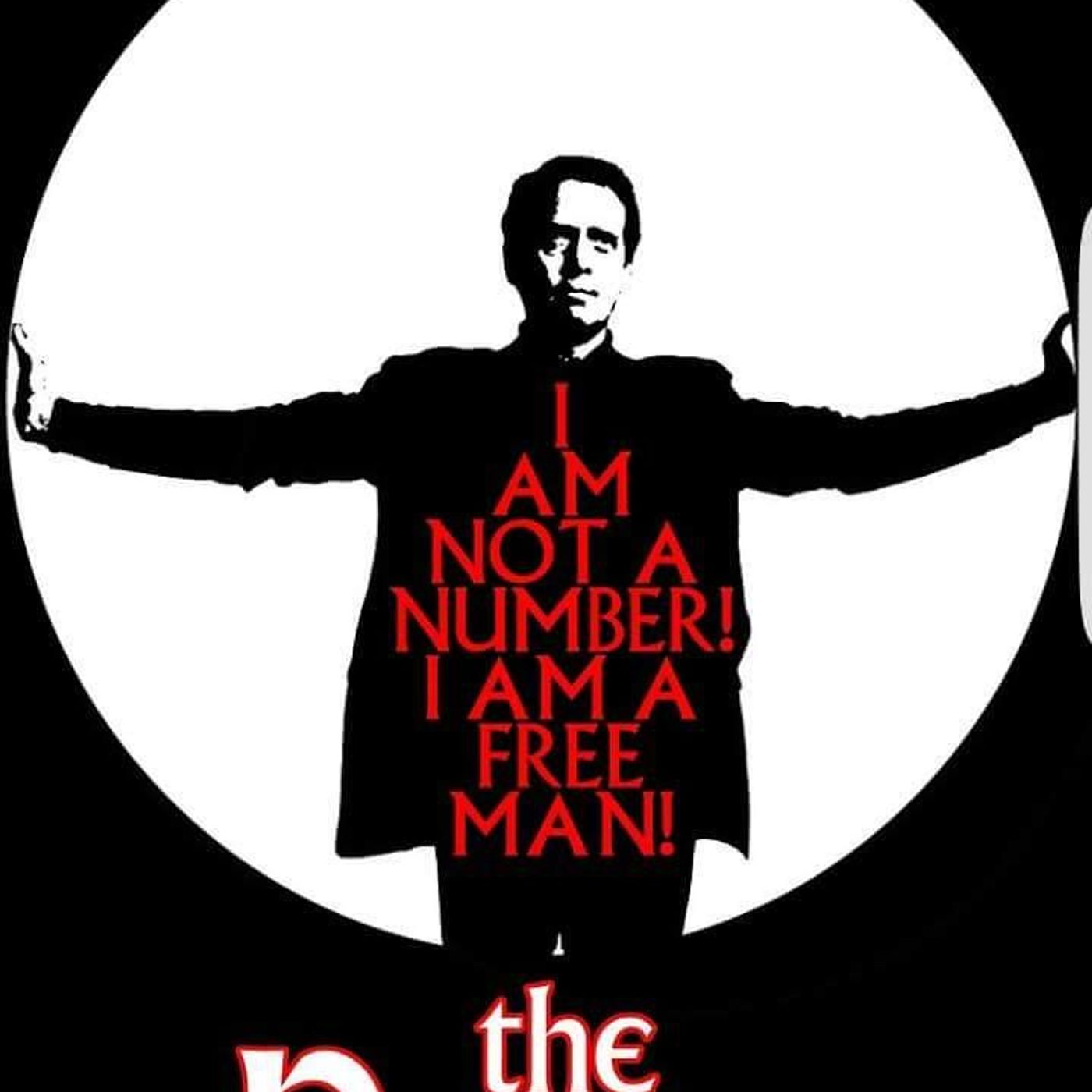
Hello there. I'm Cris Dash and I'm just Fired, and we're the host of the One Season Show podcast, where we take a look at TV shows that only lasted once. Each month, we tackle several episodes of the show, and on this episode, we are finishing our adventure with nineteen sixty seven's The Prisoner with episodes Once Upon a Time and the final episode Fallout. Thank god, you say every intro for like the last three episodes, you've just sounded more defeated and more defeated. Well, and this is this is my breaking point.
This, I mean, oh my god. So well, let's just get into it. So we're gonna have to talk about these episodes t tandem. Yeah, so because they are for once these you know, there's a two parter that actually goes together. Yeah, this is a two parter.
The first episode, Once upon Time, aired January twenty fifth, nineteen sixty eight. Fallout aired February first, nineteen sixty eight. The first episode is written directed by Patrick McGowan. The second episode is written and directed by Patrick. Both directed by Patrick McGowan.
They're both written by Patrick. His name is all over the Folks of Note. Leo McKern returns as number two. We also have Alex Kanner who plays forty eight. He was the young kid in the Living in Harmony episode who kills himself in that episode.
And also Angelo muscatt is billed as a part of the episodes. Finally, the gentleman who played the butlers. Once upon a Time has number two, a former number two returning to the village to try and break number six once and for all. And then fallout is the fallout of the breaking of number six in the previous episode. And uh yeah, boy boy boy boy, boy boy boy.
Well, now I wouldn't say that it's the breaking of number six in the first episode. Well, here's here's the thing. You could interpret it as this entire second episode as a dream, and that he wouldn't. Well, that's one. That's one that is one accepted fan interpretation of fallout is in Once upon a Time, number two broke number six and he went and sang, which I didn't get.
I feel like that's a bit of a stretch. Yeah, I think so. I mean, that's a that's a fan interpretation that I have read. It is not only on Wikipedia, but it is on several other places that that is an interpretation of the finale of the show, which I think the show doesn't give a shit enough about its own finale, So any interpretation, I guess is as good as the one that they the literal images that they gave us on screen, which didn't matter to begin with. Well, I mean so reading about these episodes after we watched them, Patrick McGowan went and I think it's the documentary Don't Knock Yourself Out where he essentially says that the sort of message and overall idea of this show is that man is a prisoner unto himself, and you're sort of just destined to keep doing the same shit over and over again, just to spite yourself, you know, or despite yourself, and even if you're wanting to move forward and do something different with your life, like you know, Number six resigning at the at the beginning of the show and not wanting to be a spy anymore.
But still he's consistently you know, pulled back in. So yeah, episode sixteen, Once upon a Time is actually what it is is Number two returning mccern basically runs Number six through this sort of like series of lastice efforts to um like regressive therapy tactics, so he puts number six in like a trance, and at the very beginning he number six is regressed all the way back to being a child. So the very beginning of this episode is number two. And because we the opening is different corrects for this episode, so we start out with number six is effectively a child. So we're in this weird room under the dome that's like an oversized or no amusement park but playground with seesaws and swings and teeter totters and all kinds of shit, and it just keeps, you know, one experiment after the other.
As we have a situation, it's always a posting. Number two is in in a position of authority over number six at whatever brain state he's at. So at one point in time, there's like a sort of prisoner of war type, you know, situation, and they're all geared to getting number six to tell why he resigned, and of course none of them work. Eventually, I guess he gets his mind back and number two kind of has a breakdown and I guess dies, and number six demands to see number one and then they say yeah, okay, sure. Finally, like there's no more like this is the ultimate final test I guess, and supposedly Number six one or beat it or whatever in theory as to how he's you know, how he's led to be let be believed anyway, and he is taken even further down.
And that's kind of when we just kind of slip slide into episode seventeen, which is fall out, because episode sixteen, for a good majority of it is Number six acting like a child. Well he's he's the I mean, you know Number two is using regression therapy. Yeah, he's regressing in like you said, to a childlike state. Uh. And this is all based around um, Shakespeare's Seven Stages or seven Ages of Man.
Right. Um, So it's you know, it's an interesting premise, but again I think it compt for me. They don't explain. I mean, I had to go and read on Wikipedia, and you know, yeah, there's a lot of like, yeah, there's a lot of I guess references and things in here too. If yeah, if you aren't super brushed up on British lit and you know, philosophy and history, then you aren't you know, going to catch all of these things.
And I'm not, you know, I can't say that I caught everything. I also, you know, found out that bit of information reading on Wikipedia. Um, and I don't mind refs and things like that or illusions and things like that. I just this episode is, episode sixteen is just so scattered and you know, hectically edited and nonsensical. I mean, the thing is, it shouldn't have been nonsensical, right, But evidently during this uh specific episode, what's his name puts a heart attack?
Yeah, roll differing accounts whether or not he had a stroke or a heart attack, but yes, because of how intense I guess filming this was. And then they also said that uh, he and Patrick mcgoudin were both so into their roles and what they were doing at this point that they used the U and believe they said the actors were in a psychotic states. Yeah, yeah, which I mean you can kind of feel it this episode does. This episode does have a lot more energy than a good majority of the last few we've watched, because the last few we've watched just felt as they were for filler episodes, and they felt very flat, and they felt just kind of like everybody was phoning it in while they were there. But even though this episode is pretty like I said nonsensical, and it doesn't really it doesn't really matter up to this point, but it did at least have some entertaining qualities to it, and at least was what I appreciated most about the last two episodes is that it at least decided to fully commit to the absurdity and surrealism of it.
I just wish if it was going to do that, it was going to it did it earlier in the game. In the game, yeah, I agree, because yeah, we as we slip into episode seventeen here, things just get really really absurd. I like the idea of degree absolute being you know, it's dangerous for not only the person who they're trying to use it on, but the person who's doing And I mean that's what happened, is the degree absolute backfires and number two ends up being the one affected more by it. Right, And that's what they refer to as these sort of trials that number two is putting number six through the degree of absolute, it's effectively to the death situation of one of us is going to have like a mental psychotic breakdown and die effectively, right, And so number two seemingly dies.
Sure, again, there's there's fan interpretation that that number six is the one who actually, um you know, has a mental break, and then everything from you know sixteen the end of sixteen onward through seventeen is him having a mental break. Whatever. I didn't interpret it that way, and I think, I think if that's what it is, that that is as bad as what they did on the episode the girl who was dead. It's all a dream, and I don't feel like that is what it is, just because of the fact that Patrick McGowan is saying, like, and when we get through to the very end part, but there it's a inventially just like he more than likely doesn't escape the village, but well we'll get to our personal and so so number two dies and then number six goes I want to be shown to number one.
Yeah, so supervisor shows him to number one. Yeah, just like that. Finally, I guess just because this is the final test. So fine, he wins, but it does just kind of feel like, oh okay, now we just sorry, we ran out of things. So they go to number one, which is seemingly a giant metal cylinder with an eye on it that says one, Well, that's what we're led to believe at the beginning of right and there and where this eye is, there's supervisor played by Peter Swanwick and uh A president played by Kenneth Griffith, and there's this kind of delegation of all these like masked folks and Number six is sitting in the center and he has apparently won the test and he has the right to be an end the show has completely gone off the rails.
Yeah, I mean, you know what, I don't hate the idea of this whole life. You you won your right to become an individual likes as you know what they're doing. I get that because there's a point in this episode. So he ends up down in this bunker type area, which I actually thought looked really cool. I thought the set design and everything again, you know, it's just as good as what the village looks like up top, but because it's subterranean and it's new, we haven't seen it.
It was just really, you know, like it was refreshing to get a new area to be in, and I thought that it all looked kind of interesting. And I mean there's it's all this weird mix of black metal and shiny metal and you know, steam and all kinds of different you know, machines and stuff that you don't really know what they're doing. They probably really don't do much, but there's all these people working there, and so yeah, he's and we go down there. We kind of get this weird eyes wide shut kind of deal where there's all these people in these hoods and these white hoods and white robes but not in like the k k K kind away, in more of an eyes wide shut way, just not black robes. And they have these sort of dual you know, tragedy masks on and I liked that.
I thought that was all really interesting. And then yeah, number six comes up to one that has a number one on him and he reveals it there is it's him, but okay, okay, so number two who does it looks like Number two who dies comes back. Yeah, they rewind him essentially, and I've seen that, Like they rewind him on a screen and then he's back to life. I guess. Well, and this had been filmed so much later than the previous episode that I like almost a year had passed.
So episode sixteen was products the sixth episode that was produced. Episode seventeen was the seven teenth episode that was so they literally had like eleven episodes that they produced in between those two episodes, so Leo mccern looked different as it is. So you can actually notice if you watch when they put the shaving cream on his face and they bring him in there, that it is a fake beard on his face, which is super Yeah, So they bring numbers two back. Number two turns out that he is a He is a prisoner, just like everyone else. Number two and number forty eight or escorted away.
And then like you mentioned, number six goes into a room where there's a masked person watching the proceedings, wearing the button that's his number one. He pulls the mask off for some unknown reason, there's a monkey mask, the gorilla mask, and then he pulls that mask off, and then it turns out that it looks just like number six, which right is never explained. And then this figure who looks like number six runs away from the area that they're in. He goes up this hatch and runs away, and then number six is seemingly stuck inside out of this rocket. And like in Once upon a Time, I like the girl who was dead, Oh yeah, the girl who's death, which they which by the way, they reuse the set from that episode, which is why right, So, yeah, he launches the missile, everybody goes into a panic, number two, Number forty eight, number six along with the butler escape.
They drive away and the village evacuates and Rover is destroyed, and the Beatles play for some reason multiple Yeah, there's a weird amount of music in this last episode. That so when he's going down into the you know, subterranean layer, you hear all you need is love playing, And I was like, wow, budget for this episode evidently. Now I don't know how much it costs to license a Beatles song in nineteen to sixty eight might have been Yeah, that's true, to keep the licenses the bigger issue. And then we have the other song that's very prevalent in this episode, which is dem Bones you know, the your next HiPhones? Yeah, your hipphones connected to yours?
Yeah, that fucking song. That's a whole song evidently, and for some reason, Number forty eight is just singing it as sort of like I guess, like to taunt the village superiors and to kind of make a mockery of them. And it takes up a weird amount of time and has a weird amount of like screen time, like you know, like screen space this song does. Yeah. So the reason that I don't think that this is like that it is Patrick McGoose like that it is number six is entirely is just that reading after the fact, because again, nothing is told to you in this show.
Everything that like I you know, all the interpretations and everything that Chris and I are talking about are things that we've read outside of the show, because nothing is in my opinion, you know, my answered really um. But Patrick mcgoughan is saying that because of this whole idea, that the the overlying theme and message is that man is a prisoner unto himself, and then no matter what you try to do, you're doomed to just kind of keep repeating the same thing. And that when he reveals the other you know, number one is number six, it's it's not fully him, it's his other half, like it's all of the bad stuff that he's been trying to avoid to like, the whole idea of violence never pays off, which is hilarious because in this episode, like they gunned down pretty much everyone Patrick McGowan does like as because once he starts to launch the rocket.
It sends off this panic alarm of evacuation throughout the village and everybody's trying to you know, evacuate. Obviously, Rover gets totally deflated by exhaust fumes. I guess which I mean it is a balloon, So yeah, okay, that makes a um yeah, it's it's supposed to be sort of this like duality thing of it's just his other half, his good you know, his good side versus his bad side, and that oracle nuns courtesy of our right right. But if if this had only been seven episodes, I think it would have been much more palatable allegorical uh nonsense versus seventeen episodes straight of it. Um yeah, man.
And then they end up in London, um, and it's effect. It's basically they drive to London, even though they said that the village was in like the like Atlantic, the African. Okay, but where did the rocket go? Just number six isn't a rocket? Number six is in a rocket?
He flies away and then all of a sudden, Yeah, we're in London and it's him this butler guy that has appeared in this episode. Number forty eight and number two, um are all now in London, and they dropped number forty eight often just like the middle of the road, and he just starts to hitchhike for some reason. And then we go back to London. They get stopped by the cops. They all go their separate ways, and Patrick McGowan is taken by the butler to his apartment where his car is there.
He gets in the car and essentially the credit, the opening credit see when starts. You forgot to mention. And so the door at number six's house makes the noise that the doors make at the village exactly. And that's why I'm saying, like, yeah, I'm of the mind that he is still in the village, that this was just even yet another more elaborate thing to make him lose his mind. And I think that this one maybe worked.
I'm of the mindset that he escaped. But that noise is, that's again this subtle nod to if what Patrick McGowan wanted was, you know, you are trapped in your own mind. Well not you are trapping your own mind, but the duality of mankind. You are, you know, a man as a prisoner unto himself. I think that noise is.
I think that noise is just a subtle nod to the idea that even though he has escaped, he can't escape himself, right, which I mean's you know whatever. The village is a construct of our mind, look and see you know what that I get it, and I don't mind that allegory. I really don't. But honestly, this would have been if the prisoner was something framed in like a Black Mirror or a Twilight Zone episode or like series where maybe everything is set in the village but it's different stories, and then this whole number sixth thing was one story on its own, that would have been fine, Like if it's just you know, the Twilight Zone is effectively just a bunch of cautionary tales too, that's what it is. But they're all individual stories.
We're not trying to also piece together a narrative as an audience, as you know, you're just inclined to do And maybe we're more inclined to do that than people who would have been watching that this at the time, because we're of how we've talked about TV is very different for us than it was back then. And if a show's not posed in a way that you know, you're supposed to know that it's not meant to be taken as a direct narrative and more taken to be as like bite size than I mean, I guess that's more of a failure on the show for not communicating that. But yeah, I think that this is just every episode is just a more and more elaborate way to try and get number six to break and the last two episodes or the ultimate and I guess, you know what, if that's what the show is, then it did succeed because these last two episodes were totally absurd.
I mean I was laughing hysterically at one part and in this like which is when everything starts to really go down, and in the final episode. M but that's what I'm I wish that they had leaned into that absurdism and surrealism harder in more episodes than just leaving it into these last two. Do you want to know who feels like the per in this show? It feels like we were the prisoners to the show held us hostage for way longer than it needed to and that's the kid. And look, you know, if you listen to interviews with Patrick McGowan after the fact, the audience response was so poor that he hid in the mountain for two years until it calmed down.
And you know what, if the show was as a big of a hit in the United Kingdom as I assume it was, and it still is an important piece of fiction to come from the United Kingdom, I don't blame people for being upset because it this episode sucks, it really does. And the end the finale of this show sucks, it really does. I mean it's not making me as angry to go, like, you know, go defile Patrick McGowan's grave. I mean, like these people were angry to the point of, like right, like sending death threats. I mean people do that now.
Yeah, sure, I mean times haven't really changed in that respect when it comes from now, It's is much more direct now. But my point being like this, this finale to this show lived up to how bad I expected one hundred Yeah, I mean it just shirks. I think that it shirks even its own themes with wanton abandon all of a sudden, they're just killing people with machine gun. Okay, that I do have an issue with because I don't understand the whole I don't understand most of it is the problem well, I mean, okay, yeah, fine, like where it is all of a sudden, like why is why is the village all of a sudden close to London? Why are they killing Well because he didn't actually escape and he's still trapped in the village.
Chris, Yeah, but that's not the case because the show I think it is. But here's the thing. The show is way too The show in and of itself has in the past made it very clear when they don't escape versus when they do escape, And it's pretty clear that they escape. I don't know, I don't think they do. But why would number two escape it?
And why would number forty eight escape? Well, but number two always goes with them and these weird escapes like they always appear in the in the real world. I don't, I can't. I don't have any answers for forty eight. That's just a weird thing.
I think that I just do think that this is just a continuation of building and building and building on like elaborate ways to try and break Number of six is mind and absolutely one hundred percent making him believe that he got out for sure would be the way to do it, or at least you know, would be a way to try and do it as they have before. Oh I get it, and this has been as so Yeah, I don't know. I do think that it with Patrick mcgoughan being mister allegorg and trying to say, yeah, he got away, but even though he got away, he's still a prisoner to his own mind, in his own psyche, and I think that that's what he's going like, that is one hundred percent what he's going for, because he seems very much dead set on this show being a massive alleg mass, right, yeah, And I mean I would like to know, and I we are going to do like a follow up episode where we talk about some documentaries and stuff, so I am interested.
I'd be interested to know what Patrick McGowan's you know, what his inspirations and things he was drawing off from were, you know, if he was he a fan of the Twilight Zone. I don't know, I you know, I would want to know some of those things. And I think that, you know, honestly, what it comes down to is the Prisoner is extremely flawed. It is not a cohesive story, and yet it leans real heavy on allegory. But I think that it was probably something.
I mean, it seems very evident that it was extremely personal to Patrick McGowan, and I think that it's you know, I think we mentioned this before in another episode where somebody on crew mentioned that they think that this was just Patrick McGowan having a mental breakdown on paper and you know, or you know, a midlife crisis or whatever on paper. And I can see that, you know, being the case. I think that there was probably some stuff in here that he really did truly believe in, but it just didn't a because ten episodes had to be shoehorned in, you know, within a story that he himself, you know, decide, you know, I thought was complete and was only supposed to be seven episodes. So there's that, and you know, interference with studio, interference with other talent, interference with other writers.
It's again, there's a reason he probably never wanted to talk about this show anymore, because it was it didn't turn out at all how he wanted it to be, and it seemed like it was something that was probably very important to him in the long run. You know. I think ultimately this is the real truth behind all of this. Is doesn't matter if either of our interpretations are right, this episode is a failure. I mean, yeah, yeah, this is your interpretation of him not ever escaping, my interpretation of him escaping but still being a prison.
You know. I don't know, they're kind of the same outcome either way. I don't know if it necessarily necessarily is a failure though, because it's on par with the whole rest of the show, which I would consider the rest of the show to be a failure. Wow, because I think that only lasted one season, so you would not be wrong, you know. Yes, I understand that the show was you know, samarily dismantled and put back together in a different form by a studio and other things, you know, co creators whatnot.
But that that doesn't change it. That doesn't change the fact that this is what we got and this is what we want. All the excuses and reasons aside, they still filmed it, still put it out. Patrick McGowan's name is still on everything. I'm sorry, that's that is the way it goes.
Well, yeah, you're not gonna you're not gonna shoot something and then not put it out and took his name off from some episodes. Why didn't he take his name off? Why didn't he just disavow it completely because, like I said, I think that there's some things in it that are very personal and important to him that are in these shows and in this show. And what I think it comes down to is it's sort of, you know, it's it's one of those sort of creations that the artist creates merely for themselves, and they have, you know, the added benefit of hat or you know, disadvantage depending on how you view it, of having an audience to also view it. And I get it.
I mean again, I just I think that the show is a massive failure because it you know, you could see it as a missed opportunity, but I think I see it as a massive missed opportunity. I see it as that too, But I also see it as a failure because I think massive failure and missed opportunity are they're in the same kind. They're on the they're the same head of the same coin, or they're different sides of the same coin, but the question becomes what is the thing that separates one from the other. Missed opportunity means there's still stuff to like about the show, and there's some interesting ideas they just don't land all of them, or in this case's show, almost any of them. And a massive failure is something that feels like it spun its wheels and was making excuses for why it wasn't good.
And while, like you said, there are seven episodes of the show, and there are ten that were you know, quote unquote filler or quote unquote extraneous, I find a hard time, you know, sitting and saying, well, that's a perfectly fine excuse, because even the seven episodes that we did get, I mean again, well you know, when we talk about our order and everything else, it's not like I'm sitting back and going all there were seven episodes that I would rewatch in a heartbeat, there's like three. And so there's three episodes. There's supposedly seven that are the ones that are the quote unquote cannon that Patrick mcgoughan wanted to be the seven, but I only remember really enjoying like two or three maybe, And in my mind, that's less than half of the episodes that were supposedly great or part of the actual straightforward story.
So in my mind, it's a failure, and I think it's unfortunate. I mean, you know, all of the reasons aside for why it was a failure, and everyone pointing fingers at one another and saying it was you know it was you like doesn't get anybody anywhere because ultimately, ultimately it's like anything else, success as many fathers and failure as an orphan. No one's gonna take responsibility for this show being a failure, especially on Patrick McGowan, especially, not George Markstein, especially not i TC. No one's gonna take credit, and everybody's gonna point fingers at each other and say it's your fault. Mcgoon will blame everybody else, everybody will blame McGowan, and there you have it, and then everybody blames the American So it's a failure because no one will even take responsibility for the show not being good.
Come on, someone take fucking responsibility for the show being a failure. No one will. Yeah, I don't know. I still fallen on the line of it being a missed opportunity because I do find things to like and I do find things interesting in it, and I do you know, yes, agree that, you know, sure there are a lot of circumstances that went into making it bad, but you know that's still that's that's the fault of the people who made it bad. You just you did something and it didn't work out.
Um, I just don't think that it didn't entirely work out. I think that, you know, as a stepping off point, it opened a lot of doors. I think as an experiment, it was you know, extremely you know it took. It was extremely ambitious for nineteen sixty eight, nineteen sixty seven, And you can be an ambitious failure, right well, well yeah, people fail up or adult exactly. But just because it's doesn't mean again, in my mind, just because it's an upward failure doesn't mean it's a missed opportunity.
It's just it was just an upward there's but there are good things to like in it. I don't know, I'm not disagreeing with you. The problem is is that those things are so drastically outweighed by everything else that, in my mind is just like I would rather watch something else that does those things better and just go, yeah, this show, this show had a hand in shaping that. But but so what And again, I think it also comes down to tolerance and taste for it. Like I said, I would rather watch episodes of the Prisoner again than episodes of Kitchen Confidential again, because it's not my style.
Really, it's not, you know, for a show that is a show that I wouldn't otherwise have watched. I enjoyed it for what it was, but it's still not something that again is in my wheelhouse and that I keep going back to. Now weird you know enigmas of shows, and I am kind of occasionally entranced by, you know, spectacular failures I find, I don't know, I would rather have this on in the background with its weird shit just happening. And yeah, as a narrative, it's a total failure as a constructive story, but as you know, as something committed. I don't think that it's a waste of film.
I personally don't. I don't a lot of it is a waste of film. When you have six or seven episodes in a seventeen episode long show that, oh, I think ten of those episodes are a wasted I think more than ten are a wasted sign because I think a lot of the episodes do the exact same thing over and over again in a way that is neither interesting nor exciting. The first, second, third, or fourth time they did them or fit and see the reason. I feel like it's more of a missed opportunities because I feel like if they didn't have to waste time figuring out ten more stupid episodes, they could have spent more time on the seven episodes, making them better and flushing them out.
Yeah, but that's giving them the benefit of the doubt, and I can't, well, well, I mean that's that's up to you. I agree, you know, I mean, I think again, you have you have a creator who I mean again, you know, Patrick McGowan, God rest his soul. Patrick McGowan clearly was trying to do more than just tell a story about a form resting to do too much. He needed people to help him ran in. He unfortunately didn't have help people to help him ran in, And this is what happened.
You put together a team, it either works or it doesn't. Unfortunately a lot of the times it doesn't because it's people are fickle and it takes a lot of different hands to do shit like this. And if you have everybody, like you said, wanting to point fingers and blame and rather than actually being committed to things, then yeah, you end up with situations like this, which is exactly what happened Patrick. All Right, you have how many cooks in the kitchen blamed everyone? Too many chefs, too many people who want to be like in charge of or have their name and be like, this was my idea.
But then doesn't you know, want to And that's just that that happens with a lot of shit. But I don't know, I still find this show. I'm glad this show does exist, because without it, a lot of other shit might not. You know, it is right again that you won't get a disagreementatomy on that one. So but at the same time, the shows that came along did it better.
Yeah, but the cars we have now are better than Model T So time no one looks back at the Model Tea and goes, that was an amazing car. Well, I just look back on it and go this this means to an end. I mean that's what this is, right, I mean, this show was a means to an end, was it not? It was a means to get something. Yeah, it was a means to get something more down the road.
And this is I mean, this isn't it? And look, I mean again you know to me and you and I very rarely disagree on anything, and you know, this is the first time that you and I have very much disagree on anything. But I just I didn't like it. And like, the sad thing is, like, I remember the first episode we recorded, it was so I was I was so excited for this show and so excited for the prospect, and yeah, it's it ended up completely losing sight of what made it good by the end of the show. Well, I mean maybe well, I mean that's the show's own goddamn well, right, that's true.
Who's fault? I mean, there are plenty of episodes that I was like, oh my god, please just end. But and also like the pace that we're watching them. I mean we've been watching them pretty consistently for a while, and uh yeah, I mean I don't know, there's especially being like a who being a horror fan, I am probably maybe a little lenient on things. I mean, I'm I'm here and there, I'm lenient.
The issue is not leniency. It's seventeen hours of TV and three episodes are good. Yeah, I wonder if any were any of those three the extraneous ten or what they all see. That's the problem. Like, like when I freeze it that way to you, you understand my point.
It's like, right, seventeen hours of televion. Okay, seventeen hours of television. Let's put that in perspective for people. Seventeen hours of television. What could you watch in seventeen hours.
You could watch two of the three seasons of Westworld. You could watch the first almost two seasons of Game of Throw. You could watch the first two seasons of Dexter. You could watch the first almost what two seasons of The Sopranos about season and a half or thirteen episodes each. And so I mean you can watch Yeah, don't get me wrong.
There's a lot better stuff to watch, and it's but also we have to understand, we have we have to kind of you know, this is our own doing and picking shows that we know. All it lasted one season, so they are kind of doomed probably to fail in plot eventually. I mean it depends. I mean it depends on when I would say, as much as I wasn't a fan of Werewolf, Werewolf was more of a success than this show, which is narratively I would think narratively, yeah, because narratively fine, Yeah, quality one consistently fast, right, yeah, I mean, well because it fell in another it's another one like this where it's a very formulaic show. The Kitchen Confidential is, i mean, has its own problems with formula but there's it doesn't quite feel like every episode is sammy, like is as sammy as this and where Wolf Were has its own problem.
I mean, all these shows are going to have problems. Yeah, well, Kitchen Confidential had the problem of also like, um, you know, Kitchen Confidential had the problem of not being really not quote with the times. No, yeah, there are a lot of Yeah, there's a lot of things in Kitchen Confinential that had not problematic things. No, And I mean I guess that you can't really say. I mean, this show The Prisoner is pretty void of you know, devoid of anything like that, because it's just about number six and this whole same thing.
I mean there it's written by Patrick McGowan, who's a devout Catholic who seemed like a no fun nick of the highest order, right exactly, the show is this show when it's created by one person, as the show seemingly was, it's very uh indicative of its creator. And yeah, Patrick McGowan, same guy who turned down James Bond because he was su permiscuous. Seemed like a kind of rather boring, stiff upper lip British gentleman. Yes, yeah, like you. And then and then definitely comes down to it too, like when you have people who are these writer directors, you know, their voice, in their style comes through.
And if there that, you know, the type of person they are is going to come through, the type of energy they are is going to come through. So yeah, no, this show definitely has faults. I don't I don't disagree. I just I liked it a bit more than you do. Yeah, I mean, like I said, and there is an entire community of folks online devoted to this show that love.
Yeah, there's four documentaries. Yeah, I mean, we can't, we cannot under we can't. I can't understand how much this show means to a lot of people. And I can't understand how important this show is. I think television pop culture as a whole.
But at the same time, I don't think it's a successful show. But again there's I mean, there's a lot of things that good that came of this show. But you know, I would I would love to see you know, a show a version of this where it was all exactly what McGowan wanted, and then at the end of that, if it was pretty much what we got here minus the ten episodes, my response would be the same thing, Right, well, you do you changed nothing, Patrick McGowan. It's the exact same nonsensical allegory that you already put on screen for right. So, but it also would have only been seven hours worth, sure, sure, which may have you know that okay, may have been a little less you know, aggrieved because you didn't have ten extra hours.
I completely on it, I mean, you know it. There was there was episodes of this that we recorded where it felt like a slog because the episodes that we were watching were just so bad, right because they very clearly didn't care on some of those. So, but we have finished. We have finished it in another season. One of these days, We're going to watch a show that's like just really good, and I'm feeling why did it get canceled?
As much as I love Catching Confidential, like I'm talking something that like blows us away, right, we haven't seen that yet. Nope. But we are still a young show. This is still only the third season to the show, so that could be coming at some point. Yike, yep, what was with the monkey mask?
Yeah, I don't know. I don't. I don't get that. I don't, although you know, I didn't hate it because it kind of that whole end sequence had very Roger Corman elements to it that I appreciated hardcore, Like there were so Mask of the Red Death through Roger Corman. Vincent Price movie, Um, I don't know if you've seen it or not, but there's a point in it where this man is dressed up as a gorilla, a gorilla, and then he's sort of like buy Vincent Price's character, you know, made to act like a gorilla, and it's just like this really weird, unsettling energy that's really kind of surreal and absurd.
And I got that out of this too, which is why I kind of enjoyed the you know, I guess when the ship hits the fan, essentially when everything just starts to melt down and Patrick mcgoughan starts gunning people down. H Yeah, I don't, I don't, but I don't know specifically watch I a gorilla or monkey mask was there? I don't know. It's kind of like a Scooby Doo thing. It's like, now I'll reveal who you really are.
I mean, was there anyone Was there anyone in the audience's idea that the reveal was never going to just be that he was number one? I mean probably not then in nineteen sixty seven, that was not a common trope. Not really, No, like I assumed that it was either that or that it was a dree like. Honestly, I would have been more mad at this show if it ended the way that a girl who was death ended. If it was just Patrick mcgoughin telling his child a bedtime story as he like kisses his wife goodnight or whatever, that would have pissed me off.
But no, I mean I I just assumed that it was probably something that like that or something as you know, low hanging as that, especially knowing that it's an allegory. And no, I mean allegories are supposed to be. I mean they're usually pretty ham handed and you know, simple, because they're supposed to be, because they're you know, stories for everybody. Everybody can understand. This show is not simple, though this is probably one of the most complex.
I mean, it's not when you look at it when you when you when you really look at the show and ask yourself, Okay, what are its overlying themes? You can see those. That's not what we mean by this show doesn't make sense. It just narratively doesn't make sense. It's there's no story.
You're not following consecutive plot lines that are amounting to anything or linking to anything. This is all about the message. This isn't entirely a message show, which I can definitely see why that, you know, would people would be angry about that. I mean, you can see it now in things, you know, in movies and television now that have some really ham handed themes and messages to them, and people are upset. Like, I get that.
I think that this is I think the Prisoner is still a little less ham hand added than some of the stuff that we're getting now in twenty twenty. But yeah, it's still pretty you know, simple concept. And again we're talking about Patrick McGowan, who's, as we've said, devout Catholic. The only thing he ever did was you know, drank and probably probably naming curse. But and I guess evidently fight.
He had no problem with hitting people. He was probably a lovingly serial abuser. Oh yeah, I'm sure out again, not to defile his grave or cast dispersions, but come on, Sean Conners, there are some yeah, there's some traits that are equated to that personality type. Unfortunately, Oh boy, what a show yep, but we're here, we didn't. You can find me on Twitter at writer Jess Fired, And if you want to hear me talking about movies, you can find me on your other show, Chris The Culture Cast.
I'm on there twice a month talking movies. Every month is a different theme. And if you're into spooky stuff, true crime, horror culture, you can find Chris and I'm both at Scary's at the Scary Stories we Tell Podcast, and then I plug everything else on Twitter that I do so as for myself, follow me on Twitter, Casualty, Underscore, Chris one seasonshow dot Com at One Season Show. That's where you can find all the other seasons of this show that we've done. Mustaches and Martinis provided the music for this season of the one Season Show.
I make sure to check us out of BC. You