
About this episode
Screenwriter Tony Gayton and director D.J. Caruso join Mike to talk making the film — Gayton on writing the script and his run-ins with John Milius, Caruso on landing D'Onofrio for Pooh-Bear and his kinetic, music-video style. Rob and Jed dig into Amir Mokri's cinematography, Thomas Newman's score, and how the real, decaying Salton Sea — once California's desert Riviera, now a toxic ghost resort — becomes the film's rotting metaphor. Part of our Val Kilmer retrospective.
Transcript
Automatically generated, so expect the odd misheard name.
Hey folks, just a little intro before we actually start the episode today. I just wanted to let folks know what's going on with me. This is your host, Mike White. If you are on my socials, you might have seen that I got fired back in August of 2026. Don't worry, I'm okay.
I'm doing all right. It's probably the best thing that has happened to me in a long time. The job was... not good. And I got fired for the dumbest of all reasons. I liked a post on LinkedIn that was critical of the company I was working for.
The company whose stock price had gone from nearly $ 7 all the way down to less than $ 2 and had stopped giving any sort of dividends and is in some sort of receivership type stuff. It's not good there. And I liked that post and the CTO saw it and said that I should get fired. And then I was fired. So once I found out that and how stupid it was, I was really okay with things.
This is also giving me a whole lot more time to work on other things, work more on the podcast, work more on some writing projects. Of course, having a nine to five, is good insofar as having a steady paycheck, but everything else is going pretty good. I don't want to come on the air and ask for people to reach deep in their pockets as if this was some sort of a fundraiser for NPR, but I will say that there has never been a better time to join the Projection Booth Patreon, which is at patreon.com slash projectionbooth. Of course, if you can't afford to give, totally understand. I know how it goes.
If you want to take a few minutes and maybe share out some episodes on your social networks, tell friends about it, hire a Skywriter or any of those kind of things, that would be fantastic. Every little bit helps when it comes to that. Go over to iTunes or Spotify, rate and review the show. That also helps out quite a bit, and that is totally free. As always, thanks for listening, and let's get on with the show.
Hey, this is Emily Soderbach of Scarecrow Videos, Viva Physical Media. Hi, this is Matt Lynch, co-host of Viva. The Projection Booth podcast is sponsored by Scarecrow. Try out Scarecrow Videos rent by mail service. Choose from over 155,000 films and get Blu-rays, 4Ks, and DVDs all delivered directly to your door.
Visit ScarecrowVideo.org today. Hold your ears, folks. It's showtime. People pay good money to see this movie. When they go out to a theater, they want cold sodas, hot popcorn, and no monsters in the projection booth.
Everyone pretend podcasting isn't boring. Turn it off. Turn it off. Turn it off. My name is Tom Van Allen.
Or Danny Parker. Maybe you can decide who I am. Keep your eyes open. Nothing is as it seems. That's as good a place to start as any.
The mad world of the tweaker. The land of the perpetual night party. I am in. All right, all right, here we go. The alpha team is going to be situated in the elevator, all right?
The number two team is going to be situated over here by the stairwell. Now, every one of us is going to be equipped with. Night vision goggles for two-way radio. Come on, come on! Danny, you on, buddy?
I have to pass on this one. Pooh Bear did so much gack, they had to cut his nose off. Consider my proposition? Make me an offer. $ 250, 000. Looks like we got a deal.
Pooh Bear's in. Oh, you got the 411 on your good old boy. Pumped 57 slugs into a police informant. He thinks that you might work for the police. My name is Tom Venom.
Everything that you said is a lie. Your name's Danny Parker. His wife was murdered in the Salton Sea. I say everything to you. Yeah.
I know what you're thinking. Sometimes you see the world so clearly and. You know just what to do. Or what you should have done in the Salton Sea. I said, hey, babe, take a walk on the wild side.
All right. Welcome to the Projection Booth. I'm your host, Mike White. Joining me once again is Mr. Rob St.
Mary. Sorry, I don't mean to impose, but... I am the ocean. Also back in the booth for this entire Valhalla run is Mr. Jedediah Ayers.
Are you sick of me yet? This month, we are taking on Val Kilmer films as we continue with one from 2002, DJ Caruso's The Sultan Sea. Here, Kilmer plays two roles, kinda. Tom Van Allen, a jazz trumpeter who lost his wife in a robbery, and Danny Parker, a tweaker in the Los Angeles meth underground. Both Tom and Danny have a lot of secrets, and we're going to be spoiling those secrets as we discuss this film.
So if you don't want anything ruined in this twisty neo-noir, go ahead, turn off the podcast, come back after you've seen the movie. I don't think you'll regret it, and we will still be here. So Jedediah, when was the first time you saw The Salton Sea, and what did you think, sir? I saw it during its theatrical run. I was very excited for it.
I came in... probably for Val Kilmer, but I'd seen trailers and it looked like fun. And I had a great time with it. Came back to it maybe 10 years ago, wondering what I was going to think of it then. And I liked it again. I felt perhaps I was going to feel like it was too, a little too of its moment.
And that moment had passed and I was going to not care for it again. But no, I like it a lot. The more I watch it, the more I find a like about it. And Rob, how about yourself? Well, first time I saw it was for the show.
I knew the title and the poster, but I didn't know anything else. So I don't remember seeing a trailer. If it was in theater, it came and went pretty quick. And on first watch, there was a lot of influences and things that were in there. things that i like so for example i i felt a little requiem for a dream train spotting film noir obviously with the voiceover and the the jazz trumpet such i felt all the pieces were there on the first watch but like the tonal shifts in the edits for me as i was watching it it didn't gel as well as i would have liked visually interesting performance are great cast is stacked It just didn't hang the way that I really wanted it to. But on the second viewing, and I think this is because I was ready for kind of like how the parts were going to fit, it worked better.
I won't say that it's a favorite. It's something I'm going to come back to in the future or maybe 10 years down the road. I might rewatch it or something like that. But it was an interesting take. And I think that trying to get into this world of someone infiltrating the this world that he's not really a part of, I think that Kilmer does a great job.
And I think the story tries to seek to bring out that kind of mentality of someone who's splintered in that way, personality wise, and then the drugs being on top of it. Yeah. I'm trying to remember the first time I did see this and I think it was a rental and I don't remember kind of like you, I don't remember it coming out at all. I just remember it showing up at the video store. And saying, oh, what is this?
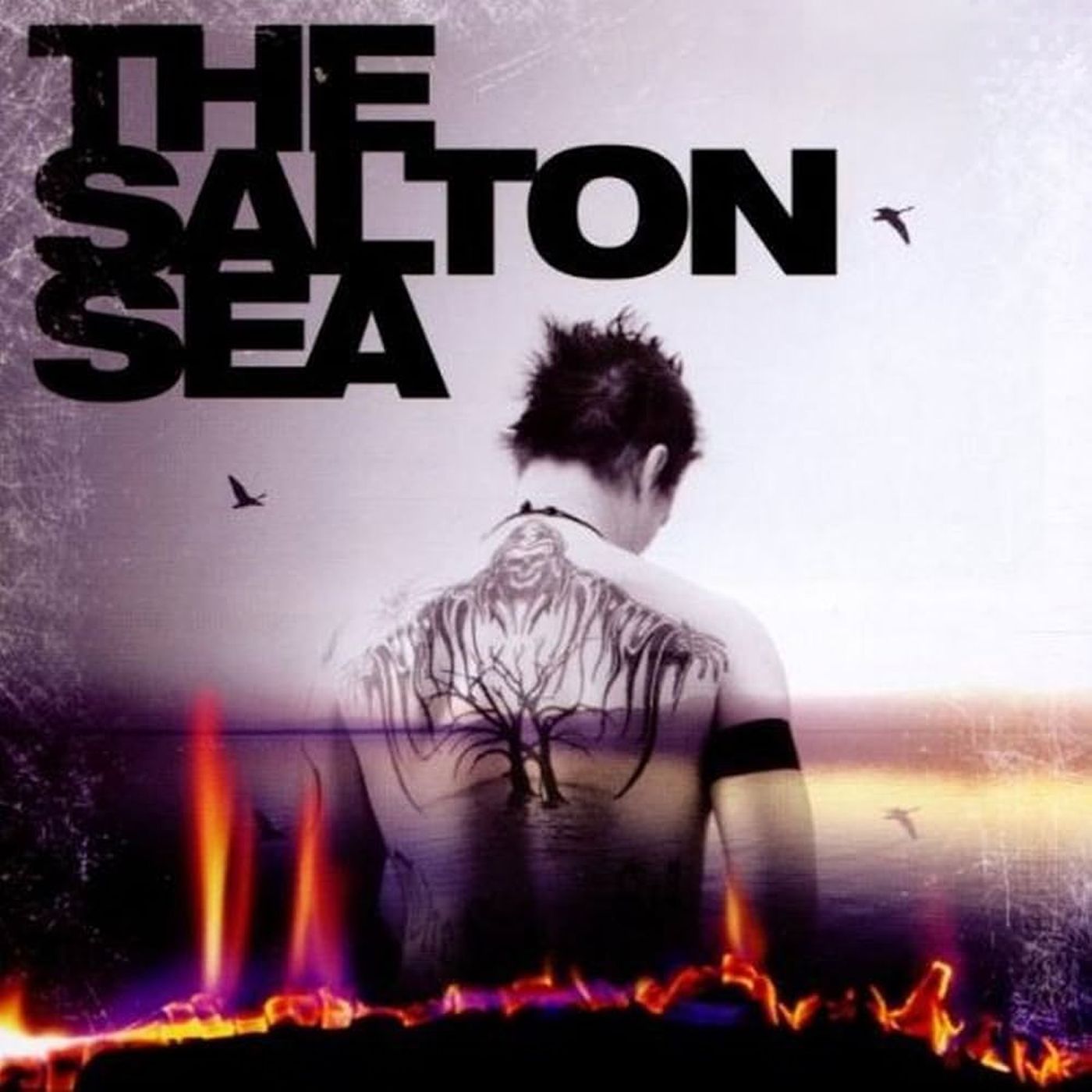
This looks interesting. The poster with him with the big tattoo across his back and the spiky hair. I had really no idea what this was going into it. And this was the time of tweaker films. Meth was everywhere, kids.
This was still when you could go to a drugstore and buy a whole lot of cold medicine. But can't do that anymore, folks. Yeah, sorry. This was a lot of fun for me the very first time I saw it. I really didn't expect the twists that happen in this.
And it's nice that there are little twists. There's a twist about 14 minutes in where you find out that Danny isn't just this tweaker that he is informing to the cops. You're already kind of puzzled because of the way that this thing begins with him in this huge room with the fire going and him playing this trumpet and the voiceover and he talks about how he's got these two names and who really is this guy and we have that voiceover of him explaining the history of meth and then we go into the story proper and it's like okay I don't know who this drug addled version of Val Kilmer is but I'm here with this movie and yeah they have these continual little twists and turns where you just find out more and more and I feel that it's a very good mystery and that even the going back to this and watching it for the podcast a few weeks ago, I was, I can't say I was surprised, but I had forgotten some of the twists.
And so it was very nice to actually be re-surprised by a movie that you haven't seen in so long. But I just remember really liking this one and I'm really glad that we are talking about it today. It's pretty audacious to start out a movie with your main character wearing a stylish hat like that and playing the Or maybe he's not wearing the hat in that opening shot, but he's playing a trumpet in a house that's burning down and he's making no effort to escape. That's a statement of purpose right there. And it works for you or it doesn't.
And I think the movie stays in that sort of very self-consciously stylish mode of Effectively, a lot of movies, I think, try for something like that. This is probably still the end, like the last few gasps of that post-pulp fiction Quentin Tarantino-inspired wave of crime films coming out. But as Rob pointed out, this is also very much piggybacking the success of something like Trainspotting and Requiem for a Dream and whose drug movie Spun came out the same year, I think, and I think maybe A Scanner Darkly a few. Years later is. Maybe still playing in this sort of stylish drug movie era.
So a product of its era that you can see in several ways, but I think one that holds up as both a post-Tarantino crime film and a stylish drug movie I think this is a good example of the way. As many of those movies. On both sides that have kind of fallen away and we're happy to be done with. I think this is one worth keeping around. It's interesting to me.
I was thinking as I got into it and it became about meth and I was talking to Mike before we started recording is I don't want to make this sound like, oh, wasn't those like such a better time? I don't want to have I don't want to have nostalgia for meth because now on the streets, it's fentanyl. And there's almost part of me that's like, you know what? You probably would do better on meth than fentanyl. But I was thinking about sort of my own sort of stories of life around the edges of the meth world.
And I didn't think about this until I started watching the movie because, like I said, I didn't bother to look anything up. I just came in cold when I signed up to be on the episodes. And one is, I now live in a town that a lot of people equate with meth, which is Albuquerque, because of Breaking Bad and Better Call Saul. It's actually a place where, touristy, you can get the blue meth. It's candy, rock candy, that you can get at the tourist shops and also on donuts at the local donut shop as well.
There is this sort of embracing and pushing away at the same time that I find interesting. But even before that, and this is around the period in which this movie was released, I was working in news. I was in radio news. And at the time when this movie came out, a few years after, I was working in West Michigan. And West Michigan had horrible meth problem.
And now you would say, okay, well, it's relatively rural. Grand Rapids is a relatively big city, which is where I lived and worked. At the time. But the thing was, is that people could get their hands on fertilizer and there were chemicals that they could get and they would steal them from the farms. There was that issue.
And not only that, but the houses were contaminated from the cookers that they not only had to tear them down, but they became like hazmat locations. And they'd come in and remediate the soil and do all this stuff in order for the land to be even like people could walk on it without getting ill. And probably the most interesting story that I remember being in the newsroom for was that police said that there was a guy who had a mobile meth lab. Now, this is not all that unique. But the thing was, is that he had built it on the back of his motorcycle.
And so part of me goes, this guy wasn't going for volume. It was probably for personal use. But the idea that you're driving around on a motorcycle with something that volatile that could explode just shows the level of need some people had during that lovely era. The whole idea of the cooking and all the chemicals and just this whole. Even the scene that they have in here of the cook and that amazing stunt where they have this guy on fire running out of this burning building.
This movie's not playing around when it comes to this. And it had a budget of $ 18 million. And unfortunately it made back, I think, one of that. This was not a well-liked movie. I was going through the reviews last night and there weren't a lot of kind things that were said about it at the time.
It was interesting, of all the reviews that I found, only the one written 14, 15 years later gave it any sort of attention and said that it was decent, and everything else was just like, oh, this movie's so terrible, and there's no characters, and it's just purposefully confusing. I don't know. I clicked with this one in a way that none of those contemporary critics seem to. And I agree with you, Jedediah, as far as this having that post-Tarantino malaise, for lack of a better term. The scenes like Cujo and Cujo's, the Adam Goldberg character, his robbery of the clinic where there's a Bob Hope stool sample.
That whole thing could go very easily, but I enjoy it. Or like the moments where there are four tweakers across this couch and they are pretending to drive. And then you have this, I think it's a really nice scene, this use of the chemical brothers. How does it feel? I think it's the name of the song and seeing them pretending to drive and they're all doing the same movements at the same time.
And then you cut to what they would be seeing if they were driving and this kind of, heightened experience that they're on and all this. I like those moments. They could easily just fall to the cutting room floor, but I just really dig that. And then even the introduction of Pooh Bear and Pooh Bear is definitely a larger than life villain. And he's kind of this, he reminds me a little bit of Gary Oldman in True Romance, as far as this dangerous character that you never know which way he's going to go. but I do appreciate just what a shit kicker D'Onofrio is playing in this.
And this was one of those films where I was just like, my God, Vincent D'Onofrio can do no wrong. And he just can inhabit a character so wonderfully. And just to see him with that bleach blonde hair and, and the big old boots and the shorts and all this, and then his whole thing of the Kennedy assassination playing out with pigeons that are duct-taped into this car. Just something about all of these little moments just really add up for me. And like you said, there's no better cast.
You've got throwaway roles being played by Meatlo for Arlie, Ernie, and just all of these great character actors. They have fucking Danny Trejo in here, and it could have been any actor, but Trejo just brings such menace to whatever roles he's playing. I just absolutely love whenever he's on screen. That really was why I loved this movie, was how much style it had to burn, and it was also why I was a little trepidatious about returning to it. I was like, how.
I'm not sure that's going to have aged well. And you're absolutely right as far as the story goes. You can drop those sequences and not lose anything. But as far as creating a mood and sustaining that, they're pretty essential. And they really are kind of part of the heart of it.
And Val Kilmer is so good. I mean, for somebody who goes big and gets goofy, as often as he did in his career, he's pretty underplayed here in a way that really works. He's got so many glazed over, what the hell am I looking at expressions in this, in the film that, that we, I don't know if there are takes left on the cutting room floor of him going big, but I think we really stepped out of the, I was thinking about the opening and the movie kind of feels like it's built out of several different tonal concepts. I was thinking about the opening and the movie kind of feels like it's built out of several different tonal concepts. The opening is very film noir-ish with the voiceover.
It's funny when you were talking about it, Jed, in the opening of the show there a few minutes ago, I had this image in my head because you're like, oh, he's sitting in the room and it's on fire and he just needs to be fine. And that's the prototype for the this is fine meme. On the internet. That's right. Absolutely.
He just needs to be playing a trumpet. So I'm like, okay, good. We come in, it's established. It's going to be very film noir-ish and all this. And then it feels like it shifts into train spotting for me.
And I'm like, oh, so this is the train spotting section. And so it was just weird kind of how these tonal pieces kind of fit together and moving between them. I had an issue sometimes with like you were talking about Mike, the heist of the stool sample in which there was part of me, like on the first watch and it became clear on the second where I'm just like, whose visualization is this? In whose head am I? Am I in Kilmer's head?
Am I in Adam Goldberg's head? What am I seeing? Like, where does this come from? And so when I got to the end where there's the bullet count one, that's similar in sort of that visual style, um, I was a little like, okay, I get it. It's interesting, but it didn't work for me that well, like the bullet count piece.
So some of the visual styling piece like that, I think it's interesting. It's definitely in that time, in that period. I don't know why it didn't hit me as well as I wanted it to. I think we're in Kilmer's point of view there as he's hearing the grand plan and he's visualizing You know, these dipshits, the way it's going to go. Thinking back on it, I couldn't remember.
It stuck in my mind what they were trying to steal was Madonna's pap spear. And I'm realizing, oh no, that was Slacker. Or I think it was Slacker, the Richard Linklater movie. It could have been an Abba turd if this was Priscilla, Queen of the Deserts. Yeah, I can see where you're coming from, Rob, as far as the tonality of this film is all over the place.
But I just vibe with it. And I appreciate the way that it switches around. I also really like that opening scene where you see all of these tweakers hanging out. And the way that Kilmer turns and looks, and I guess he's looking at all of them. But if he turned his head just a little bit farther, he'd be looking at us.
And every time he does that, I always think that he's going to break and make a little look at us looking at him watching all of this mayhem. Because Trainspotting is much more dire when it comes to showing the effects of drugs. This movie does not, other than Glenn Plummer, Mr. Ocean, I'm not seeing a whole lot of bad things that are happening around these people taking drugs. Because they seem to be having a really good time.
They seem to be more high, if it were me, I would say they're more high on dope, like the way on pot, the way that the girls are trying to sort the sock drawer and get all the socks in the right way and make sure that the drawer is level. That's what I'm assuming is going on. You've got the one guy who's working on electronics. You've got Jimmy the Finn, the Peter Sarsgaard character, and he's drawing and all this. I'm just like, oh, they're all having a good time, right?
They're all just chilling out. I love that Sarsgaard doesn't play a piece of shit in this movie. This might be one of the few times that I've seen him in a movie where he is not secretly or openly a jerk, which is really nice because I actually want to like this guy. And I find that, and I don't think I'm the first person to say this, but Jimmy is definitely the heart of this movie and the relationship that Tom slash Danny have with him. is really very sweet, and it's probably one of the few genuinely human emotions that we have in this entire film. Absolutely.
Peter Sarsgaard's got the biggest emotional beat of the whole movie, as far as I'm concerned, which is the reveal of the tattoo on his arm. He's got an Al Kilmer's head tattooed on his arm, and it's just the shittiest little, looks like penciled, etching on a notepad and Val Kilmer's face when he's looking at his own image is, it's pretty priceless. But yeah, that, that moment really gets me. It's a, it's such a sincere, sincere little beat. I think of Glenn Plummer and I think of Pooh Bear missing a nose and I think, okay, these, this is.
Where everybody's headed and they, they seem to be in pretty, pretty bad shape. I will disagree with that. No, not at all. Did you feel that what got us here for Kilmer's character was developed enough? Because there was part of me that felt like maybe another scene a bit earlier or something with the wife might have been good or another one that was layered in.
Because also on my first watch, I don't know why, maybe I blanked or something. But when he goes to visit the couple, the old couple, I'm like, who are these people at first? And then it clicked. I'm like, oh, okay, now I know who they are. They're parents.
Maybe it's enough or that it could have been a little stronger to really drive home the point of loss for him. The shootout scene, obviously, in the house is one thing. That's a whole set piece around that loss. But I don't even think we get her name, do we? We might say it may be once or something.
I also understand that probably all of those visuals, again, are his memories, so they're visually stylized in a particular way in terms of how memory and emotional memory is. I think the drivers there, I just think it could have been a little harder. It is interesting the way that they dole out the information, the backstory, because you're right, you could stack this in totally different ways. But I do think that putting most of the dead wife's stuff at the end of the film allows for the... There's a tension between...
Val Kilmer and Debra Cara-Ungru, but we're expecting this to be, they're going to be a couple by the end of the film. When that would happen and he shuts it down, after that, we get most of the memories of his wife. And maybe that does strengthen the tension there. But you're right. It could have been constructed, and perhaps in stronger ways. several different options there.
We definitely get a lot of information being thrown at you in the first, say 20 minutes of this movie. It's like you get the reveal of him working with the cops around 14 minutes in around 20 minutes in you get the reveal of the wife. And this is already, we've got him in between there. And also like that's also in the, This is a span of six minutes, right? We're getting the whole thing of like, here's Doug Hutchinson and Anthony, the Paglia.
Then here is Tom going back to his apartment and meeting Deborah Kara Unger for the first time. Then you get him going in the shower and showering all the green out of his hair. And then you get him putting on the nice shirt and hat and all this, and then him starting to play the trumpet. And that takes him into the memory of his wife. By the time we actually see the wife, other than the picture inside of the trumpet case, it's literally six minutes later.
It's 20 minutes into this film. So I can see where it's just like this, then this, then this. But I think this film definitely rewards for more viewings. But I agree with you, Rob, as far as when, and I like that reveal though. I like that he's is being followed.
He doesn't know exactly who's following him. He thinks it has something to do with Pooh Bear or maybe even Louis Guzman. And then for it to turn out to be, oh, it's this old lady that's been following you around. And for him to realize, oh, it's his dead wife's parents. And they're worried about him because they see him as this now drug addled person.
And he cannot, of course, talk about what he's really doing, which is this wonderful vengeance plot. I love that revenge fuels this entire film. We get him talking to the two cops, to Hutchinson and LaPaglia. We get him saying all of these things that he noticed when he was at Ocean's apartment. And even to the point of him talking about this little girl that's in the bathroom that we didn't see, but he knew that she was there.
That is the kind of person to me that can see one strand of red hair and make the connection that it's Doug Hutchinson and that him and his partner are shaking down these drug dealers and not. They're the most corrupt of the corrupt cops, which was great. And I really appreciate that he is so tuned into those little details that he can do that. And as a movie watcher, I'm really happy when I see a protagonist in a film like Columbo, right? Where you can just take all of these little things and just add them up into a bigger picture automatically. lot sooner than I can.
I watched some of the other films of Tony Gaten's career, and I'd seen them all and not put them together as the same writer, but watching them in close succession, something like Faster with Dwayne Johnson, Billy Bob Thornton comes into focus is it is very similar, dealing with a lot of the same kind of things. Vengeance and police and snitches and these very wild characters. That movie's got some very strange characters. I don't think it ties together as successfully as the Salton Sea does. But it did make me really appreciate films like that.
And even Murder by Numbers 2, the Barbash Raider movie. Feeling like, okay, with maybe a stronger visual sense or maybe without some of the possible budgetary confinements those productions had had, maybe we ended up with something that I liked on the same level as I liked the salt and soup. The other piece in there for me was the neighbor and Luis Guzman thread. What was your take on that? For me, that whole thing could be cut again.
I just love Debra Kyer Unger so much and Luis Guzman. But I know Guzman comes back at the end of the film and he's like, hey, surprise, motherfucker. Don't mess around with our gang or whatever. And I'm like, what? Still to this day, So I've seen this film probably four times now.
That one still leaves me scratching my head because I'm just like, how do you play into this again, sir? So I know if I thought about it real hard, I could probably come up with something. But yeah, that thread doesn't go to a lot of places for me. Debra Cara Unger. Thalcomer having some compassion for her and things like that, it does bring out, it does help sell his whole plan a little.
Otherwise, he might seem like just turned on a dime, went from being a dirtbag to being this sort of criminal mastermind as far as his revenge plot. I think that having her there does help bring out some other sides of his personality that, that helps sell that whole, this whole story. So that, do we need, do we need the little hostage bit at the end? I don't know, but I do think that having, having her there being threatened by Guzman, when her characters, not her characters introduction, but early on in her, maybe the second scene that she's in, I think it helps, helps the film. Yeah.
My thing was, uh, again, it felt a little, again, there's these tonal pieces and I'm trying to put them together. It didn't, I don't know why, but like I, I get aspects of why it works story-wise and stuff like that, but I don't know why it didn't work for me as well as I wanted it to, you know, and especially sort of the, the end reveal it's in, it's not really the end at that point that, That's why he's in the burning room. Like I say, on the first watch, it was much more jarring for me than on the second. I'm like, okay, cool. I think it works better.
And maybe once I get to a fourth viewing like you, Mike, it might work better. That's the fourth view guarantee. If you watch a movie four times and it doesn't work for you, call up Mike and he'll give you your money back. Even if you see it for free. No, I'm just kidding.
Right, yes. I will give you your freedom back. That's right. They call me the liberator. In here with the shootout piece and the planning, like you were talking about building in the fact of how observant he is, and Anthony Apaglia has that line in there where he goes, you're very observant for a tweaker, basically nudging us to notice that He's not really part of this world.
He's found his way in for a very specific reason, which at that point, we don't know why he's in that world. He just is. It's interesting. Like I say, it's written smartly. There's a lot of things in here.
I'm just trying to figure out why it didn't work for me in the way that I wanted it to. I'm like, oh, it's all in here. It's all in here. All of these things. I fucking love in other places.
Why isn't it gelling for me the way I want it to? The little kid. I mean, he looks like a little kid, right? The little African-American kid that's selling them guns. It seems like he's about, I don't know, 15 years old.
But he's like this young Stephen Prince from Taxi Driver, just giving all of these things about you know, these are my weapons. This is what I do kind of thing. I just, I love that scene of them buying the guns. And then, yeah, it works for me with the return of him at the end and that kind of like dream sequence, you know, like, did I say it was there eight? Was there nine?
What was it? That's a really big fucking difference. I really like that kind of stuff, but yeah, I can definitely see Rob where you're coming from as far as like, there are a lot of elements to this, I don't think necessarily all of them work, but I just have a real fun time with this. And I don't know, it just, it plays well for me. I find that something like Pooh Bear, Pooh Bear is only in the movie for just a couple scenes.
So having D'Onofrio play him and play him so big, I think makes a lot of sense. For me, he reminds me a little bit of Alfred Molina from Boogie Nights. Yeah. Where it's just like, you don't know what this guy's going to do. And his whole thing of telling that story, the very first time that Kilmer meets him, telling the whole story about how he cut this guy's brain open and has a little piece of it now and then.
That whole thing is great. And then his reveal that he's just fucking with him. I got you like a dog. And the way he holds up the socks and does dog ears and stuff and starts barking. I'm just like, Oh my God, he's just off the chain.
And I just really appreciate that. He has to be that big because he has to loom over the rest of the story. And we have to know that there's a real big fricking threat out there, but then you've also got the threat of the cops and the, Having Doug Hutchinson and LaPaglia play these two. Hutchinson, I think by this point, had done The Green Mile. Obviously he had been Victor Toombs and X-Files.
But he just plays a little shithead like nobody's business. I really like the dynamic and this kind of good cop, bad cop that they have going on. And you never know when those two are going to show up. And just this whole thing of them following Danny around and being like, oh, he's trying to have his own case kind of thing and the whole thing with B.D. Wong.
And B.D. Wong is just, I really appreciate him and his whole laconic cowboy thing that he has going. And when they make the reveal of that, that he's actually, what, FBI or another form of the cops, I'm just like, this is really nice. And The whole thing again, where you've got the guy who's at the table, he's just like, why the fuck should we listen to this druggy asshole kind of thing? And it's like, man, Tom slash Danny is so much better at your job than you are, sir.
The thing I wanted to be noted here is that if it sounds like I'm negative, I'm glad the director went for it. Because one of the things that I often talk about when I go to movies lately is that sometimes they don't. And I'm like, this should have gone a little harder. It should have been a little further out because then I think it would have worked better. So for me, I'm not knocking them at all.
I'm glad that they did this. I just need to watch it four times. Speaking of Aronofsky, what was the latest Aronofsky? Was it Caught Stealing? And I was just like, oh, this is an Aronofsky film.
I can't wait to see what he does with this and oh it's gonna have some wild visuals and i just had seen of all things noah and there's an amazing sequence in there the history of violence kind of thing and then i watch that i'm just like yeah it's all right but it's nowhere near as out there as what i was hoping for so not to to tear down that movie in defense of this movie but it's just yeah i agree with you go for it if you're gonna do it do it big. Yeah, Vincent D'Onofrio's character in Caught Stealing definitely should have eaten some brains or something. I would think so. I don't know if they're kosher, though. Right.
Yeah. Maybe if Carol Kane had them blessed by a rabbi, they'd be all right. After I saw that, I said, I want a side sequel with those guys. That's what I want. I want something to develop that story.
Yes, the Hasidic Mafia would be wonderful. I'm glad you brought up B.D. Wong because as big as a lot of these characters go, he does provide a really nice counterpoint because he is a, like you said, kind of laconic and mysterious, but very intriguing. Every time he's on screen, you're like, I really want to know more about this guy. So, yeah, he's worth pointing out.
And, of course, not the first thing you think of when you think of some of the wild characters in this film. But, yeah, every time he shows up, I think that. And also about the gun-dealing kid, he's fantastic. He brought up a taxi driver, but it was a different Paul Schrader script that came to mind. When I see him, I think of a light sleeper.
I think of all the drug-dealing scenes in that movie. Maybe especially the Sam Rockwell bit. I love Flight Sleeper. That one is just so underappreciated. The kid dealing guns is a really nice flavor for the film.
Also could have been Glenn Plummer's doing the tweaked out guy they got to deal with. And this kid is entirely professional, but great addition to the film. And yeah, every time D'Onofrio's on screen, it's one more outrageous thing than the other. That whole sequence of the badger. Jesus Christ.
That was unexpected for me and still remains one of the more terrifying things for me. I don't know anything about Buck Cherry, except they sang that song about crocane. So having the one guy in there from that band, he seemed like a pretty convincing dirtbag. D'Onofrio could get lost behind that nose. That could be his defining factor, is just that big, fake plastic nose that he wears.
But he's got so many other things. I love that wheezy laugh that he does. Oh, it's so good. What he looked like to me when I first saw him was, I don't know if you're a fan of the band The Minutemen, he looked kind of like D. Boone from The Minutemen.
Okay, I can see that. At the same time, I was a little thrown off by the fact that He is as heavy as he is. You mean like weight-wise? Yeah, because if you're doing that much, and he is getting high on his own supply. I don't know about you guys, if you've ever had any connection with amphetamines, both legal or illegal.
But I have the legal stuff. I was on Adderall for a short period of time, about 20 years ago. And in the first month, I think I lost 15 pounds. I could focus really well. But one of the things that my doctor at the time was like, you can't be on this forever because you have to keep taking a higher dose in order to get the same effect.
If he was as on as he was on, I thought he would be a little more skinnier. But that's just me. This is also coming on the heels of his turn in the cell, which was... He got to go super big and super stylish in that one, too. Very threatening.
Yeah, I was very excited for the rest of his career at this point when Salt-N-Seed came out. I was like, that guy's going to just be what Nicholas Cage became. The guy you can count on to really go hard in every movie. I wouldn't say I'm disappointed with his career but didn't didn't turn out to the way i was thinking it was about to go. It was sometime in the 90s where i realized oh the guy that was thor in adventures and babysitting is the same guy that was pile in full metal jacket and when i put that together and said that's the same guy there's no freaking way that's the same guy when i realized that it finally was i was like I want to know everything about this person, because if they can do that type of transformation, and yeah, that was his thing for a long time, was absolute transformation from one role to another.
Men in black? Jesus, yeah. I mean, come on. Part of the thing is that he is so good that he's underappreciated. I think that he doesn't get the same kind of accolades like, I remember when I was young and first got into film and everyone talked about De Niro and Raging Bull and how he gained all the weight to play the heavy Jake LaMotta.
And I'm just like, man, Vince D'Onofrio, every film, something different. Maybe that's the thing. I think that people get used to someone who has a similarity of effort or something. It's kind of like a band that plays similar music per album. And then they're like, oh, I like that.
And it's like his stuff, he can do range and his range is all over the place. Even something that's more straightforward, like his role in The Player is great. There's so much good stuff throughout his entire career. His directorial, not the Don't Go Into the Woods, but the other one he did with Ethan Hawke, The Kid, I thought was an interesting Western and surprised he has not directed another film since then, but that'd be a welcome step as far as I'm concerned, seeing him not have a directing career. His crazy role in Criminal Intent, was that the one that the Law & Order offshoot that he was in, where he was basically like the new Sherlock Holmes, but he had that whole thing where he would do the lean as he's talking with people, just his mannerisms, and he just No matter what it is, even if he's playing, I don't know, the brother-in-law in Feeling Minnesota or something, it's like he brings something to those roles.
And you really feel like this is a real person, not just a character that he's playing. Which is amazing when you think of how big some of these characters are. Like his Robert E. Howard was almost annoying at how big he was going with that. But I was just like, all right, you're playing it this way.
You are committed to this role. Much like the bug. It's like it's lived in. You know what I mean? It's definitely his characters feel lived in.
He did one of those GQ things where they go through their, I hate the overuse of the word iconic, but went through his quote-unquote iconic roles. Man, oh man. And just to hear him talk about his method, it was, like you said, Jed, it very reminiscent of Nicolas Cage to me. Like when you hear Cage talk about his method where he's just, oh yeah, I was thinking of the doctor from Metropolis when I was playing the guy in Moonstruck. And you hear D'Onofrio talk about, oh yeah, I wanted, I had these braces for my knees when I was playing Edgar and men in black so that my knees would move and stuff because the way the bug legs are versus human legs, I'm just like, Jesus, who would have thought of that?
And just to see, like when he walks down the street and you see him not comfortable in his own skin suit, oh, he's just so good in whatever he does. The idea, like you were saying, Mike, that there's a physical, but there's also a mental in that the thing with the JFK assassination piece, I howled at that. I, I, it, it, it's probably the strangest kind of JFK Jason connected thing that I've ever seen in a movie. Yeah. It's up there with house of yes.
And wasn't he actually in JFK? Yeah, he was. That's right. Which I don't know. Was that written in the script beforehand or do they decide to, write that because they had the guy who played.
It could have been tacked on you know as removable as it is from the plot it is something that conceivably could have been collaborated you know after the movie was in place but yeah what a sequence it is definitely one of the sequences you think of first when you think of the spell. I know we talked two weeks ago Jed about Kill Me Again And I think he brought up the whole idea of how Kilmer would try to disappear into these roles. And I just finally finished listening to Val, his autobiography. And yeah, he really points out the whole, I lost myself in Jim Morrison. And then he brings up this role as one that he lost himself in as well.
So I was like, oh, okay. This really affected him. which I don't know how good or bad that is, but I can just tell from this role that he's really putting his all into it. It does not feel like Kilmer is doing any sort of sleepwalking through this. Cause we've seen that in other films where you're just like, okay, he's given his effort. But in this one, it's like all in, you can really see Kilmer in.
And it's that thing too, that we talked about with the saint where he loves to play characters. So he's, playing the character of the tweaker while he's really Tom Van Allen but I think they're the line between Tom Van Allen and Danny really just it's so blurred that you can't tell which is which and there isn't that whole very clear delineation it's not like he wears his hair parted on the other side yes his hair is very spiky when he's one versus the other but it's not he talks with a mexican accent or something crazy when he's one character versus the other one I'll. Appreciate his commitment to being handsome in this too. Oh, Jesus. Strung out as a lot of the characters are, you know, I would think it would be very tempting for an actor to really, you know, their looks.
But frankly, I think this movie works as well as it does for me in part because he is still movie star and handsome. He's, you know, he, if I had to look at all the, all the kind of repugnant shit in this movie and the lead was, was looking so incredibly shitty. Frankly, that, that might be too much for me. I may not like it as much, but you know, I do appreciate his handsomeness in this film. Oh yeah.
And I think he looks really hot when he's got all those skull rings on and his hair's all spiked out. And a lot of times he's not wearing a shirt. I'm just like, Yeah, thank you. Yeah, you look really good, sir. Even the smallest role in this movie, one of the tiniest roles in this movie is the detective who's interviewing him after his wife dies.
It's freaking Rex Lynn, who we've seen a thousand times. And I think I just saw him again when I was re-watching or watching for the first time, I think. Wyatt, the Kevin Costner Wyatt Earp movie. And I'm like, okay, here's Rex Lynn again. Yeah, I love Rex Lynn.
That's always a good sign when he pops up. You were talking about Val Kilmer's memoir, and I was also reading that recently, and he was talking about playing Jim Morrison and how he was completely sober through that entire performance, and I thought, wow. He talked like someone who was very not. He's a Christian scientist, so he wasn't... I don't know what Christian scientists think about chemical alterations, but I assumed when I was a kid, oh my god, this guy is just stoned or drunk the whole performance.
And he talked about how he had to be super clean for that in order to do that. And then it occurred to me that shit, he did... He did this movie and he did John Holmes in Wonderland. who's supposed to be a huge cokehead at that point. I don't know if we were sober throughout all these performances or not, but for somebody who some of the defining performances of his career for me are those kind of strung out, dragging characters, it was surprising to learn how straight he's been. Yeah, I don't know how much to believe or not believe.
He admits to a lot of embarrassing things in the memoir, including how quickly and how often he would fall in love with women. Jesus Christ. It's like, oh, another one, Val? It's just... I can't say it's bed-hopping, but he just is going from one woman to another through that whole memoir, and each time it's, oh, I found this beautiful woman.
Even the weird encounter that he has with Carly Simon, where he sees her across the street kind of thing, and it's like, this was the woman, she's so wonderful, she's like an angel. I'm like, oh my god, Val, can you tone it down? I would have loved to have edited that book. Maybe that right there is his understanding of addiction, because that's what it sounds like. It sounds like some guy trying to fill the hole that's in him with someone or something.
I was thinking about the ending, and. Now that I've thought about it in retrospect, I could see it as both positive and negative. Positive in that he survives. And we can have a conversation about the vigilante hero, because that's what he becomes. And that's what he was.
He was Batman. What it was all leading up to, which, again, makes me think of Alan Moore in his interviews where he talked about the psychopathy of the vigilante hero, which, of course, was the basis for him to write Rorschach and Watchmen. But I could see it both ways. I can see it as, okay, yeah, he survived. That's good.
Our hero lives another day. But I can also see it as very tragic. There's almost like part of me that's, maybe he should have went out like the Wild Bunch. Just went out in a blaze of glory, taking everybody with him. Because really, what does he have?
He did all this because he had this burning desire for revenge. And now he's just going to, what, wander to try to figure out who the next person is meaning himself okay he's not tom he's not danny he's he doesn't know who he is when he ends. Yeah he throws his trumpet away that he does the whole cop tossing off his badge thing except he wasn't a cop in this so he gets to toss off his trumpet and i like mike that you were saying He doesn't play the trumpet. He keeps getting the trumpet out, keeps looking at it, but he doesn't play the trumpet until the end of the movie or the end of the story because it's so connected in his mind to his wife. It's too painful for him to reconnect with that.
And so I think when. He's tossing the trumpet into the Salton Sea there at the end, he's done with that. So yeah, what is he going to do? He's going to basically walk the earth, I guess. I was thinking of that final shot and this would be mixing directors, but it had this very, I don't know why, but I had this Tarsam kind of thing where it's like, it's a very stylized and beautiful shot.
That last shot, it feels like something like that. Visually, there's certain images throughout here, like him in the cemetery and and there's a lot of great visuals in here. I almost thought I was like, man, did this guy like direct music videos or something before this? Cause that final shot is evocative. And I thought it was a great way to end.
I mean, finding a last image to kind of sum it up is tough, I think. And I think he does well on that. It looks so, and I hate this word cause it gets thrown around too often. It seems so painterly. It, It reminded me a little bit, we talked about this with the Dark City episode, it reminded me a little bit of the end of Barton Fink, just where it's like it doesn't even feel like a real place that he's at when he throws that in there.
And I can tell that they actually did shoot a lot of this at the Salton Sea. I went and I watched a couple documentaries about the Salton Sea, and that's a fascinating story to find out more about the actual location and Just how the whole thing came to be and how they're trying to preserve it. And just to see the, you've got some shots in here of these fish that are gasping for air. And you've got these kind of like large areas that just look like, I don't know, like mud pits kind of thing. So much of that, not necessarily the fish, but the location is is all either real or based off of the real Salton Sea area.
It's just a bizarre place. It doesn't even feel like it belongs to this earth. But I think that's a great place to have these memories, especially the whole thing of them sitting on this beach and the way that it returns and the way that we have when he throws the trumpet, we've got the tree and we've seen that tree against the on this back tattoo for this whole darn thing. And man, talk about commitment to a role to get that tattoo, right? I can't believe Val Kilmer, but the commitment to the role of Tommy versus Danny, I imagine that he got all those tats just to make himself look like a real member of this drug underworld.
I don't think that Tom is putting on transfers and getting fake tattoos put on every single time he decides to put the, the, the hair color in his hair. No, he's not. Did you see the God is a Bullet? No, what is that? Oh, it's another revenge movie where they plunge into the underbelly of drugs and satanic cults.
Nick Cassavetes directed it. It's adapted from a novel and it is so overcooked in the way that the commitment to the bit in the movie is, I think, heroic and I think really saves the movie. Nikolai Koster-Waldau, I don't know, I'm sure I'm not pronouncing his name correctly, from Jamie Lannister from Game of Thrones, is the star and he plays somebody who goes undercover in this world for any, yeah, they spend a little time dwelling on how painful it is for him to sit there and getting all these you know dirtbag tattoos but yeah i thought about that uh watching the salt and sea for sure dj caruso i thought was gonna be just one of my favorite directors after this movie came out. And he certainly has some movies that I thought were fun and stylish.
But I think looking at his filmography, it's clear that the screenplay was huge in the success of this film. Because, you know, when he's got something to apply that style to, that's great. But quite often, I've found his films to be disappointing that they didn't have that sort of rich world to explore. It's interesting how many times he's worked with Shia LaBeouf on stuff, because he did, what, Disturbia, and then I think Eagle Eye. Is that Shia as well?
I never saw either of those, so I can't say if I'm a fan of those or not, but I do remember actually liking I Am Number Four, and didn't mind... triple x what would that be. Three yeah that's a lot of fun i like that movie quite a bit of. The triple x movies i think that's probably my favorite one that's the one that starts with zander cage snowboarding into an enemy camp right and taking out everybody those movies are just wildly ridiculous but in a great. Way for me yeah no the the zander cage return of zander cage is It starts with him snowboarding in the jungle. He's stealing cable for the masses so that all the poor people on the mountain can watch the soccer game.
It's beautiful. It's wonderful. Taking Lives came after, I think it came after, or maybe right before Salt and Sea. It came after, but it was similarly stylish, but I don't think it succeeded well. It wasn't weird enough or something like that.
Disturbia, you know, was kind of a rear window riff and I think begins his sort of, his tween phase. Disturbia, Eagle Eye, and I Am Number Four all feel like they're, which is not a bad thing, but it's not necessarily aimed at me. Movies for teenagers was the feeling. But yeah, aside from the Xander Cage movie, Yeah, not not a lot in there that I've enjoyed. All right, let's go ahead and take a break.
And we're going to play a pair of interviews. First off, we're going to hear from screenwriter Tony Gaten. And after that, we will hear from DJ Caruso himself. And we'll be back with both of those right after these brief messages. Matt from Viva again.
And Emily, looking for something superior to streaming? A place with more than 10 times the selection available on literally all of the streaming services combined? Check out Scarecrow Video's rent-by-mail service. Select from an unparalleled collection of over 155,000 films and get Blu-rays, 4Ks, and DVDs delivered directly to your door. Get in on it now at ScarecrowVideo.org and rediscover the wonders of physical media.
Hello, everyone. This is Malcolm McDowell. I just want to say that this is a request to listeners of the Projection Booth podcast to become patrons of the show via patreon.com. P-A-T-R-E-O-N dot com slash projection booth. That's pretty simple.
I think you can do that. It's a great show, and Mike, he provides hours of great entertainment. So now it's time to give back, my little droogies. Settle down and take a listen and have a sip of the old Molocco. And then you'll be ready for a little of the old In-Out, In-Out, Real Horror Show.
Bye-bye. Can you tell me how you got interested in writing for film? My brother, I always wanted to do everything my older brother did. And he was an English major and he got out of college. We were living in Merritt Island, Florida, which is right near the space center where my dad worked.
And he knew he didn't want to stay there. He had a job out in the space center, which he hated and wanted to come out to California and try to be a writer. So yeah, I had just read a book about Lucas, the movie brats or whatever that thing was called. And I said, I'll come out too. So we drove out in a 1972 Ford Pinto together, knowing nobody, not knowing any better.
If we'd known any better, we might not have tried it. And he just, he got a job at the Beverly Hills City Hall. and wrote at night. And I was really dumb because I applied to USC film school after I got out here, thinking, oh, I'll get in. And I happened to, I somehow got in and I ended up going to USC film school and thought I wanted to be a director. But then everybody said, you got a right to get into that.
And then he had some pretty early success, my brother. And I struggled for a long time. I don't know. I think I just didn't really maybe have the life experience. Didn't really know what I was best at writing.
And I was like 39 years old when I sold Salton Sea. Now, I had worked. Back in the day, you could make a living doing some rewrites, pitching some ideas, and never getting movies made. And so I did that for a while and would go take some jobs. beautiful young woman who's my wife now. We ended up buying a house in Westchester back when you could do stuff like that.
Westchester, California, near the airport there. We're completely opposite. She was an electrical engineer, married to a writer, God help her. I would take on odd jobs sometimes. I was a substitute teacher in Compton for two years.
And I got this idea for the Salton Sea, and I said, this is going to be the last script I write if I don't sell it. My brother always called it my fuck you script to Hollywood. So I wrote it, and it all got put together pretty fast. Castle Rock really liked it and bought it. I sent it to my agent, David Saunders.
He goes, I think I can sell this. And one thing led to another, and pretty quickly it got made. Do I remember right that you were working with John Milius before that? I was his production assistant. He produced a movie my brother wrote called Uncommon Valor.
Yeah, Milius, working for him was pretty great because he loved to tell stories and I could, when I didn't have to do something for him, like go pick up some shotguns from some gun shop, like 60 miles away in rush hour traffic. I could just sit and listen to him tell stories about Apocalypse Now and, you know, Judge Roy Bean working with John Houston. And it was pretty cool. Yeah. It was pretty good.
How did you get the idea for Salton Sea? That one just was one that just hit me through the ether. I don't know. I remember my mom was out here. My mom and dad were out here visiting.
And I was in a car with my brother and my mom. And I just ran through the whole script. For them. And I'd only been working on it for like a couple of weeks. And it just, it just kind of came to me.
I don't know the characters, the plot, everything. So it was, it was kind of a gift, I guess. The movie captures, I guess, for lack of a better term, subculture, this kind of tweaker culture. I mean, how did you even know about this? I did a lot of research.
I hung out with adjacent to tweakers, but where I was from in Florida, uh, there were a lot of drug smugglers. There was cocaine everywhere back in the day. It's South Florida. I knew guys that were kind of in a similar world. Um, not quite to that extreme.
And, uh, as it was on the Salton Sea and they, you know, they were not doing meth, they were smuggling Coke. And I been around some sketchy people. You grew up in Florida. You're going to be around some sketchy people. Um, some of whom inspired, uh, like, uh, Jimmy, the sidekick, the Peter Sarsgaard character, just sweet and dumb and criminals.
Um, but I guess it's that in, in a lot of research, I did a lot of research and read these stories on meth was just starting to get, not just starting, but it was, you know, I think it was starting to get in the news and stuff a lot more. And I was reading these stories about like, This guy who got all jacked up on meth and went into a bank and tried to rob it with a dust buster. And another guy and his wife who were cooking meth in like the basement of their house, they hadn't left it for like two weeks. And they came outside and there had been wildfires and there was all the smoke everywhere. And they were convinced that they had caused it.
And they went and turned themselves into the police department and apologized and said, we're sorry we fucked up the air. And I found that really funny and really tragic at the same time, which is kind of a tone I tried to capture. In the movie. Why did Joe call this your fuck you script? Just because I said it was going to be my last one.
So he said just... Put it all in there. Like, do it how you want to do it. Don't guess what other people might want, you know? And I think that's good advice.
I wish I could write movies, like, could have come up with concepts like Die Hard and stuff like that. And I go, ah, why didn't I think of that? And that was just never my thing. It was super high concept action movies. And I really enjoyed all those movies in the 80s and the 90s.
But it just, when I tried to write stuff like that, it just, I'm more... Kind of dark criminal world type of funny, dark stuff is what I do best, I think. Some of your favorite work for me is Salton Sea, but as well as Faster. That was a really good script. And we got really, I felt bad for the director.
He just, you know, this is the nature of this business is you write something and they want to make it and they say, we need to do it faster, faster. We need to do it for less money and things get whittled down and whittled down and whittled down. And I don't think that he had the, really had everything he needed to make that movie. Right. Thank you for that.
Cause I really loved that script a lot. Was that your first time working with your brother directly on a screenplay? No, we had written stuff off and on. We had sold some scripts together, never got made. The last thing we wrote together before he died. is possibly going to get made.
But, you know, we'll see. We have financiers and producers, and they're trying to set it up with actors right now. So that would be really sweet. That would be wonderful. I would love to see that.
Yeah. I mean, I love the way that Salton Sea begins, just that apocalyptic vision of this guy playing a trumpet in a burning hotel room. That's what hit me first. When I came up with the idea and I said, okay, what happened to this guy? Yeah, that image is what started it all.
And DJ did a good job shooting that movie. I think he really, they gave him enough money to shoot it right. And I thought he got the style and the cinematography and everything was really nice. Really well done. Fit the tone.
Well, yeah, you said Castle Rock bought it pretty quickly, it sounds like. Were there a lot of revisions after that? Not a lot on that one. Not a lot that I remember. There were a couple of small things, but nothing major.
I got to work with DJ and I don't specifically remember what I did to the script, but it was any rewrites where it wasn't like, let's change this character a lot. Let's maybe tweak this and that. And he's a great dude. I really like him. I haven't seen him in a long time, kind of lost touch with him, but I really enjoyed working with him.
And you've got such great villains in the film. I mean, the one obvious villain with Pooh Bear, but then having the cops as well. But, I mean, Pooh Bear is larger than life. Yeah, I've got a funny story about that. About 10 years ago, my brother and I developed a possible TV series for Vincent D'Onofrio over at Robert Downey Jr.
's company. And he told me a story. He goes, I got, he said, I got that script. He goes, I love the part, but I felt I had played something similar and I passed. And then he was out in Palm Springs or something.
And, um, he was at a hotel. He went down out front to pick up his car and he sees this like old Cadillac pull up. And this guy gets out and he's wearing corduroy shorts, a tank top and Uggs. Pretty much like he dressed in the movie and was talking in that same high-pitched Southern accent. And he said he saw that and went, okay, I'm going to play this part now.
I'm going to play it like that. So got really lucky that happened because I really enjoyed his performance in that. I love that whistle that he does with his breathing. It's amazing. He came up with that.
He came up with that, yeah. He's no-nos, and we assume he's got asthma, I guess. I don't know. And that craziness with the badger or the pigeons, I mean, that's just insanity. Yeah, well, that was inspired by those meth stories I heard about.
I imagine what a bunch of guys would do out in the middle of the desert, jacked up on meth 24-7, what they might get up to. The same year that Salton Sea came out, Murder by Numbers came out. How quickly were those two projects kind of? They weren't that close together, but after the Salton Sea, Rob Reiner was wanting to do the Leopold and Loeb story. That old, I think it was Chicago, those two rich young kids who were going to commit the perfect murder and fucked up.
And that was also a fun job. I'd go down and talk to Rob. for a few hours every day for a few weeks. And I convinced him to modernize it. You know, we, I think we originally talked about doing a period and, um, I said, let's, let's modernize it. And because there's all this great, you know, forensic stuff out there right now that they have to get past to do this murder.
And let's make them. Cause I did a bunch of research on that and I bought some like, crime books that these detectives have to read when they're like, it was really gross by the way. I mean, there's like photos in there and stuff. It's, it's not fun stuff. And anyway, so, you know, I, I thought it would be cool to get into all that stuff.
And I don't know what happened. I think the Salton Sea just got delayed at Warner Brothers, the screening for the marketing people. They walked out kind of shaking their heads and like, we don't know how to sell this. They sell Pepsi, and that was like, I don't know, tequila or moonshine or something. And that was a real eye-opener for me, too.
It's just like, my movie's just a product. You know, it's just a product. They got to know how to market it and sell it. When did the title Murder by Numbers come about? My friend suggested it.
I was grinding on a title. Nobody was coming up with a title and said, police song or a sting song, right? Murder by numbers. And I said, Oh, that's a good idea. So we slapped that on there.
Well, you have a. Real connection with music. I mean, doing the, the, uh, the Nico K stuff. I mean, the inside out, uh, down in Athens. I mean, I love music and I enjoy doing those.
And if I ever did sell my soul would be for musical talent. I don't think I would sell my soul, but I don't have any musical talent. but I really envy people who do. The cover of that Athens music scene when you did was just right at the right time, I feel. Yeah, yeah. They're re-releasing that, like some limited re-release.
I don't know how many theaters that's going to be playing in. My buddy who produced it told me recently about that. So I can't watch that old stuff anymore. All I see is mistakes, you know. Talking about titles, where did the title of The Salton Sea come from?
How is that metaphor for you? I had seen this, I don't know, it was PBS, local news, something about those people who live out, they were living out on slabs when the homes were never built. And there were just like a bunch of kind of homeless, like this dystopian place out there. I found out that the beach the rocks or sand on the beach was made out of dead fish bones they've got these they've got these disgusting fish out there that they said you could catch you could put a cigarette butt on a hook and throw it out and these fish would hit on and nobody eats them and it just sounded like a really good setting for something really bad to happen you know which is the backdrop so That was the catalyst for that.
I think there was also like a Navy bombing facility near there. So you get that sound on top of everything else. Where did the idea for Hell on Wheels come from? That was, my brother and I, we went, I think it was the first TV thing we ever tried to sell, maybe. And we went into AMC with Jeremy Gold, who was from, oh shit, what's that?
I can't remember the name of the company now. I think it's a Dutch company. They started all the reality shows and stuff in Europe. I can't remember the name of it anyway. He was working for them and we went at AMC and we pitched this idea and they liked the pitch a lot.
They liked us a lot. They said, that's great, but we really want a Western. Do you have a Western? And we said, give us a minute. And we went and we told Jeremy we'd come up with Western in a few weeks or a month or whatever.
And I had remembered seeing I think it was Kim, Kim Burns documentary about the transcontinental railroad. And I remember filing that away in my head and saying, this is a really good story. It's a lot of good characters. Here's a lot of good historical, you know, stuff that's would really make a good movie or TV show. And I brought that up to my brother and he goes, yeah, let's do that.
And we, from there, we, you know, came up with some fictional characters and we went in and, pitched it and they really liked it, but this was, I don't know if you know about AMC, they used to do what they call a bake off. So they would take the top up like five ideas, 10 ideas, and you had to bring in a show and tell and pitch the idea. Cause you got to go all the way up to the top level and have all the executives there. And we did a show real with classic Western stuff and we cut it all to, um, Kurt Cobain doing that, uh, lead belly song from, uh, you know, the unplug MTV unplug session. Um, and, uh, they picked this and then we were like, Oh shit.
How do you make a TV show? It all settles in after like, Oh damn, we've got to make this now. Well, I remember really liking it. I especially really liked the cast of it. I mean, it was nice to see Cole Meany and Anson Mount, but I love Christopher Heyerdahl.
And just to see him in anything, he's wonderful. Oh, and he's such a great dude. He's a really, really genuinely great guy. He's like 6'5, 6'6. He's very intimidating looking, but super sweet guy.
Did you see, I think it was Under the Banner of God, the TV series? He was in that. He played this really awful father in that, and he was fantastic in that. I'm pretty sure I got the right title, but it was a Mormon. It was, I think, based on a true story, true family.
Yeah, he's fun. What are you working on now? Well, I'm working on a... I'm not running a show. I'm working as a writer on a reboot of The Magnificent Seven.
I think for IP. for a TV. Show is a great idea because you watch the original and, you know, each guy only gets a very, you know, first of all, you got to service Yul Brynner and Steve McQueen, and then everyone else gets scraps, right. For their character and scene. And, and so it's a eight episode series for MGM plus, and you're able to service all the characters in a, in a really good way. So it's been a great job.
I've enjoyed it. Tim Kring, who created heroes, uh, um, is the show runner and I didn't know him. And, uh, uh, he's, he's a great guy to work for. Fantastic. Yeah, no, I totally agree with you.
I mean, and then when you think about what the Kurosawa one, I mean, it's gotta be over three hours. Oh my God. That movie is, I mean, he's one of my favorite filmmakers handing away, but that movie is, yeah, it's incredible. So yeah, to be able to take that and expand it out, like you said, and just give us, I mean, Going to the Magnificent Seven, give me a whole movie about the Robert Vaughn character. He was like some neurotic gunslinger in that thing.
It was really weird. And they didn't. And it came off kind of weird because he really got like two big scenes, you know, and I lost his nerve. And you'd like to know why that was. And you can wind back in shows and show why that happened.
And it's good for multi-character shows for sure. Now, is D'Onofrio going to reprise his role from the movie and the show? Matt Dillon is the lead, which was, I thought that was great. I mean, he looks good in cowboy clothes. We all know he can act.
And Will Patton is in it. He plays our bad guy. He's fantastic. And then it's a lot of really good. Mainly Canadian actors because, you know, we're shooting at Calgary and it's that whole business model up there where you've got to use X amount of...
And that's not a big deal in Canada because they've got a huge talent pool up there. Great actors up there. And directors and everything. They're all top-notch. So, Alan Coulter directed the first two episodes.
He's a big HBO guy. Did Sopranos shows. episodes, Rome episodes. Have you seen Rome, by the way? I have not seen Rome, no. That's really good.
It only lasted two seasons. The first season in particular is amazing. I'm a huge history fan, too. So it was a really good show. It kind of petered out the second season.
I think they ran out of money. It was a really expensive show, but HBO always spends money on shows. But I think even for them, they rebuilt the Roman Forum in Italy for that show. So, you know, a lot of the scenes take place there, obviously. There's shops and there's temples and it's amazing.
I would highly recommend at least watching the first season of that. Thank you so much for your time. This was wonderful talking with you, sir. I always like talking about movies, even if it's not my own. I prefer to be talking about other people's.
Can you tell me a little bit about how you got invested in directing and especially working with John Badham? I was in Connecticut. My dad was a hairdresser and he was just one of those guys every Monday because hairdressers don't work on Monday. They do all their bills and they take all of their care of their stuff and they worked on the weekend. So he would take me to a movie every Monday from the time that I can remember being four years old all the way through high school.
We continued up to my junior high school. We just saw movies on Mondays. And so as a kid, I was seeing movies that I shouldn't have been seeing, you know what I mean? Mean Streets and Saturday Night Fever and all these movies that I was seeing at such a young age. My mom was having a heart attack, but my dad just took me.
So it just got into me and I didn't know I wanted to be a filmmaker, but I just started to get fascinated with the process of like when a movie wasn't engaging, I was aware of like where a camera was or what was happening. And this through osmosis, I think through my dad's just love of escaping his life by going to the movies, I got that in me. So by the time I got to 10th grade and started to see the Spielberg movies and started to see all these things and just started to get excited in them and realize, okay, maybe there's something I can do outside of here. And so I was a pretty good tennis player and I got a little tennis scholarship and I went out to Pepperdine University and right away their film school allowed you to grab a camera and do things and start to play.
So I got involved in some of that stuff and did camera work for the basketball games and all that kind of stuff. And just Got internships and eventually hooked up with Badham when I was working at Disney as a PA. He was doing a movie called Stakeout. And so I kind of got with him at the end of that. And he said, look, I'm starting a company.
Why don't you come along? You could be like the key PA and just got in under his wing. And he was a really great mentor. He really wanted to teach. It wasn't one of those mentors.
It was like, give me coffee, do the key. Well, you had all that stuff you had to do, but he really wanted to teach. And if you had questions, I'd sit in the editing room and I'd, be there when he was mixing the movies and so he was really instrumental in allowing me in and letting me kind of soak it up and then rob cohen who ended up doing the fast and the furious was his second unit director for a while and then rob started to get big and he didn't want to shoot inserts of a cell telephone or little insert things that a big second unit director shouldn't be doing so then i got to shoot all these little inserts and started to do all these things and Frank Morris was John's editor who had cut Duel and Romancing the Stone and Blue Thunder.
So I got to, again, we're on film back then. So I got to shoot there and go in and Frank would say, this insert sucks. Look at this insert. There's movement here and there's movement here. Your insert sucks.
Go shoot it again. So I got this real hard lesson of work with all these old pros of getting thrown into it. And then eventually he started shooting more than inserts and got to do some second unit for John and just got in under his wing. And then I did a bunch of stuff. I've blew up some houses, did some cars.
I got really good at that stuff. And then when I realized I had never really done any talking. So I had Scott Rosenberg. I don't know if you know him, really great writer. He wrote me a short called Cyclops Baby, which was like a 35 minute crazy short that was all character and all talking.
So I shot that. I had Josh Charles and Gary Cole on that short. And that short combined with all the action I'd done put me on the map and people's to take notice. Spielberg saw the short and he loved it. And Frank Darabont, who actually helped me get Salt and Sea launched, he saw the short and he loved it.
So that short, that talkie short, Scott Rosenberg short, really was instrumental in getting me closer to directing something, getting somewhere. What was it like when you made that break and started directing a lot of stuff for television? They look back on it now. Directing television was nerve wracking at the time because you're coming into this already established family, right? This family of, I'm doing episode seven of this show or Smallville.
I'm doing episode five or whatever it was when I started in Dark Angel. I'm working with Cameron and you get, but you're going into this established family already and trying to put your feet down and give yourself a little bit of a voice and in a process that's already going in a machine that's already moving. Like how do you establish your style and you have to fit some of the show style and all that stuff. So it was, I just remember like those first days, probably the most nervous I ever was as a director was going in on that first day and directing a new episode of whatever it was, because you knew this family and all these people had been around. You had been around each other and you're the new guy coming in.
And so that was, it was very interesting, but it was a great process because, um, I got to do some great television. I did High Incident, which was Spielberg's show, which he created. That's how we got together, and I got to do The Shield in the very first season of The Shield, and that was an incredibly groundbreaking show. We're shooting it on Super 16, and I got to work with Michael Mann on Robbery and Homicide. I got to work with James Cameron in Dark Angel, and then Smallville was like, who knew what Smallville was going to be, but it took off to be this great little show, so I got to do some really good television and cut my teeth on that stuff.
Back then, You could be labeled a television director, which was dangerous back then, as opposed to now, where the limited series TV shows have more money than movies have now, right? So it's not a sidestep or a step backwards, but it was a little bit tougher back then to get out of television and get into features. Before you did. The Salton Sea, I know you did a couple TV movies like Black Cat Run and Mind Cray, right? How were those experiences for you?
And how did that compare to once you actually got to do a theatrical feature? They were both really good. Particularly Black Cat Run was a script like when Frank Darabont did Shawshank Redemption. Everyone was like, what do you got? So he kind of emptied out his closet.
I wrote this really great B movie. So I got that. He gave me that script after he saw my short. And we worked on Black Cat Run, which was like HBO back then used to do that. I can't remember what it was called, the Friday night movie or like, it was always like a little action-y thing that HBO had on a Friday night, right?
They'd make these little action-packed movies. And we made that movie for like $ 2. 6 million. And I pulled all the favors that I could from all my stunty guys and second unit guys and all those things we did. And so that was really interesting because it was all in the day, basically.
We had one night shoot, but it was really like when the sun came up, We were shooting when the sun went down and we stopped and it was like we didn't even break for lunch in those days because we were just so tight doing it. But it was a good experience and getting to work with Frank and all that was great. And then Mind Prey was a really interesting thing because that was like an ABC television movie and you really get to cut your teeth there. So I was a little bit more established by that time. But Black Cat 1 was really good for me because next thing I know that movie aired on Friday on HBO and I'm having lunch with Schwarzenegger, having lunch with Stallone, all All these guys who'd seen this little movie were like, how did you do that for such little money?
So it's helped me get my foot in and saying, okay, this guy can take the next step up. So how does Darabont help play into this whole Salton Sea? I had done Black Cat Run and Ken Aguado, who I was working with, the producer, he sent me the script. He's like, look, there's this spec script. It's really not going to the market, but it's a really good writing example.
Everyone really thinks this guy's a good writer. I read the script, Tony Gaines' script. And I was like, this thing's amazing. I just love this. I had a conversation with Tony.
We worked together. We tweaked a couple little things that kind of fit my taste. And I ran over to Darabont who was on stage. He was mixing the Green Mile at that time. So I think he was actually on the mixing stage, the sound stage for the Green Mile.
And I handed him the script because he always said, if there's something you really want. And I said, look, I love this script. I'd love for you to produce this. And he read it two days later and said, this script's amazing. We went into Castle Rock and Frank had a deal there.
And so they just said, great. We like this movie. It's dark. We'll give you $ 15 million and that's it. You're done.
And if you can make it for that, you can do it. And I was like, yeah, I can do it. So that's three. It was really instrumental in helping getting it made. Tell me a little bit more about the actual making of the film.
Now it's all come together. You've got just probably one of the strongest casts I've seen in a freshman feature in a long time. Yeah, it was really good. I was really blessed to have a great casting. So it was really At the time, the biggest movie star in the world was Nicolas Cage, right?
So at the time. And so, of course, we're like, we liked Cage. I loved Cage. I loved his rawness. And so we went to Nicolas Cage, who read the script and loved it.
So Frank and I went to his house and we met him. The only problem with Nicolas Cage was at that time, oh, yeah, great. I can make the movie in two and a half years. He's got this movie and this movie. And so Frank is like, I don't know that bird in the hand.
You have this script, you have this thing. If you wait, you never know what happens in this world. And when look, believe it or not, like nine 11, all this stuff happened, right? But this is at that time. So the world can change.
I was always a huge fan of Val Kilmer. So we went to Val next. And when we landed Val, that sort of got us going. And, um, it was a really interesting time because, uh, I was so in love with Los Angeles at this time. It was really an interesting creative time for me because I was hanging out downtown.
I was in the arts district. I went to every location in Heat where Michael Mann shot Heat just because I was like, I just wanted to see, because it showed LA in a way that you hadn't really seen LA in a long time, right? You're seeing LA in a different way. And I thought, oh, this would be so interesting to make this a timeless sort of LA movie and take advantage of all this stuff and I was reading John Fonte back then, Borkowski poems. And I was like in the, in, in Bunker Hill and just taking this all in.
And I fell in love with this painter, John Register, who was painting this sad Los Angeles, which was, he was like Hopper, but without the people in the frame. So there was these real lonely, sad frames, but they were photorealistic at the same time. So that painting, all this stuff just, it was all happening right at the time that I was thinking about the salt and sea and building the visual style of what I thought the movie could be. And so it was a really, it was an exciting time because it was also, it was back in the day when every studio was making a bunch of movies and you were the little movie that Warner Brothers or Castle Rock was going to make. And there's all these other big movies, but it was just such a cool, creative time to be in the film industry.
Castle Rock with Rob Reiner, who was amazing. They were just really supportive, filmmaker supportive. They weren't hands all over. They weren't, dictating things. And so you really, I got spoiled in my very first film because they really like, go make your movie.
And Frank's your producer. We trust it. You guys are good. It was really a really good experience. I saw Eric LaSalle was a producer as well.
And you had worked with him on one of those TV movies. Yeah. So Eric, when Eric and I, he directed a movie called Rebound with Don Cheadle, which was based on Irma Manigault. When I was a PA back in the BADM days, I had optioned the story about this, the, basketball player in Harlem, who is the greatest street basketball player that ever played, but never made it to the NBA because it became a heroin addict. And it was a Miles Davis listener.
It was just a really compelling story. And so Eric got hired by HBO when I was producing that film to direct that movie. And so he and I bonded there and we've been, he was at an ER at the time. And so we formed this little company called humble journey films, and we made mind prayer. We made rebound and Eric directed a couple other movies.
So, yeah, we had a nice little partnership there for a while. It was really great and supportive. It's your first movie, but it feels like it must have been so difficult. You're dealing with all the fire in the house and everything. You've got a freaking badger on set.
It's not like you made this easier on yourself. Yeah, no, it's interesting, too, because I look back at the fire sequences now, and you realize... believe it or not, like there was not really heavy visual effects or anything back then. So during 2001, that all that fire was practical, all practical. So we had to build the set with air conditioned, cool air blowing around Val. He's playing that trumpet and lighting the set on fire in a very controlled way where there's an exit door and fire men and all this stuff there.
So it was like this really intricately built set for the sequence, uh, that was all done practically. Uh, which was pretty crazy. When you think about now we would be like, okay, let's have a little flame bar in the front. We can just take digital. We can put them in all this fire.
But when you see Val blowing that trumpet and you see the pain on his face from the heat, that's all real because he would only stay in so long and then it would get too hot on his face and he got to bail out. We always say, whenever it's too hot, you just bail out. So you're always right at that precipice of where he's about to get too hot and feel it, but you can really feel the heat on his face and really feel all of that stuff going in there. And then Yeah, the badger was a very interesting story because I try to remember the time that we had the badger and we're using it like the badger was hibernating, right? Because badgers hibernate.
Who knew badgers hibernate? It was so funny. We had to try to get this badger excited because at first he was just like doing nothing. He was absolutely doing nothing. And finally we had some raw meat or whatever holding out near Pooh Bear's privates and we finally got the badger to kind of come out.
It was interesting. It was tough. You have, we had being in Los Angeles, again, times were different, being in Los Angeles, having a really good crew with all this experience and animal wranglers and prop Everyone I was so well taken care of because between the people I'd met with Badum and Frank's crew and all those people, we just put together this really incredible crew. And when you do a movie like this, people get really passionate about it. So they just work extra hard and make sure you can do what you did.
But we, we had our difficulties, but you know, it was a hard movie. It was a hard movie emotionally because Val was going through a lot and we both, we both lost brothers. And so it was, we both, when we were talking about this story, it's about how your life can change in an instant. with Tony created in the Salt and Sea, that incident with his wife getting shot and how your whole life can just spin out of control in an instant. So we both used that as inspiration. And that was difficult in that he cared so much about the movie that he sometimes was thinking so much he can get in his own way, if that makes any sense.
You know what I mean? And he's had reputations where he's fought with actors and all this. I didn't have any of that, but I just had someone who was just so intellectualize the decisions and the things that Danny was going through that we had some emotional days as emotional moments and things like that. So it was a, it was difficult in that aspect, I think, because it was just, he was going to a place that was comfortable. And then the rest of the cast, everyone had their thing came in and I was just so blessed because Peter Sarsgaard was just, I just loved it.
Yeah. Yeah. Tony's words were great, but it allowed us to ad lib within the framework of what Tony needed the scene to be. And so Peter and Val were very good at that. And everyone kind of came in and did their thing.
So, and then the Salton Sea, just shooting in the Salton Sea and the heat and the difficulty and moving cameras out there. But all stuff, now that I look back, I've had it a lot tougher, but it was, it was great. When you're young and you're a filmmaker and I think Orson Welles had said that you're just, there's a, There's an ignorance to it. You just kind of go, okay, we can do this. Why can't we do this?
Why can't you? You don't have any, no one, there's no, there's less logic. You get this wisdom and logic as you get older that sort of sometimes hampers your creativity. And I felt back then it was just free, really free. You're dealing with all of these meth heads and you're shooting stuff in a way that really puts you in that space, especially all the stories like the Adam Goldberg stuff.
It was really interesting. Excuse me. What we did at first was in the, again, back in the day, you, We knew we were making this movie, so we had prep and you made people's deals. So we took as many people as we could to some meth anonymous meetings. I was working with the Riverside SID, the Special Investigations Division that was into all these meth.
And so they were basically our advisors. And so we take Val and Peter Sarsgaard and Adam. These guys would go to these meetings as their characters, right? And sit there and say, hey, my name is Jimmy the Fan. I'm a meth addict.
I've been using it for... Some people were looking at Val, I know that guy, wait a minute. But we did all that just experiencing it. And then there's a few binges, like with the undercover police officers there, our actors were in there as they're watching these binges happen and go for 24 hours and all that stuff. So everyone got really into it, right.
And got into the whole aspect of it. And it was always, it was interesting because particularly in Val's case, it was like, how deep into the meth did he get? Did the meth take him off course? Is it, a case of Donnie Brosco where you go undercover and you get so deep, you don't know which way to go and you're betraying friends and you're betraying all these people. So there's a lot of that going on.
But so we did a lot of that. And again, there wasn't all this information available to us via the internet or anything like that. We really had to go in and we could do a little search back then on the internet, but it was really like, we just had to go ahead, you know, real tangible things and go down and talk to a special investigation division, talk to people that were using math and, taking our notes and doing that. And Val and I would sit there and talk to somebody just to take it in. Not that you're making a documentary, but what is it about their behavior and what's driving them on a daily basis?
And that was really a fun aspect of that, building these characters that way. I had no idea that they were going to these meetings. That's fantastic. Yeah, yeah. It was really interesting.
And then, of course, you bring in Vincent D'Onofrio, who It still is my favorite. I really wanted him badly. And he was off doing another movie. So I met him and he's like, yeah, I'll do your movie. And he goes, but I got some ideas, you know, math heads don't eat.
So I'm going to have a girl that feeds me all the time. I'm going to be heavy. I'm not going to be skinny like everybody else. So I was like, man, go, it's yours. Just run with it.
So a very funny story was I was at the, I think Vincent came in, maybe it might've been our third or fourth week. And I'm at the craft service table and I'm getting some coffee, whatever. And the, this guy's next to me with this blonde hair and this fucking huge cowboy hat. And I kind of look over and I was like, it was Vincent. He was in character, like fully in character with a farmer's tan and all this stuff.
And he was like, I'm just doing my makeup test. What do you think? I was like, holy cow. And so he took it and twisted it and took it in a whole nother direction, which was crazy. I guess he had met someone in a war veteran who had a metal nose.
And so he had heard that like, that little breathing, that little sound, that little wheezy sound. So he was like, he was incorporating that the best he could because he had done his own little research and found that to be fascinating. I loved it. I just loved it when he brought it. You're talking about not a lot of money for special effects.
How did you do the missing nose part of it? That was like one of the first times. Like basically, we basically put nodal point dots on his nose and then were able to paint it out in a way. And that was like, For me too, because everything I had really done up until that point in my whole career had been practical. I was just like Black Cat Run.
We took trucks over the edge. We did everything. I was very much practical, but obviously a man with no nose would be interesting. K & B Effects, Greg Nicotero and Howard Berger were great. They helped me in my Black Cat Run.
Frank loved these guys. They've been together forever. They ended up winning an Academy Award years later, but these two guys in their little garage in Chatsworth, helped me come up with Pooh Bear's look. And they did a head and they did all of the Vincent without his nose and did sculptures and heads. And so that was what was photographed from all these different angles so that we can take that and rotate that and put it back in.
Again, it would be a lot simpler today in today's terms to do what we could do. But that was really, they were really instrumental in helping develop that look. Those guys were, I just love working with those guys. They were the best. The movie's so interesting to me because it's this kind of neo-noir, And you've got our hero, who is two people, and then each of those people seems to have their own antagonist.
You've got Pooh Bear, but then you've got Doug Hutchinson as well. You're right. You do have that duality of antagonists along the way, particularly for Val, and also you're trying to suss it out. And then along with that is the friendship that developed with Jimmy the Thin, right? And so you have that conflict there, knowing that Are you using this guy?
Are you not? And all that sort of duplicitous things that are happening and how deep you dive in. But it was different because so Pooh Bear was just this wild sort of, you didn't know what to expect. And I think even Val as a performer, Val's a very reactive performer. So if I needed to get something out of Val, it was always like, oh, if I tweak this actor, I can get Val to do something different.
But if an actor is giving Val the same thing, he's just very reactive, very raw, whatever it is. And so he gives it to you. So it was very interesting because Vincent was giving us all these different colors. And so then it was changing how Val was trying to figure this out and manipulate it. Where Doug and if there was any contentious relationship because of character, it was Val was always giving him shit, even in between takes.
You know what I mean? So get this, that he was building this animosity. So these two guys just hated each other and he was just this rat for them. But at the same time, there was this contentious thing. And obviously knowing what we know now, when you see where the film plays out, you know why Danny's doing this, right?
And you get it, you understand what's happening with him. So yeah, it was, that was a very interesting dynamic. Even when the cameras were rolling, these two were all over each other. It was tense that way. Some of the smallest roles in there, you've got freaking Danny Trejo that shows up.
Yeah. Danny was great. And he was paired with Josh Todd, who, uh, uh, a really good singer who he had this billboard that was on, um, sunset Boulevard. And Josh had this thing called, he had chaos tattooed on his thing. It was this Calvin Klein billboard.
I remember seeing that up there and he was like the singer of Buck Cherry. So Val and I met him and thought he was fascinating. And, Sure enough, Josh, his whole story was he was a tweaker when he was 11 or 12 years old because his parents were, you know, so he had a tough life and he had cleaned himself up. So he also was like a tech advisor in a weird way for us along the way. But he and Danny were so great and dynamic together.
Just two wild cards. Just really too wild. And Danny, as you know, is the sweetest guy you can ever meet. He's just, you know, just unbelievable guy. Just assaults.
How was the movie received when it came out? Think it was received well. The issue was it came out in 12 or 14 screens and the head of Warner Brothers at the time, Alan Horn, told me, hey, I really love this movie, but I'm having a tough time supporting it because of the subject matter, which I thought was sad and kind of weird. But I will tell you, critically, it did pretty well. I remember the Siskels and Eberts and the Rolling Stones, and I think people really...
When we did test screens, people loved the movie. And so it just built over the years. It was so funny. I would go somewhere and say, oh man, would you sign this? I'm like, oh, okay, Salt and Sea.
Oh, hey man, would you sign this? I'm like, oh, okay, it's Pooh Bear. You realize that this movie had built this cult thing. I think there's a really, it's like a great song or a great band that never really broke out, but people really like. You treasure it.
And so, yeah, it has a really, to this day, it's probably one of my most personal films. in just the way of the subject matter. So it was received well. And it was a great calling card for me. It got me all these other jobs and everything. But it was, I just wished that at the time, because I remember, probably sad to say, but I remember Harvey Weinstein had called me and saw the movie, This Is Back.
And he said, if I had this movie, it would have made $ 15 million. Because Merrimack's at the time kind of knew how to take it. And Warner Brothers was great, but with Castle. But if you look back at Warner Brothers in that time, Shawshank Redemption bomb. L.A.
Confidential bombed, right? You know what I mean? And it was like, you had these other things, and I think it was just, I think Val and Kiss Bang bombed. It was like, you just go in Salt Sea, and this is a period of Val's, some of these movies were really good movies. Warner Brothers did not know how to find a niche sort of market at that time.
I'm glad it was a good calling card for you for other things, though, at least. You put so much into a movie that whether they succeed or don't see it, it's like, you're just emotionally spent. It's like sending a child into the world, right? You just work everything you can. And for me, it was like, I never feel like I'm finished.
And I look back now and I think I stopped shooting on film. It's 2015. So after, after I'm number four, I never shot on film again, except for a couple of commercials. But that whole process is just the film process. I don't know.
It's just so much more intimate in a way, like being in the editing room and, I just need this much and pulling this much film and doing all that stuff and mixing it. And Thomas Newman score was so amazing. I got to work with Thomas Newman, which was unbelievable to work with him. And so it was great. I'm glad that I'm glad we are where we are cinematically because people can see things and do things.
I'm trying to get a, there's a little campaign. There's no Blu-ray on Salton Sea right now, which is crazy, right? So I'm getting a lot of emails lately about, you got to get this done. So I talked to my manager recently. who knows DeLuca, so I think they're going to help me set up getting a Blu-ray done, because you never did a Blu-ray. I think that's a shame, because Amira Mogri and Tom Southwell, the designer, they did such amazing work.
It's a beautiful film. I'm really proud of it. What are your ideal special features for a Blu-ray of Salton Sea? Obviously, we can't talk to good old Val anymore. God rest his soul.
But it would be nice to get the gang together and talk to Sarsgaard and get Vincent and Adam and I had my buddy Louie Guzman in there who I just saw in Ireland when I was going through there. He's on Wednesday. And it would just be nice to get together and talk about it. I don't know. It'd be interesting because I think Blu-ray features and all these expectations now have changed from what they used to be, right?
Like we used to know what they had. So I don't know. It would be great. I just want to get it up. So I have this premier print that Darabont has in his film locker.
I think it's one of the most, we took, it was our premier print. It was printed on this like Dolby SR print. And I can't remember what the film stock was, but it's like this beautiful print that's only been screened twice. The New Beverly was contacting me. I think they're going to be going to be do something with Val maybe about something.
So one of these films, I would say, yeah, I got a print of that. I'd love to get it out there and do that. But I would love to just get it out there and get it on Blu-ray and just get the highest quality transfer we can out there because it's, I think it's a movie that deserves it. Were there ever any making of featurettes or deleted scenes for that? There was the making of featurette.
There was like the design decisions we've made. I think we did something with Amir Mokri. So I know I have a bunch of stuff, like little clips. I have a whole bunch of stuff that can go onto the Blu-ray, a bunch of it. Oh, and now I look back again, it was a deleted scene.
And I'm just dying that it doesn't exist anymore, probably because it was on film. But there was a beautiful scene in the rain that, when danny tom van allen went down into the bar that they hung out with and just started to play the piano as the rain was coming down and deborah kara unger's character she came in colette she came in and they had this thing down to the piano and she actually sat there and watched them play and she fiddled with the keys and the rain was coming down there was this montage of him sitting back on his bed in his room and i had the projection of rain on the wall it was like the I look back now, it was probably two and a half minutes. It was really beautiful. You get so into, oh, we've got to keep the movie moving.
I just wish I had kept that sequence together because I think it was probably some of the most beautiful cinematic pieces that we had in there. You talked about working with the writer, and I'm curious how close to the finished film is Gaten's original draft of this. It's pretty close. What I was really working on was the theme of the friendship this scene in the house when he loses his wife. So it's pretty close.
And then just with some of the work, I think most of the work was really between Jimmy, the Finn and Danny, because I just really wanted to, you know, bolster that relationship and that friendship. So it just didn't seem it when he actually turned on him or basically confessed to him who it was. that really had a lot more weight at the time. And you can see that was a really heavy thing. I'm like, you don't like me. And that was really a lot of the work that was done.
And then also just revenge and what does revenge mean? And I think if you've heard the story, if not, I'd never forget when we finally got to it. Cause that was very big on charting emotions and performance and all of this stuff. And so we were like, one thing we left blank was like when you actually, Execute this and exact your revenge. Don't predetermine how you're going to feel.
And so we had two cameras at the time and I always liked to operate B camera, especially in intimate scenes. And so again, we had the film magazines going through and I think I was on the B, I was on the longer lens and Danny Gold, a great camera operator, was on A camera. And so I had the tighter shot and I'll never forget. So he comes up from shooting... Morgan, I think it was the unconscious, he comes out from shooting Morgan and he gets that revenge and he leans back and he sits back on the stairs and the tears just start coming out of Al's eyes.
And I was operating and my thing was getting all foggy because I had tears coming out of my eyes too because it was bittersweet because the revenge didn't bring her back and it didn't make him feel any better. Everything that he had just gone through at that particular very isolated moment didn't heal his wounds. And so I thought it was really a very powerful moment. It was just such a treat to kind of be behind that and just, it was a real blessing to get to make that movie, I'll tell you. What are you working on these days?
I just wrapped a movie called A Visit to Grandpas based on a Dylan Thomas short story with Anthony Hopkins and Catherine Zeta-Jones. A really strong sort of, it's a Welsh drama about a young boy who he sent to his grandfather's farm for the summer. a la Dylan Thomas and learns the hard lessons of family and life and what things will entail. It's really a poetic, it's a beautiful film. And so we just finished out. We did it independently.
And I just came back from con where we're selling all the rights and it looks really good. And we just figured out we got a us distributor and all that stuff. So we just did a good old fashioned independent movie. And I'm really proud of it. It's the best thing that I've done in a long time.
I'm really proud of it. And it, it's a short story I read. I was, when I was working with Adam back in the, on the hard way with Michael J. Fox and James Woods, I read it. I was working in, I was living in Soho and I picked up a book, a Dylan Thomas short story book in a bookstore.
I read this, this short story was in that compilation and it stayed with me ever since. And so I got to Hopkins and just said, look, you got to make this movie. This was in, and it worked out. It worked out brilliantly. We finally got it done.
Anthony's getting close to 90 and, It was great to bring him back to Wales. He didn't think he'd ever play a Welshman again. The rest of the year, he hadn't played a Welshman since he was on stage back then, right? So it was really an emotional journey for him. And then I wrote a little letter to Catherine.
She read the script, loved it. She came out and helped us. She came from the Wednesday shoot and she was in Ireland and came over to Wales. And Artie Wilkinson, a young boy who plays the 11-year-old boy, he's just going to break. I think he's in He-Man now in the Masters of the Universe.
And Yeah, he was great. So it was a really great experience. So that's next. I think it's going to be first quarter, come out first quarter next year. Mr.
Caruso, thank you so much for your time. This was so great finally talking with you. Yeah, my pleasure. Thank you so much. And thank you for loving the film and the interest in Salton Sea.
It means a lot to me. It really means a lot. There's this guy here named Ross, and he's got a car. What kind? Volvo.
Okay, ready? Spoof, dope, crank. Creep. Bomb. Spank.
Middle. Uh, fetter mains. Call it what you will. It's all method and fetter meat. That's what I'm here for.
Hey. I'm not hooked. Listen, pussy boy. I'll make you deal. Six months worth of dope.
Just give me a ride where I gotta go. So how many more stops do we have to make? Just keep driving, lover boy. Hi! That's a real man.
Oh, respect. Nice. Run this over to Spider. You know, actually, maybe the road stops here, I can't. Give you that ride.
I need a ride. So, what you looking at? This is it. And you tell that little insect that I said to chill the fuck out. Yeah, I understand.
What's the real deal between you and Nikki? I like you even though you're not a normal guy. Hey, Cookie. What's up? Oh, my God, it's the Cosmicles!
They're coming! Oh, goddamn. Ross, where's Nikki? Um. You're gonna.
Be okay, you know, Nikki. You're gonna be cool. It's weird because stuff happens and you don't really notice it while it's happening. Life is sort of passing by. I'm going to be okay.
I'm going to be okay. I'm going to be okay. I'm going to be okay. I'll see you later. All right.
We are back and we were talking about the Salton Sea. And as I was rewatching the Salton Sea last time, I was thinking about other tweaker movies from 2002. And I believe Jedediah, you already mentioned Spun. And I was, asked that we watch that movie. I don't know if you guys had a chance, but I rewatched that one recently.
Wasn't as good as I remember it being, but I did still end up having some fun with it. Again, the cast and just, it kept making me ask things like whatever happened to this person, whatever happened to that person. And unfortunately, whatever happened to a lot of people in that movie is that they passed away. It was scary. Really nice seeing Brittany Murphy again.
And it was nice seeing Alexis Arquette again. But yeah, they're not with us. But great turns for me by Jason Schwartzman and Mina Savari. And of course, I love Peter Stromare. And I really liked in this movie, Mickey Rourke.
What'd you guys think of Spun? Yeah, Mickey Rourke in here feels like he's almost doing a prototype for his turn in The Wrestler. Speaking of an Aronofsky film, he keeps watching wrestling and there's certain mannerism that he has. That patriotic speech that he gives in the porn shop feels like Patton by way of From Dusk Till Dawn, where Cheech is giving you the options at the Titty Twister bar. This is one like I talked about before the jump that I'm watching this movie and I'm like, God, I'm like, this thing feels like a music video.
There's aspects of it visually. I'm like, I got to look this guy up. And sure enough, his career was mostly doing music videos, including one that feels like it influenced this is Madonna's Ray of Light video. There's a lot of this. Kind of that.
And then also, I think part of it, too, had to do with the Requiem for a Dream aspect in which, you know, whenever anyone takes a hit, there's kind of this hip hop montage or disjointed cutting of them. in order to bring us into the psychology of their head when they're on the stuff. I thought it was good. And I thought it was interesting against that cast. It's the first time I could think of that. I've watched a movie that wasn't an adult film with an animated vagina.
I saw it when it was new. I didn't see it theatrically, but I saw it when it was new on video and And I had the reaction that I thought I was going to have when I revisited Salton Sea, which was. There was a lot of style to it and energy that I found a little cringy, a little embarrassing at the time. Revisiting it recently, a couple months ago, I actually liked it better than I had the first time. I will say that I think... when I was talking about how handsome Val Kilmer was in the salt and sea definitely helped.
Jason Schwartzman is looking fucking rough. Oh boy. In spun. And it's a little hard to stick with him. If he'd been pretty movie star handsome, maybe the, it would have, uh, helped me stick with the film a little bit better.
But I agree absolutely on Mickey Rourke. During this period, he does small turns, but very memorable bedrock of the movie performances in Spun, in Steve Buscemi's Animal Factory, and Sean Penn's The Pledge. He comes in in those movies, and he puts so much heart and soul into and little detail into these very small roles that I was like, shit, obviously he's had a career and I don't need to feel bad for him, but I really wish that had become what he was known for was, was these small turns that are so incredible. And of course, I'd love to see those characters or performances like that as, as the leads of, you know, something like the wrestler, uh, did happen every once in a while, but yeah, what a special screen presence he was.
And I wish we got more, more time with some of those, those types of performances. It's interesting because there's a lot of stuff in here that I think I would have liked to have seen in the Salton Sea. I talked about how fun it looked when they were all just hanging out and doing drugs and stuff. Whereas with this, like the, So much of the first part of this movie, like maybe the first 10 minutes or so, all take place in this apartment. And you can just see and feel how awful this apartment is, or this house that they're in, I guess it is.
It's definitely a house, sorry. And the dirt and the used wrappers and just all the shit all over the place. And like you're saying, Schwarzman does not look good in here. Nobody looks good in here. Everybody has...
Like you can see the, the pores and everybody's got a five o'clock shadow or Mina Savari just looks like she's been beat to shit kind of thing. Nobody looks like they're not on drugs or have been affected by drugs in some way. Everybody looks really rough. And I think that verisimilitude might've helped out the Salton Sea a little bit, but at the same time, I'm fine with the Salton Sea with the characters looking the way that they look. Whereas with this one, it just feels, I felt, dirty while I was watching this movie.
And that for me is the difference between the two, because the first one really isn't about being an addict. The first one is about a vengeance story. There's addicts around, but it's really him who he's got his eyes on the prize in that way. This is about, let me put you in there. Like in the way that Trainspotting was like that.
Trainspotting had that similar concept. kind of aspect. But this goes even more into it. And I think that from that, and it also commits to sort of like one kind of visual concept too. There's a kind of a through line to it. And once you get hip to kind of like, okay, every time someone takes a hit, this is going to happen.
It repeats itself. And there's aspects of it that It's, it's, I think a 20 year old version of myself, like I'm looking at the date on this 2002, I would have been 24, something like that. I think a younger man would have found funny. Like I would have laughed at certain aspects in this movie. There's, there's aspects of it now that I look at it and I go, that's fucking horrible.
Like the stuck CD and the CD player, when he ties up his girlfriend. I literally put in quotes to tell, I go, if someone tied me up naked with a CT on skip full blast with no way to get out, can't scream. Like my mouth is gagged, tied up. I, I'd lose my fucking mind. I think I'd have to gnaw my own arm off to get out of there or something.
I don't know. Oh yeah. You'd have to do a James Franco. Yeah, no, it, It's really rough. I mean, for me, it was the whole idea of being Jason Schwartzman and just being like, okay, run errands for Brittany Murphy through this whole thing.
And just the, the drug addled conversations that go nowhere. I mean, that is my hell. Like the, the time that I did acid with this guy who I just did not like as a person at all. And just to hear him like rant and just talk is, is fucking mouth off the whole time. I'm just like, this is awful.
I, I don't like this person normally, and I like him less on acid. I think all of us who have been on substance in some way at some time have been through this. I think even if you drink, you're like, I'm not an alcoholic, but say you go to a bar and you drink, or you're at a house party and you have something to drink, and you end up with these people who they just keep talking, or sometimes they will tell you the most profound things things that they should probably tell a therapist about themselves and I'm thinking about in here there's that scene towards the end with Mickey Rourke that he tells this story of when he was a kid and there's part of me that goes that's fucking horrifying but at the same time explains so much about you my man.
Yeah and you're right the visuals of this they do commit Jonas says or Jonas Ackerland he commits to the bit when it comes to The way that this movie is told, there's so many wide-angle lenses, just the cutting is crazy. It reminds me of that scene that they show of, here's how Liam Neeson jumps over a fence, and it takes 25 cuts to jump over a fence. It takes about 5 to 10 cuts for John Leguizamo to walk into a room in this movie, but he's committed, and that's the whole movie the entire way through. It's not like it doesn't two times in the first act and three times in the third act, it's this entire movie. It's just cut, cut, cut, cut, cut.
And yeah, I saw this for the first time when I was 30. I saw it at the Toronto International Film Festival. And I thought it was like, wow, I really like this visual style. You mentioned the scene in the porn shop. That was the one that got me where I was just like, wow, this movie really has something.
And then again, to see this staffed cast to see fricking Larry Drake show up as the veterinarian or Rob Halford running the porn shop. Those are the things that I'm just like, this is amazing. How can they get all these actors in this one movie? For me, I didn't even know this existed until you were like, Hey, let's watch this. So this is my first time through watching it.
There was part of me that was like, I was amazed that this didn't play at the theater that I used to work at. Cause it felt like completely geared towards the, hey, you guys played Requiem for a Dream in Trainspotting there. You're going to love this too. And I don't remember this ever coming out. Maybe I was not paying attention because I'm just like, just the cast alone should be able to get you a couple of play dates at an art house.
Yeah, John Leguizamo in this, frankly, I can't believe he wasn't also in La Salton Sea. He feels like a performer who would understand the assignment. add something memorable to that. But I guess we were probably in production at the same time. Well, it's funny that he also has all these tattoos and he's even got, he's only got the one skull ring. He's not doing it up like Danny with 10 skull rings.
But when I saw his skull ring, I was just like, oh, that's funny. I guess that's the thing that you do is do Gak and have skull rings, which I would have totally fit into that when I was a teenager because I loved skulls and skull rings. So yeah, sign me up. Though I have no tattoos, so I guess I wouldn't fit in. So they'd all make fun of me, call me a poser.
I don't want to ruin it. I don't want to talk about the ending. Eric Roberts? What the? Yeah.
I always love when he shows up in things, but yeah, I was very surprised. Yeah. I don't want to ruin it for anyone, but yeah. Okay. Reminded me a little bit, too, there's another movie.
I'm going to have to dig it out and see if this one is available widely or not. There's a movie called Bury Me in Kern County, and I think they have a very similar scene, like somebody watching cops as they are about to be featured on cops. That whole thing I thought was great. I really, again, having these two scumbag cops here and Stromare with this wonderful mullet that he's got. I just freaking love Stromare, man.
He's another one of these guys where he just shows up in anything and I just fall in love with whatever role he's doing. Even if it's something incredibly depressing like Dancer in the Dark, but usually it's just a little quick Stromare just adds such a nice spice to your movie. My first engagement with him was Fargo. Oh, Jesus. Yeah.
From there. But I was thinking about that. That was one of the things I was going to talk about is this cops like TV show that kind of threads through here too. I love the kind of satire of that whole thing within here. It feels a little Verhoeven-esque where you take media and kind of fuck with it.
It also reminded me a little bit of, there was a whole ongoing thing with, it was at least a sketch in Mr. Show. Where they had the Ronnie Dobbs character and he is on cops and it's like, his big thing is to be on cops and. Oh yeah. Run Ronnie run.
I forgot about that movie. Yeah. The movie is not very good, but the sketch that it comes from on the original TV show is funny. So about cops and, and everything. And becoming famous by being on cops.
And so, you know, kind of fame at any cost. And this of course was pre-internet pre social media. So. I think that's another thing too in here is people going to pay phones, people like not dealing with cell phones, no computers. So there's part.
Of me that's, ah, nostalgia. They'll talk via the internet. So anyway. I think folks know that Billy Corgan is in this movie and you can really hear a lot of his vocals throughout the rest of the movie on the soundtrack. And I don't know if this was him solo or Smashing Pumpkins.
He's listed as the composer, but he had a, I believe it was a side project called Zwan, Z-W-A-N. And that's who's credited for the cover of Number of the Beast during the opening credits. And I fell in love with that version of Number of the Beast so hard. And it took me for fricking ever. Cause again, is it we're in the internet and age at this time, but yeah, early, early days and trying to track down a song or a CD because you couldn't buy MP3s.
This is pre that I believe. Like I've got the Zwan single for number of the beast and it's one of my proudest possessions because it just took so much to find that fucker. But I love that because I love number of the beast as a song. I've got, I don't know how many different cover versions of, But that's probably one of my favorites. Yeah, I was really impressed by that cover, too.
I didn't realize it was him. It was Billy Corgan singing. But I always think covers that go out of their way to do something different don't just make it sound exactly like the version that originally came out. And that's an acoustic version of Number of the Beasts is about as far as I guess you could go with it. All right, gentlemen, let's go ahead and take another break and play a preview for next week's show right after these brief messages.
Want to support physical media and get great movies in the mail? Head over to ScarecrowVideo.org and try Scarecrow Video's incredible rent-by-mail service. Right, Matt? That's right, Emily. The largest publicly accessible collection in the world.
You'll find films that are entirely unavailable elsewhere. Get what you want, when you want it, directly to your door. Again, visit scarecrowvideo.org now and watch us on Viva Physical Media every Sunday. Where's the girl? They took her.
Who's they? I don't want to get in trouble. I need a man who can unquestionably follow orders. I am here to get the girl back. She was snatched while he was cheating on his wife.
It comes out they lose the election. She wanted to bring the man down. Stop looking for her. You had to put on your thinking cap. Look for it on DVD.
That's right. We'll be back next week with a look at Val Kilmer starring in the 2004 film Spartan. Until then, I want to thank my co-hosts, Jenna Dye and Rob. So, Jenna Dye, what's the latest with you, sir? Just watching movies and writing about movies.
Once in a while. You know, give me a lot to play with here. Sorry. It's okay. And Rob, how about yourself?
Nothing. Just enjoying my time in the high desert and I got to edit these two novels that I wrote. So I got to go back and look at them again. I'm a little scared that they're not very good, but whatever. We'll see.
I'm sure they are fine. I know that I have one of them. I've got the zombie one. I didn't know there was another one. Yeah, but don't worry about that one.
That one's not for public consumption at this point. But at the same time, looking forward to being on again later in the year. I also want to thank people on Letterboxd who have put in messages when I've put up things about the fact that we're watching these here saying, hey, man, it's good to hear you back on the show. And I always enjoy you being on there. So that's nice.
Thank you so much, guys, for being on the show. Thanks to everybody for listening. If you want to hear more of me shooting off my mouth, check out some of the other shows that I work on. They are all available at winningwaymedia.com. Thanks especially to our Patreon community.
If you want to join the community, visit patreon.com slash projectionbooth. And as Rob mentioned, every donation we get helps the Projection Booth take over the world. I was free, but unfortunately Couldn't even water ski at Salton Sea, Salton Sea Wish that I could water ski at Salton. Sea Then a doll. Who said definitely You should learn to water ski at Salton Sea, Salton Sea I'll teach you to water ski at Salton Sea Took a few tender tumbles.
Came up with courage to spare. Then tumbled in love. With the teacher. With the sun. Inserting her hair.
I'm not free, love's a latch down to me, when I learn no water's free in Southern Sea, Southern Sea. With the sun and surf in her hair I'm not free Love soon latched on to me When I learned to water ski. And salt and sea, salt and sea I learned to water. Ski And salt and sea, salt and sea Salt And sea, salt and sea
More from The Projection Booth



Similar episodes across the network
Matched by shared keywords.
-
Empire Records
1 shared keyword: anthony lapaglia