
About this episode
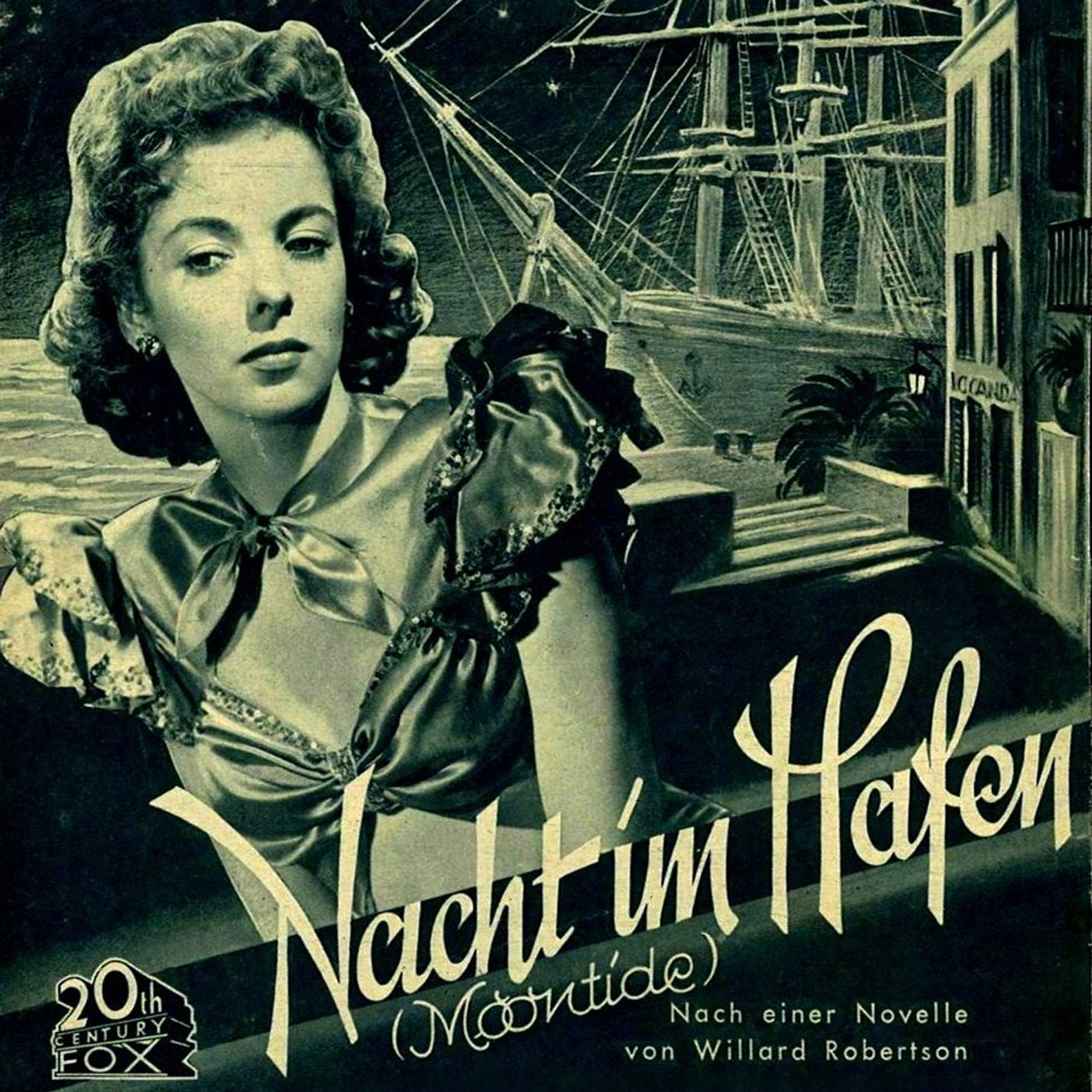
Archie Mayo directed after Fritz Lang shot three weeks and quit. Gabin wakes from a blackout unsure whether he killed a man, Ida Lupino walks into the surf, and Claude Rains and Thomas Mitchell circle them. The panel weighs Lupino's performance, Salvador Dalí's mostly vanished dream sequence, the film's kinship with Out of the Fog (1941) and Port of Shadows (1938), and Willard Robertson's novel. Plus: why Bobo?
The Projection Booth is part of the Weirding Way Media podcast network. Explore more of our shows at http://weirdingwaymedia.com.
Transcript
Automatically generated, so expect the odd misheard name.
Hey folks, just a little intro before we actually start the episode today. I just wanted to let folks know what's going on with me. This is your host, Mike White. If you are on my socials, you might have seen that I got fired back in August of 2026. Don't worry, I'm okay.
I'm doing all right. It's probably the best thing that has happened to me in a long time. The job was... not good. And I got fired for the dumbest of all reasons. I liked a post on LinkedIn that was critical of the company I was working for.
The company whose stock price had gone from nearly $ 7 all the way down to less than $ 2 and had stopped giving any sort of dividends and is in some sort of receivership type stuff. It's not good there. And I liked that post and the CTO saw it and said that I should get fired. And then I was fired. So once I found out that and how stupid it was, I was really okay with things.
This is also giving me a whole lot more time to work on other things, work more on the podcast, work more on some writing projects. Of course, having a nine to five, is good insofar as having a steady paycheck, but everything else is going pretty good. I don't want to come on the air and ask for people to reach deep in their pockets as if this was some sort of a fundraiser for NPR, but I will say that there has never been a better time to join the Projection Booth Patreon, which is at patreon.com slash projectionbooth. Of course, if you can't afford to give, totally understand. I know how it goes.
If you want to take a few minutes and maybe share out some episodes on your social networks, tell friends about it, hire a Skywriter or any of those kind of things, that would be fantastic. Every little bit helps when it comes to that. Go over to iTunes or Spotify, rate and review the show. That also helps out quite a bit, and that is totally free. As always, thanks for listening, and let's get on with the show.
Hold your ears, folks. It's showtime. People pay good money to see this movie. When they go out to a theater, they want cold sodas, hot popcorn, and no monsters in the projection booth. Everyone pretend podcasting isn't boring.
Turn it off. Turn it off! Turn it off! Welcome to The Projection Booth. I'm your host, Mike White.
Joining me once again is Ms. Heidi Honeycutt. Hi, everybody. I'm very happy to be here. Noirvember continues with Moontide, 20th Century Fox's 1942 attempt to make French superstar Jean Gabin into a Hollywood leading man.
Directed by Archie Mayo after Fritz Lang shot three weeks of footage and then quit, Gabin stars as Bobo, a dock worker who wakes up from a blackout drunk, not entirely sure whether he killed a man or not. I mean, who hasn't been there, right? Ida Lupino is Anna, the suicidal woman he pulls out of the bay, and Thomas Mitchell is his old pal who may know more than he's saying. Claude Raine steals some scenes as a barge-dwelling philosopher named Nutsy, and I kept thinking they were saying Nazi the whole time. Salvador Dali was even hired to design a nightmare sequence for the opening bender, though almost none of that survives the finished cut.
We will be spoiling this film as we go along, so if you don't want anything ruined, please turn off the podcast and come back after you've seen it. There's even a Fox Film Noir DVD with a commentary track and a making of documentary if you want to track that down. We will still be here. So Heidi, when was the first time you saw Moontide and what did you think? I think the first time I saw Moontide was probably about 15 years ago.
I was on a binge where I just discovered Criterion Channel. I think. And I was eating through every Ida Lupino movie I possibly could. I'll watch anything. I have certain actors like that where anything they're in, anything they've been involved in, I'll make sure to watch it.
And so I was on an Ida Lupino binge. And so this was on my list and I watched it. And I had originally thought it was going to be noir, like a traditional noir film. And I was a bit surprised by it. because it was not a traditional noir. It's noir-ish, I guess, as I've heard described by other people and in writing.
And in a way, it is noir-ish, but it really makes you start questioning what noir is, how much of those things does a movie need to have to be a noir, how much of it is just a melodrama. But actually, this film has some artistic elements to it that are not usually present in almost any noir. So it's a hard to categorize film other than you could definitely say it's an Ida Lupino film. But I was also struck by how beautiful of a movie it was and how sad and the existential horror of the message overall, which I think is very much also in the book that I have not read. But from what I gather, the book also has similar themes except a bit darker even.
And I think it's, my final impression is really that it's one of Ida Lupino's best acting performances. She has, oh my gosh, I'm so sorry. Hold on, time out. Honey? I'm on my podcast right now, so I have to go.
It's okay. Okay, bye. Sorry, we'll cut all that out. He's like, oh, I forgot. And what was I saying?
Oh, Ida Lupino has a way of being strong and vulnerable, playing against her. Like in real life, she's this frail-ish, small, very tiny woman. Big eyes, very beautiful, but extremely feminine. And yet she has this ability to play hard, sometimes even, you know, tough. That's really beautiful.
And she has it all throughout her career when she's a very young woman, when she's an older woman. Her outside does not always match her inside in a really strong and beautiful way. And I think that's what made her such a successful actor. This was a first-time watch for me, and I was saying before we started recording, I can't remember how this one got on my radar. I'm glad that it did, though.
And I agree with you that I wouldn't necessarily call this a film noir. I would say, yeah, it's noir-adjacent. It does feel, though, a lot like something that a David Goodis would write. Just this whole... It's very similar to Moon in the Gutter, where you've got the stevedore and you know the drunkenness and past trauma we don't know exactly what's motivating some of these people i mean the first time we see i the pinos character she's walking into the surf and the specter death just looms over this film so much and yeah the what is in the past it very much feels like okay we are picking up with these characters after years and years of them Knowing each other, I mean, apart from Ida Lupino, who comes into the story later, but when it comes to Jean Gabin and the Thomas Mitchell character, it's like, okay, what's their story?
And that really drives a lot of this, is what is that relationship between these guys? And then what's the relationship between the Gabin character and the Claude Rains character? And I'm sorry, I'm going to probably lean more on saying Jean Gabin's name. rather than saying Bobo, because every time they said Bobo, I just, I couldn't hold it together for whatever reason. I just kept thinking of like, it's a terrible name. And I kept thinking of there's a, I really don't like the movie, not another teen movie, but there's this whole thing where they're parodying the breakfast club and that whole, like, you know, you want to say something again, Mr.
So no. And they do that whole thing. But at one point it's like, there's a famous clown. bow and it's like so every time they said bow that's everything that. Yeah no it's it's a bad name i it's it's the kind of name you'd expect like a a chimp to have you know and yeah so that's unfortunate and i'm sure at the time it it made more sense because in the book that's not the character's name in the book his name is is the swede right he's swede and i'm assuming that that his character is originally swedish and that's why he's called that that's my. Guess I think Sean Cobain could play Swedish.
I think that would explain the accent a little. Though the accent was strange because it was very funny as I was just like, he reminds me of somebody and I can't remember because this is the first time I've ever seen him speak English. Finally, my wife's like, I keep thinking that Peter Lorre's on screen and then I look up and it's this different person. I'm like, I can really hear a lot of Peter Lorre. It's not that kind of wheedling Peter Lorre, like sneaking in the shadows, Peter Lorre, but more like, you know, just a regular Joel Cairo kind of voice.
I, yeah, I was like, okay, yeah, I can really hear that. And then I couldn't unhear it. That's interesting. Oh my gosh. I didn't think of, I didn't make that connection, but you know what I did is I've only seen him in two films and I, He, to me, is so much like Spencer Tracy if Spencer Tracy was French.
Like, I see the same sort of demeanor, like the same ability to kind of be tough. Maybe a little bit funny at times if he wants to. I feel like he's the same type. Maybe he couldn't quite play like Spencer Tracy could do an intellectual, I think. or an authority figure maybe in a way that Jean Gabin could not as well. But who knows?
Maybe he just never, maybe I just never saw him do that. Or maybe he had the range and he never was allowed to, but that's sort of where I put him. Right. I haven't seen that many of his films, obviously Grand Illusion. You know, that's, that's the big one, right?
And then I know he was in some French gangster films and I know, was, he was Pepe the Mocho, I think, right? Yes. And so he's amazing in that. And then I know I've seen him in a few others because he was in, oh, that's right. He was in, pardon my French, literally, Touché Paul Algrisby.
That's a really good one. Yes. He's amazing in that. I mean, I've always been very impressed with him. And so it was very, I think maybe that was what drew me to this was, okay, what does a Gaben film in America look like?
And especially when you have him surrounded by these really good actors. Like I, I love Claude Rains. I love his character in this of Nutsy with his, that hat. He reminds me of like a, a scout or like a member of the pony express or something with that hat that he's wearing. And then Thomas Mitchell, who, It always surprises me because I always think of Thomas Mitchell as the character he plays in.
Why am I blanking on the name of one of the. It's a Wonderful Life. Yeah, me too. Me too. I always know him as that.
And then second... Right after that, then I remember that he's Scarlett O'Hara's father. That's the second thing I remember. Yeah. Yes.
He's great at... I mean, he's just great at those characters. The character that you're not supposed to like. or that's supposed to be, that deserves what's coming to them, sort of, in a way. Like, in It's a Wonderful Life, or Scarlet's Father, or whatever, or even this, like, he's just really good at those characters. Beautiful performance, really nice.
And I think it works, I think it's so believable that he's one of those actors where you kind of just, you forget he's an actor, and you genuinely feel like he is this person, he is tiny, the asshole. And... It's beautiful to see good actors acting together and just the magic that happens. You think about putting a different person in that role who maybe didn't have the ability to pull it off and how terrible it would have made the whole movie. I played Columbo in the stage adaptation of Prescription Murder, I think.
And I would have loved to have seen what he could have done with a Columbo. I mean, obviously, I... love peter falk but what does a what does a colombo with thomas mitchell look like. Yeah oh my god i would love to see that i want to i know we have an agenda but i i hate to i want to digress for a moment because so the one of one of the so another thing that really popped up to me is there is a movie starring ida lupino called out of the fog that uh came out in 1941 and It also takes place on a pier and there's a sailor and she's, you know, this woman who's trying, sort of stuck in a rut of this little town by the sea and she's trying to get out of it. And these are, you know, these are raw people who are kind of fighting their own destiny.
And it's so, it's a very similar story in, obviously, but in the setting is very similar. And the, character that she plays is also like, you know, has the same motivations as the character that she plays in Moontide. So I immediately thought of that. And it also faced a lot of censorship. And it was all it was also based on source material was based on a play from 1939.
So it seems like Hollywood was just kind of churning through like if it was a play or a book, it was like the next year, the stuff was getting turned into a movie. And the other film is... Jean Gabin was in a movie in 1938 that was very famous, even in the U.S., called Port of Shadows, in which... So it's directed by Marcel Carnet. And it's also a film about, like, a guy who frequents bars in a port city.
You know, the sort of criminal and... you know, transgressive love stories that happen in this town between these sort of desperate or lonely people. So I thought it was really interesting that they had both just come off of two films that were successful that were very similar in tone. And if the studios hadn't just made that connection immediately and been like, well, put her in it, put him in it, because they just made those two films. People want to see more of them standing on the port doing, you know. So I...
I noticed that. I thought that was pretty cool. Interesting. We should say the source novel for this, Moontide, which is Moontide, two words, as opposed to Moontide, the movie, by an actor, actually. Willard Robertson, who, he's one of these guys who's got 145 acting credits on his resume, and only four writing credits, but he has He wrote three plays, I think.
And then this was his first and only novel, as far as I know. And we were talking before we started recording that I found a copy of this book. It was very tough to find, but I found a copy. And it was so interesting that it was what they called an edition for soldiers. And it looked, I'm sure everybody that's listening to this hopefully knows what a Chick track is.
So like the Jack Chick. little pamphlets that he would hand out but it was like that but on steroids it was like really thick but it would probably be perfect for like fitting in your back pocket for soldier so um yeah it was kind of a an interesting thing to just the shape of the book itself i was like oh okay i'm Coming in via satellite, live via satellite with Jed. So Jedediah, when was the first time you saw Moonlight and what did you think? Or sorry, when was the first time you saw Moontide and what did you think? I saw Moontide for the first time just three or four years ago, and I don't remember why. I checked it out I had possibly I know around the same time I had seen Touche de Grisby however you pronounce that don't touch the hands off.
The loot that I had the exact same problem. So, yeah. Luckily, Heidi speaks French, so she was able to correct me, so that was good. Yeah, so, no, Heidi, please correct me. I would love to hear how I should say that.
Oh, the word... Okay, let me pull up the name of the film so I can read it properly. Pulling it up here. I don't want to offend any of. Oh, you're fine.
I'm on the spot now. Come on. Yeah. So, it. Oh my gosh.
I'm going to the... I'm looking for the... Just come on. Let me find the title. Yeah.
Tu sais pas. Oh, where is it? Tu sais... I think I'm just seeing the... Okay.
The English version. Hold on. Tu sais pas où je suis. Exactly the way I said it. It could be way too long.
Anyway, I'd seen that one, and I'd... Really, really enjoyed it. And I looked up, I saw Port of Shadows and Pepe Le Moco. Just loved Jean Caban's presence on screen. And so probably it was because I saw those that I saw Moontide, which was in English, and I could pronounce it.
And I really, really loved it. And I bought it on. I bought it on DVD and I showed it to my wife next year and she liked it too. And I had this really strong reaction to it. I just, I love the atmosphere of it.
And of course, you know, I'm the Ida Lupito guy because I like some noir stuff. So yeah, I just, this film was really, really special to me as were all those Jean Gabin films. films i just mentioned i i love them all so yeah i've been frustrated trying to find more than i can see but you know hopefully more of his body of work is readily available to me soon. He's a very handsome man and some this and that kind of like the curly hair that he has it looks almost at least in black and white it looks like he's a blonde with his, like, sailor's cap on, because this whole, the milieu of this entire thing is all around the docks and, you know, the oceanfront and these kind of things. Like, he lives on a houseboat or a barge, and then you've got, you know, just all of these, like, oh, you can, you know, I traded bait for coffee, like, those kind of things.
Like, very much this type of economy that we have going on. But him in that sailor's cap, I was just like, this kind of reminds me of Quirrell a little bit. Why am I blanking now? The Fassbender film, I was like, I don't think I'm supposed to get gay overtones for this, but just, I guess, the sailor, that gay archetype of the sailor, I was just like, oh, okay, yeah, he's just such a pretty man. But no, we don't really have much of that.
I don't think it's a jealousy, romantic thing that's going on between him and Thomas Mitchell, but I was definitely just like, Oh yeah, it kind of reminds me of, I know it's not Treat Williams, the guy from Midnight Express that's in the Chorale. I was just like, yeah, he's got kind of a vibe of that going on for me. There are some undertones for sure, but yeah, I didn't take it to be a romantic bond between them. But yeah, I love that atmosphere. It reminded me a lot of Ida Lupino's film, out of the fog with John Garfield.
Yeah. You guys already brought that up. I'm sorry, but yeah, no, I love that one too, which I was thinking perhaps Moontide had come first, but I see out of the fog beat it by beat it by a few months. But, um, yeah, I, I love movies like that. I think, um, I think that it's if, if, um, the bombing of Pearl Harbor and the closing of, you know, the locales where they were planning to shoot has to be a silver lining on this production.
So I guess it was not a successful film in its day. You know, I think that it looks fantastic. And I, I just, it's one of those, both of those movies are ones that I want to just step inside and live there for the, at least the, runtime of the film and i feel like i do with both and. I'm wondering if that too is where i'm getting that quarrel feel for this because that felt very artificial and this whole movie feels very artificial like the the settings and everything you're just like okay these are sets and i kind of like that though and i i especially like you know i mentioned in the intro the salvador dali's tie to this film and again i don't know exactly how much there's a lot of apocryphal stories around this especially when it comes to long and and what was going on with him and was there a fight between him and gabon as far as were they both in love with marlena detrick like yeah who knows what's going on with all that stuff it may or may not be dali influence but I would say even the dream sequence is more Fritz Lang influenced because there were moments of this, especially with the clock going around, the clock that has hands that are liquor bottles.
And then all of the punching, all the fists that are going on because we have our main character. And this is a personal problem I have with this movie because people drink a lot. And it's just like, it's tough for me to see alcoholics on screen sometimes. And like Gabon is just like, drowning his sorrows all the time and just always drinking but he goes on this bender just a few minutes into the film and it becomes this i'm saying dream sequence but it's basically his memory of what happened that night and you have all these fists that are going across the screen that's what reminds me more of metropolis than anything that i was seeing from you know dolly like not even the clock because the clock's not melting it's more like that that mall or the shopping place that they have in You and Me that felt very modern and had all those conveniences, like that type of modernism is what I feel more than surrealism in that sequence.
Well, you know, I'll tell you, I am very, very into Dali, right? And I'm lucky enough to live very, very close to where he was born and lived and gone to the museums there numerous times. And. I'll say this. He tried a few times to be involved in film, right?
Like we know he was involved in a chant and Lou, we know that he, he designed the, um, the sort of famous sequence in spellbound for Alfred Hitchcock. And that's probably his most successful, but there were other times when he tried to be involved in Hollywood and, or people in Hollywood would bring him into a project because he was super famous at the time. And it was like, oh, it'd be so cool to get Dali in. And Dali did not take any of this shit seriously. He thought it was just like a big joke.
And he thought Hollywood was absolutely ridiculous. And he would go out of his way to fuck with people. And apparently he did, he was hired by Fox to design the drunken sequence in Moontide, right? But who knows what happened, because whatever he designed was not fully included. It was probably ridiculous, didn't fit the film.
He probably didn't listen to what anybody asked him for. This isn't all my speculation, by the way. I do not know any of this for fact, but this is my guess. Because in and of itself, the very act of doing that is absurd. It's absurdism to do that.
And he liked that kind of stuff. And he had no problem sort of ruining a relationship if something funny and absurd was going to come out of it. So, but I guess some of the sketches and paintings that he initially created for it were eventually used in that sequence. So maybe he painted a clock that was melting. And then they were like, well, we don't want it to melt.
We're just going to use a picture of a, we're just going to use a clock. Who knows, right? But I think it's very telling that this was one of his attempts to actually work with people on a film. You can't hire Salvador Dali for anything like that. Never in a million years would that work.
So I just want to throw that out there. The image of at the bar and there's the woman there and then the woman disappears, but it's her dress that's still standing there. That felt like the one pure Dali moment for me. It did. I wish I could remember her name, the actress's name, because I really liked her in that role, too.
Is that is she explicitly a prostitute or is are we just supposed to guess that that's the the line he's telling there? It seems like in the I haven't read the book, but it probably feels like. in the book she there and I don't also is probably a prostitute in the book but censorship prevented them from having this so I think everybody every adult in the audience knows that this woman's a prostitute but we're not allowed to say that and if asked the studio will say no You know, because they want to get past the censors, right? So maybe she's just a slutty dame, but she's probably a prostitute, right? Well, she was great in the role. I'm going to counter Mike's point just from an experience of the watching people drink on film.
I really responded to John Gibbon Bond's drinking in this movie. he's such a charming, so incredibly charming as a drunk. And I, it made me think when was the last time I saw, at least in, in kind of a big, you know, mainstream movie, people charming as drunks. It seems drunks are maybe that Mads Mikkelsen movie, another round. Um, but, uh, they had, I remember a friend recommending that film to me, and I watched it, and his takeaway was, you know, it was a great movie. They really showed this, and it was like an advertisement for drinking.
I thought it all looked like, you know, everybody was having a good time, and there were no consequences, and he felt the consequences heavier than I did. But I guess I just disproved my own point, but Moontide... Sean Gabon having it. I was all for him. Absolutely.
Have another drink, Bobo. You know, everybody join in, please. Can't we see what a great time he's having? I wish we could all be as charming as he, and you know, somebody gets strangled once in a while, but you know, other than that really, and he ends up in sort of a servitude relationship to tiny because of it, but Hey, sunny side up. Yeah.
I think it's he's such a he's so good at playing drunk. Like that's the best. If you have to if your character is going to be drunk, you know, because the default is always, you know, have a slurring speech. And it's just it's so overdone. And when when an actor can't pull that off and it's just embarrassing, it's awful.
But when you see a character who's like playing drunk and you can tell they're drunk, but they're not slurring, they're they're just. They're just genuinely acting the way that they would if they were drunk. It's a beautiful thing, and he's very good at it. I was surprised to see two Asian actors in this film. That was kind of nice.
I believe both Asian-American, and they're... I don't know if they're supposed to be Chinese or Japanese. They seem to be supposed to be Japanese, just from the names. But yeah, also that this is 1942... And there's even, this is the second movie we've talked about this month, where there are ads for war bonds at the end of the film, because the one that we're going to talk about, I think, next week, Phantom Lady, also has an ad for war bonds at the end of it.
So yeah, war's going on, but it's surprising to see these two Japanese characters in this film, and they're portrayed relatively sympathetically. I don't like the whole, you know, Brokey-Ingley kind of thing of the one guy, but it's like, okay, it's 1942, you know, I don't expect that much out of this film, and he seems like he's an immigrant trying to make his way in the world, and also trying to do right by Bobo, actually giving him work and like, okay, I'll give you sake if you work for me because you're fucking drunk. Yeah, yeah. I think it's I took it that, and I could be wrong, but I took it as the other guy who spoke perfect American English was his son. So the implication was that he was an immigrant.
And then this is his kid who's grown up in the U.S. He's basically American and his father's from Japan. That's what it seemed like to me. And it reminded me of the Charlie Chan movies, which so many people, and obviously I'm a white lady, so I'm preface it with that. But so many people find them very offensive because of the portrayal. of a Chinese man with a, you know, the traditional fake accent that people put on.
But the character has a son who is actually played by an actual Asian person who is supposed to be American. He's constantly bringing his father into, like, you know, he gets, he's American, he plays football, and he goes to school, and so he's constantly like, oh, gee, pop, you know, let me explain to you what you don't understand. And I felt like that American character with the Japanese father in Moontide was sort of maybe the same thing because the father's like oh I'll give you sake and the son's like alright see you later have a good night you know like very just he's and it almost shows like the fact that these differences that we have really are just it's just cultural and the next generation is he's already American I thought that was really beautiful especially in a film that came out not that long after Pearl Harbor.
Right and John Gibran's French accent is, you know, pretty, I mean, he speaks English very understandably, but like, did anybody actually sound like that? You know, French, French, English speakers. I'm not sure, but, but I really liked the community, the whole Doc Harbor community, you know, that scene at the end with the wedding and they're all congregated there. And everybody, you know, doesn't really have other people in their lives, we get the impression. I've found it very affecting, the whole community of, not outcasts per se, but fairly lonely there.
So yeah, I really appreciated that they each, whether through the accents or not, they each had their own sort of distinct place in the in the ensemble and yeah, good ensemble and, and very affecting as a collection. Of characters in my, my point. Yeah. I mentioned the queerness or the potential queerness of this film. And I totally forgot that the second time we see tiny, it looks like a scene that's out of a Kenneth anger film because he's in this bath area, fully dressed and, And he's got a towel and he is whipping Claude Rains with this towel.
And Rains is just like, hey, can you knock it off? But he just keeps doing it. He's like the worst bully. This is like the sissy boy slap party or something. It's like, what the hell is going on here, Tiny?
What are you doing beating on Claude Rains with this towel while Claude Rains is presumably naked? And isn't this a strange role for Claude Rains? Right? Like, Claude Rains is a, at this point in his career, leading man, played some pretty complex and thought-provoking characters. He's not the main character, and he doesn't really have that much to do.
He is sort of a one-note kind of guy in this. He doesn't... It's almost like his character serves the purpose that... It reminded me of, like, a Shakespearean play. in which you have that one character that's supposed to, that's the character that relates to the audience. So that's the character that sometimes provides explication or leads the other characters through something or talks directly to the audience, even though Claude Raine's character doesn't do that.
But Shakespeare tends to do that a lot to sort of give you that person to relate to. And I think Claude Raine, that's through the audience with him, right? And But nothing happens to this character. He doesn't make any active choice. Well, he does make one active choice, right?
But it doesn't have that big of an effect on everything. And he's clearly on the side of Bobo. He's clearly rooting for Bobo and wants him to succeed and wants him to get away from Tiny. But he doesn't really participate in him getting away that actively. So I thought that was an interesting choice that Claude Rains made to be in the film.
I would love to have learned more about what made him take that part and, you know, what did, what did he get out of that, you know, at that point in his career? I really am curious. He's almost like a little philosopher guy. He kind of, it kind of reminds me sometimes of his character from Casablanca. Like, especially when he talks about Bobo and, there's one part where I thought for sure he was going to say, well, if I were a woman, I should be in love with Rick.
You know, that whole thing that he does in Casablanca, it's like, it feels very much like that admirable thing where he's just like, oh yeah, he's a great guy. And yeah, the friendship that they have, it's almost, I mean, it could be because of the houseboat thing, but it reminded me a little bit of like Travis McGee and Meyer, you know, like the constant companion and almost like his his Watson to Gabin's homes because, I mean, Gabin is not necessarily doing any sort of investigating because the plot of the film, which we talked a little bit about, is Gabin has this drunken knight, wakes up the next morning and hears that someone was killed and he doesn't know if he killed this person. And it's interesting because I just watched Black Angel recently at Noir City.
They had that here. And it's kind of similar, this whole, like, you know, having a drunk as your main character, this very unreliable narrator and, oh, someone was killed. Now we have to, but that's the thing is like, now we have to investigate, but it doesn't really feel like he wants to investigate. It just feels like, oh boy, I hope I didn't kill that guy. And then kind of goes on about this life.
And he's just like, how can I make money? You know, like that's really his whole thing is like, this economic pressure that's on all of these characters to the point where that scene I was talking about with Tiny whipping Claude Rains, Nutsy, who doesn't seem that Nutsy to me. He seems like a pretty normal guy. I kept waiting for him to do something Nutsy. But that is like, as Gabon is like, you know, trying to get back into this place.
Owner, the proprietor, has a baseball bat that he wants to brain Bobo with. And it's like, you know, oh, well, he says that I owe two nights or whatever. It seems like a flop house kind of thing. And then Bobo ends up stealing the light bulb and being like, you know, I could get a few cents for this. And Fondrenes is like, oh, you can get $ 2 for that.
It's like, oh, wow, what a find, you know? The preoccupation with how much jobs pay and things like that is, you know, it is. Something that Bobo is constantly... aware of, but, you know, there's a real change that happens when he falls for Ida Lupino. You know, he goes from being, you know, very poor, clearly, but also pretty happy and content to just be a drunk and, you know, that obviously gets on well with ladies and, you know, even the men that he fights, there's no, doesn't seem to be much animosity, at least on his part. he's, he's very charming as we've discussed, but he, he really doesn't take things personally. But when he falls for Ida Lupino and he realizes, you know, that that's what he's, that's what he's, you know, he is, he does want to become domesticated to be with her and to, you know, then he starts working extra.
Then his whole attitude toward work changes. It's like, I want to, you know, okay, it's my wedding day, but hey, I can work a day here. I could, You know, he's always looking for opportunities to make more money. And I'm not really sure what we're supposed to think of that, whether we're supposed to. Be feeling he's.
Losing his way or whether we're supposed to thinking he's making some progress in his own maturity. You know, the reveal of the relationship with Tiny and why, you know, they are kind of bound together um it is something that this idea of i don't know if i killed this person or not we realize oh he's living with that for seven 365 you know he's always this is not a new thing for him to be concerned about and he and you know maybe it should it maybe we understand why seems a little like yeah whatever First, here's the news. He understands he may be wanted. He may be guilty. Doesn't seem to bother him all that much.
But yeah, we realize later he's always under that cloud of suspicion. Yeah. And, you know, I, so we are, this is a spoiler for anybody listening. So I just want to make that clear. But when we find out that Heine is actually the one who murdered Pop, what's his name, Pop, the grumpy older sailor, you know, Ida Lupino figures it out because she's very smart.
Well, Ida, her character figures it out. But we find out that he actually committed the murder and planted the hat, the cap, inside Bobo's cabin, presumably for Bobo to find or somebody else even. Did he kill him solely to re-up having something on Bobo? Just because he felt like maybe he's slipping a little bit. I need something else just to reinforce the power I have over him.
I'm just going to kill this guy. Or was there a genuine moment of rage where he ended up killing him? Or was it genuinely this calculated, horrible thing where he's pretending that his friend committed this murder And he did it just to have a little bit more power over him. You know, is that really all it was? And he took someone's life for that.
That runs around in my head after watching this film. I think that's the most, yeah, most plausible reason. He's definitely, we know, we find out, I forget which order, we find out that Tiny's Tiny's found a new job that's going to be really well-paying in San Francisco, it sounds like. Yeah. I do love their relationship.
It's not exactly symbiotic, but I guess it's parasitical. Bobo's always making excuses for Tiny. They don't sound. Like they're entirely... He doesn't seem bitter about it.
Their relationship but you know he he's always saying oh yeah tiny's tiny's always he's very he's always looking for work you know it's work for me but he's always looking for work and he's the you know he's not that greedy he just doesn't want to work anymore you know he takes money from me and you know holds me hostage that way but he's not greedy he just doesn't want to work like this is A lot of nuance to this relationship. It's either a detriment that it's not further explored, or it's pretty charming that they just say, yeah, we'll go along with it. Audiences will swallow this, and I certainly swallow it. I think it's an interesting facet to the film to kind of ruminate on. I don't want to take us down too deep of a rabbit hole, but I really want to know what you guys think about the whole plot or the subplot of the Jerome Cowan character.
Jerome Cowan, for most people listening, I know him mostly as Miles Archer from The Maltese Falcon. He's got a great face. He was a character actor for a lot of years. I think he lived until 1972. He just brought like this Interesting energy to everything.
Also, I think a lot of people know him as the District Attorney in Miracle on 34th Street. And he shows up in here. Okay, good. I'm glad I hit with something. He shows up in here and he's passing by.
It's like, oh, I'm having problems with my boat. Bobo's able to fix him up. And it feels like it's going to be one of these, in my mind, having watched these films, these types of films before, I was just like, oh, here's the rich guy that's going to hire Bobo and then set him up for like a murder or something and pin it on him. That doesn't happen. It seems like his character is genuinely nice, but also a cad because he shows up later on with this lady on the boat.
And that makes it very pointed to say, oh, that woman? No, that's not my wife. You know, like not that woman is my wife. There's another, you know, my wife is probably on the mainland someplace. And I'm just like, What is going on with this character?
Because he also, you know, Bobo on the day of his wedding and fixing this guy's boat. And it's supposed to be, what, 20 minutes, I think he says. And then he's there like all frickin night. And that becomes like a plot point that he's out fixing this boat for so long. But then Tiny comes in and menaces Ida Lupino and menaces Bobo's dog.
And it's so nice to have a dog as one of your main characters in this film. But at the same time, it's like, oh, fuck, man, Tiny, you better not fucking touch that dog. I'm going to kill you. Yes, I wanted the dog to kill him many times. And I also noticed nobody ever feeds the dog ever.
And the dog never gets pets or walks. I mean, I guess he follows people around, but that really bothered me. The dog doesn't have a name. Yeah. Tiny refers to him as that dog over there, and Lupino does too.
I mean, certainly she would. Know the name if the dog's living with them and follows Bobo everywhere. Bobo seems to have a whole collection of characters who just follow him everywhere. You know, Tiny and the dog itself. And yeah, it's it's I think part of just the way he he accepts the world, you know, the world likes me.
The world, I'm this drunk and this sort of carefree slash irresponsible person, but I get, you know, people like me, and that's the way I lead my life. People will follow me. But yeah, the. Dog is a great little touch. I'm not sure.
I did try to find the book, and I didn't find it in couldn't get it read but I'm curious if the dog it seems like if in the book a dog would have a name so that but you don't have to just keep writing the dog did this the dog you know he looked at the dog and that you know so I'm wondering if if the dog was John O'Hara or you know other uncredited screenwriters or addition to the film just to kind of give a layer of... Because we understand that Bobo comes in, his first introduction is, this guy is blitzed already, wandering into this kind of rough or seedy situation. But we're so in his corner immediately, and I think part of it is because he's got a dog, and dogs are. And we understand that the dog goes everywhere Bobo goes pretty early, even though Bobo doesn't take much responsibility for him.
So I think that, you know, that's just kind of a real signifier, visual signifier of, okay, no, this is our hero. We're in his corner. Look, dogs like him and are loyal to him, you know, and, and, and the, he collects throughout the film all, a bunch of other dogs that follow him around. So the dog's a great device that way. I want to say something else about Jerome Cohen before we go past him.
So in Ida Lupino's episode that she acted in of The Twilight Zone, The 16mm Shrine, which is basically Sunset Boulevard, but as a Twilight Zone episode, he plays... John Cohen comes in and plays the leading man that this character Ida Lupina plays used to act with in the 1920s. And he was, you know, the handsome, you know, leading man back then. And now he's this kind of older guy and he's wearing glasses and he comes in and he's balding and he's 60 or whatever. And And she doesn't recognize him at first.
She's like, where is he? And he's like, I'm him. And she freaks out. But that was Jerome Cohen playing that character. So I think probably he and Ida Lupino became friends on the set of this.
It's a very small role in The Twilight Zone. It's the only episode he ever did. I'm wondering if they became friends during the making of this film. And she said, oh, no, he'd be great for this. I'm bringing my old friend because he's probably in his 70s at that point when he went on The Twilight Zone.
So I'm a big Twilight Zone fan. I'm particularly a fan of Ida's episodes. That's awesome. There was a movie that this reminded me of, and it could just be because of the barge that Bobo lives on. But there's also some suicide to it.
It's caught in our film called Under the Bridges is what it is from 46, which was a so it's a few years after this. But it was very fascinating because it was shot in Germany. I think the war had just ended or the war was still going on while they were shooting it. And you cannot tell that the war is happening. It's just this very strange film where it's like, how are you not seeing all of the destruction and things like where you're putting the camera?
But it's this kind of a lovely story of these two guys who work on a barge together. One guy sees this woman who's about to commit suicide. He ends up falling in love with her. And then it's the relationship between these two guys. Can they still work together?
Because it comes to this like love triangle kind of thing. And it reminds me too, I guess, of a little bit of this where it's like, okay, once Anna, the Ida Lupino character comes into this, then it feels like Tiny's like, well, she's a threat. She's a threat to this relationship I have with Bobo because he's the guy who I'm kind of mooching off of and just rely on all these things. So the timing doesn't align as far as I'm going to murder this guy in order to keep Bobo under my thumb, but it definitely feels like we are leaning into that more towards the end of this as Bobo. she becomes more and more of a threat quote unquote too tiny where it's oh you're gonna take him away like we're not gonna be like as I'm talking about this I'm just like yeah this is really gay otherwise we're gonna go to San Francisco together yeah what are you doing lady get out of my life kind of thing.
Yeah although you know I mean it's it's funny because in real life men do have weird horrible obsessive friendships that involve crime I mean I'm not I'm no one in particular but present company exempted. But, but I have, I've seen some pretty, you know, non, non-sexual, non-gay, weird, close relationships between men and between women. Women have that too, where one person is completely obsessed with or taking advantage of or controlling the other person. I've seen it a lot with like, with drugs. Not that I have a particular experience with that, but I've seen that a lot, that kind of relationship of addiction and control.
So it reminded me a lot of that. And the alcohol maybe was something that was also being used to control Bobo, like placate him with the alcohol so he's not thinking too much about this relationship and how it's actually really harming him. I just realized something. So when I said that the two Japanese characters, the younger one, his name is Takeo, he reminded me of the way they did Charlie Chan's son in the Charlie Chan movies. It's because it's the same actor.
Yes, it's Victor Sen Yong. He played Charlie Chan's son in the Charlie Chan movies. So that's why I think I had that impression. I tend to think of, and I can't remember if it was Robert Ito or who it was that played the son in Murder by Death, but I always think of him instead of the actual Charlie Chan. Because again... you know, a British actor doing, you know, Asian face in Murder by Death, as well as I think every version of Charlie Chan in the movies was especially the most famous.
Charlie Chan was. Boris Karloff did it, right? Yeah. Boris Karloff. Yeah.
And I'm trying to remember the name of the guy who was in all the movies. It was kind of like Mr. Moto. Speaking of Peter Lorre, Mr. Moto being played by a Hungarian Jew.
Gosh, who's the name? There were a couple different Charlie Chans in the 30s and 40s. But I think the most famous one, Sidney Toler, right? That's the most famous one. It was definitely not actually of Chinese ancestry in any way.
I wonder if there's any information about the guy who did play the son, this gentleman that we're talking about. Like, how was it for him to be playing... Chinese-American guy, very modern and everything, and then having this British guy play your dad who's putting on the makeup and the Charlie Chan accent. Yeah. I would love to know, too.
There's probably something written about that somewhere. But, yeah, I mean, I guess he was born in San Francisco. He went to UCLA. And then he's in these movies where he's got to, you know, see this character doing it. very offensive impression of a Chinese man and just kind of be like, and I am a Chinese man. I'm right here and I don't talk like that.
Yeah. So. Yeah. But yeah, at least. Go ahead.
You go ahead. I was just going to say, at least it's not as offensive in this movie. Like even the, the dad character, it's a little, you know, chop sake type of talk, but it's not bad. Not bad. No, it's not.
And that character, you know, is, yeah, the dialogue is, I'm sure if you talk to that actor, they'll cut, and then that actor's probably talking normally. But, yeah, no, it's not done in a particular, it's not done in a particularly offensive way compared to other impressions at the time. I was going to say, I don't... I wouldn't lay this on Archie Mayo that it's, it's his, his problem because it was, it was industry wide, but man, I watched, I watched Archie Mayo's adventures of Marco Polo. That's, and that movie is full of this kind of really uncomfortable and, you know, I mean, laughably bad, but, uh, you know, kind of ugly, really, uh, examples of that kind of stuff.
Uh, Yeah, the whole movie was, it's really eyebrow-raising. Well, I mean, even into the 70s, the Desi Arnaz Jr. version of Marco Polo, that was, God, who was that playing Kublai Khan? It might have been like James Coco or something. So it's like, yeah, it wasn't good. But at least if you're going to talk about racial stuff with archie mayo you can point back to black legion which we covered on the show quite a few years ago that's very very progressive when it comes to it actually covers some of the stuff that was happening in detroit when it comes to like anti-immigrant sentiment and, you know, this immigrant took my job kind of thing.
I'm just so glad that that was 1937 and we don't have any of that stuff today. It's so refreshing. But yeah, when it comes to the Claude Rains character, to get back to him and just, yeah, that incongruous thing as far as like, not that nutsy. He doesn't seem like he's It's like, what happened to him? I want to know his backstory because the way he dresses, other than that cowboy hat I was talking about, he's very dapper.
It feels like he might have been a professor in a former life. And that's one of the things I like about these doc-type movies where it feels like everybody has that story. It's like a Bukowski novel or something where it's just like, well, how did you end up here? You are here at the end of your rope how did you get to this place? And of course, we spend more time when it comes to this film as far as like, you know, with Bobo and Tiny, like, how did they get here?
But it's like, yeah, what happened to this guy? And I guess that also takes me back to the whole David Goodis overtones of this for me, where it's just like, all of these people feel like they are desperate. They feel like they are at the end of their journeys, and it's only by them uniting where they can kind of lift each other up. I mean, I totally agree with you, Heidi. It's really the heart and soul of this movie, even more than Bobo, because Bobo's just kind of walking through stuff.
Like you said, he's got the murder that's over him and putting some pressure on him. He's also got the whole economic thing where he doesn't know where his next meal's coming from or his dog's next meal's going to come from. But once she enters into this film, she becomes this symbol of hope, but also she's damaged, but she knows that she's damaged and it feels like she's trying to get over it or work through her damage. She is really just such a magnificent presence in this movie. It really is one of those films where you see her beautiful...
I mean, the acting. That's really what she was. She was a magnificent actor. And this really showcases, I think, everything she's best at, really. You know, she's not... the kind of actress you want to stick in a romantic comedy.
And, you know, she's not Rosalind Russell. She's got this whole other edge to her that makes her appropriate for roles like this in a way that, let's say, somebody like Rosalind Russell would never be appropriate for. It would be a much different movie. Can you imagine Rosalind Russell in that role? Much different.
Very different movie. I don't know if you guys have seen The Hard Way. That's one of my favorite Ida Lupino films also. It's loosely based on Ginger Rogers' early girlhood, having a stage mom who pushed and pushed her. But it's in the story, Ida Lupino plays the older sister of a young woman who wants to go into show business.
And Ida Lupino is the stage mom, essentially. and is really hard and pushy and will do anything to get this girl into show business, including ruining the girl's life, as long as she gets her wishes. So it's called The Hard Way. It's a really good movie. I can highly recommend it if you want to see more of the penis. Really complex, interesting, hard acting.
Yeah, and then she directed a couple films that sound that way. like iterations on that, that hard, fast and beautiful. And, uh, you know, uh, the, it was the one that had a couple of titles, the polio one, but you know, it had to do with one was sports and the other was dancing as show business. But, uh, you know, that hard road of entertainment as a, as a profession. And, uh, you know, I mean, certainly she was, uh, from a, showbiz family. So, you know, it was definitely something she was.
One of my favorite Ida Lupino stories is that the, and if I'm wrong, I'm sure somebody will correct me when they hear it, but Ida Lupino was like 17 in like 1930 and she had come to Hollywood and she was already like a big hit and everybody loved her and she was friends with all these famous people. And she had, I think it was her 18th birthday at Thelma Todd's restaurant. Shortly, if it was shortly right before Thelma Todd was actually murdered, or excuse me, killed herself in the car. But Ida Lupino was one of the people that was involved in sort of that scene and being part of that. Even as young as 17, she was there.
So I love that. And I also love that she was married to Lewis Hayward at the time that she made Moontide. He was known as sort of like a... He was a British actor doing swashbuckling films. He was very cavalier.
He had sort of like a very nonchalant, handsome attitude. And he then went to fight in World War II. So I think at the time, I could be wrong, but I think at the time that this movie came out, he was fighting. And he was doing... photography for the British Army or Air Force. And when he got back, I mean, he was so incredibly damaged from what he saw in the war and what he had to film that he was he was never the same.
And they their marriage ended like he had PTSD. Just completely like he continued to act, but his career was never the same. And he even physically looked different. Like he just he just lost his spark and he wasn't the person he was anymore. And I wonder, you know, how much of of that was already happening at the time that they were shooting this movie.
I wonder if any of that was in her performance of what she kind of knew was happening with her husband. I don't know. I'd like to... just speculating, but I know that there was some rough stuff happening during the war for her and him. I know she and Archie Mayo had worked together on Petrified Forest. That seems to be kind of a good crossroads for a lot of people.
I've seen a lot of her movies, but I mostly remember Roadhouse, because I got to see that at a noir city a few years ago. So seeing her face on the big screen is just such a pleasure, because she... does bring the acting so much. And that's the thing, again, like, what a great cast that you've got these four stellar actors that are just kind of duking it out through this whole thing. I mean, some people were just like, oh yeah, Gabon is way outclassed, and yo, his accent is terrible, and blah, blah, blah, blah, blah. I don't think so.
I had no problem with his performance. I think he had problems when it came to giving me way too much dialogue. Like, can we cut this back? I'm not comfortable yet speaking English, but I think his performance is rock solid. No, absolutely.
I'm surprised. I mean, the film was not a financial success, right? But I'm surprised still that it didn't kind of launch him into more of a Hollywood career just based on his performance. It's a little surprising. I think, you know, the movie seems a little surreal at times, And that may have been not what audiences thought they were going to go see.
They may have thought they were going to see more of a straightforward noir. But yeah, there's a surreal quality to it, a dreamlike kind of quality to it. But I'm not sure why that translated to him. I mean, maybe it was his disillusionment also that contributed to him not having a giant Hollywood career and going back to France instead. I think he I mean, I think what happened was he actually went back to France to fight in the war after this because he was kind of like, well, that didn't work.
And also there's Nazis. So so like I think I don't think he acted again until the later way later in the late 40s in France. I think what happened was Charles Boyer called him up and just said, hey, listen, there's room for one French expat. That's going to be a romantic lead around here. Get the fuck out.
And then Maurice Chevalier got on the phone with him right after and said, hey, by the way, what you just said. It was a whole big thing. It was a real coup, as they say. Yeah. Yeah, I am curious why he didn't do more.
And this was right around the time that there were more French expats coming over, because I think this is the same year that Renoir was making his American films and Oh, fools, was he French or was he German? But yeah, obviously, the influx of immigrants coming over from Europe as the war's starting, and the war's already well underway in Europe at this point in 1942 when the movie comes out, but it's like, okay, we can't hold on any longer, and now you've got Nazis marching into France, and I don't think there's any sort of war Like, maybe it's in the air in this film, but I don't feel tones of the war coming in here. It's not like we have to do this because the Nazis are going to win kind of thing.
And it's not like, you know, like, again, I'm surprised that, you know, Dr. Brothers, the German... character that we were just talking about it's like he's a secret spy or like oh nutsy was you know he was in the war he was a war profiteer or something like that like there's nothing like this is very encapsulated as far as like this is the world of this doc this is the world of these people that live here and it's just yeah it's it's kind of nice that we don't have anything else outside of this that is just these struggles this real melodrama melodrama I don't even want to say murder mystery because we just stay away from that so often. It's like it looms over everything. That's the thing that looms over everything is the murder.
But there are times where I'm just like, oh, yeah, yeah, there's the guy that died. Pop died. Okay. Yeah. Yeah, Pop's not a character we particularly know much about, nor, you know, I don't emotionally feel horrible that Pop died because I just don't know him.
And I don't know what went down that night. We never find out exactly what happened. So, you know, I think it's, I think I had that experience as well. Oh yeah, there is that murder. Well, the radio, the radio guy sure knows about it.
He keeps chiming in to remind us. I love that he calls him Pop Kelly. It's, I'm assuming Pop was not his birth name, but it'd be hard to. Call a little toddler Pop. But, but yeah, the guy on the radio is like, Well, the big news in town, everybody's still talking about the Pop Kelly murder.
Wow. Pop was really well-known, apparently. Everybody knows who he's talking about. But, yeah, Pop gets a little short shrift. The little bit we do know of him is a little unpleasant.
You know, he's a little grouchy. So, yeah. Yeah. Fuck that guy. Doesn't seem like he's missed so much.
I want to say one thing that, Mike, you brought up. The fact that the story seems encapsulated in its own little bubble. It doesn't... The war is not pressing in on it in terms of narrative or motivations. And I think that's part of this dream-like aspect of it.
It's a story... Like, this story could be 1905. It could be 1927. It could be 1965. And really not much would change.
Like, really. Maybe. The engine in the boat, if you really have to change something, but I don't really know much about that. So yeah, I feel like, I feel like the story is very timeless in that sense. It's this dock is almost like a place you get trapped in space and time and people drift, you know, can drift in and out of it, but it's, they're stuck there, right?
They're trying to find their happiness in this strange dreamlike place. You get that moment at the beginning of this film, the opening scene is, you know, at the bar when we get to meet all these people and the, the waiter comes up to the bartender is like, Oh, I need what a Manhattan, a something and a champagne cocktail. And the bartender's kind of irate. Like, what are you talking about? These fancy drinks for, and then there's like this bunch of swells at a table and And I kept thinking like, okay, well, this is what's going to happen.
Like, this is how we're starting off this movie. It's going to be like, I don't know, not necessarily my man Godfrey or something, but it's just going to be like, okay, what are these rich people doing on-the-dock kind of thing, and something's going to happen. But they just drop that so quickly, and it never comes back. It's like this whole movie, for me, is like a seedbed of, well, what happens if this person's bad? What happens if the doctor is...
What's going on with him and his wife? And what's going on with Nutsy? And what's going on with this? And I think it speaks to... probably the book and that the book was richer and had a bigger tapestry even though it is a pretty small paperback but it feels like that would have had like more of the the backstory of some of these things but it just feels like there's so many like and i'm not saying like they're loose ends by any means of the necessary but it just feels like this is a very rich world that we're in to have all of these different characters and to have have me as a viewer just thinking I wonder what this guy's story is. You know, what's going on with this guy?
Like, even when it comes to the two guys who are running the boat, you know, like, oh, like, we're talking about, like, oh, yeah, that's his son, and he probably is doing this. And, yeah, we can put all those things onto these characters because it's such a good backdrop for everything to happen. Yeah. Speaking of the book, so, again, I haven't read the book. I had the same... issue you had trying to find it in a reasonable amount of time to read it but I read about what's in the book and this film features a lot of censorship preemptive censorship in that things that are in the book could were they were explicitly told no you've got to change that like there's no way that's going to be able to be allowed to be shown so you may as well change it now in the The novel does not have a happy ending.
In the novel, Anna dies. She does not recover, although I'm not even sure she recovers really in the film, to be honest. No. In the novel, she is raped by Tiny, and. She hides, she runs away and hides in the bait box, right?
But she somehow slips or falls and breaks her neck and is dead in the bait box trying to get away from Tiny. Yeah, and so what they find is her dead body. She doesn't go to the hospital at all. And I guess apparently in the novel, they don't get married. They just are in love and are living together.
So they forced them to change that. They said, if these two characters are living together... They must get married for you to have them on screen together. Well, yeah. I mean, you know, we're talking before Jed got on the call, we're talking about, is this even a noir or is it more noir adjacent?
I mean, it's another happy ending. Like I watched Gilda again a couple of weeks ago and I was just like, wait, this is a happy ending. What the hell is going on? This isn't film noir. Nobody gets their way clean at the end of this.
And Yeah, to your point, though, Heidi, I don't think that she recovers mentally from the attack. But, you know, I thought for sure, oh, now Tiny's going to kill her. Now this horrible thing is going to happen. Yes. But it doesn't.
You know, like she does suffer and it's awful. But at the end of the film, there's kind of a happy ending. Our lovebirds are going to have a better day tomorrow. Yeah. I mean, I'm a fan of unhappy endings.
I think they make you think and ponder, you know, the existential horrible nature of, like, I think there's something really beautiful and that is, I think many, I'm not the only person. And I think I would have preferred a story in which two people decide to be happy together and then still can't, still not allowed to because of the actions of other people working against them. And just how realistic and horrible that is. I mean, that happens. You know, life is like that.
Horrible things happen to good people all the time. I'm not sure why they were... I guess the idea at the time was people don't like... You know how there's dumb shit in Hollywood where people just decide that something's true, even though it's blatantly not, if you look at film successes? Oh, people always love a happy...
It's got to have a happy ending. Oh, people hate it when the cheater gets away. People hate it when the thief gets away. Or what I hear lately, oh, people don't watch documentaries. People don't watch foreign film.
You can't get you can't get the average audience member to watch a foreign film. And then you'll turn around and some foreign film is making millions and millions of dollars. Yes. Right. And so it's it's it's but it sounds to me like it's one of those studios at the time.
Oh, you got to have a happy ending. No one's going to go see it if it has a sad ending. And okay, fine. So we got to do that. Like that's, that's what's that part strikes me.
And then not living together things is just a, I think a censorship board thing. Right. Well, maybe that's why Dr. Brothers gets a little bit of short shrift when it comes to the woman that's in the boat with him, you know, and her whole like, well, you know, I, oh, I'm going to take a ride back with the Reverend. And I like that whole thing of like, you were saying, as far as all of these people showing up at Bobo's place and they're either, walking across that super long uh what would that be like a tide break kind of thing that that's all like a stony path from the shore or they have to come in on their boats and like when the reverend comes in on his little boat it's just so cute for me i'm just like oh how nice this guy's coming in and you know gotta come in rams right into another boat not not the best person uh to manage a ship but you know it's really super cute that it's just like okay the reverend's here now we can get married and bobo's just so excited and anna's so excited i'm like this is so nice like it is weird that it isn't more dire at the end because it really i don't know if it should go that way it could go that way and there are a lot of times where i'm just like oh yeah no this really has to go this way these characters should be fated to suffer but yeah okay You know.
What I immediately think of, one of my favorite novels in the whole world is Anna Karenina. And I love pretty much all the movie versions of it because I love Anna Karenina. I cannot imagine them making that movie, telling that story, where she doesn't throw herself under the train at the end. And she goes back to, she goes, sorry. she goes back to her husband and they, she forgives her for cheating. And then they just, they're just happy.
Like that would defeat the entire purpose of this character study. And, you know, I feel like it does it, it does the story an injustice when, you know, the, the crime committed against Anna is minimized in the film version. It's okay. Cause it's implied that he raped her. Right.
And then, And then threw her in the bait box, I guess. I'm not really sure. I don't really know anything about bait boxes, but I just I didn't figure that you could fit in one unless you were like chopped in pieces. But hey, what do I know? I guess you could fit with your little like Ida Lupino if you're 5'1.
Maybe you could fit in a bait box. But like it's to me and then to have it be like, oh, well, she's first of all, how badly do you have to hurt someone for them to not be able to walk? Right? Like, that's not just, oh, he raped me. That's like, he raped me, broke my back, you know, I was knocked out, I almost died.
Like, that's fucking severe at that point. To then just go from that to, well, look, she's over it and they're going to be happy now. Like, it really, to me, takes away from the severity of what happens and that to gloss over the recovery and the nightmare of that. Like, almost to kill her is almost... This is horrible, but it's almost more merciful in the novel that she dies as opposed to having to try to overcome this and make her life work as a, you know, paraplegic, right?
Right. With this awful, god only knows what kind of PTSD. And it kind of makes the importance of their romance and the hope that they found just takes away from it, I think. I do. I do.
And that it's not even, you know, Bobo does not kill Tiny, you know, even though he has every right to, in my opinion, to kill Tiny. But instead, it's one of those things where we have to protect our main character, where he cannot have blood on his hands. And this kind of drives me crazy when it comes to movie heroes, where it's always an inconvenient fall or... You know, there happens to be a wrought iron gate behind them so they get impaled. The bad guys get impaled on that.
Here, it's fitting because it's the ocean that takes Tiny rather than Bobo taking Tiny. But yeah, him getting swept out to sea, it's like, okay, yeah, I really would have liked to... Drowning's not a fun thing, but I really wanted Tiny to suffer more and suffer at the hands of Bobo. I would love to know what's in the novel. I would love to know how exactly that death happens in the novel, or if it happens just like it does in the film, or maybe Bobo does push him, you know?
Or worse, yeah. I would bet that it's different in the novel, but I do appreciate that Tiny dies the way he lives in relationship to Bobo. He just, you know, he lives by following Bobo everywhere, and he's... he's backing up, but he's following Bobo's moving this direction. He's moving this direction and there's no, Bobo doesn't have to do anything, but you don't basically imply I'm going to keep moving. I'm coming this way.
And he's, you know, he's lived his whole life just sort of in Bobo's orbit. And he dies that in that same way, then that in that orbit, he doesn't, doesn't, doesn't even require, bobo to touch him to kill him and he just has to move him into into death's path right you know i again i tidy i think certainly that that was probably changed for the film and for the reasons mike you were discussing that the the way we prefer our our heroes and movies to be but but i do think it's a nice visual thing i you know the whole discussion of whether or not this is a noir, you know, there are, you know, nobody ever really satisfactorily defines it. I've spent my life mangling and stretching the term for my own purposes.
But, you know, for it, whether or not we put it in the film noir canon or call it a proto-noir or what it has got, so many of the conventions, the tropes, the, the style. Um, and you know, one of my absolute favorite tropes of film noir is the final chase through, you know, usually some sort of industrial landscape. Uh, this one is slow motion, but I really love that, that walk of, uh, Bobo chasing tiny, you know, and that that's, You know, it's usually the hero, the doomed hero being chased through some industrial hellscape. But for this one, the hero is doing the chasing. But it's a great, great sequence.
I really love it. And it's kind of slow motion. James Mason, I think of him in the. Oh, shit. The man, Odd Man Out, you know, where he's very...
He's wounded, he's dying over the course of the film, but it ends with a sort of chase. I mean, the whole film is kind of one long chase through this war-torn city of Belfast. And then James Mason again, and the man between. Just a spectacular... But it feels like.
I want to say that one was also... No, he dies running. Sorry, spoiler. But there's... I guess it was odd man out.
I was thinking of is where he's, it's very slow moving, but it, for my money, it meets, meets the expectation of that kind of climax to the film. And, uh, moon tides is so, so moody, so perfectly, beautifully captured. And the, the menace is really there, you know, with John Gabon says, you know, come here. Yeah. Growls at it's beautiful so yeah no complaints for me for the way it ended up even though I would definitely agree with you that with both of you that it must have been changed from a clearly darker source source novel and and changed for reasons I'm not a fan of I really like what we ended up with regardless.
No I have no problems with it it And I'm trying to remember what you're talking about as far as the way that Tiny is kind of backing up and doesn't really have to do anything. There's no gun. He doesn't even brandish his fists. It's just Tiny backing up. It sort of reminds me of something else that I'm probably going to think of like five minutes after we get off the phone.
It reminds me a little bit of Crossing. with just Gabriel Byrne just kind of, you know, walking and not even having to do anything. And then like, you know, like a tutorial or somebody just freaking out, you know, just like, oh my God, he's coming for me kind of thing. But yeah, it's, it's that kind of thing where it's just the menace tiny, you know, you done fucked up and now you're going to have to pay for it. And yeah, it's like the ocean taking back this piece of shit, this flotsam that it threw up on shore at some point. Now it's just going to take it back, take him back and, and, Pull him down to the briny depths.
Or maybe he finds another shark or something, too. Yeah. There you go. Just like a barnacle. Tiny the barnacle.
Or no, wait. What's the fish that the Nazi compares him to? Oh, yeah. The one that circles the shark or whatever. Yeah.
They'll find another very smart. All right, guys, let's go ahead and take a break and play a preview for next week's show right after these brief messages. Hello, everyone. This is Malcolm McDowell. I just want to say that this is a request to listeners of the Projection Booth podcast to become patrons of the show via patreon.com p-a-t-r-e-o-n dot com slash projection booth that's pretty simple I think you can do that it's a great show and Mike he provides hours of great entertainment so now it's time to give back my little droogies settle down and take a listen and have a sip of the old malarco and then you'll be ready for a little of the old in-out, in-out, real horror show.
Bye-bye. ¶ ¶. Jack Marlowe, lover of beauty and women, tossed by violent emotions like a straw in a hurricane. Carol, as loyal in love, as relentless in hate, as fate itself. Scott Henderson, accused of murder, and his only alibi, a mirage, a phantom lady. Inspector Burgess, who condemned to death a man he knew was innocent.
Cliff, a hopped-up drummer who held the key to a crime. And Terry, who entered a man's life for one night, then vanished. Give me a break. What's the difference whether my tie's okay or not? It makes a great deal of difference, Mr.
Henderson. Yeah? Why? Your wife was strangled with one of your ties. I'll get the murderer sooner or later.
It's always simpler when they're insane. Are you sure it isn't sour grapes, Inspector? You ain't got nothing on me. Nothing. Who bribed you?
I. Wait. A minute. Yes, you can't help it because you're mad, mad, mad! Yes.
That's right, we'll be back next week with a look at The Phantom Lady. Until then, I want to thank my co-hosts Jedediah and Heidi. So Jedediah, what is going on with you, sir? Other than needing to sleep a little bit more. Needing to sleep.
I'm just. And Heidi can read my novels because they're only available in French. Really, they're only available in French? They're out of print in English, but they're in French right now. Okay.
Well, that's good for the French. That's, you know, or the French speaking. It's the Jerry Lewis of the projection booth. The French love him. I don't want to step over you if you had more to say, Jed.
I did not. I'm done. He's usually pretty quick. Whereas Heidi, I'm hoping you have a lot more to tell us because it's been a while since we've caught up with you. Yeah.
Let's see. So I have been... And I think this was true last time, too. I've still been doing a lot of special features, commentaries, liner notes for different companies. But right now, in particular, I'm working with Hammer a lot.
I got to do a commentary for their new Dracula re-release that's coming out. And working on a few documentaries, producing a few documentaries. I'm not sure if I'm directing them. It's really strange. But I think I am.
For their House of Hammer documentary. special editions that they're putting out. So I'll have a few pieces. I'll be in a few pieces and I'll have made a few pieces for their upcoming couple House of Hammers. And then I'm now working with the Sitges Film Festival, which is really lucky for me because they're here right next to my house. And I work with them for their Women in Fan program, which is a program specifically created to celebrate the works of Women making fantastic films, which, as you know, is a big thing for me.
I wrote a book about women making horror movies. And so I'm really excited to be working with them this year on that. And that starts in just a few weeks. I don't know when this is airing, but the festival is in October of 2026. It will have just happened because this is going to be a Noir of Ember release.
Okay. So, yeah. And then the rest of the time I watch just way too many movies. I have no life. All my friends are pretty much I have a lot of friends are all virtual and I stay home a lot and I'm very boring, which I love.
Well, it's better than some friends. You know, you could have a tiny in your life. Yeah, exactly. Right. I have a cat, which is great.
Thank you so much for that. Let me say that again. Thank you so much, folks, for being on the show. Thanks to everybody for listening. If you want to hear more of me shooting off my mouth, check out some of the other shows that I work on.
They are all available at readingwaymedia.com. Thanks especially to our Patreon community. If you want to join the community, visit patreon.com slash projectionbooth. Every donation we get helps the Projection Booth take over the world. When the moon.
Sends the stars away I will see the light Of the new day to come It takes me away And where I'll. Go No one will ever know It will be Only tears A few. Poor tears That the sun will wash away Moi je suis Comme le vent Qui vient Sur la mer Là-bas. Nous en gênons. Sans vent Même.
Oui, j'attends Oui, tout l'attend Oui, j'entendrai. Mon bonheur. Mary, you're dead Oui, tout le temps Oui, je t'aime bien
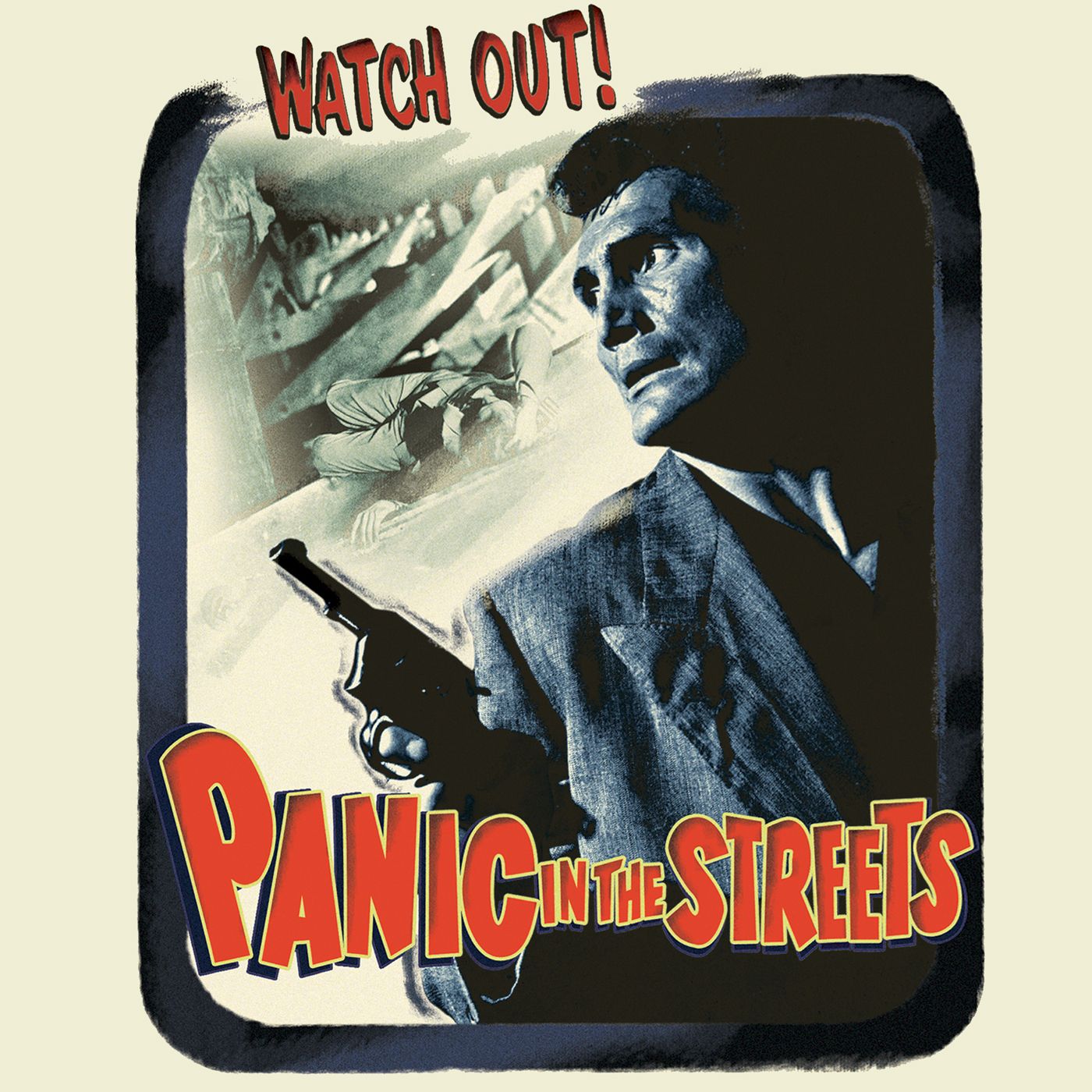
Similar episodes across the network
Matched by shared keywords.
-
Dark Passage
2 shared keywords: film noir, noirvember
-
Swan Song
1 shared keyword: ida lupino
-
Short Fuse
1 shared keyword: ida lupino