
Season 3 · Episode 2
Casting Thirtysomething & Creating Stars | Marcia Ross, Part 1
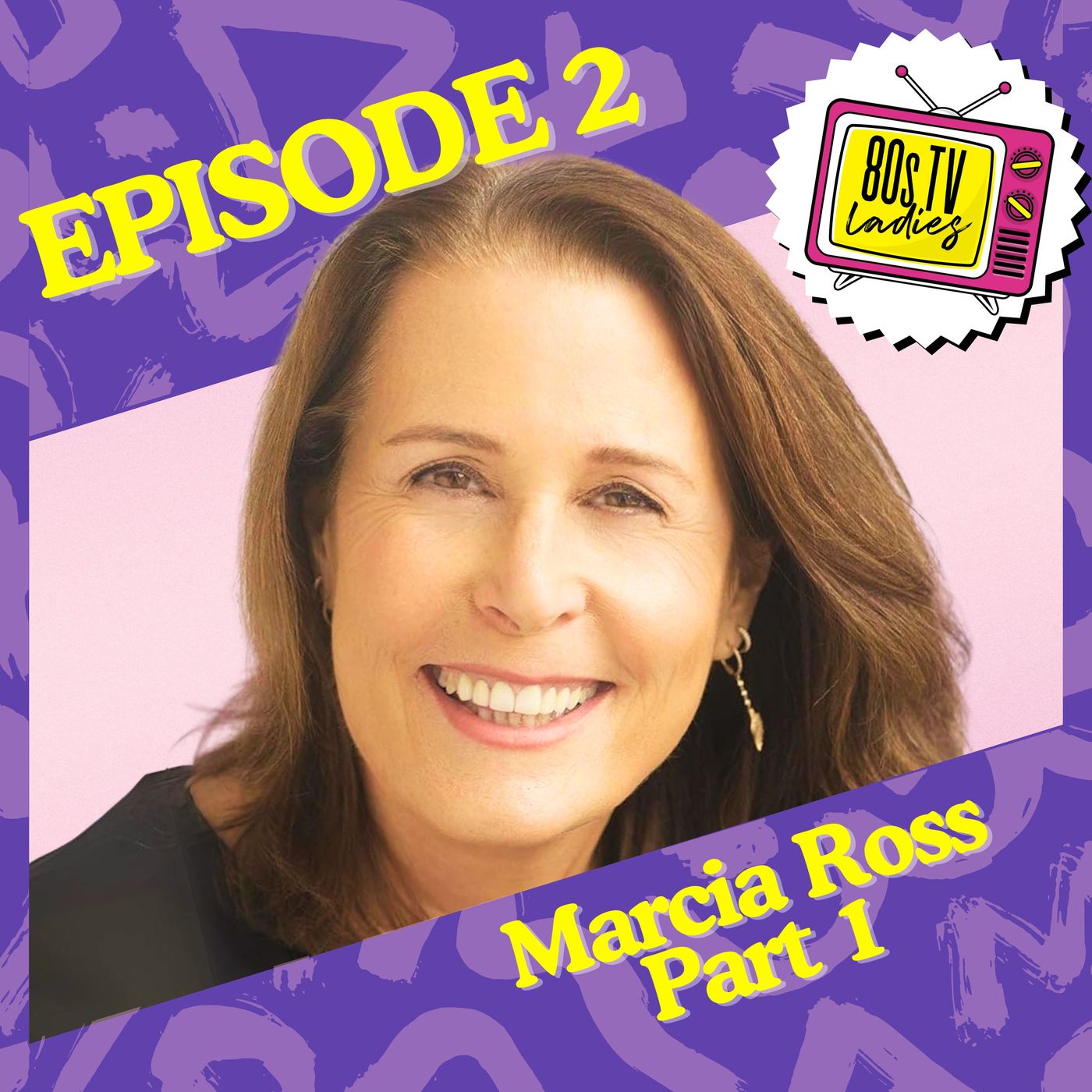

About this episode
How did “Clueless” and “Princess Diaries” and “Romy and Michelle’s High School Reunion” find their leads? Casting Director Marcia Ross has been instrumental in putting together amazing ensembles for classic films and TV shows since 1983.
Susan and Sharon sit down this week with Ms. Ross to go behind the scenes and discover exactly how today’s “unknown” turns into tomorrow’s “big discovery” -- and who makes it happen. Among the young actors Marcia is credited with discovering: Anne Hathaway, Heath Ledger, Paul Rudd, Rachel McAdams, Jennifer Garner and Amy Poehler.
THE CONVERSATION
- Channing Tatum’s first audition! He didn’t get the part. But the next time Marcia saw him, it worked out better: Step Up.
- Casting Andre Braugher -- and how a single note changed the audition from flat, to making a roomful of people cry.
- 10 Things I Hate About You -- Gabrielle Union was the only person who auditioned for her role.
- HEATH LEDGER GETS A SECOND CHANCE: The first time around he just didn’t have it. Marcia gave him one more chance: “Be prepared!” It made all the difference.
- DARE TO PIVOT: How she made the transition to producing documentaries: meeting Terrance McNally -- and then filming him…
- THE SCIENCE OF THE ENSEMBLE: thirtysomething -- it started with Ken Olin. But it when Mel Harris came in, it was all about chemistry…
And stay tuned for PART 2. Casting in the 80s, Jeff Bridges and more!
AUDIO-OGRAPHY
Find out more about Marcia Ross and Jeff Kaufman’s documentary film work at https://www.floatingworldpictures.com/about-us
Need some 80s TV Ladies merch?!? Check out our GRAND OPENING SALE.
CONNECT
Visit 80sTVLadies.com for transcripts and more.
Sign up for the 80s TV Ladies mailing list.
Check out Instagram/80sTVLadies.
Support us and get ad-free episodes on PATREON.
Find more cool podcasts at our host sight, Weirding Way Media.
BREAKING NEWS
We just won Best TV & Film podcast at the People’s Choice Podcast Awards!
Thank you to all who voted and to all our listeners and guests.
VOTE
Registration deadlines are coming up! Register or Check your US Election Registration at Vote.org
Happy 100th Birthday to President Jimmy Carter! Get Susan’s new play about Carter's White House in 1979: Confidence (and the Speech) at Broadway Licensing.
Visit 80sTVLadies.com for more info.
Listen to 80s TV Ladies at YouTube. Subscribe and help us grow.
Don’t miss out. Sign up for the 80s TV Ladies mailing list!
Help us make more episodes and get ad-free episodes, video interviews, and exclusive content on PATREON.
Transcript
Automatically generated, so expect the odd misheard name.
Weirdy, weird medium Eighties So pretty Babies through the City Dreamed, the money Man World. Hello, dear listeners, Welcome to Eighties TV Ladies. We look back at female driven television shows from the nineteen eighties and celebrate the people who made them. Here are your hosts, Sharon Johnson and Susan Lambert had them. When Susan and I started this podcast, we thought it would be mostly us talking about the television shows we loved and remembered, with a few occasional guests.
But we quickly realized that all these people who were involved in eighties television and film have incredible stories to tell, and we wanted to celebrate these talented women and men who made television in the nineteen eighties, many of whom have continued to create amazing work beyond the eighties. Talking with folks behind the scenes has been invaluable in learning about those jobs, but also enables us to examine what has changed since the nineteen eighties. So yet another serendipitous Eighties TV Ladies story is what brought us our next guest. I'm a member of a lap Alliance of Los Angeles playwrights and met a great playwright and producer Jeff Kaufman when we exchanged some emails and Jeff was like, hey, you know my wife worked for Disney for many years?
Did you know her? Know her? Turns out, though I had never met her, I knew of her because she was the celebrated and brilliant head of casting for Disney Films while I was there, Miss Marcia Ross. I'm so excited to have our first casting director on our show. Marcia Ross started in New York Theater, then worked with Judith Halstra, ultimately joining her to become half of Halls Ross Casting.
Marcia Ross was VP of Casting for Warner Brothers Television for five years and the EVP for casting at Walt Disney Motion Pictures for sixteen years. Just a few of the films she cast includes Streets of Fire, Clueless, The Princess Diaries, Ten Things I Hate About You, and she is credited with introducing new talent such as Heath Ledger, Anne Hathaway, Rachel McAdams, Paul Rudd, Amy Poehler, Jennifer Gardner. The list goes on. We are so thrilled to welcome her to EIGHTYESTV Ladies, and it's so special to have her here in person in our little studio. Hello, miss Marsha Ross.
Hello, very nice to have you here today. Thank you so much. We are so excited to speak with you. And it was so interesting to discover that we were both at Disney at the same time. But I don't think we've ever met.
No, I mean, I came to Disney. I started in January of nineteen ninety five, and I was there through about February March twenty eleven. So you were there longer than I was, But I was there your entire ten probably I knew your name. Yeah. Well.
I ran the casting the future film casting department, and when I was hired, initially I was doing you know, Disney and then touchdown and then they and there was separate Hollywood Pictures. By the time I left, it was all one. Yeah, so we were over it. I was the first tenant in the Frank you Wells building, okay, all right, yes, because Royal Disney was right next door, and then there was a commissary on the other side. Yeah, that's Royal Disney.
Yeah, all right, Well that's where I was, and I were over the ABC Riverside building because I started working at ABC and end of two thousand, I was assistant to Alex Walla, who is the president of the network, and I just retired from Disney about. A year and a half ago. Were there quite a while. I did, because it was my intent when I went there that this was going to be it, this was going to be my last job, and I managed to make it work that way for me. So that's great.
That's yes, it did work out great. Yeah. Yeah. I I I was in mark so I started in behind the scenes. I ended up running the digital marketing department, which was a fun ride, but mostly because a lot of people got fired.
Well that's like the thing there. Every time you turn around, people are getting fired. You know. When I first met Bob Iger, Bob was actually at ABC, you know, he just had a production we did thirty something. I think he was president at that time, right, Yeah.
Yeah, let's start at the beginning. How to talk about how you got into casting and your interest in casting initially. So I grew up in New York. I grew up in Menvern in New York more famously and Done, where Denzel Washington was born. That's where I'm from, and Menvern is very close to Manhattan.
And my parents took me to see my first Broadway show when I was eight, which is Oliver, and then I saw Carol Channing and Hello Dolly when I was ten, and I was pretty much from a very young age hooked on theater. Wow. By the time I was in high school, I was really going to theater all the time. Every Saturday, my mom would take me to the train, I would go in by myself. Of course, tickets were so cheap then, you know, five dollars, you know for real balcony, three dollars to stand.
I mean, you know, I saw everything, you know, when I would go around Wednesdays, was I was out of school, or if i'd get you know, a parent to take me at night, if there was something. So when I went to college, I ended up being I was a theater major, but I did not want to act. I was I'm too practical to be an actor, and I just didn't feel like, you know, there would be a place for something like me. And I did some acting in high school, but that was about it. And at that time I thought I'd be a stage manager, and that's what I was doing when I was at Northwestern in the theater department.
But they didn't have a program in stage managing. So an opportunity came up with the National Theater Company, which was a theater company by the Baron fran Weisla, who are now very big Bardway producers, but in those days they would send out these productions of children shows. So I went to work for them when I was like, guess, nineteen or twenty. I was sort of the assistant. We had the two assistants to the stage manager.
And at the end I got an equity contract and we spent two months rehearsing in seven months on the road with the Adventures of Tom Sawyer. We traveled all over the Eastern United States, schools this and that, and when that was over, I, you know, I didn't really like all that living out of a suitcase, which is kind of almost like an actor's life too, really, and I wasn't sure what I wanted to do. And I started working at Circle in the Square in New York. I worked in this description department, and I didn't really know anything about casting. I didn't know what that was at that time.
I mean, I knew agents because I knew actors had agents. And I got a job when I was twenty two working in a small talent agency for a man named Monty Silver who had incredible tastes. It was a small agency, it was a lot of opportunity for me. And while I worked for Monty, casting directors called and I started to talk to them on the phone and learn about what, you know, what was that relationship. I became a talent agent when I was twenty three, and I was sending people out on regional theater and commercial.
But I didn't really enjoy it. I found it very frustrating because I love talent and I love finding people, and I love being able to help people. And you know, Agent D had a lot of frustrations because I was at the mercy of all these casting directors whether or not they would see this person that I found. And I went to the theater five nights a week, so I was always, you know, looking for new people, and an opportunity came up. I got an introduction through the late Jeremy Ritzer.
Fear and Ritzer were incredible casting directors, by the way, in the seventies and eight I mean they cast Bob Fosse, you know, they you know, talk about eighties casting so much. Incredible work, someone who was a great mentor to me. Also Shirley Rich who put Meryl Streep in her first you know television things. I mean, there were some great casting directors in New York in those days. And I got my first job in casting at CBS Television in New York.
I was assistant to the head of casting. What we did was that we would bring talent into all the la casting directors that came to New York to find people. And that was our job, you know, to go out and see everybody in New York and find people and bring in the likes of Tom Hanks. I mean, those were the sort of people we were bringing in then. This was the late seventies, I guess, nineteen seventy eight, seventy nine, So we were doing that.
And at one point I was working with the casting director named Judith Holstra, who I ended up working with for eight years. And she'd come to New York on a pilot called Oh Love at First Sight with who was in Philip Levian and Susan Bigelow. I mean, this is now, you know, nineteen eighty the start of nineteen eighty I worked on this pilot. Anyway, at the end of the week of showing Judith actors and working with her on this because my boss had had to rush to Los Angeles for a crisis, so I was just alone with this woman helping her. I asked her because I thought, you know, maybe like I needed to go to LA.
I'd never been to Los Angeles, but maybe I needed to go to LA because there wasn't a lot of opportunity. There were features in New York, but there wasn't a lot of television like now. And she actually offered me a job, and so I I said, well, you know, I can't leave during pilot season, but I'll come out at the end I and I did, and I ended up moving out there to Los Angeles. Jil I third nineteen eighty. So I was there for the eighties and that, you know, because that show got picked up.
And you know, I really didn't know a lot of actors. I knew a lot of actors like theater actors and actors i'd seen on stage, actors I'd seen on television, but the kind of day to day actors that you need to know when you're casting a television series. That's a whole new thing. And there's not a lot of time to do it, and she just threw me in. I mean, I have to say, you know, she's truly my mentor.
Everything I really based. My whole kind of how I ran my own business and worked as a casting director comes from the things that I learned, you know, in those days, the eight years I was with Judith. And what were those things. Well, particularly how to deal with people, you know, I mean, Judith had great taste. So I have to say I was very, very lucky because I worked for several people, also my Bossbrick Jacobs.
When I worked at CBS, I worked for three people who all had great taste in actors, who all were very like Mentory. And also we're willing to give me a lot of opportunity. But in casting, you know, casting is like a what I call like a threefold thing. My favorite part, of course is the actors. It's you know, finding new people.
I mean, it's the most exciting real part of casting is all those new people. And you know, it's a lot of readings and a lot of things, seeing things and all that. So you do that, and then there's the next part, which is making the deals and dealing with all the business aspects. Of it. You know, it's great to find an actor, but if you can't make the deal, that's a problem, and that could be very hard dealing with a lot of agents and managers and lawyers.
But really, and this is the thing I think I learned most from her, is, you know, dealing with all the personalities that make the decision because you know, you have to get a lot of people on board to agree. You also have to get people to see what you think is good because you can bring in people that they don't get, but you know they're the right people sometimes. I mean there's countless actors who can bring in that don't get the part who go on to other great success. But you know, this is go working with all the personalities, and I think that for the best casting directors there is an incredible skill. So I learned a lot about watching her, how she really interacted with people, and a lot of stuff.
I mean, in the eighties, that's where I was. I was with Judith from nineteen eighty to nineteen eighty eight, and then it was sort of time to move on. You know, I had been offered a job at CBS. To go back to CBS as a low level executive when I was twenty seven. But Judith had said, no, I want you to become my business partner post Ross casting, and I thought, you know what, I turned the job down because I thought, you know something.
I told it was Jing Guests, who was head of CBS at the time. It's head of casting there. So I just said, you know, I think that it's more important for me to become a good casting director now. I think I will be a better executive down the road if I really am a good casting director. But then there was an opportunity that opened up at Warners in a The person who had been head of casting was moving to New York, and I ended up getting that job, you know, because I wanted to try that part of casting.
So I was at Warner Brothers. From eighty eight to ninety three and I was running the television casting department there and I was still always casting too. I was able to find a way to balance the job with the guests. That's tough being an executive, and yeah, but. I wanted to do it because I felt like I needed to keep my skills up because I think, you know, when you don't do it for a long time, walking into a room and having to present to directors and producers that first time and have a level of confidence about, you know, my taste.
So I always wanted to keep that muscle going, so I just I did. But you know, when you're an executive, you know this about working at Disney, you don't really get a lot of feedback. I mean, the main feedback is that nobody fires. You, correct, I mean that's the feedback. You know at Christmas your boss says, Okay, you know you get you know, you get whatever you get, or like one of my bosses once said to me, says, you know, Marshall, I know you would like to have more contact with me, but you know, just keep doing what you're doing.
I only call people, and I'm not happy. But when you're in a room with people and you're casting, you get a lot more feedback because you work with the director and the producers and you know they're happy with your work and they tell you you feel you feel the positive aspects of it that no one tells you when you're an executive. And I would imagine you also get to know the taste of the various producers and kind of what they're looking for and the sense of that by yeah Yeah. Especially I found true for me when I was at Disney later on, being a casting executive isn't really the same as being a casting director. Casting executives oversee the casting of other work and other people's casting directors.
You cast your casting director along with the director and producer who they have either worked with before or they meet some new people, but you're supervising the process, which really basically means you're an intermediary between their casting process and your executatives who are going to be signing off on this casting, and also an intermediary between the deal making process and the attorneys or lawyers that are making the deals and the agents. As an executive, I found what was really great was there was this sort of whole other layer of closeness to the decision making process. I felt as an executive, I could even be more effective with the thing I loved most casting new people, because you know, these people knew me and they trusted me, and these were the ultimate decision makers.
And I could also help support the filmmakers. And I'm going to digress with one story about Channing Tatum. I was casting a movie and I'm trying to remember it was Annapolis or mister three thousand. But I was asked to me channing Tatum and he came in and he read for me. It was his first audition, I mean, he not auditioned for anything before, and you know, he had so much there was just something, you know, And I called him back because I just thought, the guy has something.
I mean, he hadn't done anything, but he had something. We didn't end up casting him, but a few years later we were casting the first Step Up and Anne Fletcher, who was directing it, and he auditioned that's who they wanted to cast in the lead. And you know, he at that point was still unknown. And I got that tape and I saw, oh my god, that's the guy. That's the guy.
And so that when I went to my bot, I don't remember who it was. I was near to Jacobson. I don't know. I had so many different people that I worked. For, lots of bosses at Disney, lots of bosses, but I just said, like, I have been in the room with this guy.
This guy is a star. Like I know it. I felt it then and I just you know, And so I was able to support their film that way, and that comes out of the fact that I cussed thirty movies while I was at Disney. Crazy, but I did do that. Anyway, I left Warner Brothers.
They were merging with Laura mar That really wasn't a place for me. I went back on my own business. I went right back to work. I was doing tons of television. I wanted to get back into film because Judith and I had done at least one or two films a year, so I had a regular business.
And then I got a call from somebody at Paramount. They needed a casting director for it was a major feature film, big producer, big director. They really didn't have any money and that was clueless, and I said, yeah, I want to meet on that. So I ended up casting that, and right when I was coming to the end of that, somebody called me again. The person who was the Disney was leaving.
Did I want to go meet And at the time, you know, my business was going very well and I was getting back into film, and I thought, you know, they're not going to hire me because I've just had all this career in television. Everything's an approval thing. So if I go and I meet these guys, which was David Vogelan Donald's a line at the time. Then someone says, oh, what about Marcia Ross to cast this thing? You know the Oh we met her, Yeah, we like her short.
So I went on the meeting, but I wasn't sure, and I really I owe a lot to these two guys, and one MS Adam Schroeder, who was my day to day producer. The main producer was Scott Ruden, and he said, do you want me to ask Scott to call And at the time I said no because I wasn't really sure I wanted the job, because then I was going on also I was casting Bound, which was the first film for the Rashawski Brothers. But they called me back and I decided that I was going to go on a call back. Then I had to really want the job, and I figured it'll be like a five year job, like my job at Warner Brothers. You know, I'll leave that job at the end, just like I did when I left Warner Brothers, where I was working all the time, But now I would have all these new relationships.
I went back on the interview, and I think they also it turned out like the fact that I had a lot of executive experience that there wasn't going to be this big learning curve for me. And then Scott Ruden called, which you know, at that time, having Scott Ruden call was a big deal, and I got that job and I ended up being there for sixteen years, and then that ended when a certain person was getting rid of lots of people. Because at that point, you know all this, you don't have to put this in. You know, you reach it. Corporate life, it's you reach a certain point.
You know what I always say about corporate life, You serve at the will of the king, which is that is a new king. Sorry, you know, you know, sorry, But it didn't matter because I had really always planned to go back on my own business. Honestly, I thought i'd go back after five years, not sixteen. But in the interim I had a daughter. You know, I was able to really create a department for myself that really was fantastic.
I mean, I was casting a couple movies a year I was overseeing. I worked with some incredible people over there who really trusted me, and I had an opportunity to cast some incredible films where I discovered people and these people trusted me and let that happen, so I felt very effective, and then I went back on my own business, which I was in for seven years. In twenty twelve, I met Jeff was my husband now, and I started producing documentaries with him, which is what I've been doing. And I didn't really stop casting, probably until around twenty seventeen, because we were just traveling so much for the films where that I didn't need to do both anymore. I can honestly say.
I was talking about this with some casting directors the other night, and by the way, fantastic news were finally getting our Casting Academy Award, which has been denied. The casting directors saw that, congratulations. Over we'd been trying since On MC god knows, I was saying to David Rubin, who used to be president of the Academy, but he's a fantastic cast director. I went to the Academy with him as like ninety six ninety seven, Mike Fenton, the late Mike Fenton, a great casting director, had been part of this group of people, and Mike couldn't go one day, so I went with David and Arthur Hiller, you know, was the president then. I mean, it's been a long haul.
To get the branch, to get you know, to get the Academy Award. But I say from I just feel like I really had a great career. You know, I did everything I wanted to do. Could I have still kept casting, Yeah, but it would have meant I couldn't do a lot of other things I was interested in doing. And I didn't really think there was like more I could really do that was like different, and then you know what I had done.
I really feel because of Zoom and what happened during COVID, it's not returning to the way it was very more minimally where you're in the room with people, that incredible experience of having somebody walk into the room. I'll tell you. Another casting story, and I'll tell you exactly this casting story. I was working on this movie Murder in Mississippi and it was the eighties. It had been a feature film at Warners, but because they had done that Mississippi burning, they didn't feel they could just do another one, so it went over to television and I ended up casting.
I had gone to New York to do some casting, and I met Andre Brower at the late Andre Brower what a great actor, you know, he had just graduated Jiard. I think he maybe had done Kojak and he came in to read for me and he was so great. So I gave him a callback, and I don't know, sometimes you know, callbacks don't go great. And his callback because I was raving about this actor and the callback didn't go great. And so I said, well, I to take some of the whispers to my director of producas, you know, maybe could you hell, you know, could you just talk to Andrea a little more about the way.
I don't know, I said something, so my director, my producer, and then Andre read again and when he read again, they were sobbing. Everybody was crying. He played Dave Dennisith that who does the eulogy for you know, the three civil rights workers that were killed. He was a real person anyway. I mean, that's the kind of thing you know, when you're in a casting session that happens.
Is like when you were at a screen. Test and you see two people read together and there's this magic and you know, you know, when you saw Paul Rudd read with actually with the Alicia Silverstone, you couldn't deny what was happening. You know, it's you're not really in the room the same way anymore. It's all it's most of it's on zoom. So I'm sort of glad I'm the age I am and had the career that I had when I did, you know, being a casting director in the eighties and the nineties or and even into the you know, it was a great time.
Yes, And I was going to say, I'm so excited to hear about Bound because I saw that at Sundance. Was it at Sundance? I didn't finish? Can I start? I brought in Gina Gershaw.
Yeah, I had started casting it for them, the guys then yeah, and then I got the job at Disney, so Nancy Foy ended up taking it over. But I cast a couple of parts and then I didn't finish it. I couldn't finish it because change it. Yeah, I mean, that was just so exhilarating. It was the time when you would be somewhere and you would see the magic happen that doesn't happen anymore, whether it's magic in a casting room or you know, being in the early days of Sundance, when you know, you could tell which films.
Were about to pop and they didn't come in that way, right, Like people know before Sundance these days what films to be looking for, right, and sometimes it's done well Sundance. I started going to Sundance in the eighties, in those days, and I mean when I was older brothers, I was going. You know, you'd go to a movie and the actress would stay for Q and A. You could go up them, or you'd see them later on main Street and you'd walk up to them and give them your business card and say, hey, you know, if you don't have an agent, if you have an agent, here's my card, Like when you're in LA, I'd love to sit down with you in the office, which happened all the time. I went to Sundands for fourteen years.
By the time I stopped going, that was no longer happening. And that's you know, it's they're all it's like a celebrity. It's a great way to launch a movie and do publicity. And I understand everyone needs to do it. I said to somebody.
I remember because I would go every year and I would do these reports for my group, you know, up and coming talent. But really what it did was it became later on an opportunity to see people that everyone knew one way in big movies, do something different in a smaller movie. And then you could go and say, because again that's part of as a casting director. You're a little in a rolodex, which is, well did you see this? Did you see that?
Did you see you know? Oh no, but they were like this in this movie. I think I remember seeing Matt Dillon. I'm having a memory now. I remember seeing Matt Dillon in a movie at sundown and then we were casting something and it's like Matt Dylan, like nobody could picture Matt Dillon.
But I said, well, I just know Matt Dillon, you know, and you can get the film and you can show them and then it changes people's minds. So you must have that sort of vocabulary when you when you're a casting director. That's amazing. One of the interesting things that you were saying is that as you took on executive roles, you continue to do casting. Do most casting directors do that or is that no?
Yeah, as some let go of that day to day kind of. It's it different, yes, I mean I don't. They're very different skills. Different skills. A lot of people who are.
Executives now kind of came up as executives. Some did some casting. I mean the older people or were who are executizing now they have come most many did, but in the newer realm of things, they usually just started with somebody who was a casting executive and they trained on their desk and they learned. It's a very different skill. It's casting.
Sure, you got to have good taste, you got to how to work with people, you got to understand, you got to understand all that thing. But you're not out there on the trenches, you know, seeing the thousand, you know the five hundred. Or whatever it is that you need to see. You know, you're supervising people and and sort of some often orchestrating very delicate political situations. So no, I don't know.
I mean, you know what happened was that Warner Brothers. I did it because there were times that it just wasn't busy. But when I came to Disney, they were, you know, they thought I was kidding, I think at the time, because it actually became an issue. I said, listen, you have. To I'm not going to take the job.
If I can't still cast from time to time, I won't be happy. Really because it really was the more creative part of the job. The first job I did at Disney was direct to videos. Honey, we shrunk ourselves. It's just sort of all of it sort of snuck under the radar, you know, kind of thing.
But you know, over time. What happened was that some of my executives, you know, Ninaj Jacobson and a couple of others, they liked having me cast things because I think there was a feeling that there was more control over what was happening because I was right there in the room. And also it saved a lot of these productions money because I had my staff doing things that would have had to come out of a budget. But I didn't do a lot because I didn't want to take work from casting directors. So I want to clarify something.
I never ever did a movie that came with the casting director or producer and director wanted a particular casting director. The only movies that I ever cast were movies that it was like a brand new person. They did not have a casting director unless they requested me. I had a job, So the last thing I was ever going to do was take a job from another casting director. So the only jobs I did were ones where I was asked to do it.
And also there was no casting director who should have had the job right away. And was that ten Things I Hate about You one of those? Yes, that was one of them. We also watched that recently. It really holds up.
Totally holds up, It really holds up. Yeah. Yeah, And oh my god, those performances are magical. They're so captivating. Heath Ledger is amazing.
Yeah, Julius Stiles is amazing, Joseph Gordon Levitt is amazing. They're all amazing. Yeah, So tell us about that that experience, because you cast that one. Yes. First of all, Gil Younger was the director and it was his first movie movie.
Yeah. Yeah, And you know what I have to say about Gil that I loved was I've worked with a few directors like him, and when an actor would come in and they audition, that he could give them like a note, and a good actor could get the note and just change the performance. Like he knew right away, oh they took the note, they didn't, but he knew what note to give, you know. It was like he knew what to tell actors to get what he wanted or not get what he wanted, you know, that was amazing. And he was also really decisive.
So like when I brought in Gabrielle Union, which was her first movie, even though the another movie she did came out first, I never brought another person for that part. I mean, he was like, that's it, that's it's her, she's that part. That's it. He just knew, you know, he knew, he felt it, and he was decisive. So Heath Ledger came in.
He was in town from Australia and he'd actually done I think a movie two Hands, or he had to go back and finish this movie two Hands in Australia. But Steve Alexander was his agent It's See at the time, and he said, I've got this guy, and you meet him. And he came in and he read and actually his reading wasn't great when he read for us in the office, but there was something like different and unusual about him, and I really trusted Steve's taste, and I thought, well, Steve went to sign this guy if there wasn't something, So you know, I said, look and make sure that you really like read the script and work on the material, you know, really be prepared this time. You know, because I was willing to give another chance because I just thought there's something I don't know what it is.
Even though this wasn't a great audition, and when he came in to read, oh wow, you know, the next time he read, he was completely prepared and he was fantastic, and so, you know, we continued to have readings. In the end, we did screen tests, you know that we had to do screen tests, and we tested a couple of other people and Julia and Heath and we mixed and rematched. But then of course, you know, Julia was had just done some really interesting independent films that have been in Sundance, and nobody knew who Heath was. So like, okay, well we're making this movie and with two people know whenever heard of them, so you know, who are we going to put around them? Okay?
So that also became part of the casting thing. And Joseph Gordon Levitt, you know, was on Third Rock from the Sun and so he had some name value. And Larissa Olnek had been in Clarissa and the actor that played Joey, who's not in the business. I was able to bring in all these magazines because he was in every teen magazine on the planet, so you know, we were able to assemble around them some really recognizable names. I was thinking about this too, because I saw Alison, Johnny and something and we had this teacher part and we hadn't cast it.
I remember Donald's a line. He was like, I want someone really interesting in that part. We got to do something special. We got to do somebody really interesting. And I have no idea.
I mean where we came up with Alice and Johnny. You know, I don't know. Where I'd even see her. But she wasn't done that much. She'd probably done some television, but she was unique and she was up and coming, and that was like, oh my god.
Everyone was so excited because she was fantastic. She was fantastic. Yeah, and then I was up. We did cast a lot of the smaller parts up in because we shot an in Tacoma at the school up there, but I did a lot of the smaller parts. I went up there out of Seattle.
Okay, that's interesting that the sort of if you know the chemistry is going to work, because it's always a risk. There's always a risk. But you know, that's why you screen test, because it's either there it's not. You can't make that stuff up. That's the thing.
You cannot make it up. You see it or you don't see it. And you know, the two actors don't even have. To like each other. Even what is that Sea of love?
That famous story about Ellen Barkin and Alpacina, But wow, they had great chemistry. So it's it's on. Film, that's the thing. The film is a different thing. People sometimes say, well, how do you know?
You know, what's a movie star? And it's much harder to be a movie star today because there's not enough big movies to cement a person's career, you know, in the firmament. Like it used to be. But it's not always just the acting, because people can grow and get better as actors. But someone is either compelling or they are not compelling.
Compelling you want to watch the person, doesn't matter even if they're you know, a little green or a little this or a that. You want to watch them. And if you want to watch somebody, that's what makes them a star. That's what he hit Leger you know you're a down yeah, or Channing Tatum. I mean these people come in they haven't done anything, but you know, you just know oh wait, I'm paying attention.
I don't know why. And I thought a lot about it in the last years when I was casting, about what that thing is, you know, that feeling here? You know, how do I know? People says, well, how do you know? I said, well, I just feel it.
And I think a lot of casting directors would tell you this. There's a lot of wonderful casting directors working today who done amazing work, and many of them have worked for quite a while, and they, you know, I think would all say the same thing. I think when you you've done it a lot, your brain and your you know, your mind and your body are very connected, and your brain, you feel it. Your mind just knows that it sends the message to your body before you have time to realize you actually thought about it. I don't know how to put it any other way.
Instinctual. It sounds like it's just after a while, you know. And also you have to trust. Yourself well, and you spent your lifetime kind of watching for that. Yeah, and that's as a child, you know, see like who pops right?
And I did it as a child. As one last story about that, you know, i'd come home, I had all my programs. I used to keep them all. I still have them in a box in the garage. But you know, I'd come home with these programs and I talked to my mother, say in the kitchen with my mother, well this actor.
You know. My mother was like, you know, rolling her eyes, but oh my god, look it was the understudy here, and look it was the standby, and look it was who was in that regional production. I was fascinated by all that. So I just had this mind that could retain a lot of that kind of information. And it was a great interest to me.
Yeah, and I think that's the key. It was of interest. And so you spent time learning it and not realizing that you were going to do anything with it, but just you were just interested, right that started, Yeah, training yourself. Just why. I feel like when I really got my first casting job, it was like it like a lego, you know, it's like boom.
You know, it was an advocation and a passion in my work. It was like an amazing thing to me to find work that answered all of the things I cared about and liked. And do you remember what that project was? Oh, it was just a job and casting it was just a job in casting that it was the. First job in casting.
Oh that's it. I don't know how to explain the other way. Okay, so we're going to take a quick break. Okay, we'll be right back, and we're back. Was there a moment when you were working with anybody, but with Judith maybe where you were like, oh, yeah, this is my career now.
It always was. It was always that I didn't think I'd ever do anything except maybe my mind or was psychology, but you use a lot of psychology and casting anyway. So no, I mean I always wanted to be in show business, and I started casting when I was twenty three, twenty four. No, I never thought about doing anything else. The only thing I did think was, at some point in my life I did want to do something else.
Not because I didn't like casting. But because I thought, you know, I'm always so admire those people who are willing to pivot in life, and I'm afraid kind of that fearless thing that people make life changes like that. I started thinking about that probably in my forties, actually, right around the time I was working at Disney. Not because I was I need to leave casting, but because I just had this idea in my mind that it might be interesting to do something else someday, just because that's a fearless thing to do. And then ultimately when I when I met Jeff, and you know, I started working with him on the documentaries and I started producing with him.
You know. Well, in twenty twelve, my dad died and I decided to go back to college because I'd never got my college degree. And one of the reasons I did go back to college was because I was thinking about this and I thought, well, I want to do something where I am not casting. But I'm not not casting, so I was still casting while I was going to school. And what did you wear?
And I went to Antioch, but I went, I didn't just take I needed like forty eight credits actually, so I went. I went for four years. I would do like four credits a quarter, you know, because I was working full time, I had a kid at home. I was like the whole thing. And the class was like once a week, you know.
So I do two classes back to back, you know, once a week, and I get my six credits or my or whatever. And I love going to school. I loved going to school. I loved studying. I love reading I loved talking about all these things that, like I were really things that really interested me.
That weren't my work. So I realized doing that that like there was a possibility that I could live and not do casting. And then you know what it did find in the transition to producing with Jeff in addition to all the relationships that I had as a result of so many years in casting, many of the things that I did in casting from you know, working on budgets and dealing with numbers and dealing with lawyers and dealing with insurance issues and dealing with talent and being on a set with actors and you know, seeing and going to test screenings and looking at you know. What was happening. All those things that I had done in casting lent themselves completely to documentary filmmaking.
And producing and producing. Yeah, and so when did you start in documentaries? And by the way, the Terrence McNally, Oh, yeah, is amazing. Every act of Life. Every active life, Yeah is great.
Thank you. We had a blast watching it and I can't wait to watch now Nasreen Nazarene. Yeah, so that's next on my list. But what kind of drew you to documentaries? Yeah?
I know, it wasn't him. It was n't but it wasn't him. Because I always love documentaries, and every year when i'd go to Sundance, I'd probably try to see two documentaries amongst the five films a. Day I was seeing. I just always really liked documentaries because you learn a lot.
Even if it's not a good you learn something. You take something from it in a different way than you don't from a bad narrative film. Except if you're seeing you know you, Oh I saw a good actor, then there's a lot of value. So I was always really interested. I remember thinking, oh, someday I want to just come here and just go to documentaries because you know, I don't have to think about who's in all these things.
I could just like experience the film. In twenty twelve, he had a film, a wonderful jazz film called The Savoy King about Chick Web and Elvitzgerald and the Savoy Ballroom in New York. It's a great, incredible story and it got into the New York Film Festival. So I went with him to the New York Film Festival. But this time I was not going as a casting director.
I was going just as his companion, so to speak. You know, he had a PR person who I didn't know, but I could see, you know, all the stuff that wasn't happening around issues that you know, PR interviews, a lot of stuff that I could see, Wait a minute, this isn't how it should be. I went to a lot of film festivals. You're at the New York Film Festival. This person is not doing the job, because this is not going to get what it needs without the right person doing it.
So when I came back, you know, I started to talk you remember hi to Jada. Did you know Heidi? Oh yeah, Heidi was a good friend to me, and she was very helpful. And I started talking to people and trying to figure out, you know, things we could do for the film, to do many things, and that's how it really started. The next film, which he had decided to do, was about Father Joseph was a Haitian priest who had started the first microfinance bank mostly for women, you know, and hey, and so I started to get involved with that.
I was still working, so I didn't go to Haiti till later. And then it was like at one point on like watching auditions for something like that. But you know, like really in a car, you know, it's crazy. And then what happened was that there was an issue that he had had. Cultrip planned raised the money, the whole thing, and Father Joseph said, you can't come.
They've been all these kidnappings. It's a bad time. And he called me, and you know when he was very depressed, and I was like, let's talk about it. So we met and we talked about it, and in the end, I just said, we'll find a way. You know, we will find a way.
If we have to get you another bodyguard and somebody else, you're going, which he did end up going. But he said, I have another idea, and he started to tell me the story of actually who became the film The State of Marriage, about Beth Robinson and Susan Murray and Mary Bonata. But these two small towns for Mount lawyers who basically changed the world because they came up with the first legal arguments in the United States for civil Union and sat and you know same SA benefits incredible women whose stories I felt would be forgotten if we did not tell them. And I love the story. But then he did go.
But then I was taking my daughter to New York. She was going to be doing a summer program at NYU between her sophomore, junior, and senior year at school. And I was supposed to do a film, and I kept saying, I'm taking my daughter, I'm doing this, and they're like pushing it. But I said at some point I walked away. I said I can't.
I can't, Like you can't keep pushing the start. Day you asked me to do this work, you're pushing the start. Then the movie just never happened anyway. So I just said, come meet me in New York. Let's go to Vermont and talk to everybody.
And so we spent nine days traveling all over in Vermont and we did some work in New York and in Boston. Also we went with Mary. Then I was starting to get more and more, and actually was during that film that we met Terrence and his husband Tom Curdie. It's a very successful theater producer now, you know, because Jeff had found out in his research that they had gone to get a civil union when it first became legal in Vermont, and Jeff had lived. Also, this is the only film we've done where Jeff had actual personal experience because he lived in Vermont for six and a half years.
He had a radio show talking Vermont. It was, you know seven He did it for almost seven years, five days a week as progressive radio, you know, a talk show. So he was around for all of this. So he knew a lot of these people. He had a lot of connections.
So it was incredible. They agreed to let us interview them about it, and we walk into their apartment, you know, in New York City, and I mean, first of all, i'd seen all of these terrors mcdadley plays, you know, so that was one thing. But then you're in the apartment and you know it's not just the Tony's but just the photos, you know, with this one and that one and oh my god, you know this is the theater key here. So Jeff had said, look, you know, if we like them and we think that, you know, maybe there's a possibility no one's done anything about terrorists. What do you think if we asked them?
I said, yeah, let's do it. So we approached them. After it took about a year because they were Tom was busy raising money and traveling for I think a stage at the time. Finally, after about a year, they agreed and we embarked on making that film and it was an incredible you know, I mean going to Angela Lansberg was casting. Yeah, I mean, you know Cheta Rivera, you know, Rita Moreno, people like that, and also people like Christine Baranski and Nathan Lane and some of the other actors.
I met Joe Mantella when I was at Warner Brothers because I had seen him in Angels in America at the taper. So I had met with Joe, you know, at a casting meeting, and now you know, we're interviewing him or other actors. There were a number of actors that I had met back in my New York days other times in my life. So it was a combination of like legends. Yes, being at John Candor's townhouse and sitting at his piano and playing piano with him.
It's life changing. Yeah. The casting of that documentary is pretty great. Yeah, thank you. And I was really like great because to get like Meryl Streep and and also Brian Cranston.
You know. But then against that's from casting because. I knew who to call and who to connect with so that we could get them the materials. The same with Olivia Coleman, who narrates Nazarene. I had ways.
Doesn't mean she was going to say yes, but I had ways to get to people. And Jeff was very smart because he did a lot of homework on her and he knew that she had a very strong interest in human rights and you know, knew a lot about it. So he wrote a beautiful letter and I was able to get to this person, and that person finally got to. Her to her. Yeah, yeah, that's very key.
Yeah, that's amazing. And while we're on the documentaries, Nazarene, do you want to tell us lie? Right? So Nazreene is about Nazreene so Today, who is an Iranian human rights attorney and political plearsoner and one of the most extraordinary people ever come across in your life. She's devoted her life to representing women, children, you know, people facing the death penalty.
More people are killed there than any other country in the world, children's rights, women's rights. I mean, she's been in prison of times because of her work. While we were making the film, she started representing clients from the Girls of Revolution Street, which was the movement of people taking their jabs off in the public and she was arrested and sent to Bene prison right in the middle of making the movie. We were able to finish the movie. We still worked on her for a couple more years, and then one of the things we did, which is what we have been doing the last few years.
She's home now on a medical furlough, but we launched a free Neazreen campaign in conjunction with the release of that film. We spoke in front of the European Union Parliament and all kinds of human rights groups around the world. It's been seen all over the place, even in Iran. But she's just a remarkable individual. And she also when we approached her about doing it, she said that she didn't want it to just be about her, but the community.
So the film is really about her. She's the focus of it, but it's also the community of women that she has worked with in the human rights sphere in Iran. Lots of them are in. Prison or they've been able to get out of the country. It's a horrible situation.
It sounds like it, but she's out right now. Right now, she's home on a medical furlough. She right before the movie opened, or Will Always had his premiere in October of twenty twenty, she had gone on a hunger strike to protest the fact that they were doing nothing about COVID in the prisons, and it. Was sparked like a real worldwide outcry. She did that to bring attention to what was happening to other people, and she ended up, you know, with a heart condition and she had COVID.
So she was able to come home and she had some kind of heart surgery. She's okay now, but she's you know, going back to prison. She was in prison again recently. She's home again because she you know, the young woman she was like sixteen or seventeen, and she was beaten to death in the subway in Tehran. So she went to her funeral to support the family with no hijab, and they were beaten and her glasses were broken and she got a minor conc and she was in prison for a little bit of times.
But she's home now on bail. It's terrifying, but also really important the work that everybody there is doing and that that documentaries are focusing on. But how did you guys meet her or get involved in this. Well, before I met Jeff, he'd done a number of smaller human rights films for Amnesty and some other things. And then he had done a film called Education under Fire, which was a thirty minute film about the persecution of the Bahigh faith in Iran.
That's, you know, they can't get an education, they can't own property, they can't own business. I mean, it's an incredibly abused minority there. And he came across Nazaren because she was representing Bahis. So here was this Muslim woman risking her life to represent people not of her own faith. And this was intriguing and I think, in keeping with what really interests both of us, all of our films have one thing in common.
They're about people who sacked a lot. They don't make a lot of money. They are in danger, often physical danger, professional danger, all kinds of danger. They're not always reward often not rewarded financially, but they feel really committed to doing work that makes a difference in the lives of other people. And Terrence was that way too.
I mean, Terrence is the first really out American playwright who also was putting LGBTQ people on stage in plays in a very real way where people could identify, you know, with it and see it, and you know he was people said he was gay when he was like when he was very young dating Edward Alby. You know, so he never was in the closet, never, and so he used that in the most positive of ways. And it look, it wasn't easy. Yeah, no one else was doing it. Everyone else was protecting a lot of There were a lot of gay people, you know, men especially, but nobody was out like Terrence.
So he was one of a kind. Yeah, amazing. Okay, So let's go back to Disney then or. The eighties or the seventies. Yeah, you know, well we got okay, a I have to ask you about Kujo, sure, because I'm a huge Daniel Hugh Kelly fan.
Oh Danny Kelly. Yeah, and he was on a soap. He was on a soap, Ryan's Well, right, he was on Ryan's Hope, which, by the way, Jerry Rittern harn Feurer, who I mentioned earlier, they cast Ryan's Hope. Danny Kelly was on that sope. But I knew Danny Kelly from New York.
And actually the first year I worked with Judith, we had a pilot that we did for CBS called Murder Inc. With Danny Kelly, Daniel U Kelly and Tovah Felchel, which you know was complicated, but Toba Felchell was the female lead and Ellen Barkin played this new aged weaver in this like a small role. So we went to New York and we did some casting out of it. That's how we knew Danny. Well, I've probably knew Danny just from being around New York in the seventies.
But yeah, and d Wall and that was like the first horror film I ever saw in the theater, and man, it was pretty terrifying because it was a dog. Well it wasn't a yeah, it was it was a dog. Yeah. You know, it's so funny that there's interest. I was contacted a number of years ago by a guy in Australia who's written a book about it, and they've just released I should have bought a few, you know.
I did sort of cover, you know, like interview for the back of the you know, the DVD special and they've just released like a fortieth which I can't even believe was forty years I remember working in that movie very vividly, but the fortieth anniversary is like a double bonus redone. I'm so surprised with the interest in that movie. Well, and it's d wall I mean, like it's a great cast. And that was right because well after Et you know, yeah, she was our big name. Yeah, she just sent me to New.
York and I remember I was working out a Martin Gage. It was an agent in New York. I was working out of his office and we cast Danny Pintero. I had to go find the kid. That's where I found him in New York.
But that's why I went to New York. And then Kylelinie Lee came out of there and Louder we did. You know, Judith loved him. We brought him in for everything, and you know, some of the parts were cast here and we cast a number of them from New York. But really just because we really had to find the kid.
Yeah. Was that at the same time that he was in hard Castle McCormack. I don't really about the same time. I don't really remember. Yeah, it's around the same time.
My husband and our big Stephen Canell fans and so hard Castle is a big one, and so that's between Kujo and Hardcastle. McCormack. I was like, Daniel Kelly's amazing. He was a lovely, charming man. I haven't seen him in a long time.
Well, and then it was also the Stephen King of it All ye, and it was a very good adaptation, probably the first great adaptation of Stephen King, which was hard. You know, not everybody got that adaptation. Well, you know, now you have special effects, but they didn't. They had like a real dog. They had an animatronics dog that, you know, trying to figure how.
To get the dog, yeah, to be crazy. Which is like now they just do it in a you know cgi. Yeah. So how often are you on set as a casting director? Not really that often.
Yeah, no, I mean that's the thing about casting. You come on early, sometimes very early, if you know you're trying to attach a couple of leads. But essentially your work is before they start production, and that is like what I was saying. Then the circus leaves town and then they go to location or wherever they're going. And the only time you really go to set is if they're shooting in la You know, I visited the set of Clues because they were shooting at occidental Occasionally I have visited sets.
The last thing I cast was shooting in South Africa. And I went down there because I was you know, I had never been, and I went on my own. Jeff and I went and we visited the set and it was creative, see this whole place that they built down there. But most times, no, unless you know, if I was in New York and I was working, then i'd go visit a set for something that Disney was shooting. But most of the time you don't.
You're working on something else already, you don't have time. And then you see it all together. Yes, what's been the most surprising, Like you've ever been surprised? You know, I don't know. I can't really answer that question because usually when you're watching it the first time, you're just like hoping, no one's terrible.
So honestly, you know, you really. You're not surprising. You know, that would be a surprise you don't want. So no, I wouldn't say, oh, what a great surprise, how good that person turned out. No, I think it's oh, thank god, no one was terrible.
So it's the first time you see it usually at the premiere. It was different at Disney. I would often go to Daily's or rolldowns, or I find a way to go to a test screening, you know, because I was really interested in all that and listening to the answer, reaction and stuff. But the things that I cast, no, I mean I didn't see, you know, on the episodes. I saw them on TV or I went to a premiere.
I never saw them any other way. All right, well, thirty something, Now we're going to talk about thirty something nineteen eighty seven breaks ground on television. What was that like and how did you go about sort of putting that cast together? Well, that was his last show I did with Judith. We did that pilot, and oddly enough we never did episodes, but somehow in the contract there were episodes, and so I did the year of the episodes, which is the support.
But the last year we were together, we did the episodes, and I just I remember with the episodes how hard it was at the very beginning because the show hadn't aired yet. It's really interesting, you know, we were really casting at a very high level. We have amazing people, and you know, I'll go back to the pilot itself, but so we were the three or four episodes we did before it ever aired, and then when it aired, oh my god. You know, I never worked on a show in my entire life that got that kind of amazing feedback like that, you know, I mean Ed and Marshall were like being interviewed all the time. They were in great demand, and I won all these Emmys the first season, you know, it was.
It was incredible then, and it was easier in some ways to be able to get some bigger actors to be on the show at that point. But the pilot was not easy to cast. I mean, you know, people don't realize I mean that. You know, you do lists, you do availabilities. It's pilot season.
You know a lot of people have already taken other shows or they're on shows. You know, you reach out to people, they passed, they're not interested, they don't want to do a series. In those days, we reached out to a bunch of people who did movies, you know, to do the leads, and they didn't do television series. Then. It's not like now.
And I knew Ken because when I worked at Circle in the Square. He was the boyfriend of a friend of mine who's still my friend, and I had seen him in the theater and actually I signed him. Monty had never signed anybody. It was my first time clients, so I knew k but Ken. Then Kent came to Hollywood and he was having his own career and Ken came in and he was really great.
He just like nailed it. And then casting the part that Mel Harris played was really really hard. That was the only part that we really struggled with. And Mello come in to read and we'd seen a bunch of people and we were feeling like we didn't have it yet. We didn't have it, so we.
Decided to call back people and we called her back with those people because they've just been something interesting. And then she came back and it was better the second time. And then we had to go to ABC and we had to bring the whole cast and we had, you know, in some cases, two or three people for every role, so we only had Ken. I'm trying to remember. I don't believe we brought.
Another person to the network, but we did bring maybe three other choices for Ken to read with in front of the network. And you know, as the day went on and it was a long day, he and Mel just like we was talking about chemistry. I mean, she came back at you know, let's do this scene. Let's do that scene, and the more she worked with Ken, the more the other people sort of faded away, and it was so clear that they had this great chemistry. And Patty was there that day, but that I don't know.
I think she was reading for another role. But we loved Patty, but she was so fantastic, but you know, she was reading because Nancy was like one line in the pilot. I mean, she was not, you know, a serious regular, so she was probably there reading. I can't remember for which part, you know, Milne, of your Polly's parts, I don't remember. But we really loved her and we, you know, the guys really wanted to cast her in the show, and so we gave her the guest star, which you know turned into like a huge thing, which is great because we had such a wonderful actress doing the role.
But they were both you know, really talented, I mean ed, you know, they both feature backgrounds, and so working with them was working at an extremely high level of who you want to get for television, which was incredible, really. Well incredible, especially for then, because like you're saying now, it's very different. You can go to feature film actresses and big names and they'll at least read stuff. Yeah, but they didn't have that then. Yeah.
Oh my gosh, this interview is so exciting we're gonna have to break it into two parts. Stay tuned for our next episode will be part two with Miss Marcia Ross. In today's audioography, you can find out more about Marcia Ross and Jeff Kaufman's past and upcoming documentary projects at Floatingworld Pictures dot com. Tell us your thoughts at Eighties tv Ladies dot com. As we've mentioned before, we really appreciate your feedback, so if you like our show, please make sure to leave us a rating and a review on Apple Podcasts or Spotify or whatever platform you use, and please help us make the show by going to Patreon dot com.
Slash Eighties tv Ladies. As always, we hope Eighties TV Ladies brings you joy and laughter and lots of fabulous new and old shows to watch, all of which will lead us forward toward being amazing ladies of the twenty first century. So bread, the City, Things, had Board, money in the member, anything, las



Similar episodes across the network
Matched by shared keywords.
-
The Princess Diaries
3 shared keywords: anne hathaway, disney, princess diaries
-
Episode 782: The Dark Knight Rises (2012)
2 shared keywords: anne hathaway, heath ledger
-
Special Report: The Mandalorian and Grogu (2026)
1 shared keyword: disney