
Season 3 · Episode 1
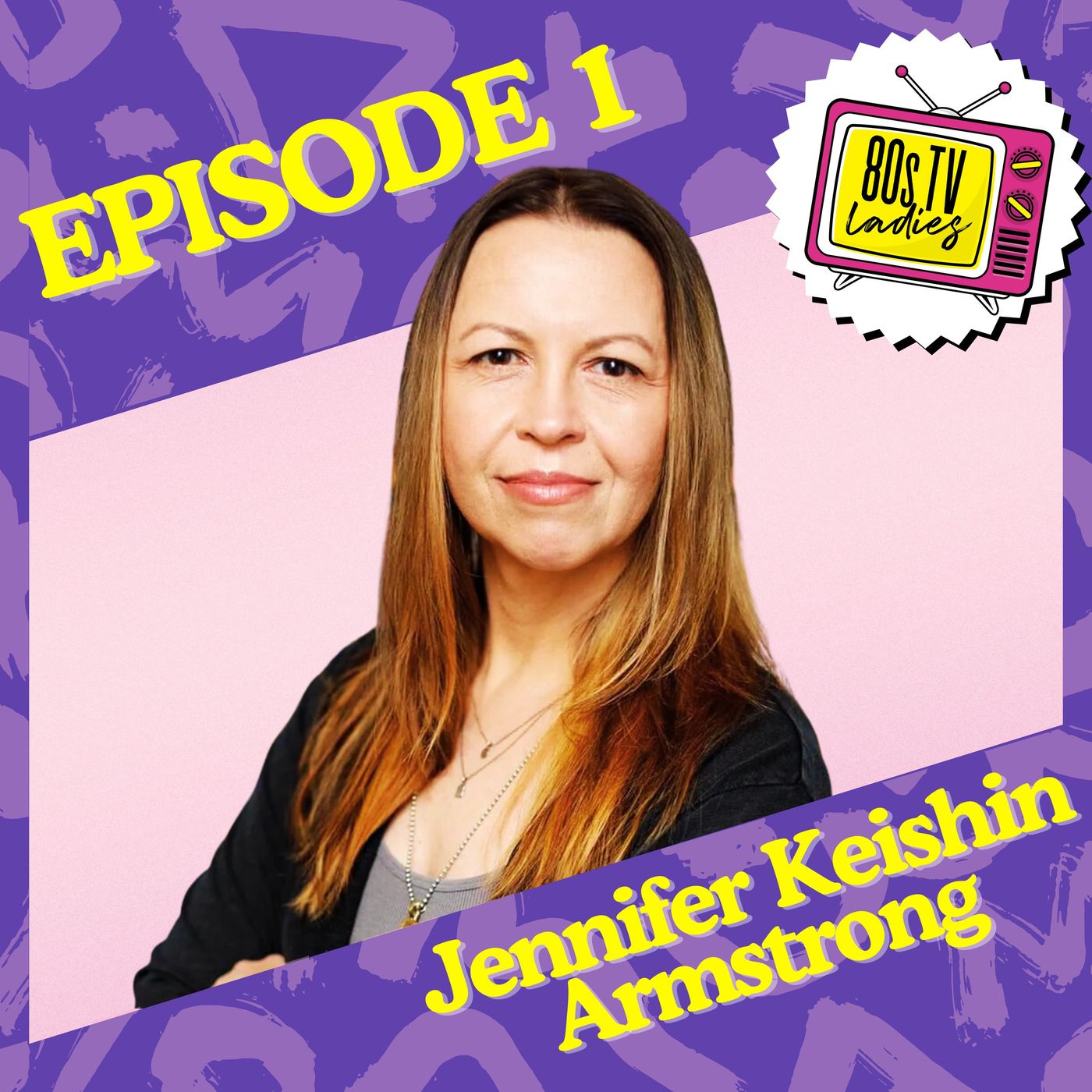
When Women Invented Television | NY Times Bestselling author Jennifer Keishin Armstrong

About this episode
Sharon and Susan kick off a new season with Jennifer Keishan Armstrong, the New York Times bestselling author of Seinfeldia: How a Show about Nothing Changed Everything, When Women Invented Television, Sex and the City and Us, and Mary and Lou and Rhoda and Ted.
Jennifer writes about entertainment and pop culture for the New York Times Book Review, Fast Company, Vulture, BBC Culture, and Entertainment Weekly. Her latest book So Fetch: The Making of Mean Girls (And Why We're Still So Obsessed with It) was published this year.
In this fascinating interview, Jennifer takes us behind the scenes with four different women who, in their own ways, invented television: Irma Phillips, Hazel Scott, Gertrude Berg -- and Betty White. Each of them faced sexism -- and racism -- but triumphed during a time when opportunities for women in television were limited -- but strangely also more open than you may think….
THE CONVERSATION
- How The Mary Tyler Moore Show gave a voice to women everywhere when they gave a voice to a host of female TV writers.
- The Oprah of the 1950’s was… Gertrude Berg?
- The Beyoncé of the 1940s was... reknowned Black jazz pianist, Hazel Scott.
- Find out how Scott became the first Black person to host a national primetime television show -- in 1950.
- The character of Suanne Nivens that Betty White played on The Mary Tyler Moore Show was based on a woman who did a LIVE Homemaking Show played by… Betty White!
- Irma Phillips was asked to make something that would appeal to women -- so she invented the Soap Opera.
- Phillips created As The World Turns -- AND the longest running show of all time, The Guiding Light.
- Gertrude Berg’s ground-breaking sitcom about a Jewish family -- The Goldbergs -- was so successful that it was considered to be the lead-in for a new, untested show that might need some help -- I Love Lucy.
- Why was 1955 the death knell of women working in television -- both in front of AND behind the camera?
- According to network executives in 1969, what were the THREE THINGS Americans didn’t want to see on television?
- How The Mary Tyler Moore Show made Ed Asner a feminist.
AUDIO-OGRAPHY
Find Jennifer Keishan Armstrong at her website, jenniferkarmstrong.com.
Buy The Women Who Invented Television (and all Jennifer’s books) at Bookshop.org.
Find Jennifer on Instagram.
Find Women Who Invented Television at YouTube:
Watch The Betty White Show (1954)
Watch Betty White in her sitcom, Life with Elizabeth.
Learn more about Hazel Scott.
The Goldbergs with Gertrude Berg, Episode: “A Sad Day”
Check out an Irma Phillips episode of The Guiding Light (1952).
CONNECT
Visit 80sTVLadies.com for transcripts.
Sign up for the 80s TV Ladies mailing list.
Support us and get ad-free episodes on PATREON.
VOTE
We're NOMINATED for Best Film & TV Podcast.
Please VOTE for 80s TV Ladies at Women in Podcasting Awards.
REMEMBER: Register or Check your US Election Registration at Vote.org
This year is the 45th anniversary of President Carter's Crisis of Confidence speech. Get Susan’s new play about it: Confidence (and the Speech) at Broadway Licensing.
Visit 80sTVLadies.com for more info.
Listen to 80s TV Ladies at YouTube. Subscribe and help us grow.
Don’t miss out. Sign up for the 80s TV Ladies mailing list!
Help us make more episodes and get ad-free episodes, video interviews, and exclusive content on PATREON.
Transcript
Automatically generated, so expect the odd misheard name.
Weirdy Weird medio eightiesles hand So Pretty through the City. Getting Welcome to eighties TV Ladies with your fabulous hosts Sharon Johnson and Susan Lambert Hadham. Hello, I'm Sharon and I'm Susan. Today's guest is very special to me. I was reading her book, loving it and thinking the whole time, well, heck, we should have her on the show.
And then guess what, Sharon, we got her. Woo And in kicking off season three, we wanted to get another overview of the television landscape and history like we did at the beginning of season two when we talked with our friend and the creator of the podcast Advance TV her history, Cynthia Bemis Abrams. And I wanted to bring on someone this season who could give us even more context about the history of women in television. So why not the woman who wrote the book on it, When Women Invented Television by Jennifer Kashin Armstrong. Jennifer has written eight books, including New York Times bestseller Signed Feldia, the afore mentioned When Women Invented Television, Mary Lou and Rhoda and Ted, as well as Sex and the City and.
Us her latest book, So Fetch, A Cultural History of Mean Girls, published in January twenty twenty four. Jennifer, Welcome to eighties TV Ladies. Were thrilled to have you with us this afternoon. Thank you for having me. We are really happy.
I have to tell you finding your book When Women Invented Television, which I have right here, gave me such great context when I was starting the podcast, and I had not heard about Gertrude Berg, so that was very exciting. And then I realized you had also written the Mary Tayler Moore book, so I was like, I wonder if I could get them on the show, and we did well. That makes me very happy because those are two of my favorites. They're fantastic names, they're really fun reads, and I enjoy them. So why don't you tell us a little bit about what your process is when you start writing one of these books, how you choose a topic and so on.
Those two books that you mentioned are both a little different from each other, so they had slightly different processes. But a book like the Mary Tyler Moore Show book, which I've written several books about, you know, like specific shows, SEINFELOWD, Sex and the city. In that case, you know, it's a little more focused, just because you're kind of going, you're looking at a list of TV shows right to start with, and I literally do that sometimes and then it's kind of like there's some ineffable qualities right in some cases, I'm waiting for time to pass. I feel like we just got to a point where I could start writing about like two thousands shows. You know, there's you have to know for a fact that it's sticking around and still has resonance and all of that stuff.
Then I'm looking for a story to tell. Right. It isn't just I like the show. People love to at cocktail parties say to me like, you should do whatever name the show, and I always just say like, yeah, baby, you know, but really I'm thinking, like, here's all the reasons that won't work. And you know, a big part of like the Mary Tyler Moore Show book was yes, the show was super important to me.
Yes, I loved the show, but it was also that I was interviewing. At that time, I worked at Entertainment Weekly, and I was interviewing a lot of women that at that time current like television and comedy, which would have been the twenty and twenty tens, and they would all mention, you know, Julia Luis, Jureyfus, Mindy Kaaling, all of these people would mention the Mary Tyler Moore Show and that So that was the first like, hmm, that's interesting that people are still looking to that show. And then also once I did some research, I realized that it was the first show to have kind of multiple women writing for it, as opposed to like one woman on staff who was paired with a man. Then I thought, oh, there's a story to tell, which I was correct about, and I really focused my interviews on those women who wrote for the show.
They were all bringing their own lives into the show, and of course, by definition, women who were these pioneers are going to have great stories. And so that was why I really started to think, Okay, there's something very much here. So that's the kind of thing I'm looking for. And I'm also personally very interested in specifically social resonance. So I want to see a show that had an artistic impact on shows after it, and I want to see a show that made a social impact as well, that changed.
I always like to think of it as like the changed actual people's actual lives, whether it's as simple as they quoted a bunch of times, or they see themselves in the characters and it changes the way they act, or in this case, it was an act avatar the entire feminist movement of the nineteen seventies, and it kind of ended up channeling what was going on in activism into a television show. And not all of the activists loved it, but it was in fact, you know, Mary throwing her hat in the air is the emblem of female independence, and so all those things came together for me and that was why I thought like, oh, this is going to be good. And with when women invented television, it did come from my research on Mary Tyler Moore Show, specifically Jim Brooks and Alan Burns, who made the Mary Tyler Moore Show.
When I asked them what the inspiration was for Roda, the character who is Mary's best friend, they mentioned a lot of different things. It wasn't just this, but one thing they mentioned in passing was they mentioned, oh, and you know, we were thinking about Jewish women in television and media from the past, and we were thinking about Gertrude Berg. And really I think what they actually said was Molly Goldberg, her character's name. And I was like, I don't hold the phone. I have no idea what you're talking about, right, And they were like, oh, you need to go look her up.
She was super famous. And I'm like, that's weird that I don't know who that is when I kind of consider myself a nerd about television history and women in particular, And indeed, when I looked it up, it's like she was the Oprah of her time. You know. She had the first successful family sitcom period. She wrote, start in, directed, produced the whole thing.
She was on the radio for twenty years before that, and then brought it to television. The show was so successful that it was the first show made into a movie. She had a line of house stresses, she had a cookbook, all of this stuff. She was really big, and I thought that's weird, and I kind of filed that away. And the other thing they said to me was that when we talked about Betty White on The Mary Tyler Moore Show, they said, well, it was sort of like a joke on Betty White's persona.
They described her in the initial script as a Betty White type who has then kind of a horrible the minute the camvus turned off, which Betty is not. Betty was not, but you know, that was how they described it, and they were like, oh, it was really funny because it turned out we could get you know, Mary was friends with Betty and we could get her. We didn't know that was going to happen. We just described her that way. And I was like, Okay, but that's weird to me because I don't know what a Betty White type is before the Mary Tyler Burshow.
That was my first encounter with her in television history, and so they said, oh, yeah, she had a whole career before that, you should look it up. And again I went, and it was shocking because she was, along with Gertrude Berg, one of the first women to produce her own sitcom. And in addition to that, she was just one of the first people I mean literally on television, like in a test screening when she was a teenager. And then even so then going forward, she was one of the first TV stars in Los Angeles because she was on this morning talk show and ended up being on just hours and hours and hours a day because I just didn't know what else to do. They've just in daytime television.
They were like more Betty, what you know, unscripted and they did six days a week. That's so crazy, wild, right, And then remember that she is then also going to shoot her live sitcom on Friday nights. It's crazy just think of how much she was working, how much she wanted this. She like left her husband to be you know, he said I don't want a career woman as a wife, and she said, I will choose television because I love my job that much. And again, this does kind of dove tailing with what I was saying about the Mary Tyler More Show in the sense that it's like, once you start to see this, you go like, oh, there's a story here.
And then once I did a little bit of research, I realized that there were tons of women doing this work at that time. Pre Lucy is kind of the way I was seeing it that Lucy. I used to think, Lucy, Oh my god, it's amazing that the first gigantic television start happens to be a woman too. And that's true. She seemed to be a unicorn.
Right exactly, But she wasn't. But she wasn't really, I mean She's incredible in a million other ways. I don't want to take anything away from that, but she wasn't the only one. And that was what I sort of saw as like, oh, I don't want to tell Lucy's story because that's been told and then retold quite recently in a couple of ways. But this was my way of kind of saying, like, she was great, but she wasn't alone.
Gertrude was before her, and I ended up choosing I made a big list and chose the four women that I kind of focused on to kind of tell the bigger story of women were doing all kinds of different things in television, and two of them were Gertrude and. Penny, and the other two Erna Phillips and Hazel Scott. I knew of her from the piano stuff. I didn't know she had television. Because it was so short lived.
I don't think I knew anything about her at all, so I didn't really either. And there are people, though, I would say, especially jazz people, really did know. You know. When I would mention her, they go, oh, yeah, Hazel Scott's she would play two pianos at once. Yeah, I think I saw that two piano clip at some point and I don't know, Yeah, that was.
Going around pretty recently. Alicia Keyes did a tribute to her. In fact, at the Emmy Like she didn't mentioned it briefly, she said, oh, I'm playing two pianos like Hazel Scott, and a lot of people searched for it after that and saw her. I usually describe her as the Beyonce at her time, she was also shockingly famous for a person that a lot of us don't like. Imagine if in forty fifty years people didn't know who Beyonce was all of a sudden, couldn't happen.
But Hazel Scott, she was so famous and then had this unfortunate downside because she ended up being blacklisted and left the country. So that's why you haven't heard of her. But at the time, her TV claim to fame is she was this stunning woman who was so charismatic, would dress perfectly, and she was married to Adam Clayton Powell Junior, who was this very famous congressman and they were kind of this power couple and they were very active in early civil rights actions, that kind of thing. She would not play segregated venues, for instance, she'd walk out if she walked in and saw that it was segregated, and then they'd kind of purposely like call the press and do the whole thing. So she got a television show on this fourth network called the Dumont Network that died kind of shortly after, But at the time, I think partly because they were a fourth network, the others had come from radio and they hadn't, so I think they were more willing to take chances, and so they had more diversity than the other networks.
And you know, in the big cities, they knew that they could get a black audience. Lots of people loved her, including white people, but they knew this was going to be great and jazz and all of this stuff. It's so sophisticated, and they were really focusing on the cities at the time because that's where most of television was. So she had this variety show, and it was very common at that time to have these shows where you'd hire a musician and it was essentially them playing for most of the time. They might have some guests come on.
Part of the reason we don't know about this. And she was the first black person, male or female, to host a primetime national television show period. And that was nineteen fifty nineteen fifty. Yeah, and so seemed to be going really well. The reason that I can even tell you what happened on the show is because I read all of the weekly reviews in the trade magazines at that time, and they were pretty descriptive.
There are no recordings of this show, and I really believe this is a huge reason we haven't heard of her, because we can't see them the way we could see I Love Lucy. It was live. It was this network that died, and there is probably apocryphal story that they dumped all of the tapes into the East River after Dumont died and was bought by ABC, that ABC was like, oh, I don't need this. I don't really believe that that's true, but it's a great story, it's a great visual and certainly what we do know is we can't find tapes of this woman's show, so we can't actually see it. But there were these descriptions, and from what I understand from the descriptions, it was this very elegant thing.
She would wear these beautiful dresses. She had full wardrobe approval for any project she did, She was very very smart about this because she knew where people wanted to railroad her, and she always had to play herself and she always got wardrobe approval, and this kept her away from what she called singing made roles, which was extremely common at that time. That was like your only way in is black woman, and she said, nope, I'm going to play two pianos instead. It looked like a beautiful New York City penthouse and she would play her music and she looks great on screen, and it was going really really well, and they were getting more and more interests. More and more local affiliates were picking it up.
As the show went on throughout nineteen fifty, the reviews were universally positive. They all kept saying, like, we need more Hazel Scott's. She went from like fifteen minutes to thirty minutes. She went from one night a week to several and then this publication came out where a bunch of people were named as possible communists, as they say, and that was it. She was done, and she was so fed up that she left the country.
I mean not right away, but she basically went to Paris. And I think all of these things together are reasons. We don't know who she is now, but she was very big in her day, and Erna Phillips was the essentially inventor of the soap opera genre. She started on radio. They asked her to make something that appealed to women because they wanted to sell women's stuff in advertisements.
Of course, this is always how it goes, and she came up with essentially a serial, very very serialized family drama and was incredibly successful at this. Even on the radio. She was making something like two hundred and fifty thousand dollars a year in the forties. Remember in the forties, this is like millions of dollars equivalent. Now, she'd had this huge empire, and eventually, after a few tries there it was not easy to just hop it on over, but she brought it over from radio to television and eventually had both kind of her own empire.
So like as the World Turns and Guiding Light for her big inventions. And think of how those I was going. To say, those memory, Yeah, I know of because they lasted a very long time. Are they the longest running? Yes, Guiding Light was Guiding Light was because the record is held over from radio too.
She tried a few like new ones on TV and they didn't work. But her big brainstorm that worked was that she just was like, why would just bring Guiding Light over this? Like one day it's on radio and the next day it's on radio and TV. So they would simulcast and you'd hear the audio, so it was like, it's so she brought her fans over to television, which of course they wanted to see the people. Why wouldn't you want to see the people?
Right, that's so exciting at that time, and that was the real key, is that you could actually get it either place for a while, and from there she was able to build this empire. And basically she also mentored so many people in this form that all of the shows that came after, even the other shows, were still basically her proteges making those shows two Days of Our Lives, all of these other shows, all My Children or Agnes Nixon many people have heard of, and that was a protege of hers. So you know, she was just really like the at the center of the soap opera, and I think of also just yes, there's the daytime soap opera, and that even the organ cues came from her. You know, the thing we think of is kind of that schmaltzy like dantan and they look at each other.
She came up with that because Guiding Light was about a priest initially, and so the idea was supposed to be the organ sounded like the organ at church. And she always said later she was like, I'm sorry about that. I really didn't need it to be like everyone did it. But she loved a long dramatic pause. I looked at a lot of her notes in her archive, and often there would be notes to the directors that said more dramatic pauses, please.
She loved that, and she really knew her audience. She knew they were housewives. She was very conscious of catering to them. She would often try to like make sure they were explaining what was happening on the show in addition to acting it out, because the housewives might be like doing the ironing or doing the dishes, and so it was like both her radio training and thinking about their lives. The executives often argued with her about this, but she knew better and eventually turned it into the longest running television drama of all time.
In addition, to kind of coming up with the idea of cliffhangers every episode, which I think of Netflix now and how driven that is by us wanting to keep playing. What's so interesting hearing you and reading about how she was working this out right, It wasn't invented, right, she had to invent it as the technology was inventing and moving forward. And I was like, oh, it's like podcasts because so many people listen to podcasts while they work around the house, while they do their other errands of the day or you know. And I was like, oh, it's sort of this weird, like we've gone back. And then Dumont Television the way you describe it too, which I had never heard of, was kind of like the Netflix.
Like they were. They were a technology company, right, They started just by inventing television stuff TV. Yeah, and then they were like, oh, I guess we should have programming because we're inventing television. Well, they invented cable in my own hometown of Allentown, Pennsylvania. Yeah, the first cable company Dumont, that's right.
Okay, they became Dumont, but the first kople, the first coaxial cable was laid down in Allentown, Pennsylvania, and their first office I was looking at the pictures was fourteenth and two or something. Did you walk right past there in your childhood? Yeah? Oh small, yeah. Yeah.
Cable was invented, not for what we think of now that it was invented to get TV to places where they couldn't get the signals to reach. You know, it wasn't everywhere at this time, which is actually very important to things like, for instance, you could actually have more women and more people of color on in those earlier days when they were mostly only in cities. It was really when they started going into rural areas and the South that things got weird because suddenly they're getting complaints that there are black people on television and those are coming from the South. Betty White ran into this too. She had a lovely dancer named Arthur Duncan when she had her own talk show and got a lot of letters that she wasn't ready for because she was used to Los Angeles, and then suddenly she was getting letters that were complaining and she was like, no, we're not getting have been that's ridiculous.
You know. It was this weird time where all of a sudden it's like gertrue Berg was super super Jewish. They would do a passover episode, and when they first started, it just was fine for everyone because they're alive and they're in mostly New York City. And then it's like again, when they start going further out, they start watering down the show, and that TV starts getting watered down the same way. That's when we get into The Father Knows Best Of.
As far as Erna Phillips's concern, I as a soap opera watcher and as a watcher as a world turns in Guiding Light, amongst others. I knew about her, probably because the soap opera press kept her alive in articles and through her proteges who were now running all of these shows. But you know, even though I knew if Betty White primarily from the Mary Tyler Moore Show or maybe initially, I had no idea until most recently about her previous television career. What's your sense of why some of this information has not carried forward on a number of these women the way that it has for a number of their male counterparts. I mean, there you go.
It's pretty hard. We do have the issue for some of them, for some of these works of you know, not being able to see the tape. But that's not true of Betty's early work. I mean, some of Gertrude's lost, but I have the DVD set and a lot of it does exist, so that's not it entirely. So I really think there has to be some overt sexism here.
And it's like I wish I could say something else, you know what I mean, Like I wish I had a better explanation, But it's the sexism and the Blacklist, which the Blacklist to me is about sexism and racism to a large extent. It's interesting how many women and people of color and Jews were on the list right, just a quinteresting. It's like they wanted to get rid of certain people. And I would say also the white men. I've even I even read stories of other white men who did get a little sucked into the Blacklist and then kind of got out, like kind of just weird how white men can just sort of land on their feet, but you know, it was much harder for other people.
And quite honestly, the biggest people I know from the Blacklist are white men. Like now that you're saying it of course there were women and Jewish people and people of color on that list. Of course there were, but I couldn't tell you except for the ones that I read about in your. Book, because they were never heard from again, whereas the white men kind of recovered and then they could be like, oh, this weird thing happened to me. What right, Yeah, they could talk about it.
Yeah. And Gertrude also, we didn't mention this, but she kind of got sucked into the blacklist in this weird sideways way where her co star on her show, who played her husband, Philip Lobe, was blacklisted, huge guy in the labor movement in Hollywood. He was blacklisted for quite obvious reasons. He's Jewish and this huge labor leader. And he never recovered, and she resisted for a while.
And basically this is why I think part of why we don't know who she is is her show was taken off the air at its heights. The next thing that was about to happen to that show was it was going to be paired with I Love Lucy, which was new. And you see how this is. This is actually that they thought, oh, I Love Lucy might get a boost from being with the Goldbergs, is what they were thinking at the time because it was this new show, and instead, I Love Lucy came on the next year and just was a hit instantly, and it should have been with the Goldbergs, but the Goldbergs was off the ear because Lobe was blacklisted and Gertrude was being pressured and she was saying no. So they were kind of in this limbo state of negotiating behind the scenes to try to keep him on, and she did that for a few seasons and it just didn't work.
So she eventually said that you can decide for yourself if this is okay or not, but it is what it is. She just said, like, I employed a number of people here and I don't want to let them down, and I can't have them continue to be unemployed because we're doing this. So they made a deal where Philip Love would be paid as long as the show was on, but would not be on the show. But going back to your question about why we don't know them too, like I got this book that was supposed to be this definitive history of early television for research, and I just bought it without even looking at it because I was like, sure, I'm sure there's going to be stuff in here about these women. And I went to the back to the index and I looked for Gertrude Berg and she wasn't there.
Wow. And I was genuinely shocked by this. I guess some of the other women, it's like, Okay, maybe Erna Phillips isn't there because we're focusing on primetime. And Betty White, I think maybe at least got to mention because she's super, super, super famous to this day. But I was really really shocked by the lack.
And I'm looking, I'm like, are her years in here? Yes? The years are the year she was active? Or here? You know, Milton Burrell is here, who she was very good friends with.
Why do we all know who Milton Burle is? And I think he would be mad that we all know who he was and we do not know who she was, because she was on his show a bunch of times as a guest star, and he loved her and really was always kind of a cheerleader for her and understood how talented she was. It's fun to watch any of these women if you go look them up online, all of them. I mean, Erna wasn't on screen. But the other three it's like, if you want to know what a TV star looks like, any of these women have it, you know that thing that's just you want to watch them and have them in your living room all the time.
All of them had this, and Gertrude is a very fun example of this. She really had a special talent. Are you hopeful that some of those lost things would be found someday? I am. I mean, I know for a fact that there's this ongoing attempt to find Hazel's lost tapes because those are really like they're all lost.
And then Gertrude, we have a fair amount. I was able to watch a fair amount of her show, which is great. It was important to see that one in particular because it's the family sitcom format and it's evolving before your eyes. And I have to say, what's funny is some of the best episodes are the earliest ones because it's kind of weird. It's weird to watch early TV because they actually didn't know what TV was supposed to look like, which is very strange to think about, right that they don't know what a family sitcom is.
Yet they don't know they have to have a sofa here and all that stuff, though that is essentially what she is doing. This is a little bit of bummer. But that show has a really a little bit of a sad progression if you watch it through, because it starts out it's really innovative. It gets weird in the middle because of losing Philip Lobe. At one point they're like, maybe we should do fifteen minutes instead of a half an hour.
So for a while it's fifteen minutes, which feels like more like sketch comedy than it is a sitcom. And then they go back to thirty and then they go with a syndicated service instead of network, and this is when we start to get into Father Knows Best era, and all of a sudden, out of nowhere, like they become a Father Knows Best clone. They move to the suburbs, and they kind of Didjewish if I a lot, and it becomes all about like by that time, the daughter has grown up and she's a teenager and she's hot, and so all of a sudden, every episode is about like Rosie's going on a date. Doesn't she look cute? Like it's so strange.
It's like you're watching the evolution of television. One show it's very it's it's interesting as a student, but disheartening as a watcher, you know, because you can kind of see Gertrude figuring out that she has no choice but to compromise herself. I mean, there's this really sad part. And I talk about this in the book. There's an earlier episode where I don't know how she gets involved, but she gets involved in like maybe somebody's selling weight loss stuff, and she's very like the conclusion is very like, I don't need that.
And she's a big woman also, like in her fifties by the time she's on television, which is and she's like, no, it's fine. I have small children, so you believe me. It's fine. And then by the last seasons there's this other episode that's extremely depressing where her husband basically says she's fat, and she goes to a fat camp. She does rebel.
She like goes into town and brings a bunch of cold cuts back to the what they literally call a fat farm in this this is not me saying this. So she rebels a little and then she gets kicked out. But then when she goes home, her husband's like, no, you're still fat, and she's like, oh, you're probably right, and it's very sad she doesn't say, like screw you, who cares. We've been married for, you know, thirty years. Then she like goes into the kitchen and like sneaks a bunch of spaghetti, and that's the episode.
It's kind of bleak. Like that's terrible, all right, and we have to take a quick break, but then we're going to be right back, Yes, and we're back. I'm so excited. I have to have Betty White and she's going to kind of be my daytime talk person because she was my trojan horse. To be honest, I wanted her in there because I knew people would at least like, oh, buddy, White, I love her.
I was hoping to some extent they might not know everything about her early career. I also wanted people to understand, like, she isn't just like a old lady who says dirty things and then we laugh. This was a feminist, pioneer, bad ass, and you need to understand what she did, you know, And a lot of people, like you said, didn't know this about her. Yeah, I mean I think that it is sort of amazing. When you realize just how long her career was, and then to read about what early television was, which was insane, and because it was all live basically, right.
So the idea that you would just sit down and talk for five hours, Hello, we're just going to talk. I'm your best friend all day long and We're just gonna sit here and talk and like it's you know, that is really fascinating and that she could just so she was just like the original improv star basically of all time. Right right exactly. And to me, what I always say too is with Betty, I think that explains so much. Once you know this woman is on five and six hours a day, six days a week, with no script.
There's nothing that could scare her after that, right, there's nothing it's going to shape this woman in front of a camera and she just knows how to be with a camera. And you can find some of this online her solo talk show that was national on NBC called The Betty White Show. You can find some of the footage and a lot of it is where she actually looks directly into the camera and talks or sings sometimes, which is fun and that is not easy to do, you know, way that isn't weird, and she just talk directly to a person through the screen and just had this magic. I was also surprised to hear about the number of women behind the scenes in the early television and it reminds me of what was happening in early film too, because nobody wanted to be there.
It's right, that's exactly, yeah, but it was an opportunity. And I think it's also the same thing that happened with early music videos. Yeah. It's how women got to direct early music videos was because they were like the assistants in the office at the music companies and they were like, well, we need somebody to make this video, and they're like, well I'll do it, like and suddenly you become a music video director. Like in the book, you're saying like almost twenty five percent.
Yeah, I believe that that's correct, and that's my own by the way, that was me because of course there had no numbers and it was also weird, but it's basically me with Wikipedia making the best lists I could. And there wasn't that much TV, so it wasn't that hard. It was like looking at primetime, looking at you know, you just go through and here we go. And yeah, my estimation was it was roughly a quarter. And at the time I was writing the book, that was the same.
It was the same percentage of women working behind the scenes as showrunners and things like that. I think the numbers have gotten a little bit better. I think we're heading toward fifty percent. I think we're getting really close, if we haven't quite gotten there. But that was pretty shocking to me to realize, like in the era of Shonda Rhymes.
Yes, we have Shonda Rhymes and that's great, but it's like, still, there's a huge drop. Like you said, essentially, nineteen fifty five blows everything to pieces and there's no women behind the scenes and then we basically slowly build back up all the way till now. And what do you think that is? What do you attribute that to? I mean, I thought a lot about this just for framing the book and everything, and I have nineteen fifty five down as like essentially the death Now Father Knows Best is the best example, right, It's literally called Father Knows Best.
It's about a white family in the suburbs where dad works, Mom wears a skirt while lightly cleaning at all times, and like brings him a drink when he comes home, and he knows best. It is the patriarchy, right, and that show comes on right around that time. I mean, when we talk about make America Great again, that's what people are talking about. They're talking about a fake thing on television from a very specific time, and that's it that Like it was all suddenly white people in the suburbs with two kids and a dog, and that's the only people who existed. To me, what's important is that television becomes big business, which it wasn't, as you alluded to before.
Like the reason women and people of color were allowed to do things is because the white men were overrunning radio still because that's where money was. The minute there was money to be made here in that most people had television. All of a sudden, it happens real fast sort of. I mean we've all we've experienced this in our lifetime with things like the Internet and then streaming. Yeah.
Remember, I mean I did stories not that long ago where everyone told me everyone in the industry was like, no network's going to be here forever. Streaming is never going to take over. We're never going to de bundle, you know, ESPN from this and HBO from that, and it's like here we are, no one has TV anymore. So very similarly, it just became ubiquitous, it became powerful, it became a moneymaker, and then the White men swept in and clean house. You know.
I quote some internal memos and things from NBC at that time where they're literally calling women dames in memos, which actually I kind of like was like they're talking dismissively about, like, oh, dames like emotional upsets in their daytime television. They need more emotional upsets on this Betty White show, so they make her do like surprise reunions and things, which I'm not saying isn't good television, but it's because but the way they talk about it, it's not like because it's good television, because it's like, no dames like this. One of my other favorite examples from that actually is that Eisenhower gets elected and everybody kind of notices women were actually super important in electing him, both in working for his campaign and also as voters, and so this is a big news item.
Oh my god, women helped I get elected, and there's all this chatter behind the scenes, maybe we should do something about this, this is so interesting, and then they take a total wrong turn and they're like, oh, this Eisenhower thing, women seem to be really important and powerful. We should add more like fashion segments to the daytime television show. Like, I can't even explain to you how that was their thinking, but that was an actual memo that I read. It was like, women are powerful, but why wouldn't you give them political programming? If that's what just happened, But they still couldn't see it that way.
I'm suddenly reminded of the day after the Women's Life first Women's March. That's right, right, millions, Well, the biggest march in history worldwide, certainly across the country, the biggest march ever in every city. Millions. Yeah, the front of the La Times, big headline Women's March is huge. Can it sustain?
I was like, what do we have to do? Seriously? Yeap, what do we have to do? Exactly? Yeah?
So the men were in charge, and so even if women were showing their power, the men didn't get it. And men were in charge. So this is just the way it was. And I cannot even believe this, but Betty White got fired after one year doing her national talk, I can you imagine I'm just imagining firing Betty White. That's the part that I'm just like, you could see the male exact sort of behind the scenes in their memos trying to figure out what to do, and they just couldn't.
They didn't get it. They didn't know what to do, and so she was fired and she actually thought her career was over, which is hilarious, but like, there's no reason she wouldn't think that at that time, right, And for a while it was like she's doing the Rose Parade, which is cool, and then she gets on password and stuff from the sixties, and it really isn'tntil the Mary Tyler Moore Show that we see the comedic, actual genius she is. Everyone go watch Betty White on the Mary Tyler Moore Show. It is unbelievable, Like she's on fire. They don't even start counting women in television until the seventies, which you know, like having counts that we can see and know the percentage of women working on things, and to be honest, they probably didn't need to bother if you go look at things like Bewitched or I Dream of Juni, which are female centric shows, it's all men.
I mean, there were a couple of women, but it's barely any women. And so really it isn'tntil the seventies and the women's movement and shows like Mary Helen Moore show employing actual women to write actual women's stories brilliant, and you know, you really still needed male allies there, right, You needed people like Jim Brooks and Alan Burns to go cool that we're doing the show, but what if and hear me out. Why don't we talk to some women and get them to write this show. That's why that show was so good and I think noticeably different. I mean, that girl was important, and Marlo Thomas is an incredible feminist activist, but it really wasn't until Mary being thirty and the executives have been said like, does she have to say she's thirty, and they were like, yes, she's thirty.
Single. She remained single for the whole show, which means most of her thirties. Oh my god. She doesn't seem like she's really worried about it. Yeah she's happy.
Yeah, she's happy. That's the best thing about that show. The weird thing is, like early days, they do a lot more dating and then they sort of start to realize, like, eh, nobody really cares about the dating. She goes on dates sometimes they're not really good, and like you watch her real trajectories, like she becomes this power suit wearing executive by the time the show's over and gets this beautiful apartment and is killing it and there's no hint of a man, and that's amazing. But that's the first time, Like the WGA starts to have a women's group within it during the time of the Mary Tyler Moore Show, and that is one of their first demands is we need to start counting women so that we know how many there are.
And the great thing about the Mary Tyler Moore Show was that those women were all mentored from almost no experience. A few of them had, you know, Treva Silverman was the one who had experience coming into it. Everyone else it was like they were pulling secretaries. They're pulling you know, do you have a story to tell? Great will mentor you?
And that to me was truly Jim Brooks and Alan Burns were revolutionary in this act. You have to give them credit for that that they just their secretary was typing stuff up and she kept adding jokes and they said, you're hilarious, why don't you write. They were getting scripts sent to them from young women through their dentists. They were, you know, like all of this stuff, and they would really take a lot of these women and mentor them through. And then these women went out and did other things.
In the spinoffs. The roodas Rhoda. For sure, first female showrunner ever, yes was Roda. So a couple of them were involved in things like founding Comedy Central, okaying the Daily Show, all of this stuff, and that's where you really see you know. The payoff all right, Rooda Phyllis and Lou Grant all spinoffs from the Mary Taylor Moore Show.
I mean, Roda broke records, particularly when she got married, which I don't know, I don't know what that society and itself, but people were really stoked on Rhoda getting married and that broke all kinds of records for viewing. And there was like all these great little, you know, classic anecdotes about how like Monday night football the guys were talking about like you should probably go watch Rhoda's wedding now, you know, like it was a now event. Is really the point and it had some rocky you know, it turned out they ended up not liking Rhoda's husband very much and getting rid of it pretty quickly. Think she got a divorce then, which was something. Yeah, that's right, that too was pretty groundbreaking.
When the Maria Tayler Moore shows started, they had actually pitched the idea that she was going to be divorced, and the network said, absolutely not, because people hate divorce people. In fact, what they said is people do not want to see divorce people Jews or people with mustaches on television is what they said. Fascinating and by the way, I think we know what that means. Yes, that means that cis white men don't want to see that. That's correct.
Yeah, that's exactly right. Oh and they also said people from New York, which, like, if you just think of so many classic successful shows like that knocks out Seinfeld, if they just like had a mustache on Seinfeld. They would have hit everything right, Like, I. Mean, it's just it's hilarious but also horrible and bigoted. So but if you think about then Roda comes along.
By the time her spinoff happens, she has become quite overtly Jewish. She used to be kind of secretly Jewish like many characters, but she became pretty overtly Jewish. Beal who played her, Valerie Harper, was a you know, outspoken feminist. She was on the cover of Miss magazine. She was friends with Glorius Deinhem and so you can see just in those couple of years the evolution that had happened, and had had a female showrunner too, and tons of the women who wrote for the marytyln War show this hopped over and wrote for Roda.
So that was great and got that very important second credit. You have to get the second credit, you have to find ways to move up, and then it gets easier to get the third, fourth, you know, an ongoing career, right even lou Grant, Yeah, a lot of the same writers. There's a woman director in the list, and seven of the thirty writers listed for Lou Grant are women. Not as good as Mary Tyler Moore, but it's pretty good for that time. It's pretty good for that time.
And that's a drama too, which I can imagine that some of the women maybe wanted to make that pivot or have that quiver in their era. You know, whatever, you know, and ed Asner claims to have become a feminist essentially because of the Mary Taylor Moore Show. That's what he told me anyway, because he kind of came in very not really thinking about it that much, and in fact, at first didn't really love the idea of women writing for him. And by the end, one of the writers showed me this beautiful letter he wrote to her thanking her for writing the episode that one of an Emmy. You know, he did become active in women's causes an addition to all of his other causes, and I believe that it really did help him to kind of understand that the women can write television too.
And I don't remember if I talked to him specifically about like getting women hired on that show, but certainly I think he was open to it at minimum, if not openly pushing for that. Well, I think if he had objections to it, it wouldn't have happened. That's right. His character's name is on the show. Yeah, exactly.
So how did you get started in writing about pop culture and women in pop culture? What's that journey look like for you? The main answer to that is that I was on staff for ten years at Entertainment Weekly, and that was two thousand and two to two thousand and eleven, and so that's like the short answer, you know. I started as an assistant and kind of worked my way up, and of course I had always been writing about pop culture before that and loved it and et cetera. You can't just show up there, and you know, I enjoy television.
Yes, everyone enjoys television. You have to be like a super nerd and all of that stuff. But worked my way up and also found my way through. I was the assistant for what they called the News and Notes section, which is like that front of the magazine where it's just like a bunch of little things. So it was kind of everything.
And then eventually I worked my way into the tele vision department. And I wouldn't have told you necessarily that that was what was going to happen. When I started there, I kind of felt like I loved everything equally TV and movies and music, but ended up in the TV department, and I was kind of a nerd about television and TV history and I used to like get my TV guides every week. I mean, as a child, like when we would get the TV guide and I would circle everything I was going to watch for the week, and then I'd read all the articles, so like it was there. And eventually, you know, was a television writer and became a senior writer, I believe, And that was a really nice job, especially at that time.
I mean it got tough near the end because cuts and cuts and cuts and magazines. But I was there for like a good chunk of kind of a powerly beautiful like let's just stay at the best hotels and you know, I went to Hawaii for a week to be on the set of Lost. I was constantly going to the set of Gray's Anatomy many many other things. And in that process, you'd usually have a couple of specialties, even within your specialty, if that makes sense, Like you'd have a number of television writers, and then we'd all have our little domains. And so Gray's Anatomy was one of them for me, and that was partly because I was like the women in television girl, a lot of women in comedy.
A big thing for me besides Gray's Anatomy was essentially Tina Fane thirty rock. I was on that set a bunch of times, interviewed her a bunch of times. It was kind of the rise of Tina fe At that time. That was the Palin thirty Rock whole thing years, so she was a big superstar for us and we were always covering her. I'm sorry to say.
I also did a lot of Apprentice in trump I'm so sorry. Sorry, So that happened. And when I did that Mary Tyler Moore Show book, no one understood this idea of I'm going to write a book about a TV show. The publishers were like eh. And I found one that was like a big fan of the Mary Tyler Moore Show and wanted to make it happen, and he kind of got it.
And it really wasn't until I wrote my next book about Seinfeld and it became a bestseller. That I mean, it's just true that it's kind of what made this genre happen was when that book became a success. Everyone oh, okay, And then now you see lots of these kinds of books. It's very normal, But it really was not normal until Seinfeldia happened and then we saw that it was actually could be successful. What do you think is the hardest book of yours that you wrote?
That I love No one's asked me that, and I love that question. That's such a good one. I'm going to say when women invented television just because I mean, I love it. It's actually probably my favorite too. But it was different than what we're talking about.
You know, after Seinfeld, I did Sex in the City, and then I was like, I kind of want to try something different, and so I had this idea of percolating since the Mary Tyler Moore Show and decided to try to make it happen. It was hard to pitch. A lot of places said no, a lot of places that things like it's kind of depressing because they didn't all get together and overthrow the patriarchy. And I was like, well, I think they were depressed about that too, but they're pretty bummed too that they didn't overthrow the patriarchy. But that's true.
Yeah, Like this is another Actually, it's another answer to why don't we know their stories? I thought that was so interesting in a like inside baseball way. There was this real resistance to not having like this inspirational story, and I had to kind of work to make them feel inspirational, even though there was a little bit of a you know, down slope to a lot of those stories because things went poorly starting in nineteen fifty five, right. I thought they were inspiring though regardless, like the fact that these women did this is inspiring, and that's what I wanted to focus on. But it took a while to kind of figure all of that out.
I was dealing with four different women's stories. There's a lot of stories, and they didn't know each other, yeah, and so that was complicated. I wish they had all also been best friends. That would have made my life. A lot of you.
Ladies too, lunch, that's right, and television. I kind of feel like, I mean, I'm not saying they had no friends and no friends in the industry, but part of my perception was that they were so busy just fighting for their lives all the time. They did not have time to go find other women and be like, are you having this problem too? There weren't women's groups yet, and so there wasn't that camaraderie. They were just fighting for their lives and so all of those things, and then the fact that I went into it knowing three of these four women are dead, long dead, and they did have archives, and I loved that, but It was a lot of both just learning a little bit of a different kind of research and also putting together a different story that was way more complicated, so that I think was probably the hardest.
Now, inspiration can come from seeing that someone tried, had some success and then you know things went awry, because it shows you the possibility. It shows you that somebody else has already kind of started down that road, and now there's room for me to try to go in there and. Move the ball even forward. Yeah, the fact that they exis, the fact that they had tasted is inspiring. It really is.
And to be honest, like, we probably don't know the half of what these women went through. You know. People would always ask me. I'm like, well, they didn't put in their arc, you know, I don't know. People ask me things like you know, were they queer?
Were I'm like, I just know what they put out there and we can guess it things. But I mean, I hate to even think about it, but it's like, just who knows the stuff they saw and just dealt with. I was able to track some of it that alone was shocking the amount of sexism, for instance, just overtly in pieces that men wrote about Betty White is one example, which again I cannot fathom being horribly sexist to Betty White, but they were. My friend actually made it so beautiful. She can draw, and she drew the four of the women together for me and I have it framed, and I love it because it's like I do think about them if I'm having a hard time, if I'm having a bad day, Right, it's like, well, think of what Gertrude did, or think of what Erna did.
They dealt with so much more and like you said, paid the way so that we don't have to deal with quite that amount. Yeah, I think it's totally inspiring because it's it's like hidden figures, right, Like it's like no one knew about them, but now we do. That's right. We pitched this as hidden figures for early time. Okay, like that was all.
That was totally my pitch, you know, because it's the way people can most sort of understand this for sure. Yeah, all right, Well, do you have a new book. Yes, this is about the movie Mean Girls. And while it is about a movie, so that's slightly different. That's the first time I've ever done that.
It has so many ties to things I've written about before and really television. It's as close to a TV show as a movie. Can be, right it is, and it's Tina Fey Tina Fever. Me. Yeah, that was the biggest draw for me initially was just what's a way to write about Tina Fey's I don't want to say legacy because that makes it sound like she's not going to work anymore.
But you know, like, I think she has a significant legacy that we can already see at this point. She was in that wave of the two thousands of like we still didn't have a ton of female showrunners, and I think of her and Shonda kind of like coming out about the same time, and for her starring in her own show too, And I think she has the most or one of the most influential comedic voices in television of our time. A lot of things that came after thirty Rock are imitations of thirty Rock. There is a certain like cadence and she does I wish I had a better word for this, but she does dense throw away jokes, just joke and joke and joke and jokes and joke. And you can watch thirty Rocks seven times before you get every joke because they are just all coming all the time, and so many shows after it started doing this, the kind of non sequitor joke, but all of that, and she pioneered that, and you can see it.
It's not exactly the same in Mean Girls, but it's there. And think of the amount of quotable lines in that movie, like on Wednesdays we Were Pink and Hue here has been personally victimized by Regina George. Just so many things that have become references. I call it seinfeld for millennial women and gay men. Yeah.
And because there's this really interesting and I cover this in the book, there's this really interesting trajectory where Mean Girls becomes way more popular in it's afterlife, and it's because it came out in two thousand and four, and it's like then the Internet. It's just right at the time when social media becomes prevalent. Facebook was invented the same year, and so it takes off in the next few years, and then memes happen, which who saw that coming. Memes need quotes, and Mean Girls is like one of the first to be memed everywhere. It runs into a lot of different interesting strands, like feminism, of the two thousands, which I call like pink shiny feminism.
Right, there's like this like mainstreaming of feminism that mean girls really embodies. There's like tabloid culture and Lindsay Loewen. My favorite thing that I did is I talked to a bunch of the people who played the ancillary, just the high schoolers. They're all Canadians because they found Cadda. It's amazing the high school is entirely populated by Canadians and each of them has like one to three immortal lines.
Right, I have a wide set vagina heavy flow, all of these. I talked to Glenn Coco, all of these people who became memes, who are now famous for being memes, And I'm fascinated by this, Like they too think it's the weirdest thing. It's like one day they were just going about their business and then around two thousand and seven they woke up and were famous from the intranet for one line. And then it's just like them in their twenties on a loop saying one life, free eternity, and they say, like their phones blow up at certain times when one of their memes is used because of a news event. They'll get a bunch of you know, they're like, oh my god, it's someone dead, and they're like, no, your meme is just being used a lot because you know, Donald Trump's daughter's shoe line got dropped from Nordstrom, and so the woman who says you should try.
Seers, it's like suddenly suddenly is hot again. Suddenly is hot again for like twenty four hours. And I'm fascinated by stuff like that. Was there anything you found in writing this book about a movie that was different than writing about a television show in some way? A lot of ways.
Actually I was wary, And this is why it is because a movie takes not very long to make. This took I can't remember precisely, but something like six weeks, yeah, to make. On the other hand, when I wrote about Seinfeldt, it's like nine seasons of stuff happening between people. It's sort of interesting in a way because we put all this stuff on these people and we imagine relationships among them and things like that, and yet the girls really are still in touch. They just did a great Walmart but like, and they're all aware that, like they're famous in relation to each other, but like they really in some cases only spent six weeks together ever in two thousand and three, and that's it.
And so the production part is actually pretty quick and it was a very nice production, sort of unfortunately for me. It was a very nice production. I'm not even kidding, Like these Canadians are so nice, Like they're so nice, very nice. And I do think like Canada had a lot to do with this, because you know, you're not in Los Angeles while this is happening, and this really has continuing resonance, I think because unfortunately this central problem it's addressing has not abated. It probably has become right as the Internet comes into play.
It's like bullying and all of that have become so much more of a flashpoint. If you think about that movie's sort of funny because it's like barely any cell phones. Regina has to make photo copies of the burn Book in order for people to see it. All. The New Musical movie addresses all of these things and brings it into the modern age more.
I think that's a really good idea, like making it into a musical and then making it into a movie musical. I think it's all a trajectory that I'm into. I think it's if you're going to do reboots, that's the way. To go about it. Yeah, the musical is quite charming.
Ah, it's really fun. It's really fun. I was nervous and it was fun. Yeah. Well, I'm usually not someone who in general, I don't like movies TV shows about teenagers.
Every now and then one comes along, that's the exception to the rule, and Mean Girls was definitely one of those exceptions to the roles. That's such a fun movie and I probably have to go home tonight and watch it. That endlessly rewatchable. And I think the reason that you feel that way about it, if I may, is that it's good. You don't have to like the genre.
It's just unbelievably funny. And this is what I go back to with Tina Fay and I make this point in the book a lot is that teen girl stuff wasn't allowed to be that funny. It's like, this is Caddishack funny. Yeah, this is Blues Brothers funny, this is guy funniest. I hate saying that, but you know what I mean by that, right, is like, yes, Ghostbusters gets to be funny the original.
Let's not get into all that. But no other especially teen girl thing, had been allowed to have this density of jokes. It's just like I was saying about thirty Rocords. Yeah, there's a joke and a joke and a joke and a joke and a quotable line and a joke and nothing else had been just relentlessly funny like that. Just to bring it back to our podcast, that's weird an Eighties favorite ladies driven television shows that you watched or enjoyed or might want to write a book about someday.
I mean, Golden Girls is like the gold Standards, Yes, the Ring. I mean, that's just that's another one where you can watch it, and I think again has a sweetness to it in addition to being really funny. Seeing those women together is really what we love. And again Betty White genius in addition to the other women, of course, but unbelievable, unbelievable performances. And it's just Powerhouse after Powerhouse, both in jokes and delivery in that show.
Oh my god, I just was rewatching some clips and fell down around you know, it's like, no, I have to do other things. When I found like one clip and then I was like just watching Golden Girls, and similarly, it's so weird these two shows. But Designing Women, I actually was like, I don't think I'm going to do this, so I feel like I can say it, But that was on my list when I was considering next books, Like that was one where I was like, maybe I don't know, and maybe still who knows, But I think that one is so I mean, it's like avertly feminist, super socially conscious. I mean, watching those speeches, right, there's so there's so much great the suits. It's so great.
It's so great. And we got to talk to Linda Blood with thomasin, who's amazing and again does not get her due completely for being one of those groundbreaking women who kind of reopened television for women at that time and just funny, beautiful. Writing, unbelievable, like women were not doing it then. There were not women at that time really that much. Yeah, she's one two where I'm like, oh, she's seen some stuff.
Yeah, yeah, you know what I mean, Like she did what she needed to do and she got through some stuff. I'm sure, but yeah, it was such a different time and honestly, like I was also a kid in the eighties and when I knew I was going to talk to you. Like the thing that comes into my head when you say like eighties women television, I go like facts of Life. Facts of Life was like I can't even explain. It's so foundational to me, Like I don't it's so weird.
I don't know. I was just truly you know when you're a kid, the way you can be obsessed. I just thought all of those women were so beautiful and cool, and I just thought like, why don't I go to a prep school and Peak Skill and I now live near Peak Skill and it's so excited. I was like, oh my god, Peak Skill's real and it's here and every single one of them. That's what's so interesting to me too, is like I was obsessed with all of them.
Yeah. Oh just Blair, Yeah, was so glamorous. But Joe was so cool and was so funny and was. So funny and Roller Skins And think of that though, if you do think about that in the television landscape. I mean I wasn't thinking that way then, but this is a lot of girls on one show, YEP, that was allowed to exist and for enough years that George Clooney shows up and Mackenzie Aston shows up.
What it did that was revolutionary was taking girls problems seriously while still being very very funny. Yeah, and I wouldn't make the argument that Facts of Life was very very funny in the same way. But it did take girls problems seriously. And they did it all. They did all the things, I mean, at least what they could, right.
Yeah, they did periods and sex and all kinds of things, And I feel like it was really important to me. So facts of Life, man, facts of life take the good and the bad. You know. I thinking of Square Pegs, which had such a you know, and implosion for so many reasons, and yet this was a, you know, a mainstay for many years. So a little bit fascinating to look up.
Maybe we'll bring you back. I would love to. Oh my gosh. So what's next for you? What do you would anything you're working on that you can.
Talk I am working on something, but I can't. I can tell you after we're done recording. Okay, okay, I think you like it. But I can't. I can't say it publicly yet, we can't.
Does I understand it? This has been delightful. You're super smart, super. Important, You're fun to talk to you about that. Thank you fantastic, Thank you very very much.
It was really fun. By bye bye. In today's audioography. You can find Jennifer at our website Jennifer k Armstrong dot com. From her website or our description below, you can find links to her books.
She's also on Instagram at j M k Armstrong. We're also going to have in our description some links to clips of early nineteen fifties Betty Wide, Hazel Scott, and gertrue Berg's The Goldbergs, as well as an episode of Erna Phillips The Guiding Light, which I found on YouTube. Thank you all for listening and for all your feedback and comments. We really appreciate it. Keep them coming.
We really love hearing from you. So if you have anything you'd want to tell us or suggestions, please send us messages at our website Eightiestvladies dot com that's eight zero s tvladies dot com. And you can find us on Instagram, even Twitter and Facebook at eighties tv Ladies. Oh also LinkedIn. We're on LinkedIn.
Awesome, and if you like our podcast, please rate us five stars really helps at whatever podcast platform you choose. That's right and Hey, tell your friends. As always, we hope Eighties TV Ladies brings you joy and laughter and lots of fabulous new and old shows to watch, all of which will lead us forward toward being amazing ladies of the twenty first century. That's right, See you next time, babies. Dapend likes An so pretty as he's stap lit out through the city and he's stabling at open train and getting.
We're going hard for the money in a band world. Amids



Similar episodes across the network
Matched by shared keywords.
-
All of Me
2 shared keywords: 80s tv ladies, susan lambert hatem
-
Columbo Explains the Seventies
1 shared keyword: classic tv
-
123 - The Art of Dialogue Editing - With Vickie Sampson
1 shared keyword: women