About this episode
And as our show represents the diversity of life on Earth, we also discuss... absurdist tick, Alexander Payne, being fascinated with the boom guy, an experienced character actor in a pivotal role, couples trying to set each other on fire, going down in a hail of bullets for The Kentucky, Peter Sellers, road movies, the Voyager gold record, True West, parental selfishness, Edvard Munch’s Home Alone, Mr. North, Lost in Translation, working with Wim, a German Rolling Stone, conversations on acting, Wings of Desire, what a beautiful woman Klaus Kinski would have been, charades is a game, Dean Stockwell is David Bowie, fairy tale theater, working with everybody from Alfred Hitchcock to David Lynch, 180 IMDB credits, the madman on the bridge, selling a lemon and a lime, Wise Blood, pouring water on your head, and introducing... Radical.
“You are so angry with Sam Shepard.”
Transcript
Automatically generated, so expect the odd misheard name.
The following program is a proud member of the Palava family of podcasts. Check out all the shows over at palava.com. That's P-A-L-A-V-A dot com. The following feature has been rated R by the Motion Picture Association of America. It is intended for mature audiences and parental discretion is advised.
It's showtime, folks. Enjoy the show. Our nuclear reactor pumping out one million kilowatts of power. What's up and welcome to Movie Meltdown. I am Brian.
I'm Lucy. And once again we are coming to you live via digital recording from Harry Dean Stanton Fest. We are once again sitting in the Kentucky Theater in Lexington, Kentucky. Is it awesome or what? It's the awesomest place on the planet.
It's pretty damn cool. I'm still very angry at my hometown for bulldozing the one of these that we had. So it was awesome. I spent countless hours there in my somewhat youth, probably too old to consider it youth, but I'm a late bloomer, if you want to call it that. And yeah, they bulldozed it and put up a shoe store.
So I can't even imagine. Why did you not just handcuff yourself to it? If somebody threatened the Kentucky, I would do that. I would go down in a hail of bullets for the Kentucky. Really?
For as beloved as it was, I mean, the Vogue in Louisville was pretty amazing, and everybody on the show was connected to it, too. Like, you'll hear us talk about it. I mean, Dave spent half of his life there. So, I mean, yeah, you'll hear us bring that one up all the time, and I still don't understand how it got taken out. Like it did, but.
Whatever. I don't know what else to do. It's a little late to deal with that now. Time machine. Yeah.
If so, I would just move into it because it was pretty damn awesome. All right. So this time, we've got a lot to get to, so I think we should get right to it. First of all, this has been a year in the making. Last year, when I didn't know this weird chick named Lucy that was putting together Heritage Stanton Fest...
I came here to this very theater and interviewed Hunter Carson, who is Harry's co-star. I mean, it's pretty much the only one that's got that much screen time. Well, I guess Dean Stockwell's got a good amount of them, but for the most part, I'd say he's second billing in the screen time on, on Paris, Texas. So, and he gets the fun and introducing credit, which is, I always enjoy and introducing Hunter Carson. Yeah.
Not everybody gets that. It's, It's a big step in your career when you get to be introducing. That really brings you out into the world. Well, I think that, you know, it means that great things are expected of you. That's true.
I remember in King Kong when they introduced Jessica Lange, and look where she's gone now. There you go. So, yeah, we sat down in this building and talked to Hunter. So we're going to talk to him now and get his take on his career in general, and how he started as a ridiculously young child to be thrown in the middle of making a movie like that. And his thoughts on Paris, Texas as well.
And of course me, being the geek that I am, I also had to ask him about being the pilot for Married with Children. So yeah, we will now talk to Hunter. All right. We are here today with Hunter Carson. Just wanted to ask, usually with actors, I start off with a lot of, you know, kind of how are you exposed to movies or how did you get into the industry?
I guess you've got a little more direct access as a child, just family based. And yeah. Yeah. My family actually, my father started out as a journalist. Yeah.
He met my mom while doing. An article and they fell in love and I was born and And they introduced me to the movie very young. You can look up old Saturday Night Live flick of me. My mom did a monologue. My mom's Karen Black.
Yeah. And my father's Kit Carson. And my mom did a monologue. Karen Black was on Saturday Night Live, and she brought me out. I was, I don't know, 18 months old, a year old.
So, you know, I kind of peaked very young by hosting Saturday Night Live. Yeah, it's hard to top that, that young, yeah. How early on did you realize you actually wanted to get into that as far as, I guess, at that young, if you want to call it a career? You know, I don't think I ever had an idea that there was a career in acting for me. I had a lot of for acting without really knowing it.
There was a lot of charades. There was a lot of acting games. There was a lot of my mother and father would get together and you be this and I'll be this and your father will be this. And so I was prepped at a very young age through improv. And I didn't even know it.
I mean, it was just like charades is a game, but when you really think about it, it's actually you're improv-ing something, whether it's a famous person, a book, a saying, whatever it is, you know. Yeah. So I got that. Very young training. And, and when I got on screen, I was very comfortable because I had also been on a million film sets ever since I was born.
And I was really comfortable on the movie set. You know, the very first time in Paris, Texas that I show up, um, when I walked down the stairs and Harry Dean was standing there and he said, hi. And I said, hi, that was, that was the actual first time that I'd ever been shot. Um, uh, filmed. Um, And that was my memory of, okay, now I'm like my mom on the camera.
And it was interesting having the access that you get as a child actor. I did several films, and I kind of decided that I would rather work behind the camera. And I think when I decided to work behind the camera, that's when I actually made a decision to have a career in film. The acting as a kid was. Half of the course, being from a film family.
But I think my career has taken off. I've done a couple of things, directing, short film, reality television, and last year I finished a feature film called So Be Real, and we shot that in Miami. So I think my career at this point, people have different careers, people switch careers, And I would say that I've always had the same career, which is filmmaking. However, I've switched genres from being an actor. I've been in the audio department.
I've been an AD before. I've worked set construction. I've worked in the art department. I've done just about everything behind the camera and in front of the camera. And I've written some screenplays.
And it just. It just sort of happens naturally when you're in the family business. You look back at that sort of phrase, the family business, and when you look back at that phrase, you realize. That it's a very powerful thing. That you get from your parents.
Everybody's family is in one business or another, and it's a very powerful thing to be in the family business. Now that you've changed direction, do you look back and see yourself kind of being interested in it early on? Do you remember paying attention to the director and kind of watching the guys, you know, set up shots or set up lighting and all that? Yeah, actually, I do remember paying attention to the director. As an actor, you kind of have to pay attention to the director.
Yeah. You can also decide, I'm not paying attention to that guy. I'm going to do whatever I want as an actor, and many actors do that. Yeah. But when I was really young, I was always fascinated with the boom guy.
The boom operator on a film, if nobody knows this, he holds a very long stick, essentially, with a microphone attached and picks up the sound that's going on on the set. And I was actually always really thought that was a great job because, you know, it was very sort of, introverted and the guys they always wear headphones and they never said anything except for the word speed that's all they would ever say and you know when you're on set you know you got the you got the the rest of the crews yelling at each other put that there you messed that up bring it over here what are you doing you know the director's going I want this shot I want this to be over here and the sound department they're just they're like ninjas you know they're just really quiet they do their job and they get they get it done I always thought that was fascinating but to answer your question, I really did focus a lot on directors, and whenever I was on a movie set, I did try to sit by the monitor and pay attention to the directors, and of course, working in the production department as an AD, I worked very closely with directors.
Um, so I, I, I think that that's, that's a good path. And, uh, you know, I like producing as well. I think that's strong. Oh, someone's calling. I think, uh, producing is one of my strong suits as well.
Yeah. Um, let's see, as far as, um, moving into Paris, Texas, you, uh, how old were you when you actually came into that or how was it first exposed to you? I guess. Is it, did they give you like a screenplay ahead of time or is it something that, you know, How did you end up hearing about it initially? Well, there was a screenplay, but it was constantly being rewritten.
I heard about it from a gentleman named Fred Roos, who was a casting director. And this is the story that I was told because I was seven. This was six and seven and eight when all this was happening. And the story goes that Fred Roos and Vim Vendors had a conversation that Vim was shooting another movie in L.A., and he was going to also travel to Texas to shoot it, and that he was looking for a young person that was not an actor. And Vim and Robbie Mueller, the director of photography, came over to my mom's house, my folks' house, and he didn't.
Really do anything besides talk to me. And. I was kind of a persnickety kid, and I ended up convincing. Him to buy a lemon and a lime from the backyard because there were two trees in the backyard. There was a lemon tree and a lime tree.
And I climbed the trees, and I got the two citrus fruits, gave it to Vim, and I think I made. 15 cents, which is not bad. I mean, if you go to an audition and the director gives you money, you're doing pretty good. That's a good sign right off the bat. And then after that, at some point, I went in and met Harry Dean, and we did a sit-down audition to see what our chemistry was like.
And my father, Kit, he drove me up there. I don't have any recollection of where it was, but I remember walking in, sitting down with Harry Dean, and we were going over some sort of a script, And I don't remember why, but I just didn't want to read a script with this guy. Let me give you a preamble to this. Okay. I called Harry Dean last night to tell him how well it was going here in Lexington.
And he said, I want you to tell the story of our first meeting when we did the audition together. So this is the story of the first meeting. We were auditioning. I was auditioning with Vim and Robbie and Harry Dean. And I just didn't really want to, I don't know, I was just a seven-year-old kid.
He doesn't want to sit and read lines. So I guess I had just sort of not really knowing what to do. I asked Harry Dean if he would pour a cup of water on his head. Like I said, I was a persnickety kid. And he agreed on one condition, that he got half on his head, and then I would dump the other half on my head, which was acceptable.
And he dumped half the glass. Of water on his head, and he gave the glass to me, and I looked down the hallway to see if my father was there, and then I dumped it on my head very happily, and. we bonded. I mean, that was it. That was the bond. You know, if, if we can dump water on each other's head, we can get each other to dump water on our own heads.
It's a good bond. And that was. Sort of the beginning of my relationship with Harry Dean Stanton. And it's been that way for, you know, almost 30 years now. Yeah.
How was he as far as just, I guess, being with him on the set during that shoot. And I guess as time's gone on as well, you know, I actually remember. That very well, but it, being with Harry Dean on the shoot was interesting because he, his. Main process. Was that he wanted to talk about every scene, you know, and he wanted to have a very deep discussion about every scene, which is sort of disconcerting for, uh, you know, a young man, a boy.
And so he would get into these discussions with me about, you know, what, what do you mean when you say, hey, Dad, why do you drink that stuff? It stinks. And I said, I don't know. You know, it's written there, and I read it, and then I say it out loud. And he goes, well, you know, he'd get into these really great conversations about acting and how you have to mean every line.
I mean, he told me that, you know, we would sit down, and he would say, look, when you say this line, and you say the word Dad, but you say it to me, you know, me being Harry Dean, You have to mean it. You have to mean that I'm your father, Hunter. You can't think of it in any other way. So I think all my acting lessons came from Harry Dean. Not that I'm an actor, but if I were to advise somebody to go study under an actor, I would say go study under Harry Dean because he is truly 100% into acting the whole time.
He doesn't dick around. He goes straight to the point. Even with a seven-year-old, he's acting and working with that person as an actor. So it was great. My ongoing relationship with Harry Dean has been fantastic.
I did Fairytale Theater with him in the 80s. I did Mr. North with him in, I think it was like either 89 or 90, 88 maybe. So I've worked with him more than anyone else in my acting career. And he continues to inspire me.
And every time I see him on screen, he has the same very beautiful impact that he had in Paris, Texas. He's so amazing to watch. He's so natural, too. So it's funny that he's sort of passing that on as early as that was to just kind of understand what you're dealing with and mean it right off the bat. That's kind of impressive.
And then working with... Ben Vendors, I mean, that's kind of a huge name as far as a director. How was it as, you know, especially being that young, working with him as a director? It was good. It was very good.
Do you feel like he treated you any differently because you were as young as you were? I don't think he treated me differently. I think he had to adjust slightly, but you know, it was, he was very, he was very good with actors. He really knows what he wants and he knows how to. Get it, you know?
And I, I, I don't know. I don't know if it was, if it was him or I, or a combination of both, but that was, I mean, easily as an actor, that was the best experience I've ever had. Interesting. Uh, one of the other things I just, I, I, I recently met, uh, Amanda Burrs and, uh, just once looking up your stuff and had seen how you play, we're in the original unaired pilot on a married with children. How did you end up getting involved in that?
And then was it something that they were just putting actors in there and not planning? I mean, all the adults were kind of preset at that point, I guess, but what was, what, what level of that process was it once the guy that you got to go in there and shoot that? Yeah, they had all, they had all the adults cast. They were, they were casting the kids and, What they wanted was... They had started my character, Bud Bundy, as like a ne'er-do-well sort of jock-ish, knew a lot about sports, kind of a know-it-all, kind of a kid that was interested in military.
And they had the other Bundy daughter, Kelly Bundy, as sort of an intellectual.... And after the pilot aired, they went a completely different direction on both characters. Definitely. Yeah, so then they recast with Christina and David. Yeah, I mean, even watching, because you can find clips of it now.
You definitely can. I've seen them. Yeah, go look for it, because it's awesome. You're not that far off, at least from how he started. I mean, he changes quite a bit in the next couple of seasons, but...
Yeah, the Kelly character is way off. Yeah, the kids didn't work. The two characters of the kids didn't work, so they completely rewrote the script and reshot the pilot. But it was interesting. I'm always very interested to see what happens to films and projects and TV that I was involved in as a kid and how they change and grow if you get recast or whatever.
There were a couple of projects that I had gotten so incredibly close to doing, and then you'd watch the movie later, and you'd go, wow, that's a. Totally different thing than I was doing. Because even as a kid, you're still reading the lines, and you're still acting the role that the director and the. Writer have thought. Up yeah you know and when it really gets on screen if you if you don't get the role or if you um get recast or something like that you do get the role and you get recast it's it's interesting to see how it changes.
Yeah that one definitely went through a lot of changes yeah Seeing how it turned out later, is it something you would have wanted to be involved in? I mean, I guess at the time you would have, but looking back at it now, I mean, I guess it definitely took a very different career path for David Faustino. So is it something you would have wanted to pursue at that point? I don't know. I've never even considered it.
Yeah. It's interesting. Because, yeah, it seems like he's found it hard to find any other roles. People don't want to see him as anything else. So it's almost kind of that.
Blessing and a curse. It's a great job for 10 or 11 years he had, but now I think it's hard for him to find other roles. No telling. Other than that, I know you were saying you've got stuff. Do you have upcoming projects you want to tell people about?
I directed my first feature last year. It's in the process of being edited. It's going to be in film festivals as soon as we can get it. picture locked and audio locked and get everything done. You know, the post-production process can take a while. Definitely.
I was very excited about that. And then, uh, anything upcoming other than that or any projects you've recently done for people to look for? I've, I've, I've done, I've done some acting in a, in a, in a short film and that will, will be out. It's called for rent and that will be out of film festivals coming to a film festival near you. All right.
All right. Tell people to look for those. That was pretty much it. Thank you for talking to us today. Yeah, unless you've got other things you need to get out there.
I don't know. It was a great interview. It was very concise, and I appreciate you taking the time to come out and work with me. You had to drive all the way down here to Lexington. I hope you enjoy the film tonight and let our audience know about the Erdingstein Film Festival.
Definitely. We'll get the word out and tell them to look for your upcoming stuff, too. Cool. Sounds good. Thank you.
Yeah, yeah. Okay, and thank you to Hunter. He was actually very nice and put up with me as, you know, best as most people do. And had some really good stuff and has been working steadily in all different fields as you find out in movies his whole life pretty much, so. It was pretty interesting.
So, yeah, you met Hunter last year. He's a good guy. He is an amazing guy. I mean, he was our house guest for three days, and he's just a champion. He really is.
I mean, he kind of jumped into this and was so cool and gracious. And I think I told you the whole origin story about how we found him, right? I don't know if you did. Yeah, it's a crazy thing because we really wanted a guest and we have zero budget. Yeah, I know that feeling.
Yeah, negative budget. And I was like, well, we can't, you know, hire somebody. Like, we can't, you know, we're not going to get Sigourney Weaver. Can we hire a hunter impersonator? Yeah.
And I was like, I was just trying to brainstorm about maybe who we could find that would just be totally cool and totally laid back and, you know, wouldn't ask a lot of us. And so I was thinking, who better to have here, who with more interesting stories than the kid from Paris, Texas? Because he grew up in that environment and grew up with, I mean, he was in three different films with Harry Dean. And so he's got to have the best stories because he has such a different perspective on the man. Yeah.
And he was in, you know, my favorite film of all time. So I was like, well, how do you find somebody? Well, you go on Facebook. That's where people are. So I went on Facebook and entered in Hunter Carson and like 10 million Hunter Carsons popped up.
And the one that came to the top said it had two mutual friends. And so I thought, golly, before I clicked on it, like, because it wasn't a picture of his face. It was like a picture of a dog. And I was like, how amazing would it be if I click on this button right now? And this Hunter Carson is the Hunter Carson that I'm trying to find.
And I click on it. And sure enough, he was college roommates with my boarding school roommate's husband. And I called her and I was like, talk to me about Hunter Carson. And she's like, Hunter Carson is the coolest guy ever. And I said, do you think he would be willing to come and do our crazy festival?
And she said he'd be totally down for it. So, you know, we bought him an airline ticket and he came and he hung out in my parents' guest house. And he was just the coolest dude that ever lived. That's odd that you. somewhat sort of inadvertently knew him through two. People i know well that's the magic of harry dean everything comes together because we're this festival.
He's the new game he's skip kevin. Bacon oh yeah no totally. Six degrees of harry dean stanton oh. Yeah he's been in every movie ever that. Would probably work actually he's.
He's he's way better longer career 180 imdb credits worked with everybody from alfred hitchcock to david lynch like who has a career like that Nobody. Nobody. Just that? Certainly nobody alive. So good for him.
Yeah. So, all right, we're switching it. We're shoving Kevin Bacon down. Yeah, sorry, Kevin. Taking his game.
I know that's what you had, but. He's still making movies. He's fine. Yeah, got a hot wife. He's doing okay.
She's got a good paycheck still coming in, right? He's got that X-Men money coming in now. Come on, he's fine. That's actually pretty cool. The whole just stumbling upon Hunter.
Oh, there were so many stories that I won't bore you with now, but one day I will bore the heck out of all of y'all. Sounds good to me. Although I still say we shoot for Sigourney. I say we keep working on that one. Well, you know, one day.
For future festivals. There's going to be plenty of them. I mean, think about totally overkilling if you did the first one and she shows up. Right. You know, Harry Dean Stanton Fest 17 when she's headlining.
It's going to be pretty awesome. But actually, she won't be any more fun than Hunter Carson. That's probably true. Yeah. All right.
So with that, I say we take a break here. And when we come back, we will actually head straight into this week's Sofa Theater feature, which is, in fact, Paris, Texas. We will be right back. Thank you. We have just seen rushes direct from Hollywood of pictures being released in the coming weeks.
And we are proud to announce that this theater will soon bring you the greatest array of pictures ever to reach our screen. You'll see the. Finest stars in exciting performances. We're thrilled to the suspense, comedy, romance, and drama of world-famous stories. Here's a glimpse of a few of them coming to this theater soon.
From the director of Taken there's a suicide bomber inside the. Embassy we've got you working with our top operative Charlie Wax. Till death do us part the risk has never been greater what do you think this is about it's about terrorists but our last line of defense is. Also our best. That's how I do things Wax's methods aren't exactly regulation.
You got a problem with that nope. What the? Did I say we were done? John Travolta. God, I love this country.
Jonathan Rhys-Myers. Don't move! Come on, baby, one shot. From Paris with love. Tell me that wasn't some impressive.
Tweaked Audio, your source for high-performance, noise-reducing earbuds. Available in three styles and seven colors, durable and designed to sound great for both music and those chatty podcasts, like the one you're listening to now. Tweaked Audio earbuds come with a one-year warranty, and now there's a special deal for Movie Meltdown listeners. Just go to tweakedaudio.com, and when you check out, enter the discount code MELTDOWN. Then you'll get 33% off and free shipping.
Tweaked Audio. Sounds better. It's time for Sofa Theater. Travis, hey. Don't you recognize me?
It's Walt. It's your brother, Walt. What the hell happened to you anyway? You look like 40 miles of rough road. Come on, let's get in the car.
Come on, Trav. Can't take no more, make it end soon You were my woman, why'd you have to be so hard on me? My life's in ruin, the girl I love, she's. Far away A. Distant fire breaks memories of the love that I once knew.
Where are you now? Been looking all around and I can't stay Hell, but now I can't stay much more before I fade away. Alright, we are back for this week's segment of Sofa Theater, and we've changed locations. We have a slightly different crew here, so we will throw out the introductions to who is on hand Aside from Lucy and myself, who you've already heard from. But, hey, go ahead and say hello, guys.
Hi. Beau here. Hi, I'm Fred. I'm still Lucy. Still here.
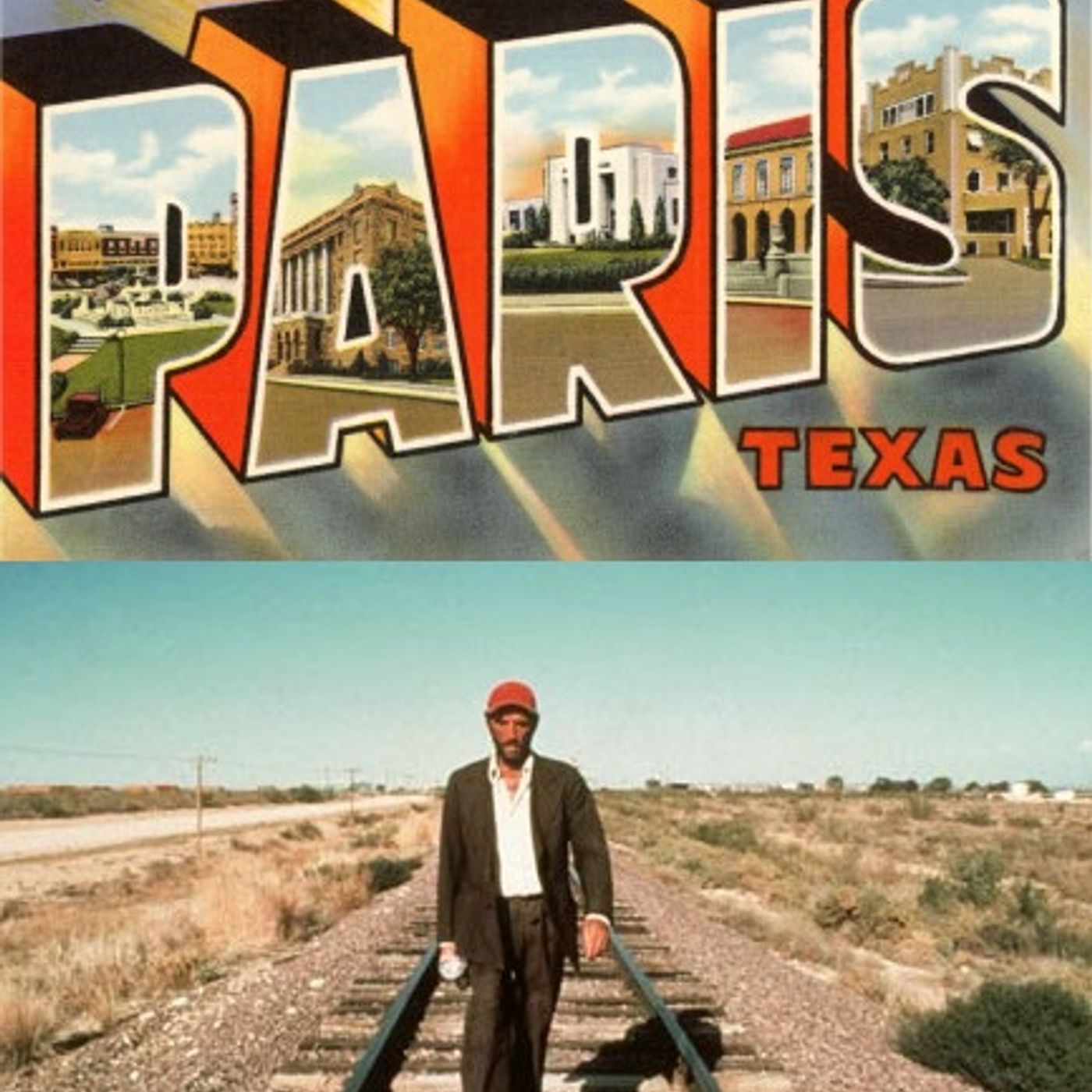
So, now we will launch into this week's Sofa Theater feature. This week's Sofa Theater feature is Paris, Texas. The year is 1984. Director, Wim Wenders. And the plot, I'm going to apologize now.
This is terrible. And again, not my doing. Just kind of continuing on with our usual, let's just see what IMDb has. Okay, I thought you were going to apologize for the movie. It's like, I apologize, we're talking about Paris, Texas.
No, no. It's terrible. Paris, Texas is awesome. This plot synopsis is horrible. And I'm going to go ahead and throw out the spoiler alert now because it ruins things you probably don't need to know about if you haven't heard it.
So go watch Paris, Texas before I even read this. Okay, the plot, according to IMDb. A man wanders out of the desert not knowing who he is. His brother finds him and helps him pull his memory back of the life he led before he walked out on his wife and son four years before. As his memory returns, he makes contact with various people from his past.
No? And horribly worded? Did that person just watch the trailer and write that synopsis? They're pitching another movie. I think so.
Yeah. This is not right at all. So, again, spoiler alert, because they just ruined some things you probably don't need to know about until the end of the movie, but whatever. They just ruined a movie that we don't know what it is. I think that's like, isn't that the synopsis for The Man Who Fell to Earth?
Is that what that was? Something like that? No. Yes. And Pee Wee's Big Adventure as well.
There are elements of that at work in this movie. There's a man in a desert. Some of those things. Sometimes there is a man. Some of those things are there.
I'm not going to pretend like they aren't, but it's oddly worded at the. Least of its problems. So you're saying that Dean Stockwell as David Bowie is what you're getting at. I mean, he did sing very lovely in Blue Velvet, so. And then he talks to Ziggy.
There's also a Kentucky connection. Walter Tevis, Lexingtonian. Okay, where would you like to begin? That's not fair. Lexingtonians sound so classy.
We're Lua villains. Oh, I like the villain part. That seems very fitting to most people I know around here. We're down here twisting our mustaches. Again, sounds about right.
Most of the people I see. Tying up angels in distress and put them on the train tracks. Okay, so where would you like to begin with Paris, Texas? In the desert? Am I, I'm probably the only, did anybody see this like when it first came out?
I didn't know. I think I'm probably the only one old enough. I saw it last year at Harry Dean Stanton Fest 1. Yeah, that's what I was going to say. That was actually.
The first time I saw it. Was it? I think it was for me too. Oh, you literally just made my day. Yeah, I think it was the first time I saw it.
That makes me so happy. On the big screen in the Kentucky Theater. Wow. I'm thrilled by that. With Hunter in, you know, in the room.
I was pretty excited. I saw this back in the day. And how was your experience then? You know, I. Remember conversations that happened when I saw this movie.
That's a good movie. I remember who I watched it with and a lot of things about it. Some things I remember about it, though, did not correspond. To the viewing. The real world?
Yeah. Well, when I saw it again, and it's possible they changed it. It's possibly they fixed a little flaw in the movie that I remember clearly. vividly seen when he drives into, what, Houston? And he parks the car, and he gets out, and there's a window in a building with, like, the Statue of Liberty painted on it. Yeah.
And somebody waved from that window. It's still there. It's there. I saw it today. It wasn't on the copy.
I rewound it. There was motion, but it was darkened. It's faint, but it was on the one I just watched today. Mm-hmm. Yeah, the one I saw, I backed it up and looked again.
It's like, I know, I remember somebody waving from the window. It's like a little kid, it looks like. There's like a person and then like a little kid. And the little kid kind of waves and then runs off. I played it a couple of times because I remember that.
And I'm like, am I losing? But I see a little motion in it, but it's darkened. Huh, they must have fixed that. They did not fix my version. Yeah.
Well, I had like a two-disc set. Yeah, I know. It was missing when I went to go rent it. Oh, sorry. I almost messaged you.
I was like, look, bastard. Give me that disc now. Yeah, I live a block away. Well, I was just waiting because I knew I wasn't going to get around to watching it until this weekend again. So that is there.
I'm not crazy. I do remember. I remember that from seeing it. In the one before, the one disc version, it's still there. So you need to track down the old version.
Yeah. So aside from the weird waving person... Yeah, just the intro in the desert. I mean, that's... I mean, that's something just.
When I was watching it, I remember thinking, you know, when it comes to Vim Vendors, this idea of a character that's just sort of like lost, trying to figure out who he is and reconnect and all that. I mean, that's very much a theme in Wings of Desire, too. And I feel like those two films almost work well as companion pieces. Just because that overall theme is similar. And I think it just works very well for him.
And I don't know, I just... Anytime you actually have this character to where they're trying to discover themselves and in the end you don't really know that much more about them per se. I mean, you do, but at the same time, you know, his motivations are still left kind of ambiguous. But I like it to where it's used as a way of basically getting you to know other characters more and their relationships. And it's sort of like you're watching that journey, but when you get to the end of the movie, the journey is not really over.
This was just that segment of it. And we're assuming, you know, he's going on to do whatever else he does. But again, it's not like you reach the end of this character. This is just this part in the story. I think that's kind of that same thing of learning about the character, but it doesn't pin it down.
You don't get everything about him. You don't really even know where he's going exactly. And then it's not one of those that really wraps everything up and go, well, he's figured it all out and he's got it now. And he actually, he moves everybody else forward a whole lot more than he does himself. Yeah, definitely.
In the grand scheme of things. But I mean, I don't know. It's just, it was when I first saw it, I was just like, this is such a poignant little film. I mean, I think one of my favorite moments in it, just because it was just, you know, so heart wrenching is when he first finds, um, you know, the woman that he suspects was his wife. And he goes to the strip club and he's just sitting there on the other pane of glass and he's just looking at her and just can't say anything.
I just love that moment. There's so many great moments. Sorry, I just kind of spaced out for a second because I love Wings of Desire. That's one of my top ten favorite films as is this one and I just thought about that moment. I feel like there are a lot of parallels between the two.
Right, and not until just now when I was thinking about this, that moment when he's on the bridge and there's the madman that's sort of ranting. He's not a madman, sorry. He's a slime ball or whatever he says. I'm a slime bucket. I'm not crazy.
He's a prophet is what he is. He may just be a slime bucket. But he's screaming and it's like he doesn't see Harry Dean there. It's like he's just sort of projecting this into the world. And there's that second where Travis, I'm sorry, Harry Dean slash Travis, where Travis comes up and he just touches him on the back. like it's it's okay and then he passes by him and that's totally a wings of desire moment that's totally an angel moment.
Yeah that was kind of my favorite of that segment is he could have again that that's sort of a real world scenario you see a lot of crazy people and you would think yeah your normal reaction would just be like whatever and get the fuck away from him. But not only does he stop and stand there and just kind of stare at him and then, but that little touch that he gives him, even without that, it's like it's very telling of the kind of person Travis is. It's just that little. Yeah, I loved all those little defining moments. This is a gentle soul before we find out what he's capable of.
Well, There's something about just the performance that Harry Dean Stanton is just so innately sympathetic. I don't want to make people hate me more than they already do. But I think if it wasn't Harry Dean Stanton, the movie just flat wouldn't work. When I first saw this movie, I had a lot more respect for Sam Shepard as a writer. than I do now, and watching it again this much later, I have issues with the story. Really?
Oh, serious issues. Tell me to dig into this, because I had a very different reaction watching it recently than I did previously, and previously I had issues with it, and at this moment in my life. I think it's sort of perfect. Oh, I remember really liking it when I first saw it, but this time watching it, I'm like, he has amnesia? What kind of amnesia is this?
It's the kind of amnesia where you remember where your mother first had sex, but you don't know if four years is a long time, and you think maybe one guy makes all the billboards. So this is the kind of amnesia where you know about your parents' sexual history, and you remember why you bought a plot of land, but. You have this childlike wonder about the world in general. You're kind of like Al for the man who fell to earth or Mark from fucking or, I don't know. I'm, I just don't really understand it.
He doesn't, He knows who he is. He has the kind of amnesia where he knows who he is and what he did. He just doesn't want to talk about it until the end of the movie. That actually becomes a question. It's more of a facade than anything.
I never thought it was actually amnesia. That's why the IMDB synopsis throws me off. It never occurred to me that he was. An actual amnesiac. Still, I don't know.
There's something about the structure of the writing that really bothers me now that didn't used to bother me. It has moments where he almost takes it too far on that not knowing thing. But I mean, to me, most of it, it's not so much that he doesn't know who he is as he doesn't want to deal with who he is. You know, it's like one of those he's avoided. So much of what went on and it's now been so long that he's just been wandering out into the world that that sense of who he is is almost gone.
And he's just that zombie walking around, you know, and it's only coming back with his brother and then having to deal with the kid and later her that sort of puts it back in perspective. And he's like. He starts to come back and remember who he was in, in like that day to day action. Like it was always there, but it's like, it was, he was so out of practice that he didn't have to be that person anymore. He was nobody for the last four years.
So that's what it felt like to me. It was him sort of the more you kind of come in contact with people, specifically people you've dealt with in the past, you get back into that routine of, of being sort of a normal person again. Well, and not only that too, but I mean, you're still going with the idea of the facade. I mean, it's just, Basically, he's putting his toes in the water as to exactly what he can get away with admitting and saying to these people after being gone for so long. Because you don't know.
If you're coming back after all this time, are you just going to get a complete earful? Is somebody going to chew you out? Are they going to welcome you with open arms? So it's like he's feeling out the situation as he goes, which is why I feel like as the film goes on, he's slowly dropping the act as he's getting more comfortable with those surroundings, sort of going along with that. In that vein, I have to give credit to Dean Stockwell's character.
He is a very patient man. Yeah. Because you know you would have wanted to strangle him about 15 minutes in, and it's days later, and he still won't talk about anything or at all. And he's just, come on, man. Take your time.
Yeah. He's so, you know, you have to love Dean Stockwell in this movie, too. I love those beats. And I love it when they're on the top of, they're up at the top of the billboard and he sort of starts to lose it and he just has to rein himself in really fast. I don't like that was a really amateurly written scene.
It smacks of the kind of like bickering that somebody immediately does when they're thinking, Oh, the scene needs conflict. And it, it wasn't credible to me. It's either he's mad and he wants to, wants an answer and he's going to pursue that credibly. Or he's just putting it off. The deck is so stacked in this story.
The kid, I think, is the most believably written character. I think the actors make the other characters believable with their choices, and they fill it out. But if you look at it on paper, it's a little mysterious. To me, where Shepard's reputation as a writer. is based really only this time did i find out how much other stuff was kind of going on with the writing that it was not a normal process that this got made yeah specifically from the screenwriting well it. Was adapted from shepherds by somebody else well.
The the way they were saying is like it started off that that um the vendors wanted to work with, with Shepard and they'd plan on working together years before. And then it fell through. So then they came together with this and they were like, Oh, we're going to write this movie together. And they kind of did. But the idea was that they were going to write the first half.
So all the way up through like when he gets to LA and most of the way, even most of the way into LA before he decides he's probably going to have to leave LA up until that point was written and was written by Shepard and with them vendors and they had everything sort of mapped out where they were going with that. And the idea was, and again, I guess he was getting sort of artistic is then once we're into it, we're going to go with it and kind of finish it as we go. And Sam will be there with me and we'll just kind of write the scenes and continue as we go. And then Sam Shepard got another job. Yeah.
So he wasn't there anymore. And so he's midway into his movie and he's like, okay, now what do I do with this? So I don't think I knew up until this time how that middle area was just sort of left up in the air. And Vim was sort of grasping his straws like, okay, I'm coming up with this scene. And then he starts working with Hunter's dad, who's also a director, and working with him on where do you think the story could go.
So I don't know how much actual dialogue he wrote. It was more of, how do we structure the rest of this story now? So I think those two are piecing together the, okay, this is where it's going to go. And this is how he's going to wrap things up. And then at the end, Sam comes back in and finishes.
So those amazing two scenes at the end, the one big one are all Sam Shepard again, those, those phenomenal little, back and forth between those two characters is back to Sam Shepard so it's got that gap in the middle. Sam Shepard I mean that's just his signature yeah and those are amazing but that gap in the middle was him going okay now how do. I get from here to there you know he's just sort of filling so that may be in that billboard scene is is in that area. So I feel you know some of the dialogue is like very primitive writing there are a lot of films if you look back on it I don't really think there were films like that before it. Yeah.
So, I mean, I, I would give it credit. I think it's a very innovative film, but, um, I think over time you have to question some of the credibility of it. I think the, the story of the Odyssey with the kid that he's just getting to know again and, and going to find the mom, that's like a lot of movies that, that came after it. Yeah. But it's, I can't think of, of movies, American movies before it that you would compare it to.
And I remember. Everybody being excited about it, you know, so, uh, they were excited by, uh, the Rykuter soundtrack and, and, uh, I was familiar with Sam Shepard back then. I think True West is probably my favorite Shepard play. Uh, he always has the brothers, kind of the two, brother kind of thing. That's something he's, it's just part of his repertoire.
And I feel like he is completely credible writing the kid, the kid's dialogue. I don't think there's a wrong note, but some of the, the, the bickering stuff, it's just like, well, he's not really seriously mad if he's not going to pursue it. I don't know. That always seemed kind of true just to the, the way that Dean Stockwell played it. Like he does seem like when he's always like, backing off and being like no no like no matter how angry he gets he stops himself and it's one of those you don't meet those people very often but he he makes it like it's so it's such a through line that every step of the way like they get kicked off of a plane because of him and he's like are you gonna leave me no i'm not gonna leave like he's just always the forgiving brother and that seems like it always follows you know through the whole.
The whole movie it's consistent at least yeah i mean it seems like he's sort of in the caretaker role and i sort of like that reveal because he very much seems like the older brother and then you find out that he's the younger brother. Yeah um and i i like that relationship a lot and like he says at the top of the billboard it's like i've been treating you like a spoiled child and and that seems like that's what the relationship is he's trying to to be the grounded figure in his life and occasionally he slips and then he brings himself right back into line so I mean I think he was just trying not to push him the whole time was my. Feeling which is kind of what I like about it because there it seems like there's almost something that's unspoken as to what happened in the past almost as if I mean there was just a huge wrong that was committed on Walter's part that you know it's just it's never explored and maybe it's just he's come to terms if his brother ever came back you know he would just try to make amends.
And that might be why he's just being, you know, overly patient with him. I mean, there's a lot of stuff that it can be inferred within here. And in some cases that would drive me crazy, but, uh, I don't know. It's just such an interesting character study. It doesn't bother me here.
Well, I don't know. For me, I, I just see the writer putting off telling his story till the end. I mean, there's definitely that. Yeah. Um, And then when you get to the story, it's kind of like, do you remember the movie Heat?
Do you remember the movie Heat at all? Do you remember Pacino has his ex-wife and they get into this argument? And at some point she says to him, and this is in the context of a marital spat. She says, you sift the detritus. I'm willing to bet.
That that phrase has never, just the word detritus, has never occurred in the context of a marital spat in the history of the fucking world. Until that movie. That's the writer going in there, and you're hearing the writer's voice. And when you get to the point in the story at the end of this movie where she's still not recognizing his voice, still not quite putting together that she's hearing the story of her own life being told to her through a mirror. Still not quite on that.
When you get to the point where he's telling her what her dreams were, and she was running down riverbeds, that's, I don't know, I'm voicing a little bit of an objection to the writer saying, stacking what they want to reveal to us until it serves. And I just feel really conscious of it. The movie, you know, it's slow. That's my only issue with it. It's very slow.
But I even find Wings of Desire slow at points, too. And I like the film a lot, but it's just, I've always found, you know, Vin Vendor's just his pacing, it's just, that's the way his films are, and I've just gotten to the point where it's like, I accept it's going to be kind of slow. And upon repeat viewings, it doesn't bother me as much, but always on the first. Viewing, it just. I had the opposite experience.
I probably, it bothered me less, but it has the photography that sustains. You through that. The photography in it is just, and it's almost like still photography in places. At times. There's a little bit of motion, but they come up with this fantastic expressive still, and then people move in it just a bit.
And then there's even one point where they just, they have the still photo and you could just stare at it for another 10 minutes, but then the car comes by. Well, no, we want to drive into that. Yeah. There, there, there are great things in it, but I'm, I'm very aware of. The writing.
Yeah. Um, Yeah, I think the pacing definitely comes into play. To me, it's one of those that I– because of that, because of the pacing and some of the writing, I think it is one of those that I can't recommend it to everyone. It's one of those you've got to be the kind of person who gets this type of movie. So the regular moviegoers out there, I'm just like, no, you wouldn't.
The opposite of the– this movie is for you. This is kind of the opposite where I'd be like, no. you probably don't want to watch this movie. Well, the thing that sold me on the idea of even seeing it in the first place where I want to drive down to Lexington to see it and I would sell it with everyone else is it's a Harry Dean Stanton vehicle. I like any film to where you have an established character actor to where you give them a vehicle to shine. I like Richard Jenkins in The Visitor or just recently with Gary Oldman in Tinker Tailor Soldier Spy.
Regardless of what the storyline of the plot is, the very fact that it's got a, um, character actor in a prominent role that always grabbed my attention and just, you know, I was kind of actually look at it with remorse that they don't receive any kind of, um, you know, recognition, you know, going to, like I was talking a couple weeks ago about Felicia's journey. I mean, that's one where I really felt Bob Hoskins deserved some sort of recognition for it. It was just kind of overlooked or, um, going to Blood Simple, M. Emmett Walsh, or Dan Hedaya in that. I mean, just fantastic roles by them.
And you even mentioned, you know, Harry Dean Stanton having to be in this, and I think it's one of his best performances, but I got to thinking, the only person that could maybe fill that role, and it's one of my favorite little things that Roger Ebert's come up with, he has his Stanton-Walsh rule. I don't know if you've ever heard that before. He says, if a movie has either Harry Dean Stanton or M. Emmett Walsh in it, It is watchable. And he claims that that rule has never been violated.
He said he went back on it one time, though. I think it was. No, I think. It was a little dream, I believe. I was thinking he went back on it for Wild Wild West because M.M.
Walsh was in that one. I think he went back on it. We all make questionable choices. But anytime you have a character... It's a little bit when character actors, they have that moment to shine.
I feel like this is it not only for Harry Dean Stanton, but Dean Stockwell as well. Yeah. Both of them. I think all the performances are good. I think Harry Dean Stanton does a much finer job for me than, than Stockwell does.
I don't, Stockwell, I don't think he's given as much to do. Yeah. His, yeah, his character's already kind of set and he doesn't, you know, like I said, it stays that way throughout the movie where Harry Dean Stanton is just given so much room to expand that by the end of the movie, he's kind of a different, you know, especially, I mean, that, midway in when he's there with the kid and he's like driving along and he's kind of a normal guy again and it's like you've watched in the last hour him go through this complete metamorphosis really from this catatonic wordless character to this guy who's kind of like a normal father again and he's really likable at this point and from the weird guy at the beginning you don't know that you would ever get to that point that he's just a likable normal guy and he doesn't 100% you get to the end and he's still got issues he's still working through stuff but He definitely does a pretty big jump from, you know, what he was to what he becomes midway into this movie.
Not the only other, you know, since we're kind of on the topic of Harry Dean Stanton, but the only other movie where I can think he has like a powerful dramatic role that really makes me take note. is Wise Blood. It was like one of John Huston's last films. And that's actually a really good vehicle for not only him, but Brad Dourif as well. Brad Dourif is amazing. It's like a very wet-behind-the-ears Brad Dourif at that stage, too.
But there, I mean, Stanton's character is a little bit more unscrupulous and a little bit more unlikable. But still, I mean, it's just such a captivating character. I don't know if you're familiar with it. They're basically... Dourif shows up in town, he picks up a hat to where people think he looks like a preacher, and he starts taking advantage of that to try to get money out of people, and it turns out he's like on Stanton's turf, where he's already kind of got that ploy.
And it's just this sort of a battle of wits to where it's like, are they going to join forces? Are they going to oppose? And it's one I need to go back and revisit, but I remember watching it. I was like, this is actually a clever little film when I saw it at the time. I would compare Harry Dean to Stanton. especially in this, a little bit to Peter Sellers.
There's a kind of an innate sympathy you just feel for him. Very much like Chansey the gardener. Because, you know, through most of the movie, you have no idea, you know, what the arc of his character is. But you feel connected to him anyway, in spite of that. I think that's the most impressive thing is that early on you still already are invested in.
That's the thing. That's like a virtuoso acting thing because the script really isn't giving you what you need. All you have are these anonymous, like somebody you would see on the street, doing things. And many of those things are pretty annoying. And yet, despite that, you feel connected for reasons you can't really explain to the character and you care...
And you care about them. And the story, I don't think, without that acting performance, wouldn't work. Yeah, I mean, trying to throw somebody else in there, I think it would suffer immensely. It would be very hard to find anybody who could care. Because he does carry that, definitely that first half of the movie, which is weird because it's wordless through 26 minutes or something.
But he still somehow drives it along. And if it were somebody else, not... Harry Dean, I don't know that you would still be invested that far in. Yeah, it's in the physicality and just the look in his eyes, and it's like the acting is at the core of the story because you don't have a lot else to go on. And it's one of my favorite things about films to where the character's not speaking, but just by looking at them, I mean, you can hear the cogs turning in their head.
It's not somebody sitting around waiting for the next bit of dialogue to come up. I mean, you can just sit there and just watch them furtive on the screen and just try to figure out what exactly is going on. I mean, he's very much just... It's not brooding for the sake of brooding. I mean, there is something there.
And I think that's what intrigues you, even seeing it. It's like, okay... what is going to come of this. I mean, it very much is an effective hook from the beginning in that sense. Yeah, and speaking to that, I love the scene where he's doing the dishes, and you can sort of see everything that's going through his head, and he gets very happy, and he's sort of thinking about the things that have happened that day, and then he becomes a little more sullen, and then there's this whole arc to just him doing the dishes and what's going through his head. It's almost like him slipping back to who he used to be.
There's that moment of him being happy and kind of a normal guy for a minute, and then, yeah, he's right back to... kind of where he was before that but yeah you again that's why i don't think there's ever anything wrong with him more than he's sort of lost unto himself he's he's lost inside his own head really no. But there are those little affectations like he he doesn't know if four years is a long time he he seems to have forgotten a lot of like just basic general knowledge of the world somehow and that's that's kind of a sam shepherd like in buried child people look out the window and Everything's different, you know. It's kind of like, I don't know, an absurdist tick that he has, which seemed really cool when I was in college a long time ago.
You know? I'm sorry, I don't want to interrupt. No, I'm done. Well, my interpretation was always this, and I think that this is what has allowed me to be okay with those moments. I've always felt that he was this essentially good person who, who became involved in this relationship where he just lost all reason and completely lost himself and it became this really ugly thing and it got uglier and he found a darker and darker and darker part of himself.
And I think that after what happened in the trailer, he didn't want to be that person anymore and in order to deny that aspect of himself, he sort of just had to deny everything and forget about everything. And I feel like he's always so afraid of accessing that part of himself that he does sort of want to see himself when he returns to civilization as this innocent. Like he wants to reclaim that innocence. And I think that it becomes sort of this hyper innocence in those moments where that is who he is because that's who he wants to be, whereas he has the capability of becoming this very dark person. And as he gets closer and closer and revisits her, and sees that darkness in himself.
I mean, that moment, oh my gosh, the moment where he first goes to see her and he starts asking about the things that she does with her job, and he starts becoming so angry, and you haven't seen that anger before, and it's chilling. I mean, I thought that was just. It is that different side that you have never, in the course of this movie, seen before. So it is weird that it was there, and obviously was part of that big story beforehand. I don't think it's unrealistic, too, to assume that, you know, if he spent like four years in just and an introspection, too, that he would start to lose some perspective on at least basic interactions with individuals.
I mean, because you don't really know how much he has sequestered himself from humanity during that time. But, you know, for the better part, I almost feel like that's been his sort of mode of operation. It's just the way when he comes back, it's just keeping to himself and disassociating himself not only with his past self, but the world in general. So. And you don't feel that it's a little coy.
It is a little bit coy. I mean, I'm not going to deny that. It's a bit coy. It's kind of convenient, you know? It's like, I need it to be this way to get us to this next part.
But at the same time, I mean, how many other movies have conveniences in them? Well, you know, they all do, in a way. It's just a matter of whether they... They bother you or not. But see, and I think that goes back to what you were saying earlier.
You know, you look at this on paper and it's kind of like, eh, but it's up to the actors to flesh it out. And there's so many movies like that where it's on paper, the film doesn't sound like it would quite work. But then you put the right people in and it works great. Other times not. You know, I mean, that's...
Yeah, I mean, my issue is with Sam Shepard as a writer. I've just gotten to a point where. We just need to get Sam to sit down with us and you guys can go at it. Not with him as an actor or anything. I just, the writing, there's something about it that kind of seems and there's like a lot of the 80s in that movie.
There is. So now we're going to blame it for being made in 1984? No. No, I mean, but it's funny how there is a certain zeitgeist that that is apparent when you look at it much later. Um, just the, the tendency to want to impress you with a kind of emotional intensity that was just everywhere in the air at that time.
And I remember getting to the end of this and we watched this with another couple and the guy was, uh, an actor and they were a couple and we watched it together and we got to the end and, and the guy said, so she, burn down the trailer and his girlfriend said well she chained him to the oven and i said fair is fair and he said no i just didn't hear is that what she said she did. So they were like getting in an argument about whether the ugliness when this relationship goes bad i don't know somehow they they they sort. Of uh but that that was the the commentary that came out of it um I don't know. I'm not trying to trash this movie. I feel like now...
Well, I like having a different perspective. Because again, I think it just brings up other stuff to get into. Yeah. The kid at the point when they're at the bank. For some reason, that's my favorite part of the movie.
When they go to Houston. Dad? Yeah? Where'd you go all that time? Mexico.
How come? I didn't know where else to go. Where'd Mom go? I don't know. But right now she's somewhere in Houston.
That's where the Space Center is. That's what I want to talk to you about. I gotta go away now. Why? Because I'm going to find her.
What about me? You just found me. Can I come with? What about Walton Ann? You mean we'd never.
Come back here? Well, sure, but. I don't know when. I want to come with. I want to find her too.
When do we go? Right now. Then come on, let's go. First we've got to stop and get supplies for the trip. Okay.
And that's when you really begin to feel their bond, and you haven't, you know, and they've had, what have they talked about? Like how the earth formed and stuff like that. That's just Hunter being a nerdy science kid. Yeah. Cause he talks about that.
He's like, most of that was just him talking. Like you just ran the audio and he starts rambling. It's completely believable. Yeah. Everything about it is authentic.
Cause it was just him as a kid. Yeah. Most of that was unscripted. It was just Hunter. Tell us about space.
Yeah. Okay. Oh, I don't know. I think that that's another weird, way that it's structured it's almost like it's in three chapters two of which are road movies it's almost like its own little road movie in the beginning with him and the brother and then with him and the kid yeah and then there's that middle section that's all of them at the house and it's very different because it's it's just that different setting and you start to see him going through this change but he's almost like a different character in each one of them like he's he's in this different place each part of the movie that they get to each each you know chapter that you go through you see him sort of changing into a different.
Person which i think makes sense because i mean each chapter is associated with a different person because the first one it is you know walter the second time it's hunter and the third time you know it's his wife and um I mean, naturally, he's going to have different reactions because he's been thinking for four years, what am I going to do when I see these people again? Eventually, when he calls his brother, obviously, he's come to that decision. It's just he's going through the motions of, okay, how am I going to approach this individual? And for me, I think, you know again you're talking about your favorite scene being in the bank for me it is like what Lucy was saying earlier the scene to where he first goes to that club and he's just talking to her about what she does but he's never able to like come out and admit who he is or anything like that and it's just.
Yeah I find that really hard that she just doesn't clue in On the first one or the second one? Because the first one I can understand. He barely speaks the first time. On the second one. The second one.
As it goes along, I start to feel tense about it. I got that same thing. I think it's almost that same thing that he was doing. It's not so much that she doesn't recognize all this. It's that she doesn't want to.
Because that's the first one. She has like a look. On her face. Yeah, like she kind of knows. Yeah.
And she doesn't want to deal with it almost. And I think that's what it was midway into that second one too. It's like, I think she knows midway into that there was this couple story and she just like, it's four years of, I don't know how to deal with this. So all of a sudden she's faced with it and it's just like, what do you do? I mean, it takes her almost to the end of this story of figuring out, okay, now what do I say to this person that these horrible things took place and all these years of, you know, time between us, what do I do with that?
You know, I, I, That's more the way I took it, is her. Especially in that environment, too. Trying to process, yeah, in this weird situation. Because already she is, you know, more helpless than he because, you know, he's got the advantage. He can see her.
She can't see him. You know, he's in the know. She's not and all that. So, I mean, I could see it where she, too, might suspect something, but is just trying to. Well, how do you feel, then, about the ending where he decides that the kid should be with her and he's leaving... isn't that a little mysterious because he's like had a little time and formed this bond with the kid that we've seen and we felt.
And then. He gets together with the mother and they haven't really done that, but they just like grab each other and, and it doesn't have the difficulty that he had in connecting with the son. Um, I almost disagree with that, like, in the real world. But, like, from the story standpoint, I understand what they're doing. I thought it was so beautiful because it's the supreme act of selflessness that he's never been capable of.
I mean, it's just the most beautiful act. But is it just because she's, like, the mother that she and the son automatically connect without having to build a relationship? Well, not even that. I'm like, I don't know that. he needs to be with the mother any more than he needs to be with him. Because I feel like you do at this point have this bond with him that I'm almost leaning this way.
You might be better off with him once that he's come around and become a good person again. But has he? I mean, that's the problem. Because once he starts being around her, he feels that age. Well, I don't think he needs to be around her.
But I think when he's around, again, they're not a good family unit. Yeah. But I think he and Hunter are good together, you know? I agree that's that selflessness thing because he could just pretty much go with Hunter and then that's the movie. Yeah.
It's like he's rebonded with him and he just keeps him to himself, but it's going to the effort to chance, you know, regressing again and to find her and then just say, here, and then just quietly step back out as, you know, it's like he's done what he can to try to right his wrong. Right. So that way it's like he believes, you know, okay, The son needs at least one of the parents, but he's not the better one to be. So he says. Are you sure about that?
I don't see... How does he know that? I mean, how does he know that? Just dropping off with a girl that works at a... Peep joke.
Well, I'm not saying that that's necessarily the case. I'm just saying that's what he believes. Because he says. That I'm the one that separated you all. I'm the one that did this, and I'm the one that needs to fix it.
And I think he knows that he as a person isn't ready to be back, really. When it starts rising up, he realizes that he's not capable of being. but I don't know that she is either. So again, in the real world, I kind of disagree with a lot of that, but from the story arc, I understand and I think it is kind of an interesting way in him being very self-sacrificing. In the embrace, I don't think it's necessarily that all is forgiven or anything like that. I think it's just It's her way of saying, I'm going to make a legitimate try at this, is what that is more.
And he's definitely been prepped this whole trip. I mean, the whole trip's been about finding her, so obviously he's going to be willing to connect to her instantly. Because maybe that's almost just. I mean, I can't really. I have no basis to say that it's wrong, but I just...
I question, like, automatically accepting it as a happy ending. I mean, it's... It's what happens in the course of the movie, but we really don't know that much about her, and we can't pretend we do. I wouldn't say happy, but bittersweet. Yeah, I didn't feel like it was really happening.
I felt like it was that self-sacrificing, but to me, he's been our hero the whole movie, and he's back to being alone. So to me, I felt more of the sadness in him. Because he's still really dealing with a lot of issues with her. He's just opened that wound and now he's left to be alone again. But he's also made a tremendous personal step.
I mean, he's way better off than he was from the beginning of the movie. But I think it's still that, like I said at the beginning, it's that journey. It's like he's not done. He's still got a lot of stuff to go through and to finish this process. I mean, he said that before.
He's not done yet. dealing with this. Yeah. The whole situation with her was so damaging that it's taken, you know, four years and he's still not at that point where he's okay with it. And I don't even know if I would call him a hero per se. Protagonist is I guess the best, but even there, he's like an unreliable protagonist because you still don't know everything.
And not only that, but I mean, all you really know of the past is what he admits to her and just How truthful that is. I mean, already you've seen that he has like a skewed view on reality. So exactly how accurate is that? I mean, we as the viewer don't know that. And even when he's having that second conversation, the tell-all conversation, he lies to her when she says, were you here before?
And he's like, nope, wasn't here. Yeah. And I think that's right. I think he would do that. I think.
That rings true. It doesn't ring true to me when she says, every man has your voice. That's like, well, now you're just trying to explain. I would have cut that line. You are so angry at Sam Shepard.
Well, no, I'm not. I do feel... No, there's something about his style that I used to really like that I don't anymore. Actually, no, you're angry at yourself. Maybe.
I don't know, but I do think this, and I'm not saying that the ending is wrong or anything. I'm just saying that There's a lot to it that can be examined, and that's good. But I will say this. When I got to the end of it, I thought, the person who wrote this story did not have kids. And then I got online and I looked it up.
And his first kid was born in 1985, the year this movie came out. I just felt like the person who wrote this story doesn't have kids. Well, I mean, that's a major issue as a person watching this. It's like, that's almost why I question whether either of them should be with Hunter. It's like, Hunter had the best situation available, really.
Those two were the best parents you could get. So it's a shame that he got taken out of that, truthfully. He needs to get to know his parents, but I don't know that he needs to be with either of them. Yeah, you make an excellent point. I didn't even see that coming, but yeah.
I mean, it's true, because they're the ones worried about him. They're the ones that have been taking care of him with no questions asked for four years. What a terrible event this was for them. Yeah. Oh, that's horrible.
Oh, my God. And maybe he won't be. Maybe she just hops on a plane with him and they go back to L.A. And again, that's maybe the best thing for them, possibly. I've heard.
I saw it in that Jersey Scott movie. Oh. Cool. Wow, yeah, because, you know, Dean Stockwell and his wife. They seemed like really good parents, didn't they?
They were. I mean, that was the best. For people who didn't even have children, like, they immediately fell into that role of being good parents. Yeah. Seemed like they took such a good job of him, you know, doing such a good job of taking care of him.
She's a little mysterious, isn't she? She was a little manipulative, I thought. Yeah. Yeah, but what mother is it, really? Isn't that how mothers operate?
I was a little afraid of her. But I don't know. Once again, I was kind of siding with her. It's like if this weird guy wanders in out of the desert, won't talk to you for days, doesn't remember who you are half the time, like didn't even remember her, and now you're going to let this child that you've taken care of for four years just go off with him, which is kind of the way that, I mean, I would be ready to fight with him for that. I mean, if this was my child.
Especially the way he's been acting since he's been back. But that demonstrates a level of parental selfishness. That is true. Yeah. That's somebody who's meant to be a parent.
It might not be the best thing, but... What are you going to do? You're helpless. But she does it in such an underhanded way when she starts feeling like her position as his parent is being threatened. Oh, yeah.
Oh, yeah. She's like, by the way, I. Know where Nastassja Kinski is, and you just want to run off and go find her and start destroying each other again. We'll be here with Hunter when you get back. Yeah, I would do that.
See, that's what I'm saying. I would do that and more. Protecting your own. Yes, that's a good parental instinct. As a viewer without children, maybe I don't come equipped.
Sam Shepard and I, neither of us are equipped to interact. What is that Chekhov story? In the gully, it has this like, velociraptor of a mother and she's always looking after her brood and it's so ugly but it's um but it's you know it's maternal she's just looking after her kids she's just being but oh it's so nasty. You kind of have to have a little of that yeah be a good parent really i mean you have to be able to put Your children above yourself and at the same time above other people. Above other children.
Above other children, above other people. I think you do kind of have to have that to be a good parent. And as a couple, I mean, what committed couple hasn't tried to set each other on fire or something? I mean, come on. That's what you have to deal with.
That's just Tuesday night for your guy. That's just part of the deal. You have to work through that. Well, that's something I think this does really well. And again, this time really noticing that by the time you get to that last scene, that for something that's not on the screen about that most of the time, that by the time you get to that end 20, 30 minutes, this is one of the best portrayals of just a broken relationship.
That watching these two sit there not looking at each other. I like that they both specifically do not want to even look in the same direction while they tell this tale and kind of come clean about what they've been feeling and have been going through. But yeah, there's just this... And then you start to understand why Harry Dean Stanton's character is so messed up and why he's wandering the desert. Because it kind of does that to you.
I mean, it has the potential. If anything does, it's just relationships to completely annihilate who you are and as much as you want to carry on and be normal... there's just something left there that, that won't let you. And I think it, that kind of comes into focus more when you hit that last scene and you're like, Oh, well now it doesn't seem so far fetched because look at how connected they are. But at the same time, they don't know how to work together. You know, it just, they, they, they, it is that couple.
They, they, they have that spark and they, they, you know, it really worked well. And then they start to just totally destroy each other in the process. Yeah. And that's something, I mean, you know, this, Much bashing has been going on about the screenwriting. That's something I actually thought was, and I'm not knocking, but something I thought was actually just clever was the way they set up that way in which he reunited with her, you know, separated by that pane of glass.
I mean, it was very much like, you know. a priest and someone in a confessional is very much the way it felt. And the very fact that even these two have, you know, it's like he's grown to the point to where, yes, he wants to go ahead and try to make amends with her, but he still doesn't have the courage to truly do it to her face. He still has to do it while he's hidden, and she still has to do it while he's hidden from her. And, you know, I just think that's just an interesting commentary to make on both of those characters. It's like, yeah, they're trying to you know, get this relationship to where at least, you know, they're at peace with one another, but they still aren't on a level to where they're willing to see each other face to face at that juncture.
Again, it was so intense what they had that they still like, it can't, if they were face to face, God knows what would happen. Like it, it really is like they almost need that barrier between them. And I don't even think it's something to where they would necessarily even begin fighting per se. I just think basically if they were sitting at the same table, they would just, neither one of them would want to speak. Or, I mean, it's one of those I could see, like, there's moments when they seem like they would, like, you can't see them almost being together again.
And I think that would be the big danger was if they're sitting at a table together, they're going to be making out in a minute, you know, and they're going to be right back into it. And that's usually what happens when you're in that, you get the backslide and then everything goes to hell again. So I think it's one of those, like, we don't even need to be around each other because there's so much potential for more damage. again that's what I think is so well done about that relationship of two people who are never really even in the same room but yet you get that much from their performances and I can't even. See them getting back into a backslide where they would fall in love with each other again I just don't see that.
But there's a weird connect like even when you listen to the way Watching her listen to him tell that story and then vice versa, there's this weird thing that clicks. Well, I've got friends to where they stay in relationships and I've always, you know, it's like they'll be on again and off again and on again and off again. And people are like, I don't get it. Why do they keep getting together? I'm like, because they make each other miserable.
That's why they work. And there are some couples to where they work because they make each other miserable. And some people just function that way. And I feel like that's almost the way it is with these characters. It's just.
And if anything, that would be the main reason why he leaves at the end is... If he's with her, they will both be miserable. And so, again, that's self-sacrifice. And drag the kid into it now. Even have any kind of remote chance of reconnecting with this kid, he can't be there.
Yeah. He just can't. Is this your first visit here? Yes. Well, this whole thing must seem kind of strange to you, huh?
You realize that I can't see you, even though you. Can see me. Well, that takes a little getting used to. If there's anything you want to talk about, I'll just listen, all right? I'm a real good listener.
The thing that's really great about that scene is just the way it tries to poetically envision the psychology of it. And a lot of films don't really do that. They don't even make the attempt. And so it's not only like the interest of having the mirrored glass and the one-sided anonymous conversation, but also just how beautiful it is that the exposed insulation. That's what I was going to get into.
The way that that shot is kind of brilliant. Yeah. Yeah, that's the stuff that really makes it, I think, innovative as an American film, is that that's what it's looking for. There are things I find primitive about the dialogue, but I think it is innovative. And there are other movies like like Rain Man, I thought was a pretty good movie when I saw it.
I actually thought of that in the first third of this movie. Don't you? Especially him getting kicked off the plane. Well, by the time you get to that, but even before that, just the way his brother is like, you know, trying to deal with him, and it's not, and he can't really understand his head, just like, you know, he's not autistic, but he's something. There is something that really resonates with that, and just, uh, I don't know.
It's interesting how much influence that movie, I think, probably exerts over other films that came after it. I can't really think of anything before it that was that kind of a psychological odyssey. Yeah. I do, especially that. That's one of the shots I liked so much because separate from what was going on with the relationship, I just like the way that it presents that little world.
Like you get this From this side, it's this ideal little, oh, look, it's the wonderful drapes and window and everything's so perfect. And from her side, it's just harsh. It's just insulation and wood and grimy. And it's just, yeah, I think that's a very realistic, you know, real world kind of take on, you know, from her side, it's horrible. From his side, it's an ideal situation.
Like that was kind of brilliant, the way that was put together. But again, visuals on it. All of it. And I think that's one of those things I think you can really tell that he's not an American director because he's so fascinated with that Americana. Like, the shots of the signs.
He loved, like, the words. Just, like, the huge, like, words on the side of that restaurant. He was, like, fascinated by that. I was going to say, the only American director that really sticks out in my mind that is really big on capturing Americana and the little things like that is Alexander Payne. Because, I mean, you watch...
I think it's most prominent with About Schmidt, but in all of his films. I mean, he just will set the tone of a scene. I think the one thing that stuck out in my mind the most is About Schmidt when he goes to that steakhouse. Rather than just cutting right there, it's like he's showing the outside of the restaurant. He has all these close-ups of just the pictures hanging in there.
And just those little moments like that. And Vendors did the same thing with this film. To me, it sets the tone so much. It captures that small-town feel as to... What is even important?
Going back to that whole scene with the Statue of Liberty painted on the window. Why was that even there? Somebody obviously felt that was important at some point in time. It says so much without saying anything at all about the place in which the scene sets. And the fact that he's drawn to that and needs to put that in there at that moment or it throughout the movie it's just so many of those visuals.
Are like that david lynch i think is another americana junkie and it's interesting that he uses harry dean stanton as much as he does yeah there's one of his favorite actors because i do think he has that sort of. He's very yeah i thought about connection because because the actors uh stockwell. Dean stockwell and harry dean stanton yeah. That's why I think Lynch has sort of lost me on The Last Couple because he's become more focused on the grittiness of L.A., both with Mulholland and Inland Empire. I'm like, that's been done for so many movies.
Oh, and this movie featured one of my favorite things in the American landscape, the box of bagged ice. I saw that and I thought of you. I hope you're happy. I saw it there and went, well, Fred will be happy. Look at that.
Yes, I was happy. Yeah, that's one of the things that has never changed in my life is the bagged ice with the block letters ice. With snow on top of it. And it was 99 cents a bag, which I believe now it's maybe a dollar and a quarter. But did you see what gas was?
A little different, you say? A little bit different. Yeah, the gas was, I think at the one spot it was $ 1. 07 a gallon. And then later it was like maybe $ 1.
19 or something. I don't know. On that ridiculous Americana, I do love, and I kind of forgot the dinosaurs are in the back of that shot there. Oh, yeah. And I'm like, this is like that year, the next year they're in Pee Wee.
It's like we were just obsessed with those dinosaurs there. That's one of those weird moments where he says he's in San Bernardino, but they're really in Cabazon, and the sun's already set in Los Angeles. Or no, it hasn't set in Los Angeles, but it's already set. In the desert. They sort of cheat on a few of those little Americana moments.
Yeah. But, yeah, you can see, I mean, just him with neon signs and the cheesy old motel rooms and those weird bars that they wander into. A hardware store. Yeah, that's another one. It was just all those words on the side of that building, and he was just like, oh, that's fascinating.
But I think that's also just very characteristic. You know, it's something that I think a lot of road trip movies miss out on is they always, you know, seem to get lost in, you know, the antics of the character relationships or something like that. And I think back to road trips I've taken either by myself or with other people. And you do remember like when you were in the middle of nowhere and you needed gas and you stopped off at this mom and pop, you know, gas station. It's like, what souvenirs did they have on the shelves?
You know, it's just those images, you know, so you don't think back to the whole trip. in a nutshell, it's like, there are like these little flashes of imagery that come to mind. And that's something that I think that captured very well of that sort of road trip feel. It's just those little novel moments in which you see something in some small town, like, huh. That's what sticks with you. Cause you know, if you're with that person, you're like, remember that one time when you'll go back to those little moments and that's, that's what sticks with you.
But yeah, you can see again, somebody who's immersed in that their entire life, you don't notice it as much, I guess, because he just, was so fascinated with, and you can see it on the screen every, every time he focuses on one of those things, it's just like, he thinks that's the coolest thing ever. And it's cause they obviously didn't have that, you know, in his part. I mean, he even talks about that, that, that drive through bank. It was like, we, we could never have that in Germany. You know, it's like, we just know it just doesn't happen.
Yeah. Just that weird American stuff that we come up with that like other countries are just like, you guys are weird. I kind of like it so much of their stuff is developed and was developed in stone a long time ago yeah even with the rebuilding a lot of it is still like these stone structures that are towering over you all the time and around here you look around the landscape it's like this popeye ramshackle shantytown it's not imposing in the same way until you get into the city, the monolith structures. The old-time stuff. Well, sort of the grass is greener thing, because mentioning that now, something that I'm thinking of, like I look at a culture from an American point of view, Lost in Translation very much has that field, where there are a lot of little moments to where either Scarlett Johansson or Murray are just kind of wandering the streets of Tokyo, and they're just wandering through these streets and looking at these odd little things, like when they end up in the arcade.
Or just changing the channels and watching the television, just like little novel moments in which odd things just sort of pop out. I feel like you very much have that here. It almost takes someone from a different culture to notice the stuff that we just sort of take for granted. So in that sense, I mean, you know. Well, and there's two.
There's that phenomenon when you're on a road trip, you sort of become a stranger to your own country because there's that thing where when you're traveling, You meet people and have conversations with them that you would never have in your hometown just going around town. It's like some sort of, I don't know, maybe you give off some sort of chemical that you're traveling, and then people open up to you. And it's just crazy. You meet all the nicest people you'll ever meet when you're in some town where you've never been. I don't know.
I remember it. Traveling out west the first time my wife and I went out there, our car broke down at a stoplight in Texas, and the couple in the car in front of us took us home that night. And we spent the night with them. And I bought a guitar from them. They weren't even behind us.
See, there's that story. They were in front of us. Remember that time we were in Texas and our car broke down? And I think it's almost like, If you end up especially, not so much in somewhere like Chicago or a big city, but in small towns, it's like, I don't want to say it's fate, but it's like you're there for a reason. It's almost as if something brought you there that was important.
You can't help but recognize that if you're somebody from that town. It's like, oh, you came from Chicago and you ended up in hole-in-the-wall Arizona. Well, and they're just curious about what brought you here. What's so important here that drew you here? Nobody says that in Chicago.
Oh, what brought you to Chicago? Well, a lot of things probably. But yeah, when you're in whole and all Arizona, you're like, really here? How the hell did you get here? I do that with our town.
Like, you moved here? Really? So I. Think, yeah, it is a very one-sided thing when you're out there in that environment in the other part of the world. I did want to get into the, the relationship with Hunter.
And I mean, we've kind of touched on the way that Harry Dean is, but is it just me or is he not the most grownup of damn near anybody in this movie? He's, and definitely once you get into the relationship with, with Travis, is he not the grownup in the relationship? I mean, he's always the one that once they start talking, especially as you get further on into the story, like that last third of the movie, when they're together, like, He's always the one sort of rationalizing things. He's the one sort of spelling things out. I think the most specific one is when they end up where he's been drinking.
They end up in that laundromat. And he's laying down on the couch like he's at a therapist's office. And he's sitting in the leather chair, sitting up listening to him. he's kind of like, yeah, okay, what else? He's telling him about his mother. It's like it's the most...
It's so like therapy session in a laundromat. I don't know. I thought that was really interesting. But you see it throughout the whole rest of that part of the movie. He's still kind of a kid in the middle, but by the time you get further on and he's like, Travis doesn't know which way to go on the road.
He's like stuck there. And he's just like, well, what do I do now? And the kid, without even looking up, tells left. He's always kind of like calling the shots you know he like he's the one that's adult enough to understand what's going on where travis hasn't gotten to that point yet like he's like you said he almost like started over when he came back so now he's still sort of like the kid and hunter is the most well adjusted of anybody in this movie and seems like he's the one explaining things to travis and sort of guiding him down the road literally sometimes as they go on. Yeah and he's he's really believable doing it too um It's a good child performance.
It is. And again, maybe just because he wasn't really an actor. I mean, he'd been around it his whole seven years, but he hadn't been doing it to the book. Because that's the thing, looking at him and that little kid next to him, I didn't really buy that kid. That kid seemed like he was trying so hard to act.
I don't know how people get those kinds of performances out of kids. I wish I did know. Because, yeah, he comes off so natural. And I think that's because that's what it was. He wasn't acting.
He just said, hey, here's your line. Say this to this guy. And he seemed like he went into it. He seemed genuinely uncomfortable when he was uncomfortable. He didn't want to walk.
Nobody walks. Yeah. All of that was just dead on. I don't know how you do that. How do people do that?
You get people in film who aren't actors and they can act. I think it just works with kids. I mean, there's so many cases of kids that are brilliant and stuff, and then they get older and they're terrible. It's just because when they were a child, it was just all childlike innocence, and they didn't really know they needed to be acting so they were able to do it well. And I think it's just everybody acts to a certain degree in their daily lives.
And that's what I've always found so impressive about people like you know, these character actors. I mean, you look up, you know, I can't remember Harry Dean Stanton's past, but, I mean, there's so many other character actors where you look at them and it's like they didn't start acting until they were, you know, 40 or 50 or they had a certain life beforehand to where basically you're bringing real-life experience to the table because they are an actual real person. That's, to me, what always makes character actors stick out so much more than, you know, you know, the Brad Pitzer, you know, the matinee idols or whatever. It's like, you know, there's a certain fakeness to them, and they really have to try to be believable.
Whereas with, you know, character actors, it's just like they've taken somebody just up off the street and put them in front of the camera. You know, they look weathered. They look beaten. And it's because they are. And it's just somehow, just like in this, you know, you're watching somebody to where they had some story where it led them to that point.
It's the same with these different character actors to where, what is your backstory that somehow landed you into acting? You know, it's like, you know, you look at Danny Trejo, he was in prison before he got into acting. That's why he looks like he was at next con, um, you know, early army. I mean, he was a staff Sergeant in the army before he started doing all those bit parts, like in full metal jackets. So it's just, Yeah, I think Bob Hoskins was in a bar and went up to.
Audition. Somebody said, you ought to go out and he did because. I guess he was drunk enough. I think Wilford Brimley let a movie crew use his ranch on the condition he could. Be in the movie.
Nice. And that's how he got into film. Excellent. Yeah, and That reminds me, he's in a movie called The Stone Boy, which has one of the best kid performances I've ever seen. I remember I saw that movie about the same time I saw Paris, Texas, and nobody else has ever seen it in North America.
That's where the kid is. But everybody's in it. They're trying to figure out if he killed his brother, and whether it was on purpose or not. Glenn Close? Glenn Close is in it, and our old friend Bob LeVall is in it.
I've never seen it, but I've read about it, and it's one where I've wanted to see it. It's really worth seeing if you haven't. So I've heard of it. I just haven't seen it, so at least I'm halfway there to being number two after you. You can mark that up.
I've even seen actors who were in it laugh about it in interviews. They're like, oh, yeah, nobody ever saw that movie. And you're like, I did that. Glenn Close was in it, and everybody's in it somewhere. If you look around the crowd, you see every actor.
But it starts out, and it looks almost like sort of a sad little Disney picture, but it's really good. It's unexpectedly good, and the kid. In it is just unbelievable. I don't know. I don't know how kids do it.
I don't know how grown-ups do it. It's mysterious how people, you know, didn't Fellini use just some random people and get them to be in the movie? I even like Soderbergh's bubble, where he got just all non-actors for that. Yeah. I mean, it's just there's, I don't know, they just bring a certain realism to it because it's real people.
It's not somebody who's used to portraying someone fake time after time. It's just, I don't know, I feel like almost if you get some if you get someone off the street and you choose right, I think you can kind of cheat there too. Like you can poke around and try to find someone who has a similar past to your character to where it's almost you're cheating and you're right in the sense that you're tailoring something towards the person. I mean, that's done with acting too. So I don't know.
I mean, I always appreciate anytime you'll find out that, um, some director used a non actor and it's just like, they're really good. Think a lot of it just has to do with lack of self-consciousness and that's something you find in children that you can't generally find in adults. I think you find it too more in i think in children and in like seniors because at that point it's like the hell with. It i've lived a lot why not yeah. But i don't mean that in a derisive manner and then there's.
That thing apart from not being self-conscious you have to fit what you're doing to the story in a way that's I think there are really good actors who just can't believably do certain things. No matter how good they are, they just don't. Melissa Leo is a good actress, but there are times when she's just trying to have a laugh with everybody and join in the crowd, and it's like, no, that doesn't look right. She only looks right when it looks like she fell out of a trailer park. Or when she's trying to knock heads.
She looks right in isolation, but when she tries to just be one of the guys and hang out and laugh, it's like, no, that's not coming off right. And it's not really that, maybe I should start collecting these, like what actors cannot do. I don't know. We've noted quite a few as we've gone on, actually. Yeah.
Yeah. Well, there's Natalie Portman. I think I've said that she doesn't seem believably sexual. That's not exactly it. She's just not believable when she tries to go like, that's hot.
No, that doesn't look right. And she does that sometimes. She tries. That doesn't look right. Something's not coming off there.
But yeah, that's what Brando said when he was in that what, when his son was on trial, he said, acting is what we do every day to get through the day. Um, I was going to say, I actually, it's really weird because I've been teaching for several years and I don't know why, but like every, you know, I'll be, you'll get up and you'll just go into your, what I refer to as the teacher mode. And every now and then, I don't know what will cause me to like break that mode, but you'll like step back and it's almost like you're looking at yourself and it's just, it's very disorienting. It's like, Snap back in. Don't think about it.
And I think everyone has that with their job. You go into your job and then you just go into that mode. And you don't even think about it. And half the time you don't even realize it. And when you do step back and look at it, it's disorienting.
Yeah. Especially if you work with the public and you have to be nice to people all the time. And after a couple of decades of that, you're like, this isn't me. Who the hell is this? I'm not nice to everybody.
God. Yeah. Yeah. And then, you know, then there are things that people always do. Like, you know, Meryl Streep, she always has this non-maternal quality.
There's always something fucked up. About her being a mom. Either she's, like, giving up one of her kids for the other or the dingo is eating them or she can't have kids. There's always something. There's always something with her.
Yeah. But I don't know. Still, the mother in this movie is is a little bit mysterious to me. There's times when I'm getting something from her, but I don't know what it is. Well, that's because we aren't really interested.
I mean, we've been following everyone else along really since the beginning. And she comes in in the final act. And she's very potent. I mean, she's a presence on the screen. And that one I'll give you because I remember that whole thing in the 80s of what a big deal she was and what she became.
And they were, you know, your top ten hot girls of the 80s. And I was just like, eh, I don't see it. And you get in this movie and you kind of start to see it. I mean, not even in a weird, like, cheesy magazine cover hot way, but in this, like, connection that she has with him. But she also has this, like, presence.
Once she gets in there and she's just sort of talking and you sort of see how, you know, you could get sucked into her and her appeal and probably how this happened with him. And she does like in this and this is almost the only role of every scenery where I was just like, OK, no, I see it. I see what that is that they've been, you know, trying to sell me throughout the 80s and she disappeared eventually. But I don't know. It's like they were really pushing that and I never bought into it.
But this performance and maybe because it's so limited. Because you get two scenes, basically, but they're so impressive and it's so well put together that it wins you over and you do start to see that appeal. Yeah. I guess the thing that I'm remembering from the 80s as part of the general culture, there was this kind of, well, people used to say, well, the kid in the movie at one point, he says something is radical. I'm like, oh, I remember that.
I remember people saying radical. But other people would say things were intense. And there was that whole, you know, when punk started going around in the U.S. more, there was that thing like, you know, the safety pins. And I don't know. There's just something about the way he says that Travis doesn't sleep.
He doesn't sleep. He just. Okay, I don't know. He doesn't sleep. All right.
Maybe he has a safety pin in his face. I don't know. What is that about, really? There's just something. It was part of the punk spirit that people were trying to impress you with some sort of intensity or their capacity for emotional pain or something.
And I don't really know what it is, and I don't know if anybody knows what it is, but there are things that are in the air in popular culture at a certain time. and you don't really see it until later, and you go back and you go, oh, yeah. Yeah. Sometimes with that hindsight, it all starts to come together. Life of a Reaper man is always intense. That's true.
I don't know. Is there anything else we need to hit on this one? Have we covered it? I think we've covered most. At least I wanted to hit.
Yeah, I think so. I think it's... To me, it kind of... It comes together because of those scenes in the room. I think without those, it would be good, and it would be a well-put-together indie movie, and you would definitely see what they're trying to do, but if it just.
I don't think it would have. If it just ended and he, like, you know... drop the kid off with her and left, it wouldn't come together like it does. And I don't think it would have held up over time. No. If it weren't for that either.
Somehow that. I think it would have been something that just kind of got pushed to the side. Yeah. Not necessarily forgotten, but not, you know. That scene makes it classic.
Like, watching that scene with her and him, it's like that is why you would come back to this. And there are a lot of films that are like that, where there's just that one moment that just captivates you that makes the film worth watching, even though a lot of it you might be kind of hit and miss on. I mean, and then I go back and remember all the other good stuff, and everything else is good, but that somehow ties it all together and makes it just, it makes it stick with you as time goes on. Well, there are parts. Of it that don't hold up all that well for me over time.
But overall, I think it's a really innovative movie with a lot of interest in it that you don't see in other movies. And for me, it's just a performance piece more than anything else. And I don't know, visuals. That's true, too. I got sucked into the visuals.
I mean, the theme and what it's trying to say and in terms of, as you were saying, Brian, about it, you know, being about a broken relationship and how that happens. I mean, for me, I think it's a perfect beginning to end, and every single part of it I think is important. I mean, there's complaints about the pace, but I think it never drags, and I can't imagine a single second that I could take out and have it be the same film. Yeah, but I'll still side with Fred on this in the sense that I don't know how well it would have worked without... people playing the roles that they did. I mean, you take Stanton out and put someone else.
In, I mean, it's... Well, I feel that way about any Harry Stanton film. That's true. But even, you know, as much as I hadn't been sold on Nastassja Kinski, throwing somebody else in there, throwing some other cheesy 80s actress to do these couple of scenes, I mean, they could have done that, and I think that would have made the movie suffer. Even Dean Stockwell, I mean, I know there's issues there, but I think he makes it something different than had you thrown somebody else in there.
So I think it is. It does have these little elements that, yeah, just kind of came together right, all of it. And I think you had to go with people who were lesser-known characters at the time or actors at the time, too, because, I mean, you put, like, the star power in there, and you can't believe that those people would be real people. I mean, you do believe, looking at each one of these actors in here, that they could have been, you know, somebody very much real in this situation. So in that sense, I think it was at least a very wise casting decision.
And we haven't even addressed John Lurie in terms of casting. Okay. Did anybody else love that? That Lurie was up in there? No?
I'm the only one? I'm letting you address it. No, I mean, that's all. Just that statement. He was only there for a second.
He was beautiful and perfect. I don't know so much about Natasha Kinski. I don't know. Again, her Texas accent. Yeah, there were some issues with the accent.
It was very convincing to a German guy who doesn't know Texas. He was like, oh, she sounds good. Long conversations. But I did, I actually sort of found those moments where she lapsed charming because it was like the moments where she was really vulnerable that her German accent started coming out again. She started losing the southern accent.
Again, that's that's what that weird vulnerability. That's why I'd never gotten that from her. And I'm like, that's sort of part of the appeal, I think, is she's never had that before to me. And all of a sudden she was a real person. And I was like, OK, I can see I can see why you would want to be interested in her for the first time, really.
I just keep looking at her and thinking what a beautiful woman Klaus Kinski would have been. Yeah, kind of. Yeah. There are moments I'm like, I've always thought that about him, though. I mean, you just look at him and you think, man, what an attractive woman he would have been.
That's all you. I don't know. A lot of people, I remember a friend of mine saying how ugly he was. She thought he was so ugly. I was like, really?
No, he's so striking and interesting looking. Really? Interesting looking, that's the way to put it. Well, yeah. He's got long hair and a Gary, wrath of God, and you can squint your eyes and pretend.
Well, he looks kind of like a German Rolling Stone, you know? He does. They all look like carnies, you know? They're pretty haggard, but in an interesting way. Yeah, so what would they call the Rolling Stones in German?
My German is really poor. You'll have to ask Natan. Das Rolling Stones. Vim can tell you. Just say it with a German accent.
Yeah, I used to know a little bit of German, but when I worked in an art gallery, we had this inflatable Edvard Munch scream figure, and people would come in and ask all kinds of crazy things, but the one I remember over and over people would ask is that the kid from Home Alone. And, you know, because he's got his hands up. And I started with that much. I started telling them that, yes, it is. But it's the original Home Alone.
It was a German expressionist film before it became like the Hollywood thing. And it started a young Klaus Kinski. And it was called Das Kinder ist in der Zimmer mit kind alter Leute gefunden. I don't know. I had my dad tell me, I said, what's the longest way of saying home alone in German?
And it was something like the child is alone in the house with no old people. I can't remember it. I wish I'd written it down. Fritz Long's last film or something. Like his lost film.
Yeah. Somewhere I'm just picturing a German mother going, Edward! Yeah. Yeah, I actually told that to people. I actually said that.
That's my one gift. That's what I could. Do on camera. Somebody did that somewhere. That's the one thing I can do is I can keep a straight face.
I can't really act, but I got this thing going with kids. It was my thing. I would do a straight face contest. And we would just look at each other until one of us smiled, and I've never lost. And sometimes I'll be out somewhere.
Just like Rorschach? And I'll just see a kid, and he'll just look at me, and I'm like, what? And he'll just look, and I'm like, oh, he's a challenger. It's one of these kids, and I have to do the straight face thing. And then the mother looks over like, what the hell are you doing?
Quit looking at my child and see if he's a bastard. Yeah. Yeah, so that's my thing like Brando in The Godfather did his orange peel thing. But I do the straight face. All right.
So that wraps up Paris, Texas. All right. I guess we will take a break and head back to Harry Dean Stanton's office. I'll shoot you if you don't believe. Got my dead on my rosary.
Hypocrisy, hypocrisy. Soldiers of a pure war. Soldiers of a pure war. I wear my collar. Shirt full of promise.
The lion's son of your lord. I'll take you to the jungle, boy. And you don't need to worry no more. I'll give you everything you need. All you have to do is believe.
One minute till showtime. Satisfy yourself with a thirst-quenching drink. Your favorite beverage awaits you at our refreshment stand. G-G-T-M-C. Live.
For you, fresh air. Big Willie and the Samurai are at your service, breaking films down and turning them around, giving recommendations that are always on point. Visit ggtmc.com for more information. The Gentleman's Guide to Midnight Cinema, bringing class to the trash since 1977. This is Hunter Carson, and you're listening to me have a meltdown on Movie Meltdown.
It's part of your problem, you know, you haven't seen enough movies. All of life's riddles are answered in the movies. And now, on with the show. No sense of responsibility. Like me, I'm a peculiar child.
I've run out of desire. Look at all the pretty photos. Too shallow to read between the lines. All right, so we are back, and we are still here in the theater. And as we came out of that, we were listening to music.
You heard it. You heard music anyway, right? Yeah. My Dolls, which I found in the. Yes.
Not that they have a huge amount of playing within the screen time that they had, but yeah, the fact that they were hanging out on the set of Paris, Texas made me want to figure out, who the hell is that band in the background? And then went and found them, and they kind of kick ass. They totally kick ass. So yeah, I've listened to quite a few My Dolls songs in the last few days and thought I'd throw at least one in there. So yeah, I thought that was pretty cool.
I commend and, yeah, approve of that. It has been officially approved by Lucy. And hopefully the models. I don't think they're still functional unless there's, like, a revamped version going on. Maybe they will now after this show.
That's right. If you guys want to, you know, come on and tell us about your days of, or day of shooting Paris, Texas. With John Lurie. So, yeah, but she did, yeah, the Trish, the singer girl, said she, like, ran into... them at an art performance and just sort of started talking to them and hung out with them. And next thing you knew they were standing around in the background.
So yeah, that pretty much solidifies them. Vendors is the coolest human being next to Harry Dean Stanton on the planet. That's arguable. Okay. He seems, he seems okay.
Oh my God. Seriously. Okay. We'll deal with, we'll deal with this later. All right.
Otherwise, I guess we should get out of here. Once again, Harry Dean Stanton fest.com. Go get your, uh, Harry Dean Stanton t-shirts and, uh, Plan for next year. Get the airfare going. We decided it is an international film festival, so come from around the world.
And we have a guest, I think, pretty much lined up. I'm not going to say who it is. I'm not either. But if it all works out, it will be maybe the most exciting thing. I believe you were alluding to it a while back, and if you pull it off, that's going to be quite entertaining.
Let me put it that way. He says he's in. He says he just has to pick the weekend, which I'm willing to do. You pick. More than comfortable with that scenario.
I think we should leave it at that. So get on board right now. You're going to want to see this one. And once again, LexingtonFilmLeague.org for helping put this together with you. And thank you, Lucy, for letting me loiter around for the goings on.
And thank you, Brian, for coming. For being the only one that came. Yeah. Go ahead. Call out the rest of our slacker ass crew.
All right. And to round things out, again, within... That was the part. Where I was supposed to say, love you, Fred. We all love Fred.
So with, yeah, to round things out, we've been listening throughout the Paris, Texas goings-on of the Raya Cooter soundtrack and all his take on it. But yeah, I thought we would go out with the original, which is the Blind Willie Johnson song, Dark Was the Night, Cold Was the Ground. And this, I thought, as if it wasn't kind of an awesome song anyway. I don't know if you knew this, but it has the distinction of being one of 27 samples of music included on the Voyager Gold Record, launched into space in 77, to represent the diversity of life on Earth. And I thought this was very fitting for Paris, Texas.
It was chosen as the human expression of loneliness. That's amazing. It's kind of awesome, and... Fitz, Paris, Texas, and Fitz, Harry Dean, Stanton, and yeah, so I thought that was the perfect way to go out. So yes, this is Blind Willie Johnson, dark was the night, cold was the ground.
Otherwise, that about does it. We will return next week, same geek time, same geek feed. Thanks for listening. Mmm, mmm, love, oh wow. Mmm, our world.
Mmm, love. Of the world. Mmm. Mmm. Mmm.
Mmm. Mmm. Mmm. I... I love.
I love. Mm-hmm. Mm-hmm. Mm-hmm. Mm-hmm.
Mm-hmm. Anything else? Am I supposed to say something? I don't know. I didn't know if you were alone at this point or if I'm still here.
Yeah, I think you're still here. Oh, okay. This episode is a production of Movie Meltdown, produced and edited by The Oddity Studios, with opening music performed by The Empires. For more on how to sponsor or support the show, email producer at moviemeltdown.com. Talk hard!