About this episode
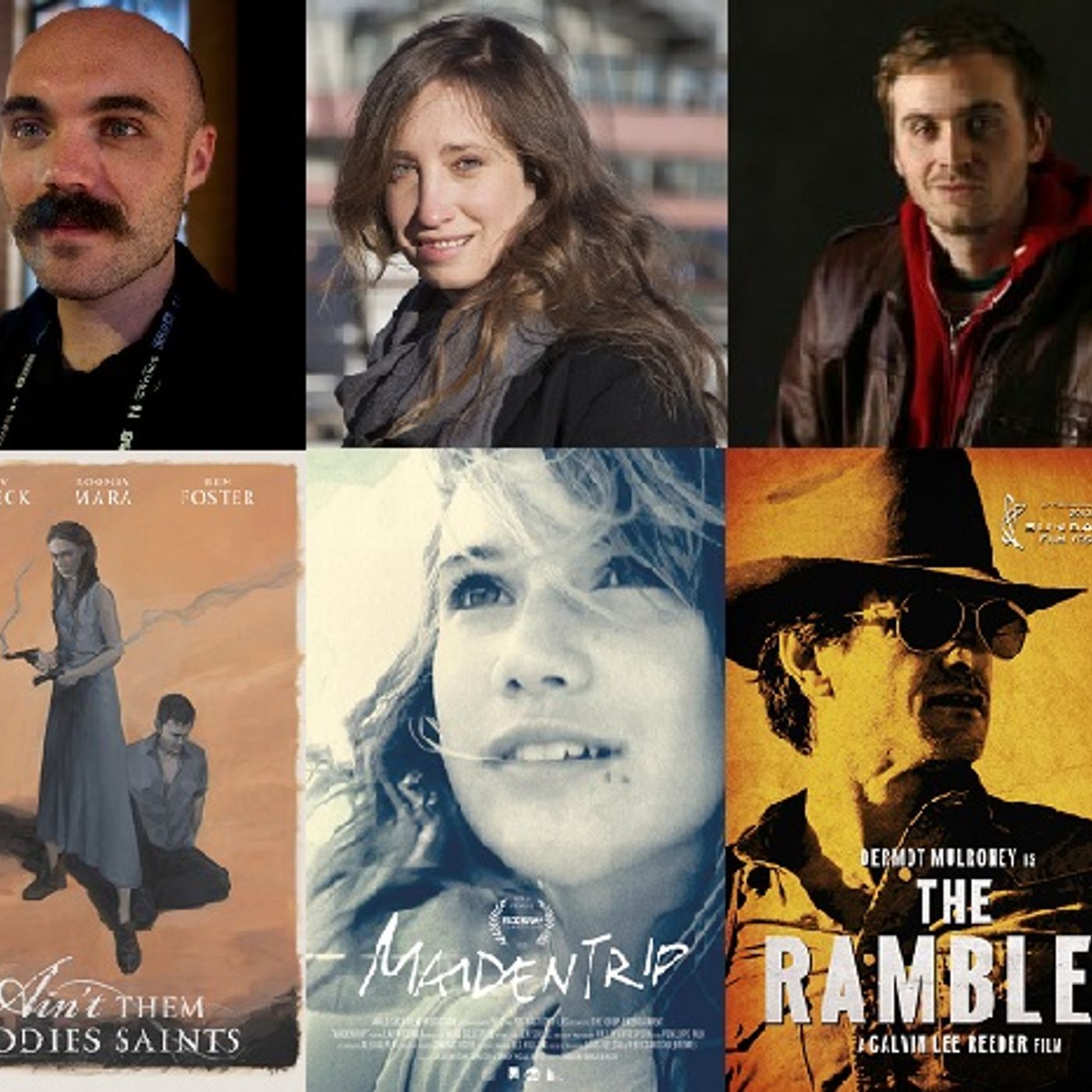
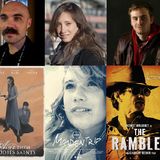
Movie Meltdown - Episode 235 This week, we're back for our annual coverage of Flyover Film Festival. It was a terrific line-up of films this year, and we continue our on-going interview series on directors as we sit down with three amazing independent filmmakers. First we talk to David Lowery, director of "Ain't Them Bodies Saints" starring Casey Affleck, Rooney Mara, Ben Foster and Keith Carradine. Next we talk with Jillian Schlesinger about her film "Maidentrip". Her documentary features years of footage chronicling 14 year-old Laura Dekker's journey as she attempts to become the youngest person to sail around the world. And we round out the episode talking with Calvin Lee Reeder, director of "The Rambler", a surreal odyssey starring Dermot Mulroney and Lindsay Pulsipher. And as we address the specifics of loitering around film fests, we also mention... Star Wars, furniture building, Scarecrow Video, a children's guide to film making, acid westerns, Monica Vitti, better home sound systems, America's greatest living surrealist, looking at raw footage, Labyrinth, Wild and Woolly Video, The Shooting, Pioneer, Storytelling... in all forms, digging ditches and playing rock and roll, fighting to shoot on film, the Canary Islands, The Hired Hand,trusting your instincts, evolving as a filmmaker, shredded by rats, Woody Guthrie, editing is my strong suit, the universal growing-up process, psychotronic, Desolation Row, being a schizophrenic director, Cat's Eye, Guy Clark, Repo Man, the American troubadours of the West, Monte Hellman, I Will Walk Like a Crazy Horse, I was trying to hatch a new plan, Ramblin' Jack Elliott, Videodrone, The Hustler, there's a television show... a movie... and a band within the movie, pretty faces and big explosions, fighting a Government to pursuit her dream, St. Nick, the spirit of the project, being a skater kid, 'Z for Zachariah, Don't Look Now, using a camcorder, collaborating with someone, 1 2 3 4 5 6 hamster, Walker, live your life courageously, Townes Van Zandt, Ride in the Whirlwind, David Gordon Green, an unholy pile of trash in his front room, lighting with practicals, having a very specific time period and subject, being 6'8" tall, artistic integrity, what is the narrative that naturally exists, using older equipment, Indiana Jones and the Temple of Doom, Jerry Jeff Walker, being a forklift driver and Jerkbeast. "You walk past all the trucks and all the crew members, and it really comes down to you and the cinematographer and the actors."
Transcript
Automatically generated, so expect the odd misheard name.
Yes, hello, this is Kentucky Riley. You're listening to Movie Meltdown. The following feature has been rated R by the Motion Picture Association of America. It is intended for mature audiences and parental discretion is advised. It's showtime, folks.
Enjoy the show. Our nuclear reactor pumping out one million. Kilowatts of power. I got an idea for a movie. Doesn't everybody?
Looks like I'm running late again. As it waits, it's all concrete. Keep the beat. Always somewhere to go. Nowhere to be.
I'm looking for my fire over the stairs. Those backyards and great lakes. I gotta take it easy now. Kentucky, Missouri, Illinois, Ohio The red ones and blue ones are places that I know Look up the way you've gone, the way. You've been away from I'm in a flower.
Stand I've found I'm in a flower stand I'm proud. What's up and welcome to Movie Meltdown. I'm Brian, and this week we will be coming to you live via digital recording from Flyover Film Fest here in Louisville. Yes, this is the fifth annual Flyover Film Fest, and we have been there every year. We actually kicked off the show that same year, and we've covered Flyover every.
Year since then. And it's an amazing festival, I have to say. Especially for, you know, a city like ours, it's pretty impressive. Basically, the goal of Flyover Film Fest is to put together a high-quality film program And they never disappoint. Each year they continue to line up amazing films and to actually bring in some of the hottest indie directors working today.
So it's something I've been glad to be a part of and kind of proud of what they've put together every year. So speaking of those directors that were here for the festival, that's actually what we'll be focusing on this episode. The indie director. I started a running series called Focus years back that specifically featured film directors. So this week we'll be talking to three different indie film directors, and then eventually we'll get to their latest film, the one that was showing at the festival this past week, and we'll learn more about those projects and how they got involved with them and the process it took to put them together.
So first up is director David Lowery, a man who's been working in the industry for years now as both a director and as an editor for other people's films. But this year he. Released Ain't Somebody Saints, a film that's been getting a lot of buzz around. It stars Casey Affleck and Rooney Mara, and it has sort of a western theme to it, sort of a subtle 70s period setting. It's an interesting film, but I'll let David tell you more about it.
I'm usually kind of fascinated with how everything gets started with people. So I guess to go way back, what do you remember being sort of your first real love of movies or your first real exposure to filmmaking? It was Star Wars. That was what. Gave me a love of movies as an audience member.
And then around the time I was five or six, my parents got me a book on how Star Wars was made, like a children's guide to filmmaking through the lens of how they made the first Star Wars movie. And that was, you know, that hooked me. That was it. That's all there is to that story is that that hooked me. Well, that's interesting just because that was kind of mine. too, actually.
And once you get in, especially once you start bringing them in with people in the indie scene, they'll pick very obscure movies and stuff. But yeah, that one, it's kind of good to hear a sort of a mainstream one, but it was pretty artistic for its time and was doing different things that people hadn't done at that point in time. Yeah, absolutely. I mean, looking back on it now, it's like there's a great, you know, populist movie that has artistic integrity to it. And that's what you look for in any movie, whether it's, you know, an art film or a summer blockbusters, you want it to have integrity and, and, and to have a director with a perspective and a, a vision and a point of view.
And then that movie had that. And I think that's why, you know, for folks of our generation, that's why it's, it spoke so loudly. I guess at what point did it change and not just being a love of movies, but you knew that you wanted to make movies and, Was it, I guess, more of a little bit older into that? No, I mean, I was seven years old when I told a friend, I was like, I think I'm going to make some movies. That's what I want to do.
I want to make a movie. And that's all I've been doing ever since then. Did you actually start making stuff that young? I didn't have a camcorder, but I had a friend of my dad's had one. And when he would come on vacation to visit us in Texas, he would bring it with him.
So there was, you know, the once or twice a year that, I was actually able to have access to a video camera and would plan movies all year long for those rare occasions, and then we'd make them, and they were always science fiction or Indiana Jones ripoffs or whatever, and I wrote and built the props and did all the special effects and did that for many films I never even had the chance to shoot, but that was part of the fun of it was building all the stuff that would go into it, and so you learn a lot from everything. Somewhere there needs to be a film project where they just start compiling all the Raiders of the Lost Ark knockoffs that little kids did. Because it seems like an entire generation was fueled off of that one too.
Every kid wanted to do that. Again, I guess it speaks well of those films. Yep. I do like, I think, and I guess correct me if I'm wrong, but I had seen... Something that you'd said that a very big piece of your style of directing is trusting your instincts.
Is that the case? Yeah, it is. I mean, that's something that I've kind of resigned myself to relying on more than anything else because it's ultimately the one thing I know I can trust. And then I guess once you get in there, is it one of those that like you have everything mapped out or do you just kind of have an idea and go with it once you're on set? It's a little bit of both.
You know, Any film production, especially one once you start spending a little bit more money, needs to have a plan and needs to have some degree of forethought put into it because otherwise you'll just start spending money and running out of it. When you're making a movie for no money at all, you can kind of wing it a little bit more because there's nothing to lose. But as soon as you have a budget and people who are keeping track of that budget, you really do need to have a plan and show what your intentions are from the outset so that they are able to, you know, help you execute that because it is something that, you know, there's people whose jobs on a movie set is making sure that you are getting what you want to, you know, and if you don't let them know what you want, they're unable to help you.
That being said, there are times in the set where what you thought you wanted turns out not to be the case or where you have an idea that you never imagined having, And those are the times where I think it's important to have the flexibility to follow those intuitions or those instincts or those random ideas that just present themselves because sometimes they result in the moments that really make the movie or that elevate the movie beyond what initially was it going to be. And I always am trying to remind people when I'm working with them that, regardless of... the plan that we have set forth to make, we're always going to, you know, allow for those serendipitous little discoveries to, you know, to flower to the extent that they need to.
Because otherwise, you know, you might be just ignoring something that would make your movie truly special. And that's something I never want to do. And so sometimes you just see something or you hear something or you get an idea and you know on a very instinctual level that that is something that belongs to this movie. And it's something that's never occurred to you before, but you need to get it. And creating the infrastructure to allow yourself to have the flexibility to follow those fleeting moments or fleeting ideas, that's important to me.
Yeah, and it's something not every director can do. Sometimes they get so rigid in their plan that you kind of lose that creativity along the way. It's definitely, you know, it's hard. It's something that I realized, you know, on this movie more. I mean, I was a huge learning curve because my last movie was so small.
It was one of those movies where you could just do whatever because you weren't spending any money and there's nothing at risk. And with this one, there was a lot at stake. And we had, you know, once we stopped shooting, we couldn't afford to keep shooting. So we couldn't add days. We couldn't.
You know, if I decided to add something to the schedule, it definitely had an impact on everything else. And so it was, it's a, it's a tough thing to sort of work into your production plan. And I totally get why rigidity is an easy course to take when you're making a film, because it just, you know, if you have a certain number of shots you're going to get each day and you go in there and get those shots, it's like, okay, great. But For me, the real fun of filmmaking comes from the things you don't expect and the moments where that rigidity falls away and reveals something else. And that's what I'm always hoping to accomplish on set, in the editing room, in the writing, everywhere.
And to ignore the possibility of that is a shame and it's a missed opportunity for me. And so I always try to accommodate for it. Well, you mentioned working with limited budgets and I guess it's changed a little as you've gone on. How much does that factor in when you're putting these projects together or how much has it changed as you've gone on? I mean, what I like to say is that as soon as you distill any particular moment down to yourself, the actors and the camera, it doesn't really matter what the budget is.
And that's true. At the same time, what I said earlier about how, you know, if you reach day 28 of your 28 day shooting schedule and you haven't gotten everything, you're not going to get it all because when you have a certain amount of money, um, as we did with this film, it actually constrains you to a certain extent because each day of shooting costs a certain amount. And the budget is so tight that you know that you're not going to be able to add another day on. I mean, time is the one thing people always want more of on films and it's because it really is so constrained. And, and so you really, you know, on the one hand are doing things exactly the way you've always done them.
And in my case, I made a $ 12, 000 movie and then I made this movie for a little bit over 3 million. And, and you just, you know, you walk past all the trucks and all the crew members and, and, and it really comes down to you and the cinematographer and the actors. But at the same time, you also are always keeping in mind the fact that there's an entire machine that is enabling you to achieve what it is you want, and that if you throw the wrong sort of monkey wrench into those works, it's going to stop dead, and you're not going to get what you ultimately need to make the movie work. So you're having to balance it all. Did you shoot this?
This was actually on film, right? Mm-hmm. I think I'd seen you were trying to find older equipment. You wanted a not high-tech look for this film? Yeah, we wanted it to feel old-fashioned and antiquated in the best possible way.
And so shooting on film was the first step, and that was something we had to fight for because on a budget, you know, if you look at a movie in 1997 or even 2001, no one would bat an eye if it was shot on film. At this point... the Bond company will be like, well, why do you need to shoot on film? Why don't you shoot on digital? And so we had to fight for it, which was unfortunate, but we won that fight. And then beyond that, it was a matter to achieve the look we wanted.
It was a matter of a lot of testing. We did some camera tests, really testing the exposure and how the film was processed and how you, you know, the degree to which we could underexpose the image and then pull that exposure out without sacrificing, you know, the grain structure of the film stock we had chosen, and then also using no modern lighting equipment. We didn't use any fluorescents, no Kino Flows. It was all old movie lights and tungsten bulbs that were, you know, often just household bulbs that were, you know, left bare with a shade over them. And you can see them in the frame.
A lot of the scenes, like in Scarrett Schaub and Ruth's house, are lit almost exclusively with the practicals that are in those scenes. And that was. A very deliberate and very conscientious choice of trying to find the type of light that would not feel modern. And we really were very stringent with our approach to not just alighting with the composition and to everything, to make it feel as true to the period as possible, not just in terms of the costumes and production design, but into the way the movie was manufactured. I mean, it looks amazing.
Not just the lighting, but just overall the cinematography and how you shot it. Back to digital. Are you okay with using that at some point if it fits the movie? Yeah, I love digital. And digital is my comfort zone because I grew up using it.
And that's what I learned how to make films on. And I can operate a RED camera and know how to do it. Whereas with 35 millimeter, I don't. This is the first thing I've shot on 35. And I don't know.
I mean, I I kind of know how to load it and I know how to get an exposure, but I'm not a master of it by any means. And so there's a bit of a mystery to the technology. Whereas with the red, I can just pick it up and I can shoot the movie myself and know what I'm doing. Not to say I'm a great cinematographer, but I just know how the equipment works. So it really, for me, comes down to just what the project needs or what the story needs and what the tone of the movie is going to be.
And yeah, And I don't know if I'll have, you know, film is going away. And for better or worse, I don't feel that it's a huge tragedy. I feel it's sad. It's not a huge tragedy. It doesn't kill me.
If I had to shoot the rest of the movies that I make for the rest of my life on digital, that wouldn't be a bad thing. But I like at the moment having the option. And if I have another film I want to make that feels that it needs to be shot on film... And again, it's a very innate, very gut-level thing that suggests that more than a practical path of reasoning. I hope that I'm able to do that, and I hope that the technology, the film is still being manufactured, and the processing still is able to take place, and that we can rent the cameras, because who knows how long it'll last.
Yeah, you never know with that whole situation at this point. Into other technical stuff, you've done... a lot of work as an editor over the years, even on a lot of other people's projects. Actually, we had Amy Simons on last year, who's amazing. But yeah, like her, No Shine, and then Upstream Color. I guess I wanted to ask, what is it that you bring to the table as an editor you feel that's different than most other people, that they would want to bring you in to do the editing on their movies?
You know, I can't really... I'm a horrible salesperson. I can't pitch myself. I do feel that editing is my strong suit and hopefully the work that I've done speaks for itself. And certainly I never pursued it.
I never went out and had a reel and was sending the reel around. I just took the work as it came to me. And that being said, I do feel that that's, you know, whatever talent I have as a filmmaker largely comes from the editorial side more than anything else. Working with actors is something I'm still learning to do and where to put the camera is something I know I can get better at. And editing is something I can get better at too, but it's something where I feel confident that I'm really good at it.
And I think, you know, when I look at a bunch of raw footage, I just kind of have an intuitive idea of how it should be put together. And that's something that I can't really describe or analyze. Someone could, or maybe I could, but I just feel like I remember cutting my first documentary a couple of years ago and just, there's more footage for documentary than there would be for a narrative film. There's just so much. And I was able to look at it really quickly and just be like, well, here's how this will fit together with this.
And this will go here and this will go there. And that pretty much was what the movie wound up being. And, and it was the right, they were all the right choices. And, and, and that's not to say that I instantly limit myself to a certain perspective, but I just have an idea of how a movie can fit together and what it needs to be based on what has been shot. And I can understand what a director's intuition is and what they want to achieve out of something based on what they've shot.
And that's really something that I wouldn't say if I hadn't cut a bunch of movies that the directors were happy with. Yeah. Yeah. Well, and then moving into directing your own, is it something that you just want to shoot a bunch of coverage and know that you can fix it later, or do you have that mindset going in that you know specifically what you want to shoot extra coverage of, or you have it all kind of framed out as an editor as you're shooting? It's the latter for sure, but at the same time, I'm sort of schizophrenic as a director, and sometimes I'm imagining the movie as this fluid, fleeting sort of montage-y you know, slipstream of a cinematic event.
And other times I, I imagine it being a very rigid and formalist experience. And I'm talking specifically about Anthem Body Saints. And that is something that, you know, you shoot each movie with, you know, a certain idea of how it's going to be put together. And for me, sometimes I'm thinking about two different, two or three or four different styles of how it might be put together. Ultimately, I definitely go with one of those and stick to it.
But at the same time, I'm always like, you know, as I'm shooting a scene, I'll imagine like, well, then I could just cut away to this, this, and this, and this, and it would flower into something else. And those are tantalizing paths to pursue. And there's things that are, you know, things about the different, modes of filmmaking that appeal to me and that I always want to sort of like honor all of them and, and indulge in all of them. But ultimately when you're on the set with the actors and the DP, you kind of are just, you know, you have a very strong feeling that the camera needs to go like right here and it needs to go right there because of the last shot was right over here. And you can try to cut that together a number of different ways, but there's probably one or two ways that needs to go with this film in particular.
I, had an idea that the first 15 minutes would be very fluid and very quick and very, there'd be a lot of content that would, would happen in a very short period of time. And then it would just stop and the whole movie would just slow to a halt and it would continue at a very measured pace from there for on out. And, you. Know, in the editing process, we went through a lot of different, you know, we went down a lot of different paths and we tried a lot of different things and ultimately we wound up exactly with that, with a movie that has a very fluid and very, ephemeral and very speedy first act and not even the first act like the first half of an act and then at that point it just stops and and the pace changes and that was what I had written into the script and that's what I had planned on while we're shooting and even though I went down all these other followed all these other wild herrings uh throughout post that's ultimately what we wound.
Up with and then just I guess like you'd said going from previous films that were like twelve thousand dollars to now trying to bring in, you know, Casey Affleck and Rudy Maher. How did that even come about, I guess, to go from one, to kind of jump from one level to the next, bringing in, you know, pretty recognizable actors? It just happened very quickly and very naturally. And one of the things that I've always been determined to do in my career as a filmmaker is to never wait for money or for stars, or oftentimes they're tied together because I don't want to be a filmmaker who has spent five or 10 years trying to get one movie off the ground. I would rather make a movie a year on a much smaller scale.
And so I'd made St. Nick, which was my $ 12, 000 movie. And then I made Pioneer, which was my short film. And then in the meantime, I'd written this and it was like thinking this is going to be my next film. And I set a start date for it.
And I think that's one of the most important things you can do as a filmmaker is just say, this is when I'm going to start making this movie. This is when we're going to start shooting. And in the case of Ain't Nobody Saints, we did not hit that start date. But the only reason we didn't hit it was because having set it, a certain amount of momentum was accrued. And that momentum turned into the classic snowball rolling down a hill, getting bigger.
And that brought with it more money than we had anticipated. And the attention of, you know, talent agents who wanted to send it to their clients and their clients were Casey Affleck and Rooney Mara. And so that was, it was, it, it all happened very naturally, but you know, it wasn't a, that wasn't the, um, they weren't the cart. The movie was the cart and, uh, and ultimately casting them and getting the financing happened at the same time. And that was the, the horse that pulled it. at the speed that it happened that, but you know, we were, we were going to make it one way or the other.
It didn't really matter. And having that sort of attitude, I think is very helpful. And I guess what was their collaboration process as far as working with that cast? I mean, I lucked into, again, just having actors who are just cool people to hang out with. And you always want to just work with people who you would want to, you know, get together with after work or hang out with on the weekends and, and people who make work feel like it's not work and, and, I don't expect that to be the case with every actor I ever work with, but certainly in this film, that was the situation.
We were just, you know, we all became really good friends and just would get together on the weekends and have potlucks. It was a blast. I guess the only other thing is just how should people go look for this movie or what's the process now as far as it getting out into the world? The movie opens in New York and L.A. on August 16th. And then it will be expanding over the next two weeks pretty widely.
And it's going to play all over the country, all over the world. It opens in France and the UK the following month. And so it'll be out there. And it'll also be on VOD by September. I don't even know how VOD works because I don't have it in my home.
But if you know how it works, you'll be able to find it as of September 1st, I believe. But it's a movie we made for the big screen. So if you look in the newspaper and see that it's playing, I would recommend seeing it on the big screen because that's how we would love for you to see it. How do you feel about the new home video options, all the VOD stuff? I mean, it's great because people who wouldn't normally get to see it might get to see it.
That being said, I, you know, I don't own it. I don't have a TV that can have it. So I don't even have an opinion on it. I watch things on iTunes. I'm happy when movies come out that are on iTunes that aren't in the theater near me because I live in Dallas and sometimes we don't get movies at the same time period that other people do and.
You know I. Appreciate it and I like it at the same time I go see movies at the theater if I can and I cherish that experience and I value that experience and I make films to be enjoyed under those circumstances and so I hope that people who have VOD who don't have the ability to go see the film at the theater will watch it via whatever platform they can. I hope that if it is opening in a theater near you that you go see it on the big screen because that is honestly the best place to see it. All right. Well, thanks for.
Talking to me. Thank you. Oh, the time is. Now, the time is here. Now's the time to abide a cheer.
The place you like where the price is right. Well, look in here, you'll dig this site. The moment's handy for a piece of candy. Just name your brand, they're all so grand. Hey, what do you.
Think of a nice cool drink? Tweet Audio, your source for high-performance, noise-reducing earbuds. Available in three styles and seven colors, durable and designed to sound great for both music and those chatty podcasts, like the one you're listening to now. Tweaked Audio earbuds come with a one-year warranty, and now there's a special deal for Movie Meltdown listeners. Just go to tweakedaudio.com, and when you check out, enter the discount code MELTDOWN.
Then you'll get 33% off and free shipping. Tweaked Audio. Sounds better. So thank you to David for sitting down to talk with me. It was very nice to meet him among the things I did at Flyover this past week.
Another of which I wanted to mention was I also saw the film I Used to Be Darker. It's the third film from indie director Matthew Porterfield, who had previously brought us films like Putty Hill and Hamilton. Matthew unfortunately couldn't be at the festival, but as it turns out, I myself had a lot to say about this movie. So I wrote a review of it, and it's on the Movie Meltdown website. If you haven't been paying attention to the site, you need to go check it out.
We've been posting a lot. Of really interesting written reviews from a lot of different writers. Aside from myself, we've got a few of our cast members from the show that are writing some. Alan in particular has written several. And then we're also branching out in the written work to bring in new people and different perspectives.
So Dave from Tower of Technobabble has actually been writing quite a few great reviews for us lately, including a new series that's a lot of fun, so you'll have to go check that out. And I'm also working on lining up some more new writers, so I really want to get a good group of people, sort of a collective of people interested in film, all writing for the site and bringing their own distinct opinions. just to sort of mix things up and offer another different aspect from. The audio shows. So head to MovieMeltdown.com and look for the Written Reviews tab at the top of the page, and then click on it and see what we have for you. There's a lot of different types of movies and genres, so I think you'll find something there that you're interested in.
And definitely go check out my piece on I Used to Be Darker that I saw this past week, mostly because I feel like I need to help. Spread the word about that movie. So go to MovieMeltdown.com and check it out. So next up is director Gillian Schlesinger. And aside from talking to her, we'll also be talking about one of my new favorite people in the world, Laura Decker.
But we'll get to Laura in a minute. Jillian is a Brooklyn-based filmmaker that's actually worked for years on the on-air programming and doing promotional campaigns for pretty big operations like the Sundance Channel and AMC and BBC America. But this was kind of her first entry into the filmmaking. Her directorial debut is Maiden Trip. And you've probably heard the news story years ago.
Even if you don't know much about this film, you probably heard the actual story that kicked it off and did the same thing that she originally heard. It was Laura Decker, who is at the time actually a 13-year-old girl, and she was fighting with Dutch authorities because she wanted to... do a solo trip around the world. She was a sailor and she was trained and she wanted to, you know, it was actually also became a, you know, she would be the youngest person to ever sail around the world solo. And that became sort of a factor too. It was just sort of a challenge to do that.
And she felt she was up to the challenge and the government stepped in and started trying to tell her she couldn't do it and started trying to take her away from her parents. They didn't feel the parents. Were, you know, capable of taking care of her if they were going to let her do this, so it became this whole big legal battle, and eventually the legal end of it sort of works itself out, and that doesn't really become the focus of the movie. The movie kicks in when she turns 14, and she actually embarks on this journey, and going around the world in this little boat is a two-year journey, and she is alone on a boat for two years. And Jillian gave her a camera and said, you know, you shoot the stuff on the boat when you're there by yourself.
And then she also met her at different ports along the way and shot other footage and then pieced it all together and put together this amazing documentary about Laura and her trip around the world. Yeah, it's it's a great documentary. And even more than that, like Laura is an amazing person to watch. Like it is it's It is an inspiring tale, and I don't really get involved in those usually, you know? It's like I don't fall for that inspiring documentary kind of thing very often, but Laura is just so charming, and she just sort of wins you over as this great kid that is also, on top of that, so smart and driven and determined, and it's just amazing to watch.
So if nothing else, seek out the film Maiden Trip, and now we'll just talk to Jillian. I guess usually I'll go right into it with more of like the general, what were your influences like early on, like growing up as far as like film or whatever you were into. Oh, interesting. In relation to this particular film? In general, but then I guess you can go down that path.
Oh, gosh. I was, I guess, well, I was really into storytelling in sort of all forms. Making up stories, writing plays, a lot of visual art, just different. I was really interested in finding kind of like different ways to tell stories. I even, like in college, I was really into furniture building.
And I feel like there's... there's sort of an inherent narrative in a, in a piece of furniture and, and, you know, the stories that kind of become associated with that as, as it ages and, and goes through different places. And I was very interested in that aspect of, of furniture and kind of like how it holds stories. So I think, you know, everything that I did always came from a place of telling stories and, and loving stories and even kind of like seeing my own life in terms of, of, film narrative. And I just watched a ton of movies. My parents were both really into movies and totally different movies.
They didn't like any movies in common. So I was really exposed to a lot of early silent films and comedy. And then also just kind of like Hollywood cinema from I guess like the forties onward. Um, and yeah, there was a movie, uh, they don't really have video stores anymore, but there was a video store in my town that had, um, a $ 5. Yay.
Uh, one video store. I know they're few and far. Between, but, um, There was a video store in my town where you could rent five movies for $ 5 for five days. And I did that. I think we had one of those back then.
Yeah. Like more than I'm willing to admit. I watched so many movies and I just loved it. And when, you know, movies were, were my escape. I loved to go to movie theaters alone.
And so it was always something that I wanted to be involved in. And I felt like growing up, there's no, or at least where I was growing up in Santa Cruz, I didn't, I didn't really see a clear path to that. It seemed like a really impractical pipe dream. It didn't seem like something that people could actually do. And it wasn't until I was in my twenties and I was working within the film and television industry, but not directing my own films that, that, you know, I began to kind of, as I, as I got closer to the world where that was happening, it became easier and easier for me to imagine that, just going out and making a film and what was involved in that.
And at a certain point, I came across this story and felt really ready to do that. I felt like I had learned a lot working on a lot of TV commission documentaries in different capacities and at different parts of the process and then worked on a few independent documentaries. So I had learned about fundraising and, and grant writing and all the stuff that you need to, you know, actually get the money to, to make it happen. Um, so, which can be fun if you, you know, I, I don't find it that fun all the time, but, um, I try to not find it miserable cause I feel like it works out, but you know, like the outcomes are better when you're enjoying whatever, you know, whatever part of the process it is. So I really try to find some joy in every part of the process, but, um, But yeah, I felt prepared to kind of take that risk and try something that I had never done before.
And it seemed like this was just a story that meant a lot to me. And I really wanted to work with Laura to tell her story and bring that to life for people to see it. That's a huge undertaking, though. Especially not directing at that point. Like, you know.
To see a girl that's like hundreds of miles away from you and going through this whole ordeal and be like, okay, I'm going to take that on. That's a lot. That's impressive that somehow. So how did you then get in touch with her and then how did you convince her that you were the one to do it? Well, it's interesting.
You know, in response to what you were saying just a second ago, I kind of felt like I didn't realize quite how crazy it was. I think the same way. It's in your best interest, probably. Yeah, it is. I think when you take on something like that, especially something that you hold sort of deeply in your soul and you feel like you have to do it, I think there's a great moment in the film when Laura gets to the Canary Islands and it's the first stop on her trip and she's saying it was a dream to one day get as far as the Canary Islands, and it's just the beginning of her trip, and suddenly she realizes she has the entire world ahead of her.
I feel like I had moments like that in the beginning of making the film, where you're sort of like, yeah, I'm going to go do this thing, and it's not that you regret it, you just begin to realize... once you've already started it, how big it is. And that's a great moment to realize that because if you, you know, it's possible that if you realized that before you did it, you might not do it. And I don't think that would have happened. I mean, that certainly wouldn't have happened in Laura's case. And I don't think it would have happened in my case, but I think that's, that's part of the magic of it that I never, I never really questioned it.
I just felt like I really want to do this. And this is something that I believe in really strongly and, And I just have to communicate that as clearly and passionately as I can to Laura. And that if it's kind of meant to be this collaboration that I want it to be, then that will happen. And so I prepared a proposal and sent her a letter. And she responded...
And, you know, she told me that she gets a lot of things for books and movies and all kinds of things. And I think there was something, you know, about the fact that I was doing something that I'd never done before and that I was approaching her as a peer and as a creative collaborator and not just as someone that I wanted to make a film about, but that somebody that I really wanted to work with and like tell her story and in her voice and on her terms. And I don't think that she had been approached that way. Yeah. Well, that's, it's funny that you mentioned that moment in the film, cause that is sort of amazing in a way because it's both because it like literally she is sitting there and she, the, you know, the world is in front of her, but she's also, you know, a 14 year old girl with the, and she really is like embarking on this journey of a lifetime.
And so the, yeah, the fact that that exists on both levels in your movie is. Kind of awesome. Yeah. Thank you. Yeah, I like that aspect of that.
Well, then once you get into that situation and she's decided to come on board and you start, I mean, because that's even when I remember hearing about it, it's like you have to be sort of concerned for, I mean, even if it were anybody going out there, but let alone, you know, she was 13 when she started that process. So, I mean, yeah, at that point, how... how worried do you start to become and then how much more so does it get as you, you know, get to know her a little better? Um, well, it was interesting. So, you know, it was kind of the more that I got to know her and the more that I sort of understood what her sailing skills were and, and her capabilities and understood more about her trip.
I actually didn't really worry about her because, you know, she's, she was sailing alone since she was six years old. Um, she had spent the first five years of her life at sea. The sea was such a huge part of her life. And it was really clear to me from early on that something that's very remote for most of us, which is the open sea, is very familiar and very, you know, that's her home. That's her place.
That's where she feels safe and in control. And it's so hard for so many of us to relate to because we you know, you see movies like the perfect storm and, and white squall and you think, Oh, you. Know, you're just going to die. Yeah. Yeah.
That's what the layman kind of thing. You know, there's a really being at sea is really challenging and really difficult and there are tons of risks. Um, but you know, to the extent that, that you're able to sort of plan for whatever happens and, and be as careful as possible. I mean, she really went to every length to, to prepare herself properly for this trip. Um, and I think, you know, for that reason, I didn't really, I didn't have as many concerns as I expected to have in just thinking about it in the abstract.
And, uh, and it's interesting just on a personal level, as we became closer, I never really, um, had any concerns while she was at sea on her own. Um, but you know, in some ports, some ports were, uh, you know, I'd. Be scared to wander around there, let alone her. Um, you know, there were, there were definitely some places where, um, where it's not ideal, you know, to be, to be alone, whether you're a 14 year old girl or like, or anyone, anyone. Yeah.
Yeah, it's not like an age or gender thing. It's just sort of. It's a scary world. Yeah, and anything can happen. But then again, if you sort of...
You can kind of live your life in fear or you can live your life courageously because the reality is anything can happen at any moment, no matter what you're doing. And if you have this thing that you want to do, and those risks are things that you're willing to take, I think... I have a lot of respect for people who live that way because I think, you know, living your life in fear, you're much more likely to regret not doing the things that you really wanted to do. Definitely. Well, I do see your perspective now.
It's funny, when I saw the trailer, it was one of those, like, I was like, oh, God. Like, I really, like, I started to worry about her. Having seen the movie now, I don't... Like, she is the most competent sailor. She is the most driven person.
Like, again, I... I agree with you. Like I, at that point, I don't really feel like I would be worried about her anymore because she's, she's in control of everything that goes on in her life. It's kind of amazing. Yeah.
Yeah. One of the moments that I love most that, that illustrates that is, is when that, that storm comes in the Atlantic ocean. And I think as, you know, kind of the average viewer you're looking at, water hitting the ocean and these kind of like scarier darker skies and you're like oh crap what's about to happen and then she's having a blast and she's like so excited about the rain and she gets a shower in and it's just like I think that was when I first came across this story and people had such strong things to say about it in every direction I The thing that I found so fascinating was that people were really kind of imposing their own experience onto her experience. And the thing that I found so interesting about her was that her reality was so, so remote that it was impossible for people to even fathom.
And I think that moment is kind of like a perfect example of this thing where you're sort of like, brought into her reality and and you sort of understand that like this is a person who experiences the world in a totally different way. Yeah in a focused way like it it's amazing as young as she was how like together she was and how like to have that specific a goal and to have that drive to do it is yeah it was kind of amazing to look at it's. She's a remarkable person like to have yeah just she's got she's got quite a head on her shoulders and she's really um I think also very wise, like sort of a, an old, she's an old soul for sure. Well, and this being a documentary, it's really a different one for you, I guess, because you're also handing the camera to your subject.
So you're, you're sort of relying on her to shoot the footage. But then I also was wondering what, then you're meeting her along the way at like different stops. Then how much control do you try to take when you, when you get to that point with her? Like, Because you're still sort of keeping in mind you're trying to at least contain some sort of narrative or you're planning for when you're editing. So it's like, how much do you sort of try to still have a little bit of control?
I actually, that's a great question. I actually don't plan and I don't try to control. And that's what I love about, I mean, people have so many different approaches to documentary. And I really, you know, I think they're all interesting. But the thing that draws me to this medium is is the idea of just going out and capturing something like just giving her the camera and having her sort of use it organically the way that she wants to use it.
And like when we would meet her on land, you know, we would just do whatever we were doing and, and happen to shoot it. And, and I would probably treat different projects differently, but, but the spirit of this was such that, you know, I had a, a very specific, uh, time period and, and subject. And for me, it was really about just following what was happening organically. And it was also, it was also what worked for Laura. Like, I think the thing that worked about our process was that I didn't tell her what to do or where to stand or to, you know, walk down that dock again.
Um, if I missed something shooting it, you know, then it doesn't exist. It wasn't important. It kept me on my toes. And, uh, you know, and, and we were just sort of like always rolling and, and sometimes we weren't. And, you know, that stuff, that stuff isn't there.
I mean, there are amazing things that happened on camera. There are amazing things that happened off camera. Sometimes I think about moments that are so important to the film, like, like in the flag store, you know, that, that was barely being shot. And, and it's so crucial to the film. And I think about how many moments there were like that, Or that could have been that moment, you know, had I not shot that or had I shot something else.
And it's just, you know, the fun thing for us, I think, in post-production was going through all of this stuff and then finding what is the narrative that naturally exists in this footage that we didn't really do much to, to have any control over. And I think that was that, I mean, I loved the production process, but the creative excitement and like the, the part that I really, you know, sort of like love the most is that process of going through everything and discovering a story that you've experienced, but you don't know actually what it is until you look at the footage and find it. What I think was most amazing was what I didn't know was coming, which I guess you would have to do, but like that you're not just experiencing this journey, the specific timeframe that you're doing this trip on, But also you're like watching this part of her life.
And I mean, that's that's a pretty huge time in anybody's life when you're 13. By the time she's done, she's like 16. And that's a huge change. So you're almost watching her grow into an adult in the middle of this amazing story. You know, so it's it is kind of amazing watching her. like dealing with her father at that age, because she's still just being a teenager.
Like she's, she's going through this crazy circumstance, but at the same time, she's doing exactly what all teenagers do. That, that, that was probably one of my favorite things is, is that that was taking place simultaneously with the, with the journey that she was going on. Yeah. I mean, that, that was definitely, I mean, that was something that, uh, that really got me excited about making the film because it's a time period in life that I find so fascinating and, Um, you know, I've always loved films that focused on people that age because I think it is a very, it's such a, a complicated and, and challenging, but also amazing time of so much change. And it's very universal.
It's sort of like, what's so cool about Laura's story is that here she is doing this amazingly, you know, it's, it's this extraordinary sort of otherworldly feat, but yet there's something so universal about the growing up part of it that anyone can relate to. And I think that's, what's so beautiful about that time period is that we all sort of go through the same growing pains and watching her grow up over, you know, I knew her and why, and I knew her as a film character, you know, like watched her grow up on film for two years. And, I remember shooting her rival in St. Martin and how emotional it was. And a couple of the people who had helped shoot, we actually, because it was such a big event, usually it was either, it was just me and one other person.
And at that stop, we had three people all together, which is still a very small group. But we were all standing there, you know, holding cameras with tears in our eyes because it was just, you know, to, to know someone and, and live with them that closely, both as, uh, you know, a film character and then to have met her in the, in the seven ports where, um, where we stopped to film, um, you know, it was just, it was, it was really remarkable. It was, you know, very, uh, spectacular experience. It was a huge part of your life coming to an end then too. So that's, yeah, that's, that's a lot to deal with.
Yeah, for sure. Um, I did want to ask at the end, what was the total amount of shooting that you had done as far as like, I guess hours or how, how are you even keeping track? Um, yeah, hours, uh, between, uh, what she shot on, um, she had a camcorder and then some mounted cameras on the boat and what we shot when we met her those times in ports. Um, I think we had a little over a hundred hours, which is actually, I mean, it felt like a lot, but, um, in talking to, uh, you know, other filmmakers who have shown their films at the same festivals, I think we're in the lower end, you know, now shooting on video in particular. Um, and with, you know, drive space being so much cheaper than it used to be.
Um, a lot of people had like four or 500 hours. The hoop dreams nightmare. Yeah. I can't imagine just logistically and financially how I ever would have been able to cope with that, particularly with like, it actually worked out well that, that especially as the trip went on, Laura kind of like shot more selectively. Yeah.
And that really helped us. I mean, I think in post it would have been really brutal to have to spend more money on translations and, you know, to spend more time logging. It was kind of, that was another cool creative challenge and, you know, an aspect of kind of like, giving up control is that you know you you just sort of you find the story with the amount of material that you have and you know we didn't always have uh every single day of an ocean you know a 40 day ocean passage but um but putting it together from what we did have you know obviously you can't show all 40 days anyway in a film yeah so it kind of worked out well that um we just had these really wonderful moments and and i think as laura began to shoot more selectively she also was shooting such great stuff that it was almost like there were no bad takes.
She was just very efficient. Yeah, she does have a style. Totally. All her own, and yet she also knows how to capture herself really well. Yeah.
She got more playful with the camera, too, as she went, which I thought was really cool. Her relationship with the camera was something I found really interesting in the way that, you know, I think especially... In the Indian Ocean and in the last Atlantic passage, you know, where she sets up the camera and does the Christmas dance and the stuff where she's just kind of, like, goofing around with the camera. Or she'll just, you know, set up the camera and, like, sit there and eat pasta for, like, hours. It's almost like this amazing sort of, like, experimental performance art.
It's so cool. Yeah, and it's funny because in the first passage, she does much more kind of, like, traditional... video diary type stuff. And it's so cool to see that evolve. It's almost like her style is evolving as a filmmaker, which, which I found very, very cool to hold. Yeah.
Two years of day in, day out training, I guess she, she developed. Yeah. We'll see what happens in her next film. That'll be interesting to see. Yeah.
Where she goes. Well, I guess, I think you said you, you don't even have, Anything else lined up at this point? You're still just getting this one out to people? Yeah, I have a lot of projects that I'm thinking about, but I'm not at the point where I'm ready to talk about any of that. Like, I want to kind of wait to sort of see which thing I'm going to do next, and then I'll start to talk about it all the time.
But for now, just trying to get Maiden Trip out into the world and have a lot of people see it and talk about it. I'm all for spreading the word because Laura's kind of my new hero. Yay. She's pretty amazing. So I'm, yeah, she's, she's an amazing person.
So I guess we all kind of take something from that story, watching her and watching what you put together. So it's, I don't know. Did you take anything different knowing her in the real world than I guess the rest of us will? Actually, you know what I find so cool is that, um, I was sitting, I mean, I had a really cool job at, uh, Sundance channel. It was not a bad job.
Um, But I was sitting in my cubicle when I came across this article about Laura. And I was reading this and I was like, this is a 13-year-old girl fighting a government to pursue her dream. Like, what am I doing not pursuing mine? And it was just weird how those. Things aligned and how just reading this article, you know, not right away, but kind of ultimately inspired me. to leave that, uh, that job and start doing the same work freelance so that I would have more freedom to pursue this project.
And, and one of the things that I found so cool is that the film has had that effect on people. So it was like, it was, it's just kind of this like strange, awesome thing that, that Laura has been able to kind of have this impact on, that that has sort of multiplied as a result of the film like i was just you know one person sitting reading this article being like man i have to like go do something yeah and and then so many people have come up after the film and uh at south by southwest this one girl was like don't tell my boss he's over there but after i saw your film i called my boyfriend and i was like we're both quitting our jobs and doing something awesome and i just you know i think that's a great Life is short, and I think if a movie can make anybody want to quit their job and go do something awesome, that is awesome.
It does. I mean, it's an inspiring story, and you've done a great job putting it together. Well, thank you. If nothing else, tell people where to go find it. Oh, gosh.
What's the best way to get a hold of it, now and in the near future? The best way is to follow the film on Facebook, because we're going to have a lot of exciting updates about the distribution of the film coming out really soon. And that is where to find them all because our website is really simple. And Facebook rules the world. Exactly.
And our website is almost never updated. And we really do try to regularly update We're actually pretty good about updating the Facebook, especially with important information, like when it's coming out digitally, theatrically, TV. That stuff will all get posted. So go like it. Cool.
And thanks for talking to me. Thank you. Thank you. Dave, I do not get superheroes. Oh my God, I don't get you.
What don't you get? Tower bot here. Well, the meatbags were going to say that if you're a geek and like podcasts, then you could try Tower of Technobabble at www.toweroftechnobabble.com. Then this started. Well, it's up to you.
I'm gonna get my taser and put a stop to this. Towerbot out. Okay, monkeys. It's nap time. This is Amy Simons, and you're listening to Movie Meltdown.
That was me melting down. It's part of your problem, you know. You haven't seen enough movies. All of life's riddles are answered in the movies. And now, on with the show.
And thank you to Jillian for talking to me. Um, we hung out. Briefly there the last day of the fest and she seems like a really great person. And, um, I look forward to seeing what she has in store for us in the future. So like she said, go on Facebook, like their page, um, help spread the word, help support it because you know, it's, it's stuff like that that really makes a difference with indie films.
You know, it's there, there's, there's such a fight to get made. There's such a fight to get out there and get distribution and just get to people. They rely on word of mouth to make it work. So it's, yeah, it really does make a difference when you guys take an interest in these films and then tell other people about them. So, support all the films and the filmmakers that we're talking to this week.
And now, last but certainly not least, we're going to talk with director Calvin Lee Reeder. So if Laura Decker is one of my new favorite people that I haven't actually met, Calvin Reeder is one of my favorite people that I have met. After our interview, Calvin and I hung out for quite a bit over the next day and a half. I mean, there's a lot of loitering around that goes on when you're at one of these events or covering one of these events, and Usually for me, I'm just sort of standing there loitering around by myself. It's what happens when you end up sort of covering this or trying to set up specific interviews or waiting for movies or whatever you're doing.
There's just a lot of standing around. And I guess that was Calvin's situation as well. I mean, he was at this one by himself, so we just sort. Of loitered around together. And he's a fascinating guy.
I mean, we talked a lot about music, about movies, obviously. But then also just his situation of having to deal with weird press and with hostile critics. I mean, he's a very original kind of director, and that sort of unconventional behavior seems to bring a lot of responses from people, you know? He seems like he's put up with a lot of stuff that other filmmakers don't necessarily, and I think it's just because he's got such a different take on filmmaking, and he puts together such original movies that, like, some people just don't know how to take it, and I think he's dealt with a lot of weird responses from people. But his films seem to make an impact on people, both positive and negative, it would seem.
And it sounds like he's okay with that, you know? A movie that gets a. Response out of you is probably better than just about any other movie out there. You know, good, bad, or otherwise, it just, if you can make an impact on the audience, that's what you set out to do. And Calvin's current movie, The Rambler, will more than likely get a response out of you.
It's been getting a lot of talk this past year, but if you aren't familiar with it, it stars Dermot Mulroney as the Rambler himself, who goes on a mysterious journey that, if I remember from the screening, Calvin said he likes to refer to it as more of an odyssey. And having seen the movie, that sounds about right. The film also stars Lindsay Pulsifer, who you may know from True Blood or Justified or a lot of other pretty big roles. But she's also been featured in just about everything that Calvin has shot, which may or may not have something to do with the fact that she's also his girlfriend. All that, and she's a great actress.
But I specifically mention that only because I'll address the dynamic of working with someone you're otherwise involved with, so just so you know that going in when we go down that road. But otherwise, I think it's best to just let him speak for himself. So with that, we will talk with Calvin. Alright, we're going to start at the very beginning. When you were a kid, what was it that you liked to watch first off?
You know, I wasn't a big movie kid, but I definitely loved the film Labyrinth. Oh, nice. I loved the film Cat's Eye. And I loved the part in Indiana Jones, I believe it's the Temple of Doom, where they remove the heart and replace it with a stone. I did not care for the film, but I always just fast forwarded to that part.
Nice. So I watched the hell out of that. And I was a skater kid, so I watched a lot of skate videos. We have one of those on the show, actually. He reminisces about those all the time.
Yeah. Yeah, it's funny. There's the stuff that sort of you attach yourself to. My end. I had a similar one, only it was with Indy in the first one with the melting face.
Yeah. That scarred me for life. It's a good effect. I think it's why I'm here today. Yeah.
But I guess at what point did you actually start crossing over and wanting to make... Was it on like a VHS, like a videotape? Or how did you get into making something on film? Well, I guess that's a little complicated. I guess I started making movies... or when we got a video camera in like 92, just like everybody else.
But I was really far from taking it seriously in any kind of a way. And then, you know, after junior high, I didn't even think about it one time. And then after high school, I pretty much threw away my future and got into the construction business because that's all that would have me. And then after a couple of years of digging ditches and playing rock and roll, it just occurred to me that I should really try to make movies because I have all these ideas and I suppose I had some type of understanding of independent film I had been exposed to it to some degree probably more than most people and I just thought well it seems hard but nothing's worse than digging ditches. In the rain the world needs ditch diggers.
Too yeah did you I mean did you say you were exposed to it was there like a good community going in your area or just you found it yourself. I think I found out through my buddy Nathan Conrad, who ended up being in my early films. He was always a guy that turned me on to music when I was younger, and it was fitting that he turned me on to film as well. He turned me on to early Danny Boyle. But we also would go to this great video store, which I assume is something like the one here in Louisville, and that's called Wild and Wooly here.
Wild and Wooly, yeah. In Seattle, we had our version of that, which was called Scarecrow Video. I know of it. Yeah. There's a handful of them now.
You know they're pretty impressive if they've made their name. Number one, if they're still around at this point. But if they've made their name nationwide, there's only about four or five that I know across the nation. Absolutely. And that was one of them.
And it just had, you know, I think they called it the psychotronic section. Oh, yeah. I know that. We have one of those too, yeah. And at the time, that's the only thing I was interested in watching.
So that definitely helped shape that. But I was, you know, 21 at that point. I had.... Long given up my hopes of VHS glory, and just out of sort of complete banal doom, I decided I was going to try to do something with this existence of mine. We're all kind of working on that, aren't we?
So was that at the point when Jerk Beast came about? I didn't know where to go with that one. What can you tell us about Jerk Beast? Well, I can tell you, first of all, Jerk Beast is the second feature that me and Brady Hall made. Right around that time I was describing, we made a film on 16mm called Polterchrist.
And I met Brady Hall because he had a 16mm camera and he had long hair and a beard like Jesus. And I had had this idea to make a film called Polterchrist, but I didn't know what it was going. To be about. He had the camera, he had the look, we hatched a plan, we made the worst movie ever made. That's a bold statement.
It is. And we cut it by hand and it exists on like two VHS copies. While we were making Polterchrist, he had this unholy pile of trash in his front room that kept forming into what would become the jerk beast one day. And it was just a pile of sticks and plastic. There was football pads and paper mache.
And one day it was a monster face. And he said, we're going to do a public access show and I'm going to wear that thing. Did he make it into a monster face or you just started to see a monster face? It was a little bit of both. I do not know he knew exactly what he was sculpting.
And then I think he just, it came together and he's like, oh, I can make this a face. And if I put football pads on, I can put it over myself. And he became the jerk beast. which is just this, Brady's already tall, but when he puts on the jerk beast costume, he's probably six foot eight. And he's the most witty insulter I've ever met in my life. So he can just, he can really go at you.
So we hosted a public access show where we fielded calls and I was horrible at it. And my partner, Brian, was just a little bit better than me. None of us could hold a candle to jerk beast. And I don't know. It was weird.
We became local celebrities for a minute. And like, I was a forklift driver at that point. So I would take the bus and people would stop me on the way to work. And we're like, didn't I see you on public access? And they would always remind me how bad I was at it and how great he was at it.
We took that as actually mostly good news and decided to turn jerk beast into a feature film on 16 millimeters. Cause we'd already had the practice with polter Christ. Very nice. Jerk beast is only slightly better than polter Christ. Uh, But by the time we finished it, the home editing system Premiere became available for, like, an affordable amount.
Whereas when we were cutting Polterchrist, you had to have $ 10, 000 to have access to, like, Avid. So we cut that thing by hand. So the post of Jerkpiece went a lot quicker. Yeah. Got a little distro deal, traveled to England a little bit with it.
People still request the Jerk Beast band. This gets very confusing. There's a television show, a movie, and a band within the movie. The band is called Steaming Wolf Penis. That band got booked on two UK tours. independent of the film, got booked at South by Southwest, independent of the film, because trust me, the movie never played South by Southwest.
Were you involved in the band? I was the singer. Okay, nice. Yeah, we had songs like Looks Like Chocolate, Tastes Like Shit. What was the other one?
1, 2, 3, 4, 5, 6, Hamster. That was a big hit. I think I know these bands. Wait a minute. Yeah.
Yeah. These were all, these were all our hits. Um, and actually up until about two years ago, clubs from, you know, Texas to Seattle were trying to get us to come out and play. reunion tour and we just couldn't muster the whatever it took nice and the jerk beast head has now been shredded by rats and brady posted it on facebook the other day and it caused a public outpour of both support of the destruction of jerk beast and pure sadness of the destruction which sums it all up. That's yeah that's that's rough man it should have been and it's rugged they still make a planet hollywood they should have put it in. There Yeah, it is, yeah.
It's a little piece of cinema history. That's right. Well, I guess at what point did it cross over into you, I guess, graduating up to the short films and putting a little more into it? You know, I remember right after Jerk Beast, there was dark days because, you know, we didn't think we'd made a masterpiece, but we thought we'd have done a little better than what happened. And I was trying to hatch a new plan, and Brady was trying to hatch a new plan, And Brady did get funding for his next film pretty quickly after that, and I did not.
So I went ahead and made some short films, and Brady helped. And I helped him on his feature, so there was no bad blood. We're still friends. That's kind of what it was. I saw Brady moving forward, and I was like, well, I've got to move forward in my own way.
And that's what it was. And what it turned out to be was as much fun as me and Brady had, ultimately we were super different, and it became pretty clear when we started doing our own stuff. I guess. Just to get into the short of the Rambler, what was the concept at that point? Oh, so the concept of the Rambler, you know, it comes from a very simple place for me.
I'm a huge fan of the American troubadours of the West. I mean, I'm a Woody Guthrie, Ramblin' Jack Elliott, Townes Van Zandt, Guy Clark, you know, Jerry Jeff Walker, you name it. I love it. That's my biggest artistic inspiration. And I'm a little bit of a songster, but nothing like those guys.
And I just love that, and I love the journey it would take for a guy like Bob Dylan to end up writing Desolation Row. Yeah. I think Bob Dylan is America's greatest living surrealist. And that stuff just affects me in that way, and I'm not a great songwriter, but I do try. And I'm able to get across a lot more using the film medium.
And since I have such a penchant for the strange and the aggressive, I guess, when it comes to film, I kind of took that aesthetic and then just the things I've been building with Jerk Beast, Polter Christ, and all the strangeness that we'd always been cultivating and kind of put it into that stuff that I loved. And that came to be the Rambler Shorts. So you were. Inspired by the music end of it, but not so much like the Western, because that's such a huge genre in movies, not as much by that. No, I didn't even start watching that stuff until after we made The Ramblers short, and then I decided, well, if we're going to do this sort of Western-style thing, I guess I should find my favorite kind of Westerns to figure out how to capture it.
Now, I had seen El Topo, of course. So I decided to kind of delve into the acid Western, and what I found was movies like Z for Zachariah, The Hired Hand, Monty Hellman's The Shooting, Monty Hellman's Ride the Whirlwind. Those kind of helped me find it aesthetically. So then, by the time you were done with that, you already kind of knew you wanted to do something more with it than the short? Yeah, I think it was right around the time we finished it, I had made three shorts at that point following Jerk Beast, and I thought I might be ready for another feature.
So I guess put that on hold, so then you actually make your feature film. So what were you trying to do when you make? The Oregonian? Yeah, there we go. So I guess going into that, did you sort of put, Were you just sort of putting the other idea on hold and moving forward with an entirely new concept?
Yeah, that's exactly what it was. The Rambler proved to be a very difficult thing to fund because it's a bigger movie and a stranger movie than most people are willing to fund these days. You know, I wish that wasn't true anymore. I wish we still lived in a time when movies like Repo Man were getting funded and Videodrome and, you know, I could list off many, I'm sure you know, but... It just seems like those kind of movies are no longer being funded.
And although Repo Man isn't technically an indie, it sure feels like one. It's pretty strange for a studio picture. Yeah. It's a little disheartening that that doesn't really exist anymore. So I decided to make a micro-budget thing that I thought I could get my own... self across, and, and that was a film called The Oregonian, and it stars, uh, Lindsay Pulsifer, and honestly, what happened is I just had a, I had a dream, and, uh, and I didn't dream the entire narrative in the film, and some people would argue that it is not a narrative film, but I would argue that it is one, and I had a dream for a lot of it, and a lot of it was just a feeling in a place I was trying to recapture, and it was a strong enough deal to where I wrote a script, and, you know, I met Stephen Chart, who's here at the festival, and, um, and Christian Palmer, who starred in his film.
They're both my producers of The Oregonian. And then we just kind of went crazy. I used to work at a film lab, so we got all kinds of free and cheap stuff and just made The Oregonian. And, well, at that point, you'd already been working with Lindsay a long time. Yeah.
Was it, I mean, she's sort of your go-to for your female lead. Absolutely. Can you get away from it? Like, do you want to try to work in other people or is it, would it be awkward at this point trying to like work with someone else? It wouldn't be awkward.
I would definitely say so far she has been my Monica Vitti where, you know, I just see her and I actually don't think she's very, too far off of what Monica Vitti had to offer. If you think about it, like such a vulnerable presence who can also totally bring it when she needs to. And I think that might be what Antonioni saw in her So I saw that in Lindsey and still see it in Lindsey. But we are always trying to incorporate new people. She's not the lead of the Rambler.
It's a whole new guy that we had never met. but he fit right in and then you know maybe the next one down the line we find a new gal and Lindsay might play more of a supporting role at this point it's all very amorphous it's hard to know. Is it well again because she's had such a successful career on her own is it weird watching her Maybe not in the relationship aspect, but as a professional, do you watch her do interesting things with other directors, and you're like, hey, wait a minute. Does that bring out some sort of weird jealousy of, hey, wait, no, I wanted to do something like that. No, none of the directors she's worked with, even on True Blood, even come close to as strange as I am. But I have noted, like, you know, she gets really excited when I show her my stuff, and she's like, I love your movies because... stuff happens in them in all these indies where I'm always reading, you know, nothing happens in them and they're boring and I couldn't agree more.
And then occasionally she'll get really excited about a script or she'll take a job where, you know, nothing happens in this fucking movie. Do you really like those boring movies? You're just putting me on here. Do I feel better about myself? So maybe that happens.
I just took this one just to make you feel better. Yeah. I took this really boring job just so yours will look a little better when we make it. Yeah. Well then, I guess to get into the big version of The Rambler, how did you get Dermot?
Dermot came on through my friend, David Gordon Green, the director. David was aware that I was trying to make this film for everyone. He's been a helpful guy to me and a lot of people in the festival circuit that are, you know, a few rungs below him. He's always out there trying to make interesting films happen. So he put in the call to Dermot, who he'd worked with on Undertow.
And we got the script to Dermot and his agent. And I felt like within that day we were rolling and it was crazy because it had been a five-year period. That's yeah that's huge and he's he's an interesting choice I guess in general just because he's had such an interesting career like he there was a time when it was like he was poised to be leading man like he could have gone like that you know taking those roles from the big A-list guys and Something just sort of happened, and he ended up always being kind of the friend or the side character. So to watch him sort of come into his own in one of these kind of movies, it's kind of interesting. So I guess, what was it like bringing him in and then directing him in a role kind of like that for him?
Well, I couldn't have been luckier to get a guy like that, because he's such a pro. He's been in so many movies. He understands... sometimes more than the gaffer and we had a great fucking gaffer but like uh you know he just he just understands things it's like even if he overhears what lens size he'll roughly know based on his mark what what's what he'll know where he's so good but he's not a prick at all he's the coolest guy and if he sees that maybe something has gotten past me or something like that because i'm you know relatively inexperienced compared to him he he won't be a dick he'll just tell me like hey man maybe uh Maybe check this out over here. I'm like, thank you. Don't tell anyone.
That's cool. He's as cool as it gets. I was really, really lucky to have him, and I certainly hope to work with him again. Very cool. I guess, what were you trying to do with this one now?
Once you could take it to a bigger scope, what were you trying to do that was different from the short? Well, I think the short just really scratched the surface of the mystery that I was looking for. The short did a nice job of sort of exposing the audience to the Western vibe I was trying to get across. So we did that right, but it was so small, and I wanted a nice expansive mystery with a lot more angles. So the feature covers everything I was ever looking to do.
And then I guess looking past this, what do you have now? other bigger projects in mind or do you want to return to some of the other stuff you've done in the past? I have, uh, yeah, I have some big stuff in mind and, it may come to pass and it may not. Um, at this point in time, I'd like to push for that bigger stuff. If three or four years come down, that bigger stuff doesn't hit. I might be right back to that smaller stuff, which I'd be happy to do.
It doesn't feel like a defeat. It's just, you got to strike while the iron's hot. Yeah. Yeah. You got to do it.
Yeah. Um, well, you've, you've, Got some interesting taste. I wanted to throw it out there. What kind of stuff have you been watching? New or old?
What type of stuff do you watch on your own? What kind of stuff do I watch? I watch it all. There's not a style of movie I don't like. But if I were to do a curation here, I'd probably show The Hustler.
I'd probably show Fernando Arabal's I Will Walk Like a Crazy Horse. I'd probably show Don't Look Now. I'd probably show Alex Cox's Walker. I like movies, man. There's not a type of movie I don't like.
I like movies that have good writing and interesting characters and good places. I don't think that makes me different from anybody else. Not anybody who knows what's going on. There's a lot of boring people. That's true.
They keep watching those boring indie movies. Oh, I know, man. And the critics sometimes. My God. You know, I don't know.
Sorry to go off on this, but I'm going to say this on your show. For all the complaining in our circles that we hear about how big-budget Hollywood movies have gotten out of control with their pretty faces and big explosions and blah, blah, blah and Iron Man suits. Why did the indie world get so self-righteous? Because it has become so fucking indie where movies where absolutely nothing happens get all the press and they're looked at as genius. To the point where if Repo Man arrived today, nobody would fucking know it.
Because if there's a version of Emilio out there in Emilio's level when he made Repo Man, he wouldn't be famous enough for it to break through to the mainstream. And if it played Sundance, it probably would go really well. But by the time it got to, you know, the flyover festival six months later, it might be completely overlooked because it's just too weird and they don't know how to categorize it. Yeah, you could be looking at something like Repo Man that changed cinema history. Yeah.
It's, I mean, it is like, it's like a different side of that same coin. Like the way that they market the big budget movies and the way that they hype the big budget movies still happens with the indie movies. It's just like they take such a different approach and sometimes a very self-righteous approach. And yeah, so it's... Such.
A self-righteous approach. All these self-appointed experts, like with just saying that they know what this filmmaker was thinking. For sure. Yeah. And they know who their influences are.
So this is not worth your time. But this is precious and beautiful. And it doesn't matter that nothing happens and you won't ever remember that you saw it. Because it doesn't make any mistakes and we're going to write nice things about it. There's no gamble anymore.
And there used to be so much gamble. It's a very different world on every end. It's a different scene with the filmmakers. It's a different scene with critics at this point. It's very different now.
Yeah, it's wild. I mean, I feel fortunate to be a part of it. You know, I could describe to you where I started and all that. So I'm happy just to have a different trajectory from, you know, digging ditches in the rain. Don't get me wrong.
I don't mean to sound like an ingrate. I just had to get that off my chest because I don't necessarily think that Hollywood's the bad guy. I sometimes think it's... People. Can make really interesting things with a huge budget.
It's how you go about it. If you're talented, hopefully you find a way to do it, even with people throwing millions of dollars at you. I don't think that's the dividing line. I think it's just people who want to be creative and want to do something interesting. I mean, I haven't obviously ever made a big budget movie, but I've made a no-budget movie versus a some-budget movie, and it's like.
When the camera's rolling it's no different yeah it's like you have to accomplish what you set out to do so. Shooting the same movie in your head it's just how much money you're throwing at it along the way but. Yeah and honestly when you're in it um a lot of times it isn't the money thing you're thinking about it's the time thing and obviously time is money you know but you're thinking more in minutes than dollars like how many hours can i Can I shoot this? How much coverage can I get? How many takes?
Blah, blah, blah. Yeah. It's very deep. Yeah. From that angle.
I guess, what do you want to tell people to do as far as this movie to find the Rambler? I mean, how do you find a Rambler, really? Where do they need to go? As far as like, is it still just going to be hitting the film festival circuit? Yeah, it's going to be out June 25th through Anchor Bay.
It's playing in, if you happen to be in LA, it's playing in LA. If you happen to be in Houston, it's playing in Houston. If you happen to be in Seattle, it'll be playing there the 28th. But before the 28th, Anchor Bay is putting it out on all the Blu-ray, VOD, DVD on June 25th. So you can have it in your home.
I wish we had a bigger release kind of thing, but that's just kind of how indie's gone. All of them now like especially for home video release there's nothing anymore like it it gets maybe two weeks at the theaters and then a month and a half later it shows up on blu-ray and nobody really pays attention when it comes out then so it's yeah it's Again, such a different system now. Even than it was a couple of years ago, it's massively different. It's weird. Physical media has to be specialized for it to work.
And indie film is found on VODs at home. And it's not such a bad thing. My only wish is that people had better sound at home. That's true. Because everyone's listening through their shitty little TV speakers and they don't even know their shitty little TV speakers.
For the mass people, yeah. I mean, everybody that's super hardcore has probably upgraded and gotten something. But yeah, that's a small percentage compared to most people. But how many people go to Best Buy when they get their whatever bonus and then they go and buy that $ 900 television and don't give a fuck about the sound? Most people like that such doesn't even like affect their thinking you know it's just like even it wasn't until like dolby kicked in really before even professional and people started worrying about it a lot of times so it was like it's only in these last you know couple of generations that even people that knew what they were talking about paid attention to it so Yeah, it's still just so far behind on regular people.
I know. I'm not asking regular people to get like a 5.1. Just a normal stereo system with the spectrum and everything you need to hear the dialogue and the sound design and the music properly. Especially now. I mean, they do bother to make it right when you get, especially on Blu-ray at this point.
It doesn't take much to get just a basic system that probably would take care of that. You'll sink right into it. I mean, if you have the space for a surround sound, that's cool, but it's not mandatory. Just try a little bit. Those TV speakers are disposable.
Oh, man. So there you go. Go get yourself a new audio system. Yeah. Is there a website or anything for people to go find out more about?
Sure. I have my own website, calvinleyreader.com. All right. And I update it periodically, and you can reach me there if you want to. Sounds good.
All right. I think that is all we have. Thanks, man. Thank you. So thank you to Calvin for sitting down and talking with me and for putting up with me for the next day.
And a half. It was a lot of fun. I really liked. just sort of hanging out with him and talking with him, and he's a great guy. If you see him at one of these festivals, you know, if you like what he does, go up and tell him, because like I said, he probably gets a lot of people that don't get his movies. I mean, if you're not familiar with it, if you haven't seen the trailer, or, I mean, it's a very surreal film, you know, and not everybody gets that, not everybody enjoys that.
I really liked it. Like, I was thrilled with it, and I think why I thought it was so great was not only that it was surreal. I sort of knew that was coming when I went in. What I didn't know was that the attitude that it takes is so great because it, it also doesn't take itself too seriously. I mean, most films like that, they're just so heavy and they're so just self-serious in the way that they present themselves.
And this one is almost a comedy. And like we were, we were talking about that at one point. It's like, He felt like, you know, I heard him talking with a fan who came up to him and was just really excited about it. And we were talking about how it's like he said, I don't know that I could market it that way. You know, you can't just tell people that it's a comedy because it is so surreal and because it does have all these horrific elements to it that you couldn't just present it to people as a comedy because they would.
Really lose it. You know, they would just catch them so off guard. So I guess it's better to present it the other way. But at the same time, it it's so funny. Like, I genuinely laughed at it so much more than most traditional comedies out there now.
Like, it just has such a fun sense of humor while at the same time being visually amazing and having these great segments and great performances. And all that sort of wrapped up in this really unconventional story. And that's great. And you don't see that all that often. So if you go to a festival and you see it and you like the movie, go tell him.
Because I think he's dealt with a lot of people who don't get his movies. So If you enjoy it, go up and tell them. And more than that, tell other people to go check it out. Again, talk about it on the internet. Just spread the word because I think that makes a difference with films like this.
So once again, thank you to Calvin for talking with me. And hopefully we'll work him in somewhere down the line. He's a lot of fun. I'd love to have him come sit in for a whole episode or just sort of put something together with him in the future. So we'll see what we can do with that.
Otherwise, we're wrapping it up here. I do want to say a big thank you to Ryan. Ryan has been putting together the Flyover Film Festival since the beginning. Since that first year, I saw him frantically running around the first Flyover Film Festival, and it continued all. The way up through this year.
So he is, this is sort of his project, as far as I know. He's sort of been the driving force behind it since the beginning and and definitely has been there to orchestrate everything along the way and bringing the directors in and also knows the technical end of it and was was I was watching him back there dealing with you know the projector and, and I was asking him questions about the screen and, you know, they brought in a new and better screen to, you know, make this festival better. So he's involved in every aspect of this and, and does an amazing job. So I just want to say a big thank you to Ryan for number one, putting this together and for letting me hang around and be part of it. You know, what little I had to do with it this year, I was, I was glad to be part of it.
So thank you to Ryan and also to Zach. Zach sort of stepped up this year and, and was, co-programming with him and was helping with all the guests and helping orchestrate everything alongside him so zach also did a wonderful job this year between the two of them they put together a terrific festival so look for it in the future uh go to flyoverfilmfestival.com and uh see what they've got in the works for next time around because it's it's a great film fest and uh It's different when you're in LA and you're in the element there and you've got, you know, huge festivals that are going on like Sundance and stuff going on in Austin and all these other ones that have this huge following. But to be out here in the middle of the country and like fighting to put together something that's really this interesting and artistic and brings in amazing, talented people.
It's a lot to deal with, you know, and it's much harder to do when you don't have, you know, all that stuff at your fingertips that you really have to go out of your way to pull all this together. And they've done that year after year and did a great job this year. So thank you once again to everybody at Flyover Film Fest and go to flyoverfilmfestival.com. Check out next year. Otherwise, that about does it.
We will return next week. Same geek time, same geek feed. Thanks for listening. Thank you. Thank you.
I think that was my favorite interview ever. I'm not just saying that either. That was the most pleasant conversation that I've had about this. This episode is a production of Movie Meltdown, produced and edited by The Oddity Studios, with opening music performed by The Empires. For more on how to sponsor or support the show, email producer at moviemeltdown.com.
Talk hard!