About this episode
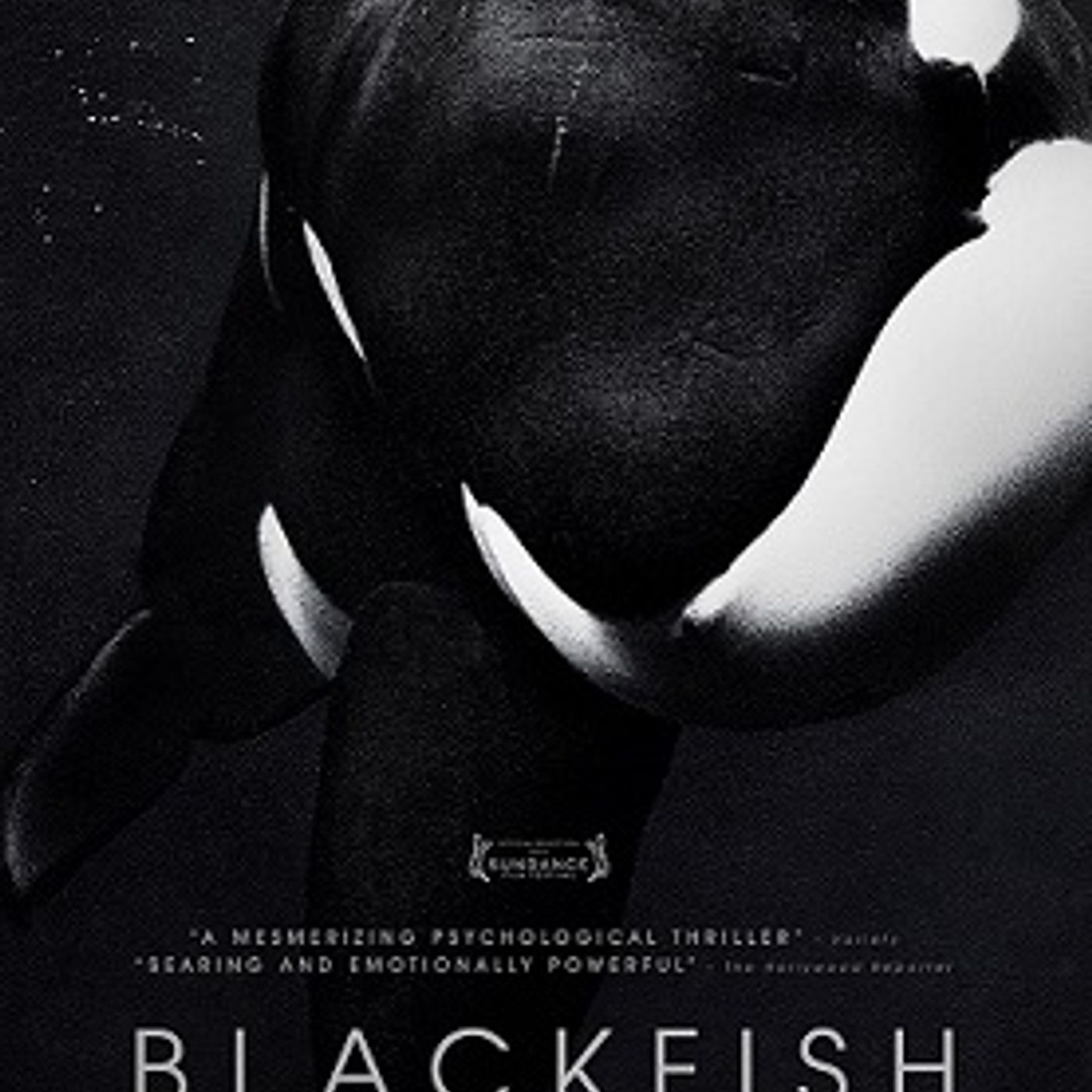
Movie Meltdown - Episode 256 This week, we'll be talking about the documentary "Blackfish"... and all the questions and controversy that surround it. The 2013 film follows the story of Tilikum, a whale captured and eventually sent to perform at Sea World. The massive creature is responsible for several deaths over the years and we examine just who is to blame... the whale, his trainers or the corporation that runs the whole operation. The film touches on a lot of different issues and leads to some pretty interesting conversations. And as we return to the coffee shop for another one of our traumatizing underwater adventures, we also discuss… L. Ron Hubbard, Humphrey Bogart, Man of Steel, how we deal with the homeless, banal and tedious, animals eating junk food, emitting a sound that had never been heard before, corporate corruption, animal incest, panda bears, Stockholm syndrome, Gentleman Broncos, a profound instinct for vengeance, cheesy 70's animal attack films, Jack Hanna, nature's arms race, preserving species, a coffee and pizza place, Superman in Mandarin, animal cruelty in film, grizzled Lucy, the first ever Christmas movie that I've disliked, the Beijing Zoo, Cary Grant, sent off to writer's camp, Sam Rockwell, Terence Stamp, being driven by greed and Dino De Laurentiis. Spoiler Alert: Spoilers for real life. Watch this documentary before you listen, or we may just spoil real life for you. You have been warned. "My mom actually called me after it aired on CNN, practically in tears, and apologized for ever having taken me there as a child."
Transcript
Automatically generated, so expect the odd misheard name.
Hi, I'm Richard Keel, Jaws from the James Bond movies, and you're listening to Movie Meltdown. It's showtime. The following feature has been rated R by the Motion Picture Association of America. It is intended for mature audiences and parental discretion is advised. Our nuclear reactor pumping out one million kilowatts of power.
What's up and welcome to Movie Meltdown. I'm Brian. I'm Lucy. And I'm Beau. And we are coming to you live via digital recording from Nancy's Bagel Grounds.
Yes, it has been a while, but we are back for another edition of the Caffeinated Movie Geek. Cappuccino on my butt. I still drink coffee. The last fucking thing you need is another cup of coffee. It's time for the Caffeinated Movie Geek.
In fact, I was thinking the last time I believe we were here was for The Silent World. So we only. Come here for traumatizing underwater adventures. Seems to be the case, so. And delicious coffee.
Which is, I won't ask you what we're drinking because we're not sponsored at the moment. In this town that is overrun with coffee shops and coffee brewers and grinders and manufacturers, if somebody would like to start running ads on these episodes, it would be in your best interest. Or a pizza place. We're working on that. Uncle Matty is.
Is there such a thing as a pizza and coffee place? I feel like that would be counterproductive. Like both the grease and the caffeine? I mean, I like both. So, I mean, I don't know that I normally mix the two together.
I'm not a huge coffee drinker, so I'll ask you as someone who likes both then. Would you enjoy a coffee and pizza? Do you drink coffee with pizza? I think that because they're both seem like a good hangout, so I think it would be a good business, especially in our town that is overrun with, hey, let's go hang out at wherever. I do it myself.
So I think it might work okay, but whether or not you want to ingest them both simultaneously, that might be a different thing. But that may be up to individual taste. I know that Uncle Mattio's pizza goes with everything. Plug, plug. They really need to get a hold of us if we're going to keep pouring them out like this.
All right. Well, for a minor intro geek activity here, usually... amongst this crew, somebody has seen something. Do you have something you're dying to tell people about Lucy? Um, I, well, uh, um, no, I was going to say something, but it's not timely or topical because assuming this, we've already done our Christmas special. Christmas is over.
Let's put it that way. But okay. I saw the first ever Christmas movie that I've disliked. Like I thought that it was pretty much like a home run. Like, I know that we'd been discussing Madea before and how it would be impossible to enjoy that film.
But I almost feel like it could just skate by on like the sheer holiday joy of that enterprise. But I saw a Christmas movie that I found both banal and tedious. And that's even more shocking considering it starred Cary Grant, who is normally delightful. This was a recent movie. Right.
Just came out. Reason if you're my granddad. Shop around the corner. No. The Bishop's Wife.
Which is a classic. Yeah, but not part of the canon. I don't know that I've seen it, but it's one of those that's always referenced in with the classic holiday films. And I was not familiar with it and was very excited when I found out that the Kentucky Theater was playing it because I feel like every single theater in Kentucky right now is playing sort of the three same holiday films. Everybody is playing...
It's a Wonderful Life, which they should. They should. And everybody's playing the National Lampoon movie. And Black Christmas. And Black Christmas, obviously.
They should because it's a classic. And Santa's sleigh. But so I went to see it and it was terrible. And that's all. It was terrible.
However, I have been searching, and again, not timely or topical in any way, shape, or form since this is coming out after Christmas. But I was very excited and inspired by our own Fred and who got me to watch We're No Angels, which is a fantastic Christmas movie and should be shown during all of the holiday season. You love Sean Penn. Right. And that is clearly the version that I am endorsing right now.
Right. Yeah. No, the Humphrey Bogart one is really, it's fantastic and really dark and sort of very dark and subversive and weird, but also filled with holiday cheer. Bogart's kind of awesome. All the time.
Yeah. So that's all I got. I just recently saw Gentleman Broncos for the first time. And it was funny because I was, it was after Austin Land came out about two months ago, three months ago, that I noticed that it was Jerusha Hess had written and directed it. And it wasn't paired with Jared Hess.
And I got to think, I was like, have they done anything together since Nacho Libre? Because, you know, Napoleon Dynamite was so fun. And when I saw Nacho Libre, I was like, they're trying so hard. Nacho Libre felt like a parody. of themselves and it didn't work and i saw gentlemen broncos listed and i was like okay i'll give it a shot and i didn't really have my hopes up by the way but it was actually i thought very funny but um you could tell that it was sort of a mockery of like the l ron hubbard sort of crowd or just sci-fi geeks in general but i think the thing that i found most endearing was um Are either of y'all familiar with the premise? What is the set up?
Yeah, it's this kid who likes to write sci-fi, you know, fiction stories as a hobby. And he's sent off to this writer's camp. And when he's sent off to this writer's camp, this sort of L. Ron Hubbard guest speaker is there going on about how to name characters, create worlds for them. and gets everyone to submit stories to him. And it turns out that on the side, his career is pretty much hit rock bottom.
Like he's riding off the wave of those first few books he published, but everything since then has just been a wash. And then just by chance, he happens to read this story that the, um, the main protagonist has written and submitted and the fellow like falls in love with it, tweaks it a little bit and then submitted to his publisher and gets published and it becomes like a big hit. But, um, it's just cool because every time a different character is reading the story, it's the same people. Like you suddenly you're seeing, you know, through the mind's eye, the story that this kid has written and Sam Rockwell is playing like the main protagonist. And it's hilarious because based on who's reading the story, the way he delivers his dialogue, the way he looks at changes each time.
And, um, you know, the one thing I sort of fell in love with was there's, um, a couple of kids who latch onto this main protagonist when he's at this writer's camp that want to make his story into a movie. And they're recording like, you know, VHS camcorder style, you know, the ones that take the old actual cassette tapes. And then they have this whole movie premiere and it's just so damn hilarious when you start seeing like the footage of this thing up on the screen. Cause, um, The kid, he sits there and he watches it for a little bit and then he just runs out into the lobby and just starts throwing up. It's the funniest series of moments.
It's not anything that's amazing, but it's endearing. And that's what I liked about it. I was pleasantly surprised. This came out, what, in the last year or so? No.
Because I don't remember hearing much. It was like, it's kind of old. I want to say it's like 2009. Because Libre was, I know Napoleon Dynamite, but that's going to be 10 years old this year. Yeah.
And then Nacho Libre, I think, was 06 or 07. This was right after it was 09. I'm pretty sure 09. But, yeah, I had never really heard of it until I, like, looked it up. And I thought, well, I'll give it a shot.
And didn't expect much after Nacho Libre. I thought that maybe it was just sort of a one-hit thing. But it worked for me very much so. I had a couple. I guess I'll go with the big one.
And it's one I'd put off for a long time. In the geek circles that I run in, or at least on the internet, I don't actually leave the house normally, but most of the people had been talking about it for a long time, and then I even did a crossover on, I don't know if anybody bothered to listen to it, but I was on Destination Nerd, and they were going off on it because they were doing comic book movies, and I was like, I'm staying out of it because I don't have an opinion because I hadn't bothered to watch it yet. So I was like, all right, if everybody's going to reference what's going on, I guess I'm going to have to watch Man of Steel. Yeah. Yeah.
I don't know, it was one of those, I guess I expected to be more disappointed. like I'd heard so much about it that I think I expected to and especially knowing how Zack Snyder operates he's kind of a crazy person so I was just like I expected him to just be like off the rails kind of like crazy with it I mean it's it's just weird like it's just weirdly set up I guess the most interesting thing should be that first part because at least it's all on Krypton. We haven't seen that before. So it's like, that feels like that should be the more interesting part, but they're so deep in Kryptonian politics and they don't bother to explain any of it till later in the movie. So you're sitting there for 20 minutes going, what are you guys arguing about?
Like, I don't know why we're supposed to care about this stuff at that point. So then by the time we get past that later, they piece together, Oh, this is why. But like in the beginning, uh, it's at least a different scenario, but you don't really know what you're invested in. Then we get the, the weird flashback growing up here thing. And I'm like that part I'm so bored with because we've seen that before.
It's the same. And maybe they really think they have to reboot everything for kids every 10 years and retell the same origin story. But I'm like, if you don't understand Superman at this point, like it's, Possibly the most well-known pop culture icon in the world. It's one of the most well-known stories. That's why I didn't bother to see Amazing Spider-Man.
And the general consensus I found from people, it's like, it's a good movie, but it doesn't add anything or do anything new. That was my complaint. I just saw this 10 years ago. And the whole issue, too. It's like, every time they do I think that's the thing that's gotten me burnt out on superhero movies is every single one that is like a new superhero movie, it's always an origin story.
And it's like, I get tired of watching origin stories over and over and over and over. Especially for characters we already know. Like if you're making up a new superhero or if it's some forgotten one, you know, Iron Man needed an origin story because he was not an A-list superhero. Like he'd been around, he was well known. But for normal people, like I think your average person on the street would have no idea, you know, who he was, why he was in the suit. how it came together.
So that was one they needed to do a decent origin story, but Superman, Batman, Spider-Man, we don't need to start over again. Like, and that was my problem with this, especially because it focuses in the middle there on that whole Smallville thing. And I'm like, that was a show for 10 years and they did a decent job of it. It went on way too long, but I'm like, I feel like I've already seen this too. So I feel like I already saw them devote a lot of time to that story.
Again, shoved in people's faces if you're paying attention to pop culture, so do we really need to rehash that again if we're not going to base the story in it, which we don't. The whole main story takes place when he's like 30-something, so why do we need to spend the whole middle part of the movie setting up all this weird stuff that we already know? I don't know. They tie it in, but I just don't care. That's what it became by the end.
I'm not invested in any of this. I just don't really care. I'm watching it. I'm not really even hating it. I just don't care.
I've got a copy of Man of Steel. that i've watched and i find it entertaining but i don't know 100 what's going on because i bought it when i was in beijing so it's all in mandarin so there is no english and it's just i just find it funny just listening to everyone be dubbed in a different language and watching it that way. And the whole wrap-up is just destruction for 45 minutes and i'm like. Yeah that's the whole thing is like how is it that superman is our hero when there's probably like millions dead because they're blowing through buildings and destroying like half of Metropolis. That I didn't get. I don't, yeah, I don't care about any of that.
And that's the one good thing about it. Like the Zod performance. I mean, he, again, he delivers like he's the most interesting part. His performance is kind of amazing. Like he's just, he's yelling all the time, but like he makes it convincing.
He gives him a decent backstory that again, he's kind of the only character you feel like you're invested in or everybody else is like, I don't know, it just feels tired. He's no Terrence Stamp for me. I do really like that version. Superman 2, it's a pretty awesome movie. But yeah, that was kind of the only highlight in this one.
I just don't care. But in a way, it wasn't as Zack Snyder-y as I expected, really. It's very heavy-handed. it's funny how not subtle he is with those Christ images. I mean, it's kind of, kind of overdone a little bit. I've just never been a fan of any Superman movie.
I've tried. I like those first two, but that was mostly Christopher Reeve. Yeah. So likable. Yeah.
And just, I don't know. I feel like Donner did a pretty decent job as well, but. It was a good origin story when we probably, I mean, nobody had ever done it for the big screen before. We kind of needed a decent origin story. But like when they had Superman Returns come out years ago, it was just drug and drug.
I didn't care about that one either. It's the same thing. I'm like, just tell a decent story and don't waste our time. It's sad that the animated movies are so much better. And I'm like, why don't they hand the real movies... to these guys who are writing the animated stuff that they're doing.
Because the DC, like, straight-to-DVD stuff, what I've watched of them are really well done. I'm like, why don't you let these guys write your stuff? Because, I don't know, it's got to be so much better than what's getting made every couple of years. But that's just, I guess we've rambled on about. Semi-current movies.
None of the above. None of the above. Recent things we've watched. We'll put it that way. All right, so we will take a break and come back with this week's movie, More Fish Trauma.
Even though it's not a fish, but they call it a fish. We were out watching for whales. All over All over It started to rain with a hail Down the water We were out walking the dogs All of us All of us The rabbits wore dresses and all Talked a lot Talked a lot Talked a lot. Crisp, flavorful fish sandwiches, golden brown and crunchy outside, and tender and juicy inside for a snack or a meal. On sale at the snack bar now.
The ancient Romans called him Orca Orcinus, Latin for bringer of death. He is without challenge the most powerful animal on the globe, the killer whale. Orca has 48 feet, set in two impressive rows. In some respects, the orca's intelligence may be even superior to man's. They remain loyal to one mate for life.
As parents, they are exemplary, better than many human beings. And like human beings, they have a profound instinct for vengeance. An innocent creature is destroyed by an act of human cruelty and the ultimate battle of man against nature begins. Dino De Laurentiis presents Orca. Can you commit a sin against an animal?
He followed you. He saw you on the deck of the boat. They always remember the human being who had tried to harm them. He deliberately left you your boat because he wants to fight you on the sea. I won't do that.
I'll fight you! You're a vengeful son of a. Orca, starring Richard Harris, Charlotte Rampling, Will Sampson, Kenan Wynne. A spectacular adventure. From the depths of the sea to the top of the world.
It's going to be a fair fight on equal terms. A fight to the death. None! Between the two most dangerous animals on Earth. What in hell are you?
Man and Orca. Help! Hey guys, it's the repeater from Tower of Technobabble, and we're getting ready to do our next show, and I thought it might be cool for you to look behind the scenes and see how the magic happens. In fact, Conduit is getting Towerbot ready. Right now, as we speak.
Tune in at www.toweroftechnobattle.com and see what happens. Tweet Audio, your source for high-performance, noise-reducing earbuds. Available in three styles and seven colors, durable and designed to sound great for both music and those chatty podcasts, like the one you're listening to now. Tweaked Audio earbuds come with a one-year warranty, and now there's a special deal for Movie Meltdown listeners. Just go to tweakedaudio.com, and when you check out, enter the discount code MELTDOWN.
Then you'll get 33% off and free shipping. Tweaked Audio. Sounds better. Hi, this is Emma Caulfield, and you're listening to Movie Meltdown. It's time for Sofa Theater.
When you look into their eyes, you know somebody is home. They're an animal that possesses great spiritual power not to be meddled with. Orange County Sheriff Lopez. We need SO to respond for a dead person at SeaWorld. A whale has eaten one of the trainers.
Tilikum, though, is the one that went after her. Don is the senior trainer here at Shamu Stadium. She captured what it means to be a SeaWorld trainer. It made me realize what happened to her really could have happened to anyone. I've been expecting somebody to be killed by a Tilikum.
We weren't told much about it other than it was trainer error. It didn't just happen. It's not a singular event. You have to go back to understand this. The speedboat herded them in.
And they could just pick out the young ones. This is the worst thing that I've ever done. When Tilikum arrived at SeaWorld, he was twice as large as the next animal. We stored these whales in what we call a module, which was 20 feet across and 30 feet deep, and the lights were all turned out. Probably led to what I think is a psychosis.
All whales in captivity are all psychologically traumatized. It's not just telecom. If you were in a bathtub for 25 years, don't you think you'd get a little psychotic? Dawn would tell you that it was her mistake. They blamed her.
It's just a bold-faced lie. I was just instructed to get rid of the tape. The industry has a vested interest in spinning these. That sells a lot of Shamu dolls. It sells a lot of tickets at the gate.
There's no record of an orca doing any harm in the wild. They say. He didn't have an enemy. His was a greatness to behold. He was the last surviving progeny.
The last one on the side of the world. They measured a half mile from tip to tail. Silver and black. The powerful fins. They say you could split a mountain in two.
That's how we got the Grand Canyon. Last great American whale. Last great American. Whale. Last great American whale.
Last great American whale. That's great American whale. Some say they saw him at the Great Leagues. Some say they saw him off of Florida. All right, so we are back for this week's Sofa Theater feature.
This week's feature is Blackfish. The year is 2013. Director, this one will also be a challenge, Gabriella Cowperthwaite. If I got that wrong, I'm sorry, Gabriella, but you do have an interesting name. The plot, according to IMDb, notorious killer whale Tilikum is responsible for deaths of three individuals, including a top whale trainer.
Blackfish shows the sometimes devastating consequences of keeping such intelligent and sentient creatures in captivity. So, spoiler alert? Again, spoilers for real life. It's always fun for documentaries when you have a spoiler alert, but. Only a little of this did I even remember.
I mean, it was just a few years ago when the main... story happened but it still seems like not a ton of it made it on the news especially not the way that they go into it so i guess you should probably watch the movie first so other than that where would you like to begin with the disturbing 911 calls that we start with because that's a little weird to deal. With well what struck me is just odd to begin with is just how very plain matter of fact the sea world people were it's just oh we have a train her dad it's just like it was just Whoever was handling that, it's almost like they handed it off to a PR person. They knew from the get-go that there would be some sort of scandal and people would be listening to the 911 call.
To me, that was just so weird. It's like, did they rehearse that 911 call a dozen times over before they made it? And then once you watch the documentary, you almost kind of suspect that that's a possibility. Yeah. The second one was way too calm, and that's the one where somebody was dead.
The first one, they were just like, they're in the tank. They're not supposed to be in the tank. But that second one was creepy. Yeah, you say that you don't remember those incidents, and I think that that's very calculated by the SeaWorld department. I mean, I only remember the gentleman that they were referring to as a drifter who had wandered into the tank.
That's the only one that I thought really got any play. I remember that one somewhat vividly. I remember that. One in the story, yeah. The story that they told, too, to where, like, they said how it was spun that he was, like, some crazy man, and that was it.
I mean, when they talked about how that was their initial thing, that's all I heard on the news reports, too, and just sort of disappeared after that. If he's a drifter, quote-unquote, then, you know... Do they really pay attention to anybody in that situation? I mean, do we really worry about any of our homeless or any other people out there just wandering the streets? So that one doesn't surprise me.
That is very easy to brush under the rug. What a cheery note that was. Thank you. I'm just being realistic. Happy holidays.
As I watch people shuffle by on this very street in front of us, I see it every day. And I'm just like, I think to myself, that guy who has yelled at me on many occasions and one time called me an awesome name. I'm like, why is he not being taken care of? Like he really, like there's some loophole. I thought you were going to say, it's like I walk by that guy on the street who asked me for change and I just point him and say, you know what?
If you get eaten by some other large mammal, they're going to brush you right under the rug, buddy. Right under the rug. They would. So that was just a little bit of honesty there. But go ahead.
Yeah, just when I thought my viewing experience of this film couldn't be any darker, we're now going in a completely different direction. We're one less homeless person? How about that? There's a cheery note. All righty then.
Aside. Telecom solving the world's homeless population one drifter at a time. Amen. All right. Ebenezer Scrooge.
He might as well get eaten by a killer whale and decrease the surplus population. This all seems fine to me. Yeah. All right. Where would we... like to go after them.
Has anybody seen the, they did a short trailer clip in the film, but the Dino De Laurentiis Orca whale exploitation film. Has anybody seen that or familiar with that? Yeah, I've seen it. Sadly, I own it. Just because, I don't know, I really like cheesy 70s animal attack films.
I don't know why. There was a lot of them. I don't know. That's kind of what got me into teaching science. I like seeing nature run amok and give man its comeuppance in those movies.
I barely remember any of it, but watching the clip again. I remember Charlotte Rampling in it. I remember Richard Harris looks kind of badass. I want to watch it. It's Richard Harris, Charlotte Rampling.
I go blank on the character actor's name. He was like the... tall Native American from One Flew Over the Cuckoo's Nest. He's like in it as a psychic. And I think Kenan Wynn is in it. I mean, it's like a pretty large cast, but it's just like very over-the-top melodrama and pretty much everyone who slowly gets picked off.
What happens if I, it's been a while since I've watched it, even though I have it, but Richard Harris kills the um, mate of this killer whale. Like he kills the female, doesn't kill the male. And, um, you know, it's sort of following him. It's not, you almost think it wants to be jaws, but it's not jaws in and of itself. Um, he's kind of coming to terms with, this is what he does for a living.
And he almost gets to the point to where he wants to let it go. But then this whale, it starts picking off everyone. Somehow it figures out who is, uh, close friend to him and is picking them off. And it all hinges on the fact that all these people live in houseboats or things. that are like close to the water so it can kill them easily. But I don't know.
It's stupid, but it's entertaining. But as soon as I saw them showing that trailer, I was like, oh God, I forgot I even have that on my shelf in the other room. It's a classic. What are you talking about? It's one where I almost don't want to know if there...
I just assume if it's 70s, there probably is some sort of animal cruelty going on in those films. That's the only thing that bothers me about watching all those. When you watch Kingdom of the Spiders, the William Shatner film, you watch and it's like, I can tell they're killing those tarantulas. I feel really, really bad for them. I'm probably the only person who feels bad for tarantulas.
No, but I. Remember we watched that one and I was like, there were a lot of fake ones. And then there were a lot of like, they were trying to cover themselves by like, well, we also had a lot of dead ones that we worked in. We're like, yeah, but how did you get the dead ones? Like, did you just kill live ones?
Cause that's not any better. Yeah, but there's, like, a whole scene where the tarantulas are falling down and she dumps boiling water on them. And you see, like, the car driving through the street and running over, like, dozens of them. I'm just like, no. They didn't fake that.
They were just running over tarantulas. So, I mean, that was the only downside to that huge, like, boom of those. I mean, one time I added up, there was, like, 14 animal attack films in 77. Like, that was when it peaked was 77. After that, it just dropped off because I think everyone started enforcing, like, No animal cruelty within these.
And then it didn't pick up again until you had sci-fi with cheesy CG animals. We're abusing CG about that. Can we stop that? So you want to see Orca? Is that what you're saying?
Yeah. Do you want to borrow Orca? I would love to borrow Orca. Thank you. After that rousing endorsement.
Richard Harris, what more do you want? Semi-sober. Does the Orca ultimately, does Richard Harris' character have a wife? And is that the. Orca for the revenge is that where you're going the love interest the love interest is charlotte rampling in that and i'm trying to remember i.
If she is almost akin to like the richard dry fist character in jaws i want to say she is she's like um and a marine biologist or something along that line but again it's been i saw it i found it stupid entertaining bought like a cheap two dollar copy at a flea market and it's been about three years since I watched it. So I'm trying to remember its fragments. There's like a whole showdown between Richard Harris and the Orca at the end that goes on forever. And I'm trying to, I think it actually ends with like the two of them killing one another, but I could be wrong. I'm probably getting that completely wrong.
So when are we ready for our next Nancy bagel animal cruelty event? That's a viewing possibility. Nancy Bagel animal cruelty event. I don't know if she's okay with sponsoring animal cruelty. You should rephrase that.
Bring your pets out. We'll smack them around. I don't think that's what we're endorsing. Hold on a minute. Well, I mean, they do, even in Orca, like the fact that it's being clever enough to track down its friends and kill them while being ridiculous.
It is funny how much they're tapping into... Just how eerily smart they are. That's what I like was kind of like on a different note, like more so than the cruelty angle that this movie focuses on. Like a good portion of the time I was just like watching when they like, when they go to the flashback to the very beginning where they capture him, our main character, as a pup. Are they pups?
Let's call them that. As a whale pup. Which was depressing as hell, just watching all that. Then you had the expert coming on, the one fellow who'd been involved with it, and he's like, yeah, we had some dead ones. We just cut them open, filled them with rocks, and then sank them to the bottom.
I'm like, Jesus. It's weird watching that grizzled, old, tattooed sailor dude just tearing up and being like, That's the worst thing I've ever done. By the way, I want a documentary just about that guy. Because when he's like, I've taken down two governments in South America, and this is the worst thing I've ever done. What?
I'm like, okay, where's his spinoff movie? Yeah, yeah. I could see that coming together. He was the quint of the documentary. He was.
But yeah, he was like, as he made that comment too, and I was just like, wait a minute. Really? But the fact that he was like noticeably upset, like just retelling the story, like 30 some odd years later, like it was, it was interesting seeing his reaction. I am really glad they talked to him, but it was even in that scene. And even him mentioning like it bothered him as much as it did.
And he's like, he's like, well, I didn't stop doing that afterwards because it was a job, but he's like, but it's just, you could, it's like he basically lived a life of misery for a while doing all that. That's so strange. To the point where it still bothers him this many years. Like, it's not going to go away. But he did it again after that.
I thought he was saying that he just kept doing that particular job with tears in his eyes, but then walked away after that. Maybe that's what he meant. And I interpreted it as like he'd done jobs after that. I don't know. I don't know.
He definitely continued that one. Maybe that's what he meant, and I misinterpreted that he just kept doing that job after. But it was just really interesting watching the behaviors of them, where they're chasing them, And they're smart enough to know. He's like, they've seen them get caught before. They know they want the little ones.
They split up to protect the little ones and took off. Like all the males went off, you know, on their own area. And the moms with the kids went off on another area. And they, like the fact that they had strategy, you know, I'm just like, that's pretty amazing, really. Yeah, absolutely.
And when the woman was, the scientist was talking about the parts of their brain that exist that humans don't have that, that porpoises have that are just involve community where they're part of sort of a greater whole. And so they're more interested in protecting the entire family than just their own, you know, individual existence. I mean, it's, it's, those are the two parts in the film where this was my second time seeing it, where I broke down and cried. um the um and my voice is cracking um the second time being when um where uh they they divide up the families within sea world where one of the child who they you know have this entire campaign about come see baby shamu and the mom and the baby swimming together and isn't this a beautiful thing and then they decided that the baby was proving to be disruptive during shows and was you know, taking mom's attention when she was supposed to be performing solos.
They're like, all right, let's ship this kid out. I figured more than anything is they could sell it for a fortune at a different location. It's like, we already got a whale here. We don't need this one. Probably a really solid point as well.
Yeah. I mean, obviously so much, all of it was just driven by, greed in that corporation it seems but the idea that you know they heard the mother emitting this sound that they'd never identified before and realized that it was actually like a long range cry where she's crying for this baby that she knows is taken away from her it's overwhelming and that's the thing. That struck me as so odd when you started hearing the trainers talking about them being hired and it's like I assumed that they would be you know marine biologists or something they're like oh no we were just hired because we could swim good And that's what struck me as so weird. Because like if you go to the Louisville Zoo and most other zoos, when you see the trainers doing stuff, A, those are like people with, you know, like a master's degree in biology.
They work intimately with those animals. And B, whenever they're doing all that stuff, I mean, yeah, it is, you know, semi-entertaining for the people. But the main thing is it's a series of like. behaviors that they train them with to where it's like it's a daily check of the paws, of the teeth, of the eyes, of the ears, of all the stuff. So that way they don't have to, it's as non-invasive of a way of doing a daily vet check without just dragging an animal into a cage and checking it. It's just a really quick, hey, how you doing today?
Let me check this, this, this, and it gets the food and all that. Whereas once you find that out and you start hearing all the stuff, it's like these people at SeaWorld, all they're doing is just you know, feeding them fish for shits and giggles. There is no, like, the only reason they're even training those animals to do all that stuff is just for the sake of entertainment. It doesn't seem like there's any attempt to better learn about those animals like you might have in a zoo setting. I mean, like, if anything, like, that's the most exploitive, you know, establishment for something like that that, you know, I could think of at that point.
And if anything, it seemed like they were purposefully trying to mislead the public about what the animals actually are. I mean. Yeah, when they were lying about the ages of how long they would live and all that stuff. And the dorsal fins were... When they're confined in 100% of cases, the male dorsal fin collapses and they said that, no, no, no, actually, it's something that always happens.
It's like, no, it's like 25% in the. Wild, but Did we figure out why it does that? I'm just guessing because they're super bummed. I assume that was part of it. It was like a weird psychological thing.
That was the only thing I felt like was a little bit missing from this document. You could have had a little bit more filling in on just orca behavior in and of itself. Because when they started talking about how there had never been a documented case of anyone being attacked by an orc in a while, I was like, really? That's not what Richard Harris says. Yeah.
I mean, that actually just sort of blew my mind. I was like, that. I mean, knowing and seeing their behavior in the wild, it kind of makes sense. I mean, it doesn't seem like it's in their nature to be that way. But at the same time, in their own world, they are... kind of savage and violent but usually towards each other in their weird little social ways.
Yeah I was gonna say like when they show the sea lion on the iceberg like I'm pretty sure if that was a person on the iceberg they would have the same reaction but people just don't interact with it but I do think that they're obviously capable of creating relationships with humans and wouldn't be malicious in that circumstance if there weren't, you know, extenuating circumstances. I don't know. You feel bad for nature because you got to feel bad for the seal there. And the whales have been our hero the whole movie, but all of a sudden everybody's like, oh God, don't eat the seal. I'm like, well, here's nature for you at work.
So I don't know. I mean, they don't really like shy away from that. I mean, they do show what violent animals they can be. Like the fact that they, I mean, our, our main character whale is just picked on the entire movie, like by everyone they put him in when they put him in, you know, with just the new, the new whales that he's supposed to be training with. That one just beats the hell out of them.
When he put him in with the, the females that he's supposed to be breeding with, they just attack him. And see, I think that was the main purpose of this documentary. It wasn't so much saying, well, these are creatures that shouldn't necessarily be kept in captivity, though that was like an aside. But the main thing I felt like it was saying, what happened was this was, what happened was preventable. It was preventable from the get-go and there were all these incidents leading up to this point and they were just completely neglected.
Now, why? Especially that, that final one. I mean, that one, there'd been so many times when people were just like, he'd already killed people. He almost went after this person and we cut it out of this video that we made. It's like, there were so many other times when it should have been a red flag that they could have done something about to prevent at least her death.
Yeah, I think it's definitely as much a film about corporate corruption as it is about animal rights. But I like that they handled both sort of sides of that. What I was surprised by, because I went in expecting it to be more of like a individual treatment of them that it was going to be like with most situations like that that especially like you see all the stories about like the circus animals and stuff that like the trainers themselves would be like physically abusing them or finding some where it really like it almost goes out of its way to show you the trainers and be like these are good people like this wasn't their fault the overall situation and the again the corporation is the one that takes the blame.
And that was the thing I really felt like was just almost was sort of missing. I wanted to know why it was that they were all now former. It's like, what was the straw that broke the camel's back with each of them that got them to leave? And I don't know if that's like some weird legal thing they couldn't reveal, but I, I wanted, I mean, they all talked about how they got into SeaWorld, but no one mentioned why they left. And I found that kind of curious.
Well, and we, and most of them ended up doing it for Quite a long time, it seemed like, because they show footage of them really young, and then they show them like, well, here we were five years later working with the same, you know, I don't know. I just feel like it did go on. It was kind of like the same thing with the sailor. It's like they could have at least had a scene where they were like, I kind of knew this was wrong, but I kept doing it. And maybe they just didn't want to talk about that stuff.
But that would have been really interesting to hear. I actually started the serial like five days after that event occurred. And we weren't told much about it other than it was trainer error. Um, and you know, especially when you're new into the program, you don't really question a whole lot. Well, you know, years later when you actually look at the footage, you go, you know what?
He didn't do anything wrong. That whale just landed on him. You know, that whale just went to the wrong spot or it could have been aggression. Who knows? But it was not the trainer's fault at all.
You know, watching that video. I saw the video. Of the killer whale landing on John, I mean, it just absolutely took my breath away. I gasped. I watched it two or three times, and every time I saw that, I just gasped.
I could not believe what I was seeing. What kept his body together is that his wetsuit basically held him together, but I know he's had multiple surgeries and he's got tons of hardware in his body, and it's hard for me to believe that I didn't actually see that video. while I was actually an animal trainer, because it seems to me that every person who works with killer whales should have to watch that video. Yeah, they did kind of mention a couple of the talking heads who had been involved at SeaWorld. said that they stuck around because they felt like they had to be there for the animal because if they weren't, then who would be? And they felt a personal responsibility. You know, some of that turnover too may just have to do with the fact that they were hired as performers who looked good in body suits, who had big old smiles, and maybe at a certain age, you know.
All old, 40. It's kind of like flight attendants in the 60s. You're like, all right, or Menudo or whatever. But yeah, that goes back to that weird strangeness where if you've been working with an animal for 20 years, you know more about that animal than anything else, and to be replaced just for, like, you know, looks, that's even sketchier when it comes to, like, running something. And I think that was a lot of the point that the documentary was making.
It's like, you know, this is a dangerous situation, and this can be workable, but not the way that they're doing it. Yeah, it is one of those you would assume they're bringing in professionals that know how to deal with the animals, and they were bringing in entertainers, Or that's at least what they latched on to. Like, I guess they were just bringing in anybody who could swim. And then they were picking the ones that like, oh, you're really good with the animals and you can work the crowd. So you're in charge now.
And that seems like it kind of leads to a lot of the problems. But again, it's not really their fault. Like they just took a job and like they sort of have all this responsibility thrust on them that maybe they don't even realize how much responsibility they have. Yeah, absolutely. And who wouldn't take that job where they're like, well, you get to swim with this killer.
Well, heck, yeah, I'm going to swim with the killer whale. It was shocking to me, though, one girl who, you know, was not even anticipating. They're like, OK, well, today's the day that you'll go ahead and step on the killer whale and run like right around the tank. And she hadn't had any preparation for that. She was terrified, but she was like, well, OK, that seems like a fun thing to do as a 22 year old.
Let's make it happen. How about the other dude that came on to work sound? And they were like, oh, well, you're really good with this whale. Okay. I thought I was going to be turning knobs and shit, but all right, I'll jump in here with the killer whale.
So yeah, they weren't, that was the most sketchy of all the operations, I suppose. But what we can get, like the, before you get to Sea World, we get to that sea land stop. Oh, that was heartbreaking. That was almost as sketchy as the one in whatever country that other one was in. But, Yeah, that one, I don't know.
Like, again, that's one of those things that, like, maybe it was just the time period. Maybe stuff like that couldn't exist now. But it does just feel like somebody should have come in and been like, wait, are you guys clear to have whales here? Well, and then it goes on after that talking about how they store all the killer whales in, like, what's essentially a large storage unit overnight. And I was like, I don't see how.
I don't see how that can be legal in this day and age. I could see like 20, 30 years ago maybe, but like they still do that? That confounded me that even now. Is that still how it's going? Because that was like 20 or more years ago.
But no, they mentioned that even like with Tilikum, he stays like caged up in that pretty much all day now ever since that last incident. It's like they haven't done anything with him other than they just keep him in this like darkened bin. It's probably a slightly better tank, but it's still not much of a life for him. Yeah, I'm wondering, does anybody know if he still performs after the movie came out? I mean, that seems like such a macabre.
I mean, at the end of the movie, they say he does, but. I don't... But now that everybody knows that he's a three-time killer. In a way, that would... I mean, they could almost market.
Does that sell more tickets? They could almost market that way, except SeaWorld doesn't want to do that. Right. But if he was in that one on the side of a... If he was back at SeaLand, they'd be like, come see killer.
And like, they would... That's... There's somebody out there waiting. To market it. The sideshow aquarium.
Yeah. Yeah. Which. Normally, I'd be okay with, but there's too many deaths involved in this one. So then was it established that they're still going out and harvesting killer whales, or all the ones that they have in SeaWorld, for the better part, are from the initial pool that they captured in the 70s?
I mean, that was one thing I wasn't clear on. I mean, they made it sound like they got kicked out of our U.S. waters. Absolutely. And they went to Iceland. Well, they seem to suggest that it's all in-house breeding now because that's why Tilikum was so valuable to him was for his sperm.
And they were saying, you know, that now he's responsible for, I can't remember what the percentage was, but of the gene pool in the sea. We have a cool little breakdown. Which as soon as, yeah, I saw the whole breakdown and that thing kind of sat in my mind. I was like, okay, if all of this shows how responsible they are with, you know, taking care of these animals and the very fact you're just getting people off the street, to, you know, train them and all that. It's like, if you don't invest that much, you know, care, you know, science wise and what you're doing, I almost, I'm kind of sketchy as to like how they're doing this breeding program.
Cause most zoos when they're doing their breeding programs, they're very, very cautious looking for latent snullets. You know, it's just, are they just passing off the sperm? And she's like, here you go. I mean, But that's also the money end of it. I know, it's the money thing, but that's the whole thing.
It sounds like it could be just potentially incestuous on almost every single level. I mean, all animals can tolerate some level of incest. It just depends on the species and how many generations. But still, I almost wonder if that's a problem that would just be down the road, provided they are able to even stay around. But maybe that's where...
I mean, again, if they're going to spend any extra money... maybe it all went into the breeding and where this is where we make our real money. It's like, now we know how, you know, we, we make good ticket sales, but compared to breeding them out to our other places and other people that have other shows, it's like, Maybe that's where they bothered to put a little extra money into actually having professionals get involved where they don't seem to anywhere else in the park. Which is funny. We never really hear that much from professionals from the park at any point in time in the documentary. It makes you wonder how many there even are.
But what I do wonder is, like, how did they... I mean, it's tied in pretty much, I mean, to the point where they're showing commercials from it. So, like, how much did they have to go do? Like, how much okay from SeaWorld did they get to do this? Because you could do it and do it, like, totally, you know, you couldn't bring up specific things.
You couldn't show certain things and get away with saying whatever you want. But when they start working in the actual, like, commercials from it, I'm like, that seems like they have to get permission for a good amount of stuff. I think legally that's actually a public domain. I know that I've had friends that have done, like, documentaries about, like, film actors. And they can't show clips from films, but they can show clips from trailers from films.
So I think, I can't imagine that SeaWorld had any sort of involvement whatsoever. I mean, to the point that they wouldn't allow anybody that was currently an employee to speak on their behalf. That's what I wondered, how much they had to go out of their way to keep from getting in legal trouble. Because it's pretty damning, obviously. But they do work in a good amount of information about them, too.
It doesn't seem like they're just... half-assing that. Like, they really have their backstory built on at least this part. I think there are holes in some of the information, but the backstory on SeaWorld is not part of it. Yeah, I think just from a filmmaking standpoint, I felt that those clips of the commercials were so effectively used, though, because, I mean, I remembered so many of them from my childhood, and to have it, you know, superimposed against these sort of scenes of just profound... Yeah, it was.
Yeah, I'm curious, though. I mean, now that you start... You mentioned it, I start thinking, I wonder... what the fallout has been just for SeaWorld just since this movie. Just business wise. Yeah.
I know that I've, and I don't know if you've heard this, but there's been a lot of, I guess they have concerts at some of the SeaWorlds and a lot of performers who have performed there won't allow them. And a lot of performers whose music have been used there were not allow their music to be part of shows anymore. So I think there's been a lot of fallout from that. I don't know in terms of ticket sales and, But the celebrity backlash has been considerable. And that's what's really important.
Yeah, damn it. What does Pink think about this? That's actually, it would be even more depressing to find out that ticket sales hadn't decreased. Like this whole scandal and all that was known by the general public, but the general public still doesn't care at all. It's like, well, yeah, that girl died and they mistreat the animals, but still my kids want to go see Killer Whale, so I'm going to go take them to SeaWorld because we're down there anyway.
There's an extent that might actually be true. My mom actually called me after it aired on CNN practically in tears and apologized for ever having taken me there as a child. There's also another parental reaction. That's the other thing. I started thinking because I think I only went there once when I was really little, but I do remember it being a wonderful experience.
Again, you're kind of blind to it because I was like four or something at the time, but I do remember like... think we saw like the actual Shamu while he was still around and like it. Was like seeing the actual Lassie isn't there yeah that's what I'm. Saying but they well they kept renaming him as they got this is like it became like the Shamu show so as they went on it seemed like they finally got away from that I'm assuming the first. Because I saw the original flipper there too yeah. I'm assuming they did a lot of that we've been through six Shamus but it was so long ago I know they were still using him by name at that point where now i don't think they do that they've pretended like he's not 100 years old because they don't live to be that old according to them no never ever but no i don't know i do remember like going there and seeing um i don't know i think we also saw a dolphin show and they were like i think i came back and named my goldfish after the dolphins we saw like it really was like it was like you can see why it kind of works and why it kind of works from the other side where you're just a kid and they're splashing people up front and it's hilarious and Again, you can see how most of America would be suckered in by this, and assuming that they're following rules and doing things the way they should be done, because you don't think about that kind of stuff when you're on the other side of it.
I feel like I missed out. We never went to SeaWorld at all. Way to go. You should have gone to the one in Ohio. There's no blood on your hands, Beau.
You're the only one innocent here. We went to zoos, but I guess it depends on the zoo. I just thought it was funny that there was one in Ohio. SeaWorld was in Ohio. Where?
I'm going to go with Miami. I think maybe Jack Hanna had some stake in that, though, because I don't know if you saw him afterward. When it originally aired on CNN, they had Anderson Cooper or somebody do sort of a roundtable thing. And Jack Hanna was very much pro-SeaWorld, which was sort of upsetting, but I've never been a fan anyway. Well, he's kind of in his own little world.
And I can't remember why, but... The Columbus Zoo lost their AZA accreditation two, three years ago. And it was because of something, one of the Jack Hanna programs that they were doing there. So I was going to say, he's another one where I grew up watching his show, but with most zookeepers, he's a joke and he's part of the problem, is the way he's kind of regarded. Right.
Like he's got the ridiculousness of Steve Irwin, but Steve Irwin knew his shit. Like Steve Irwin was amazing when it came to like what he had done and the knowledge that he accumulated before he became a silly TV guy where Jack Hanna seems like he should have gone through all that, but I swear, I don't think he knows anything. Like he's just a personality at this point. Like every time I see him, even on talk shows, like they'll ask him a question and he'll look at the assistant who's handling stuff and they'll tell him the answer. I'm like, I don't, know if he really deals with any of this stuff.
So he, I don't know, he seems like he's just become a showman at this point and he's not really schooled in any of it. Or if he is, he's forgotten it all by now. Yeah. It almost brought my footage that I shot when I was in China at the Beijing zoo, but I was like, no, they would scar. What did they do?
It's the only time in my life to where I almost like broke down at a zoo. And I'm like, I'm just, it bothered me so much because, you know, I went there, I was like, oh, a panda. I want to go see a panda. And I went and I saw, and like the panda, it like had this huge, wonderful exhibit. And I was like, oh, this is nice.
And so then I explore around, but then it became really obvious that like all the money was funneled into the panda. And then after that, it's like I'd stepped onto the set of like the Omega Man in the sense that like I was walking through an abandoned zoo. The animals were still in cages, but You know, they're like degrading and all this stuff. I was like, this is so fucking weird. And by the time I got back to where they had the bears, it's like, I was looking around and they're like, no food, no water.
It was like just a concrete pit that it was in. And everyone who was there was just dropping food down to the bears. Is that what he eats? He lives on gummy bears or whatever kids throw at him? As far as I could figure, yeah.
Yeah. That's actually, and that suddenly I started looking around and realized that that was pretty much, if you weren't the panda, then it was just there. And most of these animals were dependent on whatever food people would just throw at them. And so if it was an animal that was more receptive to that, and it was one that was more popular with people, then they were like, like the bears as they were sitting there, they were breathing very labor breathing because all they ate was junk food every day. But then, like, when I went back, like, they had bison, and the bison, you could see their ribs and, like, the inside, like, their stomach sucked in.
Oh, it bothered me. Like, I had to walk off and, like, get myself, you know, even now it's, like, bothering me thinking about it. It took me, like, ten minutes to, like, get myself under control. Like, okay, okay, you can't just, like, break down here. Because the thing that bothers me in those situations, like, the animals don't understand.
They really don't. And that's the thing that I thought was almost interesting about this is they were talking about with the intelligence of the killer whales, it's like this might be one of those exceptions to where the killer whales are able to understand the cruelty that's being afflicted to them. And they're also intelligent enough to almost be like, why are you doing this to me? We have a good relationship. Why are you doing this to me?
Like so many other organisms, they wouldn't have that. But I feel like that's the one thing they did explore a lot within this is to say, This is an animal that's smart enough and has relationships enough with both humans and other things to where if you alienate that relationship, it's going to remember it. It does seem like that's part of... Because he goes for those long periods and he's like... really great to be around and like even in the beginning they were talking about he was the one we wanted to work with he was the best to work with he was the most responsive he did you know he did everything he was supposed to do and at the same time seemed like he was having fun with you and then it gets to that point later on in his life when he's had so much abuse and he's just kind of like he's had enough and like he gets to that point and it feels like they take him to like a breaking point and he snaps and then he's back to like whatever and he's back to his like drudgery of doing his job again.
You wonder how much to, to a certain extent, they're even aware of their own power and what, you know, he could like, I really liked sort of the, the final sequence when they were explaining the death and of the, the very experienced trainer who had all of the training to not allow a situation like that to happen. And, A lot of people were sort of surmising that he'd been getting really frustrated with the process because he'd missed a cue and he hadn't got rewarded for a performance that he had done correctly. And he was basically like, well, this is fucked up. This is unfair. I'm doing what I'm supposed to do.
And she was low on fish and he knew he wasn't getting rewarded. And so he was just like, well, fuck this. And he just kind of flew off the handle. I mean, There was that whole sequence with the trainer who fortunately knew how to deep sea dive or whatever it was, and he knew breathing. And the orca would drag him down to the bottom and then bring him back up and then drag him down to the bottom and bring him back up.
And I was watching it with my boyfriend. He was like, well, what is he doing? Is he threatening him? And I was just like, he may not even know what he's doing. He may be playing.
I mean, I don't... I think he does because it's not like he's a fish. Like, he has to come up and breathe too. Right. So I think...
Again, they're kind of too smart for their own good because I think he knew exactly what he's doing because he would bring him back just in time. Like, he was just down there almost long enough to drown, and he'd bring him back up, and then he'd take him down again. I think he was really pissed. They're going to be able to hold their breath longer than the humans. Would be able to.
They are, but I think he knows it. That was almost the thing. When I was watching that footage, I thought, is it doing this as a test to his trainer just to see, like, how the trainer, like it was almost like one of those, you know, kind of like when you do the corporate retreats thing, it's like, we'll fall back into my hand sort of thing. I know it sounds absurd, but it, I almost wonder if it is like it trying to figure out what level of trust it has with the human being. Like it doesn't ever hold him on or underwater enough to kill him.
But when it brings him back up to the surface, it's like, is this human going to turn on me now? Or is it going to remain calm and my friend? I mean, that could be my interpretation. Or maybe he was trying to train the trainer. Possibly.
It is interesting that, again, he will let go of them and grab the other foot. It's not like he's just holding on and doing whatever he wants. He's letting you know, I could let you go. Hey, I just did. Oh, no, wait, you're not done.
And it seems very calculated. Yeah, because it could bite off the foot in an instant. I mean, definitely there's some play to it. Well, again, but the fact that they're not just taking off the leg means they kind of know their power. They know they're big, massive creatures compared to us.
So, I don't know. There's a little bit of, I don't know, it's just premeditated stuff going on with some of his actions along the way. Or is he like, hey, you haven't been to the bottom of the tank. Maybe you'd love it down here. Check it out.
I don't know if it's malicious or not. I don't know. I don't know that it's even malicious, but it is almost pre-calculated. But I think that was still another whole point that they made is just, you know, should we be trying to work with these animals so intimately when they will do these things? It's like, you don't know their motivation.
Is it malicious? Is it playful? Is it, you know, some mix of the both? You don't know. And it's just something that's characteristic of those organisms.
You talking about the zoo that you went to made me think, I wonder if this is one of the few animals that may know the difference too, because most animals in a zoo, like they're brought there when they're young and they don't really know the difference, but like, I don't know. Are they smart enough to realize I'm not really supposed to be here? Like, is there a point where they don't know? I don't know. That could be anthropomorphizing animals way too much, but I feel like there are a lot of other species that just wouldn't know the difference.
I don't know. This is one, and it's totally not a total left turn, but this is something I heard recently, and I wonder if it's actually changing or these sort of behaviors have always been there. But this was actually on our friend's podcast. I was just listening to Tower of Technobabble, and he was reading, Ben started reading this story, and he said they are now documenting cases in, I think it was both crocodiles and alligators, that they're using tools to catch their prey. Okay.
They are setting up like a, there's a specific twig in these areas that the birds use to make their nests. They specifically put it on their nose and sit there in the water still waiting for them to come get it. And they will, and they're like, that's, again, that's well thought out. And it's not like it's just random, like it fell there. They are putting it there.
It's also, they only do it at the time of year when they're building their nests and And they only use that specific twig because they know that's the one they come looking for. And I'm like, these are all very... Again, even if it's not smart in the way that we think of it, these are very well thought out plans that may just be nature, but is it nature... improving upon itself? Is it these, you know, they didn't do that for millions of years. These, these creatures have been around forever.
But I mean, that's always the way nature's been. It's just an arms race. It's just, what are you going to, I mean, it is, and it's just, what are you going to do either behaviorally or via some other means to survive long enough to be able to reproduce? Yeah. So, you know, I mean, it just naturally makes sense.
It's like, well, either you learn a way to start getting more of these birds or Or you're not going to survive. But to the point of using tools. They're going to be climbing out with hammers next. It's just a matter of time. I kind of like that image, by the way.
Gators building houses and shit. But they did document it like it wasn't just that little group in India or wherever the crocodiles were. They said there were also documented cases of them doing almost the exact same thing in Florida. And, like, that's, like, that's not even, like, a specific area, and those sort of pick it up and pass it on. Like, that's almost like a weird genetic thing kicking in at the same time.
Well, it's just convergent evolution. I mean, if species are under similar pressures, even though it might be, you know, millions of miles away, they're still going to, in theory, behave similarly. Do they have any theme parks in India? I actually was trying to think, though, you know, all these big, like, SeaWorld and that, they have killer whales, but I'm trying to think of actual accredited zoos to where they just try to do breeding programs. Does anyone even try to bother with killer whales?
Or is that something where the only time they're in captivity is for novelty purposes? I would think somebody out there, actual marine biologists are doing it. But again, maybe it's like when you were kids. Maybe you just assume all this is fine. And who knows what's really going on.
Because I'm... I'm racking my brain. I can't think of any. There might be. Maybe in San Diego or somewhere, there might be some zoos where they have that component.
Operations. Well, I did kind of want to know. I mean, I know you have definite thoughts on the animal world and the treatment of them, Lucy. What are your thoughts on zoos in general? I don't go to zoos.
But for that specific reason? They just make me sad. So yes, I understand the impulse to want to understand animals. And I don't think that that's a negative thing, but I don't understand wanting to pay money to go see a sad animal in captivity. I don't know.
I don't even understand really preserving species just for the sake of preserving them I know that you know people say that that's a benefit of zoos if something's dying out I don't know why we need to keep two alive and torture them forever like it just it just doesn't make sense to me. Because we have to have them yeah we need them there there are collection of things and that's again for zoos in America that's probably what it is it's like because we can market it because we can say look we saved these animals come see them So, I mean, there's a little bit of that that's probably true. But, I mean, it is one of those you feel like, I don't know. I mean, it is weird. Like, do we feel like we are doing a service to the universe, to the world?
Just take some species to where they ended up only in captivity and then they had to work their way back out. I think cheetahs got that way in the mid-20th century, is that they were only in captivity. Could be wrong, but I'm pretty sure they got down to that point. They were close, if not. Yeah, so is that something to where... rather than putting them in captivity, you would argue just leave as is, and if they're gone, they're gone?
Well, you mean they were hunted down and none existed, but they still remained an important and viable part of the food chain? Then yes, I think that's something different, but I don't think that they need to, you need to sell tickets and have people, I mean, I don't know, I mean, I don't know that situation at all. So I don't know if they, when species are sort of dying out and there's no real need for them in nature anymore, I don't understand the impulse of keeping them alive. Around if it wasn't a showcase would that change it if it was more of a you know a learning structure you know it was more of set up to be just about keeping them around but also studying them and that and it wasn't in a sad little cage selling popcorn over here i mean it does that change.
I mean only if they're an important part of the natural order of things i mean if man has just decimated a population of something but they're But I think that even in that situation, the nature sort of rebounds and figures out a way on its own. So I don't really think so. I mean, I know, you know, I've had people talk to me before because I'm vegan. That's obvious. I'd had people say, well, you know, what if people didn't raise cows for slaughter?
There wouldn't be any cows. And it's just like, okay, I'm super comfortable with that scenario. I don't understand the purpose of keeping them alive to torture them. But what do you mean by important, though? Because you say, well, if it's important, it feels like some sort of niche in the ecosystem.
If that hole is created, something will eventually fill its way back in. So, arguably, one could say that nothing is ultimately important. In nature that's what i'm saying i mean i'm not a naturalist so i don't know if there's ever a scenario where something has to be maintained or the entire system falls apart but um that's essentially what i'm saying is that i don't see the need for that. There's a sick realist part of me that that really like if i want to overanalyze it and i at some point i got to this when i was thinking about it i'm like in actuality because they're almost you know making this point that we should leave everything alone and we should like not mess with any of it. But I'm almost like, but we like, as a, as a species, we are part of this little game that's going on and we rose to the top, whatever way that we did.
And this is what we do. Like in a way, I feel like the destroying of all these other species is what we do best. Is that part of it? Like it's our own fault that we're, conscious and we should know better than doing it. But as a species, as this mess of humans that we are, isn't that essentially what we do?
I mean, it certainly is. It's what we've been doing since day one, but. I mean, and that's when you just are left with two major camps. It's either, well, it's what we do as humans. So except your animal nature, it's my animal nature and Lucy's animal nature and yours to basically take whatever resources we want and to have like any other kind of like emotional attachment to it. well, that's just denying your own animal instinct.
Or then you could go the opposite route to where it's just, well, we owe it to the organisms that we have screwed over in some way to at least, you know, try and protect what remains. Make up for some of the horrors that we've put upon. But I mean, I feel like sometimes people get super naturalistic about it. And I'm like, well, if you want to look at the animal kingdom and is sick and vicious as it is to its own kinds, it's like we're part of that system. And I think our destroying everything else as we go on is part of our nature and kind of part of the system if you want to let it go at that.
Again, we, being supposedly more intelligent species, should almost know better and shouldn't let it get to that point. But if we're just going on nature alone, like, that's how all nature operates. And we, being the most destructive species, we're going to take people out and animals out faster than any other. Like, that's our nature more than anything, I feel like. But eventually everything reaches a balance.
I mean, we can take and take, and eventually something will get rid of us. Rightfully so. I don't know. I just wondered how all that factors in as to what, I don't know, what's supposed to happen. Because that was the other thing I wanted to ask, I guess, everybody.
What is our takeaway? Because it does almost feel like they're saying within the film that we should just not do this at all. Like, we should leave them off to the ocean... And we stay on the land and we keep our separate, you know. Well, I think if you're just doing in those scenarios, all they're doing, I don't see.
Now, granted, it might be skewed and I've never been to SeaWorld, but to me, it seems like they're just using the animals the same way that a circus would use animals, where it's just exploitation, entertainment. I didn't see anything where you might have a zoo to where. there's deliberate breeding program to where they might be trying to restore a certain community of organisms in the wild. And the only reason they even focus on selling like tickets to the zoo is to pay the biologists, the money to be able to breed these animals and restore them back into the wild. So see, I almost looked at it again. I wasn't even taking the zoo thing into effect or the, or the making up and breeding and trying to fix the, ecosystem or whatever we've messed up our whole balance of life on this planet i was almost looking at it because they're they're showing what complex creatures these are and how they actually can interact with other people if we're almost following the way that they present this that we should just leave them alone i'm like but do we need that bond with them because it shows in the movie how much they can interact with humans and at times they seem to actually enjoy it They.
Can, but it's not something that they depend on for, like, survival. But in the grand scheme of things, you know, if wherever we're going, is that a necessary step that we and this species are supposed to get to a point? Not at this juncture, I don't think. But if we totally take it out, do we never get to the point where we need to be? Yeah, I don't know.
It just felt like Stockholm Syndrome to me. Like, you're in a bathtub and occasionally somebody comes by and they feed you, then you're going to, you know, be excited to see them. Yeah, I didn't really take it. To me, I mean, I can't really see any purpose of trying to, because even if you're trying to preserve some sort of species from going extinct, with whales, they need so much room and so many resources. I can't understand trying to keep something like that in captivity.
There's a lot of large, like, you know, African mammals and that, where it's pushing it to try to keep them. in captivity. So when you're talking like something that large to me, it's utterly impractical. And I can't see why you would keep anything like that other than just for the point of entertainment. See, I wasn't even thinking of the Stockholm syndrome caged ones. I was like the few scenes that we see of them in the wild.
And even when we see them like on the side of the boat interacting with humans. And it's like, there are moments when it seems like they, I mean, we know that they're social creatures within their own. They almost seem like they want to be with, other life forms and it's specifically humans because we can communicate back and we're not necessarily just. I mean them like being on the side of the boat that's them you know politely acknowledging your presence in their area it's like oh hey how are you i know that you're here but i'm acknowledging that you're not a major threat to me but just be aware i'm here and that's that's all i took that as i didn't take it as hey i'd like to be your friend or something you know.
It's just guessing that it's not impossible from a filmmaking standpoint that they gave them some sort of impetus to approach the boat that there wasn't some sort of fish thrown in the water or something along those lines i don't think just out of the goodness of their hearts you're like hey let's check out those. Guys yeah but that one was like two inches away from a dog's head and didn't bite at all so i was like he he at least likes that dog enough he didn't eat. It and that again going back from the filmmaking standpoint too it's like oh, let's just show a little dog nuzzling noses with a killer whale. Now you're in love with killer whales. And we'll keep going on that.
I mean, yeah, from a filmmaking standpoint, you could see where they'd throw in that clip, too. So that way you empathize with the whales and no one else. I just felt like that was a weird loophole. Like, they almost... make them such characters and show how well they interact with humans. And yet at the end, they're just like, but we never need to do this.
And I'm just, well, you've just, I don't know. You spent like an hour and a half making this point. And then you're telling us to never get to that point where some good seemed like it was taking place. I don't know. I, I love dogs a lot.
I have a dog. They're great companion animals. If I were in a situation where I, the choice was to never see a dog again, or to be able to hang out with a dog and also be in a cage forever and ever, I would choose to never see a dog again. See, it's funny. I was linking a lot of what was going on.
They're sitting next to me watching this, actually. They were mostly asleep, not paying attention. But I was using that as an example because it's that same similar situation. I feel on some level that I still spend most of my days with these two animals and they are... involved in my life and they're like they're there every step of the way i have what i feel like is a pretty good relationship with these two animals so if we're going back far enough or we at some point somebody should have said you should not domesticate dogs you should never have dogs we're losing this i don't know that it makes a difference but i felt like there was a similarity you'd find something else but again is that not i mean are we not just always going to do that like does it matter that it's a whale versus a dog.
I mean that and their natural lives, they swim hundreds of miles a day. Like, I don't think, I don't think they need us. Yes. And their natural habitats. I don't know.
I still don't. I like, I feel like at some point we made that call. We made that decision, you know, generations ago to start domesticating them and making use of them and bringing them into our lives for more working purposes initially. But now they just hang out and watch TV with us. So I don't know.
Yeah. And I mean, I'm against dog breeding. I don't think that that's something that should or needs to happen. I think at this point there's dogs out there and that rescue situations are the most ideal. And I'm assuming that that's what most people do at this point.
Talking about inbreeding for God's sakes. Did you, and this is a minor side note, since we're on dogs, did you see that post that went up that showed the, and again, this sort of ties in as to what we do to creatures on this planet, but like They had a book that was published that showed dog breeds in 1915 versus now, and it is horrible what we have done through mostly inbreeding and through our tweaking of what we felt would make the dog more desirable. It's not so much what we felt. It's just because whenever they do dog shows or cat shows, like we used to be rabbit breeders, there's certain characteristics about each breed that the judges are looking for. And so if you find a way to enhance those characteristics, it gives you the inner edge.
But I mean, you know, we as human beings do that with everything. It's like, well, what is going to help this win? Well, let's put more. of that in there it's. So horrible especially like it's frightening to me what a short span of time that is though in like less than a hundred years we have massively changed the way that those breeds. Look i mean and a hundred years prior to that it was the same deal artificial breeding has been around forever And we do it with plants.
We do it with crops, too. We do it with people as well. I mean, people look a lot different than they did 100 years ago because there's fashion and there's what we find attractive and we evolve and all of that. So what are your all stance as non-vegans on zoos and population reintroductions? Because I haven't asked that.
As a non-vegan? As a human being. As a human being. Do I count as that? I don't know if I count as that.
Basically, I just see this planet and all the nature that is existing. I mean, it's basically one gigantic puzzle. That's why when you say, well, if it's not important, everything to me, like, that's what I find is really bizarre, that as a vegan, you say, well, this animal's not important within the grand scheme. Okay, well, let me explain what I'm saying. Like, for instance, when they reintroduced wolves in Yellowstone.
So the thing was, they'd been killed off. They didn't exist anymore. And so the deer populations were exploding. So instead of being killed by wolves in fast and efficient manners, they were dying of starvation and they were killing the forest. And that's what I mean by essential or non-essential.
I'm not saying like. But everything has that role though. Right. So every single organism is essential. Okay.
Yeah. I need to understand your point. Well, you were just saying if it's important, I was like, I don't know. To me, all organisms are essential to this planet in some way, shape, or form. And so if something is on the verge of extinction, the majority of the extinction, like 90% of all organisms have gone extinct in the past several hundred years, is due entirely to mankind.
So if somebody is doing what they can to try and undo some harm, so that way some organism can exist, I think they should do that. Okay. And so at least when it comes to zoos, that is going to be an arena in which these organisms, in a protected environment, they can at least increase their numbers so that way they can try and reintroduce them. But you also said that the system always rebalances no matter what. Well, I mean, but that's the whole thing is there, system rebalances means that this organism, you just let it go extinct.
But if you have the opportunity to save it, why not save it? Okay. Fair enough. I don't think we're on different sides of this at all. Yeah.
Yeah. In that specific situation, I mean, you probably wouldn't have had that problem come about were it not Yellowstone. I mean, were it not a man-made area that we decided to do something with and we came in and got, I don't know, it just seems like that's probably why the wolves died out is because we got involved. So once again, man is responsible for messing up that little ecosystem and then we're trying to fix it in our own way, but. And also, I mean, it comes to the whole different strokes, different folks things.
Cause I can see on Zeus where you do say like some organisms do look depressed. I've been to some scary zoos, but at the other, you also have to look at it from a kid standpoint with a kid being able to like stand next to some organism to where, you know, instead of them just watching it on the documentary, instead of them just looking it up on Wikipedia, they're actually like, they're a few feet away from it and they can have some sort of like moment. That could maybe change that kid to where it changes their perception on how organisms as a whole across the world should be treated. I think there's at least some benefit when it comes to some of that stuff. And actually, I think that one of the trainers in the film addressed that beautifully, which is that I don't want my child to be normalized to this, to thinking that it's okay for us to keep these majestic animals in captivity.
Yeah. I think that, you know, from really, I mean, any sort of, you know, like Free Willy or any of those movies, people learn what a whale is. And now at this point, we do have the capability of creating sort of digitized animals where animals don't actually have to be harmed and create these narratives. I mean, even for me, I think a huge part of my development, honestly, in terms of, like, animal relationships, was The Fox and the Hound. It was a Disney animated film about two animals that nature don't get along that were super polyamorphized to the point where I was just like, oh... this is, that it created empathy in me.
So I don't think that that's impossible outside of these scenarios. I don't know. I mean, just objectively, do I think that zoos do more benefit than they do harm? Yeah, I do think on the whole. But at the same time, if zoos suddenly didn't exist and all the animals were in the wild, would it bother me?
No. And I think too, you know, we talk about essential versus non-essential animals. I think that that's what I probably didn't express as articulately as I could have, that I'm saying that If a population is dying out just because it's dying out and there's no sort of human intervention, it's not because we've hunted a population. Oh, no, then there we shouldn't intervene at all. Okay, right.
Because that's natural. Okay. That's all I'm saying in terms of essential versus non-essential. On that angle, everything gets taken care of in the grand scheme of things. Everything gets wiped out and moves on and something else comes in.
Well, it's hard, too. It's like, okay, this frog is going extinct in the rainforest. In Brazil, it's like, there are no humans that interact with it. It's like, well, does it deserve to go extinct? It's like, well, no humans have interacted with it directly.
It's like, well, why is it going extinct? Well, because just, you know, shifts in temperature and pH levels, it's totally due to climate change. Oh, well, then how much of that climate change is due to humans and how much of that climate change is due to nature? I mean, it becomes like a really, really gray area, too, is always the issue. And on that, we start getting into our own weird little reasoning for it.
It's like, well, what if we need that frog later for pharmaceuticals? What if we find there's something in a gland in that frog that we let die that we can use to make money later? Well, I mean, that's always something to consider. Just, you know, that's the classic argument for not cutting down sections of the rainforest anyway. It's like just because it doesn't have a value now doesn't mean it won't have a value later because it's almost close to 50 percent of all pharmaceuticals. are derived primarily from botanical sources, the majority of which are found in tropical regions.
But then back to the point you were making about actually seeing an animal and having it change a kid, we also see that exact example in the movie. The one trainer was like, I came here as a little girl, and I was like, I saw that, and I went, that's what I want to do. So again, she went about it. in a weird way. And hopefully now there's a better system or maybe after this, there will be a better system. But I think you would also get that at a zoo.
I think you could see somebody feeding a baby tiger and you're like, Oh, I want to do that. And then later maybe grow up and find better reasons than baby tigers are cute to want to be involved in that and to want to be part of that structure, whether it's, you know, for, fixing the problem reasons or just for, you know, taking care of the species or whatever. We feel the need to keep doing that. I don't, again, it's one of those, I don't think, I think I still had that little kid version of it. Like, I think I remembered going to the zoo as a kid and I loved seeing the animals.
And I think for a long time, I really didn't think about it in any other way. I don't think until recent years of like, what are we doing and why are we keeping them this way? And, and I don't think it clicked at that point because, So it's only now. So I don't know if it is something that we need to bring up with kids now. Like she said, you know, the normalcy of kids going to see them in this scenario.
Maybe that's true of zoos, too. Maybe there needs to be something done differently, and maybe this next generation needs to see that maybe it needs to change. Well, I mean, if you just look at how zoos have changed in the past 10 to 20 years compared to the way it was 34 years ago, it's, like, drastic. Because... If you go at the Louisville Zoo, both the way they designed the glacier run as well as they designed the islands exhibit, they're having all these animal behavior specialists looking at it to where no animal is set within a set area.
It's like there's a series of rotations throughout areas. That way you're not in this one enclosed space. There's at least some rotation. They're trying to recreate as much as they can within this simulated environment to get as close to being natural as you can. You're never going to get 100%.
But basically, it's like if this organism is within captivity, and the primary reason it's in captivity is to try to understand at least mechanics about this organism that you wouldn't be able to do so in the wild. They're at least trying to make it to where it is as seemingly painless as possible for those organisms. Because, I mean, that's the only thing is like, if you keep organisms in the wild, but you're in a zoo, but you're trying to study how they behave, it's like, it's counterproductive. If it's an artificial environment, you try to keep like, you know, a line or something in here, what good is it going to do for you to try to observe any of its behavior? It's going, it doesn't know what the fuck to do in here.
So it's like a lot of espresso. So that's why it's like, you know, I feel like there's a concentrated effort to try to make the habitats in which they keep these organisms, even though they are within enclosed spaces, uh, as close as they can to their natural environment. Cause otherwise the whole point of keeping them captivity is just lost. So, I mean, that's the one thing I found was really interesting about going to the, um, the grass mirror zoo in Nashville is a lot of the planes organisms. They have acres.
Like you walk five minutes before you get to the next organism because it's a newer zoo. They only started building it in the late nineties, but they're building it with more modern sensibilities to where it's, you give them these, tremendous runs because otherwise it's just a small enclosed space and the ordinance doesn't know what to do with that. And you just look at how they've changed, you know, the Louisville Zoo since we were kids. I mean, it's night and day because they're just, you know, throwing out all these old based on what they've learned of these organisms, trying to make things, you know, more natural and something that's going to be a little bit more beneficial. But still, it's always going to be captivity.
So, I don't know. I guess just to wrap up, what do you think about this as a film? Like aside from, you know, all the points that we've gotten to, it definitely gives you a lot to discuss. The only thing that I think was the drawback is most of what you heard about the orcas came from the trainers. Yeah.
And the trainers are not, you know, they have no content background save what they learned from interacting with these organisms. And I think when you were talking about like all the human characteristics that are applied to them, I think that's why, because, you know, they see this and they emphasize and they start anthropomorphizing the animal versus just trying to step back and objectively look at it from a biological point of view. Why is it behaving this way? It might not be that it wants to be your buddy. It might just be thinking only of food.
So I feel like if they'd spoken with more like Marine biological experts, that would have been, a way to kind of even things out a little bit. But, I mean, on the whole, I at least enjoyed it. With some animals, I feel like it could be. I felt like it was almost a little bit too short for what it was. I mean, on that, I feel like a lot of animals, you can do that bribery thing.
With them, I think maybe we did need a little more into them biologically and just mentally. I mean, they're a very different type of animals. But it was interesting that it was a documentary on just... It was almost like a character study of one specific animal. It actually lists him as the main star on IMDb.
He's the first name, which I thought is fun. Hey, this murderer is number one. And I still see murder as like a human notion anyway, so. I don't know. Again, I just give them more credit than that.
I think with a lot of animals, it is like, we'll feed you, you do this. But I think with them, you can see things working that you don't necessarily see in other animals. And some of it is just primal, instinct kind of stuff. And then there's other stuff that I think is a little more premeditated, a little more, I don't know. It just seems like there's a little more going on there than you get with your normal animals.
I think it's just a little more at work. And I think that's where I would have liked to have seen maybe a little more on the animal itself and see, well, why does it do the things it do in nature? Aside from that, they were sort of focusing on just what's out how bad SeaWorld is, which is their focus. But at the same time, I feel like it would have done better as a documentary to kind of give us a little more history on what we've learned about them in general before it gets thrown into SeaWorld. Like if, again, they say we didn't know much about them before SeaWorld opened, but I would hope since then, you know, more people.
Have done more. I can't imagine, yeah, if based on what they just filled us in on SeaWorld, I can't imagine they've learned too much of anything other than how to better breed and train them. And that's about it. I just mean outside of SeaWorld. I would hope somewhere there's a marine biologist doing some real work.
I mean, they talked to a couple experts, but it was very, very brief. Yeah. So I don't know. I think it feels it. I mean, most documentaries have a very strong point they're trying to make.
And this one definitely makes that and seems like it's on that side. But I don't think that's I don't think that's where, you know, it's it's got its problems. I think that there is a point to be made there and they're doing it very well. I think it just it does seem like it needed a little something else to balance it out. Maybe a little more information on them. but then maybe a little more information from the SeaWorld side.
I guess they just didn't want to comment at all, but it seems like it would be interesting to hear why from that angle, other than money, I guess it's sheer greed that they kept doing what they were doing, but it seems like there should have been a system for them to start working almost to save their own ass where this didn't happen down the line, that they would have at least gotten somebody involved who would have seen all these red flags that we've talked about and would be like, well, just to keep us out of press trouble like let's put somebody in there to keep an eye on this situation they wouldn't really care about the whales anymore but at least it seems like somewhere along the way they should have had somebody smart enough to go this is gonna come back and bite us in the ass like we need to have somebody there keeping an eye on this situation and they were totally blind to what it looks like but I don't know I would have liked to have seen something again I can see them not wanting to have anything to do with this movie but I'm kind of interested to see how they let it get this far because you saw him like killing people like 25 30 years ago there's signs along the way that it's going to happen again like even with that much money coming in it seems like it would have been to their advantage to to at least have somebody there who knew what they were doing to keep an eye on things but i don't know that's a weird a weird part to the whole story in the real world any final thoughts on it lucy.
No, I mean, I guess I am. I really enjoyed it as a documentary. I did feel that we learned a lot from experts, you know, the OSHA expert, as well as the, I don't know if she was a marine biologist, the woman early on. But I mean, you know, we learned about their hunting habits. We learned about their community.
We learned about, like, what more do you want to know? I think more the way that they interact. Because again, they're focusing so much on how they interact with these people when they get there. And we get those little snippets of how social they are. And we get that moment of how they capture the babies and the others won't leave.
That's an amazing moment in the movie. And it's like, I guess maybe I just need to go watch more whale documentaries about nature. But I felt like it would almost balance a little better if we had a little more of that. And actually, now that I think about it, maybe that was also the point of the documentary, is if they're only giving you the same pieces of the puzzle that the workers at SeaWorld work, and you and I are like, what the hell's the deal there? I want to know more about that.
But instead they're just like, yeah, send it off. Oh, that whale's acting weird. Okay, let's go. It's like, maybe that is almost a point there in and of itself. Is it supposed to like, you, if you were like the invisible viewer of all these proceedings going on, everyone else is just caring about business as normal.
And you're sitting here thinking, something's wrong here. How can you all not see that? That might've been actually the point now that I think about it. Putting you in the shoes of the trainers. That, you know, you're, you're watching this stuff go wrong, but you're completely powerless to do anything about it because they're the ones in charge.
They, that one guy even says it's not, you know, I spent 20 years of my life with this, but it's not my, it's not mine. It's theirs. They own this thing. They can do whatever they want with it. It's their property.
And that's how they think of it. Whereas he devoted his life to it. But it's like at the end of the day, it's still not mine. Like I'm invested in it personally, but they can do whatever they want with it. So.
It could be like it could be a conscious choice that they wanted to put you in the perspective of being thrown into the situation, but not really having the information you need about the creatures and also not having any information about what's going on higher up the line that you're just thrown right in the middle of it. So what do we think about film in terms of educating people about animals? Because, you know, zoos predated films and television series. And I feel like now, especially with the accessibility of cameras that are of a certain size and our ability to actually document these animals in their habitats, like Bo was saying earlier, you can't. really expect for an animal to live in its natural state in a non-natural environment?
I mean, if you put a camera in my house and lock the doors, I'm not going to be the same person that I would be if I were able to have a full life. So, I mean, are they still relevant? Like, we can keep trying to make them more like a real environment, but they're not a real environment. And if people are interested in documentaries about animals, can that fill the void there in a more effective way? I mean, that's more a question of, like, Humans as an individual, it's like, why do you need to relate to something in person if you can watch it on film?
Why go to anything if you watch film? Why go to concerts if you can watch the concert on film? Why go to an art museum if you can look at a book with print or film? That's definitely true in this day and age, but that's probably not what you're saying. That's not my point at all because harm is being done to these animals in the process, and we're not actually learning more about them.
We're learning less about them. Like if I go and see a painting in person, I'm learning more about it by interacting with it than I would be if I saw it on the Internet. But it's a completely inverse situation when it comes to animals. By putting them in this situation, we're learning less about them than if we actually documented them in their natural habitats and viewed them in that way. So we need to interact with them more like wrestling with bears.
I think ultimately it probably just depends on the species. More than likely. I don't know. I think historically speaking, like you were talking about zoos existing before film, I think initially zoos probably had nothing to do with fixing the problem or learning a damn thing. It probably was more of a circus angle.
I think early zoos were definitely like exploitation. Yeah, it was just we can sell tickets because you've never seen an elephant before because you're a moron from Cincinnati and We'll fin Cincinnati. But, I mean, seriously, I think it was one of those that, like, you just brought in weird creatures that it was a sideshow element initially. I think it wasn't probably until middle of the century that we... really started. There were people along the way, I'm sure, that were trying to learn and do stuff about it.
But I think it was maybe, you know, at least in the 20th century that people started trying to make efforts to either learn something from them or fix some of the problems that we'd created along the way. Again, whether or not they've made any progress is arguable. Yay! Whales. We're ending on the same upbeat note that we started on.
All right. Have we said everything we need to about blackfish? I believe so. I don't think we've solved the problem. We've just commented upon it.
All right. Well, we do want to... Say thank you to Nancy's Bagels for letting us come loiter around here and pass this important blackfish information on to you. So thank you to her and nancysbagels.com. Come here if you're in the area and support them because they're supporting us by letting us loiter around and drink their coffee.
All right. Otherwise, that about does it. We will return next week. Same geek time, same geek feed. Thanks for listening.
The sun was in clouds The sun looked out Exposed a trail Mist and spouts. Ships follow the ancient lead. Deceiving friends under the sun. Wow, imagine that. They won't fight back.
I've got a theory on that. A whale's heart is as big as a car. A whaler's thought must. Be smudged by the dark. They won't fight back.
I'm sure they know how. Beings they love are too proud. They won't fight back. I'm sure they know how. Beings they love are too proud.
They swim, it's really free. It's a beautiful thing to see. They sing. Hunters of land, hunters of sea. Exploit anything for money I refer to anybody That takes advantage of what that is.
Free It's only. A thought That makes it seem right What you don't see Is because of your sight Take what you want kill what you can that's just one way from a mind of men take their lives sell their hearts but there's no taking of their. Hearts if I was lost at sea that harpoon boat in front of me it's the way I'd like to be. Is there more than bagels here? Oh, there's a wide array of food choices.
I don't see any bagels right now. Everything bagels? You can have those, yes, yes. I'm wondering how long poor Brian just cuts off the show that I can go on. It might already be over.
Okay, all right. Soups, sandwiches, smoothies, take your pick. There's many options to choose from. He's getting defensive. I'll put the mic down.
Not really, I was just telling you. As defensive as he was during the Yeti show when we called him out on making straight bagels. Yeah, but that's just because you don't know what a bagel is. You know what a shape is, but you don't know what a bagel is. I know what a breadstick is, too, and my friend, that was.
Like a weird... I bet you they don't make breadsticks like they do bagels. This is over! I win! This episode is a production of Movie Meltdown, produced and edited by The Oddity Studios. with opening music performed by the Empires.
For more on how to sponsor or support the show, email producer at moviemeltdown.com. Talk hard!