
About this episode
Transcript
Automatically generated, so expect the odd misheard name.
This is Amy Simons, and you're listening to Movie Meltdown. That was me melting down. It's showtime. The following feature has been rated R by the Motion Picture Association of America. It is intended for mature audiences and parental discretion is advised.
Our nuclear reactor pumping out one million kilowatts of power. Have you ever heard of Tourette's Syndrome? Involuntarily shouting profanity? It's exceptionally rare. What's up, and welcome to Movie Meltdown.
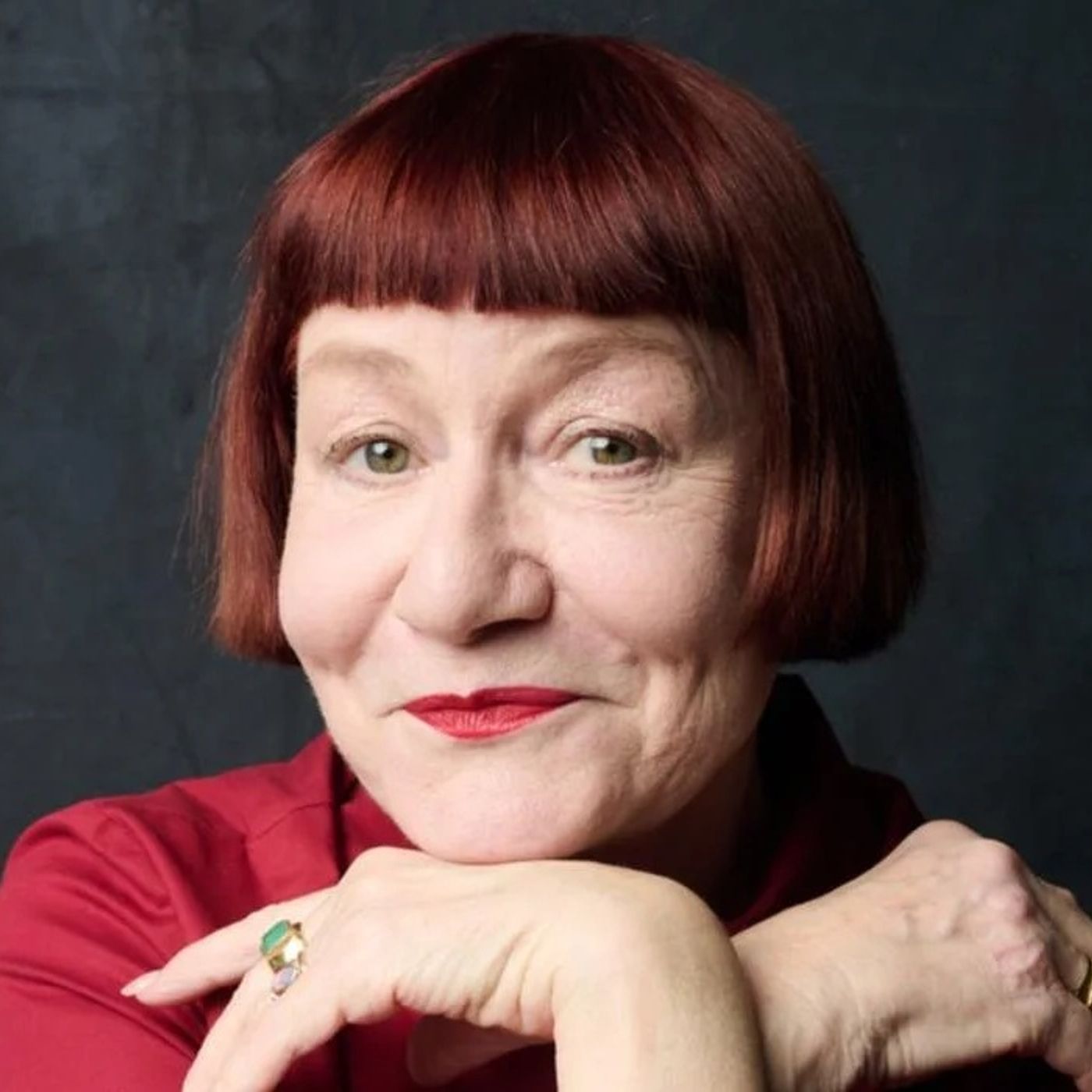
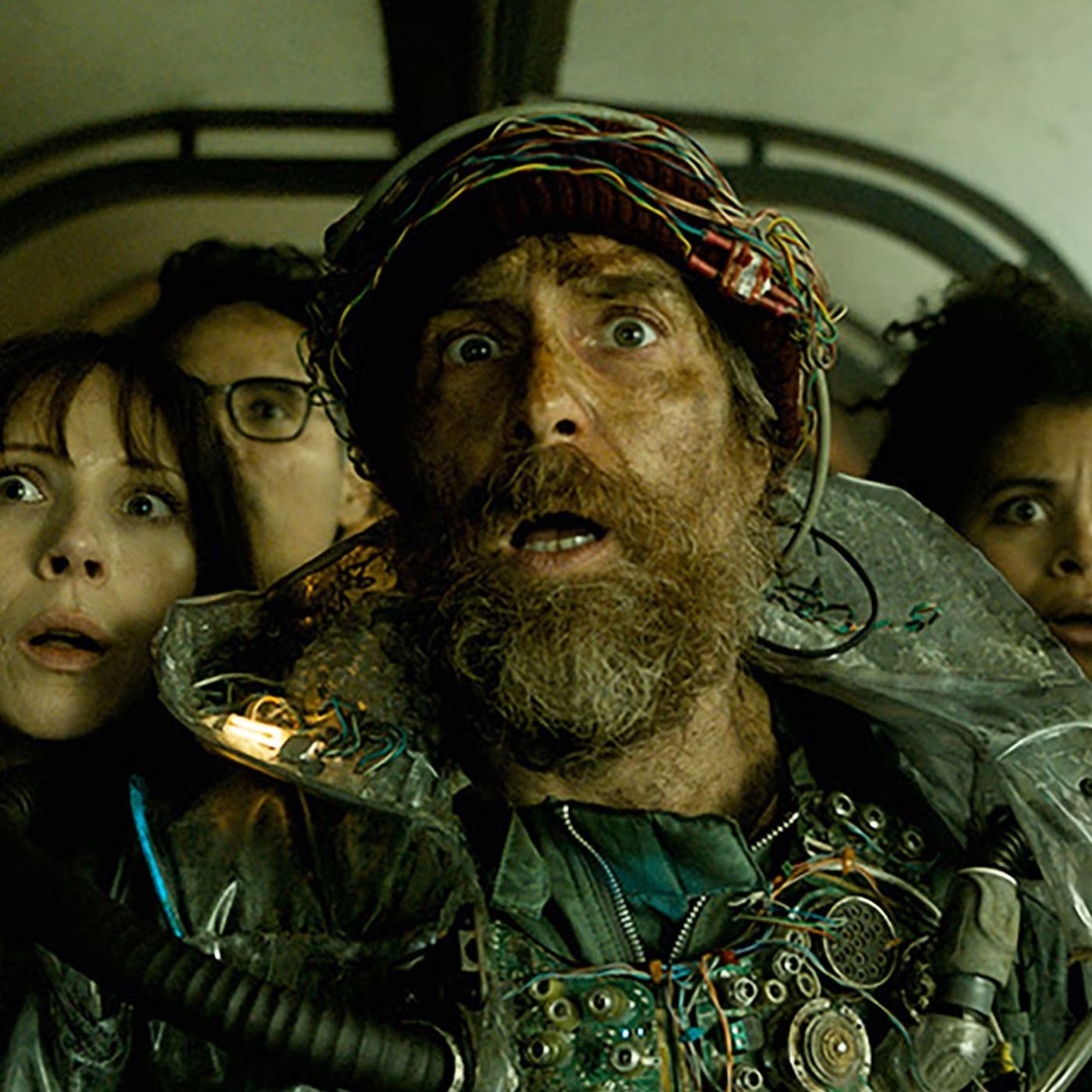
I'm Brian, and this week we're joined by a special guest... actress, writer, and director, Miss Grin Wells. Now, Grin has been fighting the good fight in Hollywood for quite a few years now, but she seems to have done something right, because she not only got her independent film made, even more impressive, she seems to have done it the way she wanted to. Making a film without compromising it into oblivion is a feat in and of itself. But it's probably even more of a challenge when you're trying to make a film about three teens with mental development problems. A guy with Tourette's, a man with OCD, and an anorexic woman going on a road trip.
Sounds like the setup for a bad and probably offensive. Joke, right? But in actuality, it's a pitch for an ambitious independent film. One that Grin not only got made with an amazing cast of actors, but also seemingly got made her way. But rather than having me tell you about it, let's just talk to Grin herself, as we sit down with her to discuss the path that led her to filmmaking, her thoughts on working in the industry, and just how this particular film came together.
All right. So I think it's interesting that this film is about a journey, literally and figuratively. So I guess I was going to treat this whole, I usually try to do these segments as sort of your journey journey. As to how you got to where you are at this point anyway. So I guess starting at the beginning, you are actually from Louisville?
I am. And I guess what is the path that led you to, you're now in LA, right? Correct. By way of New York. It's usually the stop off, it seems like.
Everybody's like, and then I spent a few years in New York. And then I end up in LA. I think there was something about the coasts in those two cities that drew me. Because of the mindset. They're a bit more accepting of being different.
And yeah, so I was drawn to both places. I still love coming home. We're getting more and more different here, if that helps. Yes. We're very different, but we're a different kind of different.
Yes. Well, I guess as you got into it early on, were you... Interested in film or did it start off in the arts in general or how did you come to this? I guess what were your interest early on? I was directing plays in my basement that my dad would film since when I was like six years old.
So I always had a taste for that and for the arts. I ended up going to school for theater. And, uh, and then I ended up, uh, transferring and doing film classes and stuff at NYU. Um, and it just, I don't know. It was always, it was always this idea that I wanted to try to make a living at it, but coming from Kentucky, you don't, and not knowing anyone in the industry.
You don't think it's an option. Exactly. So I was doing it more for pleasure. And then once I started meeting people who were in the industry, um, that's when I realized like, oh, there is, you can make a living doing this. It is a true job.
Yeah. Yeah. There are plenty of people out there that are just working actors and directors that just do different jobs and get by and don't ever hit the like super, you know, high end of that list, but they're always continually working and making a living at that. And it is one of those, I think if you're not in the industry, you don't realize that part exists for people. It's just a list or you work at a normal job, but.
Right. Yeah, yeah. So you started off kind of getting into acting, though? I did just, you know, once again, looking for the way in. Yeah.
So did a bunch of indie films in New York. One of them ended up winning Best Short at Sundance in 97, and I had a feature at Slamdance the same year. So I thought, great, I'm ready for L.A. This is it. And then moved out to L.A. and realized no one gave a fuck about indie film.
It was like before Sundance was truly Sundance. Well, and it's changed massively since it became Sunday. Yeah, there were no free shit parties at that point. But it was good because that's when I really started to decide, okay, what do I want to do? And that's when I realized I wanted to write and direct.
Acting was definitely a way in and it was a lot of fun and I'm glad I did it because it gave me the perspective of directing actors how I would want to be directed and the notes that I would want to get. Yeah. you probably found more of a calling in the writing part. And then as you got into that, was it an easy transition? Is it something that you fell into okay? Well, I moved out there to write and direct.
My first script, Earthbound, I was going to direct, but then a very big actress started circling it, and my agent said, you're not going to direct it anymore. This is the better plan now. Well, she said, look, you have two options. You can sell the script to a studio, and you'll make, some money and you will also start to have a career or you can keep it and, and try and do it yourself. And it may or may not ever get made.
So I chose door number one and it was, it was great because it did lead me to the past 15 years. I've had a very successful writing career, but. it would probably be a better story if the film, if that film had turned out the way I wanted it to. And it was just so hard. I mean, obviously this is an age old story in Hollywood about how the screenwriter is not happy with how the movie turned out, but it just, there are a lot of people that love that film and that's great. It just was different than how I intended it to be.
So I knew that if I wanted to see something all the way through, I had to write and direct it myself. And there were others that I tried to get going in the past 15 years and they didn't come together either financing wise or script wise or actor wise, what have you until the road was in. Yeah. See, I think, I don't know. I've come to find that stuff almost as interesting as the success stories, because I feel like there are so many people out there working as screenwriters that may sell scripts for 10 years and never have a movie made, but they have a career because they're selling their screenplays.
And like that, That, again, is something I don't think people on the outside understand at all. That you cannot make movies and be somewhat of a successful screenwriter. And that's something that's interesting as well. Unproduced rom-coms bought my house. Oh, yeah.
That's, yeah, you kind of tap into that marketing. However, there's so many things that get bought and never made that it's kind of amazing when something actually pans out and comes together the way you want it to. Right. Yeah, I think those stories along the way are equally as interesting, I feel like. It's just not always a success story, but always more interesting.
I think. This isn't something you can cure, but you can learn to manage it. I'm sorry. I think it's best for you to have a roommate, not to be alone. Alex, this is Vincent.
Take your shoes off! He's going to be your roommate for a while. Hi. What would you do if you could better control your tics? It's never really mattered.
Matters now. Hi, Marie. I'm supposed to show you around the clinic. Computer room, but the internet blows. TV room, no cable.
Game room, but they're all stupid. Done. Well, then you can go. Why don't you eat? Vincent, relax.
Relaxing is pretty much the one thing. I cannot do. You okay? If you could go anywhere in the world, where would you go? The ocean.
Your son is gone. What do you mean, gone? He stole my car. He and two other patients are missing. I was embarrassed by him.
I don't think he'll ever forgive me for that. I have a lot to offer, but these stupid rituals just take over everything. Yeah, well, I think I'm fat. I guess we all have issues. What if it sucks?
What if it's amazing? What if it's dangerous? What if it's exciting? What if we die? Well, what if we live?
Can't I get one advantage out of this illness? You just said, like, four sentences without ticking once. But he swore, like, ten times. What's the difference? Should I guess? getting to The Road Within, what led you to this story?
So I saw a trailer online for a German film and got very excited because it just, I figured if they could pack that much heart and humor into two minutes, that the movie was probably amazing. This was just the trailer you already sold. Nice. And so my husband and I optioned it. And luckily, we were right that the film was fantastic and ended up winning the German Oscar for Best Film and Best Actor.
And it's a beautiful movie. And luckily, we optioned it when we did because otherwise Harvey Weinstein or whoever would have gotten it. The fight begins. I never would have gotten to direct it. But it spoke to me because it was about outsiders.
Yeah. I look, we were all weirdos in some way or another, and whether it's on the outside or on the inside, which is, uh, why the breakfast club, John Hughes movie is such a classic because it doesn't matter if you're the jock, the prom queen, the weirdo, the nerd, everyone feels like an outsider at some point. And so that universal feeling is what initially struck me, uh, that, that made me say, I want to tell this story. And kind of coming from the outside of the industry as well and trying to find your way in there. So I guess what was the process as far as you making it your own?
Because you also then wrote what became the screenplay. Right. Well, luckily, the structure in the original is perfect. Pretty damn good. Um, I moved some stuff around just for emotional effect and, and in the, uh, uh, adapting process.
Uh, but I, I also firmly believe a lot of people change stuff just to change it. Yeah. And if it's working, why, why would you, they. Want to put their own stamp on it. It feels like a lot of times.
And I'm like, but if you're doing it wrong, it's still wrong. Regardless of it's you're wrong or not. It's still wrong. And somebody actually made a comment. They were like, wow, they didn't even change the names.
I'm like, Well, why would I? Yeah, it's like, how does that change the character? So Vincent is an awesome name for this character. But regardless, the biggest work that I did was actually on the characters. I did feel like Alex in the original, the one with OCD, that he was comic relief.
And I wanted to go deeper with that because all of the research that I did about OCD, it's a really paralyzing thing. disorder that this one man who I met, um, Chad Fess, sometimes he couldn't get out of his door to go to work in the morning because he couldn't open the door correctly. Now there's, there's no obviously correct way to open a door, but to. Him, his mind. And so that's how powerful his disorder was. And so I wanted to show that underbelly.
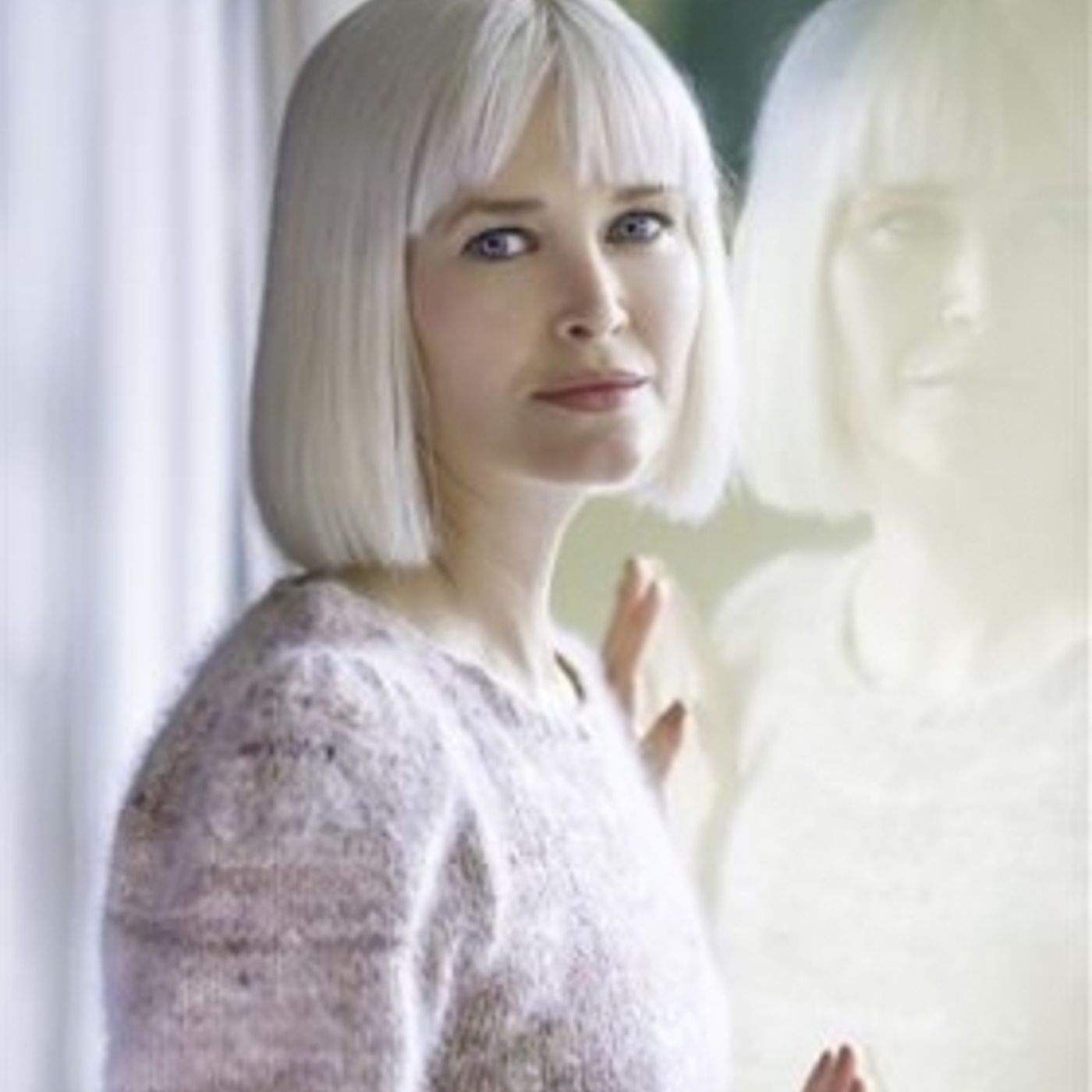
And I think Dove Patel just did a brilliant job portraying it because you truly just love that character. And then similarly with Marie, I was anorexic and bulimic growing up, and so I wanted to bring a bit more reality to that character and show that it is the number one psychiatric disorder, the highest number of deaths. That's right. So just bringing that into the ether and having people talk about it was a huge, huge mandate of mine. I mean, that is something that still, as long as it's been... sort of brought to the public for 30 years or more, but it's something that people really don't talk about.
So it is interesting to see somebody not only treat it seriously, but who has some insight into doing it possibly the right way. Right. And it has been done, obviously, in lifetime movies and specials. Again, not the best treatment problems. Yeah, because they gloss over a lot of the reality.
And we chose to do it very authentically. it will be triggering to some people who are currently in the throes of it because it's a no-holds-barred look at it, which is also why it was so important for Zoe to lose the weight and look like a true anorexic because it was... I mean, look, that scene in particular where we see her body and how much she has wasted away, that's the scene that will trigger people, 100%. But we also said that the reality of showing what it does to the body is far more important to bring out into a discussion because I don't think people realize how serious it is. I think you need that. It shows the stakes that you're dealing with, that it is something that will lead to death if you don't deal with it.
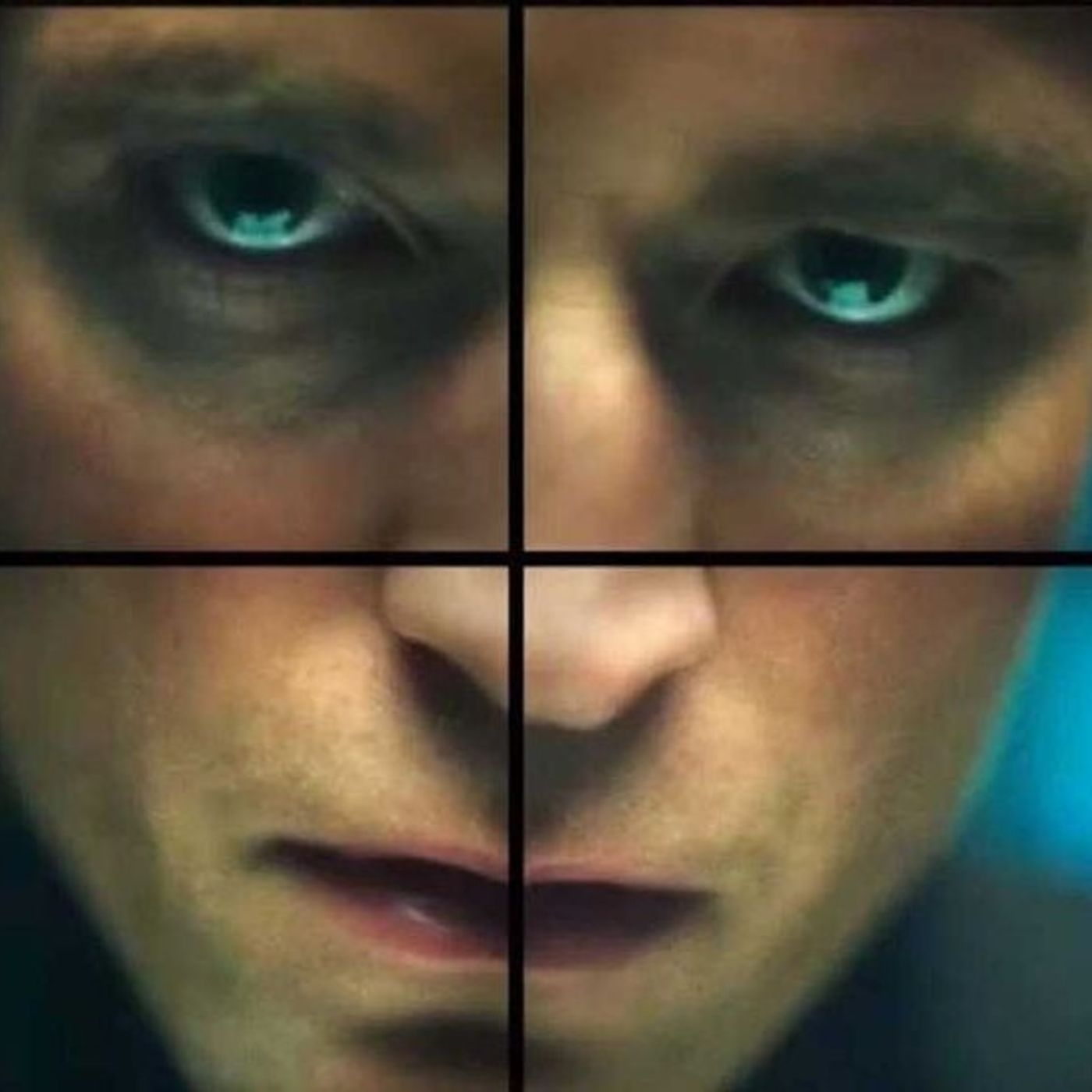
Exactly. And you mentioned those two disorders that you're dealing with, but then the Tourette's, I think you Did a lot of studying on that one as well. Yes, we did. Six months working with Robert Sheehan, my lead actor, and Jackson Kramer, a young man with Tourette's. And Jackson is just the most giving, open, honest, beautiful person because he truly said, he said, awareness and education are the only things to combat the misinformation out there.
And obviously it has been the butt of jokes and the way it has been portrayed in most media. And so we wanted to do a real portrayal. Now, obviously, Vincent's case is very severe because he has coprolalia, which is where you vocalize and say inappropriate things. And only about 10% of Tourette's sufferers actually have coprolalia. But we didn't necessarily want to make a movie about a guy who blinked a lot.
I mean, the stakes wouldn't be as high. And the social isolation of someone with coprolalia is so much bigger because they can't go back. To the movies. They get kicked out of restaurants. All of those things that are mentioned in the movie, getting kicked off of planes, those all happened to Jackson.
So I do think that it was important for the character to have that severe case. And by the way, we met people whose cases were actually worse. So it is interesting when people say, oh, that's not real. It is 100% real. And we really, really took it to heart to make sure Uh, that's why, uh, Robbie, I moved them in together, Robbie and Jackson for a month.
That's quite an undertaking for an actor. Yeah. And by the way, Robert Sheehan did all of this for no pay, like the six month rehearsal process. First of all, it's impossible to get an actor. to dedicate that kind of time and if you're not paying them you know through the moon he's. A really hot actor at this point so yeah to pin him down for that much time is impressive on your part really.
Well it's because he also he wanted to make sure that he portrayed it with authenticity and all of my actors did and I got very very lucky now granted I met with them and it was a requirement because the making sure that the portrayals were authentic was number. One yeah you can't phone those performances. Yeah. And by the way, nobody should know how to do Tourette's. They shouldn't have it in their back pocket.
So when I first met with everyone, it, no one, they weren't auditions. We sat down and had coffee and I was looking for more of an energy level more than anything else, because I knew I needed someone who was already hyper to begin with just in the resting state, because that way you wouldn't see the ticks come up. Yeah. Now, you know, I met with some incredible actors who had a very low energy level and I instantly knew they wouldn't work because of the fact that you would see it. Yeah, it becomes a performance more than anything.
Exactly. So, you know, it was just, it was really important to me and Robbie Sheehan had all of the qualities that I was looking for. Nice. Well, then you did, I'm assuming you're working with a... relatively limited budget you put together. A great cast so.
Again i i'm yeah giving you the benefit of the doubt there you we're not gonna throw numbers out but but to bring in even you know the the three younger actors is impressive enough but you bring in some pretty established you know robert patrick has been doing this a long time kira cedric is pretty well established so it's I guess, how did you bring in those names as well? They fell in love with the script. Yeah. And I got very, very lucky. I remember Kira actually going, I'm begging you.
And I was like, you're Kira Sedgwick. You don't have to beg. You're the closer. But no, she's amazing. I love her so much.
And RFP, which stands for Robert fucking Patrick, is just, I love that man. I've heard some stuff with him. He is quite a character. So I can imagine being on set with him all day. He actually said to me once, because his part actually only shot for two weeks.
And so we did all of it in a very confined time period. But after the first week, he said, you know what? You are seriously like one of the top three female directors I've ever worked with. And I said, wow, thanks, RP. It was like, how many have you worked with?
He goes, three. That sounds more like him than anyone. So, no, he's fantastic. Well, then I guess what I was wondering is then you then functioning as the director and dealing with people on kind of opposite ends. Not that the younger cast... is not well established.
They've all been working since childhood, it seems like. But do you approach it differently when you're working with somebody like Robert Patrick, who's been doing it for so much longer? Do you direct differently? Them differently or how, how do you approach the, the performances? I mean, look, because the, the kids and I, uh, and my kids, I mean, Robbie, Kevin, Zoe, um, We had rehearsed for so long at that point that they came in and we could only do three takes per setup.
We just didn't have time. We shot this in 23 days. Dealing with the limited budget. That's impressive as well. So they were just on it.
And it's true that the majority of Kira and Robert Patrick's scenes were separate. But they are such pros. They come in knowing their lines and knowing their characters and nailing it. Uh, there was really and truly only a handful of times where I had to, uh, help them through a problem moment. Um, I remember this one, it was actually just a reaction shot that I needed from, from Robert Patrick, uh, based on something that Kira was saying.
And, and he, he, he just didn't understand what I was, what I was going for. Cause there wasn't a line. It was just a facial expression. And so we, we did two takes and, and he wasn't, I wasn't getting what I needed. And so he said, you got to help me, like, just tell me what to do.
And I literally said, blue cheese. And he looks at me with this quizzical look on his face. I was like, exactly. That's the look I need. Cause he was just something so random that I just needed.
And so in next take, he went in and he thought blue cheese and got, I got what I needed. So, so in moments like that, obviously you just have to be, uh, you know, quick on your feet and think of something to help them through it because you uh, obviously he just, I wasn't clear enough to begin with to tell him exactly what I needed. And I don't ever like doing line readings or, or facial expressions. Exactly. I want them to find it on their own because that's, that's what we're paying for in the little bit of money that we pay them.
That's what we're paying for. That's what they bring to the table. Yeah. So, um, but no, we, they were just a pleasure to direct, uh, because they, like I said, they came prepared. Well, that's, I think what I'm, have been noticing so much over the years is that it's not, the director is not so much there to direct them in the acting sense all the time, but almost more to string all these pieces together, because especially in a film, you're shooting out of sequence, so it's like you're the one that's got to keep track of, okay, this comes at this point, and your character is, you know, been through this much, and they need to be at this state, so it's like they can kind of deliver the acting if they're professionals, but Yeah, you're the one keeping track of everything.
Right. So, yeah. It really was tone more than anything. Yeah. Especially with the Tourette's, Robbie and I went through beforehand and we numbered each scene as to where the Tourette's was.
Now, obviously it fluctuated even within a scene, but the beginning of the scene we said, okay, it starts at a three and it will end at a six. And then the next scene, you know, depending on if it's immediately afterwards or whatnot, it might be higher, lower, according to what's happened right before. Yeah. There's only two tens in the whole movie, and that was the funeral and the fight at the end. Because also, there's no way the audience could sustain watching that.
It would be too much. It's funny, I've joked, I said, I didn't want to make a two-hour Tourette's drama, but I don't want to watch that, let alone make it. That's a lot to deal with. So that's why humor was also so important to inject into it, because laughing is breathing. And so you're giving the audience a chance to breathe by injecting humor.
And I just, I mean, look, my favorite movies are old Jim Brooks movies, Mike Nichols, John Hughes. And I think that they did such a brilliant job combining the two. When it, when you meet people that have dealt with that their whole life, usually they have a really good sense of humor anyway, because they would lose it. If not, it's like they learn to deal with it. And humor is such a good way for even them to try to process what they're going through.
So I, I would think that would be a little true, too, that they need to use humor as they go through life, basically. Well, it's so interesting, 100%, because, look, I don't read reviews. I learned early on from my predecessors and stuff who've been doing this a lot longer, and they all said, just don't, because it's one person's opinion, and so much depends. Usually they're watching it in a vacuum, in their house, on their computer, what have you, And it just, it doesn't matter because that one person's bad day can, can destroy everything that you've been working for. And it can change the way you think about your movie, which, you know, I love my film and I know it has changed people's lives.
I've been told by, by audiences all over the world. So, so I don't want to let someone else's opinion affect mine, but I have heard some people who have said that they didn't like the way that we combined humor and with these disorders that we didn't give it the, we didn't treat it with the respect that it deserves. And I was like, who the fuck are you? Yeah. To say that just because you have a disorder that you have to be serious all the time.
What are you wearing a fucking banner? And what life do you lead that like, there is no humor in my life ever at any point. Like I go through my day, like how horrible life must you have, which is probably why you had this terrible review of things. You probably have terrible reviews of everything. Right.
Your life's miserable. Yeah. But I do find it interesting because the people that get it are the people who are actually going through it. And I don't think we've had one person with Tourette's anorexia or OCD who has watched this film and didn't say, like jumping up and down, this is my life. Oh my God, thank you.
And those are the people that I would rather listen to anyway. It's intermission time. So how about taking a break, get out and stretch a little, and relax before the show begins again. And why not make it refreshment time, too? We have lots of tasty, delicious treats waiting for you at the refreshment center.
There's hot popcorn, so golden good and fresh out of the popper. And all kinds of refreshing ice-cold soft drinks. Sizzling hot dogs just bursting with juicy goodness. Ice cream so smooth. And delicious, you'll hanker for more.
Plus, all the most popular candy bars and many other favorite treats. So why not visit the refreshment center now? Our courteous attendants are ready and waiting to serve you with a wide and wonderful variety of good things to eat and drink. So step right up and make yourself at home. Want some music for your ears?
Doo-Wop Shop makes it easy to rent for any event, business meeting, or special occasion. From PA systems to karaoke machines to just about anything that makes noise, you can rent it from the Doo-Wop Shop. In Louisville, find them either at their Highland store at 1587 Bardstown Road or in the East End at 2915 South Hurstburn Parkway. And look for them online at DooWopShop.com. Doo-Wop Shop.
We're serious about music. Hey guys, look what I've got. Check out these awesome earbuds I'm using right now. Look at that. That's wood right there.
That's actual wood. Why would you use wood to make technology? Because they're... It's like... They're steampunk.
Is steampunk really wood? I thought it was more of a brass thing. Well, you got to work the wood in to hold the brass together. These are the fancy high-end steampunk versions with a mic built in, mind you. But yeah, where would I get these you wonder?
Tweaked audio. Way to pitch. You want to hear more, you say? Tweakedaudio.com. Hey, they are available in three styles and seven colors, and they sound pretty damn good.
I kind of forgot because I hadn't had my old pair in a while, and I was using the knockoff crappy ones I bought at the store. And I got these and put them in. I was like, oh, shit, that's right. These are actually really good. So they are professional.
Quality earbuds, mind you. And, you know, noise reducing, compatible with your iPods and Most phones, unless you have a dumb phone. You should really get a smart phone, not a dumb phone. So anyway, the basic rundown here. If you need yourself some earbuds, tweakedaudio.com.
And if you go there, there's a deal. There's a Meltdown deal. If you go, there's a discount code, and you put in Meltdown, you get 33% off and free shipping. You guys are excited, right? Yeah.
As well you should be. tweakedaudio.com. Use the Meltdown code. That's all I'm saying. If it be not today, may the bluebird drop his feather to the ground. Hi, this is Martha Stevens, and you are listening to Movie Meltdown.
Sing my song. Sing my song. Sing my song. It's part of your problem, you know. You haven't seen enough movies.
All of life's riddles are. Answered in the movies. And now, on with the show. Well then, I guess, doing what you have to do on this film, you also try to bring some of yourself. What is your visual style that you're going for with something like this?
So I definitely took pieces of The Wizard of Oz just because I wanted color to help tell the story. So it starts very muted and then slowly as the movie goes on and the kids, especially once they get on the road, the color palette changes because their life starts to change. Their outlook on life starts to change and they realize that anything is possible. So it keeps getting more and more saturated until the top of Yosemite, which is the pinnacle for them. This is where they've actually accomplished something in which their whole lives they've been told that they they're not capable of, of anything.
So this is a very pivotal moment. And in that, in that moment, the color is almost like a painting. It's so saturated. And then in the third act, once they come back to reality to realize like, okay, life wasn't like it was at the beginning. It also wasn't, isn't like how it was in the middle. there are realities that you have to face with and then the color becomes very natural.
And so it's subtle, but obviously I do think it helps tell the story, uh, that of their emotional state at each moment. So, um, Chris Baffa, my, my DP and I talked about it and just how, how we wanted that to, to play throughout. Uh, we also played with, um, partially for budgetary reasons, but a lot of, a lot of wide shots just so we wouldn't have to go in for coverage. Yeah. It's strategy at some points.
At some points, yes. But it ended up working out well in terms of starting to have a look to the film because I didn't I don't personally like films that go for close-ups every other moment. It's like, otherwise you're telling the audience like, oh, you're supposed to feel here. Oh, and you're supposed to feel here. Because that's what a close-up is.
It's going in on the emotion of the face. And pay attention to what they're saying right now. Yeah. And so I like the fact that in some of those shots, you don't know what to watch necessarily. And it also allows for repeat viewing.
Yeah. Because you can go back and actually find something different. So, and all that stuff was orchestrated. And, you know, so we slowly go in throughout the films. until the, you know, one of the final shots of Vincent is the closest we've ever seen him. And, and I like it that way because it's, you are following this journey.
You're getting to know him. And finally at the end, you do feel like you've got a really good base for, for who this character is and his whole life, what he's been through. And at that moment, he's okay. So. That's again, anybody who puts that kind of thought and that's why filmmaking is an art form is that people put that much time and effort into just the planning and the, concept of what they're doing so that's yeah i any of that is always appreciated on mine um the other one i was going to ask you again we've mentioned the budget so i'm assuming you've shot digital yes so my question is i this is one of those that's kind of a talking point in our world now what is your thought on 35 millimeter just the fact that you know, now that you live in LA, you're surrounded by an industry that it's almost a fight.
And there's a handful of directors holding on to this love of 35 millimeter. But as a practical working director, I'm assuming digital is the way that most people have to go. So I don't know what your thoughts were. I mean, obviously film, I think any director would say, yes, please. The romanticized 35 millimeter.
But it's also just the difference between listening to a record and or a CD. It is different. Obviously, only the fine-tuned ear can truly hear the difference, but in my film, we had to do some pickup shots with a RED camera we shot on the Alexa, and I can see the difference. It's glaring to me, as a matter of fact, but most people can't. This is when you spend a lot of time in the editing bay.
Exactly. But no, the 35mm has a warmth. as similar to a record that, that, uh, I think it, it does however small the degree is that, that the audience would pick up on it emotionally. I don't know if anyone could see the difference visually, but, but I think it's more that all of the directors that are using it and continue to use it have been using it for 20, 30 years. So I don't think if I came out on my first film and said, I'm shooting 35, that's. A hard, fuck myself, you know?
As long as you're bringing this 35 with you and paying for it out of pocket, feel free. Exactly. So hopefully at some point in my career, I will get to shoot something on film. But the, as far as you, you've finished this film and just that in and of itself is amazing. And then you edit it together.
Like you, like all of that is like, as I said earlier, it's like such an uphill battle. And that is a fight just to get all that done. Then my question is, how has the process been? Now you've got to get it out to the world. So that is its own new battle that starts.
So I don't know, how has that process been and the steps that you have to go through now that, again, it's a very different landscape than it was even 20 years ago. So most of that fell onto the producers and the financiers' shoulders because obviously that's their area of expertise. But we premiered at the LA Film Festival and we sold there. So that was fantastic because obviously distribution is... More than half the battle.
Yeah. And Well Go USA came on board. They were the most passionate about the film. A lot of people were very worried about the language, about it being rated R, which is fucking ridiculous. In this day and age, really.
I know. Especially since everyone's streaming stuff into their home and they're all watching whatever they want. It's like, yeah, that's a very strange. But I mean, I run into that a lot too. Obviously, I gave you the green light.
But it's funny how many times people will seem like they have a problem with that. I'm like, what do you watch or listen to or anything that doesn't have that language in it? But they still seem like they have to have that. They feel like they're supposed to have that reservation. But it's only in the U.S.
Yeah. Because when we showed the film in Rome at the Rome Film Festival and we won best film, our jury was 14 to 18 years old. Nice. And so. Every one of those kids talks like that.
Yeah. I hate to tell their parents. But my parents do too. But by the way, they actually, it's reversed where violent things get the R rating or get the more adult rating. We don't have that.
And yeah, I mean, here you can blow someone's head off and it still is PG-13, but God forbid you say, fuck you more than once. So it is ridiculous because this film could actually help open the discussion with teenagers. to talk about having compassion and understanding towards someone with mental health issues. So the very people that should be seeing it are being prevented because some fucking archaic society, a.k.a. the MPAA. Which sort of outlived its usefulness, but whatever. And I just, I think it's ridiculous.
I think that parents should be making that decision. And by the way, there's some very mature 13-year-olds and some very immature 17-year-olds. So therefore, it should be the parents' decision. My older sister is actually bringing her 14-year-old son tonight to see the film, but the 13-year-old sister is not coming because she feels that just emotionally she's not ready. She knows the difference because she's their parent.
Parenting is the key. That doesn't always happen. Yeah, but I do think that it should be the parent's decision because it's a very sweet... movie underneath the cursing and and just to be fully uh uh above board you do see zoe kravitz nipples for about 2.3 seconds but what person hasn't seen nipples. Again in america we have an issue with that right which i'm assuming anywhere else you go with the film nobody's gonna even notice really right. And it's not sexual in any way it's it's so um so parents.
When if you're listening, just be aware. Well, check it out and do your job. Yeah. Check it out. Watch it.
If you think your kid is mature enough, watch it with them and then talk to them about it afterwards. Because I really believe that, that if they see this film and they are at least exposed to these disorders, then the next time they actually see someone out in society with this problem, there'll be that much more understanding. You have a window into, they're not, just this thing that I don't understand. Oh, remember that movie where they actually were a real person and I got to care about them. And yeah, I think it does give you that opportunity, especially for a kid who doesn't know that stuff.
It's not, they, they aren't biased initially. They're just kind of frightened by it sometimes, especially if it's something loud or like something they just don't understand that. Yeah. If you give them a reason to understand it, it's, it makes it a lot easier. Right.
But back to distribution. So we were released in theaters on April 17th in New York and L.A. I have no idea what day today is, but it's Sunday. Oh, April. In the internet, it's all forever.
From here on out, go look for it. But we are in eight other cities this weekend. And we are also on iTunes, Amazon, Vudu, Xbox, pretty much every cable VOD thing that you can imagine. Yes. And we know that that's where the majority of people are going to to see it because that's just indie film these days um but the whole point of why i thought it was so important to have a theatrical opening was that it the experience that you actually have when you when you go in a theater and you're watching it with 100, 200, 300 other people, is that, especially in a film like this, where you're not sure if it's okay to laugh, someone else, everyone else is feeling the same thing, and it's the first person to break and actually let that release come.
It's an automatic approval, it's okay for everyone to laugh. And that's exactly how we structured this. It's like the first few minutes of the film are very difficult to watch. And that's on purpose because, first of all, no one said going to the movies should be easy. It should challenge you.
And I wanted to give people a small taste of what it's like to have Tourette's Syndrome and how uncomfortable it can be. And I don't do that for very long, but like I said, it's a small taste. And then it quickly moves into a movie that you can sit and really enjoy watching. Like, for instance... yes, there's a lot of curse words. We, I have jokes that we were going to win the award for most use of the word cunt ever on film.
Um, but my father, who's a very, very religious conservative man, he came out to the editing room, uh, when I was editing in LA and he sat down and started watching it. I thought he was going to get up and walk out just because he doesn't curse. He doesn't like cursing. He doesn't like when I curse. So, um, Five minutes into the movie, he says, stop, stop, stop.
Meanwhile, I'm thinking, here we go. I'm in trouble now. And he said, I'm fully invested in the story. I love the characters. I think it's beautiful.
Okay, go. Meanwhile, I'm like, who the fuck are you? You're not my dad. How did this happen? He realized it's not a movie about cursing.
That's not what this is about. This is about a character who can't help it. So I would challenge, once again, any people who are religious or just have a thing against cursing, this movie is not a cursing movie. And my father is proof of that, the fact that he saw it for what it is. It's a movie about an affliction in which a guy can't help it.
Well, and there is a way to use it right. I mean, there are people who just write it in there because it's easy, or whatever. it's the cheap laugh sometimes, but there is a way where it is true to your character and whether it's involuntary or not, there are plenty of times where it's voluntary and it still is very true to the character. So I think, you know, it shouldn't be a either or like you'd kind of have to understand going in, you know, why it's being used. And yeah, some people are still very reluctant to go into those. Movies, but.
Um, yeah, I guess I also try to just sort of get a feeling for people as far as taste. You've mentioned a few of yours, but what, what type of movies I guess are your favorites? I love movies that you laugh and cry and sometimes at the same moment. Uh, Jim Brooks, I think is, is one of the greatest filmmakers of all time. I just think, you know, when I look back to the movie going experiences that I've had where, where I did have an outpouring of emotion, um, In terms of endearment.
Yeah. Is a perfect film. And he is a master at combining the two emotions. So, not that I don't love a good popcorn flick. Yeah.
I like going and eating popcorn as much as the next person. Again, there's room for all of it. But, yeah, if I have the choice, I just love dramedies. Yeah. I'm telling you, broadcast news.
Oh. I think back and it's like every once in a while I'm like, I need to watch that again. It's been too long because it's so well written. I love it when Albert Brooks is like, is it ever just so hard to be the smartest person in the room? She's like, yes.
It's just the pairing of his writing and those actors is just, yeah, it's so hard. And then have you seen anything lately? I'm assuming you're touring around so much now, but maybe at any of these events, have you, any film fest or? Well, I did, I was at Sundance because my husband, who's a producer on this, Brent Emery, was premiering his movie, The Stanford Prison Experiment. So that is brilliant.
Not just because it was produced by my husband. But that's a convenient thing. Yeah. I should also mention, by the way. But no, it's an extraordinary film based on, obviously, the Stanford Prison Experiment in 1971.
And it is coming out July 17th. Plug. Extra. Double plug. But no, I mean, it's just...
It's a film that makes you think. The acting is astonishingly good. Uh, the cast they got was, was just incredible. So yeah, uh, that was really good. Um, I've been catching up cause I've been on a lot of airplanes lately.
I would assume, yeah, this is a whole different process. I have been in the last six weeks to Sweden, Ireland, uh, Cleveland, Vermont, New York, three times West Palm beach, Sarasota, uh, Uh, Oh goodness. And back and forth to LA, you know, I mean, just in six weeks. So sometimes that's why I throw out that question to people in that situation. Cause it's all flights and hotel rooms and sometimes that's all you can do.
Right. Yeah. But yeah, I mean like, like, and especially honestly at the, at the festivals, I'm seeing some incredible films. Uh, there is a film by, uh, a girl from Louisville, Kim Levin, uh, Kimberly Levin and, her movie is runoff and it's, it's beautiful. And it's just, you know, and so it's been really exciting to, to meet other filmmakers, first of all, all over the world and to see their films.
So yeah, go, go to more film festivals. Not every movie gets distribution. And so sometimes that is the only place you can see them. That's yeah. That's things I will hear from like, Oh, two years ago at the LA film festival, this movie premiered and I've heard about it and it's awesome.
And it never gets distribution. It's like, How frustrating that has to be to have done everything else right and then still nobody gets to. See your movie. But there are so many avenues now. Again, it is a very different landscape.
I mean, you can release your own film on Vimeo now and self-distribute. You can try to book it into theaters by yourself. You can actually hire a booker. You don't need a distribution company necessarily. Obviously, it helps to get a wider release and more people to see it, but But there are so many avenues nowadays that it just, where there's a will, there's a way.
Yeah. Is that something you may take advantage of? You'd definitely be up for doing something completely independent if it serves the purpose. Yeah. I mean, in the future, I definitely, I can't do another budget this low for a while because I called in every favor and all.
The people are, That's how it works. Won't talk to me again until I find them a job with some money. Uh, but, but no, I mean, obviously everybody gave with their hearts with this film and, and just was gave 150%, but my next one definitely has to have a bigger budget. Cause it just, it is that hard. You're doing everything yourself and, um, it's nice to be able to pay people like, you know, we're artists, we're, we're professionals.
So we all deserve to get paid. It would be nice. Myself included. Ideally, it would be nice. I would love to get a paycheck.
I'm working on that one myself. I don't know. You've given all the best ways to find this film? Or is there anything else that's a good way? Websites or anything else to plug?
Yes, no. Look, like I was saying before about seeing a movie in a theater. And if you want, you can go to tug.com. That's T-U-G-G.com. And you can actually request that this movie gets played in your local theater.
They have already partnerships with theaters in most cities. And if yours is not listed there, you can request that they contact them and set it up. And then it works kind of like a Groupon where if enough people buy a ticket and credit cards are not charged until that magic number of people, most of the time it's around 100 people. sign up for it, then that is when the credit cards are all charged and the movie then gets tugged to your city and you get to actually experience it in the theater. It's brilliant. I mean, it is interesting that that kind of stuff has popped up now.
And it's, you know, for all the ills of the internet, it brings a lot of really good and interesting new avenues that like you couldn't even imagine before that. But the fact that you can just go ask for this and if enough people get behind it, you can actually create your own event. Which, again, is unheard of before, you know, a couple years ago. Right. But it works great for theaters because a lot of times during the week they have empty screenings.
Yeah. And this guarantees that they're making money. There's a hundred people waiting to come to your theater. And the people that want to see the film. So everybody wins.
Yeah. And that's kind of the upside I've said of like your Kickstarter ideas, which I don't know what your feelings are on that. That seems like a lot of people that work in the industry really don't. Like when people are using that to finance things. So to me, it's giving people what they want and just allowing them to pay for it ahead of time.
You're still going to get what you're going to get. It's just a different way of setting up the payment structure that people just aren't used to. But I don't know, it seems like most people that I know of working in LA do not like trying to do that sort. Of funding for it. I, the way I look at it, if you can get it funded that way, fantastic.
I, I do hear both sides of the argument where if somebody can afford to make a movie themselves, why are they asking everyone else to pay for it? Uh, yes. Um, but, but then again, there was obviously a huge response to his film and millions of people did contribute. So that's my thing. As much as everybody makes fun of him for that, I'm like, but he had that many people who wanted him to make a movie.
I mean, it, it, Exactly. Why would you not make your fans happy and, like, do it the best way that it will, you know, serve them as well as get your project made? I don't know. I see a little of the other side of it, but I feel like as long as everybody comes out okay, it's like, what's the downside? Exactly.
Yeah. Well, if that's the best way, tell people to do that or any website to plug or. Uh, well, you know, if you're curious, uh, to learn more about our film, go to www.theroadwithin-movie.com. We're also on Facebook slash, uh, the road within Twitter at the road within Instagram at the road within movie. Uh, but you know, it's complicated.
It really is. I know. It comes up right away. We're the only movie about Tourette's and Rexy and OCD. I promise.
Um, But, but no, I mean, it's, it is one of those things where word of mouth is so powerful and we don't have the marketing money. So we are depending on people talking about this film and seriously, 99.9% success rate of getting out to people when they see the film, they, they are changed. They are moved. They, they are educated because the best medicine tastes like candy. So if we can educate them while we're entertaining them all the better.
And, and I, I defy anyone to leave this movie and not feel changed in some way. So we're all super, super proud of it. And just please go see it support indie film. Uh, I promise you'll have a great time. You'll laugh.
You'll cry. Um, I always say to, to the, to the young boys who have girlfriends, um, you're going to go and, uh, uh, your girlfriends are gonna want to have sex with Robert Sheehan because he is so cute. But they will end up having sex with you. But they're not with you, so we'll make do. Yeah.
But no, I mean, it's a beautiful movie, and it's about real issues that young people are facing. Well, and then to round out the whole journey theme here, again, you've been on a whole ride along the way. Do you feel like this is where you needed to be? Like, the whole thing has come full circle to you creating this movie? Yeah, because I...
I'm extremely proud. I made the movie that I wanted to make. And yes, we could have gone the studio route and would have been given a lot more money to make it, but I would have had to have made accommodations and probably made a PG-13 movie, which it would. Not have been the same. Would not tell the story you need to tell, yeah.
Because we did have a lot of interest from people who said, if only it was PG-13. And I'm sorry, but that's not. They're very. narrow-sighted me. Exactly um so i'm you know like i said we're all super super proud of it and a lot of uh heart and and sweat and blood and tears went into it uh and yeah i mean and on the flip side i'm also excited to move on to my next one yeah that's. The thing it's it's it's not a journey that's over you've still got plenty of road ahead of you so it will be interesting to see where you go next well thank you for joining us thank.
You this was amazing very. Alright, thank you once again to Grin for sitting in with us this week. And as we said once or twice there, go check out The Road Within. If it isn't playing in your town, it is streaming online right now, so go look for it. And to round things out here, we're going to go out on a song that is featured in the movie.
This is Get It Right from the band Oh Honey. You can find out more about the band at ohoneymusic.com, and not only is Get It Right featured in the movie, but Grint also directed the music video for this song, so you can go watch that as well. But for now, here's the song. Otherwise, that about does it. We will return next time, same geek feed.
Thanks for listening. You're next to me, but I'm alone. Can't shake this rush. Can't shake this rush. Darling, I don't like your tone.
Darling, I don't like your tone. Have we lost touch? I would rather I'm alone. You're breaking my heart. I'm holding on.
Someday we'll get it right. Someday we'll get it right. I'd call you my darling, but. You put up a fight. Someday we'll get it right.
Someday we'll get it right. Oh, oh. Here we go again singing. Someday we'll get it right. Someday we'll get it right.
So close tonight. Oh, someday we'll get it right. So come on, dream girl. I'm giving you another shot. Don't think we've had enough.
Don't think we've had enough. We're feeling this up to. The top. You're breaking my heart. I'm holding on.
Someday we'll get it right. Someday we'll get it right. I call you my darling, but you. Put up a fight. Someday we'll get it right.
Someday we'll get it right. Oh no. Here we go again. Someday we'll get it right Someday we'll get it. Right So close tonight Someday we'll get it right Hold me close love Keeping me safe Cause most days I've felt strange And I've got weight here Stuck on my shoulders.
You are worth the pain Cause you are worth the pain . . . Oh, someday we'll get it right. Now, is this something cursing? Oh, feel free to. Okay.
Shit-eating son of a bitch! Bastard! Douchebag! Twat! Num-nut!
Dickhead! Bitch! Why exactly are you doing this? If I fake it, then I don't have it. This episode is a production of Movie Meltdown, produced and edited by The Oddity Studios. with opening music performed by the Empires.
For more on how to sponsor or support the show, email producer at moviemeltdown.com. Talk hard!