About this episode
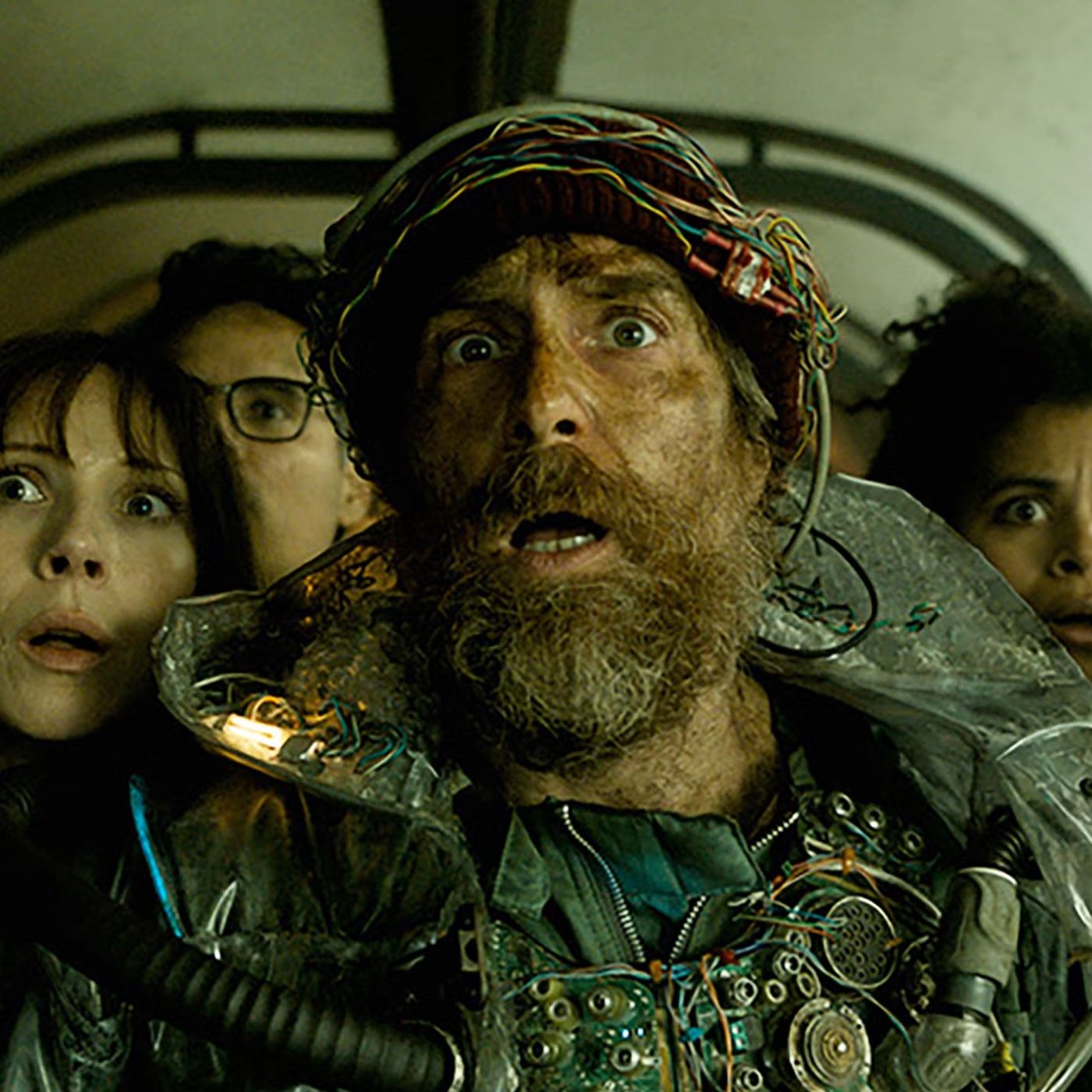
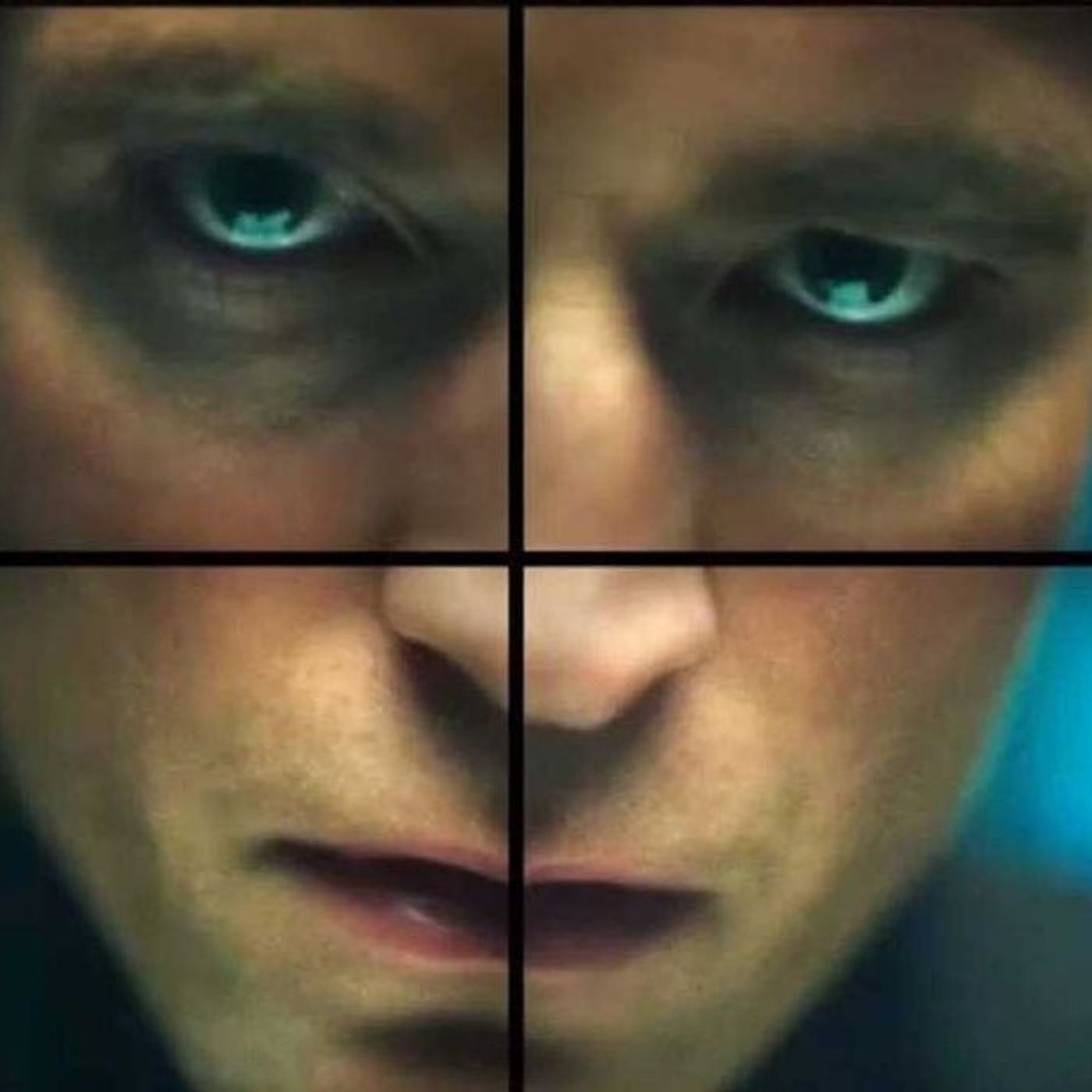
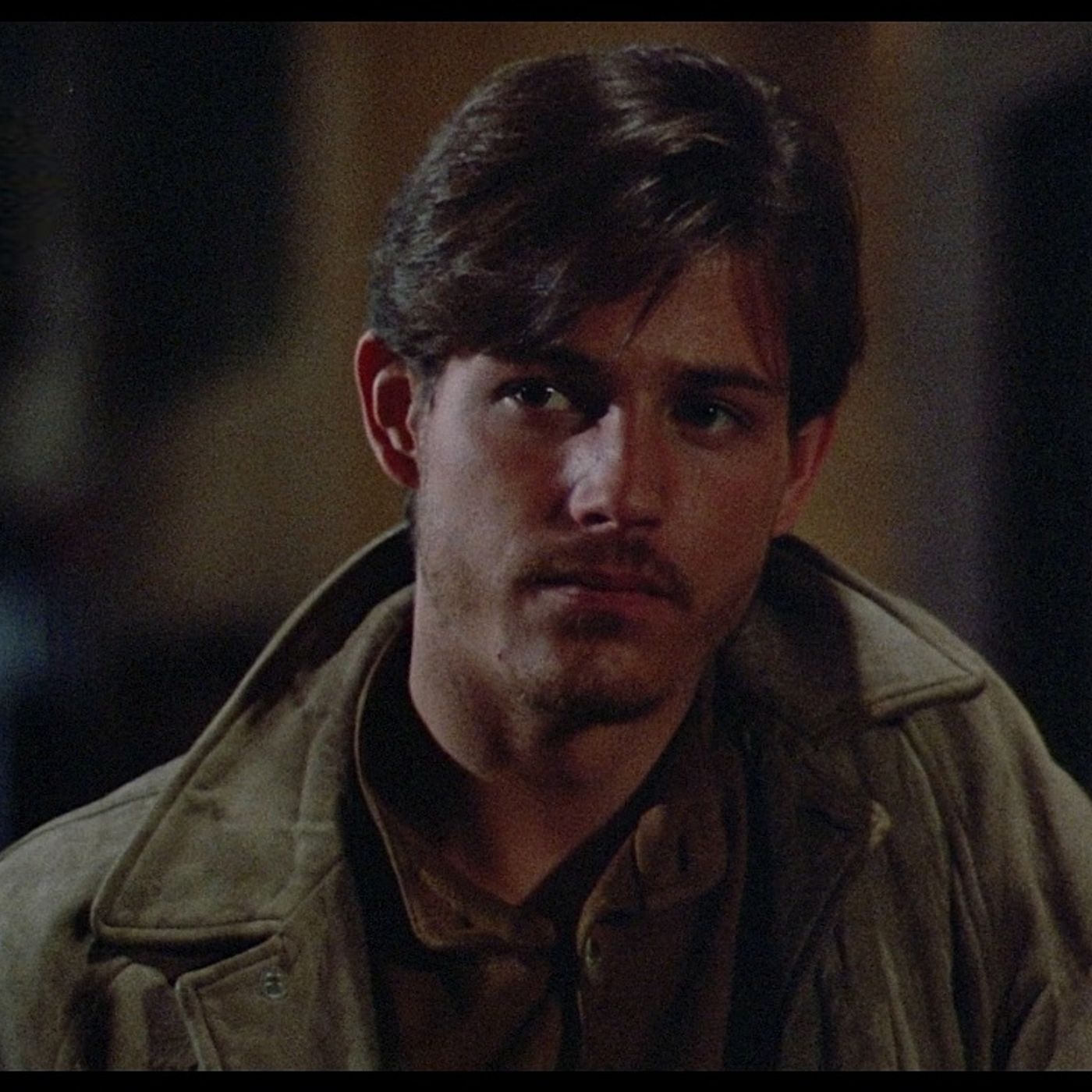
Movie Meltdown - Episode 591 This episode we sit down with actor Michael Paré and discuss his impressive and lengthy career. Plus we also rundown some of our personal favorites of Michael's movies. And as we dig into the films of John Carpenter in the 1990s, we also delve into… Eddie and the Cruisers, the camera knows where you're going, The Blasters, Walter Hill, above reproach, werewolf movies, Bruce Dern, The Philadelphia Experiment, four days in full prosthetics, not everybody can be an actor, searching for cryptids, Jim Steinman, Tom Berenger, shooting on a virtual reality LED set, this is an artist, Village Of The Damned, Eric Red, Jane Goodall, you can't say no to Diane Lane, Nix, Cigarette Burns, working in a kitchen, John Cafferty & The Beaver Brown Band, Willem Dafoe, Sacred Grounds, Crazy Times, Jeff Bridges, subconscious demons, flirting with girls, Dan Hartman, Bad Moon, Chevy Chase, the dog's POV and the challenge of marketing an eclectic movie. "I don't know if anybody is prepared for their first time in Hollywood."
Transcript
Automatically generated, so expect the odd misheard name.
Attention, shoppers! I trust you've got credit cards to pay for all that stuff. Hi, this is Captain Mary Stewart, and you're listening to Movie Meltdown. It's showtime. The following feature has been rated R by the Motion Picture Association of America.
It is intended for mature audiences and parental discretion is advised. Our nuclear reactor. Pumping out one million kilowatts of power. What's up and welcome to Movie Meltdown. I'm Brian.
And I'm George. And we're coming to you live via digital recording from the Oddity Studios for a very special episode. And as I was putting this together, our special guest star this episode, I was like, well, you know, beforehand, we'll want to kind of ease our way into the discussion. So who do I know that's super into at least one of the films of Michael Paré? So as I remember, when we first got together to kind of discuss doing these episodes and doing more of this, somehow we were throwing out movie titles and we got on a Huge run of Streets of Fire.
And I was like, well, that seems like a good way to ease our way in. So before we sit down with Michael Paré, yeah, I figured if anybody wanted to discuss Streets of Fire, you would be the one. Yeah, that would be, I would thoroughly enjoy that and definitely send my best to Mr. Paré. Yeah, I've been a fan of his for years.
Yeah, and I... He's interesting just because he hit at such a specific point. And, like, so much, you know, thrown at him at once. I mean, he starts off doing a little TV and then immediately gets, like, one of the biggest movies at that time. Like, not necessarily box office wise, but I feel like impact wise.
If you had cable in the 80s, Eddie and the Cruisers was on. It was just on a loop, whatever channel... Or if you owned. A radio or had a car with a radio, you heard one of the many songs off that album the year or so it came out. That Dark Side was on nonstop.
Radio Rock just played that. That was a great song anyway, but I think the fact that they had a way to mark it and tie it into the movie was like, I'm sure the studio and the radio stations all enjoyed this little tie-in, and they played that all the time. And it was just kind of a nice kismet sort of thing, because the band in the movie was billed as they were of the time, but also a bit ahead of their time because of Eddie's writing skills. But also kind of retro. Right.
It's like kind of a 50s rock feel, but then it sort of jumps ahead in time because he's ahead of his time, and then... I don't know. It's such a mixture of all of those things. Yeah. Well, again, like I said, you know, when they were doing it, it was, you know, the 60s.
So, you know, maybe the Beatles had hit, maybe they hadn't just yet. So it was not a common thing to have a front man who was your chief songwriter and you primarily did originals. Yeah. Most of those times, the days, you maybe did one or two originals and then you grabbed a shitload of the popular songs of the day and did them your way. Yeah.
Or as close to the original as you could. So that's kind of what they were doing. And so John Cafferty and the Beaver Brown Band had kind of a straightforward rock and roll throwback sort of sound. Yeah. In a time that they stood out.
And so, you know, basically it was kind of cool because the movie basically made two careers. It made Michael Paret and it made John Cafferty and the Beaver Brown Band. Yeah. Except that John Cafferty was kind of pigeonholed. It's like, oh, hey, we're the Eddie and the Cruisers Band.
So... Yeah. Yeah. I mean, again... huge at that point but then looking ahead it was like you didn't see a ton from him you know within the next within those 80s it's like you don't really see a lot more they they. Had one hit that wasn't associated the song uh city yeah that was the only hit they had that wasn't associated with any of the cruisers yeah but everything else was associated with either one or two uh so but yeah but yeah that was definitely my introduction to michael as well i was at any of the cruisers and so Streets of Fire was pretty easy when seeing kind of the first I think I can't remember if I saw the trailer or the box art first.
That poster art is amazing at least what they used in the US I've seen other weird variations overseas but like that just striking colors and like it's just so well. Put together it's always been one of my favorite movie posters always has been I wish I knew the artist who did that one but well. And it's another one of those that much like his first movie like had its own life in the soundtrack and it is a huge soundtrack once you get into the movie but really the only one that broke through that's how i knew the movie at the time like i didn't see it in the theater but i was glued to mtv like every kid at that point and i was like i saw that video daily probably multiple times a day and like i really liked that song And it's funny when you find out who the guy is who does the song versus what they show you on screen.
They are complete opposites. But it works. Yeah, I love that. I Can Dream About You was basically in the movie. It looks like it's done by Robert Townsend and his doo-wop band when it's actually sung by a white dude.
The dorky is looking like Dan Hartman. No offense, but he does not look like the cool guys on stage in the movie. Sorry, Dan Hartman. No offense. Just a great song.
I think he knows. He's not those guys. And even the studio was like, yeah, we like your song and all, but this is who's going to be singing it. They're super cool and slick like the entirety of this awesome movie. And I was also fascinated with the fact that Jim Steinman, of course, he had all the L & M and the Attack songs.
With the exception of Sorcerer, which was Stevie Nicks, which is a badass song. But yeah, it was always intriguing to me how Jim basically used two female vocalists for Ellen's sound. Sometimes they were used separately, and then for like Nowhere Fast, they were used simultaneously, which was great. That's technically amazing to make it sound like that's one singer with a powerful voice, not sound like. It's two ladies.
And it's completely, you can't hear it. And using that equipment at the time, not even fancy digital computer nonsense like we have now, like to be able to physically use these tapes. And create this new person, essentially. That's pretty impressive. It's groundbreaking is what it is.
And for that to get buried, you know, it just, yeah. Yeah. There's another thing I love about this movie. Because that thing is, I think this also kind of fell into, you know, some marketing snafus. Because it's kind of hard to market this movie.
It's kind of a musical. It's an action film. It's a romance. It's a throwback. It's not a throwback.
It's its own universe, essentially. Yeah, like, as you get into it, yeah. Yeah, because it's like, okay, this looks very retro and 1950s-esque, but, oh, wait, there's, like, music videos and neon and some modern-day clothing and. Wait, what? It's 50s and 80s, and I think it's, like, one town over from the Tim Burton Gotham.
Yeah. Like, it's also those same cars and kind of that same weird over-the-top aesthetic, but at the same time, it's also gritty 80s at the same time, like... It's such a weird mixture of things all crammed into one thing. And what war or conflict did Tom, Cody, and McCoy serve in? I don't know.
Because they are soldiers apparently, but he looks like he just hopped out of World War I. Yeah. Whereas McCoy looks like she came out of a M.A.S.H. Unit. Yeah.
Neither seem like nom vets. So, yeah, it's like, what war is this? I don't know. Yeah, I love it. And, of course, you got the biker gang with Willem Dafoe and Lee Ving.
Willem Dafoe, I mean, of course, he looked like a baby in this movie anyway, but just still sinister as all get out. He is so, and like so committed to this weird, creepy thing, which, again, later we would see him make a career of that. But at this point, he's still early on for him, at least on film. So it's like, yeah, it's so crazy. Because that's the thing.
I remembered it at the time. It was on cable after I watched the music video. Eventually the next year it shows up on cable. I kind of half remembered it and thought it remembered cool visuals and stuff. But it was only like in the last few years.
I went and like, I need to sit down and watch that. And sat down and was like, oh my God. Like this is amazing. Like there's so many parts here. again the juggling of everything that somehow works is like so amazing so yeah it's only recently i've come to like fully accept how phenomenal this movie or the fact that it ever got made so i don't know what walter hill did to bring it all together but at the same time it didn't really work out so i don't know At the time, it was certainly not the box office success they were hoping for. Well, see, that's the funny thing, too, is that, you know, critically, see, I would have enjoyed kind of a Rotten Tomatoes, something like that, around to see what this was because I've never actually, if people who are familiar with this movie, they never dislike it.
Yeah. They always have some level of enjoyment or they just flat out like me, I'm a fanatic of it. I think it was that, like you said earlier, I think it was that don't know how to sell it. Well, at the same time, I think the audiences were like, I don't know what to do with this. And that's why they avoided it.
Like if it would have been one thing, oh, this is a great new action movie, all the action fans would have gone, or this is a cool musical, like musical fans would have gone. But I think it didn't hit with any of the groups. So everybody kind of went, eh, whatever, let's go see this, and everybody went to something else, because I think it just didn't fall with any of those little subcultures, because it's like five or six different groups that should love this movie, and eventually did, but at the time, I don't think they marketed it right to any of them, so everybody just kind of missed it at the time, and found it later on cable, and then we all grew to love it, but... Yeah, box office-wise, I don't think it was appreciated the way it should have been.
Yeah, I mean, it's like anybody that's the rockabilly crowd, they love this movie. Yep. This is their movie. Well, I mean, it's, again, so many aspects. Like, even just the...
Again, sometimes I forget the Steinman part of it, and I'm like, that is its own subculture of, like, music fans that should be into anything that he has anything to do with because he's so weird and identifiable as a songwriter, so... He doesn't do short songs. No. No. And they're very...
Epic. Dramatic. Like, they're so over the top, which is perfect for a movie like this. Like, it's already in its own weird universe, so it's like you can... B is, you know, it's a rock and roll opera almost.
It's that like epic in the way it approaches some of these things. But then to have like the complete stripped down nasty version of the blasters in the movie when they get into the bad guys hangout, you know, and them performing and they got the girl scantily clad all twisting about on top of the bar. It's like the complete opposite side of the spectrum there too. So, of course, we can't forget Diane Lane's performance. I mean, she was just, gorgeous and just there i mean it's like just she was the rock star and she just sold.
It i was already in love with her by this point yeah like i again as one of those kids that just like that was my attachment was watching movies and occasionally tv people but the at There wasn't a ton for guys. Most of your Tiger Beats were geared towards, you know, the girls. Yeah. But there was one that split. So, somewhere I had from that, like, Outsiders era, there's, like, a fold-out poster of her that, oh, yeah, that was mine.
There you go. And I was all about some Diane Lane at that point. So, yeah, she was already, like, amazing and super young to be, you know, the lead, essentially, of. I know, yeah. Because wasn't she, like...
19? Yeah, yeah. Like, she was... it was written to be like a woman in her thirties, I think originally. And they saw this performance that she's giving and like, well, we're going to have to doctor this up a little bit. Cause you can't say no to Diane Lane, but yeah.
But, uh, yeah. So Michael parade or sorry, not Michael parade, but Tom Cody. No, that's right. I love it there. But yeah, that's one thing I love too about, you know, Michael's performance in this movie.
Like he is just the ultra bad-ass in this movie, you know, just play like, And it came off very natural. There's sometimes you get somebody in a movie that plays a tough guy and it looks like they're trying too hard. Yeah. There's a lot of that. There's a lot.
In a lot of action movies. But, you know, Paré, like, he's, like, even in Eddie and the Cruisers, too, it's like, there's a couple times where he, like, you know, was like, oh, dude, he's going to kick, like, Tom Berenger's ass or something. Yeah. Yeah, I was like, but yeah, it just, it comes, him being a badass comes off him real easy. He's got that kind of look to him and can just put off that kind of charisma.
Yeah. So it was real easy to buy him as a former soldier and coming in. He's basically kind of almost like a, you know, gun for have gun will travel paladin kind of dude. Yeah. And so then he comes back to his hometown to help out his girlfriend sort of thing like that.
You know, it's like, yeah, it is. Yeah, I did just his whole thing sold it for me. But the surprising performance for me always will be Rick Moranis. Basically, the only time in his career, as far as I can remember, outside of doing any SCTV skits, where he played an asshole. Yeah, and not just a little bit.
That's one of those, I forgot he was even in it until I went back and revisited. And then I'm like, not only is he in it a lot, but what a weird performance coming from what we know is Rick Moranis in future performances anyway. This is 84, so Ghostbusters came out that same year too. So it was a big year for him. And so we knew that kind of lovable role and later on do like the Honey, I Shrunk the Kids movies and all those other movies he's done.
So he's always done a lovable, nice guy role. I mean, to me, he's Seymour for the rest of his life. You know, it's. Like he's so lovable and so dorky. So like, yeah, let's be just kind of an asshole this whole movie.
I'm just like, yeah, this is a weird performance from him. But it's a great performance, too, because he pulls it off. You know, it's almost like, it's almost like if you would see like Christopher Lee do a good guy role, you know, it's like, and he does well at it. You're like, wow, I'm really, he's a nice guy, but you know, but he probably just act like himself because apparently I never got to meet the man before he passed, but apparently he was. A wonderful person.
I've heard great things. Yeah. Yeah. But anyway, so, but yeah, just for Rick to basically pull off this, like this, you know, just slimy, just, weaselly little manager, exploitive kind of guy. You just want to punch his face multiple times.
The fact that our character didn't is amazing enough. And Michael too, probably. It's such a great performance. It's a movie I absolutely love. From head to toe.
Nowhere Fast is still on my regular playlist. It'll come out from time to time in Sorceress. Or Sorcerer, I'm sorry, as well. So, yeah. I regularly visit those on a regular, regular basis.
It's amazing. And I've got a couple that I watched as a tie-in we'll get back to. But I'll let him go ahead and talk with us first. So we'll take our break here and sit down with Michael. And then I've got some other movies to go into.
I hope one of those movies happens to be a certain horror film that he's involved in. There is one, yes. Good, good. That's another one of his I really enjoy as well. So.
I usually try to get into it early and just see how everybody got to where they ended up. So I guess originally, where were you from? I was born and raised in New York. New York? All right.
Yeah, I went to cooking school. I was working in Manhattan. I met an agent, Yvette Bickhoff. She sent me to acting school. Two years later, I was on television on Greatest American Hero for ABC.
That's great. I worked in a kitchen for many years. Did you actually get into that? I went to the Culinary Institute of America. I was a chef.
I wasn't a dishwasher. I mean, I was running a kitchen for years there. What kind of kitchen? It was baking. They focused mostly on bagels.
But we baked all of it. But that's such a specific, I guess, New York, you know, that's such a specific process. Bagels is pretty specific. Yeah, you got to boil it. You got to boil it.
Or poach it, and then you bake it. Yeah, those people that just throw them in the oven and don't boil it, that's not a bagel. You're doing it. Right, right. Then it's just a muffin or bread.
But you were really into the culinary end of it before that? I studied for a year and a half. Yeah. I worked at Tavern on the Green. I worked in three French restaurants.
I was really into it. But I guess what was it about the acting that was tempting enough to sort of take you away from that? I went to my first class, and here it is. As a cook, all the waitresses in New York were actresses. They wouldn't flirt with a cook.
But when you go to acting class, if you did good work, they would flirt with you. So you had better experience. opportunities with pretty women in acting class than you did in the window of a kitchen. I think that's what lures a lot of people towards that. Oh, so you said then I guess the big one was getting on TV. Again, that's a pretty quick turnaround.
Were you prepared for being thrown into a weekly TV show? I don't know if anybody is prepared for their first time in Hollywood because I went from acting class to being on a network show. It was a big hit show. Even the theme song was a national hit for like three weeks. Yeah.
That thing was huge. I mean, and again, pretty, pretty quick turnaround to go from being part of an ensemble to, you know, your, your next big movie, I guess, is Eddie and the Cruisers where you're thrust into the lead there. I mean, you're, you're kind of the front and center on that movie. So once again, like kind of, How do you prepare yourself to be the focus of the entire movie, especially one that, like, the story itself is so much about your character and who, you know, who exactly you were? Well, I never stopped studying.
I still go to the actor's studio today. Yeah. So, you know, I don't think it was a matter of being prepared. Tom Berringer was a lead. Yeah.
Ellen Barber. was the female lead. And we were supposed... The band was supposed to be Tom Berringer's history. And it was about him, you know, coming to terms with his past. And coincidentally, the rock and roll was a hit.
So suddenly they... Started focusing more on Eddie. And you hadn't really dealt in music growing up, so. You really didn't. No, I never did.
Yeah, you weren't prepared to be, I'm going to have to pretend to play music later. Well, act. Yeah, yeah. But still, that's timing-wise, that's a little more difficult to throw together. And then I definitely wanted to get to Streets of Fire.
It is one of those I saw originally but went back and revisited in the last few years, and it's just amazing. Like, there's so much going on on screen, visually, and just all of those characters. Like, when you read that script, like, how does it come across, you know, before seeing all of this come to life? Like, on the page, could you imagine, like, what it would end up being? Well, you know, I had done this cool little movie with David Caruso and Ray Liotta called Crazy Times for TV.
And then I had done Eddie and the Cruisers. And after that, I went to Australia to do a period piece called Undercover. So I was doing this kind of artsy stuff. And my agent and manager sent me what appeared to be just an action movie. I was like, you know, I thought I was going more into the, you know, Martin Scorsese school of acting, you know, movies.
And they said, Michael, this is going to be a big movie. And Walter Hill, and I knew his work from 48 Hours. He did Hard Times. And Hard Times was the one that I loved. It was like, oh, this is great.
And then when I got to there's a big fight scene in the movie, I thought this could be a lot of fun. But I really wasn't prepared for a $ 24 million budget. Because Eddie and the Cruisers was like $ 3 million budget. maybe five by the time we hit the theater. And, you know, we shot in New Jersey on location, so it wasn't like a Hollywood production. But when I got to Streets of Fire, it was like, oh, my God, this is on the back lot of Universal.
Diane Lane is in it. Amazing. I knew she was on Broadway when she was 12 years old. I saw the movie she did with Laurence Olivier, A Little Romance, and I thought, wow, this is big. This is really big.
And then, you know, in comes Walter Hill. Like, you know, he's like a cowboy. You know, I would not have been surprised if he had been wearing a six-gun. You know, that's kind of his attitude. And he was a very cool guy.
But I don't think he was prepared to work with kids, you know. Yeah. Most of the cast was under 30. I think Willem was the oldest, or Rick Moranis. Yeah.
So, you know, Walter was used to working with cowboys or guys, you know, you know, and we were kids. So that was kind of a, yeah, it was a, that was, I was really intimidated. You know, I wasn't on Eddie and the Cruisers because like I said, we were in New Jersey. It was an ensemble piece and crazy times. It was Ray, David and I were hanging out.
You know, we were like three wild and crazy guys from Brooklyn and that's what the movie was. Yeah. But when I hit the set of Streets of Fire, it was like, holy shit, man, this is a big deal. Because didn't they tarp off so you could shoot night? Yeah, they spent $ 2 million.
They covered the back lot. Yeah, so we could shoot night for day. Yeah, night for day. Which it almost exists in its own world anyway. It's such a weird thing. visual presentation as far as time and space were they spending so much more time cinematography wise just to get that look because everything's so specific.
In that um uh god gene uh andy lazlo was the dp and he was hungarian and he had this accent so he was like very you know he just seemed like this is a an artist and you know he would spend six seven eight hours lighting the set so um yeah it was um A lot of it was the look and the music. But the story was pretty simple, you know. Diane is a local girl, comes home to do a concert. She gets kidnapped by the local bad boys. My sister calls me up and says, you got to come home.
And, you know, I get hooked up with Amy Madigan. And we go and rescue her and they chase us back. And there's a big fight at the end and I ride off. Yeah. And that's, I mean, such an interesting.
That's a simple plot. That's early for Willem, too. What was he like as your, you know, those scenes between the two of you? I think that might have been his first time on film. He's still pretty young.
Yeah, it's amazing. Well, he was like 10 years older than me. Yeah, yeah. So, but he had been working with a theater group in Soho called the Wooster Group, which was experimental theater. So, you know, he was a very artsy guy.
That outfit reflects his special black outfit there. Well then, I guess getting into some of the other, there was another around that same time, World Gone Wild I thought was crazy. That whole run of post-apocalyptic and not really fully explaining the story, I'm assuming had to be an interesting shoot because it's mostly desert. Well, working with Bruce Dern is what really hooked me in there because he was one of those icons of the 60s. Him and Jack Nicholson were doing you know, under five roles in movies, which you didn't have to be in the union.
Yeah. Right? And, you know, I had seen him all. I had seen all of his movies. I had seen The Cowboys.
So when I met him, you know, right away, I rolled off all of, you know, the fantastic work he did. So we became kind of buddies. He mentions me in his biography. Yeah. You know, he's like a page about how, yeah, well, Michael probably did a step on the same toes I did.
You know, sometimes a talent doesn't overshadow grace. so i i like bruce a lot i worked with him again recently. Between him and yeah i've at the time was in love with and have met katherine mary stewart she seems like the nicest person on the planet. She was a katherine mary stewart was a charming lovely girl she played the role fantastic and you know you have to remember she's in a cast with like eight guys yeah so you know and she could hold her own she was like dignified you know um She wasn't a bitch or any of the other condescending terms. She was just kind of like Mary Poppins. It's like above reproach.
She still seems that way. It's crazy. Working as long as she has and been through as much as she has, she still seems kind of wide-eyed about it all, which is amazing to still have that. That's so great. Because she's not pretending.
Yeah. I mean, coming back to... Were you prepared when they decided to do an Eddie and the Cruisers 2? Because that's kind of next on the list there. Well, I was surprised that they were doing it because Marty Davidson was involved, and he wrote, directed, produced, and edited the first one.
And for some reason, they didn't go with him, but they got a double album out of it. Yeah. You see, the difference is in the first. Now, some people like the second one more because there's more music. Yeah.
But, you know, as an actor, the first one, they hired a bunch of actors to play musicians. The second one, they were all musicians. Yeah, just looking at that cast, I'm like, these are huge names. Well, you know, I don't know if they were huge names, but they were musicians. They were professional musicians, and they didn't act.
Marina Orsini was beautiful and charming, but she was the darling of especially Montreal. Because her mother was a Montreal icon. She spoke beautiful French. She had beautiful eyes and a charming girl. But, you know, I don't know.
It wasn't as much fun because in the first one, you know, we really felt like a band because we all hung around together. We all went out together. And, you know, it was like we have an opportunity because we were all pretty young except for Tom. Yeah. You know, and Ellen had, you know, had already worked a lot, but you know, we were all new and we had this guy, Helen Schneider.
Yeah. Helen Schneider came from a band called Helen Schneider and the kick in Germany. And her manager kind of really took me under his wing and he taught me, you know, what rock and roll was really all about so that I could play it on stage. Yeah. That's yeah.
I mean, it's, it comes through. It is, it is impressive watching it. Um, I wanted to hit a few other, mostly just director-wise, because I know on story credit on Philadelphia Experiment was John Carpenter, and then you come back on Village of the Damned to work with him. So I guess what was your interaction with John Carpenter over the years? Well, when I met John for Village of.
The Damned, he. You know, John is a very successful guy, and he has houses all over fucking California. So I meet him at one, I think in. Toluca Lake. And he says, so how'd you like Philadelphia Experiment?
I said, John, my brother came home from engineering school with that book, Philadelphia Experiment. And then here I find myself seven years later being in the movie. yeah so it was really cool and he says well you know I gave it to those guys because I didn't know how to end it you know when they added the love story it all kind of sewed it up together yeah but I also wanted you for Starman but they went with Jeff Bridges instead and I said well Jeff is an amazing talent so I don't feel like I've been slighted there and uh we talked a little bit about life and I was a father already, you know, and he says, well, you know, okay, yeah, we're going to use you in this. And it was that simple. No auditioning, just you wanted to, you know, some of these great filmmakers, they want to know what it's like to be around you.
Yeah. You know, what you're going to be like and the things that you're going to talk about, what's important to you. You already knew I could act because I'd done half a dozen movies and TV series. So, You knew I was professional. And that was it.
The same thing with Eric Redd with Bad Moon. I happened to be in L.A. because I was already living in Europe, and I met him at the Warner Brothers lot. And I had read the script, and, you know, a werewolf movie, a studio werewolf movie. You knew this was going to be good. And Eric wrote a fantastic script, and the dialogue, in the transformation scene was just fantastic.
So I met him, and we talked for a little bit, and I said, listen, Aaron, what's entailed in me getting this role? And he says, just say yes. And I said, yes, yes, yes. And he says, but there's one caveat. You have four days where you're going to be in full prosthetics, and it takes four hours to put it on and four hours to take it off.
So you're going to be eight hours in makeup, We shoot for 12 hours. And I said, can I sleep in the motorhome? He says, absolutely. And I said, deal. And, you know, Eric was so passionate.
And so he knew exactly what he wanted. He fired two DPs because they weren't giving him– because we had to do a lot of tests, you know, doing the werewolf stuff. And he fired them because he didn't like what they were doing because he knows exactly what he wants in that frame. So that was a thrill. I, Eric and I did another movie together called a hundred feet.
So I played a werewolf for him. And in the hundred feet, I played a ghost for him. And, uh, it's just one of my, one of my favorite experiences was working with Eric. Well, I guess you do spend more time just on the set together than even in front of the camera. So I guess it is just building those relationships.
Well, they want, you know, it's not always, it's not always fun. You know, um, a lot of times they just, You know, directors have so much on their mind. Oh, yeah. It's not just the performance. It's they make sure you get the content and make sure that it's good for camera, that there's no fuck-ups, that there's no mistakes, and everybody says the dialogue and pushes the story forward.
Yeah. And then there's other times where, you know, you'll see a director and he's completely confident in his crew. And nowadays, you know, directors are looking at monitors, but in the beginning... You know, directors, like when I came up, like on Streets of Fire, I don't think Walter ever looked through the lens. Yeah.
You know, because you're not allowed to. It's a union thing. Got a guy running the camera. Yeah, you stand and actually physically watch people work. So when I came to Hollywood, you know, Stephen Cannell, I called up, you know, what did I know?
I called up Stephen Cannell after we shot the pilot. I said, so when is this coming out, Stephen? And he said, Michael, why don't you come over to Paramount and I'll show you. And he took me to the editing room and you see all of these pieces of film on. closed pins hanging by, you know, a closing line. And I said, wow, man, is this how you do it?
I know we're done shooting, but we didn't finish the show yet, Marcel. It was a great guy. Steven was a great guy, and it was really sad to see him go. Yeah. Well, that is one of the things I wanted to look at just as far as, like, career-wise because you've got so much stuff that you've been shooting.
It's changed so much in, I guess, just– having the possibility to shoot digital and then streaming services have kind of upped the places to be able to put films. Now that there are so many out there, do you find it easier to, to go from one project to the next, or is it still kind of the same fight it was in the earlier days? Well, everybody knows, you know, when they're talking about me, they know my work, they know, you know, I'm, I'm very capable and, and I'm, For the past, like, 20 years, the same people have been hiring me over and over again. So, I mean, you know, I've got a good reputation. The thing that's different, and what I just did, I shot a movie that, the first movie that shot entirely on a virtual reality LED set.
It's called Nine Windows. And that is a big change. A big change. It's as big a change from film to digital. And, you know, they do it with Mandalorian, but, you know, that's, That's a television show.
Yeah. This was a movie, so this is the first movie. So I'm not making that up. I was on a talk show in L.A. about a week ago, pitching it. Yeah.
But, you know, it's like on a 50 by 50 stage, and it has a wraparound of these LED panels. And it goes up maybe 30 feet, and the ceiling is covered in these sensors so that the the camera knows where you're going and it changes the background depending on where you're walking. And it's just like, wow, man, this is almost like Star Trek's. Yeah, the holodeck. The holodeck, exactly.
That's amazing. So is it easier to do that versus a set? I mean, or is it. Well, it's different. It's not a matter of...
It's a skill set. It's more like theater because you're on the stage that's set there. And, you know, the fourth wall is where the camera is, but the rest is, you know... But it's electronic, you know, and it's a different environment, but it's really the same skill involved because, you know, you're still talking to another actor and the drama happens with a human interaction, right? Yeah.
However, if I'm supposed to be standing on a prairie with a herd of cows behind me, there might be one big cow here and the rest is, you know, a herd of buffalo or whatever the hell it is. That's crazy. And it looks very real. And if I take a few steps here, the herd changes. It's like amazing.
That is. Yeah, it has to be a game changer at this point because it will give, especially moving forward, once it gets more affordable, like independent filmmakers can do kind of anything. Well, it is not as expensive as people think. You can get one of the mid-range LED sets now built with the whole package for like $ 3 million. Sure.
And you can use it for every movie you come up with. So think if you're a small studio and you say, I got $ 5 million. I'm going to build the stage. And then with that $ 2 million, I'll make four movies. And there, I've covered my nut.
And now the studio is free, free and clear. You can just keep bringing in new projects. Well, on that, I know you've got a lot that you've done recently. Do you have any ones that you want to tell people about that are recent stuff that's come out? Well, this movie, Nine Windows, is coming out in the spring.
I have another one called The Knicks with the maker of Sharknado, Anthony Ferrante. But this is like a very cerebral, serious kind of thriller monster thing where the monster is actually a manifestation of the ego and, you know, subconscious demons that, you know, materialize. I've got one. You know, I'll be honest. I've done a lot of work this year.
Definitely. It's going to light up. It's crazy. I really can't think because, you know, I'm working today. Yeah, it's fine.
And that is why I was kind of bringing that up. Oh, there's one I did with Vivica Fox and a female director, Jahan. And it's like a whodunit on a vineyard. Vivica Fox and I are married, and our son is marrying into a vineyard royal family, right? And, you know, our son gets killed.
Oh, man. Yeah. So the whole movie is about who killed who and why. That's awesome. But, yeah, they are shooting so many now.
Because, I mean, even here, like, growing up, this was not a place you could ever find a movie shooting. But there's two that I know of. One just wrapped. One is about to start. They're like, because, I guess, tax credits help, and then people are willing with the digital equipment now, you can kind of set up different places.
So I feel like they're making so many, not totally low budget, but mid-range movies that didn't get made even 20 years ago. It's such an industry. Everybody can buy a digital camera and these LED lights. For two grand, you get a whole fucking lighting package. And then you rent a red And, you know, you get a script that the writer is directing or the director, you know, is hired by a producer who wrote it.
So you can make them for real cheap, but, you know, cheap isn't always good. Yeah. You know, not everybody can be an actor, and that's just the fucking bottom line, man. You know, I'm a member of the Actor's Studio, and that's, you know... kind of like a very prestigious group of actors. And there's a lot of talent in that room. every day.
Maybe 5% of them make a living acting. You know, so it's not just talent. And they're in Hollywood, so they can meet who there is to meet. And there's just something that some people work and some people don't. And it has, you know, it's...
That's why people feel like there's magic in Hollywood because any Hank mechanic can be a panic. Yeah, it's how it was built. It's how it's come together. Well, again, I know you've got a bunch of stuff in the works. Is there anything else coming up that people should look for?
I can pull it for us if you want. No, I'm doing a cryptoid pilot. And it's kind of like X-Files. It's called Sacred Ground. And that one I'm kind of excited about.
Because, like I say, it's the same format as X-Files. But instead of looking for UFOs, we're looking for Cryptoids. And the first one is a tribe of Sasquatch. You know, so the idea... You know, and, you know, it's the same problem that real scientists have.
The minute you endorse the possibility of UFO, you're not a serious scientist. And the minute you say that there could be a Bigfoot out there, like Jane Goodall, you know, the chimp lady? Yeah. She endorsed a friend of mine's project about Bigfoot, and she lost her contract with the, what's the big media? Like PBS or?
Oh smithsonian yeah she she had a contract with the smithsonian but when they found out that she endorsed this bigfoot theory that there is an unknown primate in north america she lost it and then she got picked up by the discover magazine. People get really weird about this i i do really like the whole idea of cryptids and and As a show, that would be great because there's so many options. Like every part of the country has, you know, we have a weird public monster that lives here under a train trestle. Right. And for generations, people have stories about it.
And it's, yeah, it's crazy that like everywhere you go, everybody has a different variation of these things. Yeah. Around the world. Yeah. That's amazing.
So I definitely want to check that out. All right. Well, thank you for being here. All right. Thank you.
All right. Well, thank you to Michael for sitting down and putting up with me because I'm a challenge, I know. I apologize for all wrongdoings. But that aside, he's awesome to talk to. So yeah, the ones I've watched lately, like kind of knowing this was coming, I was like, there's a few, some of which I hadn't seen and like it surprises me.
Actually, the main two are both horror technically. So I guess first up, as you heard, I brought up Village of the Damned. Ah, okay. Now I am like hardcore Carpenter anyway. Yeah.
And like, I will, on a short list, give several of his movies like masterpiece level. Like he is, he is a phenomenal filmmaker. And then there were a handful, very few I hadn't seen. And like somehow, like I remember this coming out. We were talking before we got rolling about working in geeky stores.
I remember the store I was at when that movie came out because we got the one sheet. Oh, yeah. And even then, I remember looking at it going, Christopher Reeve? Kirstie Alley? What is this movie?
So, and then somehow along the way, just had never gotten around to it. So, I just recently went and watched Village of the Damned and it's such a, I guess I'd only basically knew the, the original premise. So I, I don't think I realized how crazy that opening like 15, 20 minutes span is. And then, so I won't totally ruin it for people who also hadn't gotten around to it. You should definitely go check it out.
Um, but yeah, it's such a cool setup. And then what we kind of know as the audience is pretty quickly, like the rest of the town that this is built around has to go, well, uh, guess this happened. So they all just kind of have to accept it, whether they like it or not. And by the time we get to the kids and they're as grown up as they get in these story, uh, yeah, they are, they are creepy, which is their job. Yeah.
I think what doesn't hold up somehow the color makes it seem sillier. Cause I'm watching clips of the old ones and I'm like, somehow the black and white, it, it transfers easier. It's easier for these kids to just be creepy and, And not so silly, but, like, something about the white hair and the glowing eyes when it's in color just made... I don't know. It's harder to accept it...
I don't know. Maybe it's just me, like, giving a pass for older movies, too. I don't know. That didn't do anything for me. I will say I do enjoy the black and white, you know, version of, you know, Village of the Damned, the Children of the Damned.
It's a later sequel. Yeah. But, yeah, I thought the remake was great, though. I, you know, it's... It's kind of fun because it's a very good film.
It comes off well. It's in the minority of a good remake of a movie that didn't necessarily need to be remade. Yeah. But it's well done. I wouldn't say it's as classic as his version of The Thing because it doesn't necessarily reinvent the movie.
Definitely not, yeah. And that's why his version of The Thing is so great, because it does reinvent The Thing for another world. It's a whole other movie. Yeah, it takes the premise and just gives you another movie, where. This sticks pretty close.
It does. It sticks extremely close to it. But yeah, it's still a very good film. It's kind of an understated Carpenter movie. It was kind of that weird later period of his stuff.
Well, that's what I was looking at. I was like, the 90s are a weird time for Carpenter. All of his classic stuff is kind of that 80s run. And then as soon as it hits the 90s, which is pretty much this movie, from that point on, everything he does is just different than his older stuff. It's rocky.
Well, no, I guess we kick off. We talked about a few years ago, we did a whole episode on Memoirs of an Invisible Man. Oh, boy. Which I actually like a lot about that movie, but it doesn't overly feel like Carpenter. And it's such weird casting.
And they both seem like they're going in opposite directions, basically, with the movie they're trying to make. So it's a hard sell anyway. It's a conflicted movie in itself. I think it's one of those things, like, if you take either John Carpenter out or Chevy Chase out. It works.
It'll be a better movie. Yeah, it comes together better. But somehow they're both just sort of butting heads and like, I'm making my comedy. I'm going to be serious. And they're both going in opposite directions of who you think should be doing that and it lands in the middle, but it, it, yeah.
Oh, if you think there's conflict with the movie, look at the behind the scenes. Yeah. I can imagine. Yeah. I mean that not only did it really scar carpenters, uh, want to kind of do Hollywood movies anymore.
You kind of started backing off, you know, at this point, uh, it hurt a lot of Jimmy Chase's career because no one wanted to work with him after more after this. Well, we've not heard better things as the years. No, he never learned any of his lessons. Well, he's still alive barely, but, Career-wise, yeah, not so much. He's physically still alive, kind of.
Community was the nail in the coffin for him. Everyone has stories that's like, okay, we're done working with you now. Yeah, it's like, you know, for one cast member, usually like when a cast member of an ensemble show leaves... It's a big, oh, we're going to miss you. It was great working with you.
We're going to keep in touch. You missed this person. He was like, don't let the good door hit you with a good Lord split you. Get the fuck out. I think even the cast was like, how have we made it this long?
Even the fans were like, he's still on here. Really? Like, yeah. And it was unfortunate because I did enjoy his performance in community because, you know, it kind of. Well, it's close to him.
Like, he was kind of a jerk, so it read as realistic. An insane, out-of-touch jerk. Yeah, definitely. Let's get that out of the way. But yeah, so, oh well.
But yeah, anyway, the Carpenter run there. So it's like, it's Invisible Man, it's In the Mouth of Madness, which again is God It's Following, but it's different for Carpenter. I very much enjoy that one. That feels like a Carpenter movie. That's the closest one in this run.
Because then after that, you get Village of the Damned, Escape from L.A., and Vampires. All of which are kind of like, everybody's just sort of like, I don't know. I like this part about this. And people just didn't know what to do with the rest of his 90s run there. I like Vampires.
I need to re-watch that. It's been a long time. Since I've seen it. In the mouth of madness in Vampires, it was a 90s run. I will definitely defend those films.
Escape from New York. Sorry, Snake, you're on your own. Escape from L.A. I'm sorry. Good lord, my mistake.
Escape from L.A., Snake, you're on your own on that one, buddy. Yeah, and then the less said about Ghost of Mars and the Ward, the better. I will say, though, of his late period, his finest achievement was his episode of Masters of Horror called Cigarette Burns. Yeah. That.
It's Carpenter at its best, but unfortunately it's only like an hour long. Yeah. So it's like, damn, this is so good. That's when he started kind of tapering off. And yeah, he did two of those. and that was about it.
I don't know if I saw the second one, but Cigarette Burns, like I bought. That's a classic. I bought a copy of that. Everybody references that to this day. Yeah, I mean, that's probably the best episode of the whole series, in my opinion.
So that's its own little weird tangent, which is what I got on as I was watching this. But what's funny is that it was a tie-in specifically to Michael because I did not see his character ending up the way he did. Let's put it that way. If you haven't seen it, go watch it. It's an entertaining movie.
I like a lot of stuff going on there. I'm always impressed with Christopher Reeve, like specifically outside of Superman because... I'm always impressed that he makes me care about Superman. So that's how I know he's a great actor anyway. Yeah.
But when he does other stuff, it's always so cool to see him. So, yeah. It's like, use your heat on these kids. Oh, wait. It's an interesting performance that even then turns in the middle that you're like, whoa.
Everybody just starts to, like, fall apart in this town. As we get halfway into the movie. So it's a fun movie. So, yeah. Interesting footnote about Village of the Damned, too, about this particular remake.
When it came out, of course, it had a nice theatrical run. It made its money. It was well-received, whatever else. But when it was eventually pulled, as it usually does, I remember a cousin of mine who lived in Parkersburg, West Virginia, said that weeks after that film was pulled, his local theater, which was a one-screen theater, that movie was still there. It played for nearly three months.
They skimmed other movies that were bigger hits that could have gone to other theaters around town because everybody loved going to see Village of the Damned. Interesting. He's like, that movie made so much money in that town. In that one theater. He's like, I.
Don't know if it was an isolated thing or not, but he's like, it was just weird. He's like, I saw it probably about four or five times myself. I was like, That's kind of odd. But cool, but odd. It's a cool setup.
Like, again, just the premise alone is such a cool idea that, yeah, then you throw in all the cast and Carpenter. It's like, yeah, it's got to be fun. But it kind of makes sense to play this kind of movie would play in a small town. It's a remake of an old 60s horror movie that wasn't gory. It was spooky, but it wasn't gory.
And that's how the remake was. And it's about a small town. Yeah. So I guess it can kind of play. It works.
Yeah. Um one other horror movie michael prays i'm not gonna get into this one or not but. I only well i had one other one set up so let's see if you pick the same one would be bad moon that's what i just i have recently watched and uh it's another one of those i knew the box art and i kept thinking i was like have i seen this one and the more i thought about it i was like i don't really remember seeing the one that had him in it as if not our lead certainly our werewolf So, yeah, I've recently watched it, and it is a lot of fun. It's number five, but it is in my top five of werewolf movies. I mean, it's such a fun flick.
It kind of reminds me a bit of Silver Bullet. I love Silver Bullet, too. Because it's the who's the werewolf sort of thing like that. And then when you find out, oh, it's Uncle, it's. Like, ah!
But then for dog lovers out there, The dog is the hero of the movie. He's kind of our protagonist. He is our protagonist. Really. I mean, cause it's based on a book.
The book is named after the dog. Yeah. It's called Thor. So many shots of it are POV dog shots. And like, there's so much of it that like, he is the hero of our story.
I mean, he. Literally is by the end, but even in the beginning, like he's our main character that we're sort of watching this scenario unfold through his eyes. And like, We're seeing the kid, but we're not seeing it through the kid's eyes. We've got the mom there, but she's just there to be a mom. And the one that's seeing this guy come in, I'm like, I don't trust this guy.
I know he's family and all, but something weird's going on. It's all through the dog. And I'm like, that's such an amazing. I was like, Primo is our main actor. Okay.
Primo plays Thor the dog. Okay. And, like, I kept watching it going, this dog is a good actor. Because there are so many times when he has to do things that are, like, not what a normal dog would be doing in this scene. Right, yeah.
Or there's a time when he's, like, trying to keep, like, Meryl Hemingway's the lead and, like, the other lead. And, like, she's trying to drag him back. And his motive as the dog in the movie is to go after this thing that's, you know, potentially a werewolf. Yeah. And like he is selling it.
I'm just like, how do you even get the dog to do the thing that you need him to do while in the real world you're dragging him back this way? It's yeah, it's an impressive performance, not just from Michael, but also from our lead dog. Yeah, but of course, you know, it seems like. Sometimes you explain this to people and they're kind of like, oh, no, no, no. You have to defend the gimmick a bit.
Oh, no. Well, and it doesn't seem overly gimmicky. Exactly. It's genuine to our character who happens to be a dog. It works, but if you're telling someone who's never seen the movie, yeah, the dog is kind of the hero of the movie and you see some of the movie through his point of view.
Yeah. They're like, what? No, no, no, no, no, no. It's like, okay, I know you've seen The Hills Have Eyes 2 where the German Shepherd has a flashback. This isn't that.
It's not that. This is good. It works. It doesn't feel stupid or gimmicky. It works.
It's great. Go see it. But, yeah. The other thing that, you know, to give him credit, Michael's performance is because he is meant to be kind of the hero when we start. We start the story with him.
We bring him into this family and, like, we kind of already suspecting that what happened is what happened because we saw it at the beginning. But we don't know for sure, like, the... outcome of his attack at the beginning because it's you know no spoilers it's the first thing that happens in the movie and like so we know that happened we suspect this is what's going on but he still has to be like the likable uncle and he like has to sell this as his like actually caring about his sister and wanting to be around his nephew and like he's the hero he's yeah and it comes off like he's going to be the hero for a little while until you start seeing him Like, you know, he's up to something and he's got his restraints and he goes out in the woods and you're like, OK, this can't be good.
So as it unfolds, he almost becomes the full on villain. Certainly by the end, the monster does. But like there's a midway point in this crosses over to the other thing that's really great about it, where he's in the halfway makeup and he's got the teeth and he's got the eyes kind of done and like. he's delivering lines still so it's like it's still him yeah and still selling his like normal human performance but with this monster coming out of him and it's such a great moment and the makeup is so good so there's most of what's going on in this where where the werewolf is involved is practical there's a moment in the middle that there's maybe some sort of cg or cg at the time going on but The majority of it is a physical, made.
Werewolf, and it looks really cool. Yeah, and seeing as around the same time, the horrid sequel to American World from London came out and was almost entirely CGI, but it had a theatrical run and bullshit and whatever else, whereas you've got Bad Moon, which was a straight-to-DVD release, but was a great film. It was just criminal that this was not released to a wider audience. Well, I was thinking that earlier, too. I was like, because we, on the recent soundtrack episode, we were talking about that 80s era of werewolf movies.
And, like, we had that, you know, dueling werewolf movies in the same year. And they were both practical effects and both, like, super cool. And, like, people love American Werewolf and The Howling. But then I was like, they're really, like, from that point on, there aren't any, like, go-tos. Like, everybody has their favorite little one-offs.
But, like, especially that 90s run. Like, there was... Not a whole lot that were successful. They made a few. There were a ton of Howling sequels.
Yeah. But, like, for the most part, there's not really a one-off that's, like, universally loved like either of those 80s ones. Sure, yeah. Everybody has their favorites. You've got people that are, like...
I think the closest, as we move forward in time, is, like, Ginger Snaps has a really big fan base. And then there's still people that are like, I love Dog Soldiers. Yeah, I was about to bring up Dog Soldiers. I was like, there's pockets of, like, fans for each one that comes out. But I was like, there's just...
Nothing else that really reached those heights of, like, beloved, you know, fan base and practical effects. But, like, this one was kind of, like, sold short because it does pretty well on the practical effects and, like, gives us a cool story and good performances, too. Yeah, I think it depends on who you talk to. If you're going to talk to a movie fan, especially horror fans, they know Bad Moon. Yeah.
And generally they love Bad Moon. Yeah. So, yeah, your general audience, they don't know or maybe they have seen the box art. We're like, oh, I don't know about this one. No.
If you see, if you're flipping around on like Tubi or any of your streaming channels or whatever else pops up in your weird horror movies, like, oh, I'm not sure about this one, but it kind of looks cool. Yes, it is cool. Go watch it. Yep. Michael is very good in it.
So that was just another one I'd watched recently that I wanted to throw out there. Nice. For the most part, just wanted to say thank you to Michael for sitting down, talking with me. And he is, again... Go look at his IMDB.
He is one of the hardest working men in show business. I know, right? He had that run in the 80s there, but he just consistently kept working and has made so much stuff. And that's what that is. I was like, I only had a few things I could pick.
And I'm like, there's just so many things you've done. And so by the end, I'm just like, you pick some stuff. Or what's the stuff coming out? So yeah, it's an interesting career there because he's got so much stuff that he's done over the years. No kidding.
Yeah, so definitely keep an eye out for stuff he's got coming out and check it out because he's putting out some interesting stuff. All right. Well, that about does it for this time around. Once again, thank you to Michael and thank you for listening. Y'all have to be good out there.
Otherwise, that about does it. We will return next time. Same geek feed. Thanks for listening. You've got so many dreams that you don't know where to put them, so you better turn a few of them loose.
Your body's got a feeling that it's starting to bust. You better rev it up and put it to use. We'll make it all alone When you're home to make. It better And it better be tonight And we'll. Fly away on those angel wings Of Rome in your daddy's car We'll be there for you tonight I'll be there for you tonight And if you don't have anywhere to go And we gotta get away from the past.
There's nothing wrong with going nowhere, baby. But we should keep going nowhere. It's so much better going nowhere. It's like a prison. And the night is a sail Going anywhere, it's gotta.
Be hell And tonight, cause it's day and here, it's gotta. Be hell You're dying in the city like. A fire on the water There's no running on the back of the way There's gotta be some action on the face of the earth And I gotta. See your face once again And I don't know where I feel that I was. Fooled So alone and independent But I'm dependent on you.
Now And you'll always. Be the only thing That I just can't be without And I'm out for you tonight I'm coming out for you tonight Even if. You're not in. You and me, we're going nowhere slowly And we gotta get away from the past There's nothing wrong with going nowhere, baby But we should be going nowhere fast Everybody's going nowhere slowly They're only fighting for the chance to be last There's nothing wrong with going nowhere, baby But. We should be going nowhere fast.
God speed God speed Speed us away God speed God speed God speed Speed us away God speed God speed. God speed Speed us away. Bye. Bye. It was Rue McClanahan and Betty White, I think, and who else?
Oh, it was like Fred Willard. It was the most love boat ever. I think I know what you mean, because there's been a couple times where it's been like, holy crap, it's the best of the guest stars here. It's like everybody that was a cliche love boat guest was all on one episode at the same time. It was like, what the hell is going on?
That was when they were having their own Infinity War and Endgames. Pretty much, basically. Fred Willard gets. The glove, we're all screwed. This episode is a production of Movie Meltdown, produced and edited by The Oddity Studios, with the opening music performed by The Empires.
For more on how to sponsor or support the show, email producer at moviemeltdown.com. Talk hard! This program is a proud member of the Battleship Pretension Fleet.