
About this episode
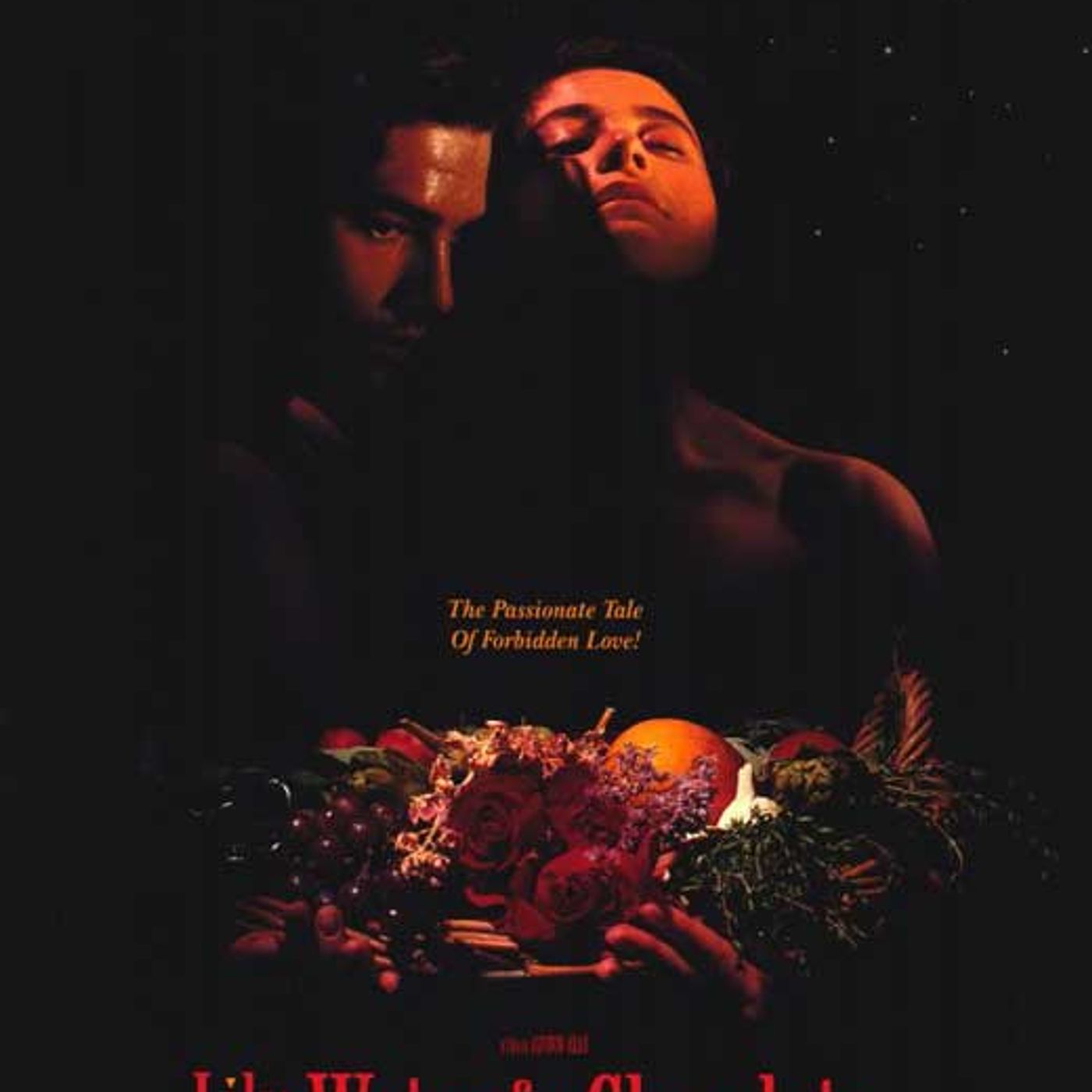
Starring Lumi Cavazos as Tita, she embarks on a journey of self-discovery and self-reliance as she experiences a tumultuous life in early 1900s Mexico. Forced to take care of her mother due to her being the youngest child, the film chronicles her life and her yearning for love and affection from an unobtainable source all the while she infuses her cooking with her emotions.
For more Kulturecast episodes and podcasts guaranteed to be your new favorite audio obsession, check out Weirding Way Media at weirdingwaymedia.com.
———
The Kulturecast is a film and culture podcast from Weirding Way Media, hosted by Chris Stachiw, the Doctor of Podcasting, alongside a rotating table of guest co-hosts. Each week digs into where film and culture meet — and how each one bends the other. Now home to sub-feeds including Required Viewing: A 360° Film Study with Dr. David D. Perlmutter.
New episodes weekly.
Subscribe on Apple Podcasts → https://podcasts.apple.com/us/podcast/the-kulturecast/id931361376
Spotify → https://open.spotify.com/show/5wjxip9XVYapYuY12yEaGY.
Back the show: https://www.patreon.com/cw/kulturecast
Transcript
Automatically generated, so expect the odd misheard name.
H We're but I'm not talking about it solo now, am I. I'm not talking about Como Agua by myself. On this episode of the Culture Cast, We're just gonna get right into it. I am joined by my two good friends who have not been on an episode together, but they've been on this show plenty of times, all the way from eighties TV Ladies, a show that you could check out on the weirding Way media network. Susan Lambert had him Hello, Happy to be Bad, and all the way from astounding tales of the public domain midnight viewing noise junkies.
Good night, mister Walters. I could keep going, and you could. That's fair. Your friend and mine father malone something in Spanish see as they of a theme. And on this episode of the Culture Cast, we are continuing Spanish Language Film Month with a look at nineteen ninety two's adaptation of a Laura Escavell novel, Like Water for Chocolate.
In Tita's kitchen, ordinary spices become a recipe for passion. In the magical movie, Critics are falling in love with Like Water for Chocolate, an instant, classic, erotic, and delectable, scrumptious sensual and visually alluring. Two thumbs up, Way up. Prepare for a Treat The extraordinary new film by acclaimed director Alfonso Rao Like Water for Chocolate, rated R, now playing at select theaters. So the film is directed by Alfonso Rao and it stars Marco Leonardi Loumi, Oh my God, I'm gonna butcher all these I do perfect with him, Cavasslumi Cavassos, Regina Tomay and Ada Carrascos.
And the film is all about Lumi. Cavassos is Tita, who plays a woman who is a slave to the whims of culture in the early nineteen hundreds in Mexico, where she is forced to take care of her mother because she's the youngest. And that's the way it works, don't you know. Tough shit, as they would say. And the movie chronicles her life as told to us by a narrator in sort of present day maybe president who knows, but in the future, so it's told in vo through flashback.
But it is all about this character's great aunt. So, Susan, I'm going to kick it to you first. When was the first time you saw this? I know you mentioned it to us before that you've read the book, so let me know all about your thoughts when you saw it now and when you saw it then about like water for chalk. Well, here's the funny thing.
I realized in rewatching it that I never saw it. I saw part of it on cable, but I never saw the whole thing. But I did read the book. So I'm going to start with I do remember reading the book, which in some ways I think, having seen like a few clips of the movie, I figured I just saw it like although they're very different, they're very different the book in the movie, but I just assumed I had seen it before. But as I were watching it, I'm like, I don't think I ever saw this whole thing because I just didn't remember so many things, and it's hard to remember movies you saw in the nineties.
I don't know about you, but for me sometimes i'm but as soon as I start watching them, I'm like, oh, I remember that, and I remember that. I don't remember enough of this movie to know that I watched the whole thing. I think I watched, like like caught part of it on cable. So what did you think watching it now? Oh?
Well, I have a lot of thoughts, but my top ones are these all I was almost all I was thinking about during the very beginning of this movie was Okay, when was this in Merrimax history, because this was sort of at the height of Merrimax or the rise of Merrimax, and so it had a lot of those Mirrrimax elements to it. It was shot beautifully, just absolutely gorgeous. A lot of naked ladies, a lot of titties. And I don't know what I'm allowed to say on this, but you said titties before either one of us did, so I know, I figured i'd jump right in. I get ahead of the game.
We weren't going to until you did, so, thank you. Yeah, the damn has been broken. Susan said, titties. I thought I'd get ahead of the crying game. No.
Um, I'm making a little Mirrimax joke there, Okay, for all your kids out there. Um. I And beautiful, beautiful directing. It's not a great adaptation, if you ask me, but that's that's my top level. But it's but it's the kind of a gorgeous poetry of a film.
Welcome alone. What about you? I know, I know you're a fan of nineties indie films and films about movies, because we're films about movies, films about food. Because we're gonna be talking about a film about food later this year. This movie could have slotted in there.
Actually later in the airpo tell me a little bit about your thoughts of Like Water for Chuk I have a very long history with this movie. In nineteen ninety two were actually ninety three. This is released in the United States. I was a projectionist at a movie theater in Santa Monica and Miramax. Miramax booked us as their limited engagement for the movie, so the movie came out in May of May of ninety three, but we got it in February, and we sold out every show for months and months and months, and Mirramax quickly figured out that not only was it doing very well at our theater, but it's mostly industry people coming to our theater.
So they four walled us with Like Water for Chocolate for a full year. I have seen this movie. I don't know how many times. Too many times I will say I have seen, particularly because as a projectionist I've got other duties to do other than just watching the movie. But I've seen the scene with Gertrudis in the shower one billion times, and I'm not going to apologize for that.
I was it was just funny years so so now I have not seen it since then because I have seen it too often. I will say, at the time, I had a little cat who never left my kitchen, so she was named Tita at the same time that this movie was playing in my theater. Anyway, I have not seen it since I was telling Chris off Air. I didn't realize we were recording today until ten pm last night and immediately put the movie on and I watched about five minutes of it went nope, I've got it. So it's sort of the same nineties amnesia you're mentioning, where where like it all flooded back.
I'm okay, got it. No, I don't need to. That's all my preparation I need, because once again, Chris, I've seen this movie too much, but I love it. Iver. It never grated on me that it was playing as long as it did.
That was enchanted April, which also played for a full year. That was good for three months and then, but like water for Chocolate, I never got old of or I never got sick of, so I was happy to re experience it here, even as briefly visually as it was. It's all still locked in my noodle. So I have not seen it before. I had not read the book.
But again, it was a standout in a lot of lists of Spanish language films worth talking about. So sitting down to watch it, it's not the kind of movie that I would go out of my way to watch. It's not something that I'm not talking about the subject material. I'm just talking about the kind of movie that this is. This is a very specific kind of movie that was made in the nineties that they're not making these any more because they kind of made them already.
They've made enough of them that the ones that exist are still good, still worth checking out. But nobody's making them now or a multitude of reasons. And I mean, maybe again, maybe it's less they're not making them now, but the art form has kind of transitioned into something else that's less recognizable as But this movie, I think it reminded me of Heavenly Creatures. If Heavenly Creatures wasn't as engaging as Heavenly Creatures is, I just wasn't as engaged with this movie as I was hoping I would be, And I think it's because, like you mentioned, Susan, this feels very much like an idea that works better as a book than it ever would as him kind of like No Country for Old Men, a little bit ironic that you know, Karmick McCarthy passed away today, or you know we're talking I'm mentioning a country well men.
But that movie has a similar weird thing where I understand because having read the book, the way the narrative progresses makes a lot more sense literary in a literary sense, but this there are parts of this that they're supposed to time jumps that are very hard to not understand. But there's one towards the end of the movie that's almost unforgivable in the way that it's used, and then the expectation of the audience to interpret what's going on without them kind of explicitly saying it. But all of the kind of the narrative choices aside. The acting is what you're here, and Lumi Cavazos is fantastic and she carries the movie completely. But again, there's parts of this movie that seem a little wheel spinning to me.
And it's an hour and forty five minutes, and then the director's cut is even longer than that, it's one hundred and forty three minutes. But I didn't walk away from it thinking I needed more. I think it needed some clarification on the storytelling devices that they're using, because there is magical realism, but there's an it's almost that there's not enough, or they're not I don't know how to explain. It's not that there's not enough, but the movie kind of doesn't make a big enough point about some of the things that happen to kind of like rein force what's going on. You're just supposed to interpret it as the audience, which is perfectly fine, but I just wish there was more of it.
Maybe that's just me. Well, that's that's interesting because I think in some ways the first half of the movie is very different from the second half of the movie. And I think I did watch the extended cut. I didn't realize they were two because I definitely watched the one that was like one forty something, um and and the first half of the movie is taking a lot of time. It's very it's very sort of indie movie and very you know, like there's a lot of time, even though you're jumping, you know, through their lives, there's a lot of a lot with the food and establishing that that how she feels when she's making the food basically you know, affects literally how people ingest it and what it does to them after they have eaten her food.
And um and and so that's such a beautiful like and that's very much of the book obviously. Um there's a recipe in every chapter book now and again, I wanted to find the book. It's one of those books that sort of stayed with me, which is why I kept it. I had kept every book I've ever owned or read a lot of them, but not everyone, but that one I kept because it was the beauty of the book itself was really neat, like there was a recipe in every chapter that started every chapter and this is what I remember because I haven't I couldn't find it. And then and then and then it almost felt like I think it was like every month in her Like it sort of jumped through time as well.
Um and and so I um uh, that would be a hard book to adapt so I'm not saying that that the adaptation is good or bad or indifferent really, except that it's just so different from the book in terms of just style, right, like like just in terms of like how would you take this book that's so episodic and yet also so specifically magical realism around food and recipe. And then the back half of the movie kind of felt like it left a lot of that part of the magical realism behind and became like a little bit of like the ghost of the mom and you know, kind of haunting her, and it became a different kind of magical realism in the movie that did I don't I think didn't really match. The food left the metaphor of the movie, and the engulfed in fire became the metaphor.
The matchbook metaphor came that we get about halfway through the movie came to the front. Anyway. That was sort of like just sort of struck me. I was like, oh, well, I think we sort of lost the magical realism threads that you kind of want to pay off more. Absolutely, yeah, I mean all of the magical realism in this movie is predicated on the food, So why does it drop out in the final Like it doesn't really pay off in the book either, honestly, the food sort of thing.
I mean, you're still getting recipes and in the final chapters. But but Tita's not really using her powers for anything. Uh. By then, she's just accepted her fate as the you know, the little match stick girl basically, like you know, this is you know, and she uh you know, I mean it starts with her with that, with that, the pregnancy of tears, you know what I mean, Like she's just faded to be this person. And the book and the film kind of both embraced that, but it abandons what was so delightful about the movie for so long.
Uh. It's such a great concept that whatever emotion you're feeling, you're putting into your food, and then whoever ingests it is going to feel that emotion. Uh, they could have something come up with, something clever for her to do with it at the end. I don't know, just some last thing. But but and again I'm gonna say, I gonna shout out the cast because it really she's fun.
She's just magnetic, right like you just like I'll watch her. I want her to be okay, I want to watch her bake food and pine um. Uh. But but it's it's it's sort of it's so challenging to look at all these movies now in the light of for me as a woman who was I was just finishing grad school. I think that's one of the reasons I may have missed it, as I was in my last sort of semester, I think when this movie came out of grad school, so I was a little inundated with the film I was making at the time, the short film, and so I missed this.
But as a person who then went into the movie industry in the nineties at a time when Merrimax was like the greatest independent filmmaker distributor, you know, like film company that everybody wanted to work with and and everybody you know, was just starting to win everything box office and awards, and now you know that basically the head of that company was raping women at that time. And so it's really hard, I will say, looking back at this film to not be um when there's these just gorgeous, beautiful shots of of of naked women and women and then and then scenes of women being raped and and uh, and scenes of women going crazy and so they rip off all their clothes and they're huddled in the in the in the top of the chicken barn.
I'm not question where she was and um, and you're like, really did she She couldn't, She couldn't have her that the she's knitting a the other thing that she's doing is sort of knitting that amazing blanket that stays with her and gets bigger and bigger, right, And she didn't keep that with she didn't drag that up with her, Like no, because we had to have you know, you know, women who have lost their minds over their grief naked in the straw. There's a lot of nudity in this movie. And yeah, coupling that with them, I mean, look, you know, I think Fatemo and you and I talked about this, uh when we did the Confessed Fletch episode that was a mirror Max movie too, and I think we said essentially we said, and which is like, I get that this movie came out in nineteen ninety two so or three, you know whatever, in the nineties, so you can't do anything about it then, But like, I don't want to fucking see it anyway, like it had it holds no fucking cache or anybody like and if it does, yeah, like, well the logo or the nudity listen, no, no, no, no, no, the logo.
The nudity is fine. I'm talking about the logo. I don't want to see the Mirrormax logo in front of things like contemporary stuff like that Fletch movie, Like it was in the front of that. That's like, what the fuck wants to see this? Like we know what was going on.
Why this company is where it is is because one person was amusing And yeah, it kind of makes all these indie movies featuring female casts coming from Mirrormax all feels kind of ikey and just like the kind of I'm good with leaving this in the past, Like I that sounds terrible, but you got a distance the industry from this somehow. Well, and there's a there's an interesting thing. So there's a book that recently dropped that is called Burn It Down about ABU in Hollywood, not quite sexual abuse. I haven't read it yet. There was a Vanity Fair article, but we have it um and uh and and so abuse in Hollywood is still happening, right so uh, however, it is getting called out faster, right, um, but it you know, and and it was going on before the nineties, right, Like you know, I was a huge John Ford that I grew up on, you know, watching the Westerns on television and and uh and and watching um uh all those kind of stunningly beautiful like you know Westerns and the the the Billy Wilder movies and stuff like that.
And I am not going to speak of Billy Water but uh, but then you read about John Ford and he's a jerk. He's terrible to particularly to actresses. Now I don't know that he was raping any of them, but he was abusing them. Uh. And you're like, God, but how can you make the movies have such humanity that he made in them and and be terrible a terrible person, uh and be a beautiful artist?
Like that is that is the conundrum of Hollywood of all art, right like that we know, you know, it's not just films and TV um and and yet and so there's a certain thing of like, well, there there's the art, and there's the artist, and yet I think there are are artist or let's I don't know that we would even call Harvey wins being an artist. We'd call him a producer of a lot of movies and a pick and a distributor, a distributor with a good eye, a distributor. Mainly, I would say, yeah, yeah, And but the abuse is so egregious, right, and like like to the level of a serial rapist, right, that's what was going on. So it is really hard now to look at any of these movies and not be just just physically worried about the people on screen and what they had, what they put up with to be there, and then and then just the extra creek factor now of like, oh, I'm not just watching a movie where we're we're saying that the female body is beautiful, because it is, and that the male body is beautiful and there's there's male nudity at the end of the film, uh a very brief man, and it's and it's and it's also no fun, right, Like it's not for fun, said dicks are no fun, Like I just you know, like I get that there's not an analog, but like a flaccid dick never did anything for anybody, Like they weren't getting an R rating with a with a stiff cock on screen.
Sorry, that needs that needs to be a tag like they're not getting an R rating with the stiff Cock They're not. But it's also, like you said, it's not exciting, like it's just it was also the nineties, remember, so you know, yeah, yes, and and literally the like the year after The Crying Game came out, which is kind of I don't know if that was the first major distributed movie that certainly the first was on my radar. Yeah, yeah, anyway, so I which was also Merrimax. But I think, um that that's it's hard. It's really hard not to watch these movies now and not have that for me.
However, that said, the movie itself, um was so in some ways that quintessential nineties movie that that was a foreign made movie and the rise of independent in some ways, independent film that would cross over to other countries and particularly the United States, which I would say up until the eighties and nineties had a lock on filmmaking around the world that would be considered globally influential, right that there was and that was the thing that Merrimax did was bring all these amazing foreign filmmakers to to to you know, American society and uh, and I think I appreciate that the I'm, you know, going to distribute these foreign films that otherwise would not be known in the United States.
Is the good legacy of Mirrormax. That's what I liked about Mirrormax at the time, that they once they started full on producing films and we're basically purchased by Disney anyway. I was always like, why why do you guys keep saying you're an independent You're on by fucking Disney like this. I appreciate the product you're giving us, but you should you have no place at the Independent Spirit Awards. Get out of here, no no, and no place, and no place at Sundance after that.
And yet Sundance is now kind of all of that. It's just the pipeline to the studios by the studios that are already sort of self have already selected half of their product before Sundance like um, so it's it's a different time, but it was a very exciting time for indie filmmaking when this film came out. It did feel possible coming out of grad school at the time, coming out of usc Film School, that at least there was some path being being kind of hat um potentially for independent film. And yet it very quickly. I think got it assumed.
You know that was at the right word, got a got absorbed. Yeah, yeah, um. But the other interesting thing about this movie is is is you know there's both the food and then there's the family, like the family drama like it like I think, and that's happening also enjoy Luck Club, Like we were starting to see sort of female family dramas. Um that that we're really digging into stuff often based on books, right, um written where the books were written by women, the films would be often not made by women. Right.
So it's a it's a male gaze, Yes, it's a male gaze on a on a female written work a base like the core the novel. Um And and that's just interesting when you're like, well, what would what would it look like to make to adapt this novel? Now it wouldn't be a movie. I mean again that at the end, yeah, like it would be very different. Because again, I know, I don't think that this is gonna strike anybody as surprising, but I mean cinema in a lot of ways is not the best place to adapt long formed stories of any kind.
Like there's just there's not enough time. I mean there's there's not enough time to do everything right. And even you know, Laura Escaville is she adapted her own book. This is her script. I mean, she wrote the script for the movie.
So at least, like to your point, Susan's directed by a male director, but at least it is the script is adapted. She adapted her own work, which makes me question some of the decisions that were made, I think even more because you have an opportunity to kind of maybe correct the problems of your your narrative, of your story that you wrote in a cinematic version. And yeah, I mean when you have time jumps, you have you have credits on the screen or you know, title cards on the screen showing like Rio Grande Texas and stuff, but then the time jumps happen without them, and it's like, yeah, it's like, guys, like there's this story is kind of a complicated narrative as it is because, like we've mentioned, there's magical realism with food.
There's these kind of deep seated familial problems that are being worked through. There are three female characters that are almost in a lot of ways, not even characters, but almost stand ins for specific kinds of people or expectations within the culture. You know, Tita Rosaura and yes, that one. All three of them are representative of three different kinds of women in that society. So it's again like there's a lot going on, and for as much as there is going on, it is a engaging story.
I just feel like it would be a TV show now with like a miniseries like it would be like it's like a ten part or like you said, Father Malone or twelve like something to that effect, and it would be I think the magical realism would be there throughout because I think that's that's the most interesting thing about this because otherwise it's just another movie from the nineties that's an indie movie. The things that it does that are interesting are the things that it kind of doesn't have any interest in doing later in the movie for whatever reason. I prefer literally, for whatever reason, because it's she's still cooking, she's still doing all the things that she's been doing throughout the movie, and then we get to you know, the last twenty minutes and the movie just feels like it you know, Wiley E coyote drops off of a cliff and plummets down and it's like, we're done, it's over.
Whoa. It reminded me the ending of this movie reminded me a lot of Ragtime. It's like you're, you're kind of you're the planes coming in for landing here, and then we just cut the power completely in plummet to the ground. Well wait a second, Well there's a lot and and again I don't like because movies are obviously shot out sequence, but it almost feels like again, they just literally ran out of time, right this this is what happened in film school, Like you just run out of time to finish the back, you know, third of your film because you spend so much time on the first part of it, you know, and then you're like, oh, well it's due, I got to turn it in and can we just like the whole place on fire?
That's an ending. Yeah, it is an ending. And that is what happens in the book. But I've got to assume in the book it's much more well earned than it is here, Like, well, because the book's not trying to track too much, right, Like, the book is so episodic that it's not as you know, I think there was definitely an attempt And again I don't remember the book super closely, but it's it's more like, here's a chapter, here's a chapter, and you're telling this overarching story, but you're just telling these events. And I think the movie wanted to do a more traditional narrative structure, and that's a challenge in I don't think we Well, you could do it better now because you have more tools for telling that type of story in an unusual way, given you know, the the the sort of the sophistication in storytelling that is that is that has happened for audiences since the nineties.
Right, you don't need to spend lots of time on beautiful shots, so they're nice to have, Um, you don't you can you can actually make a non linear narrative now and audiences will be with you even if you're jumping around. At that time, I think they didn't quite know exactly how to pull that off, um because there weren't a lot of that happening, and they were so concerned with doing both, like, Okay, we have to jump through time because we have to hit all these things that are in the book, but we also are trying to it's a it's a pretty traditional storytelling for a story that doesn't technically need to be told in a traditional way, right they start, Yeah, I mean and and I'm not saying like you know, it's it's told him via a flashback, but they sort of don't use the narrator that well now, And that's that's why the book, even though it's more episodic than the film, feels more personal because you have the same voice guiding you chapter to chapter, whereas here we get the narrator for ten seconds and then she pops in when it's kind of necessary, where they feel like they haven't papered over these gaps between episodes and yeah, it's just it's actually more of a distraction.
Yeah, I think this would it would be an interesting TV series like limited series, and because you could, you could basically treat it like chapters. And again, I think we as audiences have a more sophisticated an ability to make the leaps that that I'm not sure audience has had in the nineties, just consistently like in their pockets, like we we've taken you know, we've we've jumped through time and space with every friggin Marvel movie that that it's like, oh, okay, this got it. I got it. She's doing this and she's doing that, and then now we're here and just give it to me and let's move on, right and yeah, then take time with the characters and the magical realism and the relationships and and developing that because that is you know, again when you talk about the strength of the actors, you're talking about Okay, well, all right, so mom had uh three daughters, the last one born early immediately and in a sea of tears that literally created a bag of salt took them.
Yeah, and I kept hoping that would come back a little bit. They're using the salt, you know. Um, she's using the salt that dried out from where she was born. The last meal she made should have been the last grain of salt. Yes, yes, and good morning quarterback, y'all.
We know how to do it. But we got it all thick worked out. We're good. Yeah. But the other thing that's very interesting is is you do want to spend more times with those relationships.
It's like, okay, And so then there are these three sisters. The middle again we find out with basically one line that the middle child is probably and then we learned out definitely uh, basically the the the child of an affair with a mixed race person and which we never meet other than in a picture, like in my reading, Like, yeah, the movie that the movie expects you to have read the book is almost what it feels like, because there are things that like the dad dies when he learns about that, and it just has him go. He grabs his arm in his chest and then it's just cuts to a guy blowing out a candle and he's dead. It's like and we're out of funeral. Yeah, it's like, whoa, oh, I loved that.
Yeah, I mean, I don't I don't mind. I don't read the book. I just saw this as like here we are, we're getting to the family. I do want to say Laura Eskivell's screenplay based on that book is actually a fantastic adaptation. It was her first screenplay, obviously, I agree with you.
However, Susan, she was maybe not the best person to adapt. It's often authors of prose when it comes to the screenplay, like they don't get what was important in the book. Sometimes I'm not saying that happened here, but there were evidently problems with the screen player. We're talking about here as far as the adaptation, but putting it into sort of a traditional narrative like they did, it mostly works. Like I didn't have a problem with those early scenes with you know, we only get one shot of the dad because he finds out and keels over.
You know. I liked that. I thought it was economical and slightly amusing. Yeah, And I think that's the other thing. There was a little bit of a tone thing, because that was an interesting tone and it and it had touches of that, but not really.
It then be goot very dark and stayed dark. And only the the the older sister, right, who is the one that goes off with the with the bendito, right, like the that's the middle sister, that's the okay, But so I don't understand. So now I'm confused. The oldest sister. So the middle sister is the one from the affair, yes, right, the one who off with the revolution the one who runs off with the revolutionary okay, and the um the and then the older sister is the one who ends up marrying her love right, um and and then and then dying of flatulence the runniest scene in the movie.
And and again you kind of you. It's nice that they give you a chance to hate her again because she's going to do to her only daughter what you know what the mom did right, she was ready, she was gear enough, fucking ready to go too. She's like, I don't care, I'm gonna do it and uh And what's funny inherit Lena's mantle. But it's horrifying. But I love that they have that.
It's such a smart character to have in there, right, the character that again hasn't learned anything because there was nothing for her to learn, because she had none of this put on her at any point. She got what she wanted and then got what someone else wanted to. And I love that. I again, I love this narrative. I just wish I know that I'm saying they wished there was more of it.
I just wish there was more of a certain thing that would be there in another way of telling this story, because that relationship between Tita and Rossara, I think is the most interesting relationship of the movie, at least the one that you know ends up kind of carrying the second half of the movie. The Gratrudis relationship ends up never really being touched back on, she disappears, comes back for like ten minutes, and then disappears again, And yeah, I mean it works for what her character is. I just wish there had been more of her at the beginning too, so we could understand why she fucked off as hard as we understand because of the mom treating Tita that way. But again, like I would have liked to have just seen more of it because the beginning.
I think the beginning of this movie is way more entertaining than the last laf and because for a minute, and I think, I feel like this was more in the book, And I think that's what a novel can do, that even that even a little bit in a novel about sort of those characters. They can be the the antagonist, but they can still have a little bit more humanity than you get in the movie version of this. And so you know, it is a little bit like, Okay, how are these the how are these sisters all from the same family right and grew up with the literally the exact same context uh and uh and yet they have wildly, wildly different uh um, not just personalities but but literally outlooks on life and and so um and yet they never communicate any of that to each other.
There's never a you did this to me and I did this to you, and the way that I don't know. Sisters often talk to each other even when they don't like each other, and so you never get this movie may not actually pack past the Bechdel test. There's not a lot of even though it's all women, they don't really talk about anything, right, They talk about food. They do talk about food. You're right, You're right, you're right, creaming foods everybody, And that's it.
Watch this movie ever again. They pulled it out, but they don't really talk about themselves. They don't go, here's what I need. We know that the middle sister supports h Tita, but but we don't know why they hate older sister until she just sort of marries the guy that she knows is in love with Tita and she doesn't seem to care. But we don't even get that in the movie because and I'm gonna say that even though uh that that it's um that even though it's based on the book and she did the adaptation, um, I think that that was also probably an adaptation that was shepherded by not only the director who's great and who was her husband at the time.
Uh, it's it's also you know, again informed by a lot of notes. You definitely, studios, even independent studios, even foreign studios, were giving a lot of notes, and particularly depending on when Merrimax was involved, and they just distributed this, they didn't Yeah, yeah, they just picked it up after it was completed, but they probably did a cut on it. Um, that's what would be my guest. But I don't know, I have no idea. Well, there's a u I mean, there is a USA cut and a Mexico cut, So there are two different cuts of the movie.
Is the longer one the Mexico cut? Yeah, the American cut is an and forty five minutes, and then the Mexican cut is two hours and three minutes. Okay, I think. I think in the Mexican one, the death of the mother doesn't happen immediately. She takes care of the mother as she dies, which which is like again like I mean, you know, the father thing is one thing, and I mean it's abrupt, but they handle it rather well by making it kind of like stylistically abrupt the way the mom dies, just like for a character that's as big as that character it has been and the influence of the mother on the other characters in the film.
She's kind of killed off with No, I mean again, it just it just happens. I mean which again, if that's the point of the movie, I get it. But she's the antagonist of the film, so she really should have a better send off. She's not gone. No, she's not gone.
But if she's gonna, but even if she's coming back, that because that's where that's where the film starts being abrupt. And maybe is that cut? So I did not see that cut. I saw the hour ofty thought, yeah, a lot is that? Yes?
Yeah, I don't think I've honestly seen the director's cut because I only ever saw it at the theater and I never watched it at home. Ever, I'm going to guess that some of our problems with the back end we're probably solved by that two er cut. Well, we're here, We're were here reviewing the US cut. True, that's true. No, it's cool.
And listen, I gotta tell you, I'm a little jealous of you being in the projection booth watching this movie. I can totally see in the nineties, in the early nineties, how that would have been just a magical experience. Oh yeah, it was wonderful. It was consistently it was the new Wheelshure Theater in Santa Monica. Yeah, and we were two screenhouse, so we would consistently have a Mirrormax film booked on one theater and then calendar for for the other theater.
And oh my god, what a wonderful time to be to be in an independent movie theater house seeing all the independence like good, bad and indifferent. It was. Yeah, it was pretty great. Yeah, I mean, and that was sort of the saving grace of trying to be in film school in the in the late eighties and early nineties was the independent film house because otherwise you couldn't see anything right, Like, there wasn't you know. It's so it was so hard like and it's so it's you know, it's so weird because now it's like, oh, you want to watch a movie, you can pull up the movie, the foreign cut, the director's cut, the script, the first draft of that script, and everyone's so spoiled.
We couldn't get anything. We would have to look at the television listings that the scan the movies like oh god, okay, so Thursday night, either set the VCR or set my alarm for this particular flick, you know, the new wheel Share. It used to be a vaudeville house initially, so there was still a fly space behind the screens where Landmark Theater kept their catalog of films that they owned that they distributed to their calendar houses. So as a key holding member of that building, I would go in early every one every morning and watch all of the classic movies that they had access to. It was amazing.
Okay, that is amazing. That is amazing. And because because yeah, yeah, because movie theaters were sort of the church of the film lover. Yeah, and so you you know what a well, that's pretty pretty fantastic. It was a film school experience just all on my own.
Yeah, um, you know, getting to see like I remember the effort it took. So in high school I started being interested in filmmaking, right like I made Super eight films with my friend and and then by by senior year, I was like, I want to go to film school. There were there were three in the country. There was USC and California UCLA in California, and you had a film program. The only three film programs in the country where it wasn't a program.
There were smaller like, oh, you can kind of do a side like you could do like take six classes, you know, and then there would be film classes at certain places. But those were the only film programs in the country at the time that I started to get interested and I decided I wanted and so I applied to all three of them, but I kind of pulled my UCLA one because basically, if you're an out of state applicant at that point, they were also like you're never going to get in and we hate you, and you're going to pay not only full price, but like extra and a pretty similar experience, and so I and then I ended up going to USC. But that senior year of high school, I was suddenly like, I have to consume films, right, I want to study films, so I'd better watch films.
And so I remember I had read about Citizen Kane, and Citizen Kane was playing in downtown Atlanta. Was from Georgia, and I was living in the suburbs Decatur, and uh, and I was like, I gotta go see this film downtown. And I was like seventeen. My Mom's like, well, you're not driving downtown by yourself, so you can't go unless you get somebody to go with you. And uh.
And so I was calling all my friends trying to convince them to go see the Wine Guy in a black in a black and white movie that it was the greatest movie of all time. But I couldn't really explain it to them. Oddly enough, no one took me up on it. Right. No, So I'm like literally out of time.
My last one is Scott Rogers. He's got to go with me. I'm like, Scott, you gotta go with me. I can't go of and remember somebody and uh. And he's like, uh, like, call mister Lloyd.
Mister Lloyd was our English teacher, our ap English teacher. And I was like, I can't call mister Lloyd. And he's like, no, call mister Lloyd. He'll go with you, go with me to the movie. And he's like call.
So I called up mister Lloyd and I was like, ah, mister Lloyd. Um, uh there's this movie and I really see um and um it's playing downtown at the One Art Theater Atlanta and the thing and it's it's Citizen. And he's like, oh, Susan, you must see that movie, because he knew I liked films like okay, And he picked me up in a station wagon and we drove to down. I said, I'm going with mister Lloyd Mom. Now this would be a creepy story.
Yeah, you stopped short of the creepy part. I feel like because there was no creepy part. Because that's a wonderful story. What a time to be a wonderful story. And that my ap English teacher went out of his way to drive me and to drive with me to downtown Atlanta, explaining on the way that I probably wouldn't understand or like Citizen came the first time I viewed it, but I had to view it three times before I made a judgment on it.
This is an English teacher, right, And we watched the movie. He drove me home. Absolutely nothing creepy happened. The next day in class he brought me a book. He gave me a book called Teaching English in the Motion Picture, which had an entire chapter on Citizen King and um.
And then ultimately wrote the best recommendation letter ever, one at my three recommendation letters for film school. And I kept that letter for about twenty years and every time I felt bad about myself, I would pull out mister Lloyd's recommendation of me for college and be very thrilled. I also used it as how I wrote recommendation letters for other people later. That's what it took to see a movie you wanted to see. You spoiled brats out there your YouTube and you're probably listening to this on a phone right now.
Back in that, you could make a you could watch this movie on YouTube. You could make a movie on YouTube, put it on YouTube, and then watch it within a day. But back to water, like, yeah, I remember that. I'm sorry. I just had to get that out because I'm so that that the art house movie theater made it possible for for people to study movies.
And and now anybody can study movies, which is great, and we get now a whole new you know, generations. I think access is better. But like like the old vaudeville, like the theater, people who remember Vaudeville, the film people who remember the independent movie theater, that is just such a special palace and sacred place for loving movies that I am also very jealous that you did that. I was never projectionist except for a couple of times at USC just in necessary times. Yeah it was.
Yeah, I wouldn't trade it for anything. The experience of showing fantastic movies to throngs of people and dinner and educating myself all along the way with them, you know, and this movie in particular, like as as long as long as it seemed that it stayed there just squatting on screen and cinema number one. It's still one of my favorites of all time. And I recognize all the problems with it now another we're all discussing it in sort of a critical analysis way, but still love all of these actors. The problem is that we don't get enough of them, I think ultimately, because they end up just sort of representing the different themes, which is the sort of railing against tradition, which I mean, it can't be more explicit than Gertruders, who actually joins the Mexican Revolution which is going on at the time, so you know, and I love rides off naked on a horse with the revolutionary and comes back dressed as with with her like bandeleios whatever those are called, with the yeah bullets on them, and yeah, I like that, you know, as a metaphor was pretty pretty crazy.
It's pretty spectacular, and that for me, I think is you know, again, if you look at it as less characters and more just ways to talk about these things, I think that that works. But again, that's why I come back to the idea of like this. Ultimately, I think it is better suited as a book in a lot of ways. Like again, if you're not going to read the book, I understand why this exists. There needs to be a visual medium version of this because the book was pretty important.
The movie comes out and it's the highest grossing foreign language film at the time in the States, so I understand why. But yeah, it's not that the characters are flat. It's just that the characters feel less like characters and more stand ins for things and ideas. And because they never talked to one another, it almost feels that they're compartmentalize that way too, and their interactions don't kind of meet. Their interactions are kind of just in separate lanes and they're looking at one another acknowledging that they're there, but not really interacting.
I mean, you know, Tita and Gratrudis Interact two times in the movie. I mean, Rossara and Tita interact like two times in the movie. It's infrequent enough that you can point at those moments to be like, these are the two scenes. These are the two scenes, and that's it, and it's like this this movie, those characters deserved better, because there were parts of this movie where I mean, again, the Marco Leonardi character of the love interest of Pedro, he the most thankless role in the entire movie because he pretty yeah, that's it, that's it. Does he need to be more than that?
Honestly, he just needs to be the object of desire. I mean, could have been more than that. But he's characters could have been more. I think I agree with that, Like their interactions are not enough. We don't really get to experience anyone's actual point of view, but that guy's pretty A point of view that we see is the great granddaughter reminiscing on the great aunt's life through the cookbook that she left.
So it's it's kind of even meta then. I mean, it's metta to itself, right, because it could have ejected the great the grand niece and the cookbook and just told us the story get into it, let it to us. And and and here's the thing I think that is where the novel is such a that's just a novel concept of how you're going to tell a story, right like like to to be like I'm going to it's it's a it's a very grand tradition of literature. Is let me tell you the story of my ancestors. Now that I am telling you, I'm telling you this.
Yeah, and that's you would make that character more in the television show, and there would be a reason why she had to tell the story now and had just found the cookbook or just rediscovered the cookbook or whatever. And um, but the only person you actually get a lot from is doctor John Brown, the best character in the whole movie because he explains what he wants. He he he And quite lastly, they almost ruined the movie for me. Oh yeah, because physician no no, no no, not the explicition, but the fact that you're like, dude, lady, he is a much better match for you. Yeah, oh yeah.
He when you said no to him, he walked away. But he will have child with your sister. He didn't have a child with your sister. It was just so I could get close to you. You don't understand.
I just bang because I had to. It wasn't because I wanted to. I mean, come on, convenient, dude, like I got you flowers. Though it's it is shade, it is, you know, speaking of speaking up things. It is a shades of Forest Gump speaking literary where it's like, really the pursued love right because like he's he's the Jenny of the piece, right, Like she's chasing after him the whole movie, and he's like, I love you, I love you, and then at the end it's like and then he just died.
And then he just died. Are we spoiling it? Would finally have sex? Yeah, well I guess they had sex before they finally have free to have sex and not no strings attached, no strings attached and be allowed as they want and hotels and he dies not like ten minutes after they have sex, but literally on top of her. That would not make me burn.
I think I was waiting for what term you're gonna use. I hope you were going to say mid coitus? Yeah, I know right that. I wouldn't want to then just get up cover him with the blanket that I spent the whole time making me, so I felt uncold, like not cold and eat matches, boy, eat eating them that And that's the thing. The movie wants to have its cake and eat it too, because then all of a sudden, it's like magic realism.
Everybody she eats matches and explodes, like where was this for the last thirty minutes? Moofy. But it's convenient when it's it's convenient when it's wrapping up the movie. Let's just put it that way. Why didn't she make something that look delicious with all of her grief and then consume it and then that kills her?
We just well, thank god solved it on the phone to nineteen ninety two. Again, it's almost like food wasn't the entire message of the movie, and there's a cookbook even that they find like it's just the food becomes less of a part of the movie. Then it shouldn't like the food should have been the vehicle and we should have spent most of the time in the kitchen and everything should have been going through that. And it's like, nope, just we want it to be important when it is important, but most of the time it's not. What the fuck?
Well? And I think again that is those are the things we know now. We have seen ten thousand movie adaptations of complex novels that seem on the surface simple. The novel is about both the food and this how do you break tradition and when tradition is abusive? Right?
And how do you both you know, live in these family structures that that are food for you, that feed you but also destroy you. Right. And so those are these very subtle things that can be dropped in three lines in a novel. And and and so you can have that theme running through, and you can have this other theme running through, and you can have the food running through. But much much harder to do in a movie to to sort of layer those themes together.
And again I think I think it was trying, but I don't know that there was as as come for here's the thing. For it to be a pop movie in the United States, I think it had to be say it, Say it, Susan, I know you want to. It had to be simpler storytelling than what you really would want at that time, when what you really would want out of um of the the two hour version of this movie maybe, and again we don't I don't know, but it satisfies everything the two hour version. But I think it's it's that thing of like, Okay, we're going to ask people to read subtitles, We're going to ask them to look at actors that they don't haven't known for ten years, and um, don't worry, we're gonna we're gonna make it.
Make the ladies nude h whenever possible, and even when it's really not possible. Um, and then or you don't think it would be, um, but I think it was. It was a very palatable movie to bring to American audiences. Yeah, And I think that like Chris, you keep talking about the magical realism, like they didn't push it like it's it's I think they were probably worried they were pushing it too much with all the rest they were asking of audiences to accept, all of the time jumps, all of this all you know, the lack of a character interaction and stuff, and that we have to tell this entire story. It takes place from birth to death, like you know that it's a balancing act.
And I think they thought that one or that one or another would tip it in the wrong direction. That's why I mentioned Heavenly Creatures because that's your Remax film, Heavenly Creatures. I know, but still I know, but still I mentioned that because it is still the best version of this kind of thing for me, of like a serious story that has a magical realism under kind of pinning to it and again opening you know, the opening act of this movie, it was all there. I was, you know, from the tears becoming salt and all that. It's like it's setting the table and then it just instead of pulling the tablecloth off and everything's still standing, they pulled the tablecloth and fucking the table comes with it.
It's just I was shocked that they tried to pass off everybody at the end of the movie as the old versions of themselves. This just suppens to be twenty years in the future. You're fucking bullshitting right. They don't even look different. What are you talking about?
Party clearly had a gray mustache. He was then let put some powder in that mustache. I'm sorry, Lumi Cavazos looks the same Mario Ivan Martinez. Lately she looks the same, fair fair, But they couldn't have known that in nineteen ninety two. Let you look at that face.
You know she was never gonna age that she's just perfection. Well, Mario ive and Martinez, they don't even do anything. They don't even give him hair powder. It's just guy. And there's also the like, wait, the whose daughter got married?
And why do we like, we're at a wedding for someone we literally stop seeing for the time we saw her she was a baby, and then now she's an adult. It's like whoa movie? Like it's the movie. It's like, it's like the movie forgot twenty minutes. It's just fucking comes out of number and again time jump of twenty years with no nothing on screen saying twenty years later or it's okay, now they're getting married.
What the fuck? Like, can you get the two hour version of this? I'm not sure it would help. I mean again, this movie was well received. We're we're of the opinion here of certain things.
But it's like people didn't like this movie when you know, people love this movie. When it came out, this was this was very much and it was lauded as a feminist piece. I would necessarily put it in that category. Now it's it's a At the time, it was pretty bold and representative when when most movies were not though, So yeah, absolutely absolutely, and um and it's an empowerment piece. I wouldn't say it's a feminist piece, but it's definitely an empowerment piece and still an empowerment story of but also the cost of that, right right, the cost of that against a society that you know, or a patriarchal matriarch who wants to uh yeah, that's the interesting thing.
Is it very much a toxic matriarch story, right right? Which I mean again like not getting the eldest daughter, by the way, who has inherited all of that horrible tradition like I always thought, I mean, this is horrible plot wise, but she can't feed her child, like her child rejects her milk, which I thought it was like that, I don't know, yeah, no, and it's it's yeah, then is her body rejecting the food too that's cooked with love? Because she's farting all the time, Like I know that it's I know that there's obviously like a gag in there of the farting in that one scene. But this this is the kind of story and narrative that everything means something, And so I was trying to figure out what was the meaning of the INDI know indigestion because she dies of acute indigestion.
Well, because she's been because she was so disgusted, because Tito was so disgusted by the idea that this tradition of destroying your your youngest child or your only child take care of you, um would uh would be continued. And so that she's she when she makes that food, it starts this process for her. What I don't like and and maybe I missed it was there more too, because because the sister comes in and asks for her help, and it feels like, oh, maybe there's going to be a resolution like oh, maybe we can, but it doesn't know, Oh, sister just dies farting in bed. Yeah, it's there's more character stuff that you missed. No, yeah, I can like for what's what's funny?
Is you mentioned it's Susan. I think it's it's kind of the most apt thing. It's like we've gotten more complex with our storytelling. This movie ultimately feels kind of quaint in a way, like ah, like okay, like yeah, this is the kind of movie that was made in the nineties, and it almost follows all the beats to the tea of it has a shitty ending, it doesn't know how to end. And a lot of those indie movies in the nineties, at least like the The Good Quote Good Ones were like the Good Ones knew how to end it, The Middle of the Road Ones like they had problems in the third act.
And this movie is very indicative of that kind of problem of the indie movies having a great idea but executing all the way through. Maybe not. Not everything could be pulp fiction, as much as I don't want to say it. Not everything can be pulp fiction. Another Mirror Max film, but in the mind of a Mirror Max film in the nineties, Oh, we've had the people have the sex, and now we've burned them up pretty much.
Yeah, you know how it's burning. And to get a movie made, yeah, and hey, you know what I mean. Ultimately you can tell it's a foreign film from the nineties because they're showing bush I mean, that's I mean again that in and of itself was not a thing in American films. They weren't doing that. I mean, maybe more in the nineties than they were before.
But also in our own country, like the kind of nudity that's okay per the MPAA's rests. I guess like that's it. I mean, at least nineties like you can show some butts, some cheap everywhere else below the ways, do not show your viewers. God damn it. Not like they couldn't just look down in the movie to the pen.
If you're seeing this movie, maybe who knows. I yeah, I enjoy this movie as much as I could. But there are a lot of caveats I think, in this day and age that it comes with. Unfortunately, it's not the movie's fault. Some of it is the movie's fault, but a lot of it is just existing at a time when a studio was buying and distributing movies that is now kind of toxic to think about.
Well, and again, I think it comes with this layer of of knowledge that you really can't completely set aside, particularly with the level of of of male gaze going on in this movie. Even though it's written by a woman. I liked it. It's good. It's got problems, it needs to be remade, but it's a it's a it's you're not wasting your time watching this movie.
It could have been better, but it's really good. Um, I'm going to say it's it's very good. It is. It is hard to look back on this given the Merrimax h information we know now, but I think it totally should be a limited series and and then you could really draw out that triangle love story because I think doctor John Brown she should really stay with him because he loved her. The other guy, I'm really not sure they loved her.
He wanted to have sex with her, and she wanted to have sex with him. Though, to be fair, that is true. That is true, and that should have just had sex at the beginning of the movie and then they could have gone on with their lives. Go ahead, and doctor and to be fair, doctor John Brown knew about the other side because he calls everything that she sees to the tea and he know, I mean he knows, he knows, he's seen her. Yeah, he brought her back from the brink.
Yeah, and I think he does. I literally think if you made this now, you would spend a little more time with that, with the should she should she stay or will she be pulled into this thing that will ultimately consume her only one season? It's I it's yeah, no, no, no, my god, And knowing Netflix, you can because they only want to do one season things anyways, So you know, just do one season and be done with it. And you, i mean, think of the stars you could cast in this, and then you could bring back Oh my god, you could bring it back to play a mom Oh yeah, and you could, and you could, and you could actually have old people playing the old versions of the characters at the end, as opposed to young people fucking and then dying, which doesn't make a whole lot of sense, no matter how many gray mustaches you give them.
Oh my god, and now I've got to cast this thing. I'm really just he just drops dead and we all go, I guess that makes sense because he looks like an old man. Sure, whatever movie. So on that note, we'll take a break and we'll play the next we'll play a pre before the final movie or Spanish language film month. Remember that billion push just one billion m I've be that.
But I mean, and let's just tell the love be does SE's nice sleeping duds to say something, doll, I'm gonna say those pathroughs because but I mean, it's those Breathroughs's back possum m hm. So on the final episode of Spanish language film Month, the Month that went by way too fast. I will be joined by Richard's better half is here, so we'll be joined by Richard HadAM, one third of the hosts of Ranking on Bass, a show about Ranking on Bass, which um like water for Chocolate, reminded me of because at the beginning to go hello and what you're wondering? Who I am? Let me tell you a story that it's like, what is this ranking on Bass?
All of a sudden, I was expecting, you know, smoking the bear to walk in and I bet you're wondering who I am? Well, let me tell you a story about my aunt. It so what the fuck movie come? I don't know you the onion off the top of your head. So we'll be joined by Richard HadAM to talk about the CEA inside until then, Susan, where could people find you and your show eighties tv Ladies, Well, you can find us at eighties tv ladies dot com, eight zero s t v l A d e s dot com or at eighties tv Ladies on all your social media's.
You can find us on every platform for listening to podcasts. If you have a platform for listening to podcasts and we're not on it. Reach out to me and we'll get on it. At eighties TV Ladies dot com. Are you Father Malone?
Well, if you want to see any of the stupid visual stuff I do, go to father Malone dot com. You want to hear any of the audio stuff, that's all at weird Ingwaymedia dot com. Uh, Chris, you mentioned all my shows at the beginning. I'm not going to mention them again. Yeah, and I'm not going to mention them again either, but I will mention Dark Destinations.
That's one. That's a good one. That is a good one. Ark Destinations by Father. And we're on weird Ingway Media too, like Awesome Network.
Yes, yeah, yeah you are. Yeah, we all are, every single one of us. It feels like, yeah, I was going to mention the same thing. Weird Ingwaymedia dot com is where you can find all the things that I worked on, Father Malone's stuff, Susan's podcast, all the good stuff that you should be checking out weird Ingwaymedia dot com. As for this show, culturecast dot Com, Patreon dot com, slash Culturecast three different levels.
You can get in on Completionist, Double Feature, Guru, and director's Chair. Completionist is all the bonus episodes that you're not going to hear anywhere else, like Last Months, one Floor Over a Cuckoo's Nest episode that you're literally not going to hear anywhere else. Double Feature Guru allows you to pick two movies a year that I have to watch and if if, if I like you, you get to pick the people that are on the episode if they want to show up, which you know, sometimes people are just like, fuck you, I don't want to talk about that movie which has happened. So don't count your chickens before they hatch. Patreon is what I'm saying.
Oh, let's count them, And for fifty dollars you can program an entire month worth of movies, including a Patreon bonus episode. So kind of like an ara borous thing going on, But that's where you can go. Patreon dot com, slash culture cast as for everything else, weirding Way Media, Susan Father Milon. Thank you guys both so much for joining me. I had a good time talking about this movie, even if it got real serious there for a while.
It was. It was delightful. It was not our fault that it got serious to fucking move and it's serious. It's serious, but it does make you hungry. I really wanted to.
Yeah, those enchiladas no galas at the end, give me a little bit of that. Come on, god damn. Yeah. But until then, we'll catch you on the next episode. Sa


