
About this episode
———
The Kulturecast is a film and culture podcast from Weirding Way Media, hosted by Chris Stachiw, the Doctor of Podcasting, alongside a rotating table of guest co-hosts. Each week digs into where film and culture meet — and how each one bends the other. Now home to sub-feeds including Required Viewing: A 360° Film Study with Dr. David D. Perlmutter.
New episodes weekly.
Subscribe on Apple Podcasts → https://podcasts.apple.com/us/podcast/the-kulturecast/id931361376
Spotify → https://open.spotify.com/show/5wjxip9XVYapYuY12yEaGY.
Back the show: https://www.patreon.com/cw/kulturecast
Transcript
Automatically generated, so expect the odd misheard name.
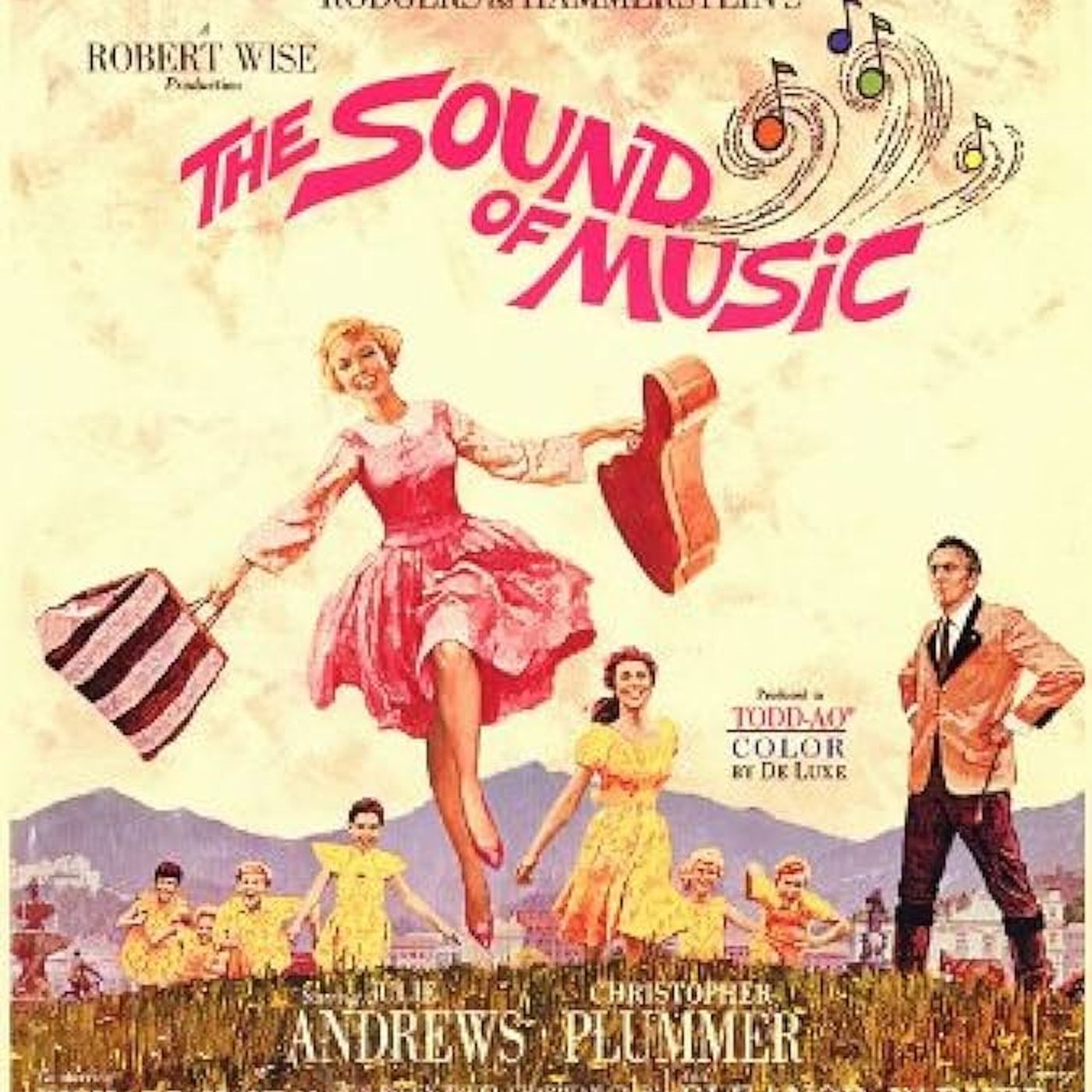
We wait. I want this part to be part of the podcast. I don't know, Susan if this is going to be one of those times, because not that I might have an unpopular opinion about this, but there may be part of me that I can't get out of the way of to not enjoy this movie because I don't think enjoy I think, and you might agree with me on this, a movie like this is almost so important my enjoyment of it is not important. I think this movie is in a lot of ways, like you could make the case like it's the musical to end all musicals, and especially for a certain group of people, they probably saw this movie a million times growing up. I was talking to my mother on the phone today and she was like, I didn't remember that it was three hours long when we watched it on TV growing up.
It must have been five hours. And I was like, yeah, you're right, it probably There's like no way it wasn't unless they were cutting things out, which I don't think they were. I mean, again, the importance of this musical I think, can't be you know, stated enough at this point. And again, like I think that for especially the lead actress Julie Andrews. It almost kind of becomes of one or two things.
It becomes kind of her calling card, obviously. And I think the thing that like, there's certain iconic imagery in this movie that again, like what is it? It's from this, and it's only from this, and you know what it's from, and other things have parodied it to the point where I had seen a specific parody of one of the scenes in this movie more than I'd ever seen this movie, and I just associate it with that movie, not this movie, but all of that to say, but what parodied what was that? It's a you're gonna laugh. It's a Chevy chase in National Lampoon's European vacation where he's having a dream on the airplane about singing in the hills of Austria, and it's I mean, it's this like it's the scene from the beginning of the movie, which I think.
The thing that cracks me up is like, the thing that I think everyone at least knows of this movie is the scene of Julie Andrews spinning in the hills and singing. It takes place in the first ten minutes, Like it, you know, that's the thing that like cracks me up because my wife, who had not seen it either, was like, well, just get to that one scene in the movie, watch that and be done. I was like, no, you don't understand. That's like the first five minutes of the movie. Like, that's that's the opening of the movie.
The thing that I think the movie is so well known for, at least outside of having just seen the movie. But the iconic imagery of the movie is in the first five minutes, which cracked me up. But all that to say, on this episode of the Culture Cast, I am still your host, Christachue, much to the chagrin of many, and I am joined by my good friend, one of the hosts of eighties TV Ladies over on weirdingwaymedia dot com. She programmed this episode, and I'm sure we're gonna have plenty to say. I might wrangle some people here.
I'm sorry in advance, but my friend and yours, Susan Lambert, had him. Thank you for having me, Chris, it's so exciting to be here on the Julie Andrews train. I know, it's just like continued you know, Richard and I did the Americanization of Emily because you and I did Victor Victoria, and we're doing this because we did Victor Victoria. Uh so, yeah, it's kind of like it's just continuing organically this year a little bit, and I'm getting kind of exposed more and more to Julie Andrews. And yeah, this was this, This came out of our Victor Victoria talk, right, I believe.
Yeah, yeah, we talked about that. You had not seen it, Yeah, I sure hadn't. But yeah, on this episode of the Culture Cast where we're taking a diversion further into Julie Andrews territory with a look at the the film adaptation of a movie that again, if you if you've seen the shot of Julie Andrews, you know we're talking about. But it is the stage the screen adaptation of the stage musical The Sound of Music. The Weight is Over.
The happiest sound in all the world is that? The sound of music? How do you love Them? Starring Julie Andrews and featuring sixteen Rodgers and Hammerstein's greatest songs. The Weight is Over.
The Sound of Music is back, right and g So. The film is directed by Robert Wise, based on, like we mentioned, the Sound of Music, stage play by Howard Lindsay and Russell Krause, and the film stars Julie Andrews, Christopher Plummer and whole bunch of other people. But I mean again, I mean Julie Andrews and Christopher Plummer, I think are the important people to mention. They're going to be the focus of the movie. Eleanor Parker plays the baroness, and Richard Hayden plays Max Stettweiler, a friend of the family.
And yeah, it's it's a movie about Julie Andrews is Maria, who is a nun who sucks at being a nun because she just has she has too much fun to be a nun. It was what it seems like, she's she's too much of a handful for these for these women to handle. So they send her away to be the countess of a household and to help the children who have no who have no ability to take care of themselves, I guess, but they do, but they don't, and they force all the other people have come to take care of them away because they're terrible children apparently. And all this to say that these children are the children of Christopher Plummer, his seven children and his wife has just passed away. And if you see where this is, you can see where this is going from a mile away.
Love blossoms between Julie Andrews and Christopher Plumber. And yeah, there's a lot to talk about. So, Susan, like I mentioned in the lead up to the episode, this was kind of something that came organically out of our conversation. So tell me a little bit about your history with the Sound of Music. Well, Chris, So, I you know, I was not old enough to be around when Sound of Music the movie first came out or the musical.
However, I was old enough to have the Sound of Music movie played on television consistently. Right, It's a go to for any television from the seventies and eighties because playing sort of what those classic movies were big. So I imagined that my first introduction to the Sound of Music was actually on television. I don't know that for sure, but I'm pretty sure being one of the movies that they played like maybe every Christmas or maybe every Thanksgiving or maybe you know everything. I could totally see that.
Well, like I said, with my mom, like she said, like I saw this a bunch. So it's like I while watching the movie, I totally understand this being a thing that's just being like played consistently on TV for good reason and always was successful. I saw the stage musical done it like a high school level, you know, several times before I saw a professional production done the you know, the stage musical was a little bit different, had a few different songs, had lesser songs, different songs, and then and then what is now the stage and then the stage musical sort of adapted into basically mostly you know, sort of adapted to be the movie musical, and so sort of you know, kind of noticing that in various productions where you're like, oh, that was this is the original and that's the other one.
And I actually think that the movie version A is just sort of more iconic and then has become sort of the what I would say, kind of the grand tradition of of what the stage musical is as far as I can tell. And again, I'm not a study I haven't studied Sound of Music as a musical. I've just seen productions and I've never done it, so but I like it. So I have a very fond memories of this musical. It was never like, oh my God, my favorite, favorite favorite, but it's always one of those ones that for me is a little bit like Jaws and that if it comes on, I just keep watching it and and here and here's why.
For me, it's friggin beautiful. There's something very stunningly beautiful about how like, how like just gorgeous it is. It's so lush, it's so beautifully shot. It's you know, you know, Julie Andrews and Christopher are beautiful in it. The kids are adorable.
Everybody's adorable in it. And it's anti Nazi. What's not like you know, what's not to like? So? And it's based on a true story, right, so it's there's a book, it's all the music, the stage musical is adapted from a book and two like documentaries or two films that were made about the von Trapp family singers.
And uh, you know, Marie von Trapp was a real person. Now you know they took a lot of creative license. No, no, they could never you're telling me that the story is not nearly as exciting as the movie. I mean it's fun it's funny though, Like I like that I was reading, I was doing the research. It's like the story is heavily dramatized.
I'm like, oh, no, shit, it is like for fucking real, like yeah, like yeah, but again, like I I will say, for me as someone who had never seen this before again, had only seen like and here's the funny thing. Like, I guess the other point of reference now for I guess the most recent pop culture thing would be what ted Lasso at the in the third season of ted Lasso, they're doing the song from there, they're doing the the what's the song called? Again, I've seen this only a handful of times, the goodbye song. They do that to ted Lasso when he's yeah yeah exactly like they do the yeah the soccer team does that for ted Lasso in the third season of the show. And like, that's a pretty big pop culture reference point to put in your show and expect most people to get, which again I think most people did get because it comes from this.
So that would be I guess the most recent thing that I could think of that would be referencing this. But again, I had never seen this, and it's not that I'd been avoiding it intentionally. It's more just this movie didn't make a case for me to watch it other than like it's a nice looking older movie, but like the music that I had heard is fine, but it's very Rogers and Hammerstein, like I mean again, and that's not a bad thing. I'm not saying it as a bad thing. I'm saying just if you watch this movie or a Rogers and Hammerstein musical, you know what you're going to get.
You're watching it because it's Rogers and Hammerstein because in a lot of ways, it's the height of what a certain kind of musical can be, and especially being made at a certain time in Hollywood, Like this is like the peak of a certain kind of thing. And if you watch this movie you will understand what I mean, Like it's musical with a capital M. Is what this feels like like and there's nothing wrong with that if that's what you want to watch. For me, not every musical with a capital M resonates with me. We didn't get a chance to talk about it last month, but I did watch it.
I found Lay miser Rob to be stunningly miserable. No pun intended as a musical because like I get the appeal, but for me, that message doesn't resonate with me. And the things that I meant to find impressive. Technically I do find impressive, but the story and the message and the music doesn't resonate with me. I couldn't tell you a song from lay Miz that I remember.
I couldn't hum a tune from lay Miz. I can hum a tune from this because I think there are parts of this that the music is memorable. But again I also think some of the music and this is so fucking ubiquitous. It's like you probably know the song, you may not even know what it's from. Like, do ray me like that?
I mean like I don't know if you can exist of a certain age and have not heard that. So again, like I knew the importance of the movie, and I understand and appreciate the importance of the movie, But like I said, I may rankle some people with this. Similarly to my opinion on Oliver, this just is not a movie made for me. This is a movie made at a time and a place where this kind of thing was immensely popular and everybody wanted to see it. I think that it's important to know and see and appreciate where musicals were at a certain time in place, especially film adaptations of stage musicals, but this, I mean, like, this is a beautiful musical.
But like for me, there are other musicals that I enjoy more, and this just for me in a lot of ways, Like it is exactly what I was expecting, in both good and bad ways. Like it's a three hour long movie and it sure feels like it. Like and that was my concern, Like one of my concerns was, like, is this going to feel like a musical that just goes on for too long? And it does and like and but again, like I knew it was going to be because this is that kind of thing, Like it's a big If it weren't a musical, it would be called an epic, right, Like this is an epic movie. The story is epic, the stakes are epic, and the music I think is again like for me, the music is fine.
The music is at times the worst and best part of the movie. But at the same time, like again, like there's so much else that I can't I can't pretend to sit here and say my opinion on sound of music being just okay is going to change the fact that it's an important movie. It just doesn't resonate with me. I appreciate how important of a movie it is, it just doesn't resonate with me. And guess what, that's perfectly fine, because the things that I find to be my favorite musicals probably don't resonate with a lot of people otherwise.
Favorite musical, well, that's the one of One of my favorite musicals is Repel the Genetic Opera, which I know is not a good musical, Like I actively understand that it's not, but I enjoy it. I love it. I think it's weird and fun. I mean, I also really love Shock Treatment another musical, and also probably the Phantom of the Paradise has got to be up there as well. And those are things that are like very odd but very specific, all kind of of the same area.
Yeah right, And again, like I understand that those kinds of musicals aren't going to resonate with a certain kind of people. So that's the thing. I know that the musicals that I like don't exist without the musicals like those. And to be fair, I would even go as far as to say my favorite musicals at this point are probably Indian movies because like, oh yeah, but a lot I mean movie studied sound of music well and that's the thing. Like a lot of Indian cinema is musicals, and they're not even bound by say's the thing, This movie is bound by the restrictions of a musical, even if it doesn't want to acknowledge it.
Indian cinema is acknowledged, well, we're right, Like I mean, like yeah, but like Indian cinema, because of what they're doing, they don't have to acknowledge it. It's just part of the movie. You can have an action scene with a musical number sandwiched in between them, like and that's and and nobody thinks that that's a problem. But with American cinema, there's this weird expectation that like we have to compartmentalize a thing, and like genre compartmentalization, Like can't do this and this in the same movie. A musical can't be a kick gas action movie.
It just has to be like a very nice tale about two people falling in love. And I hate that because again, like ye, well, because Indian cinema shows that that doesn't have to be the case. But again, like there's a certain rigidness that American cinema and European cinema have that like this falls into, which is like, this is a musical again with a capital M. Not to say it's a bad thing, but if you watch this, you know what you're getting, right, Like I mean, but like that's why you're watching it because it's a beautiful I'm actually going to disagree with you, Okay, okay, And here I'm curious go for you, because again, it's one thing to say, oh yeah, Indian Indian cinema does musicals better. Indian cinema didn't do musicals better in nineteen sixty five.
There weren't, Like the musical is an American invention, and I'm excited that people took it and take it somewhere else. And I'm excited that the musical has evolved, right for sure. But that's a little bit like saying, you know, you know, the New Shark movies are way better than Jaws. And Indian musicals are rooted in Indian theater, though they're not inspired as much by American No, no, no, I'm not talking about Indian musicals. I'm talking about all movies are somewhat inspired by the nineteen fifties and sixties American cinema and then the French waves that came out, and then everything kind of builds on it.
But you know, it's like, this movie is not a this is less of a movie than it is an adaptation of a stage musical. It was extremely successful, and at the time musicals were around, the musicals were still working off the assumption that everybody wanted three hours of a musical, right right, give them everything, give them everything. But also because there's not a lot of television, movies are very different, and the musical was the entire evening of entertainment. Yeah, I mean that's you know, in cinema, the same thing, right, it's the same thing. So I can go Indian cinema sometimes a little long.
I agree. Agree, I love Indian cinema. Stuff I've seen that I haven't seen a lot. But yes, this is a very old fashioned musical. This is a very traditional fifties musical, because they were all fifties musicals until probably the seventies, maybe the sixties, late sixties.
But you know, but but again, I think there's something and I have come to really appreciate this movie more than I did when I was probably your age, where I thought it was probably a little bit pretty cool. I mean it I mean like that it kind of revels in it. But that's okay, Like there's nothing wrong with that. I mean, I get like that's my conceit here is like I know so that I might be a little too cynical for a movie like this, but at the same time, like I understand how someone could put this on and be like this is my thing and this is like this makes me feel a certain way that like no other things can like similarly to the way I feel other people probably feel like about The Wizard of Oz, you know what I mean, It's like this is a thing where it's like Oz is definitely it's a thing.
No, it's a thing. And it's also a movie that I grew up on because it was a movie that got played over and over and over and over again on television when the pool of movies is small that everybody knows the things that people know are going to be really big and like, like you mentioned, like the idea with Indian cinema is you go to the movie and that's an afternoon's worth of entertainment, and that idea, well, it's not lost in American cinema, but like the expectations have become so kind of commoditized and different that it's less about going and seeing one long movie, but two long movies now or three long movies. So it's it's again the expectations are different, but Indian cinema still feels that same way.
Like Indian cinema still has a lot more in common with the sound of music than it does with traditional American cinema, because the movies are three hours long and their epics, and they're telling a whole story, and they're giving everybody who's coming to see it, be a mom, dad, brother, or sister something. You know, Oh, this movie has Nazis, but it also has you know, you know, Julie Andrews singing, and then has Christopher Plummer. It's like everything for everybody. And Indian cinema is still doing that. I mean, every time we watch a Bollywood movie, we say something to the effect of, they don't do this anymore.
It's because they were doing it here at a certain time and place in cinema, and this is the time. I mean the sound of music is in that conversation. It's the sixties, like you said, like the sixties are or I think American cinema the peak of musicals, like there have been successes since. But if we're talking like the time and place of the Golden Age of musicals, it's the sick in American cinema because it's West Side Story, a sound of music West Story also directed by Robert Wise. It's it's it's these kind of and they were all Oliver, which we just talked about my share Lady Mary Poppins Bye by Birdie Lake.
And I'm a big I am a fan of the Rogers and Hammerstein sound. I don't love every Roger to Rogers and Hammerstein uh production, but I I that lush And also again, you know, Oklahoma was brown groundbreaking for its time, you know, uh, it broke the mold of the previous you know, musicals. So what's what's interesting about this film for me and then revisiting it, is it made just because maybe because you know, Nazis are on our horizon again that I was like, oh yeah, I mean I just was. I'm waiting for different things now in the film. I'm waiting for Christopher Plummer tearing up the Nazi flag.
I'm ready for the gifts. Oh and it's just been a long time since I had revisited this film, so I actually found it very delightful. It's long, there's the and it's just but it's just so weird because you're like, oh my god, they're doing the entire overture. They're doing the intermission. They would have an intermission this movie.
The movie would stop. People would go leave the movie theater, get it more popcorn and more stacks, and come back in for the second half of the movie. See Martin Scorsese, you can do it, and people are okay with it. I well, and that's the thing, like again, like having seen a fair amount of Indian cinema, like going going to a theater in the last year and seeing an Indian movie. They had they had the spot for the intermission, but they didn't give us time to leave.
They just fucking blew through it. And like I know what this they were, And I know in India when they screen Indian cinema, they give them time because yeah, I don't know if you guys know this, but you can make more money if you let people go mill in the fucking lobby for ten minutes. Like there's a less there's a more than zero percent chance, and I'm gonna buy another thing if you let me go out there as opposed to keeping me hostage in here. But I do like this because when I watched it on Hulu, they have the intermission and like, and I enjoyed that because like I did pause it there and take a step back. Yeah, like cause again, like it is a long movie and it does need it.
And I think, you know, frankly, the narrative that the I think that I was thinking coming into this, that I was going to say, like the narrative for me, is the weakest part of the movie because it kind of drags and then it just keeps kind of going and then you think it's over and it's not. It's like it's not like there's a moment where I was like, Okay, this movie's got to be over, and there's another half an hour and I was like, oh hey, like wow, this the story just keeps going because it leaves these like little bits dangling with the with Rolf, the kind of the boyfriend possibly who then becomes a hitler youth of course, and like thoroughly disappointed the way that that ends up playing out.
But they give it so much time that you think it's going to have this like grandiose climax and then it just kind of farts, like it just kind of and that's the end. And like I realized that, like it feels like the last twenty minutes of the movie could have been excised and just because again, like I understand what they're going for, and I understand what they're getting at, and I understand what's going on, but it doesn't need to take this long to get there. And I think that some of the just storytelling beats could have been done a little differently to not make this seem like there's like three false endings to this movie, because it really feels like there's three times this movie can just kind of end before they escape from the Nazis.
But they could have escaped from the Nazis at any point, is my point, Like they at one point they go on their honeymoon and like then they come back and I was like, oh, and this is still going, like what is go oh? Right now? They they're the whole well singing subplot is a thing. And also we got to conclude the storyline with the with the boyfriend, the possible boyfriend, But I don't know, like I just found the narrative I mean again, I know that this is based off of real people's lives, and so again we have to kind of make sure that we're paying maybe lip service, but at least like paying homage to the idea that these were real people. So it can't get too wild and crazy.
But yeah, I honestly, I mean, look, the music is great, so that's really what you're here for. But I found the narrative outside of Christopher Plumber and Julie Andrews, I didn't. I wasn't taken by the narrative anytime they were on screen, which I mean again, like it's not that the child actors are bad. I just don't think they're really given a lot to do. I don't think anybody other than Julieandrews and Christopher Plumber are necessarily given a lot to do.
No, because you know, Christopher, Julian they're great, like and I mean I really it goes even further, like Julie Andrews is so good. Like I'm not saying Christopher Plumber isn't. But I've seen her in three different things with three different leading men, and she's fantastic in each one. And I know that those actors have been great in other things that I've seen them in, Christopher Plummer, I've seen them in plenty of stuff, but she is really like a class act, like in a way that's like, yeah, like they don't they don't make them like they used to. Is not a term I would use with Julie Andrews.
They never made anyone else like her anyways, I think is kind of the point. Yes, so, I know you talk about her in the episode So, which I haven't listened to yet, But the americanization of Emily Yes, No, Where'd you Where? I enjoyed it thorough thorough because of her, because of how good she is and like, and she's not even in a lot of ways like the main Care she's the main character of that movie, but she shares a lot of screen time with James Garner, but she's great, Like she's so good in everything, like and again, like I'm not sitting here surprised by that. I'm more just saying, like it's shocking how little bad there is in any of this that you could even chalk up to her, Like, I don't think anything that hasn't been unsuccessful as even her fault.
I think everything that's been successful is because of how good she is, Like yeah, yeah, And it's very interesting because she almost, you know, like from the research that I did, she almost didn't take the movie right because she had just finished shooting Mary Poppins but it hadn't come out yet, and they and then and then they were nervous about casting her because she hadn't you know, she just she'd done movies, but Mary Poppins hadn't come out yet, and you know, and so it's it's very interesting to think about the run of these three movies, right. I didn't realize they were so close together, right, Mary Poppins Sound of Music, and then oh no, it was america'sation of family was in between.
There's something crazy where they're like right next to each other. So it's Mary Poppins, americanization of Emily and then the Sound of Music. I mean, I know, I know, it's I mean, it's like it's it's like, yeah, it's like when you talk about like Ridley Scott making Alien and Blade Runner back to back, it's like you'd be happy if you directed one of those two movies, let alone both back to back, or like Steven Spielberg making Jaws, and then like just like again, like it's all these things where it's like, yeah, these three things alone, but I mean yeah, to have Mary Poppins and the sound of music with americanization of Emily sandwiched in between, like she never did anything else should be fine, Like yeah, just with the sound of music alone.
And that's the thing like Mary Poppins. Again, for a certain group of people in a certain age, Mary Poppins is the Julie Andrews role, and then for those people this might also be. In the same conversation is like, that's also the Julie Andrews role, and I think that they both I mean again, having seen it now, like I understand why. I understand why this role for Julie Andrews for some people might be the role because well, she's amazing, I think more than Mary Poppins. This role so lidified the sweet prequel Julie Andrews right right, that she fought against the rest of her career in some ways understandably so because this is I mean, at least with Mary Poppins, there's an edge to Mary Poppins that you kind of forget about that she's like a little bit scary and you know, and that you know, you're like you kind of you know, like just aren't sure, right, that's right.
Well, there's there's a moment where she could just be like I'm gonna fuck these kids up, like I have magic. Why aren't I fucking them up? Like why I can make them do what I want and I'm giving out them the opportunity to do it themselves. Like yeah, there's a there's a benevolence to that that's never really leaned on. Yeah, but this is this role is so sweet and so like I was, I was like, oh, this is Anne of green Gables like she is she's you know, Anne Shirley, Like I don't know if you know the Anne of green Gables novels or shows or movies or you know, musicals, but the you know, there's just a an adorable ness too.
Write Yeah. Yeah, she's very saccharin, like she will give you cavities like this is the it's really like she's like a ray of like they say it in the Damn Song, She's a moon beam that you can't hold on to it. It's like, you're damn right. She is like probably like not like manic Pixie dream girl, but like whatever that would have been for people in the sixties, like this is the idealized woman for a certain man, and like she can change him, like and she does, but he also has autonomy of his own. He wanted to change for her, like oh make me swoon, right, Like, that's Julie Anders, that's Julian don't start this in Romance and Love.
I'm not I'm not, but I'm like but like that's like her character is portrayed that way so strongly that like you believe it, like it's it makes sense, like and but she is kind of like, uh, it's a it's a lot. And yeah, I understand why she bristled that that being the thing forever, Like I wouldn't want to be pigeonholed as that person either for the rest of my career, because as far as I understand that that was not her, that she was really really, you know, like amazing and wonderful, incredibly professional and super talented and very kind. But I wouldn't have said that she was you know Maria von Trapp, right, I like, right, right, right, is a tougher and way more you know, uh savvy, you know, like she's she her career is really quite stunning, and she was quite you know, I don't know, I just every time you look at something she's done, you're it's very impressive, and it's very interesting that you know, she like Edwards were married, and I'm always really fascinated by her her career, and you know, she reminds me sort of of like uh, Emma Thompson, like there's an you know, uh, because there's like you like, there's a wild level of intelligence there and talent, but like just some level of working at a different level than anybody else, right well, and I would agree, like, you know, if you look at what she's done since two thousand and one, it's been a couple live action Disney movies Princess Diaries one and two, but then almost exclusively for the most part, she's done voice work for Shrek, which I think again, like at a certain time and place, I would have said, Shrek two is what I remember her from, and she's great.
I saw Shrek two recently. She's great, Like her and John Clase are fantastic in those roles, and like she brings a gravitas to the role that only she could bring with her voice. Like her voice, I don't know, like in a lot of ways, like her and Angela Lansbury are the like British grandmothers that we all wish we had and like for a certain group. Yeah yeah, but then she also has done work on Despicable Me, so she's getting like, you know, minion money as well. So yeah, I would agree with you, Like I think she's a very savvy human being outside of being just immensely I mean again, immensely talented is probably an understatement.
Again, that's the thing, like when you talk about someone like this who has so many iconic roles to their name, it's not about which one is your favorite. It's like pick which one and people have a hard time because there are so many that make that depends on the day, right yeah, well, and it depends on who like your age and who you are. Yeah, because that's the other thing I mean again, like you mentioned this and Mary Poppins come out so close to one another that like these two things are vying for the attention of a certain group of people for their love of Julie Andrews. It's like this and Mary Poppins are not it, but like these are the big two and she made them effectively back to back, which is nuts, which is insane.
And then and then you know, like you know, she's I was at Disney when Princess Diaries was done, and I worked on the Princess Diaries briefly, Matt Jullie Andrews, but you know, just within crowd of people, Like but you're just like Tuly Andrews, right right, That's the thing. It's like they don't make it. They don't make actors like this now, like yeah, and just but just really not phased by her own self, which is weird, Like shouldn't he be like I'm fucking Julie vand rescue? But I mean, at some point she probably like made peace with that. Like I wonder when in your career you have to make peace with it, given how big of a deal the sound of music is.
Like again, like she's internationally known by what sixty sixty four sixty five Like again like Mary Poppins. Sure, but like this ends up being like one of the biggest movies of all time, and for the longest time it was like the biggest movie of all time financially. Uh and Oscar five oscars? Yeah, any Library of Congress National Film Registry, like af five all over. Did you read the thing that basically this was one of the films that was basically selected to air in rotation should there be a nuclear war and they needed to just set something to play well.
And that's the thing. Like we we were talking, Mike White and Will Dodson and I were talking about a matter of life and death, and the term film blanc came up, which is again, like if film noir is like the dark side of the human psyche, like film blanc is like meant to be like overwhelmingly positive and like charming and like a ray of light and like a matter of life and death. Is that in a lot of ways? And I would say this is like even more so because again, like you mentioned, you have the topic of the day that everybody can understand, which is the Nazis. Because again this is sixty five, so you know, only about twenty years removed from the conflict.
You have a family in Austria standing up to the Nazis and show, and you know, showing the Nazis that you know, the spirit of love and music can can stand up to the powers of the Third Reich, which is a you know, a fun message that I think anybody in sixty five can understand. And then yeah, you have Julie Andrews, and so you place all that in a blender together and you get something that, again, like you mentioned, is such a film blank in a in a way that is hard to Again, they just don't make things like this anymore because it's so it's so genuine in what it is that if anyone made it today, they'd be like, this is disingenuous and full of shit, and it's like, man, we are really cynical. Like I'm a Barbie might be a good example of like it's trying to be like overwhelmingly positive, but like even Barbie's pretty cynical of its own message, like intentionally, so like I don't I find no cynicism in the sound of music, like it's played straight, like which was the intention?
Yes, And I think that you know, again, it sounds like in the stuff that I read that Christopher Plummer was really annoyed by that running production right even then, So I think there are a lot of people that even at the time, clearly Christopher Plummer among them, were like, this is ridiculous, this is way too sweet, this is way too hard on its sleeve. This is way too you know, black and white, good bad Nazis versus love and singing, right, you know, like what does Plumber say? It's so awful and sentimental and gooey. I think his exact words. I'm sure his tune changed the moment he was like, oh, it's a lot of money though, okay, well, I mean talk about you know again, he had a great career and then this happens right, like right right, and you're like you you sort of never escape that either, right, like he did amazing stuff, you know, and yet for me, it's always Captain on Trapp, right, Like it's just always Captain von Trapp every time I'm saying, like, oh, right, right, right, right, right, which I think, which I think?
He I mean like again, like you know, if you like you mentioned doing the research about Christopher Plumber and his like feelings towards this, like I it sounds like by the end of his life. He was like, you know, I'm glad that I was in this movie, but but for you know, your entire life, like he didn't do the fortieth anniversary. He called it the sound of mucus at one point, like I mean, and but again like this is such a big deal that I get it, like I could only you know. It strikes me similarly to what Daniel Craig said about James Bond before he made the last James Bond movies, Like, if they ever asked me to do another Bond movie, I think he said I would smash a window and cut my wrists or something.
I was like, really, like, holy shit, man, like this, this is not the way you should be reacting to the offer that so many people would consider to be the offer of a lifetime. But at the same time, again like if you never hear the end of it for the rest of your life about the sound of music, I too would probably be sick of it. Like but I actually think he again, I think he came to appreciate it more. I mean, I think a lot of sh comments are in the early years, and even though he admitted to them, he's like, oh yeah, Like I think they talk about the DVD commentary, which I haven't heard, but you know, I want to go find where he admits that he was drunk during the filming of the song. Again, they knew they were, he knew they were dubbing him.
I mean, you know, he didn't have to. Now, just recently I saw on Twitter and I'm going to go try to find it that there was a video of him singing and playing like he learned to play the guitar for this, as did Julie Andrews. And I don't know that they definitely, I mean many many people were dubbed. Music was usually dubbed, but he sang it, and there's a recording of him singing it that's quite lovely, Like it's really great. You're like, he could have totally sung it, you know, he just wouldn't sound like musical theater.
But everything had to sound like that, Like that sound that perfectness is what we have, and I'm glad for that. That feels that falseness of everything's up here and everybody sounds like Julie Andrews. They had to studio and so I actually, really that clip was really lovely and even more lovely than it is in the movie because it feels more real, it feels more in the moment, even though again he doesn't sound as clean or as perfect as Bill whoever dubbed him Billy Billy Okay, uh yes, but that's the thing like with the like that's the thing though with like then maybe that's why I'm not such a big fan of these kinds of things. It does feel like overly polished, like there's no I mean again, not like I'm saying like again, like to go back to something like ley Miz, like oh, we're gonna record the audio on set, like it didn't know, don't do that, Like, don't do that because that's its own problem, Like you have to find a happy middle ground.
And I'm not saying La La Land is that either, because then you have the question of like people who don't know how to sing singing and it's like, yeah, I'm not a big fan of La La Land. I have to say, yeah, well I'm and I want why are you not a fan of it? I just found it unaffecting for the most part. Yeah, yeah, I mean I found yeah, I'm yeah, there's a I've always I'm a total listen. I both I see both your I see your points.
It's too long, it's too sweet, right, but that's but that's the point, Like that's I'm complaining about the point of the movie, right, only crap. When you look at the shots, that opening shot, it's famous for a reason, right, right, sane. They pulled that off without a drone. That was a guy in a helicopter. I know that was them flying too close to Julie Andrews, right, and the timing of how they did that insane, just insane.
Well, that's the thing. I mean, like again, like it's known for being what it is because these things are so impressive, like that opening shot, like the music, like they are they have staying power because the people who made it put in that time and effort. Then I mean in the gazebo, I just sort of you forget certain parts. And then like last night as I was watching it again, the gazebo scenes that those first the you know I'm sixteen going I'm seventeen, and then they come back to the gazebo with the two of them. For arguably, for me, one of my favorite songs, you know, the that I clearly can't remember the name of.
But you know, nothing comes from nothing, nothing ever could in a wicked childhood, I must have something good, that something right anyway, So that song is so friggin beautiful, and that looking through the gazebo into the you know behind them, I just it's just gorgeous you just on the shadows like heavy apparently, and did you read this one? Did you like like apparently the the they put they put him in silhouette because Julie Andrews couldn't stop laughing because the big lights they were using made farting noises. Apparently. Yeah, yeah, which I mean, like such a wholesome story about Julie Andrews, right, like the community episode. Right.
I love their chemistry, her and Christopher Plumber, Like they're so good. I know they are, I don't, I don't, you know. Comparatively, I still think I really liked the two of them, and Victor Victoria more Julie Andrews and what Robert Preston. I mean, they're just Yes, I mean they're they're like the adorable couple. But again, like it's a different, different energy, different vibe.
I will say, I think I like I think I like her with James Garner in the Americanization of Emily the most better than the in Victor Victoria. No, I'm in more than this. I think Victor. If we're talking like hetero relationships that Julie Andrews is in, I would say her with James Garner in the americanization of Emily for me is still probably the top. And then this is probably a close second.
I don't her and James Garner Victoria is not. It's kind of yeah, yeah, her and Christopher Plumber are great. It's just this is such a weird role for Christopher Plumber for the things I've seen him in that aren't this that this is like I can see why he was like, ooh, I don't want to do this again, like this is not beneath me, but like this doesn't challenge me as an actor, which I would like totally get, like that you have to be so genuine. It's probably like just pain inducing to be this genuine with no pretext all the time, Like there's no subtext to any of this. He's just a nice guy who hates the Nazi's Like, okay, that's well, so much on the page for that, you know, well, and and again he's what's interesting is he's not the star of the movie, no, which is always hard for many men.
Yeah, white men of a certain age at a certain time and place. Yeah, he had to just stand there and be the sidekick. He was going to fight the Nazis by running away as you do when you do, I mean, that's what you do fighting for the Nazis. It's better to run away. But I just I think that that element of his annoyance, it's actually you know, obviously works for the movie because he's a closed off, you know, heartbroken man who's can't connect with his children and his thing.
Apparently the real Captain von Trapp was was just boring but very very nice. I mean again like that. I would go as far as to say his characterization in the movie is kind of boring but nice, Like I like his character is just I like those moments where it's clearly Christopher Plumber injecting the charisma that he has, where he's being sly and dickish to the Nazis, Like I like that, and where he's kind of being flippant with people. But for the most part, like the first half of the movie, he's very like stodgy and up his own ass, which is the point. I mean, that's the point of the character.
But when he starts to warm up to everybody, I really like where that goes with the character. And when he really starts warming up to Julie Andrews, his character starts to kind of saw a little bit and becomes a lot more interesting. But yeah, I mean, he's he's amazing, She's amazing the movie. I'm such a sucker. I'm such a sucker for romance, almost to anybody's romance, but clearly a sucker for after such a romance.
But the dancing they're dancing scene together, look at the way she looks at him, a baroness is so just like, oh, I know what, Actually my favorite thing about this movie is how non plus the baroness is. She's like, well, you're clearly more into her than you are me. Okay, I'll go home. Then, like I was shocked, like it felt it felt like it was hewing so close to reality that they almost it's like, just don't include this character because she does effectively nothing and the like she adds nothing to the movie and is not even an antagonist, Like she just goes. I mean she's I guess she's kind antagonist but yeah, yeah, but like again not the way I was expecting.
She's like, oh, he's but that's the thing, Like she says like, oh, he's in love with you to Julie Andrews, and Julie Andrews leaves of her own volition. The baroness doesn't tell her that and then say like you should leave. She's just like he's in love with you, don't you know. And she's like, I must leave now to not interrupt your marriage. It's like everybody is yeah, everybody's too nice.
Yeah, but like it's funny because again, like you would expect, like in another kind of musical or in another narrative like that baroness character would be written differently, and she's written very again. Yeah for a character like that, who again just goes all right, I guess I not going to be with you anymore. I'm still rich. I'm just going to go home, like, yeah, well listen, if you're not going to waste this, If you're right, she's still rich, right, Like she's not marrying him for the money, you know, she's you know, it seemed like a good idea, but there's all this children. Fuck this guy with his seven kids yeah in life, yeah children, no wonder his wife his Bravy's wife, don't well, I mean, you know, what do you do in the you know, in this time and place, you have a lot of kids so that they can help around this giant house, this giant beautiful house.
I mean that's the thing, you know, we we kind of talked about it a little bit. The production design in this movie is just just off the hook, I know, I mean just everything looks so incredible and then it would take about about you know, about three days to walk between everything, but apparently Julie Andrews can do it in twenty minutes, right, Yeah, it feels very real and like again, like that's another benefit of the time and place that this movie's being made. Like the only way to do it is to do it for real, So we have to make sure that it looks real, and it looks real because it's a real place, Like this is being shot on not on location as it were, like exactly where all this happened, but it's being shot yeah, like it's being Yeah, it's being shot in Eastern you know, in Europe, where a lot of this took place.
So yeah, like the reason it looks real is because that's they're really there for the most part. Yeah, they're in Salzburg, and so it sounds like and they're really and I guess they were. They were actually concerned during the filming because they were like with the bay or they were like, so we're gonna hang some Nazi flags, right right, They've been twenty two years, right, I want to make sure everybody's cool. That's like when you're in New York and you see the like filming and they're like, there might be gunfire that you get noticed, you get visual notices if you're walking around, and then there's right, at least you used to. I don't even know if they allow it anymore because it's, you know, too soon every time, every day, every week is too soon.
Yeah, but I remember w around New York and being like, oh god, they're just gonna, you know, tell you they're about to do some gunfire. Law and order must be around the corner, right right, So but yeah, I think I thought that was really interesting. And there's a whole you can go and visit all the sound of me. There's like a whole, you know, world that's still visiting the sound of music locations and the Salzburg uh which is which is you know, kind of lovely. You know.
Again, I'm all for things that are nice and friendly and anti Nazi, right so well, and I mean again, like you know, like you mentioned shooting it on location in Salzburg. I mean, you know that adds to you can't fake it. It just adds to the richness of the movie. Like it just adds to the feeling of richness that the movie has, that the there's this like glow to the movie that it has. That again, you can't fake with any amount of CGI no matter how hard you try.
All all you can do is try to replicate what these movies were doing for which is set on location in a real place as ornately done up as these places are in this movie. And yeah, I mean again, the movie lingers on it. During stuff like the overture, we're given a moment to kind of see the world and live in it and breathe in it. But I mean again, all these scenes of people dancing in these ornate rooms, and then like you mentioned, a lot of the scenes at the gazebo, like these are really over the top places like you get to be part of this world of like the upper crust of people right at a certain time and place that again like it for a certain group of people, that will always be a world worth revisiting.
And I mean again to your point of like going and visiting it in the real world, Like you said, those places are still there for the most part. A lot of it wasn't destroyed, thankfully. But yeah, like I will say, because we keep bringing up the thing about the Nazis, and you know, I made the joke last time we were together about this movie being pro Nazi. Obviously it's not pro Nazi. But I think it's a different problem, and you've kind of already alluded to it, which is like they were the Nazis.
Like I get, I mean, I get it, and I get that, you know, again, the real person didn't go work with them, just like he does it in the movie. But it's all a little toned down, is what I'm They toned down the Nazis, which like that ain't great, but I get why they did it. But like I mean, I mean, you know, they're I mean, they're very Nazi stuff. Yet they're nice Nazis. Like they're not mean Nazis.
But I'm just saying, like they're not teeth gnashing, foaming mouth Nazis, you know what I mean, Like they're the bureaucratic Nazis, which is a different problem. Like the scarier thing is killing people with typewriters. I get it, But like again, like they can't do the Nazis the way we've seen them, because that is a too brutal of a reality for Maria von Trapp to deal with. With her singing she you know what I mean, like she'd pull out a gun and start shooting the Nazis. Is my point, and I'm going to say that that's more true to the story these they This was about basically the point of when Nazis.
I mean, I was just in Amsterdam, and where where every tour you take thankfully talks about the Nazis and talks about that. Basically Amsterdam, like the Netherlands, who had stayed out of World War One, thought they could stay out of World War two and so when But then the Nazis basically were like, oh, we're going to bomb the crap out of this one city and then you're either going to you know, or you can give up and then we'll bomb the rest. You know, you can you can fight us, or you can give up. And they gave up, and they said we'll be kind, we'll be we're peaceful, so you'll be fine. It'll be fine, right, and then they slaughtered ahole the Jewish people right right.
Everybody died, but the first step was we're going to try to comply right the first you in the city. The bon Trap family didn't escape over the Alps. They they got on a train and left right the day before the Nazis shut down the border, so that like, like they weren't they're Nazis, but they're not Nazis walking in the door to shoot you. They're Nazis knocking at the door saying we're coming in right, right, and they're kind of hoping that people will just comply, right, you know, and many people do because it's safer. It's the optics of it, I mean again, like I agree, I mean like again, like it's just it's it's based off of a real story too, like and again like they can't get out of the reality of it, and I don't want them to.
I want this to hew close to reality. I don't want this to be some thing. But again, like I want, I haven't seen a modern readaptation of this, and so how is it handled in something more modernly? You know, that's interesting. I didn't see the live they just did, you know, the most recent version of TV, you know, the live TV version.
I don't, I don't, I didn't see that. So I don't know, and I haven't seen a production of this in a long time, so I don't know if there's an adjustment, But I think again, I think for me, it's actually the most realistic part of the movie. I actually thinks, as we've learned that when Nazis show up, it's not just walking and shooting people right right, it's basically talking in rhetoric that it at first sounds like, oh, you're just against you know, you just have some issues with immigration, and then it later is is suddenly you're ten steps down the line and you're rhetoric right, you know. Suddenly they're in the door and you're like, I have to negotiate with you. Suddenly you're like I thought we were on a reasonable behavior plan, and then it's not.
So I think, I actually think I find that part of the movie actually more realistic that there there are you know, people who are just inclined to join that party. There are times when it feels like, well you just like you know, like Max says, uh, you know, you just you know, you can't just go against it. You just have to basically be clever and work your way around the Nazis. I think that's way more accurate to how people think things will happen. I think I think it's not clear when the Nazis are at your door, right, and that that basically defying them is the right thing to do, and that they're going to walk in, And not all Nazis walk in shooting, right, many of them walk in shaking your hand.
So I think we've you know, if we had, you know, and and being you know it s naughty at parties? Uh, you know, don't you believe the way we do things is right? I just I love I love how I love how big of a dick Christopher Plumber is to the Nazis in this movie. Like that, that for me was probably my favorite part. It's just him like just being I mean again, those moments where you finally get to see that character bristle at what's going on and and tell them essentially go fuck themselves.
But again, like you said, I mean, the reality is what the reality is, and the reality was that so many people just let it happen, which is how these things happen. And yeah, the reality of the movie is that it's trying to show what was going on at the time, within reason, within reason within reason. The character of Rolf, I think is the interesting one. It's such a strange conclusion to his storyline where he's still just a Nazi at the end of the movie. Well, yeah, Christopher Plumber trying.
I actually had forgotten. I had forgotten that part a little bit. Like how long that scene goes on? It goes on for a while, Christopher Plumber. Really, Well, I actually again, I think it's giving you some nice third acttention.
But I also think that that moment is you really are kind of hoping that Rolf won't turn out to be Zi Nazi. Well, I see, that's the thing like where the story ends up, like Christopher Plumber is not able to convert him to not be a Nazi, but he gets through to him enough where he doesn't shoot him. Yeah, well, because he is a captain, right, And I actually again again, I I totally bought that moment because he's a captain and he is the father that he's been deferring to most of the time. So even though the kid thinks he's wrong, it's particularly at that time, there was a lot of just you know, right, right, you had to give respect to your elders much that was much more the time than now. Now it's yeah, screw it, right, they don't know anything more than we do.
They're idiots, which is mostly true. But I think, yeah, I mean, I guess you know, it's a little bit like movie, right, it feels a little movie. Yeah. But again, like that's okay, Like again, like I just for me the third act of the movie just kind of once I realized where it was going, and like, okay, so they're going to have to hit at least one or two of these songs one more time, like adel Weiss and So Long Farewell. That is so I know.
I mean again, like I'm not not not making a you know, casting aspersions either way. It's like I realize that, like, Okay, there's still thirty minutes left. They still need to get through these two more songs one more time. Uh. And that's the other thing about this that again you know, obviously musicals they have reprisals of songs and they come back at the end.
I was kind of surprised that like the same song just comes like it's the same song twice two times even uh with so Long Farewell and adel Weiss, And like I was just surprised that they just did him again, because normally it's like it's in it's in something else, or it's part of the finale, and no, they're just doing the whole song again. Like I was kind of surprised, you know what. I think that is a more old fashion. Yes, I think that is that feels a very old fashion. I mean again, particularly for eight device, I totally will have it because I'm like, yeah, and the great time and then the Cuckoo song is a you know again, I think you're counting on.
There's something more delicious watching it once you know what's happening, so you're like, Okay, who are they getting out first? There's any of the kids out? You know, Like it's like, oh they're they're you know, they're about to make a break for it. So I think there's a tension in that in that song that exists story wise, if you know what's happening. On the second viewing, it's a little more interesting because you know what they're doing, right and so but at the same time, I think that's just more I think it is it is of the time.
Yeah, Well like climb every mountain too, like same thing. Like then again, like you know, is what it is like, yeah, yeah, yeah, I mean it, and I mean, jesus, they even do sixteen going on seventeen, don't they like they but that's more the traditional, like the more traditional Yeah rightly, yeah, yeah, it just comes back for a moment. Yeah that And that's the thing. Like as much as I did enjoy the musical number in the movie, like I was like, man, I kind of yeah, yeah, like I yeah, I don't know if I need to hear it again again, but I will say, you know, my feelings on the movie aside, I'm glad I watched it. I'm glad I finally have seen it.
I don't I don't know if I would rewatch this again, but I would be curious to see which of the Rogers and Hammerstein musicals I do resonate with, because the ones that I've seen so far, so this, and they did Cinderella as well. I mean, they're they're just they are not my thing. They're not the thing that I like in terms of musicals. And then I think we did un rankin' in bass. Richard and Mike and I covered a animated version of the King and I which is not great, uh and included racist characters.
But that's it. Oh, yes, that's not good for a different reason, like I can't speak to them play a lot of you know, the King and I has got a lot of issues origin in the musical Darryl Hammond doing a Mickey Rooney chop socky thing though, that's worse. Yeah, that's that's an unneeded addition that adds nothing and frankly detracts completely. Well, I mean and again, I so here. The other ones that I would that for me are worth seeing are South Pacific in Oklahoma.
In terms of the movie versions, the and Uh and King and I. The performances are just so friggin beautiful. But it's really like King and I and South Pacific both have real, real issues of race going on. And yet there also were groundbreaking and and you know, South Pacific couldn't be shown in certain theaters in America because because it was it felt so horrific, because they were they were trying to they were trying to speak to racism, which I think is always you know, certainly a challenge at the time that that movie came out. But the idea that you were trying to speak to it meant that you were trying to something.
The fact that it doesn't necessarily all hold up and still ended up having some elements that people find offensive now is, you know, is one of the challenges of being in a racist society, you know, and having institutional racism, so even when you try to address it, even when you're trying to do so, it doesn't always work out. But Oklahoma is very interesting because Oklahoma I love. I love the stage musical of Forklahoma. It's you know. I saw the new version, which was super interesting in so many ways, and I love so many parts of it.
But I actually think they didn't They didn't earn the right to do what they did with the ending of the new version of the musical, I think, which was basically punch you in the face of horror. But the movie is again probably sound of Music may actually hold up as a movie better than almost any of the other movie musicals of Rogers and Hammerson, only because it's so since sincere to begin with, right, like and and King and I and South Pacific are both actually trying to do something, but it makes them more complicated to now revisit because often it's not it's not done well. Right, they tried but trying sometimes is the problem. Well again, it's not the problem to try, but it is it is it is accurate to say that it's not completely successful, even though it is successful in so many ways and was a step, possibly a needed step, to them actually have real representation, you know.
And then Oklahoma is just sad. Like I think that music is freaking beautiful. I love the big, lush version of it. I love the more stripped down versions of that music. I think the story in Oklahoma, because it's based on a play, is is just it's just just more interesting the characters in the setting.
But it also is is you know, it's it's a big old fashion musical and stuff. So yeah, you know, but I think the you know, of the ones you haven't seen, Oklahoma, South Pacific and King and I would be on my list that are if you want to know, if you want to sort of complete a movie musical, you know, like nowhere things are coming from. Those are all significant movie musicals that that that are spoofed are you know or are with are in the blood of our pop culture right which the sound of music is like the sound of music is more so than I mean, more so than any of the other ones right like it is if you want to talk about the one that's transcended the medium, Uh, it's the sound of music, right like beyond Beyond So Susan.
Final thoughts on the sound of music. I loved watching it again, but I would I would. It's been some time. You know, if you've just watched it, you know, unless you love it, you don't necessarily have to rewatch it immediately. But it's it was so beautiful.
It was just so beautiful, but it is long. Yeah, I appreciate that you you wanted to watch this and you can again. Like, not that I wouldn't have watched it, but like you were also like, let's watch it, and I was like, okay, cool. Like you you feel certainly motivated about it and like you find it to be something worth watching, and I would agree. I mean, I think this is definitely a movie worth seeing at least once.
If you resonate with it, great, if not great, it doesn't matter if you don't resonate with it. For the most part, because it is such an important movie outside of just it being a movie, that there's so much else to talk about that feelings towards your subjective feelings on the movie like mine aside, it's a movie worth watching at least once. I think it's a movie worth enjoying. The music and kind of just the grandiosity of it and the story that it's I think, you know you and may or may not resonate with that, but the people in the story and the actors and the music and the cinematography and the production design are so lush and I think well done and done in a way that really isn't done anymore.
That if anything, you can at least watch the movie and appreciate it for how well made it is, which I mean again, to enjoy something for the technical value. I understand maybe for some people isn't something they want to do or even like doing, but I would contend with this it's just as valuable a technical masterpiece as it is a pop culture touchstone as it is part of you know, Julie Andrews and Christopher pro Plumber's body of work. So no, again, my personal feelings aside, this is an important movie and an important musical and one that again I'm glad I've seen it now I understand I can put more of the things I've seen now in better context, And I mean even again, seeing a movie one time can help you do that, I mean, or you know, or however many times I watched it for this two or three times.
But beside the point. So, Susan, when you and I aren't talking about Julianrews' stuff, where can people find you and the things that you work on? Well, they can find myself and my co host Sharon Johnson at eightiestv Ladies dot com and on all the social media's at eighties TV Ladies. And you can also find me on Twitter at Twitter dot com, slash Susan Lambert for now and I'm you know and yeah, and at Susan lambertadam dot com. And I just want to note real quick that there's there's actually a funny, weird spoof of the Sound of Music musical that was done in nineteen sixty two that was a send up called the Pratt Family Singers.
It was a sent up of the stage musical. It was done before the movie, and it's Karen Burnette and Julie Andrews who had not done the musical stage musical, and so it's really funny because she's basically playing Maria von Trap It's all done for comic effect, and they're they're doing a spoof of the stage musical in this Carol Burnett bit, and it's very weird because you be like, wait, world colliding, and't you're gonna do the thing? Aren't you gonna do the thing at some point? Like you're gonna do this at some point for real? Huh?
Like that's fun, no idea that was what was going to happen next anyway, that's wild anyway. But that's where you can find me. Susan Lambert Adam dot com. And uh, yeah, you can find me at Weirdingwaymedia dot com where this show and so many other shows can be found. Like Susan mentioned Eighties TV Ladies, Feminine Critique, Twisted and Uncorked, all great shows that you can find at Weirdingwaymedia dot com.
As for this show, Patreon dot com, slash culturecast, culturecast dot com places you can go to support the show financially. Ten dollars gets you in on ranking on Bond where we're talking about James Bond movies once a month. Uh and uh that's Mike White and uh Richard and I so and you'll be on there at some point soon, Susan. I think coming up in the next couple months, we're gonna be doing on Her Majesty's Secret Service, which is a different Bond movie, movie of a different color. I'm so excited.
I can't wait, and I'm so excited to listen to them, which I will. The ranking on Bond, I think is such a great idea too. I mean, any opportunity to talk about James Bond, especially with Richard and Mike, so I'll never say no. So yeah, well, and I was to say likewise to yourself, Susan, thank you so much for bringing sound of music to the show and wanting to talk about it. This was fun.
I look forward to the next time we get to talk. So thank you so much for having me on. And we'll see you soon. Yeah, and we'll talk to you on the next episode. No,



Similar episodes across the network
Matched by shared keywords.
-
Special Report: Katharine Coldiron on Out There in the Dark
1 shared keyword: the sound of music
-
Mama’s Family, Golden Girls and It's Always Sunny | 90s TV Babies
1 shared keyword: julie andrews
-
Carol Burnett, Vicki Lawrence and all about ‘The Family’
1 shared keyword: julie andrews