
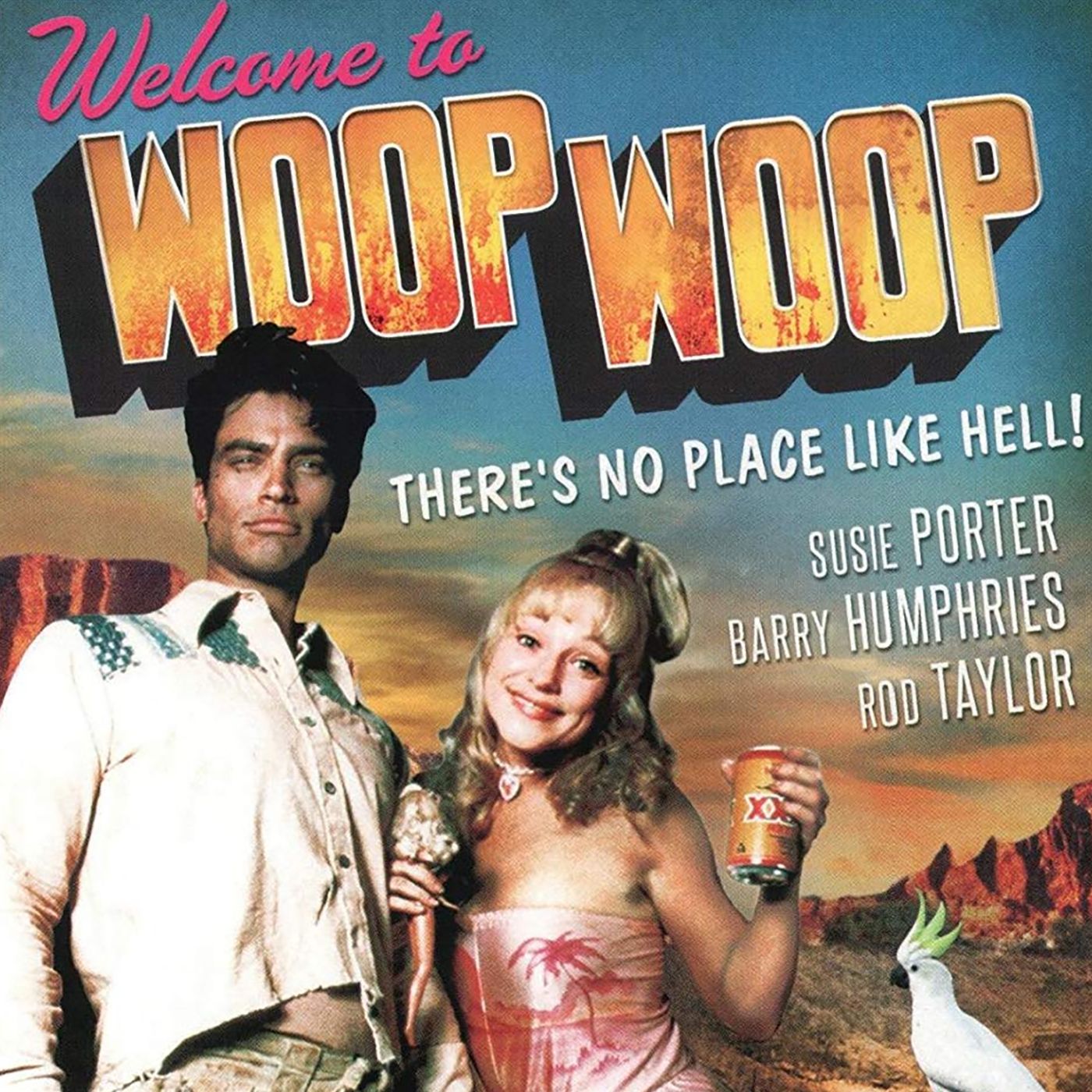
About this episode
Ben Buckingham and Rahne Alexander join Mike to dissect the film’s Cannes infamy, its grotesque fairy-tale politics, and Elliott’s post-Priscilla swing for the fences.
Transcript
Automatically generated, so expect the odd misheard name.
The Projection Booth podcast is sponsored by Scarecrow Video. Tryout scarecrows rent by mail service. Choose from over one hundred and fifty thousand films and get blu rays, four k's and dvbs delivered directly to your door. Visit scarecrow dot com today. Oh yez, folks, it's showtime.
People say good money to see this movie. When they go out to a theater, they want clod sodas, hot popcorn, and no monsters in the projection Booth. Everyone for ten podcasting isn't boring, got it off? I'm just dry, too hot, too many bloody flies. But at powers our first breaki with me new hubby, I'm my tr husband, I'm married you what do you see the photos?
Stand upad in a head edding, A gay. Honey even told me you're exceptable. You ask me what I don't think I'm lait? You said what I said. I want you to be happy, he teddy.
That's my prayers. Seven o'clock yews. Guys, what book doesn't exist? And that's the way we like it. Nobody leaves it without my commission.
That commission is never given. This is a kidnaped. Welcome to the projection booth. I'm your host. Mike White joined me once again.
Is mister Ben Buckingham a mate. Also back in the booth is Ms Rain Alexander Today, mate, I'm happy to be back. We are wrapping up a month looking at Australian films with one from nineteen ninety seven, Welcome to Whoop Whoop, directed by Stephan Elliott and adapted from the book by Douglas Kennedy, The Dead Heart adapted by Michael Thomas. The film stars Jonathan Check as Teddy, a felonious bird peddler who goes on the lamb to Australia, where he meets Angie played by Susie Porter, a good time gal who wants to go full time when her shantytown of Whoop Woop an outback berg that is literally off the map. This film became notorious after a disastrous screening at PAN.
We will be talking about that, We'll be talking about the movie. We'll be spoiling it as much as we can. So if you don't at anything ruined, please go ahead and watch the film. Come back after you have, we will still be here. So Ben, you're the one who and I don't know if it would recommend or if you just put this on my radar.
But I'm very curious what is your history with this film? It goes back to the very beginning. I am one of the six people who saw this in the cinemas in Australia. My uncle Paul was one of those things. It was not impressed.
I loved it. I would have been ninety seven. It's a crazy year for films that year. I was like, we want to pass that gave us five dollars tickets, two five dollars tickets every day of the year. It was about the same time I was falling out of doing school as a normal person, and my mom and I would just go to the movies every week, sometimes two three times, like Starship Troopers, Alien Resurrection, American Wealth in Paris, Welcome to Woop Warplake.
It was all happening in nineteen ninety seven. I just really the absolutely interaptioned with it and blown away and obsessed, and Uncle Paul was like, what the fuck was that shit? Definitely like an older generation and he's a very ossy fellow who there's definitely characters in the film who we might me of him. So I think it was the classic A little Bit Too Close to Home had an next mental copy when I was a kid who came out and watched it so many times. I was like, I didn't get a chance to look at what data was released.
I was I would have been probably fourteen when I saw it, perhaps a little bit too young, perhaps exactly the right age depending on the critic to talk to. And it's just always been there in the background. I kind of disappeared for a long while between like the VHS days, and it finally getting a bit of a resurgence in the last few years. But it was one that I came back to and I've seen quite a few times since and just keep finding more later. I don't even think it's layered.
It's just striking, like it's there's so many parts of it that are just striking, and how much they cut her like bone or shut nerves or reveal like or so much about not just Australian but like the weird little propellitarian like you once we go one sometimes when we're looking for freedom, and coming back to it again this time it was just like, oh man, this is we really missed something special in this not getting not getting a chance to be finished for stars, as Steven Elliott Cletch doesn't opening the commentary, it's an unfinished film. And also, yet again, cultural's fear just doing the exact same thing it always does and having a knee jerk reaction and going yeah, nah, I don't like it. Not for me, it's a piece of shit, instead of actually going like, hey, remember we did this last time.
Oh no, wait, we haven't rediscovered Wake in fright yet. We still think that was a piece of shit that belongs in the bin. Okay, cool, let's do this again. And Rien, was this the first time watch for you? Absolutely?
Yeah, I even though I worked in a video store for a very long time. It's one of those films where I can't even sure if I rejected it on the basis of the cover art alone, you know, like one of those kinds of films that were like, I'm aware of its existence, but I don't think that this really crossed my path until, you know, until the roster for this year's Projection Booth came out and I'm like, well, this sounds interesting, this sounds engaging. I've got family in Australia, and I have a certain window on Australian film, but like, this is definitely something I had not encountered, and yeah, let let's let's do this. Let's take a look at this film. And yeah, ultimately it doesn't work for me.
But it's so audacious, it's it's so interesting right that I can't you know, it can't be ignored. I think that that's that. I think that's fair. Well, unfortunately I think I can be ignored. Yeah, but it really shouldn't be.
It's it's such a weird film. I recently watched Goodbye Paradise, the early eighties surf coast noir, and it reminded me so much of his film, but also like things like LA's Story, which when I came back and rewatching it again, I was like, actually, the field this is like LA's story kind of bits to this as well, which is interesting. But it was something about like this that both dealing with fascism and totalitarianism in the North of Australia. They're both like this jangly, weird, chaotic mess and it's just like like compromise and bullshit and noise and dudes in terrible suits are they? I think like watching that with the friend watching Goodbye Paradise with a friend.
It was like halfway through I was like, wait, you're in New Zealand. Did you even know who like Jobiocchi pedism is, who was our little mini dictator who took over Queensland for like over twenty years. He's the one who like led to VHS be having the band in Queensland stickers because it decided that like Gnari, horror films were evil, whereas Grup cops and being mates with dictators and as it was the best thing sound familiar. I watched this with my New Zealand made I was like, wait a minute, like Peter who this this is just like he was still loving the field, but there was just so much contual cultural context that was going by that was like all that cultural context like rounds it and so yeah, like I was actually thinking that last night.
I wasn't sure, right if you'd think this or not. I was so curious to hear like the perfective of someone who hasn't because I don't like I'm completely biased, because I'm like, oh, this just feels like Australia compromise and bullshit and assholes and you're just trying to have a good day. I intentionally went into this cold. You know, we get lots of great information about the films that we talk about here on the projection Field, which is wonderful. But I thought, you know, especially because I was so busy right before it, that I'm like, let me just like try to get to this film in a way that is not compromised by any other perspectives.
And it's such a such a perplexing experience from that physician, like really recognizing, like what, you know, what environment this film was made in. You're not if I had no real sense that this was the follow up to Priscilla Queen and the Queen of the Desert. So of course, as I'm watching it, I'm like, okay, well, this has extreme Priscilla vibes. It's like occupying this interesting space between a Priscilla Queen of the Desert and you know, Mad Max or like all the other desert apocalypses that you know, I know would love, or I mean even like tank Girl, which I've talked about on this podcast as well, kept coming to mind. I really wasn't sure what to make of it all until going back and delving into director commentary.
Some of the articles that were, you know, helping helping me understand what's going on here, because as I didn't find a foothold in any of these characters, right, and I knew, like, of course I know that, like this cultural context is passing me by. But then the other thing that occurred to me me is that you know, I'm a gen X age person. I went through the nineties. The opening Tarantino esque bits really felt flat to me, and I was wondering, would I have felt different about this if I had seen it in nineteen ninety seven, Like just the chaos, you know that that chaos that exists. It seems so nineties, It seems so dated.
How do you say that? Because I was dexictually thinking of killing Zori Wall was watching it again yesterday where we were ridden and not quite America doing You're not quite Tarantiedo, and it feels odd, And I was shaking my head as you say, I'd like, I don't think it didn't feel real. It doesn't work as a Tarantino riff. I feel like it's it's more, it feels a little bit more Roger Avery. But it's like, oh, like if Roger Avy was walk weird and weird, he moved Tarantino, but it's like even further before to avy further out of that and you get is some way to wear woo woop is but or that beginning always felt like jangly and odd and almost like sets you on the wrong path for the rest of the film.
But they're like, yeah, if you watch it like a dozen times, you like, actually, this is the right this is the right. Wrong step the. Tone, the shifts in tone are just incredible. And so when you talked about this movie, I was never sure if you were talking about it in good terms are bad because you would always be like, oh, you gotta watch that, like oh boy, oh yeah, whoa, yeah, there's this whole movie and boy it's pretty notorious. And I'm like, okay, I'm not gonna ask if he likes it or if he doesn't like it.
And so now I'm finally like finding that you do like it, because I wasn't even sure because I know this was very disliked by a lot of people, especially Australians when it came out, but like you said, it started to give in a cult and all this stuff. But yeah, it's a tough film to like, just these shifts like you said, we've got this Tarantino opening, You've got a little cameo here by Tina Luiz from Gilligan's Island. You've got Rachel Griffiths showing up as this wild girl with the long fake blonde hair. Did say, is it? Said?
Vichtel Griffith showing up with Juliet Lewis, and she basically nails it. But then you. Suddenly go into like z a Z territory where all of these cockatoos have been released, and cockatoos just always sound like a punchline to me. Have you ever had a cockatoo in your hotel room? No?
Not nine. All these cockatoos are released in New York City, and all of the Americans that are there in New York are pulling out guns and shooting at these cockatoos, and I'm just like, this feels like something that I would see, like not a classic ZA Z. This feels more like a like when David Zucker goes off and does his own right wing kind of thing. When he does that, it felt like this is a view of America, and which it is, and then we're gonna get the view of Australia after that. Meanwhile, you've got our main character, you know, I know I saw him in what was he in?
Doom Generation? But he is doing like this kind of reminds me. At times Geter Gallagher reminds me a little bit of like Skeet Ulrich. And sometimes he reminds me, especially in the beginning when he's got this wild suit on here, reminds me of Billy Zing from I woke up earlier the day I died. Yes, I was gonna mention Billy's.
Ay. Absolutely, he's a very particular flavor of nineties boy, isn't he. And then to hear the horror stories from the audio commentary, Thank you so much for providing that audio commentary, the horror stories of Tina Louise, the horror stories of Jonathan, and just what a basket case he was, especially when you know everyone's laughing at this Barry Humphrey, guys, why aren't they laughing at me? And I'm like, wow, okay, just like the definition of the actor who needs so much care and attention, you know, it's like, oh wow. And then also, it wasn't easy watching this film, just because I could tell that it probably looked pretty darn good.
Mike Malloy is a great cinematographer. But the transfer that I watched like, I was unable to find a nice version of this. It is full frame except for the credits and man or man, do I know I'm missing a lot of stuff, and just the transfer itself, I'm seeing scratches. It just looks muddy, and I'm like, man, I'd like to see like you saw, Ben, I would love to have seen this in the theater. Yeah, the I can't remember what it looked like, obviously, because that was thirty or thirty years ago, next year, jesus.
Anyway, that's late I thought. Aside. The copy I have is a David A copy umbrella I twenty nineteen or twenty eighteen. I didn't get a chance to look it up, but he talks about doing a twenty twenty attempted a recut in the commentary, so it's a little bit more recent than I thought. But it's still only a David A and it still looks rough like it's better and its scope.
This is a scope film that the landscape is huge. It looks incredible, but the lack of detail is so apparent. It's still just like it has that kind of flatness that a lot of Australian nineties cinema has, which I don't think is entirely like there's a choice there, But I think that if these they had a chance to actually go and clean these up and get them poppy again, they would look quite different. And this is one for sure. And there's so much little details in here in the like the landscape and the production design and the characters of costume.
It's like, yeah, if it would be a different experience to see this in like Bourka with everything allowed to like raw into life and having that kind of the flatness or even worse than you know, my image was flat, yours was atrocious that you saw it as it does roll together to create a certain impact that isn't It's not that I wouldn't say that it isn't the film because like it is all bundled up in this film, like all the failure and chaos and the way they couldn't do things like you know, like on the commentary talks about when they went up and shot in the cave and all that he get was like a polly up there, which is like not, it's like nothing, it's no lighting at all, and you can tell it looks totally off and the rest of it, and you could fix that pretty easily with just a little bit of tweaking now to give it a bit at all.
But that's what they were fighting against, and it's kind of remarkable they got as much as they did, you know, fifty three degrees celsi, as weather as they were all running out of water and nearly dying because they shoot in summer instead of winter, and it's just it's I think if it had a beautiful restoration, it would flow together better because I think, like even like we mentioned about how the check was very difficult to work with, but by the end of the commentary, Stephen Elliott's like, yeah, actually he's great. Like he did warm up, he did get better. He like seemed to sort out a bit of his own personal shit and like open up to the crew. And he can see it in the film because they did shoot it chronologically, and you can feel a bit where he starts to open up and warm up by the as a person going through some stuff out of the desert with all these weirdos, and it feeds into the character because that's his character, someone who's like clearly running from a lot of shit who's using a lot of literal tricks and grifting kind of stuff to be the like sweet big like hooty grine, white eyed boy that just slides by and then he runs into war and it's like it feels there's a there's like parallel diaratives there that I think once you like watch it a couple of times, you have Elliott's like commentary in your head, you can really see it and at the end, like see value is like he did actually hand in a great performance, Like you feel that transformation in him and he actually is doing some like he's not the straight man at all.
Like I mentioned the commentary that in preparation he watched a lot of classic physical humor comedy stuff like all Buster Keaton's and through Stooges and things like that to get that kind of performance down. But when he's doing that in the way that Elliott shoots, it's not the focus. He's doing that like almost like off to the side, So it's not he's the straight man who's not a straight man, And it's kind of a difficult thing to juggle, and it does actually somehow slide through this. I think in any other film that wasn't as like banked up to Ony ten absolutely maximal maximum, It wouldn't be as much of a straight man role, but it balances everybody out there way off the clear thing, and he does he really does do a great job.
And I as a kid, I was like, ah, yeah, I wish it was somebody else. You know. He does nothing for me, like there's no vibe. But now as an adult, I'm just like, oh, dude, you you were a sad little kid who was learning magic and learning how to get the bullies to leave you alone, weren't you, and then you got stuck amongst all the bullies, you know. Creator in Hell, I did.
Read The Dead Heart and to see what Michael Thomas did with this, and I'm hoping Michael Thomas. At the time of this recording, I haven't heard back from him. I was really hoping I could get him back on the show. We talked to him for the Hunger episode, so maybe he'll come back on, but right now not looking good. But Thomas took a lot of the liberties.
So this whole idea of our main character being this grifter selling these exotic birds and you're going to get this bird theme coming through the whole movie, throughout a lot of Cocker twos, and the it's even kind of weird because he flies into Sydney. But then when we do a little transition and he's driving along the road, he's in the Northern Territories, and I'm just like, how did he get there? Because in the book he in the book it's very different because he's basically is a journalist who our main character is a journalist who's working for a lot of little newspapers and somehow he comes across a map of Australia and he gets obsessed with it. So as far as your motivation for why you're going to Australia and kind of like throwing away everything during a nude life, there's not a whole lot of motivation.
So this whole idea of like going on the lamb, even though I wouldn't shout I'm going to Australia as you're running away from the people that want to kill you, probably not a good idea to do. And that they did that as an adr line, I'm like, why did you put that in there? He shouldn't say where he's going anyway, So he starts in the book, he starts in Darwin and we kind of get his backstory there. He runs into these two interesting Jesus freaks who he buys their minivan from their micro bus and just starts driving, and he really doesn't have any sort of destination, And at one point he runs into this whole same story of like there's an Aboriginal guy who just kind of jumps in the car with him at one stop and you know, gets to ride from him that way, and he's kind of put out as far as like, how weird these people are get ready because then he ends up meaning Angie and the whole idea of like, she definitely is this country Bumpkin has never really heard much music.
But when they get to and it's not Whoop Whoop in the in the book, it's like, I can't remember the name of it, but it's another town that has two names very similar to Whoop Whoop. I think it's a made up town, which is why I'm saying. They will sound like made uptowns. But yeah, go. We talked about The Getaway years ago and The Getaway the movie by Sam Peck and Paw and then the remake.
They both stop at the end of the second act of Jim Thompson's book, and in the book it goes into this wild other place which is basically hell on Earth, all of these people who are just there to fuck each other over. Basically it just gets to be this like surrealist nightmare that is whoop whoop. Like when she knocks him out, like they fall in the ends up having with her. She's like, do you love me? Yes?
You know, forever and ever? Yes, Okay, she punches them in the movie, punches them out. He wakes up in woop whoop, and it's it's very similar to what we have in the book, but it is very different. I don't think there's a whole Rogers and Hammerstein thing that's going on. I love how crazy and surreal whoop whoop is that town.
It's wonderful, just how fucked up it is, I mean, and. There's things that I really really liked about the depiction, even though like, ultimately I feel like it was missing so much. And I want to proceed up by saying, you know, part of what I thought about this, especially the second time I went through the Pakatoo Sale Gone Awry, which leads in the you know, the cockatoos flying away through New York City, and I think we should do we should talk a little bit more about that scene in a bit too. But it as is magical realism aspect to it, like this idea that like he's following these cockatoos and the cockatoos are gonna fly to Australia and so is he right? And it really I feel like that one of it's a missed opportunity for this film to really delve headlong, like really consciously into it.
I didn't really get that sense that Whoop Woop had. It was too real in many ways to me, you know, as as as a viewer, like you know, the the griminess, and I mean, of course it's it's it's wacky and it's funny, But I think about the ways that films like I don't know, Bagdad Cafe function or even like dragging in you know, these little isolated places in the middle of nowhere where just the wildest shit happens. Right, this is very much in dialogue with those. But it felt like what was transforming this character wasn't like our American hero anti hero wasn't so much that realism, you're that magical realism does that make sense? On My response to that would be like a lot of Australians see him like butting up those cockatooso, be like I'm getting my birds back and they going to Australia and Australian and be like what the fuck is he talking about?
I don't think can fly that far over water? Like they can't, So what's this fucking trong? Go do it? Like so from Australian pspective, you're oupen to the film, but just being like this guy's geez you meant to like I think open it would be just like what the fuck is this? And they're like getting to Australia to see the city offer house, Well, you know, doesn't mean he flew into Sydney.
That means he flew into the western idea of Australia, flew into the postcard and ended up in woop Walk and that's like that's a big place. I think that's part of the film, to that juggling of like the yeah, because like in the Coulentary he says he wanted to make out back Bellini or out back John Waters and he kind of like you can see how both of those collide and this film doesn't feel that elevated, like it doesn't feel that extravagant like Australi. It's a weirdo. So we get real weird when we go off into like places like everywhere the world does, everywhere it does, and there's that like that that that English strain of like mad dogs and englishmen and just like yeah, I'm completely don't I'm not saying like that you're wrong where you need to get your head straight to like get this field or anything.
It's just it, I like absolutely makes sense, Like I agree one hundred percent with everything you were saying, and like oh yeah, you know it doesn't work and it's weird and the dwog like that. It's like but at the end for like for me, it's just like that's that's yeah. It's like we found this amazing country called the Lucky Country, and then we just kind of fucked it up, and not even in like an energetic way like America. We kind of just like across the landscape and like sunk into these little rat holes and made a lot of junk and like had dogs and eight brows and pineapple. I think they're like the rogers Hastide being, you know, how like they keep finding a lot of lost films down in like New Zealand.
And part of the reason is that the thirty five millimeter prints would do their like roadshow across the world and they do all the like play for a couple of years in all the big places and then then slowly trickle their way down south. So by the time they got playing in Australia in New Zealand, they were like four or five years old, and nobody wanted them back the overseas, so nobody was paying to ship them, so they just ended up stuck in archives. And that's how like did we find lost hit shops and such? And it's like trickle down culture like is what Australia experienced for a very very long time. It was like, oh, you can make your own, but we have the cultural cringe whe we don't like the things that we make a lot of the time, so we would watch our own stuff, and so we were waiting on the rest of the world to finally send their culture down here.
And then it's like by the time it gets here, it's ancient and abandoned and it's like, oh, well, of course, the natural like cinema metaphor for that is, for like Rogers and amersteinin to be piled up in an asteroid crater in the middle of nowhere, just being watched on repeat, just like memifying people's brains with that kind of thing, is the total disconnect from anything that they have, or if it does have a connect, like fighting in the South Pacific during the war, for their parents or grandparents, it's the same kind of like fantasy detached version that gives the borough understanding of connection. The film is so infused with that where it's just like, yeah, look at this amazing like cultural stuff and these like all these objects, and look at this technology and it's all just pilot somewhere and.
Just e well, what I think is so interesting about that? And I think it, I mean, the Rogerson Emmersteins of it really highlights this, for it underscores it in a way that I'm still grappling with, which is in this film, and I've watched a couple of other of his films in this time. I think that he's really got something to say about the relationship between US Americanism and Australianism, and like, I'm not sure that he's saying it in a way that I'm receiving it, right, because it's not so much about like this fish out of water character really transforming in any significant way on that access. But we have this opening where he escapes New York in a wave of gunfire in the middle of Times Square, right, Like if you watch this or like make sure you just watch this opening sequence because it is bananas, right, It's completely garrill like number one, it's completely gorilla filmmaking, right, Like there were no permits for this apparently, So this is what nineteen ninety six, nineteen ninety seven, whenever they went into Times Square just handed out guns to every extra.
And you know, so all these extras are firing at these cockatoos that are flying away, and so obviously, you know, as you're saying, Mike, it's got this zazz kind of commentary, you know, this slapsticky kind of commentary about Americans and gun culture. And we're talking about nineteen ninety seven, so you know, we're still not into like a school shooting every day like we are now. But you know, this like willfulness for people in the middle of Manhattan to just like randomly be firing into the air. And this man escapes to Australia where you know, I mean, do we even see how how many guns do we see the further rest of the film. Right, the kids have the guns of shooting the dope.
Yeah, well, yes, yes, yes, I guess there is that but there yeah, so there's that utility, but like we're not seeing that same kind of thing. I feel like, you know, there's certainly much to be mined in this and I'm very new to thinking about this, but I think it does have something to do with me thinking about the ways this film works and doesn't work for me, and I really want to know more about what the filmmaker and his crew really want to get at about this, like the similarities in the differences between US Americanism and Australianism in terms of like how culture has developed, what it is to be in a place that has been you know, colonized and then abandoned. Right, there's a lot of that coming up again now for very obvious reasons as we consider our international partnerships, or rather how we aren't seeming to consider our international partnerships despite really obvious reasons for why we should be questioning some things.
It started when in the Second World War, when England was like, yeah, we're not We're not coming over there if you run into some shit, and ast earlier as like, ah, that's not great. You've always looked after us. We've always been, you know, the little little kid that you like, stop people from picking on. So then we jumped into bed with America, who was like, yeah, we'll come out there. Yeah, just let us put you know, a pine gap and a military bases and all this, and suddenly they're just there were Americans everywhere, and it was funny.
By my my dad was in the Navy and so he had a lot of experience with dearly he was it had been the perifers of the Vietnam War and so he had he didn't Nobody liked the Yanks here like it was was sorting like yeah, there's all sorts of saying something of course, like scepto and septic tank. As we hear this slang in the film, which is excellent, you don't hear that very often anymore. I've definitely said it on Twitter and Blue Sky apew types of people who had no idea what I was talking about, which was you know, gotta do what you gotta do. But there's they were just like I said, over sext and over here, that was the main saying. That was how they described we described Americans in the seventies over sext and over here, and that's that, Like antagonism has definitely lessened.
It was we were so anti American culture in the eighties and nineties and like people, you know, don't you know, I don't watch the Simpsons and don't watch this and don't watch all this crap. And then it's like, oh no, we do. Now we just watch every thing. You're basically mini America. We import everything.
It's just like complete slide and it's like that's that is a big part of our relationship with America. It's like we can't actually work up the energy to be as it's like, to actually be something like racist about it. It's just this apathetic dislike that we won't push against or really deal with in any way. And that I think that does come across this field where they're like yeah, okay, yeah, you're over six and you're over here, fine. Rain.
You mentioned that you could see Priscilla going through a lot of this, and it is interesting. So this was the third feature by Stephan Elliott. He started, you know, he was assistant director. I actually worked on The Coca Cola Kid, the Ducha Macaveo film, which is interesting, moved up to writing, did it's writing as well. Frauds was his first film, which I watched last night.
That was really wild to watch that I'm not sure if I liked it or not yet and the jury still out. I do love Adventures at Priscilla Quina the Desert the very first time I ever saw that, and this episode is probably going to be as close to me doing an episode about Priscilla as well. I watched that movie just happen to catch part of it on cable. Was it cable? Because it might have been one of those things because they either showed it right again afterwards or they showed it again two hours later, and I watched it again that same day, which does not happen very much to me.
I think the last time I've talked about doing that was Demolition Man. So Priscilla, Queen of the Desert holds a very special place for me. And whoop whoop. I mean after Priscilla, he was basically on top of the world being wooed by Hollywood. Come on over, here and you know we're going to poach the talent from Australia.
Come on over. And that was a great time for Australia as Australians in America. It was also Guy Pierce was making appearances. You showed up in you know, he was fantastic in La Confidential. I can't remember.
Is Russell Crowe Australian or is he in New Zealand? It doesn't matter, but. He was also Zealand didn't want him, was stuck with him now. New Zealand And sixteen. For hot headed actor day Russ so Crow.
He loves to act, but he loves one thing more fighting around the world. I f his directors and he fights his fans. It's a problem no one understands if there's two things he loves its fighting and fighting around the world, Macan movies, making music by around. So he also is making this transition a lot of people transitioning over. This is before we started to do a lot of production work in Australia, you know, with the Matrix films and all that.
Elliott goes over to Hollywood. I think he was the first director of the First Wives Club and ended up I think it was that film. I've read rumors that was that one, and basically said, listen, I need to go to the bathroom. And he just kept walking and walked off of the set. He didn't want anything to do with this American production.
I know for sure he knows Tom Hanks because he talks about that in the audio commentary that Hanks was the one that recommended Sheck. And yeah, it's funny how he changes this tune through the entire thing. Like by the end he's like, yeah, Sheck was good guy, but like at the beginning, he's just like, fuck you, Tom Hanks, how dare you recommend this guy to me? When he started to make Welcome the Whoop wu Up, which was under a few other titles, the Dead Heart being one of them, and like you said, it sounds like a horror film. When he starts to do it, people are throwing money at him, being like, yes, make another Priscilla, Make another Priscilla.
And he's basically like, I'm going to make the anti Priscilla. But this movie feels so similar to well two things from Priscilla Quina the Desert one. In Priscilla, you get those amazing things like when they're going through the desert and you have that tremendous gape behind. I think it was Hugo Weaving and or it might have been Guy Pierce with that one, because there's also another scene where there's like smoke and they're on top of the bus and it's just very operatic and beautiful and so many beautiful scenes, so wonderful. But then you get that the scene in Koopapedi where you see what Elliot calls the real Australia, and that's where it's like, we don't want you here, We're gonna kick your ass, you know, just you know, they even encounter that near Broken Hill where they have the graffiti on the side of the bus, and it's like this becomes those scenes all as one movie.
This becomes that ugly underbelly of Australia. And for for Elliott, that's the real Australia. I think, like he's like, yeah, the cities are one thing, but this is the majority of the country. Is this thing? And Ben, I have to ask you because this coming up like crazy while I was reading things.
Occer oh c K. E R is that right? Yeah? Oka, it's Ossy, it's Oka May like it's true blue you know, Ridgie Ditch, what what don't you understand. Ozzie, I don't understand what that means, any of that anything that you just said, I don't understand.
It's like, yeah, I said, Oka is just like it means it's really assy, like it's it's it's legit ausy. It's like proper cultural representation would be the academic way to say, ok. I guess a very similar to to like Australian identity and belief about the self. So you see how this film is like juggling the two sides of that of like what we think is like true blue aussy and what is actually true blue aussy. Oh.
I had a mate who worked up in the mines in the Northern Territory. It's of a little like horror stories they had of just the casual kind of degradation and violence was just o great And it's like, yeah, it's like country towns, it's just shit. I grew up my country town. It was shit. Wine was pretty close into the city, so it was just boring as opposed to being wild and crazy.
But like even these it's probably no, it's not better, it's it's best. Probably better that it used to be because there are more distractions in a lot of ways. I don't think there's the random chaos as much, maybe very different kind of Adam chaos. But I remember watching Night from the Martin Bryant film by the Loaded Snowtown and being like, yeah, this feels real and it feels legit, like it's it's not excusing, it's not like bun Boy I had very significant mental health issues, but it's the whole thing of like, yeah, this is this is look at this little country town that did nothing and made it worse. Yep.
Yeah, And it's just like even when it's being like not this insane, amplified booze fueled whatever, it's still just somehow manages to be like, yeah, it wasn't helpful, it didn't lead to good outcome. And that's the kind of darkness where it's just like bored people get up to bad shit because there's so little movement. It's like stagnant water because the spaces are so huge. And I spent some time down in Flinter's Island for a job. Befull Last, which is a little island off the top of has made the state little island state at the bottom of Australia, and I was saying, Lady Baron, which is the dock part of port town of Glinda's Island, there's only like ninety seven people living in the whole town, and a significant chunk of them have been been to the mainland, which is the main city of Flinder's Island, which is a forty five minute away, a significan chunk of people.
Le Baron haven't been there for twenty years. And it's a running gag of like, oh no, I can't go up to white Mark today. I haven't got my passport with me. It's just like that kind of like just so isolated and happy with it and disconnected, and it's like something like for the island say that, like it's better. Who knows what happens in Flint's Island that we don't hear about, but I think it's there's there's a little bit more choice for some people to be there, whereas when you end up in these places that you like you went there of work and just got stuck there, you know, breaking fight as well, that it does lead that to the heart of darkness kind of thing, and that the frontier in Australia is like never really there, but it's never far away, like it doesn't manifest in a way that is as tangible as in the American sphere imaginary confluenced, but in Australia it's just kind of burbly in your way and can really easily cause rot, especially with how many of the very traditional psychological flaws and inabilities to communicate that we have, which there very much comes before here and listened to this these commentary is a delight, Like he just seek it out if you haven't heard it.
It's so interesting and funny and sad and crazy and hilarious. But listen to us, like, Ahti, you know, like your filmography makes way more sense now. You're like he's mentioning all these people who he's friends with, his big stars, and he's that doesn't feel like he's doing your name job way. It's just because it's like I think he talks to people and they like him. He seems like a guy who you talked to you and you're just like, you're a fun, interesting, cool dude, let's chat.
But he's absolutely got that thing that he just like can't leave well enough alone. And like right when you were saying, like what was the crew and everybody thinking and making this. It sounds like everybody was making I wouldn't say everybody's making a different film. I think there were a lot of people there who are too busy surviving and they were just working and doing good work, but still just working. And there you know, the producers and the money people both present and overseas were like thinking very different things and only being influential enough to add to the chaos.
And Steven Elliott just be like with these little box of like I'm making this film that they'll just show everybody it's this terrible Australia and they'll see it and they'll learn that I'm actually fully fucked in the head and I make fuck weird films. I don't make them nice films. But it's just like yeah, yeah, it's all there. But Priscilla was huge, like I know, like it was huge because you guys know what, you got it too. It was huge here too, like it was everywhere.
Like I think you go back to now and it's says the thing we lost about the nineties films that they don't that the government funding people and the producers don't seem to recognize we had a stream of successful films in the nineties, and they all have a super razor edge to them and it's like a dark corner of their heart dedicated to something. You know, Muriel's wedding. Yeah, I've never understood why people like that film. What's that film? We're going, oh no, this is horrible.
Get out. I did grow up in a shitty Australia duntry town sort of like that one's so it's too close to her and Bascilla is like this, like just the undercurrent of the like the bigotry and the ignorance and the weird way that it gets punctured. And then we think we're not big to prejudice, but we just we just opened one door and closed all the others. And yeah, fully like goes to town and being like, you know, I don't want to be represented by like, I don't want you to get confused. I want to like show what we really saw as we traveled across the desert.
And there is like a crazy amount of things that back up for not being that outlandish. Do you know Catherine Knight The story of Katherine Knight, the Australian murderer. When you look it up, it's like huh, sounds like Angie. She was worked at Avatoire in a new South Walestown in Aberdeen, which was a meat and a mining town, and you either worked in meat or you worked in mining, or you didn't work at all. At starry getting Katherine Knight seemingly probably some like to alcohol syndrome because it's very common in those kinds of towns.
Definitely like didn't seem to be a particularly like a bright person who was able to engage with the world through anything other than sex and violence, which sounds a lot like Angie. And people described her as an absolute artist with meat who was incredibly skilled in the abaquat I'm butchering. And she ended up in prison after murdering everything was there ex boyfriend or current boyfriend, like there was it was whibbly Wobbly murdered him and skinned him and turned him into a curtain between the kitchen and the dining room. Yeah, and she's real intense and she's better off in prison, and sounds like she's doing great now the help that she needs and the sport and a good community. But like you look into it and you're just like it's Angie, Like Angie is not a fictual character, like this person exists in Australia and she's intense and scary.
It's just like so many things like that. It's like, yeah, no, this is this is this is kind of real, like it's grabbing these things that you know, the skimpies night is a real thing where you're just in your skimpies. You know, you're like your underwear. Like the casual degradation, the casual abuse is the casual madness. They're like, oh yeah, don't worry about them.
They're they're just a bit book But it's fine, they're a good bloke, you know. That kind of stuff. Annoy that I didn't get a chance to see forwards. That sounds like a bit more of a weird blue to Elliott's filmography, which is he really got steered into. I don't know why you went back to America, and I do know why you went back to America to do either Beholder, it's because you've like clearly burned here.
Because actually that's it should be noted that Stephen Allen's one of the few Australian filmmakers wh've got the big Australian film and stayed here to make another film like generally of that era, like they bail, they go to America. You know, everybody wants to be in Labody, wants to be with the money and noises. And as part of the reason why our industry is a bit dead, because we do just have that cultural exodus that they get successful and they bugger office that is staying here and trying to build some sort more like solidly grounded industry that's capable of doing its own thing. And so I think that's why he bailed and went overseas, just because it was really like it wasn't tenable anymore, Like nobody was gonna give money in Australia off it was such a disaster.
It's at least in America they just asked to say, Stilla, nobody saw you know it. Yeah, I think I've seen I have the Beholder, but I don't know, because I know I've seen a lot of those Ashley Judd thrillers, because there were a lot of them for a little while, to the point where I mix up quite a few of them. I mentioned how this is like two things from Priscilla Q. We know the desert, and the second thing is when Rita Rapulsa shows up and tells, you know, and they have that flashback of her and who's the guy's name, Bill, It's like one of the most famous Australian actors, the guy who had seen Late Girls in when he was younger, and he wakes up with her in the morning, ky you wife. That whole thing is this movie because like he wakes up, our main character wakes up here in whoop whoop, and yeah, oh yeah, we got married, and here's all of our wedding photos and here's all this stuff, like completely shanghaied by this, by this woman and by the whole town, only to find out that she is the daughter of the patriarch of the town.
And it's interesting. In the book, it's a little bit more. It's it's a triumvirate of three people, but in this one it is all daddy. Oh. And in the book it's very interesting too because he is daddy, which is throws a whole different spin on it.
And I know that Elliott talks about how because he's daddy, he's got his wife and he's got his two daughters. In the movie, there was a scene that was shot where he kind of talks with his one daughter, Catherine, who's like the good daughter, and said that it was very, very incestuous feeling. And that also sounds like a fascinating scene too, because we get to see more about her husband, who's played by Paul mccurio from Strictly Ballroom though some people would know him from East of Eden, that poor guy. But that scene of our main character being under Catherine's bed and finding all of these gay male porn magazines to find out that her husband is a midget was his name? That he he was a hairdresser.
She finds him out on the road. It's this whole custom of like you go out, you find a man, you bring the man back because of the whole idea of we don't want to endbreed in our little tiny town. And yeah, she happened to pick up a gay guy. And this is kind of like the confirmation. It feels like there is more to this story.
Like you said, Rain, it feels like we are missing huge chunks of this as we go along. Maybe I'm naive, but it does seem to me that in a town where it's major culture role engagement is Rogers than Hammerstein Musicals, you'd think that there would be more just more gainess. In general, it doesn't necessarily need to be like positive gayness, right, It could be like the brutal, ugly gainess. Right. But I feel like that was a piece that felt significantly missing to me.
And it does sound to me like, you know, he was reacting to Priscilla and wanting to make sure this is like a very different movie and so like dealing with gayness in a different way. You know, it is still the nineties and so homophobia is dealt with on screen in still different ways than it is now, So you know, I can understand that. And it also seems like he was making a lot of business decisions all through the film. And I feel like, you know, this is something that you can really glean not just from his commentary, but from just like watching it and thinking about, like what is not working here? What is about this filmmaking that isn't connecting?
And but for me, part of that is that, like I really wanted, I wanted a lot more internality for more of the characters. It doesn't necessarily need to be all of them, but you know, some introspect in some analytics, like I feel like we're being let off the hook easy by saying like, oh, well, he's a gay hairdresser with porn mags under his bed, Like there's something more compelling and more interesting to be done with that. I feel like right in this environment that they're that they're living in. But you know, maybe Sam Goldwin was like, it's too much gay. We don't want too much gay.
I'm not going to give you more money for gay. I don't know what's going on in the on the business end. On the back end, there's only like two scenes he pokes about on the commentary that were shot and cut, and both of them would have been that the meat around the bone, Like they're not necessarily really bored though, but a slight It really does. Because the cut that went to con was like three hours that bombed and then like the studio just been now and took it and cut it down to like ninety seven minutes. So this is the studio go we like what can we lose?
We just need the absolute structure. They was actually thinking about that watching it agay last night up to the commentary was that it's like it's amazing it works as well as it does, Like he really did manage to capture like those scenes that do leap frog you that it propelling forward and you do have kind of all of the essential data you need to be like where it's at, and it's like, but yeah, oh yeah, dear god, I wish that it had all that sinewy meat wrapped around those bones. Like there's the bit that we haven't mentioned one of the absolute most important figures in this whole film, Lizzie Gardner, the costume designer famously one the Osca Pristilla, is absolutely a character in the film, and there's you know you have that's I think he's doing a lot of fascinating work in how it carries and gives you some of the internalness, but at the same time it doesn't because one of the scenes that was explains why the clothes are as crazy as they are, that it was originally that all the clothes they'd source for like from an op shop, you know, symphonys and all that kind of bother does and lawns and such had second hand, handed down kind of stuff.
And then there was a scene where Daddio found a stash of flood relief supplies clothing supplies, and this was like the the Steven Stephan Aliott had had some experience seeing the kind of stuff that people donated to flood relieve callouts, and it was just weird, random stuff that they were getting rid of, wedding dresses and things like that. So it's like that that kind of adds like a bit of condext and explains a little bit goes like, Okay, well, that's why that's such a weird grab bag of close. And it's interesting because you know so much a Lizzi Guard's job is like presenting who these characters are and their identity, but at the same time she's working a sphere when where the characters are having to find their identity from the bits and pieces that are the cast offs that nobody else wants.
So it's still them, but it's like they're also still like shuffling their skins around and that that isn't as fixed and locked down, and that's like, yeah, that's great material that it's like, oh, you don't get like if you wanted to like really think about it, you could get to that in the film. But just that kind of little dribs of like crumbs, which is not like just super important scene, it's like, oh, yeah, this is nobody's fixed, like everybody's kind of just like and surviving at the back end of everything up everybody else has done with it, and it's like, yeah, that's oh yeah, no, you like it's there's there's so much of this film, But I even I admit, like I don't think I came to a lot of these stuff until this time.
We're really seriously concentrated, like on it, watching it multiple times in a week in the commentary, and I was like, ah, yeah, this is this is really like hit the nail on the head with a lot of it. Like I think in some ways it's like Waken Fight is incredible film, Like Waking Fight is the solid, stable masterpiece, and it's like, yeah, this is this is the chaotic like little weirdo cuzz of that. But at the same time, it's like it's it does the magnificent thing that postmodernism at its best does when it just cranks everything up and you're like, oh, I see it clear now, like way clearer, and it's like some it comes off more cartoonish, but it's like the kind of are cartoonish like when you get to that kind of like really unwell, not dealing with life running away and just taking it out on other people.
It's a horrific cartoon. But it's like, you know, Chip's rafferity is so much small threatening in Wake and Fight. It's his niceness and it's like Daddy O does that too, but he's also out of control and he has the other side. The two faces of Daddy they're so similar, but they're so different in the performance, and they are doing the same thing, but they are doing different things, and it's it's like, it's funny to watch Wake and Fight and be like, ay that that is Actually the chill version was the like attempt to like go via Texas Chainsaw Massacre too, to be like, yeah, I just actually just feels like Australia, like this is I've met these people and even like actually one of the costuming thing I was hoping to get an answer for this, I didn't exactly at all really.
The Collingwood football jersey that Daddio wears, so the black and white striped jersey that he wears for the majority of the film is a jersey of the Collingwood Magpies, which is an Australian football league team from Melbourne, and that is very loaded. He holds onto that and he wears it like a battle armor, which absolutely makes sense in the context of Australia. You know, that's like the teams Collers. That's like people will wear that. And there was a famous Melbourne night club and the last time I was ever there was there was like five am in the morning and there was also and then I looked across the dance floor just in time to see a guy in the Gollingwood football jersey, just like fucking deck this guy on the dance floor and he just went down and just like a dude just wands it off with his beer.
It's like, yeah, so Collingwood football jerseys. But the fascinating Collingwood has always been despised, Like people hate Collingwood supporters. There were a ravel mob and two like there's the two that and like that, but that comes from there. He tended to be working class. They tended to be migrants who supported Collingwood.
It's a classic thing of like ah, yeah, we hate the Collingwood magnties and their supporters versus it's actually just racism and bigotry a lot of the time. But they are also sometimes quite a bit like they've they're famously a bit of a difficult broove the supporters, so's there's really interesting elements there that draw like the black and white jersey. He's seen the world in black and white. It's working class associated. It's like battle dressed, you like you go in and fight the other team.
But there's so many elements to that one piece, and I am inclined to think it's his that it didn't come out of the flood relief. Whether it connects him and it makes him a Melbourne or not, there's nothing that stands out specifically as like, oh Daddy O is from Actually the Melbourne for those that I know, Melbourne is like pretty much the opposite point from wherever woop Wook is meant to be. It's green, it's arty, it's culture full, it's you know, it's like it's like the Vienna of the down Under, definitely like the Wanka capital in a more intellectual, artistic sense of Australia. So that also is really interesting that it connects him to Melbourne in that way, and there's nothing else in the film that I'm aware of that really does.
So I looked up the name of the town in the book and I was wrong. And it's not a two word double double woop book type name. It is wallen Up and apparently that is based on Widenum, which is a former mining town over in Western Australia which is a exclusion site. Basically it has been condemned and the Western Australian government strongly advises against all travel all through Whittenum and the surrounding areas like walling Up and Whoop whoop. It was an asbestos mine and then it was basically taken off of the map and closed down in twenty sixteen.
Whittenoom only had three permanent residents. The especials thing. Have you, guys, do you have much of an issue with asbestos in America? If you are a loved one have been diagnosed with the sophaga, stomach or colon cancer. A specialist exposure maybe to blame asbestalist exposure in the navy, shipyards, mills, heating construction, or the automotive industries, may I put you at a risk for these cancers.
I figure it's a worldwide thing, but it is a thing here like intensely, like there was a big Royal commission in the nineties. I think there was a big political fallout and being like lots of people being paid out from getting all sorts of horrific things from asbestos, And I just wondered if it was like more specifically because we're hot. More, I'm curious if I'm going to die because of asbestos. Because when I was younger, the high school that I went to had an entire wing that was closed off because of asbestos. And I actually broke in there one time because I wanted to see what this was like, and you could tell that they had basically been told.
It was very COVID like in that it was get out now. You could see where there were all these decorations of the classrooms and all these things. It was very like suddenly life stopped. But you could see a haze in the air, and I think that might have been the asbestos. But then every day I would go into science class and we had these big black they weren't really desks, but they were these black slabs that you would do your science experiments on.
When we came in, those would be covered with snow quote unquote. Basically the ceiling tiles were just leaking asbestos every single day. So we're pretty much breathing that in for four years in high school. So yeah, good times. That's the kind of area I grew up in, Like this whole idea of like having like we have so many it's around here, so many fields and rivers and streams that are closed down and condemned because of all the waste products that I grew up around.
So that's a lot of fun in Baltimore, where we've also got lead abatement measures so which we led in asbestos. My generation is pretty much you know, it's a dire It is a dire thing. But they could have very easily gone with the uranium like radiation thing because there is a lot of uranium minds out that way as well. So even that's it's interesting that they don't go that way. They stick with asbestos, which is again it's the workers, it's the miners, et cetera, the working of the factories.
There's no romance to asbestos. There maybe is a little romance to uranium because it glows, and. It's the who because it is sort of nation building that I was wanting with the heat thing, that if you do have a place where they're gone to fires and you go we just make it out of asbestos, then it would be fine, and we built out nation on the backs of I. Love watching old movies where they're talking about the wonder if of asbestos, especially the educational things where it's just like, oh, look at Timmy in his asbestos suit kind of thing, like the wonder of asbestos. It was like, you know, talking up the polidamide before you knew the consequences.
My grandfather he was on battleships and they would use asbestos all the time for like all the pipe fittings and all that kind of stuff. So yeah, he had a lot of medical problems. And here in the States, ben we if you watch day time television or even nighttime television, you can see commercials all the time for were you or a loved one exposed to asbestos? So it's all of these mesothelioma commercials and like, don't worry, this isn't a lawsuit against your work. And I'm just like, why is that a problem?
I would love to sue my job. Yeah, bye. By joke is always like, oh it might be the blackberd plastic, so of the asbestols to get me, it's gonna be the agent orange that dad got thosed within Vietnam going out fancy, But. Yeah, we should talk a little bit more about Daddy O and just his hold over this town. And Angie didn't fall far from the tree because she is so manipulative and so mercurial, And that's the thing that comes through in the movie, but comes through I think more in the book as far as how quickly she can turn from the lovey dovey wife who's got him trapped there for their honeymoon to the person that punches him in the nose and gives him a black eye, and he's a battered husband.
Before the honeymoon is even over, he talks about going outside for a walk, she punches him in the face. He is constantly in the book, at least in fear for his life from his own wife, this crazy person that captured him the way that the movie plays out. You mentioned wake and Fright. I was also reminded a lot of dead End Driving and just this whole idea of being put under a dictator's thumber, even Turkey Shoe, But I guess it was more the scenes of the movie. Watching was reminding me of dead End Drive and this whole dystopian thing because you know, you're talking about those costumes.
Sorry I'm jumping all over the place, but you're talking about those costumes, and I'm looking at them and I'm just like, this reminds me of burder Town. You know, this feels like post apocalypse, just with the way that they're all dressed in the hand me downs and using things for other things that they're meant for, you know, like kind of reclaiming the garbage and just having this huge garbage heap there. I mean, we just were talking about entertaining Mister Sloan and that the play of that takes place outside of this, you know, giant rubbish heap, and it just feels like their houses are clutter. The house and that is cluttered and everything. You watch this and it's just there is stuff everywhere.
The production design on this movie is crazy. Elliott was born twenty thirty years to light. If he had been making like Alka sex comedies in the seventies, he would have been so happy and fine. He would have made He would have been like a Brian Trenchard Smith, you know, Bruce berows Ford, all those largest like bounces between diffin. John was doing crazy stuff and he like arrived too late and he nails it, like it's incredible that the way the timur of the lingo, the dialogue, the repartee, the connections, like the like the weird kind of knowing dancing around edge lord kind of comedy that those particular brand of Australian humor, like he's so good at it, and wo is like because the the Sterlian film industry as we know it is born with like Darry McKenzie and Alvin Purple, the sex comedy is the lowest to the low and the just big gangbusters.
And you know, parallel to that, the like Australian Film Institute, found Film Commissions, found Film Commissioner, was government money pumping in to be like, no, we have to be representing ourselves on the international stage and we are defining what it is to be Australian in this, you know, as we head towards the twenty first century and it has to be proper and it has to be you know, we can look into like some difficulties, but it's you know, no, it can't, can't none of that stuff. And they both like that's you know, picking it out your rock and fringed drollers things like that that all gets annihilated with Mad Max when they were spinning wheels by that point, and Mad Max brings exploitation and just like, oh wait, we can do like international genres and we can just like explode like what we're doing, and we don't have to have these sort of laid down tracks and all this kind of thing, and it just starts like splending out from there and like woo combines those three like it is exactly you know, it's part sex comedy, it's part like Australian cultural identity period piece.
So it just happens to be set in the time it's actually set then if it's actually shot, and it's also the Mad Max exploitation film as you wanted out, it's it's like, does a better job of using these cinematic attempts at representing else else and comes off like, yeah, loolong weird. The one movie I forget to mention was something that also feels very similar, which is the Cars at eight Paris and this whole idea of this whole town that sets up traffic accidents in order to take all of the things out of the people's cars and take the cars and basically like those poor people either end up as citizens or they end up as complete head cases in the you know, being experimented on by their local doctor.
Mangelore. Yeah, it's funny because that was the first film you ever had me on to do projection Ruth before, so I was having good glass backs to that. And it's funny because I who feels more human. It feels more human to be like kidnapping men for this berm than it does for just like seizing cars and repurposing like cars in a Paris feels like a much darker field with a lot ways even though it's like not confronting that stuff as much, it is doing a bit more of the way you can fight is doing it more like you don't know what happens about the dark kind of thing. Yeah, they have they such con fascinating companion pieces.
I mean, I think this gets at the heart why I think the movie didn't work as much for me as that I wanted it to be either darker or I wanted to be more I don't know, slapstick something, you know. I wanted it to be funnier. I wanted to be darker in either direction. But I think I called it audacious right at the beginning, and I really do think it's like there's so many ideas here. I as a viewer, felt like I'm looking for a foothold and and I'm looking for a place where I can like really grasp how I how I should be understanding what I'm seeing here.
And I don't think that. I don't think that I landed on it. And I'm glad Ben that you brought up his subsequent film, Swinging Staffari, because I did watch that, and I think it's a great film to watch after this, because you can see how things cohere a little bit better. Right. There's just pieces of it, you know, we haven't really talked so much about the big red aspect of it.
I mean, this is another piece where I'm like, well, what is what is going on here? Is this that movie about a big scary kangaroo or not? Right, like, where is that beast? That monster? I think any other film that would have been like, you know, like whatever the Donnie dark O' bunny or you know, something like that, but really looms in, you know, in the horizon of this, you know, within swing and so far we do see we do get to see some of that what collision with the natural world and that there's a whale.
It's done through a whale in that film, but so much like maybe this should have been an Honestly, maybe I'm talking myself into turning this into a TV mini series right, Like, it has so many ideas that I think it really could be stretched out into something that is richer. They've done that a couple of times, the truest Amy Dawn and a year or two ago. There's an Aussie comedian in it, Greg Larson, who's very cooked, like very fully cooked human being as a comedian, like absolutely nuts comedy and I love him. He's great, but he's being a more normal in it, so he would have been great wood Wool he would have made even with So I hadn't seen his swingings far until this week, and I'm like watching it, be like.
Jesus, this is. I really liked that? Yeah, oh there was so I was just like, oh, fuck me dead, like the quote and the like stray like swingings, fun Like it's so thinking thinking back to when that came out and people just like and even look at a little bit, people like it's a good hearted comedy that's really funny and I'm like, it's it's fucked, Like it's so grim. It's just like torture and violent sort of abuse of just the casual like blindness of like humans in Australia just like marching into their doom. I was like, you guys all like hated woof woof, and then you just like didn't even like look sideways at this thing.
You're just like, oh, yeah, it's fine and this is all good. It's got rose burn in it. What are you talking about? Like the Mispakes Wolff look like lovely and charming, like at least they like they've they're families sucked up, but they've they are still family like they're still like got to look it out for each other. The spreens of Fari, You're like, how did anybody survive the seventies?
Actually, the you know, the original title of Swinging Safari this the studio made him change it. And it's just like, the more I learned about Steven Elliott is like seven Aliott, it is like you you're so cool. So that like that's the original title of swinsa Faria, which is based on his childhood, was Flammable Children. Oh yeah, that makes sense at the studio was like they pick, i't call this comedy flammable children watch by the Polyester. It all just goes up.
I was like, oh, yeah, that's that's the guy who made Woof. I hadn't wanted to be up there like the rue all that stuff because like all at the end, but I remember like I hadn't seen it since I was a kid. And then I was in university and I was doing Australian cinema studies and I was like, I'm going to attack the I have a look at this, and I was trying to find my essay for this like good and vinny thing where I did. I had to look at two films and I was comparing Dark City and Well because most people don't think of Dark City as an Australian film, but it is an Australian film, and it is one of the first two films that they shot at the new New Youth Fox studios back in the nineties were Dark City and Lawn Rouge.
And they're both Australian films that aren't set in Australia, that don't appear to be Australian and yet entirely Australian, like They both imagined landscapes, imagined places that don't really exist, places that we like dream up and cook up ourselves to try and like be human and survive and get through it. It's like, yeah, it's Australia. It's like we are you know, we are the the second go round. You know that America was England's first attempt, and they stuffed that up, so like, okay, we'll do it better the next time. And so we were like more It's true, that's not like exaggeration.
We were the more engineered attempt, more control or try and enforce even like I've probably mentioned on past Jection Price, I've done of Australian cinema, how the British painters came here and they painted the landscape and it looked like England because they thought it was a terrible, ugly like savage Land. And so they just painted their own trees and they were own this and their own that, literally forcing and erasing, forsing the landscape to be othered and erasing it. And so Dark City and milln Rouge are like, like Dark City can't get a better film about that topic? Wow, what is place and what is identity? So when I came back to and I looked at wo woman and looking at a gate after like just a couple of years of university like doing SEVERER studies, I was like, oh, wow, geez, you really did it.
Because the cultural icons that you don't necessarily recognize is so the van he's thriving is comby van, and the Kombi van is like an infospiece of late or infamous automobile in Australia that it's exactly you know with like the young kids buy one of those cheap and they set off and they go back back driving around Australia, which like you fit the surfboard on the top, you can sleep in the back. So Australians see a comedy van and they immediately picture somebody driving off for a beach to surf and have great time. So the Coombe van is like extremely representative of freedom of movement and exploring place and landscape Australia for Australians, but also extremely indicative of jeruism of like people coming here to find themselves and fire the players, et cetera, et cetera.
So you've got that on the one side, you've got the big red represents the kangaroo can't like there's there's probably no more emblem that says Australia more. And it's on you know, the contest ship that we see, the plane that we see flying at the beginning. There's so many kinds like the kangaroos everywhere. It's like it is Australia. And yes we do cull them and turn them into dog food, and we also now eat them.
You can buy the need of yourself in the shop. It's by the lean meat. Apparently I haven't act out it many years ago. I don't remember, do we have On the other side, you've got the red kangaroo. Represents Australia, recor its represent its past and represents the tourism aspect as well, because it's part of what doors people.
It's how we identify ourselves. It's also something we destroy it we have a problem with. We've run it over all the time. You see dead rus everywhere. And then you got the big mining truck and what else is.
Australian over not mining? And that's how we've survived and how we are supposedly the lucky country. Then though we're just strip mining the land and there's nothing left. We didn't really make any money off and the film ends with the literal collision of jurism mining Australia, like all of our identities like coming into like a big chase sequence collism and it was like, wow, chef's kiss Congratulations doesn't quite work, but amazing. And also with probably one of the most famous Australians outside of Paul Hogan.
I mean, to have Brod Taylor play Daddy O. What a coup because and again, just like people think about Mulin Rouge and Dark City is not necessarily being Australia. A lot of people don't think that Brod Taylor's Australian because they don't realize where he comes from. And he played so many different types of people, but mostly Americans. I mean, he was Travis McGee and darker than Nimber.
You know, he's there in the Birds, you know. If anything, people probably thought he was British rather than Australian. And to have him in here and when he does that goddamn tap dance on the bar with those electrodes, like the fucking battery clip to his shoes and his sparks are coming off everywhere, and that's one of the most brilliant moments of this film in a film that's filled with some amazing moments. Yeah, I've lured people to this film with descriptions of that. Saye, you don't tell him about anything else, you like Rod Taylor, jumper cables, tap, shoes, bar and they're like, I'm in yeah, okay, I'll watch it.
What is it? And he had a broken hip. Oh I know to hear the stories of him doing that whole thing with the busted hip, and yeah, he needed to have hip surgery and he was in agony. So they can only do like a couple of shots before they finally did, like have to make him stop because he sounds like a typical old Australian bloke who wouldn't like stop if he was in pain. And meanwhile, our director has appetitus.
Right, Yeah, that's why they had to shoot in the summertime, is because he had appatitus. Yeah, we'll bounced back. Yeah, it is a miracle that this film exists. It's I'm so glad that I got to see it. The cameras exploded like that because they had to shoot in the summer.
He and the Austrian film cameras. But Mike lloy had I literally like exploded within days and they had to be panavision three of them. That the amount of money this film. I don't know what their final budget was of this film, do you know, Mike, just an astronomical for. The time, I would think, but yeah, no, I'm not sure what it was.
I mean, two continents, such a cast, that production design. All the shipping and the movement, like having to get everything out there, and then just like all the stop starting and it's just like chaos and by all accounts a massive like party film, Eliot said, because everybody was just barely surviving, barely communicating on set and they would just start drinking and it would just like absolutely it sounds like there should be like a Heart of Darkness documentary for the baking of this film. For sure. I mean there were what three three cast and crew revolts at least that we hear. About, story of Fanola Dwyer driving out and be like, no, you're not shooting that scene of the Magic Act and like driving out there and things like well, by the time we were done, we had eighteen setups.
Since you couldn't say no anymore. Yeah, and that's such a key sequence, Like it's so important when you get that, like he described in the commentary as as like the love making scene because it's about intimacy and the connection and everything, and it's like, yeah, yeah, it is doing a lot, and there's there's so many let's the thing like, yeah, there's there's so many scenes in this field. There's like if you took them out, it would be significantly lessened. They got the like bare minimum of what they did to be like, oh yeah it's there, it's in there. It may not miss it jumping it down.
But what you were saying right about the darkness of it, I think that was a lot of that was just cut like because the VU thing, like you'd have so much more Roo connection if we spent as much time as they wanted to on all the corpses of. Rues, corpses of rus, corpses of dogs, the idea of having to call the dogs and that he's saving the one dog. And I'm trying to remember if that was even in the book. I know the thing of him rebuilding the van was, and there's this whole thing of like, oh well, when sometimes when the truck is going up the mountain to try to get out of this crater that we're in. It will conk out.
But then they always take the distributor cap and they take it back and dandy Oo has that under lock and key. So he's there like going through the garbage trying to find a new distributor cap and like basically pretending that it's going to be for the van or something. And he's like, no, no, one of these days that that truck is going to break down. I'm going to have that distributor cap and we're going to escape from here. And it becomes this whole waiting game and he just like the book is kind of I don't want to say insufferable, but it's just like you're just like, oh my god, when is this going to this ordeal going to be over?
And thank god it's not that long of a book. To the last half of this film doesn't work. You can see it's splintering out, like it doesn't have a enough foundation that it needs like it would be. It's so much more significant, Like the main way that you have seen kangaroos through the whole film and not just strips and jabs, is like getting run over, getting murdered by him with his guitar getting like chipped in and pitched for and cut up real dead rus like they imported dead kangaroo corpses for this scene and it all got almost all of it got cut out bare minimum, and it's like you would have been going through all that and then you have Big Red showing up then with these like oh we don't like you guys, We're getting vengeance against you guys.
It's like it does balance it out that bit more. And also like the dead dog thing there was maybe barely see that, like the because these dogs does get murdered by Big Daddy and they wanted to have a lingering shot of the dead dog there, and it's like that got cut shredded right down, and it's it's funny. I remember years ago I did it. I was on Night Living podcast doing a month selecting films Australian horror films for them, and it was like I did pick three films and I got into the third on it they were like all of these films have dogs getting murdered in the band, Like what the fuck's wrong with Australia? And I had to I was really thinking of it because I'm like, yeah, we love dogs like we've got like the dog on the Tucker Box, like stats there's an all dog statues in Australia, like we love our dogs.
It's like, oh yeah, but that's exactly why we keep killing them in films, because that's it. That's like once someone does that, it's like we're done, mate, We're done. This is this shit just got real. It's like that's how we show it. They did it in Mad Max do like Babadug.
It's like, oh, it's happening. Because you were talking about the crew of Vault spign and one of them happened when they had shipped in frozen dog corpses and they were taking a chainsaw to them to cut them in half so that they could double the dog population, the dog corpse population. Yeah, that sounds horrific. I heard that story and of it, Like what actually happened there? Steffen, Like this doesn't make a whole How did you go from like oh the dog melted when it was a whole dog, we couldn't use the frozen dog corp so let's cut it in half to how we could have two I'm like, assuming they only had like two dogs, they one or two corpses, that's what it was.
But it's like, doesn't it makes no sense? But then I bet nobody was making sense a lot of the time out there. They were probably so fucking hungover and dehydrated and like in every single way that it was like, yeah, okay, no wonder like they were going to cut a dog in half or as a dog garfed in the jainsaw. And I know attitudes towards kangaroos are so much different for you than they are for me, because probably I've heard them described like when we did our Wake and Freight episode, you know, like and Morris told his whole horrific story of being mauled by a kangaroo because you know, he thought it was skippy. It was traumatized.
But anyway, anyway, this whole idea of kangaroo's being almost like rats is how they were described when we were talking about Wake and Fright and just how prevalent they are. But for me, as an American viewer, I would have been one of those people probably standing up and leaving the theater when he kills that kangaroo with the guitar, especially if it had been more violent then it is, you know, like For me, it's like, Okay, this is the mercy killing of the deer that runs across the road. But yeah, with all of the dog deaths and everything, talk about just courting controversy because people don't like to see one dog get killed in a movie much less. Oh it's dog Day, We're gonna go around and murder all of these dogs.
How likely is it that he's gonna kill a kangaroo with an acoustic guitar. This is a good character. He's an idiot. He has no idea what he's doing. I started to my partner, didn't I think?
I was like, what, come on, literally, there's something else in that van that can be better implemented here that won't be destroyed in the process. You get a crowbar in there, something yeah, something, yeah. Yeah. He's a ditchy blonde. He dyes his hair and he's just he's running from everything and not thinking.
And that's what it is, you know. It's like, is the outside and that's where you end up if you don't think and make good decisions. And apparently to go back to the rule of it all, I didn't realize because he says on that audio commentaries like oh, finally you get to see the red eyes of the ruse and I'm like, what are you talking about? I thought it was talking about Big Red at first, but it sounds like, and correct me if I'm wrong, Ben, because you've seen a better version of this. Sounds like as they're driving through the darkness, you can see red eyes of all the kangaroos that are looking at them and winding revenge on them.
That is still very hard to tell. On the print that I saw, you could definitely like, yeah, you'd always see that the Big Red's eyes glowed red. Right, Oh yeah, I think that. I think I do vaguely vaguely remember, like in the cinemas like saying that it was more like, oh wow, there's like lots of them in the red dots. I do vaguely remember that, but it wasn't super clear.
And even the DVD version. Are there extra scenes on that TVD. No, there's nothing. That commentary and that's it. That's it, Like, Yeah, nobody's ever seen the extra scene like that.
I'm aware of other the khn't audience. Yeah. With the three hour cut scored entirely to Rodgers and Hammerstein, with a song an operatic piece performed by a recent at the time Eurovision winner to a song written by one of the guys from the Police who did the original score before he got fired because of this song, the lyrics of which were entirely made up of lines of dialogue from the film, and by lines of dialogue, I mean Australianism's lingo swearing all the terrible, most awful things and said in the film that Steven Elliott wrote into a song that was in the film we need we need this, like it doesn't have to be the final film that I like, just give it to us, please. Stuart Copeland did an entire score for this that it sounds like they did it within two weeks and because they once they found out that they were going to come, it was like, Okay, all of a sudden, thos are green, let's get going here, and yeah that that he was being insulted almost directly to his face.
The score is horrible and everything, But yeah, I mean music drops are very important in Stephan Elliott's films. I mean the music that was in Frauds of course, all the needle drops that are inside of Priscilla, which are just you know, chef's kiss every single time a song comes on here, they're kind of interesting this whole thing. Where so after they say remove the score, he sits down with the guy from it wasn't Cherry Red Records. I can't remember who the record label is, but it was like, okay. I know it was Cherry Cherry something.
Yeah, Mushroom put out the album, but I think it was Juice by Cherry And I had. To buy this on CD. I couldn't find a rip of this anyplace online, so but brand new CD of the soundtrack to Welcome the Woof Woof, which is a lot easier to find than the actual DVD of it. But yeah, that I'm not sure I really enjoy all of musical choices. I kind of would have liked to have seen the Rogers and Hammerstein or Stuart Copeland cuts of this, just to compare, because some of the needle drops in the beginning are very distracting.
Yeah, I think a little more polish would have been great. I mean, you can feel that tension because there's you know, you've got this open license to the Rogers and Hammerston catalog, which you know they make ambitious Like I think it's part of part of the whole thing. They make ambitious use of it. It doesn't work a lot of the times, but then it's peppered in with all this other late nineties soundtrack behavior you've got, perhaps being done by Kate the Eels, mood Swings nine a Cherriot. I think is singing in this too, like humble bumbum.
It's yeah, it's not it's not not interesting, but like, you know, you know what happened in the nineties to soundtracks. It was like, let's just do left field decisions or what seemed like left field decisions from artists of the day and try to make this all kind of blend together. And it's it's just so stark right to hear the Eels in the midst of all of this, like what are you doing here? In the commentary it does say that they probably were drowning in Roderton Hammers sign like it's probably a bit too much, and that played a calm for your version. Everybody freaked out the bury the like play it's a whole lot, and I guarantee he was exhausted and burnt out and they just sat there and the producers said, we want Priscilla to and he was like here's my new version of the Pasilla soundtrack.
Like that done, Like don't care at this stage you're taking it off anyway, like go for it. But also I don't know that like this film, like this film wouldn't be made now, like it just it would be so it would be there would be too much distance and too much I already too much knowingness. But at the same time I was like watching this and just being like, oh man, to have that lie back sound of music album as the score. Ah perfect port. Stephan Elliott on that commentary like twice right towards the end, he's like.
My play is hopefully with this release that people will get interested in somewhere down the line by twenty twenty, someone's gonna let me remake or reput it back together again. And still waiting, buddy, I would like to see that too. I think that there's probably I won't say a good movie here, but something, you know. I think I enjoyed what I saw As I was watching it. My wife is like, so this is the same guy the day Priscilla.
I said, yeah, she goes okay, Priscilla is a nine. This is a two. That was the universal convince that actually it's been kind twos. He's pretty good. Oh whoop, teo's pretty good.
Feels like America would have gotten this, that this is supposed to be a microcasm of Australia, Like I don't think Trump is a president. I'm giving Americans way too much credit because Rod Taylor literally says this is Australia when he's talking about whoop woop and he's talking about all the things, you know, the rain, the flies to that, and he's like listing out all this thing and he says, go, this is Australia. And I love the story. I hate that they did it, but I love the story of the insistence from Samuel Goldwhen you change that to this is whoop whoop, and that they had to do fucking cgi work on his mouth to make it match, I'm like, okay, but yeah, you can still go watch the trailer and you hear the original line in it, and okay, we know these things exist.
Go ahead, Stephan Elliott, please recut this. I would like to see more of what you had in your head. Too dry, too hot, too many bloody flies. But it's ours. Too fucking dry, too fucking hot, too many bloody flies, but it's ours.
You might think that doesn't matter too much. That's fair Diculu, that's whop womp. Sam gold One. It seems like a view figure in this like just putting money behind it, but having been completely bewildered by it and not for the better for the film, and. Then himself getting fired from his own company in the midst of this.
But when they brought out by the company that he's like grandfather started hilarious. He seems Richard von Taylor toy. She still didn't really get it too. But I also Susie Porter, like the cast on this is fantastic. Suzie Porter was like I think Elliot said it was their first film.
It might have been shot before the first film that actually came out, which was Idiot bo which is an amazing Ben Mendelssohn film that still is relatively unavailable. But yeah, Susie Porter. I actually worked with her a couple of times on TV productions. I did worked on Apple Side of Vinegar and on Wentworth and Wentworth was one of the few times I was actually on working on the set and it was so so weird to be like walking down the going and be like, hey, Susie. Yeah, you're Angie, You're slightly terrified watching has fit a lot more time on one of these viewings just what her because quite often she is just in the background while the men are talking and she is still giving like this full incredible performance like she had done almost nothing and she is so just like full floted and so engaging, and you just you feel like like she feels like the big mining truck, like she ran into you.
You'd just be doased. Well, she's not a big girl, but she she throws that energy. Yeah, she's like one point seven meters tall whatever that is in feet, so she is actually like taller than she appears in this And yeah, like I was like, it's just Madam D's like, oh look at Maggy Meganko Patrick because the matriarch of the family. She will played the Freak in Prisoner. The series The Wentworth is based on the prison drama series The Freak was like the top screw or one of the top screws prison guards.
It was like a real nasty piece of work. So she's iconic to Australians as well. That's not the same thing as Prisoner. How black aache is it? Yes, that's it.
It was called I think all that in the overseas because of the prisoner. Yes, he was in like all of that massive one of the most famous, well remembered characters and also in the TV territory. Jard Murr who plays Reggie the doctor slash DJ, slash artist slash stoner of the Colony. He's the curly herod if weirdo. Richard more who played him, was the father in Round the Twist, father of the Twist family, so a lot of Australians and internationally because I've got a big hit like know him from that though he's almost unrecognizable in this and unfortunately passed away not long after due to advanced Parkinson's disease.
And he's incredible. There's the bit where as we have mentioned the farting, but there was some pretty pretty good farting going on in this film. Ginger the Patriarch has like a significant farting issue and there's an amazing moment which like it's still I forgot, I forget every time, and then it happens and I die and that Richard Mowa's like Reggie, which he does a big farts. She's on her deathbed and he just like goes, oh, fogged me glasses. You take the glass and then flee fogged up and the way he does like, oh fuged me glasses, and it was like other comedy alleys, like we didn't know he was going to do that, Like he just quickly fomped them up and did it, and I was like, oh, it's a baby.
He is also one of my other favorite, one of my favorite line readings of the Field when the Far Side scene where Teddy's like telling him, which is one of my all time favorite fast sides too, and he's telling him about it's like, hey, do you know that far side and like the two elves and he's got the target on his chairs. He's like, bummer of a birth mark? How? Bumber of birth mark? How?
And Reggie just looks at he's focus seeing. He's like, that's fucking funny, mate. That scene encapsulates the Far Side like, and that's that he responds to. It's just like you tell like you look at the fast You're like, oh yeah, but he tells me. You're like yeah, yeah, it's fucking funny, mate, Like yeah yeah, thinking about it, feeling it, you know, yeah, as like ah, he is.
He's so incredible in his little bits and pieces. Yeah, there's there's The cast here is just great. Is that the guy who plays Duffy. Duffy is so weird. That guy has done almost nothing.
That actor he was probing fresh out of like acting school and just like turned up and had his like weird take on Duffy and they were like, yeah, do that. I mean, I kept getting him confused. I kept thinking, is Neil Diamond in this movie? Oh man? Apparently at one point Elliott really wanted to get Jack Thompson in here to play Daddy el I think that would have been incredible as well.
But I think Ron Taylor just does such a killer job in it, and he brings such menace to that role. Yeah, and because he's a lot less recognizable, with a lot less familiar with him in his older years, Jack Thompson still everywhere, and so like he just becomes you still see that like, yeah, it's like you see the shadow of his young, youthful glory and now it's just this old like front dude in his Collingwood Jersey. Just adds so much to it And I'm interested to hear how much the like the director's cut might be difficult to put together because Rod Taylor's like terrifying performances. Yeah, I want to see Jack Thompson ends up showing up and swinging Safari as the mayor. But yeah, Brod Taylor accidentally knocked out that young bloke plays Duffy, like in the when he's punching him out because of his activities with the cousin young Blake by Duffy like just leaned a bit the wrong way and was going a bit too heavy and just bam down he went.
But that scene is that's the one that ends with Yeah with Reggie go like how about a Christmas Carol? Which was something that Elliott and like somebody suggested for real to like deflate that energy because even just like not just on film, but on the set everything was like this guy's scary, like the the fear that Rod bought in, how much he channeled that angry not okay masculine energy, Like you can still feel it in the film with what's the're Like, God, I'm like, I'm what those other scenes were that they left on the category floor because it was too much. Speaking of toxic mail energy, I mean that story that he tells about check whipping that salt shaker as his fellow actor. I'm like, what the heck I mean, it sounds those stories of Jonathan Sheck.
I'm I wonder if he calmed down afterwards, and that whole thing was like my psychiatrists and Elliot's like psychiatrists, and he's like, oh well, it's always good for a second opinion. Personally, I don't want a head on my beer, much less for my beer to be completely head and also tastes like salt. So I don't think his plan would have worked for. Me based on how many conversations I've had with slightly older Australian men and how much they hate the idea of braf beer. And that is the one scene that films like the Navis Isn't that?
That is how he gets away in the book, And I have to say the book ending is way darker. The whole idea of Big Red is not there. There is no giant kangaroo. The very first time, because I read about this before I watched it, and when I was reading about it, the picture in my head was like Mecca kangaroo. I was picturing a kangaroo that was like fifty feet high and coming in and destroying their movie theater, their screen, I should say, their you know, garbage pile, all that stuff.
That's what was in my head. So what I ended up with was a lot less impressive. It was just a kangaroo that they kind of made look bigger. But yeah, the book ending the chase is also going on, not necessarily this type of chase, so it's like a few days of chase type of thing. He ends upling dead yeo, And I can't remember if Angie is still alive or not at the end of the book.
But then he our main character, goes to an airport. Somehow he gets the money to go to an airport and get the fuck out of Australia and he's detained at the airport and he is shitting bricks, only to find out that he had overstayed his visa because he had been stuck in walling up the whole time. And eventually they let him go with the warning that he can never come back to Australia again, and he's just like, yeah, no worries mate. And leaves. I think the ending of this is a little bit better, I guess, but I still don't know if the giant kangaroo thing works for me.
I think it needs that balance, like it's missing that mate earlier literally figuratively. Yeah, we just get what like three mentions. You get the guy who hitches a ride at the beginning says watch out for Big Red. They have that scene with the polyglypts. Yeah, that looks really cheap, And then you get here's the Here's Big Red at the very end of the movie, and I'm like, oh, yeah, I guess they did mention this a few times, but I kind of almost thought I wouldn't see Big Red at all.
There's no balance this film, Like it's constantly spiking up and down, which I think is it's reflective of that living with the abusive person. You don't know which direction it's going to jag like, it goes this way, it goes that way. It's so under his everything, he's under Daddy's whim and control. I mean, the most chilling scene in the film is when he like, after Daddy's got to got a bit annoyed to him and shenanigans and comes and finds day he's sitting in the smashterpiece of comby Van just drinking a beer and being like, ah, yep, it looks like it, you know, fell apart. They can't be what he says is daddy, but just the aura of the man and that manipulation and that way of just like absolutely can't talk about what needs to be talked about or what's affect him or what's causing theseushoes, but can't leave it alone either, like we'll find a way to just like latch onto it and make it put him back into the prime position.
And that seemed as chilling because it feels so real, like it's like, oh yeah, like that's that's just dickcare dad stuff. Like you know, I've seen plenty of stuff like that growing up in the country town, which just the way that they just like lash out and manipulate and so conniving. Cunning is a shithouse rat, as they say, but also crazy is a shithouse rat, which is another saying. Did you. We'll see the after credit sequence?
Oh sure enough? Did it make any sense to you? I mean, just say this. The other thing that I was reminded of while I was watching Whoop Whoop and thinking about Priscilla was that the person that was running from Sydney to I don't even know where, maybe Alice Springs that keeps coming through, and she's got that little like light behind her and it makes that crazy noise as she's jogging. That reminded me of the cockatils that you get all of these cockatails throughout the entire movie, even until that final scene.
I always thought that she should have been the end of Priscilla Queen that does it, rather than the monk in Japan getting the floating sex doll thing. I think that would have played a little bit better. But yeah, watching this, so, yeah, there's an after credits scene. I don't know why I let the credits run, but I did, and I was glad that I did, because, yeah, we go back to New York fifteen years later and there's the freaking cockatile again. So that's what reminded me of Priscilla.
But so what am I getting from this is it that she really was pregnant, that Angie really was pregnant, because there's doubt about that if she's pregnant or not in the movie. And then these two kids, Sonny and Chaer, which doesn't seem to match with Rogers and Hammerstein type names. So there's the diegetic experience of the final sequence, and then there's the non diegetic experience of the final sequence. So the diegetic one is the question of like, was did Ginger like? Was that her ginger manipulating?
Did she want to get him out of there? Did she have a thing against Angie and so was trying to screw it and get him to leave so like her daughter would be alone? Was she doing it because she thought men sucked and she thought her blake daughter would be better off without a man. That's like, there's lots of questions. The non diegetic is the two people who play Sonny and Cheer, Shane and Bindi Paxton, who at the time were minor local celebrities because they got caught up in the eternal battle of the Battler versus the Bloodger and this Australian cultural myths like the dole queen kind of stuff in.
America, I don't know what a dog quis And I'm like, oh. What's the word no, like as in the dole, not doll doll as I oh, welfare queen, welfare queen well fare queen recalls the dolls. I also know what a doll is but I was hearing doll from you because of the accent. So that's funny. So I usually understand you very well.
So it's been watching Woo football week of slid. The Paxtons were like three eight age you know, young adult kids who had never worked a job in their life. They were from Melbourne and a current affairs you know, the news infra retainment show like flew them to Queensland and like tried to hook them up with a bunch of jobs and then just going to these like resort places and just like refusing the jobs, and then put it on TV of like, look at kids these days, they like don't even want work when it's off and they could go to Queensland and be in the sun and having fun and all these good guys, and they just want to sit at home and be bloodgers. And this I had like a whole national dialogue, like it blew up.
It was a massive th and so yeah, so the twins are played by at the time the emblematic examples of welfare queen children of bludgers. Yeah, so that's like there's a lot happening like that, almost nothing credit secret. Yeah, and then put the study in sad thing into it as well. It's like, my God, like He's just like, here's three thousand words and then to. Punctuate it with their animal reaction shot.
Yeah right, I think it's again, you know so much, so many ideas, and if you don't really understand the depth of it, like you're I mean, obviously I'm missing so much. I'm missing so much in my first experience and even in my second experience with this film that I mean, just talking about it really brings out so much richness and even if ultimately I I'm maybe never going to come down on the side of I like this film. I can advocate for so many reasons to watch this film. It's so educational. It's like learning so much about the time and the place that was made, both in the US and in Australia.
It's just it's a very rich text. Well, if you want to know more about the movie of Welcome to Woop Whoop, you can also read the book faf I'm gula a little tough to spell for me, but that is Michael Winkler's books ubtitled The Despised and Indispensable Welcome to Woop Whoop. The formatting I had to buy a from Cobo dot Com. Kobo I had to buy it through Australia and it was only available as an e book that way. I think the e book formatting was a little rough.
I probably should have bought the actual paperback, which is a little tough to find as well. But yeah, great write up about it, articles that I've read about it as well. So as I'm you know, I'm still like, until you open your mouth today, Ben, I wasn't sure where you fell as far as this movie goes, and I don't even know for sure, like you seem to like it, but you definitely know that there's a lot of flaws to it. But as I'm reading about it, I'm just like, I don't know if I'm gonna like this movie or not. Because I was reading everything before I went to watch the movie.
So luckily I felt like I had a little bit more preparation with some of the cultural stuff, especially that xxxx beer that is prevalent throughout this entire thing. You don't know why it is called four X's no, oh, it's because Queensland do is don't add as bell beer. It is actually Castle Maine, flor X. It's I don't know that. I found it recently.
Is a castle MAINEFLORX in a Queensland one that I don't know what the difference is, but yeah, it's it's calipoor X is like an iconic. It's like number two probably deposters for like recognizability and just like there and yeah, apparently they approached numerous brewers to try and get sponsorship because they obviously needed a lot of beer on hand for this film, and every single brewery said no after reading the script except for X. So go for X. Do you do the good work. I could have sworn it was four X in the book itself, So when it was on the screen, I was like, Okay, well that's cool.
They really kept with that. That's nice. That used to be the main like beer drunk up in the northern part of Australia. Like there's a couple that have sort of some planeted but it's still everywhere up there, so it's it's the iconic. Yeah.
I think there's also more talk in the book as far as the smell, and they might even go buy a plant and they talk about the smell, and of course the smell of whoop whoop or wolln up. It's you know, makes your eyes water and it's just like, I don't know if I'll ever get used to this. I mean, just with all the garbage, all the dead dogs, all of the brew meat that's being you know, and just the guts everywhere. It just and the food that they eat. And it's interesting because they I'm trying to remember if there's the rebellion in the book, but the rebellion in the movie is so short lived it's wild that it's even part of it.
This whole idea of you know, it's like animal farm where the pigs are living high in the hog So Daddio and his compatriots have a lot more to offer, including satellite television, giving the people the bread and circuses with all the Rogers and Hammerstein when they reveal that it lasts for a few seconds, but at least it leads to Daddy O's this is Australia speech. Yeah, and it feels pretty legit for Australia overall. Of like, we get a bit hoked up over something for a little bit and then even politician doesn't act immediately. Then it just goes nowhere and it's like fizzles out. I mean it's going through a little of that at the moment with ship and it's it's pretty pretty, pretty real.
And the yeah, pineapple like the things. You know that you've got to get an Aussie berger at the fish and chip shop and it's got beetroot and pineapple in it. That's the two Aussie like ingredients that we added. I did not know that that was the thing either, So I don't think you go beets up there because the soil is too hard, so it's pineapples instead. But the food aspect is terrifying.
The Christmas dinner with like the savolois the meat tray at the raffle night that's like kangaroo innards and pineapple. It's real. Like that's a bit like going watching Swinging Safari, where it's like, oh, this was this is what like whoof Woop was the twenty years later of the like degraded version of what we were doing in the seventies, and it's still the same weird dump stuff. All the dog food makes an appearance in Swinging Safari. So Swinging Safari and Woo the same universe?
Was it? Wolf Wolf Wolf Hobert Chow? If I correctly comma being like you know a mate and like that's someone you can rely on. The beer cans we get there's all the beer cans are made part of the set. We get the like the cross made of four x cans when at Maggie's funeral, Ginger's funeral, there's the Man's Beer Chinese Theater.
But you would you wouldn't have been able to tell that on your print probably, but they're like, yeah, the drive in theater entrance is a recreation of Man's Chinese Theater. But the el the slates are made a four x beer cans. It's beautiful. It's a work of art. It's just all this like layered in kind of ways of surviving and holding onto things and building it up around you from the absolute nothing like.
There was one other fun little aspect that I picked up on last just my lot of the most recent view. I'd never spotted that Reggie in his DJ booth has two photo framed photos and I don't know who one of the left was. The run on the right is John Laws who was a very very very famous radio presenter. And this guy had the ear of every politician. His nickname was the Golden Tonsils he was supposedly stood for the Battler's, the working class people, but was just a rich asshole.
He died last year. Multiple ex prime ministers talking to his funeral. Russell Proe talked to his funeral and it's like, there's John Law's photo in Reggie's DJ booth. But then later he's reading a book and it's a John Laws authored like for biography or something like that. Yeah, there's lots of mention in at least one of the articles about this where it's like, oh, he really wanted to cast this person, and he wanted to cast this person.
I'm like, and they weren't actors. They were I think they were more local politician kind of people. And I was just like, okay, you know, like I now need to go back and like look at all the people that he was talking about, because I'm I'm just like you, I don't know who these folks are. I could tell by context that they weren't very nice people. It'd be like, you know, I want to cast ed Meese in my film kind of thing, or or any of them, you know, Steven Miller, any of these yahoos.
You know, it's like, oh yeah, I want to put this real piece of shit in here, just to really drive home the point. As if the point isn't loud enough. It's like, even from over here, even in Michigan, I can hear from Australia like, again, you don't have to tell me this is Australia. You can just say this is whoop wop. And I'm like, yeah, I got you.
I got that. You're doing a major critique on your own country. Yeah. The moose who's like the number three big goof sky of Daddy Oo's crew. It was apparently Elliott.
It's like a property manager or something. And he said that guy's wife's in it as well. So there's a couple of owned professionals. He's great, He's like, just got this that smile, that jaw and everything. I remember what the thing was that I wanted to like bring out where he talked about the cinematography and yeah, so that the cinematographer of this would just companies later do Chicago.
So from w to Chicago. Amazing cinematographer, and they talked about with the way that they wanted to shoot this was they wanted to capture that feeling of when you go from like outside in the hot desert into a dark shed and those few like minutes that you like lose or you can't see anything that at the US eyes of adjusting to the darkness and the mix of the light and the dark, and how they wanted to get hold of that, but they also wanted to get the feeling of how the light is trying to like break into these dark spaces and they do that so beautifully, which really, yeah, it needs a HDS. Yeah, maybe for the thirtieth anniversary we can finally get that director's cut in the HD version. Yes, let's do it all right, Let's go ahead and take a break and play a preview for next week's episode right after these brief messages.
Looking for something superior to streaming, a place with more than five times the selection available on all the streaming services combined, check out Scarecrow Videos rent by mail service, Select from an unparalleled collection of over one hundred and fifty thousand films and get blu rays, four k's and DVDs delivered directly to your door. Get in on it now at scarecrow dot com and rediscover the wonders of physical media. Skip thousand under Americans. It just leave the game voum finds a gig an event resulting does act. As clanify aunt.
My jag jagamut. So fortunate. Leeps yeah, leeps. A little typhone my. Benz you leaving?
Ben more than a man? You don't you leave, miss Tel. That is right. We'll be back next week when they look at head on. Until then, I want to thank my co host Ben and Rain.
So Ben, what is the latest with you, sir? Not a lot going on at the moment, just enjoying this stinking hot summer and my cruse attachments melting good times. I haven't heard anything about what shows are coming out of things that I've worked on. So watch this space, Go and explore the cinema the filmography of Steven Elliott while you're out there, And yeah, you can find me on Blue Sky and let a box to dissolve at one word and yeah, come say hi. That is dissolved, petnot chain sawed pet.
Correct and Rain, what's happening in your world? Well, I'm getting my year off to a great start. I've got a bunch of podcasts that I'm going to be doing, not just Projection Booth. I'm doing my Hopkins Press podcast where I talk to interesting authors about their journal articles, their humanities and social science research, which is a fantastic listen. You should definitely check that out.
And yeah, I'm cooking up some art for this year, so maybe by the time you hear me next I'll be able to tell you a little bit more about what to look for for me in twenty twenty six. Well, I think you are on quite a few episodes this year, and I think Ben, you're on here more than usual, which is great as well. So always enjoy having you all on the show. It's always a great time. Indeed, thanks again folks for bringing on the show.
Thanks to everybody for listening. Do you want to support physical media and get great movies in the mail, head over to scarecrow dot com and try Scarecrow Videos incredible rent by mail service, the largest publicly accessible collection in the world. You'll find films there entirely unavailable elsewhere. Get what you want, when you want it without the scrolling, and yes they have welcome to Whoop Woop. If you want to hear more of me shonting off my mouth, check out some of the other shows that I work on.
They are all available at Weirdingwaymedia dot com. Thanks especially to our Patreon community. If you want to join the community, visit patreon dot com slash Projection booth. Every donation we get helps the projection Booth. I'm every mountain line.
Every mountain, search higher loan, follow every byway, every earth. You know, every street, every. Until clie, every bountain, search high and low, follow every bye way, every bath you know. Dream a dream that would lead you can give, can give. Every day of your lot for as long as she lived, you live, clide.
Every imply, sir, Ship to high and load, followed every bye way, every you know, clide, every. Compete, followers sleep, followed every rainbow. Don't you find your sleep? Sirs? I'm a high little to see.
I don't know Wh


