About this episode
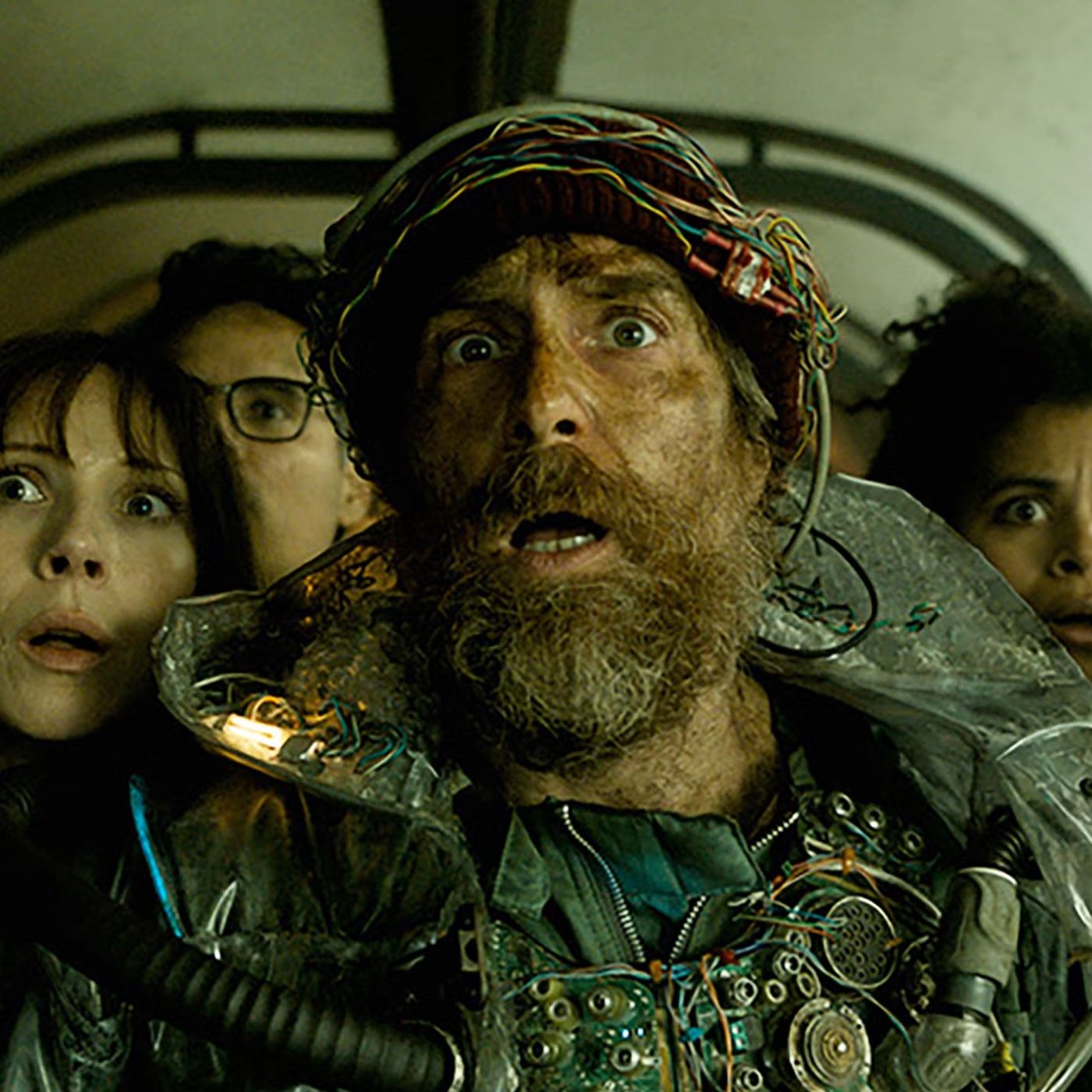
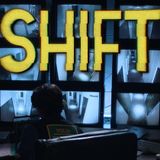
Movie Meltdown - Episode 631 This episode we sit down with Max Neace, a writer, director and producer originally from our neighborhood. So listen as we find out how he took his interest in film from shooting YouTube videos to getting his own feature films made. Plus we discuss the conception and challenging execution that is his most recent movie - Shift. And while our guest may wish he was conversing with a chair, regardless we still discuss… comic strips, self-storage facilities, horror, outlining, Connor McGill, we are losing our minds, self-distribution, writing, Alfred Hitchcock, changing the frame rate, physical media, Garfield, eight sequence breakdown, shooting with no budget, Rio Bravo, embracing limitations, festival circuit, Longlegs, continuity, Twister, a lot of monitor footage, the first watchable cut of the movie, Don't Tell a Soul, acquiring music, moving to L.A., audience imagination, editing, Watchmen, our voyeuristic culture, finding mentors, storytelling and Rear Window. "There was a method to the madness. And it was really gratifying to get to that point because it was complicated."
Transcript
Automatically generated, so expect the odd misheard name.
My name is Brad Dourif and I'm listening to Movie Meltdown. The following feature has been rated R by the Motion Picture Association of America. It is intended for mature audiences and parental discretion is advised. It's showtime, folks. Enjoy the show.
Our nuclear reactor pumping out one million kilowatts of power. What's up and welcome to Movie Meltdown. I'm Brian and this time around we have a very special guest as we're joined by director Max Nies. So when I started putting this discussion together I I found it interesting because Max is from around here originally, so I started thinking back on my early days as a movie geek growing up here, and there have definitely been a lot of changes in the industry and the world as a whole since then. So I wanted to address that with Max and see what it was like for him coming up in a slightly different circumstance, both creatively and professionally, and then see how he decided to officially get involved in the film industry.
And then eventually we're going to discuss Max's latest movie, Shift. which I have seen, it's extremely well done, and a lot of fun. So if you haven't seen it yet, you should definitely seek it out. But there's no point in me going on more about Max or the movie now, because that's what we're about to do. So let's get right to it as we focus on director Max Niece. Focus!
Focus! Okay. Let me start at the beginning, only because it's a leading question. I know where we're going, probably. But where were you born?
I was born in New Albany, Indiana. All right. Yeah. We're truthfully half of the people I work with on the show. Oh, really?
From and still live a lot of them. So yeah, I'm Louisville-based and have been most of my life, but I've lived over here. So yeah, it's... I love coming back. Yeah.
I live in LA now, but I'm from here originally. That's what I thought you'd said, more or less. So I wondered how much, because that's kind of, I'll wait to get to that in a minute. But I'll start at the very beginning. So as a kid growing up in this area, what was it that you were sort of drawn to artistically?
Was it initially film or was it kind of everything or what were you doing as a kid? I watched, my parents used to take me to the movies probably to alleviate themselves from me just being annoying. Uh, so I watched, but I used to watch a lot of movies, but actually my first like for a, I guess into just creativity and art was through comic strips like Garfield and Peanuts and Calvin and Hobbes and things like that. Those are all still pretty awesome. Yeah.
I've come back to so many of those over like. They're still fantastic. Peanuts is genius. Yeah. And Garfield all of a sudden, but maybe because of the new movie that I have avoided.
Chris Pratt. But anyway, I was going back and thinking of how many of the animated specials and the books that I had, and I was just like, there's some solid stuff to Garfield, man. Yeah. No, Garfield to me was hands down my favorite when I was growing up. And Calvin Hobbes, of course, is amazing.
But I started to make my own comic books from there with a friend of mine through grade school. And we still have them bound and colored and drawn. I kind of went down. I came up with at least one superhero of my own making. Oh, nice.
That was a rip off of somebody else. You don't realize that as a kid, like you're just like, yeah, just like he does. And then later you're like, Oh, just like he did. You don't realize how much you're stealing as a child. It's true.
Yeah. So what was yours? Was yours more of a, like Sunday comic style or? Yeah. Sunday comics, just like three or four panels.
And then the comics started to get a little bit longer as I got older. And, uh, like seventh, eighth grade, high school. So it is the roots of storytelling, though. You're already mapping out a very specific way to tell a story. Yes.
The roots are there. Yeah. Which was fun. I mean, it was a blast to do. I actually had a really good teacher cause I started with plagiarism too and stole from peanuts.
We don't know any better. Yeah. And she was reading one and she was like, uh, I think she recognized it and she was like, you should make your own stuff. And I was like, Oh, I never even thought to do that. I'm supposed to think up original.
Encourage your kids to do that. Please. Original thoughts. Yes. Yeah.
So, um, I mean, I guess then, uh, at least leading towards the movie stuff, what type of stuff were you watching growing up? Mostly horror movies and blockbusters, probably. I'm on both of those. I've seen more blockbusters than I probably need. Right, exactly.
And don't badmouth them as much as a lot of people, truthfully. I mean, most of them were just a good time. They were there to have fun. Yeah, exactly. You can deconstruct them if you want, but at the end of the day, while it's fun to do that with some movies, sometimes it's nice to just sit down and watch Twister and not think about anything.
Just don't listen to the dialogue. But the effects at the time were blowing your mind. Of course. You know? Of course.
There's a cow, for God's sake. It's amazing. Just, yeah, that dialogue. Poor Jean Dubas. It can be tough.
But my mom used to show me old horror movies when I was a kid. That was kind of what really got me into it. Yeah. Horror is definitely, even, when I think back, again, this is a long time ago, and we'll get to that later, too. But this was a long time ago, and I watched whatever I wanted.
And it was a lot of horror now that I think about it. And I'm like, if I were parenting, I don't know that I'd be okay with the kind of stuff that I watched. Exactly. But I didn't care, so I watched a lot of horror movies. And it set in early, and it's still one of the things I love the most now.
It's just the whole history of horror as a whole, and then just the weird, almost... rules of the sub-genre itself that are unwritten and yet every geek knows them so you have to yeah it's it's so much fun as its own little like horror world yes totally well so i guess at what point did you realize see i've i've played this game too and i guess it's twofold number one when did you realize that making movies was a career Because I think we don't even realize it as a kid, much like the comic strips. You're just, this is in my life, and I watch it. And I. Yeah. But, yeah, there's a point when you're like, oh, wait, somebody does this.
Right. That's a good question. I'm not sure. I guess I was probably... When Watchmen came out, maybe.
I'm a huge comic book fan of Watchmen, and I think the movie has an even better ending than the comic book does. I thought that at the time. I didn't... I hadn't read the graphic novel originally. And I think the first time I experienced it as a whole was that movie.
And then afterwards hearing everybody talking about it, wait, what was the original? Yeah. It's like, it's functionally so much. It just is solid. The logic is great.
Yeah. The logic is so much better in the movie. As much as I now question a lot of that filmmaker's decisions. A lot. Yeah.
I mean, but Watchmen was peak. Again, it's just well done. It's, Certainly of his style, but story-wise, it does a pretty good job telling that story. It's big, and it was breaking records at the time. It was number one in the world for box office, and comic books, movies were kind of really just starting to take off, I think.
That era of them, I mean, what led to what they are now, basically. You had your Superman and Batman, but they were like little peaks, and Watchmen was kind of right at that beginning when they're just like, oh, we can kind of do it. And yeah, I think it's special effects kicked in. Yeah. You look at old Spider-Man and they're just throwing ropes at each other.
You kind of need a level of special effects to be able to do a lot of those superhero movies. Totally. I think it wasn't until that era that you could, oh, we can. Do this now. Right, exactly.
I think just the fact that I started to pay attention to box office more. It kind of showed that movies were making money and that's how you could make a movie that could make money too. Yeah. So did that factor in as like, oh, not only is this a possibility, but it could be a useful thing in the long run. Yeah, of course.
I used to make YouTube videos with my friends a lot. And as we just got more and more into it, they're all unwatchable. But it was fun to start putting stories together in that way that were visual and editing and just trying to figure out exactly how you could do something on absolutely no budget whatsoever, which is like a camcorder and six friends. And we relied a lot on imagination, which I think is weird to say. When you watch them, like I never watch them back, but some of my friends will.
And they'll be like, oh yeah, you guys just like wanted the audience to see what you were seeing. And it just wasn't there on screen. Well, that's, yeah, I mean, that's the difference. And that's kind of where I knew I was wanting to go because it is... sort of a gap in when I go back to because I was a dumb kid from this area that loved movies. And like there was a time when I kind of thought that's where I wanted to go.
And there was no road. Yeah. I mean, your only option, if you go back, because this was technically, again, a long time ago, pre-internet. So, like, there was no communication with the outside world. Right.
So, your only option was, well, chuck everything, move to LA, and, like, go live on an underpass. I guess. And maybe you'll get lucky and not get stabbed. And you'll, you know, catch on and get a movie job. So, I thought that was a bad idea.
And so... At the time, literally, like there was, I remember there was me getting like out of school and being like, okay, I kind of want to do this. But the best, again, you're like reading newspapers. I don't know if you kids know what the hell those are. But reading newspapers and like, oh, they're shooting something here in this place off, you know, I'd have to drive for a half hour to figure out where they're even shooting that day.
So there were like one or two like extra jobs. Those were actually kind of fun. And then like the closest I ever found was I literally was like over an hour drive, I think, to do a PA job on a super low budget movie. Only one person have I run into on the Internet now that acknowledges like I don't think it ever came out. I've never seen anything of it.
But then one day one guy was posting pictures. I was like, oh, my God, I was on that shoot. What the hell is that movie? I never saw it happen. So yeah, that was the closest thing to there being anything.
And even that was such an ordeal. That was a weird shoot altogether. So I, after that, I really didn't even see much else. And so like it all sort of died and so did I, and I got a real job and life went on. So it's like, I, there weren't a lot of avenues.
So now I, you know, post by the time I started doing this, the whole world has changed the, you know, the internet has been around, but it, also hit sort of a new level in the last 15 years that like, by the time YouTube hit, it's like, okay, you can do whatever you want now. Like it doesn't really matter where you live. It doesn't really matter who, you know, you, can find your way with you know mostly the help of the internet now. So it's a good excuse to be creative from. Yeah from your end how different an experience was it because as you said you were already shooting stuff for youtube before you even knew for sure that's what you wanted to do so like once you got to that point of like okay now how do i turn this into like a actual job let alone a career.
Yeah you know i i was lucky my dad knew a couple people that were in the local industry um and so he introduced me to them when i was in high school And there's still mentors to me, a lot of them to this day that are still in the game. So as I started to kind of grow up and think about college and just moving on and what I wanted to do, I knew some people that had made films and knew how to at least get on set and work on set. So that was sort of how it all started. It was just kind of a connection of a connection. Definitely did not happen. yeah right the closest i found again this was me trying to find things back then and there was nothing i was thinking today i was like there was somebody that my mom knew that she got his number that he worked in lighting in this area yeah back then when we didn't shoot anything right so it was like again he had a probably a handful of jobs the whole year and like eventually i got his number and called him and his um his advice to me he's like oh you're out of school Go back to school.
Get yourself a real job. Essentially, I'm paraphrasing, but that's what he told me. So I'm like, thanks. There's my mentorship. Thanks, guys.
So again, it's so different when there wasn't. Because I wonder that far back, I was thinking, I was like, is it just because he didn't want anybody else in the industry really? We're the only ones doing this job. Don't start doing it. You're not taking jobs from me.
I only get four a year. Now that the incentives here, there's a lot of, there's a lot of movies that shoot here. Yeah. I mean, it's amazing in the last even 10 years, how much that's like tenfold. 100%.
Yeah. It is crazy. So, but yeah, so I mean, you, you, it is so different now that like, there's so much stuff that everybody kind of knows somebody shooting something. That's true. That you can almost find, again, not tons of big budget stuff in the area, but sometimes there are like, you never know.
Yeah. But yeah, it's amazing how much that's changed just in the last 10 years. Yeah. So I don't know. Was there one specific one that sort of got the ball rolling in that department?
Stu Pollard, for sure. He was actually, he's the guy who runs Flyover Film Festival. I'm familiar with him, but you should probably tell other people. Yeah, he's a producer and a filmmaker. He's directed a number of movies himself.
He's produced even more. Uh, he was in LA for a long time and right after I graduated high school, I actually drove out there with a friend and he kind of toured USC for us and showed us everything that was out there. He was always kind of easy to talk to and broach subjects with whenever I was working on my first scripts or I don't, maybe not professional movies, but at least short films that we wanted to take more seriously. Yeah. Um, and he was always very helpful doing that, but he, he's been a really great guy to know, um, in and around town. and through really my entire filmmaking career, which has been nice.
Yeah. I mean, we've built a little network again in that last 10 or 15 years when it started becoming a different thing. Yeah. They have sort of crafted it into what it has become now too. Cause I feel like if you would have ignored it, like it wouldn't necessarily be the way it is, especially before they pushed for the tax cuts and benefits and all of that.
So yeah, I feel like that's definitely been a bonus, but, but just creating a little community has been, I think, a big help for everybody that is involved. Yeah, absolutely. I know that recently, nowadays he's been in Kentucky more and more trying to do more for the film community here. And he has some, he has some great people around him too. You can at least do stuff now.
Cause I know again, one of the ones years ago we had, we had a guy on that I've known for years and he actually worked. He's the only person, but it was years after I, I even thought it was an option. He worked as a set dresser, but he lived here. And every six or eight weeks, he'd drive back out or fly out to LA and get his jobs and get enough to keep insurance going and get him enough money to get through till the next time. Yeah.
So he lived here, but like every job he had, he went to LA for because- Even when they started to get projects here, they didn't pay anything compared. To what he was about. Because he was working on studio movies in LA. So he was making real money. Yeah, different world.
So yeah, when you're working on major studio, he would get a quote from somebody here and be like, I can't even. Compared to what I'm doing, I can't do that. Right. But yeah, so that's slowly starting to change too. But yeah, even for a while, you had to even go to LA to even have a.
Sort of a part-time career doing anything. Yeah, it's true. So as far as, I mean, from the beginning, you were already writing and starting with short films. Was that, did you plan on writing or directing or was it always both? Writing has always been what I've been most interested in.
Directing, at least for YouTube and my friends, was just like sort of a means to an end to get something made. I didn't even really think of it as directing. We were just kind of pointing at the camera. You stand up there and stop talking and wait until I tell you. Exactly.
And most of the time, you know, sometimes they would, sometimes they wouldn't. And sometimes that stuff was better than when you were trying to actually direct them. But then when I got into, I went to school in Xavier in Ohio for a year and then I got into NYU for film school. And I went, I moved up to New York and that was when Really, I got like the true crash course in how movies are put together. Yeah.
And from there, it was like writing and producing was what I was always doing. So even from then, producing also seemed like something that was really interesting. It was kind of a mean soon in there because a lot like I was a second year as my first year. So a lot of the filmmakers there had sort of already made their groups of clicks and they were making stuff together. But no one wanted to produce anyone's things.
They just wanted to either write, direct or DP. Yeah. And that was pretty much it. And since there weren't really producers, the easiest way to infiltrate other filmmakers was just to produce their short films for class. You need a guy.
I am a guy. Let's do this. And that was kind of it. It just snowballed from there. Nice.
Yeah. So as far as writing, what do you find? I mean, I know kind of just based on what you've discussed, what you're drawn to, what is sort of the most challenging part of writing? taking on a new idea for you. Um it's mostly outlining i think outlining is what i spend once i actually start writing i always write an outline first and that's what takes the longest because it's more it's more prose than it is like writing a screenplay where screenplay is just bullet points of things that hopefully happen on screen uh so really you get the kernel of an idea whatever it may be and then you just start to really just hammer out the beats and write it in a creative way that isn't yet a screenplay to. The point of note cards idea.
I know that's sort of the easy version of that for some people, but not everyone. I do the eight sequence breakdown, which I have found to be incredibly helpful, which I was taught in school. And it's basically, you just break up the acts into a certain number of, into eight sequences. And from there you have sort of like you establish the world, you lock in the predicament, which starts the story. And then you sort of have your first obstacle and, The midpoint, which normally parallels the end of the film.
You have a subplot. The ultimate climax, which leads to the third act. And then you have a twist, and then the actual conclusion of the movie. It's just that easy, folks. Yeah, yeah.
It takes some time, but I find it to be a great way to break it down. eight sequence structure that is. Important so is there do you find in doing because now you're doing at least three different between directing writing producing is there a different skill set that you need for each one or do you just kind of approach them all as this is what i need to get. Done um i think the producing mindset helps with the other two But I will say since Shift, the movie that was in flyover, that was the first feature that I directed. And I hadn't directed a short in a very long time. Writing sort of comes most natural to me where it's just like, oh, this is the story.
Let's try to hammer it out and get it to where we want it to be. Producing is one of the most practical mindsets I think you just need to have. And you're just like, okay, what do we actually need now to put a script together? What do I have to get done? Yeah, let's check all these boxes and just make sure that we can actually get out there and shoot what we need to shoot.
And directing is the most difficult. I have a lot of empathy for directors now where I'm on set with them. Yeah. Because you are just, everyone's asking you questions and you don't always know what the answer to it is going to be, but you are, you know, the creative director behind the movie. Yeah.
So people have to rely on you to a certain extent to be able to say, you know, we want the camera to move this way or that way. And then you also need to be able to rely on your department heads to kind of pick up the slack creatively where you maybe are not the strongest, whether it be Blinn's choice or... Should it be daytime or nighttime? You know, it's like just like random things like that. And it can be overwhelming.
It becomes when you're a more effective director is knowing when to hand stuff off to people that you know it better. Yeah. And I think a good producer is a great delegator. Yeah. And they know when they need to step in and handle something.
But if you let your departments do their job, most people are good at their job. That's why you hire them to be in the position. And they will do the right thing. Sometimes there are issues that come up that you need to handle. but it's so practical in that way. And with directing, it's more, you've been handed the tools and you just have to find the right way to use them to kind of put the movie together.
Well, and I always say this with bigger directors, at the point, you know, still working in indie film, I think looking at that you get so much more creative work out of people that are working with limited resources. Of course, yeah. So you see somebody who's got a billion dollars to work with and like, it's just like, There's no, nobody tells them no. And there are no no's because you can technically fix whatever you want. Yeah.
Even after the fact to some extent. But like when you have no budget and it's like you see some of the most creative work and I'm just like, it's amazing that like. it almost works in reverse. Like when you should have all this stuff at your disposal, it doesn't matter because then you're old and lazy and you just make crap. But not always. There's some people still challenging themselves.
But sometimes it's like you look back at those early works just when they were hungry and they were just like, the stuff that they make is so impressive. And yeah, I feel like you get so much more out of a situation that you're sort of working with boundaries. And yeah, it's sort of tragic that the even I think a lot of filmmakers today, a lot of people that I see, they try to make these really polished a 24 looking movies and the, like the rough early type of cinema is so much fun to watch from the seventies and the eighties and the sixties. Like those movies are unbelievable. So creative.
Yeah. That's, we were just one of the episodes where we discussed a movie. We were talking about Alice, sweet Alice. There's that there. And I was going into it.
I was like, there's that shot where it's like, they, they're throwing a dummy out of a window and like, they're looking at it going, this looks like a dummy falling out of a window. So they find a way to get just enough of it that you see it falling, cut away. Yep. They're like, if you see it hit the ground, it's going to look terrible. So there's a mirror laying on the ground.
They're shooting the reflection into the mirror of the dummy falling so you can barely see it. The actor, as it hits, they add in the noise after the fact and he throws himself into frame and it's actually him, not a dummy. I was just like, that is the most impressive scenario. Oh, and it's because everything looked like crap. Otherwise it's like they found the best way because it was the only way that it didn't look terrible.
And yet it's, and it looks, and it's awesome because of it. It's so visceral. And you're like, Oh man, that really happened. Yeah. You don't question it.
It was like, Oh, she just threw that dude out a window. And like, had they shot it the way that anybody, I mean, at this point they just pay a million dollars or, stuntman to go do it and you do like oh that's not a dummy at all hope that guy didn't die. I'll read about in deadline tomorrow but the. Yeah it's like there is something to just being creative because it's the only way it's gonna work. So it's true yeah which is fun i mean and something to be said about editing i think editing is the best process of filmmaking yeah people i know so many people that loathe it but like that's where you make the movie when it comes to sound and color and how you're creatively fixing the stuff that does look bad and is not working, and you try to make it as good as possible, that's where you actually make the movie at the.
End of the day. I mean, you're shooting just the raw materials. So if you put it out like that, it's a big old mess. You're just going to see the same scene over and over and over again. The fine-tuning is the editing.
So, yeah, it makes a huge difference. So much fun. So as we're, I guess, heading towards shift, I guess we can't, in our earlier influences... You didn't mention Hitchcock, but I'm assuming it's in there. Oh, for sure.
I'm a big Hitchcock fan. Rear Window, especially, if you ever see Shift, it's the movie. It's a take on Rear Window. I mean, I love Hitchcock in general. I'm trying to work my way.
He's in so many movies. Oh, my gosh. But there's those handful that I still will go back to, and maybe the most is Rear Window. I mean, everybody loves Vertigo, and Psycho is a masterpiece, but I can't. keep going back to rear window. And I I've gone back and seen in the theater and like, it's just such an amazing undertaking and like this whole concept that he came up with.
And I was thinking it's funny at looking towards what you end up doing because I've seen other people try to do a version of this. Yeah. And I've said this before too. I was like, it's, it's, there's only a handful of movies that just the movie and its own title are becomes a description of a sub sub genre right it's like to this day you have to give credit for die hard because everything that came after it was die hard on a boat die hard in a ski resort you know like everything became where can we take this idea and cram it into a new setting and call it another movie yep and rear window is one of those it's a handful of things that are like that but there's so many people that are like okay we'll find a way to make sure our person is in this spot and they're stuck here.
And then, you know, we're going to have a little voyeurism kick in and they might want to watch this. So yeah, it's interesting how much that concept as a whole is just sort of fascinated people enough that everybody wants to come back to. Well, like, I mean, not to sound so pretentious, but voyeurism is basically what filmmaking is. Like it's just exactly that. You're just watching people do stuff and like people do it now all the time with TV shows and everything.
So, There's a reason that watching someone watch something is that interesting. And even when you get on TikTok or YouTube and people have unboxing videos or you're watching streamers and stuff, it's similar to watching sports in a lot of ways where you're just watching other people do something that you like to do. It's such a weird, I don't know, cyclical concept that I think is a lot of fun. I think it's the end of days. I think it's hilarious.
It just makes perfect sense to me that you would want to watch somebody do that. I'm not a gamer. I worked with a guy that Every minute of the day, if he was still, his phone was, it was like on a holster. It would be out, and he's watching somebody play a video game. Yeah.
People love that. They do. And I just, I sat there just in disbelief. I was like, wait. It's one thing if you want to play a game, but to watch somebody, and like, it's a mess.
It's huge. Twitch makes a fortune. Yeah. And I'm just like, I'm alone, I guess, because I don't get it, but... More power to you.
I'm a big Magic the Gathering fan, and I still play in person with my buddies quite often. And I watch YouTube videos of people playing Magic all the time because it's just like it's a hobby. It's fun to watch people do, and it's a good time. That's so crazy. Well, it's just weird, and it shows like even when we think we've got it down as to what the quote-unquote entertainment industry is, like it'll take a hard left.
And like you couldn't have seen these things coming. 20 years ago, you would have explained to somebody what people are into now. They wouldn't even know what the hell you're doing. It's so out of concept of what you could even do, let alone make a career out of it. There are people that just have channels that do just that and make a fortune off of it.
It's awesome. It's crazy. I think it's great. I think it's amazing. I support it.
I don't get it most of the time. I like dorks talking about stuff videos. I watch those. But again, that's what I do. So that doesn't surprise me.
It's the weirder ones for me. And I'm just like, wait, you're doing what? Right. Unboxing a Barbie. I mean, okay.
That's too part of the reason to get back to Hitchcock that he is such an interesting filmmaker because like some of his movies might seem dated now, but it's because people have twisted them and twisted them to death. Oh yeah. Like Psycho is one of the first movies that has like a true character switch where there's, you think someone's the main character and then it turns out that there's a completely different main character. That you're going to follow. Another one of those that they constantly do.
Like in that, in Alice Sweet Alice, they like, They're referring to the dad as the Janet Leigh of the movie. Yeah. Because he's midway in, spoilers, but midway in, it changes direction all of a sudden. You're like, oh, I guess we're not following that anymore. Goodbye, new friends.
So yeah, even that basic idea has now been taken in play. So maybe, I don't know, there's a handful of directors that get that done with them but maybe hitchcock the most just because he also yeah became so well known he was the most back in the day you're like most people couldn't have named a film director except hitchcock probably right yeah So it's like even now you're hard pressed to find somebody that doesn't say, oh, Spielberg. Like, so most people don't know directors in regular life anyway. But like Hitchcock was so mainstream, they gave him his own TV show that he didn't direct. He just showed up every week and was like, I got to say what?
All right. He's such an interesting guy. I mean, even Vertigo is like almost a supernatural movie for a while. Like, I think there might be a ghost, which is amazing. I question it. still i've seen it so many times i'm just like oh this part's pretty spooky i don't know it is one of those again while we're on hitchcock it is funny because for something that he's always sort of adjacent to horror yeah but it's like it's he never really did supernatural no he never everything was always real people murdering people or just somebody trying to get money and like it's always some sort of real world thing He still shoots it very other way.
Again, I'm a huge Rebecca fan. Even he doesn't like Rebecca. But I like, it's so at moments super, yeah, I agree. I think it's a masterpiece. But even he was so busy fighting with producers, he didn't like it.
But yeah, I mean, that has so many elements that are like, Okay. I'm pretty sure she's a ghost. Like she's just right there in the room with you. I always forget too, how funny Hitchcock movies are, especially rear window. Like rear window is a riot through that entire watch.
Like it's funny the entire time. And he has that great quote where someone was like, when are you going to direct a comedy? Cause comedies were so big. And he said, all my movies are comedies. And like, I think that is one of the greatest filmmaker quotes of all time, because I try to instill that in a lot of stuff that I work on, where if you aren't making people laugh to a certain extent, There's almost no reason to be watching the movie.
Like it can be sad and heavy, but you should also be having a good time while all that's going on. It's yeah. I mean, anything that takes itself so seriously, like after a while is grueling. Yeah. Like, so I mean, and I feel like it makes the drama part of it hit harder.
Like if you're enjoying yourself with this character. Yep. you're going to be concerned that they're about to die later. Whereas you're just like, oh, this pain in the ass. Finally. Sweet relief.
Can we kill him quickly? Get this over with. I love that about movies when you can start to care for someone so much because they're just fun to watch. And then the rug's kind of pulled out from under you and you're put into a completely different situation. Like regular people in an elevated filmic situation is a hilarious concept to me.
And it's just this like, I think what so many people imagine their lives are all the time, that it's just when you do see a really good movie where that is happening, it's so much fun to watch. Lifeboat. Yeah, right. That's another one. I've seen them bastardize that idea like 10 times.
Over the years. We're going to put them all in here. That's like even the one that became, they give credit for Rio Bravo for containing everyone so that we can rip it off and be like, oh, it's like Night of the Living Dead, or it's like Assault on Precinct 13, but it's like Lifeboat's doing that in a really small spot. So it's still like that idea just keeps getting used over and over again. Yes, yeah.
So how daunting is it to take on something like that for yourself when you're coming up with this concept? Yeah, it was harder when we were really getting started than it was... Getting into Shift and writing the script was fun, and since screenwriting to me is the most fun part, and I enjoy doing it, it's not something that I think is laborious and hard to get through. A day on set can be very difficult. So once we had the script, it was mostly finding the players, like our director of photography and our production designer, producers, actors, all that stuff.
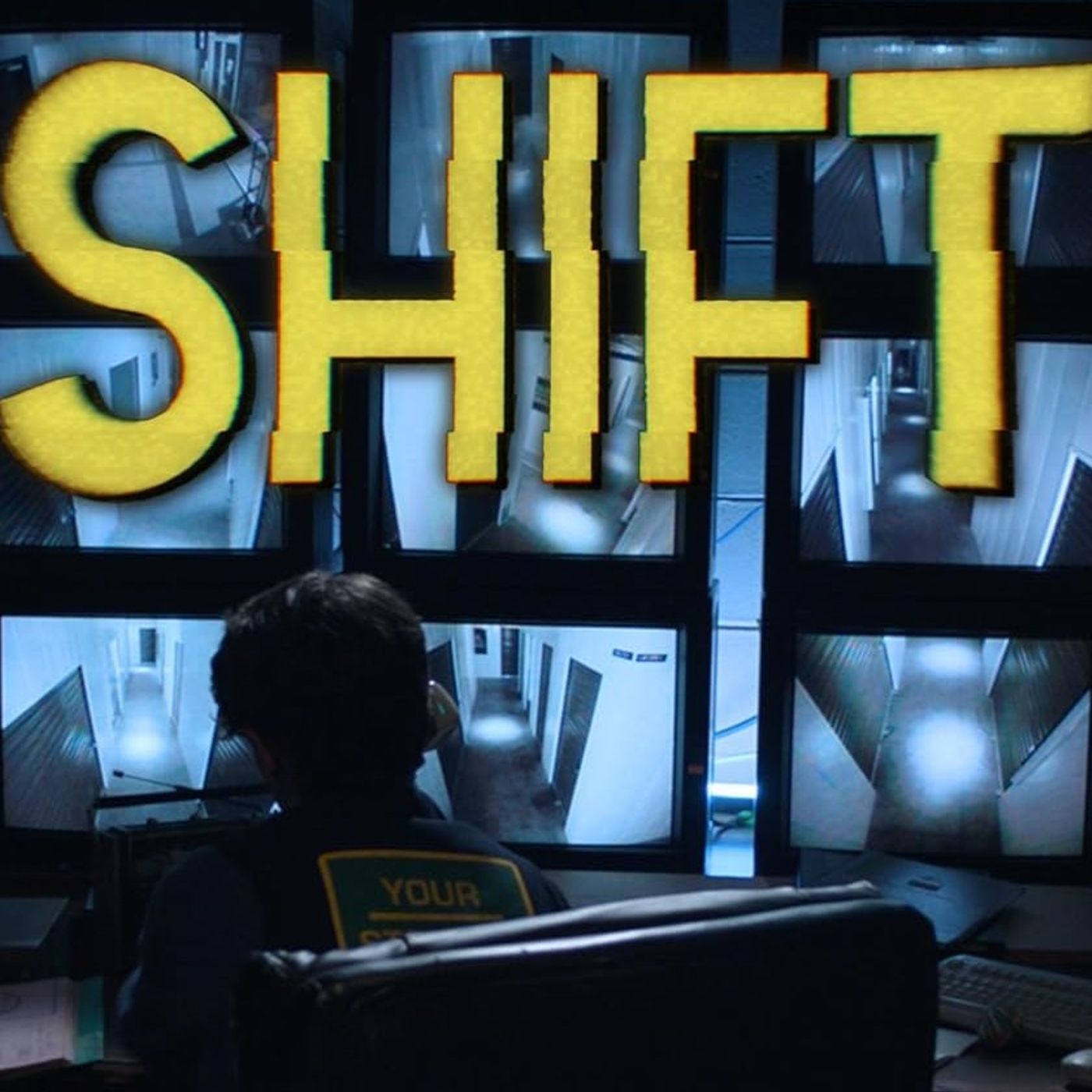
That was when it really gets to be difficult, and it's hard to wrap your head around how many people... really work on a movie to make even as simple of a concept of shift, which is it all takes place in one room for the most part. Yeah. And there's these monitors that are playing outside of the room where you're kind of getting the story, but even just designing the room itself and the monitors was a daunting task with a lot of that. We needed a lot of creative people to do. And I had produced a couple of movies before that.
So I, I already knew kind of top-down what I was doing, but once you get into the director's chair, you have to start relying on a lot of people to do stuff. Definitely where I was going to end up. So I guess we certainly won't go into spoiler territory, but I guess to give people the basic idea of instead of looking out in your back patio area, instead what if you worked at a storage facility, which I have a storage unit because I'm a hoarder. And I've spent a lot of time with those and they're like kind of fascinating. They're weird little places.
Like I, after a while, there was one time when I was just moving and I had stuff going there and I spent so much time there and it was kind of soothing because usually everybody's gone. So it is interesting once you get into this movie because usually it's just you and occasionally some other weirdo will walk by. But for the most part, it's just you and it's quiet and there's hallways and everything's locked. So it's just you in a hallway. Lights are turning on and off.
Whatever weird stuff you're putting in there. And then you close it and lock it. So God forbid nobody sees whatever you've got in there. It's a weird scenario. So once it was thrown out that that was out, I was like, all right, I'm kind of on board already.
Because I'm fascinated by these little weird worlds anyway. Yeah, they're so strange. A buddy of mine actually, he broached the subject with me initially. And we would just go to storage facilities and sneak in. And just like walk up and down the hallways.
And they're all the same for the most part, but like they're weird places. And you get turned around in them and you're lost to a certain extent. It's a little maze, but they're spooky spots. You get to pick your color palette. Yes.
The line that has an orange theme. Right. But I've seen the other one that moved in down the streets all green. Yep. Some have red.
There's just strange, strange places. So then that's the other, again, even watching, and this may be a credit to you. Even watching it, I'm like, because then the idea is he's in front of the monitors all day, so that's our window out into the world, only we're watching everything that's going on through these monitors. So watching the movie, I'm sort of caught up in that, and it's a fascinating old thing. Once again, you're watching somebody else watching the thing, so the voyeurism in layers.
And I'm just watching it immersed in what's going on on screen. It's only afterward, when you started talking about it, I was like, oh God, you had to shoot all the things on the screens that he's watching, and on top of that, have them playing as he's watching in the right order, in the right time. It's overwhelming. So I guess, again, we've given at least the basic setup of it, but I guess you can elaborate on how ridiculous a process that had to be. Yeah, it was a whole song and dance.
And I owe so much to our director of photography, Robert Altman. It's Robert Altman's son, Bobby Altman. Yeah, it was wild. He is a great guy and he read the script. He liked the script and was getting into kind of the indie world when he was coming from the TV world for most of his career.
So he was like, let's put this weird movie together. And he introduced us to our co-producer, this guy named Ben Betts, who did a lot of the old Star Trek stuff and messed around with a lot of monitors. And when we showed him the script, he was like, I think we can do this. And it's set in the 90s, so everything had to be a little dated. And he was like, I actually have a warehouse of all these monitors.
And he sort of pitched to us how we would do it. Because when we started to really think about it creatively outside of it just being a script, it was like, oh, God. It's overwhelming. Yeah, we were like, oh, God, we actually have to shoot what happens on the monitors. Like, we can't just use our imagination and pretend that that's what's happening.
So we actually had a couple test days in an actual storage unit facility, which became our hero location, where... we just shot people walking up and down hallways and then we were cutting it together. And there was a flicker issue too, where these old monitors weren't matching with the frame rate of our camera and it hurt your eyes to watch them. And the whole movie takes place on these. And that weird thing of trying to shoot a TV gets messed up. So you've got to find the way to make that possible.
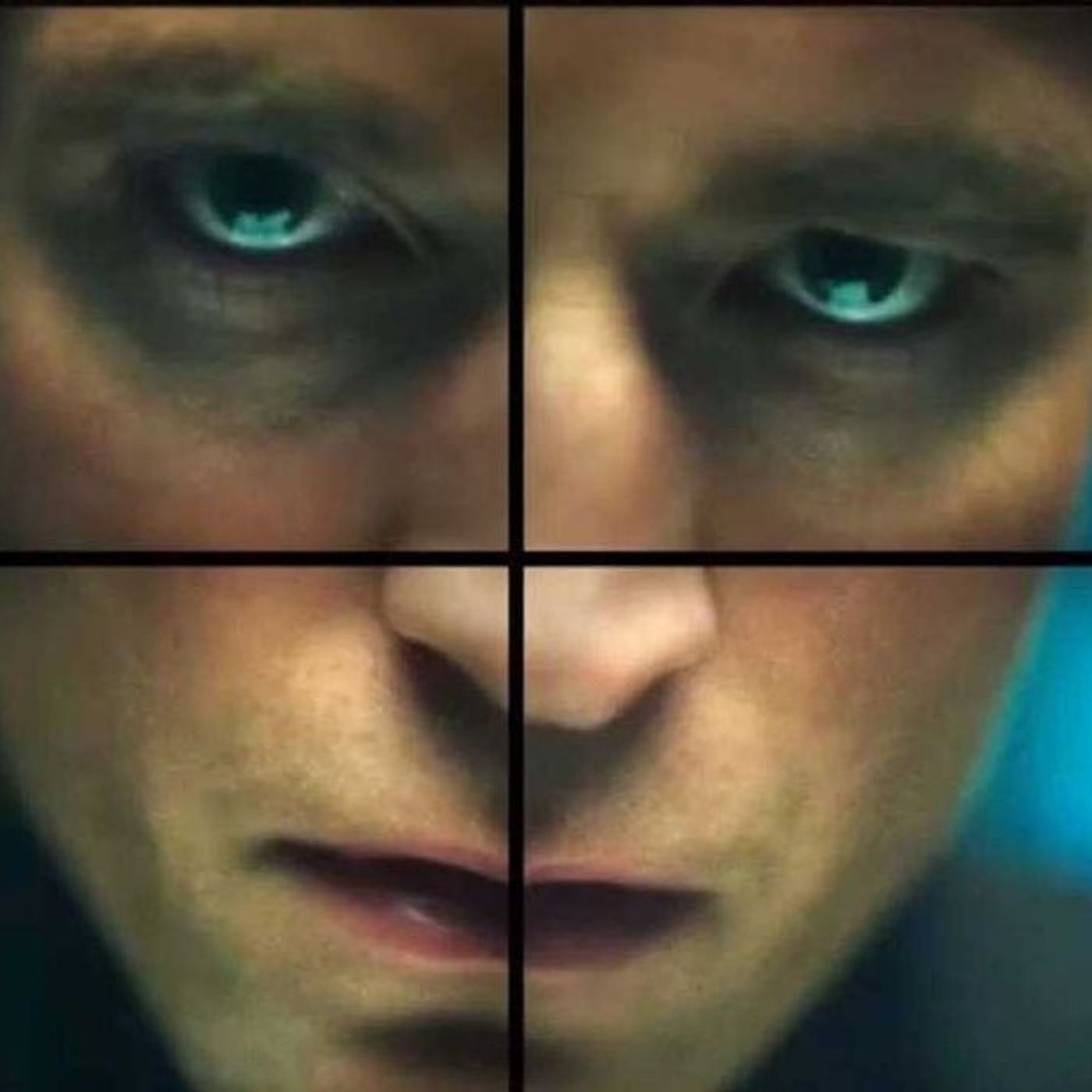
Yeah. And Ben had this, this device. I don't remember what it was exactly, but it basically changed the frame rate. We would send in the footage from our camera and, through this little box and then through the box it would change the frame rate of everything we shot it in and out the tv would come at 24 frames per second so that when we were looking at it it was like it was it equalized and it looked like you were just looking at a regular tv screen so that was the initial oh this is madness like this is crazy and then there are nine monitors and the script there were 12 and we decided that this is too much let's cut three of them out of there So we cut it down to nine and we had to shoot them three at a time because we shot the monitor footage on A7Ss and then our actual cinema camera was an ARRI Mini.
And so then we would shoot three at a time. There's the lobby that they enter in, which was disconnected from monitors two and three. So the actors would walk in the lobby and they would run upstairs and then they would walk through two and three. And then another day we shot Four, five, six. And they would walk through that.
And there was a little puddle on monitor five that gets bigger as the movie progresses. It's never really explained, is it? It's leaking. It's a thing. It's happening in this terrible place.
And our art team was like, why? I was directing a puddle for a day of the movie. And they were like, I don't want to make the puddle bigger. And I was like, I swear it'll play. like we just have to get. Through it it's sad i was concerned i was like that's gonna get in somebody's life exactly yeah it's a big deal they're just walking right over it i'm like it's amazing how you guys should be worried about this puddle.
Yeah hal tries to tell tom get rid of the puddle and then uh we had and then the final day we shot seven eight nine which are the final three monitors and like and then we had to edit all that footage together over a day when we did a pre light day. And then when we actually got into our set build where the room itself is, um, I think most of the crew by that point had no concept of what we were making because we were shooting. Which is for the best. Cause they wouldn't have showed up. Yeah.
We were shooting dis like dis not continuous order, moving people around, changing so much wardrobe with no sound. So like we weren't, we, we put in sound later in post-production to make the world feel a little bit bigger. And they were like, Oh my God, what is this ridiculous indie film that we're working on? And then when we hit play the first time and we called action monitor and we tracked this movement, you could feel the whole, you know, to use a pun, shift in the crew that was like, oh, like we see what this is. This is a real thing.
Yeah, right. There was a method to the madness. And it was really gratifying to get to that point because it was complicated. And the effect turned out well. I don't think people questioned it at all.
They're like, oh, this is what's happening. And the song and dance of it can be lost. So thank you for asking the question because we were like, We were like, oh, my God, this was so complicated. And we do pull it off, I think, in a pretty interesting way that when after the fact, when I'm talking to people after screenings or when I was showing early cuts to people, they were like, oh, it was cool that you just like continuously did all that. And people were actually walking through the monitors.
They were a. Week before we shot that. Um yeah it was it was a lot it was a lot of monitor footage and i mean it was it was an interesting production process. I mean the only thing more complicated can you see trying to build a set where they would actually leave and go through the monitors in. The right order oh man we huge would that have to be oh we just have to loop and run back yeah we discussed it and it it was we we just couldn't figure it out logistically didn't make we didn't have enough money or time to like really break that down So we decided to make it as hard on ourselves as we possibly could.
Well, and the part that was the most, like, again, not even, like, it worked in the movie, but I'm in real world going, okay, these don't even go in order as you're watching. Like, it bounces back from one to the next. I'm just like, that makes it so much, but realistic, because I'm like, you can't imagine in that Again, it's a rundown place, so it's not like they put this in as a state-of-the-art thing. They've gone out, they've replaced them, this camera doesn't work. So it would be this big hodgepodge of nonsense and electronics, and it would be just like that.
So I was like, oh, points for being so accurate, but it's even more maddening on your end. It doesn't even go in order from one screen to the next. Insanity. Yes, it was. Amazing that that even happened at all, let alone...
Works as well as it does, and it does. Yeah, thank you. Yeah, it was definitely always the baby of the movie, where it was like, the movie, the story itself is. It's a pretty straightforward movie at the end of the day, but the monitors were like, oh, this is what makes it a more unique viewing experience through it. And obviously, Rear Window being the inspiration, it was like, how can we make it feel as seamless as it possibly can?
It doesn't tell you where it's going either, which I kind of liked, because... even like probably two thirds of the way in, I'm like, this could take a really different turn that you just don't know. Like there's several options that could be happening here and you just don't know what's coming. And it's so rare that you still find that like in something that, especially you're taking from something that everybody knows so well, but it's still left in such a specific undisclosed way that like you've got them sort of on the line for so long of like, okay, we're watching something. what are we going to end up with here? Like what, what could happen once we get to the end of this maze? Yeah.
Literally. Yeah. I mean, in one room, we definitely tried to find the best way to string people along for as long as we could. And it was, it's really just art. It's similar to a play where characters show up, but they don't always show up together.
So there's, there's a very small cast of characters that really kind of impact directly impact the story at least. And they interact with our lead separately to one another. So you never really get a sense of how they know each other. Yeah. And it turned out to be effective, I think, at least from an audience perspective, because they can try to deduce what's happening, but they don't necessarily have all the context they need.
You don't really, yeah. You don't know where it's going. Well, while we're on the lead, how did we get to Connor? Because... It's impressive.
What he's doing is impressive. So Connor McGill is a legend. He's a close friend of mine. When I moved to Los Angeles, and after a couple years of being there, he moved in with another friend of ours. And then Connor and I ended up becoming way closer than that other friend that we knew.
And as I started to work on the script, Connor is this guy who basically just rises to the occasion. And we've been in situations where we've both been kind of fish out of water or we're not necessarily comfortable with the people that we're around, but we know that we have to interact with them and be human beings. That's tough right there. It's true. And Connor is really great at rising to the occasion in social situations.
And he's a filmmaker in his own right. He was just on The Accountant 2. I think I'm allowed to say that. And he works on some bigger movies in the production office. And I just asked him, I was like, hey, if I write this movie for you, would you star in it?
And he was like, yeah, because I knew that he would essentially rise to the occasion. I knew he could do it. But not really an actor previously? Not at all. His parents are thespians.
They're on the stage. But he had never really acted himself. More of a writer, more of a director. And he said he would do it if he liked the script. So I wrote the script and he was into the script.
He was like, I think this would be a blast. And then when it started to become more real, we had a little bit of financing. We knew we were going to actually shoot the movie. It wasn't just going to be a dream of ours. Oh, damn.
Now we have to really do this. Yeah. And then everything became hard. We had a couple of casting directors who were great and helped us find a lot of our supporting characters. But they thought we could get more of a name for Tom, the character.
And so I talked to Connor, and he was like, I'll just become a producer on the movie, and we'll find a better lead. Which is also, like, not only a good friend, but, like, looking out for the best interest of the movie. Exactly, yeah. Taking the ego out of it. It was, yeah.
Pretty impressive. So Connor McGill and then G. Gonzalez, who was a producer from the beginning all the way to the end, he's delivering the movie for distribution now. Him and Connor basically started to put the movie together behind the scenes. And we ended up casting this other young actor who had been in a couple things, but was kind of more on the rise than he was an actual name.
Yeah. And he was a great actor. We were excited to work with him. I think the movie, Connor has a little bit of a goofier disposition to Tom, which is how it's written. And the other guy that we replaced him with had a more serious disposition.
Yeah. And the movie would have been, I think, very different at the end of it. This is your Eric Stoltz in your Back to the Future. Exactly. This is not going to work at all.
And so we go all the way up. We go through all of pre-production. I land on set in our storage facility place. Day one, I get out of my car, shut my trunk. I'll never forget it.
And I get a call from our actor. And he's like, hey, man. And he went to Peru for a wedding. And this was like kind of towards the tail end of the last big kind of COVID push. And he was like, hey, I got COVID at the wedding.
Do you think we can push production? And we have no money. And we're like, no, like everyone's here working. We can't like lose the day. We're on the clock now.
So I'm like, you have to call the producers. I don't really know what we're going to do. And I run over to Connor, who's on the phone with the actor. And he's like, hey, yeah, I understand that you have COVID. We'll figure it out, blah, blah, blah.
And I'm like, hey, Connor. And Connor puts him on mute. I'm like, do you want to star in this movie again? And Connor was like, absolutely. And I was like, great, go get in wardrobe.
And he unmuted himself and he was like, hey, you got to call G. I've got to go do something else. I hung up the phone. Try not to die. See you later, bye.
And then we had a hotel down the street where we were shuttling our actors when they had to do costume changes and everything. And so he just got in a wardrobe and... He became the lead, and he does great. I mean, I think he's a great part of the movie. I think he's fantastic.
I mean, I don't know what kind of prep work he would need to do, really, to be that guy. Because I'm assuming he's not far from that guy. I mean, he's more put together than Tom is, for sure. Tom is definitely sort of a loose cannon when it comes to some stuff. But I did, I mean, I based it to an extent.
You base everyone, I think every character, to an extent on people you've interacted with. And since I was writing it for Connor, there was a little bit of like a lilt, and it was there for him to play around with. But they're definitely not the same person. I can't stress it enough. You'd hate me if I said that they were.
Well, again, from the good end, he's so likable as a character, so points to him. But that's sort of what sells so much of this character. It's like, again, if you didn't care about him, you'd be like, Who cares? Go get stabbed in an alley somewhere behind the place. Whatever's out back that door.
Yeah, it could be happening. Could be happening. But yeah, once you get into this and he's just such a dork that you love him. And I'm just like, well, now I don't want this guy to die. What's going to happen now?
So he's super likable, which helps it. Oh, he did a great job. I mean, we had a lot of fun working on it together. And especially the first... We shot some of the more difficult scenes earlier on.
And he... was playing it a little more serious. And eventually I was just like, you just like be yourself and to be a little goofier play around with it like there's a great one of my favorite lines in the movie that never gets a big laugh but I think it's very funny is when he's interacting with one of the characters and she's like you're not gonna tell him what's going on are you and he's like your son because there's this whole thing and just his disconnect of like what's actually happening Is great, and that's sort of what Tom is at the end of the day. Like, he doesn't have the context of the whole situation either. He's just trying to figure it out. It is fun.
He's at least a beat behind of what she's got the whole thing going. He's just like, wait, what? Yeah, right. But yeah, that makes such a difference that he's there to sort of take you on that journey, and you want to go because he's such a likable character. Mm-hmm.
So that, I think, is a huge plus, too, is just trying to find somebody to build your movie around. Exactly, yeah. It's funny that day of, you ended up with him again. Day one, yeah. All signs pointed to Tom.
Or to Connor, for sure. It was good. And then I guess Sean O'Brien is kind of essential. I mean, as the character, at least. Yeah.
He's a weird dynamic, too, because he's almost... I think I did work with that guy one time. He's in everything. But just know the character too. It's like the guy he's playing, I'm like, I think I worked with somebody that was almost that guy.
It's true, yeah. He plays it pretty realistically as just your random dude working a job. Yep, exactly. He's got that now. He was a lot of fun to work with.
I worked with him on another short film that we're in post on now, but Sean and I have become pretty close after the fact. He was a great addition. Whenever he Whenever our producer G found him, it was kind of like, okay, this guy's definitely Hal, and he's what we need. I guess most of the other details I don't want to go into to ruin anything. The other aspect that even watching it did occur to me, and then I was like, well, from your end of it, I wanted to see how difficult this was.
There's a good amount of music in it. From the business end of it, how much of an ordeal is it to get everything and clear everything and make sure this works and yeah afford everything more than anything these. Days we we knew yeah we knew that we wanted it to be at least there's some needle drops throughout and as we were in the editing process we kind of it kind of ballooned and we started to do more and more and our composer is also uh crystal grooms mangano is her name she uh also does a lot of music licensing so we would reach out to her and we'd be like hey we want to use the song in this scene can you help us clear it and she'd be like yeah that's fine, and would roll her eyes because we just kept asking her for these ridiculous songs to be added.
Some of them were very recognizable, so I was like, that could get pricey. Yeah, and they were expensive to an extent, but we were prepared for some of it, and some of it we weren't, and some songs we just couldn't get. It was a lot of just moving music around until we found stuff that fit, and the soundtrack ended up becoming kind of vital to the movie, I think, to a certain extent. It helps contextualize some things, and some songs come back as like actual story rather than just being kind of a song in the film to make it sound cool and get people into it. Um, but it was a lot of just, it was a song and dance, like a lot of it where we were like, we let's use this song.
And then like rainy days and Mondays was in there before the mamas and the papas was in there with their song Monday, Monday and like rainy days and Mondays from the carpenters killed it. And we loved it being in there, but the carpenters, uh, whoever owns them, Sony or whoever doesn't license their music anymore. They just don't let it happen. It's been a thing for a long time now because I know that killed that superstar movie. Exactly, yeah.
Because I had a copy of that. Yes. Even though it didn't ever get released because of that very reason. Right. I think the brother was still around at that point.
It was so long ago. But yeah, somewhere there's a VHS I have of Superstar. That is amazing. It is a great... Because it's so hard to find.
It pops up on YouTube. It's so... Well, it's so... Like, they just were all in. Like, it's such a ridiculous concept.
If you don't know, they built an entire movie out of Barbies. Yep. Sets, props, like everything. It is a full-fledged movie. With Barbies.
And that director's big time now. He does a lot of big stuff. It's an impressive feat. So yeah, I was most impressed with that. And then I think that's the reason I heard about it.
It's like, oh yeah, and he's not going to let that happen. Nope. He's totally killing the music options. Prince also doesn't let any of his music or cover be licensed for the most part. I know he was always super hardcore.
I feel like it lacks the little when they ever took over Paisley Park. Because he also hated YouTube. Right. And I noticed you could not find anything. I swear, like a week after he was gone, I could find whatever he ever...
There's all kinds of weird bootlegs out there. And I was like, so obviously all he has to do is die. You guys will let whatever happen. So I don't think he's happy about that now. But I don't know about licensing.
He's spinning. I mean, we tried to license a cover, a Bengals cover of one of his songs. And they said no. It was because of the Prince Estate. Other than Manic Monday.
Uh it was i think it was manic okay but he. Wrote that i think so i was like that's third yeah there was so many that other people covered that he wrote that sometimes you don't even realize. Yeah but it really uh my editor and i we worked on shifts were so long because there were a lot of different moving parts to it and the sag strikes were happening too at the time so there wasn't a lot of other stuff going on and we were like well no one's asking for shift yet so let's just keep editing it and trying to make it as good as we can and we messed around with music i mean forever you've. Got a lot of potholes thrown covid and strikes. And it was brutal it was a brutal we did we had a lot of um issues i would say but at the end of the day we're proud of the movie and we think it's fun to watch especially with an audience so uh it was all for the better at the end of.
The day definitely when i saw that extra local i saw that slant in there. Yeah oh amazing yeah Yep, Slint slides in. Where they at least cut you a deal. Like, look, we're from this same area. Come on, man.
Yeah, we definitely dropped a little bit on them, and they were like, okay, whatever. What's the movie? We all have real jobs now. This isn't our thing. I'm more of a Rodan man.
We will literally give you a paycheck. Slint is legendary in these parts, and the one that broke through nationally. Anytime I hear somebody talk about stuff from our music scene, that's the one they reference. I'm like, are you not listening to Rodan? squirrel bait come on so yeah i i thought the music factors in so well because i think you even said in q a like if you're just sitting in a quiet room staring at monitors like you kind of need something to break this up a little. Bit oh for sure and i i mean the first cut we we sent out a cut to probably 50 people that was the first watchable cut of the movie watchable in quotations and like overwhelmingly the notes were, there was no music.
The monitors were silent. I mean, this movie was like the most patient thing you'd ever seen. And there, and the movie now is like pretty goofy and a little bit livelier. And everyone was like, look, it's interesting. There's something here, but this is the, like one of the most boring things.
That I've ever seen. And we were like, okay, fair enough. So we took that to heart to an extent and then just kept rebuilding the movie. And we were, we would disassemble scenes. Then we'd rebuild them.
We disassemble scenes, we rebuild them. Until we got to this like just kind of fun equilibrium of the movie always wanted to be a comedy and to an extent. And I resisted it for a while because in my head it was a little bit of a thriller, but I can't get out of my own way when it comes to jokes sometimes because there's a lot of gags in the movie for sure. And then once we started to lean into the humor of it, it was like, oh, this is what Shift is. And it's like you should be having a good time while you're watching it.
It shouldn't be this like dreadful movie. that you're trying to get through. It works on both because i think it's still super effective as a thriller and like i said because you also don't know what's coming like there is some sort of weird feeling of dread of where we're heading down there but yeah you don't know exactly what's going to be there so it's. Definitely not the happiest movie in the world but um you know hopefully everyone has a good time when they get a chance to check it out do we want. To address the chair We can. Again, it's hard to describe if you haven't seen the movie, but I guess just so you know what you're getting yourself into, maybe we should introduce one of the larger characters in the movie.
It's true. It's true. Yeah, Grace Kelly, if you've seen Rear Window, you'll get the reference. If it wasn't already obvious, just throw that right out. Oh, we just drop it in.
Yeah, there is a chair in the movie. It's Tom's only companion through the whole thing, and she speaks through subtitles through pretty much the entire movie. um and she she was an evolution because in the script she's written into the script um she exists as a character but in the script it's like grace kelly at squeak and then in parentheses it would say like sardonic or angry or funny and then like that was just. Gonna be like specific sounds yeah he's working with r2d2 now right some of them are gonna sound different and you're gonna get them you. Know the mood the wilhelm scream was in the movie at one point uh for grace kelly and then we took it out because we thought it was too much but um we so as we got into the actual edit and we we shot a lot with grace kelly but there was definitely something missing from people just accepting that a chair is alive if it's not necessarily talking and like there's still maybe you know maybe he's just talking to the chair but other characters either way other characters do address her and are aware of what she's up to um so once we got into the edit and we just got more and more into it her lines were pretty bland to start they would just be like hi tom whatever you know I love Chinese.
I think that one saved in from the beginning. But as we leaned more and more into the comedy of things and maybe the absurd, maybe the Lynchian side of it, it was like, oh, well, let's just keep working on Grace Kelly. And what other shots of her do we have? How can we make her feel like she's a bigger part of the room? And ultimately, we had two editors on the movie.
One named... AJ Edwards, who is a director and has made some really great indie films. And he was staunchly against making Grace Kelly have subtitles. And then Grant Vance, who is also from new Albany and lives in LA. And we've been friends forever who ended up finishing the movie. he is a little bit more punk than maybe AJ is and was like, vehemently for Grace Kelly to speak and have subtitles.
So as we got into it and we, and I was working with Graham for so long, we just started to drop them in and they were placeholders for a time just to see if like, maybe we could feel if Grace Kelly was alive, if we were to take them away. And then we just kept building on it and building on it, building on it. And there's some, I mean, there's some, big swings we take with Grace Kelly, for sure. One in particular. Definitely.
That, like, I think just makes the movie what it is. It's way more charming because of it. Without it, you would be missing a layer of, or just a character in general. What I was thinking, yeah, was there a version early on that she wasn't a character? Yes.
That it was just him sitting in a chair all day. Since she was in the script, we were always aware of her. It was fun for actors on set. Like, if we were resetting a scene, they'd be like, where is Grace Kelly supposed to go? So, like, crew and people were like, addressing this chair as if she was a real thing, because she is.
And then there were edits of the movie that she was less of a character. People would still acknowledge her from time to time, but not in the way that it does when she's actually speaking to them, quote unquote. So as we got into it, we just started to rebuild those scenes with people looking at her and talking to her in more serious ways. Was there ever a time she would potentially be done? Oh yeah.
Actually there, there's a thinking that as I'm watching him, like I, it changes the mood because at some point you have to question whether he's losing his mind. Exactly. It was too much. There was too much going on with the music and phone calls and radio. There was just like, there was too many sounds to make her sound real, but she was French for a time where like this French woman would speak and then the subtitles would appear.
And we were like, Oh my God, like we're, we are losing our minds because we've been in a room for so long working on it. It was just too much. Uh, So ultimately we just decided to go with the subtitles. But she was a lot of fun to develop from the page throughout the editing process because she really came to life in the editing room rather than on screen. There's also a dance sequence with her that did not make the final cut of the movie.
And there's some gold in there somewhere, but we decided that it wasn't worth writing. The special edition comes out later. Exactly, yes. Well, on that note, I guess getting it out there is a huge thing. I guess is the first step usually at this.
I mean, this is kind of your first feature. Has the first step just been festivals at this point? Yeah, we've played it a few now. CineQuest in San Jose was probably our big indie fest, which was a blast to go up there and play. And then it was fun to come to Louisville and play Flyover.
But we actually just signed a distribution deal. So we're hopefully at the end of the year, we'll have it out there. Okay. And it'll go to streaming. We won't have a theatrical run.
That is one I was thinking earlier today. I was like, there used to be such a specific system at play. And if you go back far enough, even back to like 50s, it's like you almost had different systems working. It's like you had your mainstream studios and then you had guys that were okay, we know what we're making. We're making the handful of things that would be considered indie knew that they were genre usually.
So they're like, we're making this for drive-ins. We're making this for grindhouse. Like they knew what they were doing and there was a whole separate system of getting them out there that way too. Yeah. And now it's like that all, I mean, drive-ins are almost completely dead.
If you're, if you had a grindhouse, maybe it's still an art house, but even those are mostly gone. Yeah. And it's hard to just get people out to real theaters now as they're finding. It's true. So with this all happening, I guess that's what I was wondering as you're entering into this now.
It's like, what do you think of this whole system now that we're losing theatrical? We've got so many options streaming, but are they better? Like, is there a good side to this really? Because I don't know. I do think there is one.
I think the future is self-distribution, which is as so many different avenues come up. One, for people to make movies, but then also... which is a good thing. And then for people to release movies, which is also a good thing. The only negative side of both is that there becomes such a sea of content that it's hard to figure out. It's so much.
Yeah. How do you swim to the top? How do people find your movie? What is that process? But like long legs is a recent example.
Obviously that was by neon, which is a huge company and they have a lot of money behind them, but it was a grassroots campaign at the end of the day. They were like, get it to them to become that. And they're like, we are going to market the hell out of this movie and people are going to go see it. And they were right. And like, To me, I produced this movie called What We Do Next with Mary Kay Poe, who's a local, and Chris Mangano, who has been a mentor to me.
I've worked with him and his company. And it was directed by Steven Belber. And we kind of did the festival circuit. We had Corey Stoll in it and Karen Pittman and Michelle Ventimiglia. We had a really good cast.
We didn't really get a lot of good bites from distribution companies. We had a little bit of money left over in the bank, and we were like, well, how do we self distribute a movie? What if we look at it with this one? So we did. And it's actually not that hard to get movies into theaters.
Yeah. Um, it's, and it's not that. Expensive, especially now that we don't have to make prints anymore. Right. Exactly.
All you need is a digital copy. And most theaters are receptive to indie movies and they want to screen them because they know that they're going to make their money on Deadpool. But like, also it's good for there. There's a, the people that go to the movies want to see a bunch of different movies. So like they, if they go, two Tuesdays in a row and they've seen a blockbuster and they're over it, they're going to go see an indie movie probably is what the next one's going to be.
So like if you can get it into a theater and then you just need money for marketing. So, I mean, I think if shift had more money and I was a little bit more experienced maybe with distribution at that time, um, I would have held a third of the budget back from actual production and just put it into marketing. Promoted. Yeah, and then you just go on a small theatrical run. And then after you go on a theatrical run, you can get some reviews and go to streaming because you can prove that you made money, at least a little bit, even if it's just your mom going and buying a ticket over and over and over again.
But you can show that to distributors or aggregators that are actually going to get you on to sites, and then it's easier for you to get a sale that way. And then again, it's easier for you to get a sale because you prove that you already have an audience that's built in that will tell people about it. So I think it's a fascinating... time in the industry to try to take advantage of it. Distribution is like the last curtain that I think that is slowly being yanked back by independent filmmakers. And a lot of people don't know what the process is.
And I've learned a lot about the process as I've produced and self-distributed movie now. And then as a director, you kind of see what's out there for movies of shift size and without huge name talent attached to them. And like, it's just, you, you have to prepare. like you do in production that there's a life afterwards and that you need to be able to spend money on it. So like at the end of the day, it's just being smarter with how you spend your money. Don't put all your eggs into production and try to get quote unquote high production value when you can actually get high marketing value.
So people know that the movie exists because you can spend $ 4 million on a movie and no money on marketing and no one's probably ever going to see it. And it's just as like, so you might as well spend $ 2 million on a movie and then $ 2 million on a marketing campaign. So people know that it exists. It is such a game at this point. It's wild.
Figuring it out. Well, I think even like this is maybe too deep cut and I don't know if this is even real, but like search engine optimization, like so many, like if you go on Variety or Deadline or The New Yorker or whatever magazine you're going to read online, the same article will shift to the top with a different title. Yeah. And I don't know why people don't do that with movies yet. Like to be honest, like if I get people love titles of their movies and it becomes harder to talk about something when it doesn't have a concretized title.
Yeah. But like if shift became the night shift or the late shift or, you know, purified drinking water or whatever it's going to be. And it just like, but you keep changing that every six months when your traffic goes down or every four months. And it just jumps around. Is this before it's released or once you've already.
I think if you got a distributor that would be interested in spending the money. Even if you're not going to do that, just like teasing, like we might change the title. I just think it would be so interesting because so many people, you just get more clicks. Like I think it's an interesting idea. I have no idea if it would work, but I think more people should try it.
But yeah, I feel like, like we were saying with the people that go to the theater, I think now we've just hit that, especially as we discussed the pandemic. I think post-pandemic, I think now it's just the people that were hardcore movie fans that still want to go out to the theater are still doing that. Yep. But all those casual people in the middle are just kind of gone. Yeah, they just don't leave their house anymore.
It slowly was declining before that. And then once that hit, they were just like, oh, we don't have to leave our house. This is awesome. It's true, yeah. So yeah, I think those are the ones that like, once a year they might come out for something that's such a big ordeal.
Yeah. They're like, Oh fine, I guess I'll go see it. But like most of the time they just, it's not even an option for some people anymore. So it really has become like you're, you're losing that. I don't think it'll ever really go away, but I think so much of the industry has switched to streaming now that it's not really going back.
So yeah, there will always be streaming and there will always be theatrical. I don't think either one will go away. Nothing will go back to the way it was and nothing will ever truly disappear. But there's a future for indie movies. It's got to be up to the filmmakers to decide what that is.
And then figuring out the financials. Because, yeah, I still see people complaining of, like, well, the theatrical run and even physical media... which is a dying form in its own right made so much more money than streaming versions which i don't know how true that is for. You but like totally i had a movie it was called don't tell a soul that was one of the first movies that was the first movie i was a producer on And we had a DVD clause in our contract and we made a good amount of money on DVD sales. And that was pre-pandemic. And then when the pandemic hit, obviously it all changed.
But I think you look at the way people rent and buy movies now on Amazon or Apple, whatever it's going to be. And in the clause, it says that it's going to go away eventually. Like eventually they won't have the rights to it. So you don't actually own the movie. It's a ridiculous concept.
That's why I don't trust that. Again, old man that I am, I bought a Blu-ray yesterday. I'm still buying physical media. Because I'm a weird old person. I think physical media will swing back and not in the powerhouse way that it was in the 90s.
It's just a collector's market. Exactly. The people that have lodged Criterion already had it done, but now your vinegar syndrome kicked in. So even the weirder movies have a physical media, but it's a physical media that has new artwork that you've never seen before. 4,000 special features that you'll never get through.
It is a package. And only geeks that love this specific movie are going to buy it. But if you find enough of those geeks, you can do it with all these different movies. And people do support when they find something that they like and they want to support it. People find their tribes and they'll typically like it too.
So you just keep kind of moving through it and they'll buy a dvd they'll buy a dvd pass around more people gonna see it. That is one of the useful things as much as i mean i love the internet but it's rooted in evil but one of the good things is it again it is such a network thing and like when you find your people you communicate with them all through the internet so it's like when you're a bunch of movie geeks talking about something on whatever media thing you're into like you still end up talking about the same things and then it's like oh i just bought this copy of this and they're like oh that's out and then they run out and buy it exactly yeah or immediately buy it from amazon yeah more than likely.
No one leaves their house please do go to the movies. But yeah well i guess in general um i guess overall i also wanted to see because i like the I was discussing earlier the weird scenarios I've gotten myself in just doing this. I'm assuming just as many come up when you're shooting a film. So I was like, overall, I guess it could be shift or maybe if something else. But what's one of the weirder scenarios that you're shooting or whatever portion of the timeline you're dealing with this that you've gotten into and you're like, what the hell?
How did I get myself to this point? As you're creating something. I, yeah, I mean, I'll definitely talk about shift. I just, yesterday I was, I line produced a feature that shot in Louisville for 20 days and I wish I could talk about that one, but I can't yet. Cause wow.
That's where we're going is things you can't talk about. Yeah. Yeah. But that definitely, the movie that I was just on is one of a kind. I've never read a script like it.
I've never been on a set like it. And it is, it's, it's gonna, people are going to love it. Um, or they probably won't check it out, but it's like, it's. It's everything at this point. Yeah.
It's super unique. And our director was a first time director. He was great. Our producers were great established producers. So I'm really excited to see how they put it all together.
Um, with shift at least it was mostly for us. And I talked about this a little bit, but when we were in that storage facility shooting three cameras at a time and running through the movie takes place over months. And I think you see 12 days of four months. Yeah. And so there were 12 wardrobe changes.
So we were just like, they would run through the monitors, they would do their thing. And then they would go back to the hotel change and then they would come back and do the next day. And like, so we had to keep track of all of this continuity. That is pretty good. Like we do a really good job of keeping it continuous, but like we got, that was when everyone was like, Oh my God, what are we doing?
Because it was really hot up in this, this third floor of a storage facility. No one wanted to be there by the third day. a lot of people were getting testy because you're just in this dark room while it's so hot outside because we were shooting everything uh as if it was nighttime but it was daytime um and it was just like that was one of the weirdest most uncomfortable situations i had been in on a film just because i was like i know it'll cut together but we have to shoot it all or else then it really won't work. We have to have everything yeah. And everyone around you is like This is nonsense. I have no idea what I'm doing.
And it was a blast to see it all come together with the crew for the first time because they were like, oh, we get it. It is going to come together. So it's really gratifying to be in those weird situations and then people look at it and can objectively be like, oh, this is working. You're not crazy. You're a little crazy, but you were right.
It did work. Yeah, exactly. Exactly. Well, I think that's most of it. Again, I was going to say, what have you got coming up?
But is there anything coming up that you can actually discuss? Because usually it's not the case. Yeah. We just wrapped this movie that they're going to start getting into post on in LA here soon. Actually, there's a post house in Louisville that's doing most of it, which is nice.
Again, it's a new world. Yes, exactly. It is a new world. It is. And then....
Through the rest of this year, there's one movie that I'm producing that we're casting right now. And since we don't have anyone officially attached, I can't talk about that. But that script we're going to shoot in Kentucky over the fall. And we're really excited about it. We've developed the script for a long time.
I think it's more of a drama. It is a drama as compared to Shift. It has some comedic bent to it. But this one's a much more quote-unquote serious film. And then after that, there's a slasher that's shooting around here that I might be a part of. which I've never worked on a straight slasher, so that would be fun.
Nice. So yeah, there's a few, and then I have a couple of my own scripts that I'm trying to see if I can get out there in any kind of real way. Definitely. Yeah. And then what is the best option if you want to see Shift?
What should people look for in the future? We do have social media on Instagram, our Shift film. Let me make sure that's what it is. But follow us if you do want to check it out, because that'll be the easiest way to let people know, because we should be coming out towards the end of this year so once the movie is released check us out on all the streaming services because right now we're still on kind of our festival cycle our Instagram handle is shiftmovie2024 and it's the picture says shift so you really can't miss it. So you can see where it's going to be as far as festivals and then once you guys know for sure where it's streaming you'll release that too yep alright well everyone should check it out is it a lot of fun so awesome All right, well, thank you for talking with us today.
Yeah, thank you. All right, thank you once again to Max for joining me and for giving us all a window into his life and some details about his movie, Shift. Once again, I enjoyed the movie a lot, and you've just heard several fun aspects to look forward to, so get out there and find it. Whether it's at a film fest or streaming, it's out there waiting for you, so go check it out. Otherwise, that about does it.
We will return next time. Same geek feed. Thanks for listening. Well, if you see old Annie, better give her a lift, cause Annie's been working on a midnight shift. If Annie puts her hair up on her head, paints him lips a bright, bright red, wears that dress that fits real tight, starts staying out till the middle of the night, says that her friend, give her a lift.
Well, Annie's been working on a midnight shift. If she acts a little funny, Seems a little strange. Start spending your money for brand new things. Tells you that she wants to use the car. Never explains what she wants it for.
Brother, there just ain't no ifs. Cause Annie's been working on a midnight shift. ¶ Well, early in the morning when the sun comes up ¶ You look at old Annie and. She looks kind of rough ¶ You tell her, honey, get out of that bed ¶ She says, leave me alone, I'm just about dead ¶ Brother, there just ain't no else ¶ Cause Annie's been working on a midnight shift ¶ If you got a good mama that's staying at home You better enjoy it cause it won't last long When you think everything's alright She starts slipping round in the middle of the night Brother, that just ain't no ifs Cause Annie's been a-working on a midnight shift. Guitar solo How'd you find Grace Kelly? Grace Kelly?
That was actually harder than you would imagine. They had a lot of terrible chair options until we found Grace Kelly, who was actually just in the parking lot of the studio we were shooting in. And we wheeled her in, and she was perfect. This episode is a production of Movie Meltdown, produced and edited by The Oddity Studios, with opening music performed by The Empires. For more on how to sponsor or support the show, email producer at moviemeltdown.com.
Talk hard! This program is a proud member of the Battleship Pretension Fleet.