
About this episode
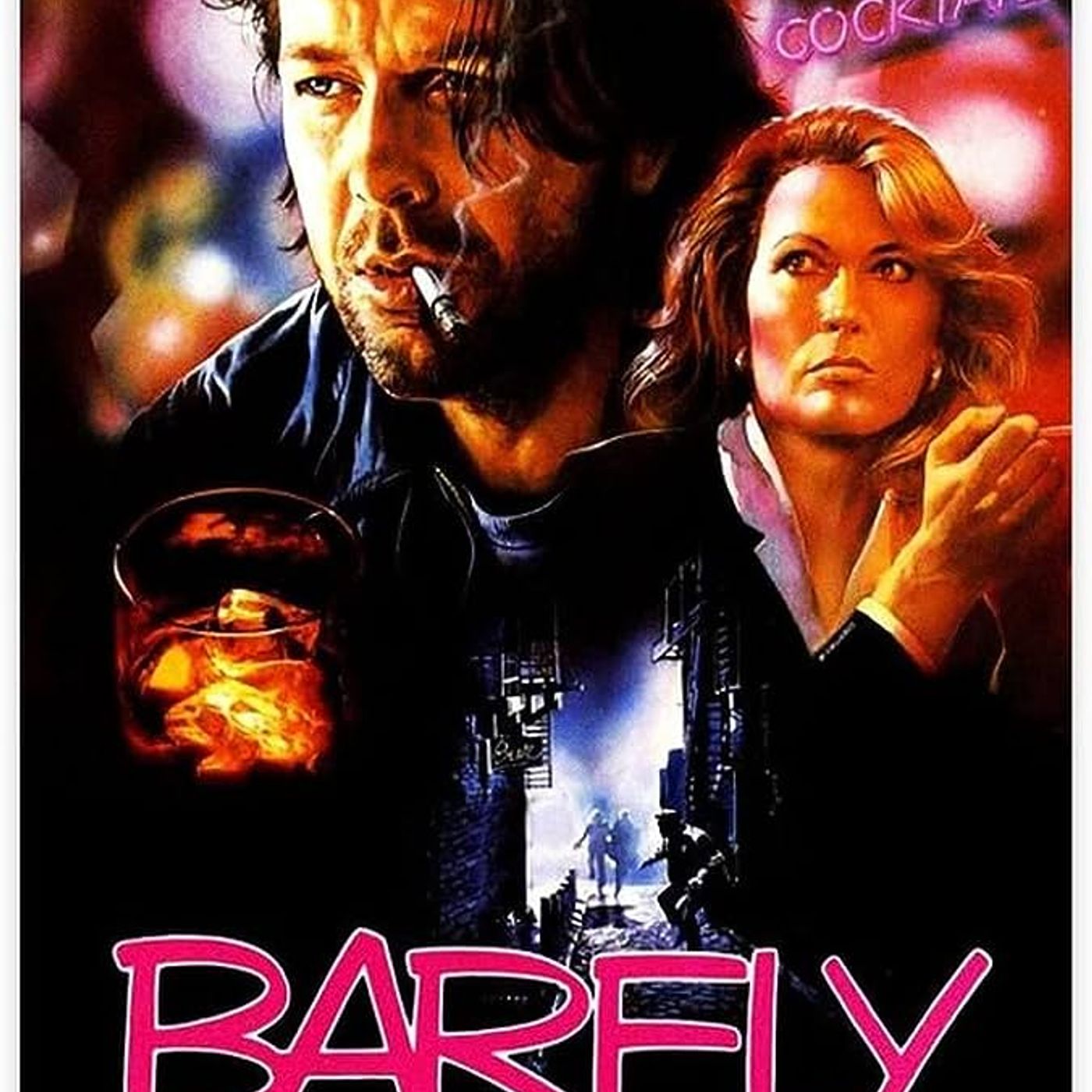
Starring Mickey Rourke as the titular character, he goes from bar to bar in downtown Los Angeles looking for love and getting into trouble all the while nursing booze. Along the way, he meets a colorful cast of characters who are living the same barfly lifestyle. It's a transgressive look at the life of a barfly in a way only Bukowski could.
For more Kulturecast episodes and podcasts guaranteed to be your new favorite audio obsession, check out Weirding Way Media at weirdingwaymedia.com.
———
The Kulturecast is a film and culture podcast from Weirding Way Media, hosted by Chris Stachiw, the Doctor of Podcasting, alongside a rotating table of guest co-hosts. Each week digs into where film and culture meet — and how each one bends the other. Now home to sub-feeds including Required Viewing: A 360° Film Study with Dr. David D. Perlmutter.
New episodes weekly.
Subscribe on Apple Podcasts → https://podcasts.apple.com/us/podcast/the-kulturecast/id931361376
Spotify → https://open.spotify.com/show/5wjxip9XVYapYuY12yEaGY.
Back the show: https://www.patreon.com/cw/kulturecast
Transcript
Automatically generated, so expect the odd misheard name.
We're waiting, m But the problem with Brazil was Brazil was a what was a fun was it was a fun movie or or a movie that, uh it was an interesting movie. Brazil is a fun, interesting movie to look at. I mean it, like you talked about before, it has its draggy on mosts. But you know, at least I don't hate everything that Brazil stands for, unlike I'm like this beautiful, beautiful movie we watch. Wow, you hate everything that this movie stands for as far as I mean with the way that it ends.
Yeah, like girl, O fuck yourself. Okay, okay, maybe maybe maybe we don't bury the lead here. On this episode of the Culture Cast, I am still your hosts, That's true, much to the chagrin of many, and I'm joined by my good friend all the way from Parts Unknown, otherwise known as the Scary Stories We Tell podcasts. One of the hosts over there, your friend of mine, Jess Byird. Hello to all my friends.
Oh man, pretty good, Charles Bukowski, impersonation you just did there on this episode of the On this episode of the Culture Cast, we are going to be talking about the aforementioned movie that if you clicked on the episode. You know we're talking about We're gonna be talking about a little film. If you're a fan of Charles Bolkowski, you're probably here as well. From nineteen eighty seven applete titled Barfly. This is a world where everybody's gotta do something, they gotta be something.
Sometimes I just get tired of thinking of all the things that I don't want to do, all things that I don't want to be. Nobody sits next to her because she's crazy crazy. I think you're the damnedest barfly I've ever seen. Hobbies, none, religion, none, education, none, you do the word asks your sex, You've written none, well, hardly none. You're a wife, is just a point your kids.
You can't work, you can't fight. You could look at a woman's legs for ours. I got nothing but time now. Every time I get with a woman, something happens. You're Henry Chanaski.
I'm one of the main producers of the Contemporary Review of Art and Literature. We've discovered you. I had an idea that i'd be discovered after my death. How does it feel to be on the other end. Let's smellet perfume.
Where's the better all baby? Look around. It's a it's a cage with golden bars eating you. Get out of here. I'm gonna peel you a wife from the perfume.
We don't have to be bar flies right down to the grave. Mickey Rourke Fade done Away, don't worry, Nobody's ever loved me, and like on the Edge as seen by Charles Bukowski, Directed by Barbet Schroeder. The film is directed by Barbet Schroeder, written by Charles Bukowski, adapting his own work Force screen and it stars Mickey Rourke, Faye Dunaway, Alice Creek, the Borg Queen is here and and and my favorite part of this entire movie, take it back, Doe do, dude do? It's Frank Stallone, everybody, because you know he needed to work. My wife goes, why does that guy look like Sylvester Stallone?
And I went because it's brother. And she goes, oh, he's he's not a very good actor, and I go, I mean he can't. I mean he's not Sylvester Stallone. I'm guns have a hot take here right off the bat and say that Sylvester Stallone can only do Rocky Balbo and Rambo. So I'm not going to classify Sylvester Stallone as the best actor in the world.
I look, yeah, well, really, Frank Stallone is fine in this movie. He does the character that he's supposed to be. It's right fine. He's honestly one of the least insufferable people because I kind of understand his like giant annoyance to this person that is Mickey Rourke than just is constantly in his bar. So speaking to that, the movie does follow Mickey Rourke as Harry Chanaski the Charles, Yeah, the thinly veiled Charles Bukowski who spends his days walking around Los Angeles going to bars.
The the the bar for the most part throughout the movie is the Golden Horn, and he goes in there and he drinks, and you know, it's uh, I don't I don't think that this movie necessarily has or doesn't have a ploted per se, but it definitely is a It's it's a vibe movie. It's a vibe movie of a certain time and place in LA and a certain group of people in LA. Let's just put it down. Yeah, Like, look, it's like you know, like after hours or anything like that, where it's or what's the one with Jeff Goldblue where it's like the end of the world. Yeah, Miracle Mile like all like it's sort of that like sort of a slice of life, but the dark side of life, like the we're just gonna follow around either some people are who are doomed or miscreants of society who are also doomed but in a different way, and a leaving Las Vegas.
This has a leaving Las Vegas vibe to it's in your minus the like ultru depressive ending. Right, Well, yeah, I would say like it's I would say this this movie versus leaving Las Vegas. Leaving Las Vegas doesn't I'm not saying that this movie makes light of alcohol addiction and alcoholism, but well, according to everything, it's a black comedy, right, and it's a dark comedy, Chris, We're supposed to be laughing at this. And look, there were a couple of things. I chuckle that if I was just annoyed.
I mean, it's very much the you know, Chinasky is an anti hero. I mean he is very much a in every sense of the world a word, and like, yeah, you really have to dig down deep to want to care at all about this character and they're all they think. There's only one moment I could point doh this movie where I was kind of like ah, But other than that, well, we'll continue, we'll get into it. Well, yeah, so I will kick it to you first, Jess. This is the first time you watched it, similarly to myself.
But let me know what you what you thought about Charles Bukowski's bar Fly. First of all, I think that any movie that starts with presented by and then puts a very well now and very you know, uh well to do, at least at the time, because Franzasporgobla doesn't make the movies anymore. At the time, Francis porkko Bola was tip top of his game. And so we have this presented by Francis Porkopola, and I think that that's always a red flag. Well it was presented, I think it like, I think it was presented it can by yeah, but I mean like yeah, it's like, I mean, I get that they presented it to distract you.
It's trying to make you can think that this is a Francis Forko Bola movie. Yeah, and then it's like, oh no, it's not. And I don't know what it is Barbee Schroeder done not not. I mean a lot of things, but not a lot of things that I think you would you would recognize. I mean some some stuff with Bokowski.
I mean he was the one who was kind of instrumental in getting this movie made because he commissioned this movie. I mean like he was like right, he wanted to he wanted to make this movie. He wanted to make bar Flies. So so so yes, backtracking, Yeah, first of all, I gets a red flag when a movie tries to distract you with a big name director or whenever that really has nothing absolutely to do with the film in the least at all, the other than maybe throwing money into it, which is all I can assume is what happened here. Like I can't imagine that like much else happened, and I could be wrong.
But here's the other thing. I don't like Charles Bukowski in the slightness. I find him incredibly insufferable. Yes, I think that he did have a very distinct and interesting and talented way of writing, but I think he is a person which is conveyed throughout this movie. Because again, this is a semi quote unquote semi autobiographical book that was turned into a movie about Charles Bukowski by Charles Bukowski, By Charles Bukowski, And everything that I had imagined about Charles Bukowski was true, Like it just this.
He is an insufferable person and he knows it. And that's my most hated type of person. Hate it's a strong word. My most disliked type of person is the person who knows. Like there's a point in this movie where he's in the car with this woman who's like tracked him, had tracked nance track him down just because she found one of his short stories and thought that he was such this poet and then that and she's like, why why do you live like a bomb?
And he's like I am, and it's like, okay, that's great, but you're really awful and you just really do nothing about it and you don't care, and so why should I? And I mean, he's every young, angry white man's favorite fucking author. So that or Iron Ran, Yes, and both of those those authors I fight insufferable and all of their movie renditions have also been inferable. I will say, in terms of Bukowski as a writer, I read factotum last year and I thought it was fine. It's fine.
I mean it's kind of same character, Harry CHANASKI. It's very much the same thing that we see here, a lot of you know, transgressiveness, especially in terms of like the places he's going, the things he's doing. Right, he's pretty transgressive as a as a person. Here's the thing about that. I like transgressiveness.
Sure, you know film and literature and art and all of that, but I like transgressiveness that is not This is like the Joker movie, right, the Waukee and Phoenix Joker movie is better than that. But I see what you're getting. Yes, But I mean character wise, like we're just supposed to be rooting for this person who makes terrible, bad decisions one after another, who's doing nothing but hurting himself and you know, in turn people around him, and absolutely not a goddamn thing changes in his character. Like an anti hero is one thing when they have character arc right, like where they're that reluctant hero. They're the anti hero where they're like, yeah, I'm this harnass or I'm this trauma.
You know, I have this person, I have major trauma in my life, and I can't deal with these things. Da da Da da da. But at some point in the story they have a turning moment for either better or worse, but Harry just stays or Henry just stays the same from start to finish it. You know, I like the nice little book endy scenes for the beginning and end of the movie to signify that this is just going to keep me spoil alert. He just continues to be a horrible alcoholic, making terrible decisions, fighting Frank Stallone how back of the bar every other night, and I'm supposed to be just what am I supposed to get from this?
I like transgressiveness that is making a point for either to enlighten people about a certain situation that maybe you know, they need to think about, or just something. But this to me just and I think it's obviously because you know, a lot, a lot of my feelings towards this movie and Charles Bukowski are are tinted by you know, twenty twenty three glasses, right, Like, nothing in this movie it would fly in any movies today. And I'm not saying that as like movies like this shouldn't be made, but in a world like we live in today, where this movie is glorifying essentially like this, just do nothing cause havoc, be violent, drink yourself, you know, stupid lifestyle for no reason, but also still continue to kind of benefit.
Like he's not unhappy. He likes this life. He wants to continue this life no matter what is happening, you know, around him and to the people around him. I don't think I disliked it as much as you did. I mean, look, obviously I understand the problematic nature of Charles Bokowski, and I think anybody who I think anybody who reads any sort of literature can assumes art in any way.
I mean, look, some people can separate the art from the artist, and some people can't, and some people don't want to, and some people do want it. And for me, I know that I am, you know, like as with any other person, I have my selective hearing on that right, like I do have my artists and my filmmakers and my writers that I still enjoy their art, who are problematic people. But in this case, I think it's just the culmination of everything about these characters. And I mean, look like it's a it's a nice I like the look of like old La. I like the scenery in this movie.
I you know, I don't hate looking at this movie, per se, I hate looking at Mickey Rourke and the stupid pushed out jaw thing that he's doing this entire movie. Yeah, you know, I think, I think, I think my issue with Bukowski and Mickey Rourke and this movie in general is, yes, I agree with you, you know, it kind of is not painting it in a positive light, but it's definitely not having a serious conversation about what these people are dealing with exactly. But at the same time, like I don't know how to say this, but like it's Charles Bookowski, like he never I don't think he know. I don't think he gave a shit. And that's but you know what, And in a way point yeah, And in a way I'm okay with I'm okay with that.
It is the same way I'm okay with Burrows being kind of not I wouldn't say overtly pedophilic, but I mean there is there is a there is pedophilic undertones in burrows work, which is I think, just as you know, I mean with Alan Ginsburg aside, but I mean that that in and of itself is kind of a weird, problematic thing because again, one of the great American authors. I don't know, maybe Bookowski is not considered one. I wouldn't I think he is. I would think he is. I think in the kind of independent, you know, contemporary literature world, I would say that he is william S.
Burrows is. I don't like Williams Burrows either, and I try, like I kind of totally get like yeah, And I tried to read both of them in high school when I was like trying to find you know, like fringey type of writing and like what I like the beyond Stephen King, you know, like the basics of horror, and right, you really went for it when you read Naked Lunch, I mean it is, yeah, And I read half of it in high school and I was like, I don't I don't care, I don't care, and I think it's fair. Then that's ultimately what it is. Because one of my biggest pet peeves of a of a person's make like personality makeup is the I'm an asshole and I don't care about it. Yeah, well, I mean movie, yeah, both of them, but that is effectively this movie.
And I have met so many not obviously people who are this drunk and you know, just in disarray as Nicky Organs in this movie. But I met so many people with that personality of yeah, I'm an asshole. I have these shitty opinions. I blah blah blah blah, and I don't that's great, but keep it to your fucking self. Then if you're not going to open your mouth and say I have anything of substance past that, I'm done.
Like, I don't care, says Leg. You don't want to you don't want to go pick corn with Fade Dunaway. You know, I do want to go pick corn with Fade Dunaway, not in this movie, but just in real life, because I feel like that would be just a trip, you know. I think again, you know, for me, it's it's not that it's not that it glorifies it. It's not that it doesn't you know, confronted in a serious way, and I get those lists, well I put that, put that, But for me, I guess, I guess for me, when I kind of realized that that's what the case was and that's what was happening, I guess I kind of And I'm not saying like it's a fault of either one of us for getting on board with it or not.
I just kind of I kind of went okay and got on board with the movie. But the problem is there are going to be plenty of people that say, I Am not going to get on board with this movie, like yourself. And then it's like, well, shit, okay, Like there you're to your point, like if you can't if you can't get on board with what the movie is, which is the kind of you know, every day goings on day in the Life of Henry or Harry Bikowski in the Life movie. Right. I like movies that take place in a day or two.
I like character studies. I just need this character. And then that's the thing. It's like again, it's not that he's one note, but look, I will say that there are times when I do find Mickey Rourk like tiny bit charming in this movie. Occasionally it's few and farm like when he because there are moments where his character does kind of try with like Faye Dunaway, like just like it's it's bad, it's it's half assed, it's you know, poor, lot of poor decision making and logic when it comes to the decisions he you know, does with that fay and all of those things.
But overall, it just by the time this movie ended, and I you know, we realized that by that point, it's like, Okay, it's just a sick legal thing. This is just this character's life, and it's how Charles Mukowski, who is in this movie ancient as he is in this movie, I love and I love that they linger on him too at the bar, because I was like, who else is that? Like? There he is? Hekay?
I know, I was like I had, like twenty minutes into the movie. I'm like, okay, well this has to be somebody who is this And now I looked up and I was like, okay, yeah, that makes sense. There he is right there. By the time we get to the end of this movie, and it's like, okay, we know that this is just this character and this is how he lives his life, and this is how he's going to continue to live his life, because you know, the whole thing is, he gets some money, he goes to the bar, and he you know, wasted all. He gets some money, he goes to the bar, and he wasted all.
That's that's what happens. And I assume. I don't know a lot about Charles mccowski's later years, but I guess, you know, maybe this is how he lived his life as well as living in flum and writing occasionally, you know, while he was completely trashed and that's fine, but okay, so what am I supposed to do with that at the end? Like so you're just essentially I know what's going to happen to all of these characters, Like the people who work at the bar are continuing to going to continue to or at the bar, Mickey Rourke is eventually going to get his ass kicked by Frank Stallone or somebody else, or he's going to drink himself to death. And Faye Dunaway, I'm yes, her character absolutely, I think was not long for this world.
Well and that and that is the thing about Mickey Rourke in this movie. You know what he's doing with Faye Dunaway Bay. Yeah, you know. Again, if you can't, if you can't get this movie, man, it's it's a it's a it's a lot. I mean it's again, it takes it takes a lot to get on board with this movie because again, it is really just about like the everyday life of people that are on the very far fringes of society.
But then you have Mickey Rourke doing I don't want to say it's goofy, but amen. Like it's so it's so bizarre because all you have to do is like go look at Bukowski talking. I mean, don't go look up the interview where he literally beats a woman in the middle of it. That could be yeah, not great, right, not great, Charles Boukowski don't do that, obviously. But what's crazy to me is that performance that he's giving is not really indicative of Charles Bukowski the person, right right, It's like a weird Patua thing, Like it's kind of like it's what Steven Seagal does in his movie.
Is actually dude, Also, yeah, it really is. It really is Steven Seagal, Like Steven Seagal doesn't, Yeah, what's going on? Like it's that weird thing, and it's like it's such an acting choice and I did I don't get it here because again, it just makes him seem drowsy the whole time, and it's like, is that, well, he's supposed to supposed to be supposed to be drunk, but it seems drunk. It seems drowsy, like he's just like I don't know, really functioning alcoholic. Does he seem drunk to you?
I mean yes, but that the voice does it, Like, I don't associate the affect with that being a drug thing. I associate that. I mean, yes, it was a choice maybe if we I you know, look, I don't know anything about Mickey Rourg as an actor or his acting process or anything about that, but I couldn't see maybe that that affect because it is sort of a like gives you a more laid back nothing, you know, like everything sucks but everything rolls off my shoulder kind of vibe because this character is so bollid. So I think maybe it's like up front sort of if we, if you will, that this that Henry puts on as the sort of like nothing can phase me. But then throughout the movie we see that and we and I think, like that, you know, it's indicative that we see, you know, characters like why am I blanking?
Oh Wanda, characters like Wanda Baye Dunaway's character, or characters like Tully where they like this person because they he's weird, which people point out all throughout this movie is that you're weird, Why are you so fucked up? What the hell happened to you? And that were answers the question, but they gravitate to him and then he emitte you know when they see him flip, you know, when it's either you know, challenging the bar keep to a fight or whatever, or pushing a car into traffic with his car because he's mad that they're making out in front of him. It's also a lot of that kind of like woe is me, white guy crap that I hate, where it's very obvious like that, you know. Tully points it out, like perhaps you're just jealous that they have you want to be that guy kissing Harry.
He's like, yeah, probably, It's like, oh, to shut the fuck up. I mean, we have an earlier part in this movie where he's like, oh, I can get a woman for twenty minutes, but that's about it. Yeah. Can we also address with the line that I as I was watching this movie five five minutes into this movie, and I'm sitting here and I'm like looking down at something for a minute, and I just hear this woman who's a continuous person throughout this movie just as one of the other bar flies, who is a hooker here we go, say it and says the line no one can swallow pace like I can, in reference to giving this old, greasy gross man a blowjob behind the bar, as one does, and then there's multiple references to her being so good at this thing, and mind you, I also thought it was interesting and I kind of liked this aspect of it because it felt more real than almost everyone in these bars are like fifty and older, not looking so good, Like no one in these places it's doing well, Like this isn't a bar where like a bunch of twenty and thirty some things are gonna come rolling in and there's just like a few haphazard bar flies.
It is a bar of like they are all bar flies. We're just following this particular one right And at the time, Mickey Rourke is thirty five and he looks like forty. Yeah, like I look obviously when Bokowski is an older guy, but it's just hard to believe that he looks this old, like he just looks yeah, I don't know, like they gave him some like caveman prosthetics, Like I don't get it. Charles Bolkowski doesn't look like that. Bokowski looked pretty area dye like he looks like a mummy in this movie.
But but like I don't know, like no, Mickey rourk is and I don't know. So this is what nineteen eighty six seven, nineteen eighty seven, when did angel Hart come out? Eighty too? Okay, So I think what has happened here is we have witnessed the progress of make excuse me, the boxing Barfly and angel Hart came out the same year. No shit, yeah, this is prosthetic work, Jess.
I'm telling an throughout the whole movie, he has like a black eye perpetually, so he's constantly got like this squinty half open eye the entire time. And he's doing this week Like I said, this weird pointed out jaw thing and the way he walks, and like way don't always character wound up points it out at one point in the movie, like the way he walks, you know, like give this blue collar, like I own the room kind of walk to him. But I'm like, is that what you're seeing? Because what I see is somebody who looks like they're pretending like a human being walking through around him, never been a human being before in their life. Well, Bakowski said that he was not the biggest fan of Mickey Rook's portrayal of him in the movie, and oh, I could see why it is.
It's because it's not him. Well, it's not him, And it's like again, like I can't tell if it's being played for laughs or if it's being played for like how pathetic he is? You know, the moment he answers the door and Jack Dance is there and he's bleeding from the head and like he's like you he's like, no, no, I'm not whatever by and he's like like that's funny, Like that is a funny moment, but it's a funny moment in a movie where for the most part, I can't you know, like you mentioned at the top of this episode, like, oh, it's a black comedy. It's like I but it doesn't feel like yes, feels exactly what you could define it as one. But I don't think it meets the definition of one at all.
Because it has a few awkwardly funny moments. Does it make it a dark because it's about people who are like really down on their luck. Doesn't make it a dark comedy. It is a dark part of society that exists, and I think that may issue with this movie wise, and that like I would rather have a movie about that in a more serious fashion, Like you know, I would rather leave in Las Vegas than this. Yeah, I get, I get that.
I don't know. I did enjoy the mundanity of the alcoholics being alcoholics together, and just I don't know, like I'm not one. I don't I've never struggled with that kind of addiction. And you know, it's interesting to see this. I mean, I do understand and I do agree with you that, you know, obviously it is kind of making light of it maybe, but again, it is Charles Bookowski.
I mean, if it's anybody else, I get, I kind of look at it differently. But when I think of Charles Bokowski, I think of people on the fringes of society being glorified, because that is what it's like Robert from and all of you know, and Harvest, which I like Burroughs, you know, just like Burrows, and it's just not my jam. And I think that if it were, I will say that I'm biased and think that that if it were not like just a group of very very uh problematic sis white men doing trendons aggressive. I'm an asshole. You just have to deal with it.
Bullshit. I might feel a little different if it was told from a different perspective than that, because it's just like, Okay, cool, good for you, good for you for just continuing on this way. Well and then and then again, Like that is the thing that I come back to with this movie. It's like the problem I think ultimately becomes that if you're not if you're not really you know, interested in going on the journey with these characters that the movie is setting us on, it is there is nothing, there's nothing to grab onto, there's no redeeming, there's nothing redeeming about it. If you if that's where you come in at it, I mean again, I understand.
I mean that's the problem with this movie. And you know, Mark Begley covered it on his show I want to say, last year maybe or earlier this year, and know that episode was also kind of all over the place because you know, again one of the people didn't like the movie at all. And it's like, I don't think I've had a lot of folks on the show, Jess who have been like I didn't like this at all. Yeah, like that, and that's I'm not saying it makes having a conversation hard, but like the problem but not Yeah, but but this movie feels like in a lot of ways, like you could even say that it's going out of its way to be transgressive and looking like that's okay, Like transgressive art goes out of its way to be transgressive.
I mean that's in a lot of ways, what makes things transgressive is their inability to stop being what they are. But I do think at some point, like I was hoping that there would be maybe not a message per se, but maybe like a moment of clarity of some kind, and I think Alice Krieg offers that sort of but it feels almost like it feels like it's tacked on just and like that's a narrative problem, Like that's not a I don't like the character's problem, it's like narratively The movie kind of fine gets going in the last twenty minutes, literally the last twenty minutes of the movie. The whole side you know, beat plot of the character of Kelly who's gone to such langs As to hire a private investigator who is played by Jack Nancy looks the same at every single movie.
Literally literally like just like I at first thought I turned on the wrong thing, like what you appear, and I'm like, wait a minute, what am I watching? But Ghosts is such lengths to find this character because I'm a short story and go so far as to like, yes, here's the other thing. That's my main issue, like a big issue for me in this movie. Fuck you if I'm gonna have to believe that Fade Dunaway and Alice Cree are mad about this man, this awful, awful man that they can that so much so that the last fucking ten minutes of the movie is a cast site. Hey, you are in this movie, and I'm sorry, Heather if you listen to this episode.
Mickey Rourke is only hot an angel, Heart and nine and a half. I see the appeal of Mickey Rourke in this movie. I do get it. I get it. I get it only because again, like there is there is that part of me that and I swear to God, I genuinely say this, I do think it would be fun to like not do something like this, but like go and experience fringe culture a little bit, because I have never done it personally.
Again, like, I think that would be interesting. I think that would be something we're doing, like hopping on a train and riding the rails. I mean again, it sounds insanely dangerous. There's a good between wanting to experience fringe culture and look, I've dabbled in things that aren't great for you. Person is wanting to continue to be an alcoholic.
And here's the thing. This movie never discusses anything about addiction. But again, I don't think it's obligated to personally, it's not. It's not. But again, I'm you know, like I do know people who have struggled with alcohol abuse.
I do you know, like know people who have struggled with drug abuse and things like that. And look, I'm not saying that I'm above watching movies that aren't about like people be you know, assholes, because I like a lot of horror movies and where people are assholes. So like, But for whatever reason, the formula of this movie and this character just did not compute well for me. And to finish my point about the character of Kelly brings him back to her very nice house, sleeps with him, I guess, and then he's like, oh, I gotta go because this house is too nice and I don't feel right here. And it's at that moment where it's just like I hate wasted opportunity and wasted privilege.
It's fair and just that moment and not saying like he should have like stayed and like been like Okay, I'm gonna be friven proper man now, Like no, not at all, Like still be you still do that, but like just have some pride in yourself, man, he said, cage with golden bars. Look, you know, do I get that. I get that. I do understand that that feeling of like, yes, it's a different world of being, like because in the in the movie, her world is she's very rich, like she is in that upper she's a well class white color people. Yeah, like I just want to have a little danger in my life essentially because my life has been so normal up to this point and like not no struggles and things like that.
So like, yeah, there there's a whole other realm of problems that come with that that world too. But I just yeah, I think it's just the lack of character arc, the lack of just characters to actually want to follow, because I mean, really Faye Donaway's character Rwanda is the one that I have the most questions about, and then I would have liked to spend more time with because I do also really like Fate Dunaway. I will I will watch anything Faide Dounaway want to be crazy and any daily like ain't that? Ain't that the truth about Fate Donald Like she is great at it and I love it, but her character has so many unanswered questions. And look again, Charles Bukowski not be you know, post your boye for feminism, men women's rights, and I think that's like that.
So obviously, I'm sure this character didn't really have a whole lot of dimension in the book either, And I think it's just because we get a little bit of insight that there's something going on with her, and it gives her more like, Okay, I can kind of feel for you, like there's something really going on with you, and I feel for you on Whereas with Mickey Rourke's character, Yeah, he's weird and he's fucked up and that's all you ever know and that's all you ever get and I get it, that's the point of his character and everything like that, because nobody really knows who he is, nobody knows anything about it. But I think it's the that little light that you get into Landa's character that makes me want to know more, versus you're just telling me who Henry is right off the bat.
It's like, Okay, well what more do I have to Aren't that Like maybe it's just going to be the same person by the end of the movie, which he is, but just the little cash in his pocket that will be gone by the end of that night, that that movie like it, I don't know. I mean, look, Bokowski's picaresque stuff is obviously like that's what this is, right, Like, that's what they're going for. And I just I think, to your point, it just feels like it's missing. It's missing some steaks, it's missing something, and dude, I need a kick care. Yeah, Barbie Schroeder commissioned this movie to be written, and you know, it's a it's a great entry into the you know, the I would say the series of things about the Chinaski character.
But yeah, I think ultimately, as much as I like this movie, I walk away from a lot of it going if you just on this instead, or if you had just made this choice, like as much as I do like Mickey Rourke in this movie kind of playing a character that is, you're automatically starting at the bottom like of the hill you've got. It's like it's an uphill climb h and you're just refuse it. You get halfway the hill and then go side right like and and like that's going to be an annoying, you know, kind of frustrating character for the audience to kind of get behind. But I think I think he does a good job. I do think the thing with him sticking his jaw out and kind of bulldogging, Yeah, it's like Brando esque.
And look, I've heard people say, you know, Mickey Rourke is like one of the last actors like that. He's very Brando adjacent. I have seen not enough movies of either actor to have an opinion that profound like facial expressions and things like that for sure. But again, like I said, but you know at the top of this podcast, I don't know anything about like Mickey Rourke's acting process. I don't know what kind of actor he is.
I don't know what acting theory he subscribes to. I want to say that Marlin Brando is maybe nothing, but I could be wrong or not, but Marlon Brando also just kind of played Marlon Brando and everything later in his career for sure. I mean it later his career, yes, I mean, like I've seen what is it on the Riverfront, I've seen that. I like it. I like him, you know, I like the Godfather.
I mean yeah, he stretched like a fan sport go blah. But like I don't know anything though about the acting that like their crap and how they viewed their crap and how you know, they went about developing their characters. And I do find it very interesting that Charles Bukowski didn't like the portrayal of Henry. Not that I'm you know, necessarily surprised, you know, knowing from what you said that this doesn't really that this character of Henry isn't really how Charles Bukowski like kind of like carried himself whenever. But I am interested that Mukowski didn't like this, and I'm wondering, like why, like for what was it?
Just like the style was it and it was misdone and exaggerated. I mean it is exaggerating the style, yeah, but it's like it's I think ultimately it's a movie and you have to kind of deal with the fact that you have to really kind of overdo it. I mean, you know, friend of the Show frequent guests Mike White doesn't like when people portray drunk in movies, and I understand why because for the most part, it's not great, like and it's hard to act, let alone acting in a certain specific way believably like that's drunk all the time, right, there's never a moment of reprieve. No, like just constantly in some state of drunk or you know, sobering up and half drunk, like just just constantly. There is not a time where he's not happened the bag, like at least like exactly.
But I mean, yeah, okay, so overdone or misdone and overexaggerated, which I can kind of agree, Like I can at least maybe if it had been less exaggerated, maybe I would have enjoyed it a little more because I wouldn't have been having such an issue with the tone and trying to decipher the tone of the movie if we didn't have this like kind of pseudo clownish character that on one hand, you should feel like really just like, oh my god, this person's life is awful. But then on the other hand, this person's life is awful, look at them do stupid things. I kind of and I honestly kind of wish that the movie had had like narration, almost like it might have. There's there's part of me that thinks like this movie might have benefited from some like narration, even if it's like mild narration, just to open up.
I mean, they're kind of was when you get like a little tidbit or a little like insight into what he's writing, because obviously she's supposed to be Charles Bukowski, so he's writing, you know when he started at the bar, and I will agree, you know, I did like the line when he's sitting in Kelly's house and she's talking about the guest house. They think they're up in like Monticito or something in California. It's it's the crazy, super nice like up in the Hills area. And she's like, you've been writing peace in the in the guest house and he's like, no writer's ever worth the dam has ever written in peace. And I was like, you know, true, I disagree like that with it as like a finality like statement of like, no writer who's worth the damn has ever written in piece.
But I understand the sentiment, and I didn't. I did enjoy that line, and I think like and like, those are the few tiny moments that I kind of like almost wanted to know a little bit more about this character because he's obviously troubled. I want to know why. And that's maybe, you know, like the cardinal rule of movies, right, like it's a show, don't tell such a and yes, you're showing me his current state of affairs, but I know nothing about him previously. I know nothing a hugure other than this.
I guess. I guess I do, because this is just what he does with his life and will forever do with his life. Right, But those little moments of like, Okay, fine, he's reckon, because throughout the movie he's very blondse about himself like yeah, which I appreciate later. Yeah, but I think it goes to your point of like, he doesn't. He doesn't.
There is no character growth because he doesn't care about growing. Yes, and but those tiny moments where he's like, no, you know, says, no writer worth the damn has ever written in peace. Okay, that gives us an insight that he he does have shit going on up there that is troubling, right, There is stuff going on that he's like he is putting on up front for all intents and purposes, for a lot of these things, and I'm like, I want to know more about and I think to your and well, I think to your point, that was kind of one of the things that I really picked up on. And again I don't I don't think they do a very good job, like you've mentioned, of conveying it. But I think it's an interesting way of kind of interpreting the movie.
Is it's not that he's maybe a drunk or an alcoholic, but he sits in these environments and he becomes part of them, and then he writes about it. But in a similar way to Hunter S. Thompson, another person involved in transgressiveness, another person who here we go, one that I actually, you know, not a great person. Can't agree with him on a lot of things, but I would rather watch it. Freda, do you think that he's done versus Kukawski or Burrows?
And I don't know why. I dont don't think Hunter s. Thompson would have liked either one of us a whole lot because I think Hunter S. Thompson was a very weird dude. I don't think Bukowski would have liked either one of us.
I don't think, I mean, realistically, I wouldn't have liked Hunter S. Thompson. And like my presence, he would have annoyed the ship out of man, I you know, and I'm sure the feeling would have been mutual. But well, yet he wrote some of the greatest things I've ever written. Like, yes, his perspective on things I thought was more interesting as his brand of transgressiveness is enlightening people to certain aspects of things with a purpose.
Well, and it's I mean also it's more observational transgressivism around like kind of not pop culture things, but socio things as opposed to like right, because you know, I mean, Hunters Thompson wasn't going and sitting in bars all the time and talking about the you know, the these working class people are these quote bar flies unquote and this movie Hunters Thompson was was involved and engaged and interested in hot header things like politics and culture wars and being what the hell's angels? You know, all of these things, right, which I mean like thing and all of these things, yes, which like resonates with I think you and I a little bit more than you know the work the working man, which you know I have.
There's nothing wrong with the working man. I love. I love a good working man's story, which is exactly what this is. However, it is a little self serving, you know. It is a movie about Charles bo Kowski, written by Charles Bukowski.
There you go, like, I don't know how much more self serving it would need to be so again like and there's nothing wrong with that. It really is a glorification, almost even edification of this kind of lifestyle and these kinds of spaces and these kinds of places where these people live on a daily basis. I mean they you know, we don't know what lives any of these people have outside of the bar. When we follow Harry, our Henry Henry outside of the bar, we see that there is nothing else. We know that he has more going on because he's Charles Bukowski.
But I don't know if there's more going on with Wanda or with no there obviously is. I want to know who the fuck Wilbur is. I want to know what that situation is there is stuff going on, but the movie is not concerned with that. The movie is ultimately concerned with distilling down. I mean even more so than Factota, which was also adapted into a movie, but that is based off of a book.
Like in fact Totem. I mean, Matt Dillon is fine, is Bookowski. I think Mickey Rourke does a better job, But it's it's that same story of like I go from job to job, I fall in love with women, and I sit at the bar and I drink, Like it's that same thing, but what do you do I drink? Okay, I'm not as much of a fan of that movie as I am of this movie, because that movie has its own problems, But I'm a bigger fan of the narrative that that movie puts forward, which is, you know, this guy is making his way through the world and we get to see these things and this it's like, I mean, we do see him go and try to get jobs, but I can like it all just feels it doesn't feel like what the movie's interested in.
It feels like the movie's interested in sitting in those rooms with Faye Dunnaway and Mickey work allowing them to say the lines of Bukowski wrote, which, by the way, I think the biggest success of the movie for me is the dialogue. It is well written. Agree, it's like it's so good. But is that surprising? Bukowski wrote it like the right, yeah again and like I said, like I am not denying that Jarl Mugowski didn't know how to strict sentences together like that.
He knows how to construct the offensence and use the correct words to to like you know, like you said, the what is that cage with golden bars? Like you know, like the dialogue in the movie sings. It really does, because he's good at writing dialogue. Of course he is, yes, because he's more in the he's more in the poetry adjacent, very figurative, descriptive language typewriting. And I did that.
I just don't like his themes and messages and pretty much anything that he stands for as a human being. But we haven't said the word. We haven't said misogynistic at all. But he I mean it it is like it's it's it's insanely it's in I won't even say it's intensely misogynistic, Like he was a misogynist. What I was about to say, is this movie tipto like?
It dances around the more interesting characters and the more interesting like b plots in favor of following Henry around to do his stupid things that he does every day. It dances around Fay Johnaway's character, which we haven't really talked about, but essentially, Wanda is a somewhat well to do looking woman like she's she's dressed in like a business e type of way, but she's very much an alcoholic. We meet her at obviously at the bar, nobody's sitting next to her because quote unquote she's crazy, which yet kind of yes, the character is, but again in a misogynistic way, like all of these women are written, which again double idea that these women are having a cat fight over this man is very indicative of Charles Mukowski putting his you know folks and dreams about himself into these stories of Yeah, I am, I want these women to fight over me, but I want to also continue being the asshole that I am.
And I would argue because there's really there's no physical violence from Miggie Rourke's character in the US towards any woman that this character is better than Charles Bukowski, because he's not like I would argue that he really is like the moments that I kind of like this character is what he's legitimately like doing what he his brand of trying with Wanda. It's not great, but you can sense that this character's actually like he hasn't met a woman like this that like actually understands him on the level that he's right, and he understands the gravity of that because you know, even the most you know, flippant people out there still want somebody to care about them, be they friends, family, or romantic relationships.
They want someone to care. So we see him kind of trying with Wanda in you know, not great ways, but he is trying. But I can't say the same for actual Charles Bukowski. I mean, like you said in the middle of the show, there is a full on interview you can watch and where he just wails on a yeah, like straight up, I mean that's exactly what it is. Yeah.
So I mean I would argue in some ways that Henry is a better person than Charles Mukowski is as a whole, because at no point does he get aggressive or like he gets upset, but really he's the one that takes a beating from Faye Dunaway when she smacks him with the purse. And I will say I laughed at that seed when he said, oh my god, there's something part of that. And then all of a sudden he's bleeding profusely from the head horribly. I was like, what the hell was in that purse? Like it looked like a blast bottle broke out of the person then just slashed the back of his neck.
Yeah, I actually I would be inclined to agree with you. It is kind of meta textually interesting to think about this, you know, the character of Henry Chanaski as you know, again this kind of analog for not the audience, but for Charles Bukowski himself as the person commissioned to write this, as the person who's like, all right, I love your writing, so please write a story unlike anything you've written, because this is for the screen and I want you to make this a Henry Chenaski story. And that's fine, but I think to your point, it very much becomes like the idealized version of being able to live this life, which does not include the realities of which includes to make you work winning every fight he gets into with Frank Stallone's character, which includes having two women can't fight over him at the end when they have absolutely no fucking reason to whatsoever.
Yeah, and you know, which is why he doesn't. You know, it teat people's ass too, like it's it's I don't know, it's your burgers, it's it's interest. It's interesting. I mean, again, the direction that all of this goes and the kind of ideas that the movie plays around with, I think again are interesting if you think about what Bukowski really is trying to have out with this movie, because again, I mean, it is him trying to kind of apple with who he is, I think. But to your point, Bukowski the human being was a lot more abrasive than Mickey Rourke is.
This is a very toned down version, which is fine. I don't think the real Bukowski would have would have worked that well if they had really leaned on how how much of an abrasive guy he was. And I would argue there are definitely they are absolutely points in this movie where Mickey or character where Henry you know, insight the things that happened to him. But for the most part, he does kind of just wander through this movie, and even when he does like insight violence, he always comes out and I think that's also you know, feed than to an issue. The one of the main issues I have in this movie is where it again, it's that kind of glorified.
I'm an asshole no matter what I do. That Yeah, even if my life not that, or even if my life on paper is shitty, I'm fine with it being shitty and I'll just continue to go on as is. You know, it did work out in the end. That's kind of maybe the lack of the moral or yea that at the end he ends up with money that Telly gives him for work he already did. Your work, he already did.
And basically for feeling man, I guess for losing to fade down away in the fight it. Yeah, I know that some people would watch this movie and really again not resonate with it, And I again, I don't think that this movie really is a success in a lot of ways in the way I was hoping it would be. But I understand why the lifestyle is appealing and why what Charles Bukowski is putting forward is appealing. I just don't think it's reality. But that's okay, it's a movie.
But that's the thing, Like, but that's the thing if if he's not a reality, I would like to spend a lot of time right and that, and that ultimately is the issue. Is this, this reality of these characters is so kind of on the face of it and just up front off putting that it is already again, we're, like I said, with Mickey Work and his performance, like you're you've ncapped yourself immediately because like you're you're purchaying a drunk the entire movie, like good luck. That's a hard thing to do. And also it's a hard thing to get people invested in a bunch of characters who are okay with the way that they are, which in our society we've been told what the people in this movie do is not positive.
It is a negative and they are hurting themselves every day. And look, again, I'm not here to make moral judgments on people, because you know that it is what it is, right, But again, like in twenty twenty three, the optics of this movie aren't great, But in twenty twenty three, the optics of Charles Bukowski aren't great either. No, Charles Bukowski is not for Genzi, Like, once gen Z discovers Charles Bukowski, They're gonna have a fucking connption, like cancel this man. He's dead, Guys, he's been canceled. He's canceled.
Life canceled him a long time ago. And he wasn't well received then either when he was around, Like that's kind of this whole thing is that now he looked at as this sort of punk rock, fuck the system, fuck additional you know, writing blah blah blah blah blah person but at the time nobody gave a shit. I mean, you can tell. Also, he lived in poverty like he wasn't he wasn't living lavish, And on his tombstone it says, don't try so, And I fucking hate that. I kind of like, I kind of like that.
I kind of like that personally. Oh no, it goes every it goes against everything I stand as a person where it's like, you know, what, you have to try if it does, like it does for me too. But at my most nihilistic moments, like at my most nihilistic moments, don't try. But my problem is like I'm not as nihilistic overall, I'm not as nihilistic overall as Henry. You know, Has Bukowski as Charles Bukowski is right.
I think he was like, if you're putting, don't try on your tombstone, Like you're pretty nihilistic. But that's okay. Like, I just I think that's a pretty hard way of looking at the world. But I also didn't again, struggle with alcohol addiction to say that about I'm not sure he would classify it as struggling. I think you would classify it as like, oh, that was just living thing.
Yeah, those just Levin just Levin man like, which is fine. But again, like there is a level of off putting that this movie just has to have. It's like Requiem for a Dream. It just it which it just has to have. It's part of it is off putting.
Is not a part of it all on a dream of putting. But I will say quam for a Dream does not pausit anything in else fun way. Right now for a Dream is like, if you do these things, your life is gonna sup Well, I don't mean again, I mean you're not gonna be happy and care free about it. Again, I don't think a lot of people would would go on the record and say that the life that the characters lead in this movie is good, or that they I mean they they enjoy it, but that's also like their issue, and that's like part I would argue that Henry does enjoy his life. He straight up says it multiple times.
Yeah, I'm a slob, Yeah, I'm a bump, Yeah I'm yeah, I have all these things. Yes, I'm gonna go buy I'm gonna go get this money, I'm gonna get drunk, and it's fine. I'm gonna challenge breaks along into a fight every night and kick his ass. Like he's fine with it. He's totally fine with it, and he sees no reason to not be fine with it, except for those tiny little moments where he's like, oh, there's something in there, there's something, there's a reason for all of these troubles you have, but we never get to see it.
Nope, but I did I want to. I was looky. I was reading about Charles Mukowski here for a second on Wikipedia, and it says in his early teen years, Bukowski had an epiphany when he was introduced to alcohol by William Baldy mullen Axe, who is depicted as Eli Lacrosse and ham On the Rye. I don't know, but this alcohol is going to help me for a very long time. He later wrote, you know what ham on Rye is right now?
It's his like response to Catcher in the Rye. Ham on Rye is like Bukowski talking about his childhood. Uh huh and like him growing up and stuff. I have not I have never read it, but it's on my list of Well, that's what I wanted to see. I wanted to see when Hiss, like where he came from like this, like what his background is as far as like what his upbringing was, which I'm just saying now the whole thing at this moment, but said.
He later wrote, this alcohol is going to help me for a very long time. He later wrote, describing hand method drinking he could use to come to more amicable terms with his own See, and that's what I wanted, Like, you're drinking to be happier with your life. Let us in, Charles Bukowski, talk about your feelings. Stop putting up this this front of fuck it, man, don't try you know what it is. You know what it is.
Let's let's let's be real here. Jess it's uh, how hetero of him? Yes, I mean is it is like and again I not being derogatory towards people that are heterosexual, but it's a it's it's a way of doing things that heterosexual men of a certain age don't like doing, which is like you just said, I maybe let's let's talk about let's talk about little Charlie. What's little Charlie doing? Charlie and it's a great fans out there.
Let's hold up the picture of little baby Charlie Bookowski. What would you say that the boy like? And that's and that is again like I don't think Charles Bookowski every once asked himself that not again at the same time, like, you know, think about someone like Burrows, like Burrows ends up essentially that consumes his writing. Is like you know, the identity question and like who is william S Burrows? And you know, right again, I resonate more with that because as someone who is queer Burrows, the question that Burrows asked and the things that Burrows gets himself into and that he uses as kind of like metaphorical situations for things in life, I think you're more interesting than yeah, sitting in a bar, drinking with all your friends.
But again I also see I mean, as I'm sure you do. Even though it doesn't resonate you with you, I see the value in it as transgressive art. I just don't think this is as successful because I think ultimately Pokowski, like you mentioned, Pokowski is better, you know, literary application. And that's why the dialogue is so good, is because that's study. He puts words together, study the way that he creates visuals.
Out of the way he puts words together. What he's saying with the words less so what's so important, but how they're put together and the way they sound is you know, what makes them last for people. And yes, there are plenty of people out there who also believe in whatever Charles Bukowski and spouting. That's fine. I'm sure we wouldn't get along either, And that's okay because this is just not the reality I'll like to escape to, essentially, And that's the beauty of movies.
There are so many different realities you've been escape to, but this one not one that I would would want to be visiting again any time. Saying final thoughts on bar flidges skip it, I mean, I say skimp it. I don't think that unless you're like I'm Mickey Rourke or Fade Hunaway stand and you need to watch everything, or they've been in or I guess you're a big Charles Bukowski fans that you've probably already seen this movie. But I think that it's a movie that is a time capsule and it's delivering a message and a way of thinking that is not helpful today. It might have it was, you know, fine at the time it was you know, it was a very different reality.
But as far as like watching this movie from a now perspective, which you know it's impossible not to do, it's not. It's just like I said, it's a time capsule that should stay where it's at because its messaging and steaming and what it's ultimately portraying is not something that I think is helpful to society at large. Yeah, I don't. I don't. I'm not going to come as hard down on that side of it, but I will say I mean, again, you know, this is a movie that's going to be very polarizing because again, within the first five minutes, what you are seeing is what you're going to get for the next hour and twenty five.
Yeah, you know, like that, if you're not down with what you're seeing in the first ten minutes, like you probably want to turn it off. But that's okay, because if you are on board with it and it's and you know you're you are a fan of Bukowski, like just mentioned, you've probably already seen this. But I think for the most part, it's a movie that you know, I think is held up by Mickey Rooke's performance, and I think Mickey Rourke doesn't doesn't. I think he does a good enough job for me where I'm like, all right, you know, I would say that this might be one I could maybe throw on in the future for just like a vibe. But again, it is there is a kind of ickiness to what it is and a little less of a It's not as fun as some of these other movies we've mentioned, and that's okay.
But at the same time, if I'm going to watch a movie about weird people being weird, I will put on after hours. This will not. Yeah, exactly, I wouldn't much rather watch that. I mean, not that they're about the same thing, really, but they have a similar vibe. It's a similar vibe it's that it's that it's a character study vibe of this like that style, but again very much a specific time and place that is that is evoked immediately when you start seeing you know, in this movie's case, neon billboards and stuff.
I mean, all of a sudden, you're you're transported right there. But I prefer After Hours because I think for me, After Hours is a much more entertaining movie. Yeah, and I mean, you know, Griffin done is better. I need reasons to know either Laud and I need to see them trying. If they're my main characters.
There can be characters of the movie who don't have characters. That's fine, they're a static characters. That's a real thing, that's that's okay. But as your main character, when your main character is this just insufferable of a person, not the and I want to follow around for an hour at forty minutes, I would much rather be figuring out what the fuck pay Donaway is doing the rest of the time in this movie. Oh, because we didn't really specify that.
But for some reason, she has this person named Wilberg who gives her money, but he's not her pimp and she's not unhopper, but we don't really know what she is and we never do because who the fuck cares about the women in this movie? Wow? Yeah, Bikowski is not known for his female representation and the movie is not changing that. So yeah, So you know, I think I think it's I think it's fine. I think it's fine.
I think Mickey Rourke is fine. I don't know. I think ultimately, at the end of the day, you could watch worse movies, but there are better movies have more appealing rogueish characters in the lead that aren't as Again, I can see the appeal of Mickey Rourke. It's just it's going to be harder to see the appeal with Mickey Rourke in this movie for most people than it would be with you know, I don't know, I mean even I mean Matt Dillon, in fact out him is a pretty big dickhead, so I can it's it's kind of six dozen half the other. But I mean, again, you're portraying Charles Bokowski, who, as we know real life, you're portraying sorts material all that you don't know a loot to warn.
Yeah, like he was a real life dickhead, So there you go. Yeah, so so on that note, Yeah, well, we'll take a break and we'll play a preview for the next Culture Cast. Nobody believed in Johnny Handsome. I know who you are, and I know what John nothing but croker until a miracle changed his life. I will give you a new face and a chance and a new life.
Now it's time for Johnny to believe in himself. Why don't you give me a little hint? Baby, help me remember who you are? Shot in a bit of life he came. Just throw that away, Johnny Handsome, grated are That's right?
On the next Culture Cast, we're gonna be talking about Johnny Handsome, which is a movie about Mickey Rourke tearing his face up, which you know, we actually happens real life. Yeah, and on that episode we'll be joined by Father Malone and HP. Until then, Jess, where can people find you? If they want to check you out? You can find me on Instagram at writer jets Fired.
Pretty much everything I do gets filtered there some way. You can also find me on other podcasts on the Weirdingway Media Network can find me our other show, Scary Stories. You can learn our other other show, The Huge Show you can find me on the myriad of episodes of this show and yeah, that's pretty much it. Yeah, and as for me, same place as always, Weirdingwaymedia dot com. That's where all the shows I work on our Jess already mentioned some of them, Barney Miller, cole Check Dreams for Sale, other new things coming soon.
Maybe check those things out at weirdingwaymedia dot com and yeah, culturecast dot com, Patreon dot com, ten, twenty and fifty those are the levels you can get in at. But like rate and review the show wherever you get it, because that's more important. Anyways, Jess, thank you were joining me. Even if this wasn't you know, the best thing either one of us have ever talked about it together. You know, it's still fun.
It's stuck a conversation though. That's exactly right. So on that note, we'll catch on the next episode.



Similar episodes across the network
Matched by shared keywords.
-
S6E4. Some people never go crazy: Barfly (1987)
1 shared keyword: barfly