
About this episode
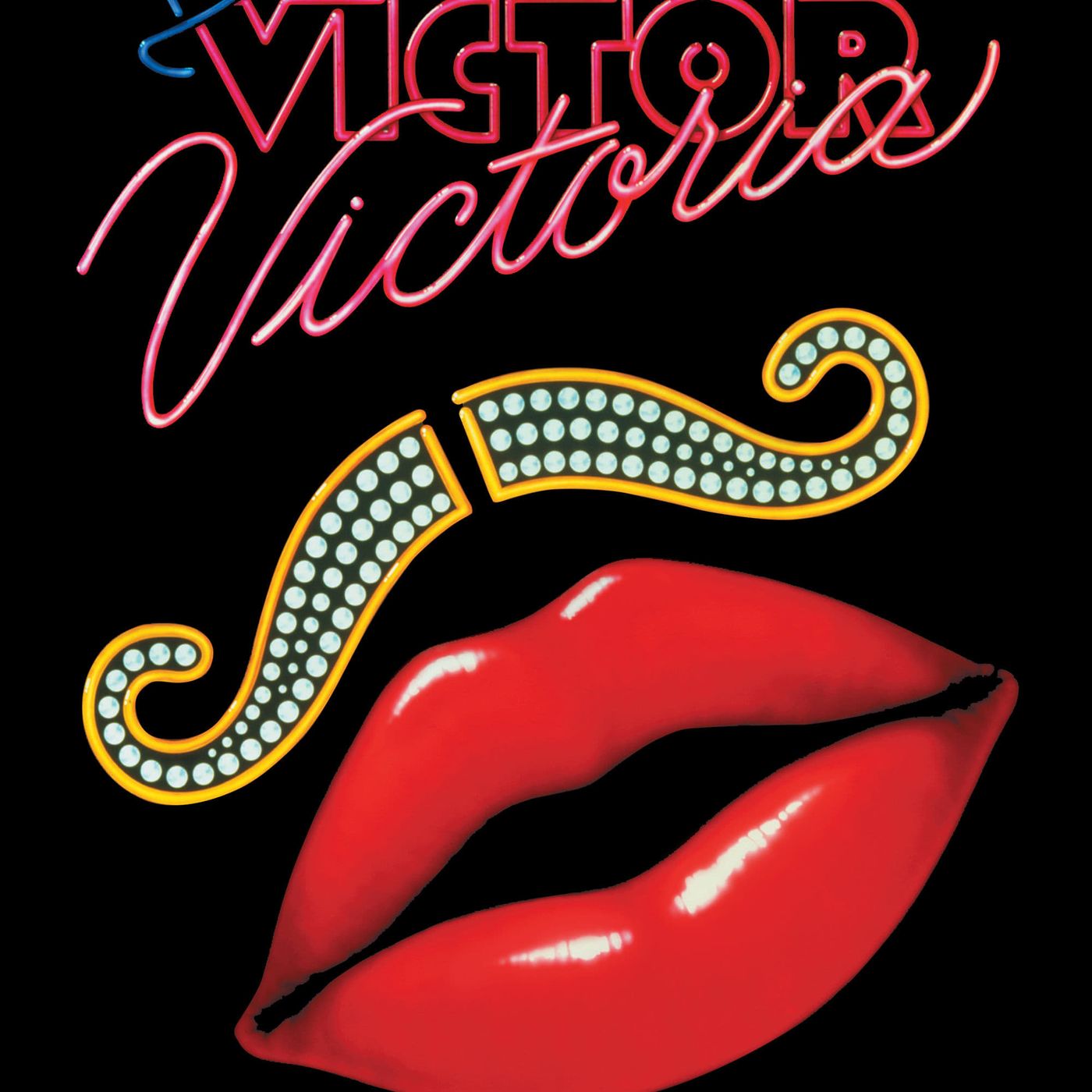
Based on the 1933 German film, the musical follows the titular Victoria as she attempts to make a name for herself in 1930's Paris by posing as Count Victor, the world's foremost female impersonator. She's aided in her attempt by Robert Preston's Toddy, a gay performer down on his luck, who does everything he can to make her the biggest star in the music scene.
For more Kulturecast episodes and podcasts guaranteed to be your new favorite audio obsession, check out Weirding Way Media at weirdingwaymedia.com.
———
The Kulturecast is a film and culture podcast from Weirding Way Media, hosted by Chris Stachiw, the Doctor of Podcasting, alongside a rotating table of guest co-hosts. Each week digs into where film and culture meet — and how each one bends the other. Now home to sub-feeds including Required Viewing: A 360° Film Study with Dr. David D. Perlmutter.
New episodes weekly.
Subscribe on Apple Podcasts → https://podcasts.apple.com/us/podcast/the-kulturecast/id931361376
Spotify → https://open.spotify.com/show/5wjxip9XVYapYuY12yEaGY.
Back the show: https://www.patreon.com/cw/kulturecast
Transcript
Automatically generated, so expect the odd misheard name.
Wait wait, yeah, So Susan, often when you come on the show, and I would say more often than not, I think at this point you and I or you have picked the things that we're talking about. It you've programmed it, right. I want to say for the most part last year when we did our bonus episodes, because I don't think we did any mainline episodes together, we just did both. We did all those bonus episodes throughout the year. Those kind of came out of working together on your show, right where you're that idea with you and Sharon.
Initially, yes, we were talking about nine to five, the TV show and the movie that led us to the movie, and then the movie led us to all those amazing stars, and so we were talking and then inevitably you and I get on the phone to talk about talk business and we end up shit chatting for We talked business for about ten to fifteen minutes, and then suddenly we're like, well, have you seen this movie? Have you said? Hey, what about this movie? And it's always shocking to everyone what I've never seen because I go, no, I've never seen this, and You're like, oh my god, you've never seen this. And then it's like five minutes later into the conversations, like you have never seen this either, Because I want to say, initially, when we were having our conversation, you know, catching up after the holidays, you were like, you've never seen The Music Man, which I feel like I should have seen before this movie for the specific and obvious reason of Robert Preston and Blake Edwards obviously, but I still haven't.
And it's not because I didn't want to, but it's because I didn't want that to influence my feelings on the role that Robert Preston plays so well in this movie. Uh, but when you were when I when you were like, oh, you know what, what what could we do? As kind of a bonus, Victor Victoria came up, which I had never even heard of, So you know, consider me uninitiated already. Well, I mean you clearly you've got to go through the Blake Edwards catalog, I believe. So yeah, yeah, this one, this one, I you know again, I remember being such a gem and it came out in nineteen eighty two.
It was Julie Andrews and James Garner and Robert Preston and and it was just just a delightful film for that period of time. Well, and that's the thing. It's a there's interesting gender and sexual politics in this movie that I feel like for the two of us may have the more interesting conversation at the core of this because there, I mean, this is a very progressive movie for nineteen eighty two. I feel like, maybe not the most progressive. I mean James Gardner, James Garner does say fag and then another character does say faget, But I feel like within the scope of the movie, I mean I get it.
And again as as someone who is identifies as bisexual themselves, like I get it, Like I understand what the need is for using that, and it makes sense. But it definitely made me think of watching prep school movies back in like twenty twenty two, where every single Boston prep school movie they were just dropping it like it was nobody's business. So here it's used to a little bit more specific effect in the moments that it's used. But like Susan and I have been mentioning, I am still the host of the Culture Cast, Christashue. I am joined by one of the two House of Eighties TV ladies, Susan Lambert, and like we've kind of mentioned, Susan and I are going to be talking about a movie that I didn't initially expect to cover this month.
This month's programming is kind of gone all over the place, which I'm okay with because I still haven't seen any of the movies that we're talking about before. But on this episode, we're taking a little diversion into a film directed by Blake Edwards, like we've already mentioned, from nineteen eighty two, called Victor Victoria. Is this woman really a man pretending to be a woman or is this woman really a woman pretending to be a man pretending to be a woman. And why is this man who is all man in love with this man unless he knows that this man is really a woman pretending to be a man pretending to be a woman. I don't care if you are a man.
Blake Edward's Victor Victorious, The Disguise, Surprise, The Good of the Year radd PG special Events preview this Friday, check newspapers called a Pigulter Near You. So it's directed by Blake Edwards, written by Blake Edwards, but it's based off of the original German film from nineteen thirty three of the same name, Victor and Victoria, and this one stars Julie Andrews as the titular Victoria, A a soprano who's down on her luck who meets a gay man who's also down on his luck and they and the gay man goes, well, you know what would be funny if you were crazy as shit, frankly, if you were a be male impersonator. So you are playing a man playing a woman, and that is the premise of the movie. And where it goes from there as actually a lot more shocking to me than I was expecting.
Again, just Gibb and when the movie came out, and the gender and sexual politics of the time. But yeah, like I mentioned, this is a this was not originally on the programming, but I'm excited to talk about it with you, Susan. So why are we talking about this movie? And tell me a little bit about your history with it. So we're talking about the movie because we were talking about eighties movies with female leads, and the first one that popped to mind was was this movie.
And I thought the gender I was like, oh, well that the gender politics are were really interesting for nineteen eighty two, right, And and so I was very curious how it was going to hold up because I've seen it since it came out, but it had been a while. And as I was discussing with Sharon the other day on Adies TV Ladies, uh, the gender, gender politics and LGBTQ language is evolved and is evolving so quickly, and that what was you know, sort of what was groundbreaking and or you know, or or cool to say five years ago may not be now, and and so it was just sort of interesting in light of that to me. So I had seen this film a couple of times because I love the performances in it. I think Julian Andrews is amazing in it.
I think Robert Preston is amazing in it, and I think James Gardner is amazing in it. And I think Lesliean Warren is delightful. And it isn't as well structured as I thought it was. That's a nice way of putting it. There is maybe one glaring issue with this movie.
Well there's a couple for me as a writer, and what I did not know, I think I sort of vaguely know there was some sort of you know, original context to the movie, but I didn't know that it was directly based on the nineteen thirty three German musical comedy called Victoria and Victoria und Victoria right, and is got a lot of very similar element I mean, like it is. They've basically remade this film and it's been rebade, I guess several times, and that I just I haven't seen the whole thing, but I saw clips of it. I was like, I gotta go see clips of this, and it's like surprisingly amazing with its gender politics. And you think about the thirties in German Germany and the thirties and and again how that push that that that push forward to fall back all of our politics.
Right. But that was so I was delighted to revisit it with you and uh and then your second part, did I like it? Is that? What what you're you're I mean, well, I mean you're kind of experience with the movie. I mean why, I mean, you know, you kind of already mentioned why we're talking about it.
But what did you think we watching it this time? I thought, again, some parts were just it's just an enjoyable movie to watch for me. I love those actors and I watch them. I love the twists and the turns in it. I again, the tone shifts dramatically.
The tone is very much but I think at the time we were more used to the Blake Edwards, like you never Blake Edwards was such an amazing filmmaker who did really, you know, films that we think of today, Breakfast at Tiffany's, The Great Race, Victor Victoria ten there were. But he also did a movie called The Days of Wine and Roses, which was a drama, and then he was hugely successful doing the Pink Panther films, which I feel like there's some of that here. And that's the thing. I think he could never resist being a goofball, just having wacky barcacal comedy that just was kind of in a completely separate movie than anything else he was making, and that definitely happens here. What's funny is some of that is definitely in the nineteen thirty three movie The Whole Detective Chasing Down, and that subplot is very like again, it's in there and so and the detective has played for a complete goofball, right the clips I saw, and I did not see the whole movie, but I again just enjoy the heck out of that film.
I think the songs are wonderful. I you know, I love I love the relationship between Robert Preston and Julie Andrews characters in the movie. And the big disappointment is that that sort of ends about midway through the movie and the James Gardner Julie Andrews relationship takes precedent, and you still want some more res I want more with them and more resolution for them, although the big number at the end with Robert Preston is pretty pretty fun. So, like we've already mentioned, i'd never seen this before, I've actually again, I haven't seen a lot of Julie Andrews's stuff either. I'll just say it right here again, I don't care.
Go judge me if you like. I've never seen the sound of music. It's not something that's motivated me. And it's the premise alone doesn't sound particularly Mary Poppins. Did you see Mary Poppin?
Oh my it is as a kid, I might have seen it once. Like again, like again, that's the thing. Like the stuff that the the things that I've seen Julie Andrews in. You're gonna love this. The Princess Diary, the Princess Diaries I've seen.
I worked on those. I worked on those a Disney and you know what, like those are good movies, Like that's those are those are great films. Like it's not even it's not even like, oh, that's not something worth mentioning. Like, No, Julie Andrews is fantastic and everything she's essentially ever been in I'm pretty convinced. Uh.
I was actually just recently rewatching Shrek and then Shrek Shrek Too, which she plays Biona's mother, and right, I was like, what who does she play in that? Yeah? Yeah, yeah yeah, which and again, like in a lot of ways, for me, the way I kind of feel about Julie Andrews is similar to the way I feel about Angela Lansbury. She had like a big impact on a lot of like things that I've seen as an as a young adult, but not so much as an adult adult. Like I said, never seen sound of Music, Davin.
Really, I mean, this is the first Julie Andrews thing I've really ever seen. To be perfectly honest with Hugh and boy, I don't want it to be the only Julie Andrews thing I've ever seen, because she's fantastic. Obviously, it's like, no shit, Chris, she's fantastic. But I mean, she wasn't gonna say yeah, I'll say it to myself. It's fine.
Like and that's the thing, Like, it's it's apparent from the moment she's on screen why she is not only the lead in this on film, but also was the lead on stage as well. And that's the thing, you know, I kind of mentioned this this month already with Katz twenty nineteen a cinematic abomination. Uh, if you're gonna do a screen adaptation of a stage play, the people that are already doing it on stage probably warrant a little bit more attention for the screen version than just casting some actor and trying to get them to sing. Uh. I Mean again, I like Sweetey Todd as much as the next Timbetan fan, but the singing in that movie is not great.
And I've seen it on stage and it was fantastic. Because again, that's that's the job of the people on stage is to be good at singing, and they are also good at acting and then choreography. I you know, people look down on musicals, but like, if you're an actor on stage, you have to be a triple threat, like you have to. You have to be able to do everything. I'm not saying actors on film don't, but it's different.
And again, like you have two people in this movie, Robert Preston and Julie Andrews, who are immensely talented musically, So you have the right people here and that helps. Are there some parts of this movie that are a little odd? Yeah, primarily in like the pacing of the movie. It's off. It's really off.
And it's not even like, oh, this is a musical and it's off. It's just there are scenes that just kind of end. I think it's the way I would put it, like very abrupt editing choices, and it kind of makes for a disjointed second act. I feel like the second act of this movie's just all over the place. And to your point, the moment we kind of have Julie Andrews and Robert Preston get separated, the movie starts to suffer.
And I'm not saying I don't like James Garner in the movie, but I like Robert Preston and Julie Andrews back and forth a hell of a lot more because James Gardner's character, Oh, how do I say this? He's a gangster. Yeah. I don't understand the way his characters portrayal continues on throughout the movie because that at the beginning, it's like, Okay, he is in love with her because he thinks that she's a woman, and then she does the act and reveals that she's a pretending to be a man pretending to be a woman, and it freaks him out, but it doesn't seem to phase him to the point of not wanting to do anything, because then he starts to say, like, oh, you know, there's this I would think like one of the biggest scenes in this movie is where he's kisses her even though she he thinks she's a man, and he's like, I don't care that you're a man, and like what it's but like the movie does that and then it kind of walks it back immediately.
Well, here's the thing. It walked it back for that scene, so they actually it the scene where uh he sneaks in and sees her. I think the scene that he snuck in was there, but I don't think he was able to see her. I assume so as well. And yet in this, they changed it.
They added that he saw her and knew that she was a woman, and that was Blake Edwards, and he has said that he chickened out that the original plan was for when they run away together. He does not know, He still does not know if she's a man or a woman. And they run away and he says he you know. He says, I don't care if you're a man, and kisses her and then she says I am a man, and he says, I still don't care, and that if the character had not known for sure that she was a woman, that would have been insanely Yeah, even greater than it already is. It's a beautiful scene, but it it really is undercut by him knowing even though he stood like he knows, but it's left ambiguous.
It's left ambiguous and no, it's not Yes, it's not direct, but I I he knows that he sees her and then smile and yeah, that was my interpretation as well. It's like he sees her in smiles and it's I'm assuming because he saw I'm assuming he saw her breasts. It's gotta be what like and it's like okay, and like that's what I was talking about with some of the weird editing choices, because that for me, it's a total fucking cop out, Like it's the most cop out of cop outs, and I mean, I get it. And again I understand that this movie is really doing something that you would not expect at the time, and you might not even even expect now in a lot of ways, because I think, I think this could be something fun to come back like this play on a a readaptation or a retelling in a more modern setting.
I don't know if it would, well, it would be different, but yeah, the politics are so different, the sexual politics for men and women are so different that you would have to do it in a very different way. The idea is still really kind of fun. But at the same time, then you're if you do it for real and you do it in a modern setting, you're also talking about literally co opting drag queens you know the world, and you're like, wait, is she is she? You know? Like, but for the time.
There were a couple of things that struck me iory watching it, just the very opening of the movie. Robert Preston is a movie star. He is. His most beloved part is the music Ban arguably the most wholesome even though he's a con man. But but for Americana world, the most wholesome, you know, actor in America, a wholesome con man, a wholesome con man exactly.
And the first shot it is Robert Preston waking up and then a guy getting you know, his lover literally sitting up behind him, And that alone is just like insane. Right, You're like, we're putting this actor and we're going, guess what the music man is gay? Right, and you're like, what for an audience? And again, they were able to accept it, I think in a Blake Edwards film, because they knew that it was a musical comedy. But at the same time, it was also incredibly bold to to to open the movie that way.
And uh and I thought so beautiful to open the movie with him being kind of a bitter person. Right, he's he's he's a bit, you know, he's he's sort of paying his lover and his lover is real jerk and uh and and he is bitter and dark about love and then friendship and then and then when Julie Andrews and he and befriend each other, they that that that helps both of them, and that relationship is so incredibly charming that you want that to be. And that's the story, the story based on the opening is his story as much as it's her story. And then they and then it becomes the James Gardner, Julie Andrew Show, which is wonderful. It's fun to watch them.
It's fun to watch them have an adult conversation about their situation when they kind of when all, you know, all the chips are out there. But I think it's much more interesting if instead of concentrating on the number of times that apparently James Gardner had to go get beat up in order to prove his manhood, I think we got it the first time or the second. I got it the second or the third. Took you the second or the thirty. But in America nineteen eighty two, they needed that, they needed to continue to prove that James Gardner was going to prove his manhood for whatever reason.
Because men are very fragile. Yeah yeah, I mean, you know, for the for all the fragility that men project onto women, I find men to be a lot more fragile than any woman I've ever met. And I will say, like Robert Preston as someone again, as someone who identifies as bisexual, as someone who's gay. I appreciate the role that he's playing. It is not a stereotype like it is.
It is far from a stereotype. It is a fully realized gay man in a musical. And I appreciated that it's not really ever played for look at the Big Queen like if it is. He's the one doing it, which is perfectly fine. And I have friends that act that same way, so I get it.
Like if it were someone else doing it, it's a different story. And there are again kind of derogatory moments in the movie that are played not for laughs but for shock value, especially kind of towards the second and third act of the movie. But as much as I like Julie Andrews in this movie, I mean Robert Preston just every scene that he's in he's just so good, and the movie suffers when he's not in it, like genuinely, when him and julieanders are not on screen together, it suffers. But when he's not on screen, it suffers because he's just as good as she is. I mean, again, it's as much his story as it is hers, and the movie kind of forgets that two thirds of the way through, which is unfortunate because again I find it even more interesting Mongo like Candy, I mean, Alex Carris is in this movie who plays Mongo and Blazing Saddles and this movie he plays Robert Preston's gay lover who comes out two thirds of the way through the movie.
And again you expect that that's going to be played for laughs, and it's really not. It's actually kind of again more progressive than I was expecting because not only does the Alex Karras character, who is a former football player, uh and again that speaks to the real person Alex Karras as well is a gay, is a closeted gay man. And we don't just get one scene of them talking about it. We get several scenes, right, we just don't get the joke of it. We get more.
Yeah, we basically we have more jokes, which in this in this movie is more scenes. Right. So yeah, and I thought that was I thought he was great in this. Yeah. And again like I've literally only ever seen him in one other thing, which is Blazing Saddles, where again like it's I mean again, it's one of my favorite roles of that movie.
But it's not this. I mean, that's that's obviously just like a very joky, you know, the whole mango candy green. But again, he stands out in that film, and he stands out here because again he's not a stereotype at all, and him and Robert Preston have like kind of a beautiful little relationship that starts to take hold. And again like I wasn't expecting it. It actually took me by surprise when he's like, you know, if you can when he tells James Gardner, he's like, well, if you can be gay, then I just want you to know I'm gay.
And I was like, oh my god, what. And again, like as someone who is is gay and looks and always wants representation to be there, but not in a way that's you know, going to make the grand majority of the group upset, I think this movie does a pretty good job and again speaking to experiences, but not again not making every gay character a stereotype, because like most of the characters in this movie, like half of them are gay essentially, yeah, and none of them are played for like again like there's not any really big stereotypical. The stereotypes are the ways that the stray characters act, if anything, Yeah, James Garner's character, and then definitely his like business partner played by Norman Chance or the Salin Dretti character, Like I mean obviously big time.
Well, he's just he's just playing, you know, right, gangster bigot, gruff, Yeah, gruff, Italian gangster biggot. He's just playing, Oh, we need some threats, so physical threat in this movie one more time, right, which, like I what's funny is like all of the exterior threats feel completely unnecessary and don't add anything to this. Absolutely, you could do this whole movie and still have emotional threats of her relationship with James Gardner, threatening her fame and her relationship with Robert Preston because if the thing goes away there, you know, what is there? Where does the relationship stand? Right?
And you know, and so that is that's the emotional story of the movie. And I think that's where like Edwards kind of sort of traditionally built up these beautiful, beautiful and double movies that were that were funny and fun and groundbreaking, and then the moment they should become just phenomenally beautiful movies. He's throwing in the We're gonna hire a crazy detective and the detective's gonna it's gonna get hit by lightning. And you're like, You're like, what, why stop? You don't have to pink panther this.
I know it was the most successful thing you ever did, and you'll live on it forever and ever and ever and and it was hugely successful. But those can stay in the pink panther. But yeah, that said, it's coming from a tradition like the movie has. Again, the original movie has some of those elements as well. It's a very thirties movie element, which is we have this great drama going on, and we also have this weird, very farcical and and you like home Alone level of comedy.
We're not great like any like like and the fact that we have James Garner do it and then we also have the detective do it. It didn't really work when James Garner did it. I mean, I guess it worked more because again he's one of the main characters and like this makes more narrative sense, but like it, it just makes his character kind of ab out to be a creep which is fine. Like again, like it's again, like it is what it is, and I get why they did it that way, but like there's no way getting around this guy sitting in this closet watching so address that's none of their business, right, Like yeah, even though they end up getting together at the end of the movie, it still kind of feels icky, like, well, yeah, that was nineteen eighty two gender politics that was considered romantic.
I mean, I've seen Revenge of the Nerds. That movie has some really really questionable sexual politics as well, so I and I know that it's just you know, that was just passed off as no problem. So here I understand. It's just like, like you said, that is just what it is, but it and it would have passed off because listen and James Gardner is coming in with The Rockford Files and the Maverick. So I love that they cast James Garner in this and then make him sit there and be attracted to a woman that then he finds out as a man and ask to sort of live with that for the rest of the movie, right because it is it is damin it damaging to a machismo male psyche, especially during the thirties and yeah, thirties and eighties right right, apparently where were very similar.
But and and James Carter is always lovely to watch. You just can watch him and you whether he's playing a good guy or a bad guy or a creepy guy in a closet watching somewhat undressed before their bath, he still good to watch. That might that last one may be a step too far, but I have maybe and it it only would have worked if they hadn't let him see, Like I think he would have got away with it if he goes in and then and then circums and then comedy circumstances means he's got to get out before he can see. Something happens that keeps her from seeing. She does the bath.
Then he's like, actually, you know, and then and then you know, Robert Preston goes into the bath instead, like it just feels like, God, you you could have done so much more. And then he's got to get out of there, and he doesn't know. He still doesn't know. It would have been so much more fun to watch him struggle with feelings of attractiveness for someone whose gender he was not sure about. And that is the beautiful moments in this movie when you know, when in the early parts of the Julie Andrews James Gardner relationship, and yeah, and some of that fun is let out of the balloon when he knows, or at least they allude that he knows.
Right that said, this is so much fun. I really enjoyed watching it again. And I love the musical numbers. I think they're just really wonderful. Oh yeah, I mean that.
I mean, that's the thing. I mean, you know, outside of kind of the sexual politics of the movie, I feel like the set design is fantastic, the costume design is fantastic, The musical numbers are great. I think that some of them feel very saaney to one another, but I get why they needed to be, because again, we're kind of in a very specific corner of the world, and most, if not all of them. Musical numbers are I guess, diegetic too, because we're seeing them in the world. It's not a musical number where the characters just break into song.
This is being We're seeing the musical numbers as they're being presented on stage. There's never assing outside of that, so it's a little performance musical, right, which I mean again, I well, it suits the narrative obviously, because again we have a woman playing a man who's playing a woman, which I mean shades of Robert Downey Junior in Tropic Thunder. I'm the dude portraying the dude disguised as another dude. It's that it's that same idea of like, Julie Andrews is doing most of the heavy lifting here because what the expectation for her role is. I think she does a really good job at portraying the Count Victor Grazinski character, the male character portraying a female character.
I mean, I've never looked at Julie Andrews in thought androgynous, I don't. I mean, and like it's interesting because, like I guess, I kind of see it. I don't know, not that I'm saying I needed a more more androgynous actor to play the role, but Julie Andrews is very feminine when even when she's trying to be the Count Victor Grisiski character. And I don't know, I just found it a little interesting because in my mind, you know, the James Garner character, I don't know if he really should have and would have been tricked that she's a man. I have a hard time believing that's and that's just again that's like a me problem, not a movie problem.
Well, and I think that is the the thirties. So if you go back to the thirties of it all, and they did this in Paris, but even in the original movie, the girl that plays Victor Victoria doesn't seem particularly masculine either, like, but nobody does. Everybody in the thirties and thirties movies could almost be non binary, right. The guy doesn't seem as James Gardner as in that movie. He's you know, much sweeter.
And the guy that sort of has her do that is like a boyfriend or or something like. He's not a gay guy necessarily from what I could tell, And again I don't, but it just it was just so interesting because again I think you have to recognize that audience walked audiences walked into the movies with so much expectation of the stars in them, right, and a lot of awareness in a way that we don't know stars the same way. We don't we don't we don't know them as stars the same way right, right, they're all on Twitter, So even if they're stars I mean think we know them, we all mystified. They're demystified. They were not demystified.
In nineteen eighty two, Robert Presser was a huge star. Jullie Andrews was a Huger star. She had done The Sound of Music, She had done Mary Poppins, and so you have Mary Poppins playing a woman playing a guy playing a woman, and that like some people lost their minds just with the idea of that, I think, right, and so and so the just those short hair you know, which you know, she had most of her life a sort of a short haircut, which was very unusual for a star, I thought for the time. But I don't know. I haven't done a thing but the costumes.
I want to go back to the production design on the costumes because it is friggin brilliant. Yeah. And the costume designer was Patricia Norris, who was nominated six times for the Academy Award for Best Costume for everything from Days of Heaven to The Elephant Man to Victor Victoria and then I think one of her latest movies was Twelve Years of Slave, but one of the little because I was like going and trying to look up some things I didn't know about the movie, and one of the things I found, and I don't know how true it is, but it was that the costume worn by Julie Andrews in The Shady Dame from Seville, which is the big sort of Spanish production number that then at the end, to spoil it, at the end, Robert Preston performs that that that number.
It's the same costume. It was built for Robert Preston and then they penned it for Julie Andrews. And I just think that's so just such a great touch that is in some ways unnecessary and yet also makes it lovely. And apparently you know he uh. The the the now ripped costume, uh is is uh is somewhere like it's been.
It's in a it's in a collection of costumes. Uh uh, still with the rips and tears from when Robert Preston wore it and kind of tears it apart during his performance. I read the same thing as well well. And you mentioned the musical numbers. I mean, again, what the what they are in the way that they're presented, It's like, I can see why this would work so well on stage.
As well, because again, you can just have essentially everything stop and just have the audience watching these musical numbers being presented on a stage the way they're being presented in the musical. And I mean again, I appreciate that about this because I performance musicals are not something I've seen a whole hell of a lot of I've seen. I'm trying to think I've seen this one. I guess I've sing Singing in the Rain is both. Yeah.
Yeah, I want to say like Rock of Ages has some of that. I mean again, that's more of a jukebox musical. But yeah, I think for the most part, like and I guess Hedwig as well, Headwig and the Angry Inch has some perform I mean there's like I think probably half the musical numbers in that movie are performing, or at least meant to. Yeah, yeah, but I like it as kind of a conceit. And again, having seen so many, that's the thing.
I mean. You and because you and I did a couple in Indian, we did one Indian and it had it was probably won't air until next year at this point, but I feel like I've been watching a lot of musicals anyways, because I've seen so many Indian movie and in again, like in most of the Indian movies, if not all the ones that I've seen, they are not presented as narrow like I guess performance musical numbers. But in in some of the movies there have been and they they're not like on stage as much as they're like at a party and everybody kind of stops and has these kind of big musical numbers at a party together. So it's interesting to get see this and it kind of being like we're seeing the action on stage and we're just cutting away to like Robert Preston and John Rhys Davies and a reaction shot and then like reacting yeah yeah, And it's like, you know, again, like it's sidelining the characters.
But because Julie Andrews is so entertaining, that's perfectly fine. But that is the one thing about performance musicals that I do think is a little bit of a weak point or a failing. But it's just because the way the narratives presented is unless you have those characters on stage together performing, it's never really like there's no story being forward. There's no story, and we really never get to see Robert Preston and Julie Andrews perform but one time that's really it And that's one's so delightful though, but it's great. It's like I wanted more of its kind of the problem, Like I liked the two of them together so much that I wish there was more of that.
And again, if it were a more traditional musical, there totally would be there would be songs there. There would be a song that they would sing together in the apartment when he's getting her ready to be victor, and like you could sell you to be a man, right exactly, and like there's and it's it's a real shortcoming of the movie and just the musical as a whole, because again, like I want to call it a musical, I mean, I you know, even though it's technically a musical comedy, because it has many musical production numbers, the musical production numbers are are integral to the plot only in that she is a you know, she is a singing star, right, so's she's a massive successful star and and so and it takes place in a nightclub with you know, stage and music.
So it's not a musical in the sense of normal people are going to break out singing. James Gardner does not have an eleven o'clock number about understanding his his sexual attractions. Ugh, kind of disappointed. There wasn't really am I gay? Am I gay?
I meant no R. Yeah, like I I mean that's for me. That's that's the thing. It's like I missed those moments because of the way the musical's narrative is. And again you said it in a lot of ways, it really isn't to musical, Like it's those those musical numbers.
You could have had all that shot from stage left or stage right and just seeing it happening and never actually see and just have her come off stage and there you go, and it's like, oh, that was a great number. And like in a movie where the musical numbers aren't as important, that's how they would have done it. They just didn't do that here because again, you have Julie Andrews and you're adapting something that already has musical numbers, So why wouldn't you do it? But yeah, it that for me is kind of the the one other big thing here. It's just I wish, I wish more characters got in on the musical numbers, and I don't know.
I mean, God, if James Garner started singing, maybe I would take that wish back, you know, be careful which wish. Yeah, if I could, James Garner would sing. I mean, I've heard Pierce Brosnan singing in Mama Mia and it it leaves a lot to be desired. So I guess maybe you know, lucky us we didn't see James Gardner singing. But at the same time, like, I don't know how much they would have asked him to do, so who knows, right, I'd be very curious.
I've not seen the theatrical adaptation, and it's and it's always interesting when a movie goes to the stage, particularly before you know. Now now it's not that unusual, but it took a long time, right, It didn't become a stage musical until like the early nineties, right, So I think it took a long time to figure out how to turn it into a proper musical, right, because you need the story and the music to be integrated for it to I think to be a proper musical. It doesn't need to be completely integrated, but you need to have those numbers or it doesn't feel like you can sit there and watch twelve performance songs or fourteen performance songs. You can get away with a couple of those, and then the rest of the songs need to be me telling you my deep dur secrets and you professing your love, or you professing your fears, or you know, us explaining the trouble that we're in, you know, like because it's it's much more akin to movies of the thirties and forties that were just like, you know, and here we are in the in the nightclub, and then there's just performances in the nightclub, because that was the fact that it's set in the thirties.
It also is a nod to those films from the thirties and forties and fifties where you always had production numbers in there that were not necessarily integral to the piece, you know, but it was a way for to like basically sort of let audiences see a great singer, right, you know, so they would literally stop the movie in order to be like and now, you know and no, you know, there's a you know, there's all production number. While we're you know, waiting for you know, Abbot and Costella to watch the mixed or something. There's less Aba Castillo. Who am I thinking of that? It would always be it was Abbet and Costella movies that they would have production numbers in right.
Well, And to go and look at the musical, I mean the musical, the stage musical that you're talking about. The stage musical version of Victor Victoria does have songs with King and Victoria. There's and King has his own song, even and Victor and Norma have a song together, and there's none of that in the movie. Yeah, And there is a version that you can check out on iTunes that is a filmed version of the stage musical. And again and again, like I looked at some of it and again it's like, this is kind of not the same thing because, like we've already mentioned, there are some of the same songs that show up.
But there is a song called if I Were a Man, So it is it's that thing, like again, like you have to do that when it's an actual musical. This is kind of splitting the difference, as it were, And it's it's not a bad thing, it's just it kind of feels like, if you're gonna do this, you need to do more. There does need to be more because some of the stuff in the second and third act, I feel like, get rid of that stuff and give us some more musical numbers, Like give us those musical numbers that we're missing because the back and forth with sal and King in the hotel suite like that, that's like unnecessary, unnecessary additions to this movie to add tension where it doesn't need to be there. The sexual and gender politics of the time should be tension filled enough that James Garner doesn't want to go out with Victor because he's concerned about being seen as, you know, a gay man, even though he's not a gay man, even though he's again visibly a gay man out outwardly presenting as someone who's gay.
So again, it would have fleshed that. I want the characters to be fleshed out more, not having unnecessary villainous characters added in, because because why, it doesn't go anywhere like it it literally goes nowhere and is wrapped up as quickly as it's introduced exactly. It's like, well, yeah, so yeah, it's it's a weird place to put the story, right, It's a weird place to hang the story, but it it. And then when you think, though, no, it it really is all about men's feelings, even even if right not, It's like, well, it has to be under threat of death that that she that she comes clean and to saves my life because she's a woman. So it's all, okay, we could just drop that storyline now.
And what I don't understand is like we literally see Leslie and Warren find out that Victor is a woman, and that's the end of the scene. The sun just ends, and it's yeah, yeah, like what what what is even the point here? Like why are we spending any amount of time doing any of this? Like I said, some of the some of the editing in this movie is strange, and the scenes and the way that they just cut away from scenes. It feels like there's there there needed to be a couple more minutes of that scene there did there needed to be like one or two more minutes of something there?
Because why is it? I mean, okay, so and then that's it. Then we never see that character again, and all the and all the threat is gone, right, And it's like why even introduce it to begun with? Because Leslie Ann Warren is it's kind of a villain. I can't even figure out which her deal is.
Frankly, like, she comes and goes in the movie in a really strange way as well, but she's so great, I know. Oh that's the thing, right, that's the thing. It's like, I'm like fine when she you know, comes back, but I I did sort of in my mind picture it being like she never leaves, like she gets off the train somehow and and then just comes back and causes trouble. That's how I remember in my head, not that she goes back to America, calls up all the gangsters, dances for them, gets her own number, and then uh and then brings him back to Paris to to to reveal and get James Garter in trouble. That's a lot of a lot of stuff happening, where she could have just stayed in Paris and tried to cause trouble, right well.
And that's the thing. It's like, I mean, yeah, she goes all the way back to the United States, which we us like it, like there's so little fanfare and with any of this, it just kind of happens, and then it happens, and then it happens like I I don't know, like again, like this movie's two hours and fifteen minutes, and I feel like either you could have cut half an hour out of it or done something else with that half an hour. It is probably a more impactful way for this movie is giving those characters those musical numbers that you're gonna end up giving them anyways, once you adapt this into a stage play thirteen years later, because again you realize that, as far as I'm concerned, if you're adding musical numbers to this, it's because you realize you needed them, because otherwise this this would not work as a stage play the way it's being presented now.
I think. I think the also the other thing that you have to understand is is what stars needed to do things. It was just fun to give oh Leslie and Warren should have a number because she's amazing, so and and so they just decided. I think often the decisions were not so much it was it was not a time of carefully crafted structure. Something was.
It was a time, particularly with a comedy, that you really could throw out structure and at as long as that scene was funny, and that scene was funny, people didn't. But I do feel like the first half of this movie is structured very differently than the second half of this movie, and that a lot of the charm of it, which is, you know, Robert President and Julie Andrews, becomes lost. And yet there is a lot of charm in James Gardner and Julie Andrews, and for not as much though, it's just not as much like it's just it's not I mean, I don't know. I think part of it is because there's no sexual relationship between Robert Preston and Julie Andrews. It's such a a sexual relationship and like who I'm not going to say, who doesn't want a friend like that?
But who wouldn't want a friend like that? Like your closest of close friends that you can literally feel comfortable laying in the same bed with knowing that they're not going to do anything to you, any thing lascivious and that, but you have such a close friendship with that person, like and there you go, and like, I yes, me personally, I find that relationship a hell of a lot more interesting than I mean again, it's just there are just some missteps with the James Garner character. I don't know, if him not seeing her naked would have changed anything, but at least it would have made me think, well, he has some internal struggle there, yes, as opposed to we kind of see it, but it's such a fucking put on, like I'm gonna go beat up some guys in a bar, like, oh god, like this that was.
That was definitely how like that was the how the joke of masculinity Russ presented in total American movies. What's interesting too is I think this was, uh, you know, the Julie Andrews and James Garner had done the Americanization of Emily, which is an amazing film, and that was much earlier, and and so for a lot of again, the audience that was you know, that was movie going audience would have known that. And the that's a that's a romance movie. That's a war romance movie. That is unlike any other war runs movie.
And uh, and so I think I think it's hard to bring in James Gardner and Julie Andrews and not they had they kind of had too many stars, right, right, So it's like it's like, well, yeah, now that James Gardner's walked in, it's gonna be really hard for Robert Preston to get as much screen time, which is a shame, Like I don't like, Like I don't want to say I didn't like James Garner in this movie. I just kind of wish he was some I kind of wish it was anybody else, like some wasn't was someone who wasn't competing so much that I know, I get it, but like if it were someone else, we might not have as little Robert Preston and Julie Andrews in the second and third act. And like again, because it's James Garner, Like, listen, when when when you know, when I rewrite this movie, it'll be it'll be it'll be about then the triangle, right, so then it'll be it'll be, you know, my relationship with James Garner threatens both my career and my relationship with my best friend because it threatens my career, and and you know, and my gay friend threatens James Garner.
It like you would then just focus on the three of them, with the complication being Leslie and Warren trying to you know, get her claws back into James Gardner, right and then and then discovering that she's not a woman and then going to tell everybody and then you could have whatever chaos you want. And and so we've solved it. Uh, you don't need this stupid like it just it was Inspector Cluseau. It was so pink panther the other stuff, and it was unnecessary and it took time away from the stars. It did.
Oh my god. Yeah, the stuff with the Inspector Clouseaux bullshit of this movie is so out of left field. Like and like you said, I know it's in the original, but like you don't you know what they say, it's not as broad. It's it doesn't seem to be as broad it but again it's I think it was sort of it was, you know, we sort of blake Edwards was Vaudeville in a lot of ways, even though I don't know if he had any relationship to brought Vaudeville, but it was that thing of like I'm telling a story, but I'm also completely happy to interrupt the story and just do a bit. Have a guy balancing himself on a champagne bottle.
Yeah, uh, have a guy put out his shoes and pick up his shoes, and put out his shoes and pick up his shoes. Just for a bit in the hallway. Yeah, yeah, it's there's some stuff in this that is weird, Like it's like slapsticky weirdness that it just again like I bet that's not in the stage play, Like I don't I don't see that being a necessity in the stage play because again, you've got the musical numbers. It's again, it seems like there's things here that are in the place of what a musical number would be, like, oh, you're gonna spend two or three minutes having Alex Kars stand outside and freeze like okay, cool and very entertaining, like except not, and like then the gag of like him coming in and being like, oh they let your leave your heat on, Like you spent all that time for that gag, like it you spend all that time in that hallway with the shoe guy for that payoff because that doesn't do it.
Yeah, and you don't need it. It's so much time. You're like, I just want to see these characters be amazing and listen, I really I thought this movie held up. I love this movie. We're picking nitpicking on on the side, you know, the side dishes, but only because for me they interrupt the great parts of this movie.
Yeah, I mean that's the thing. It's it's like it's like a great meal, but you know that what you're eating as the entree, you're just not gonna have enough of and like and and you don't realize that until it's too late. And that's what it feels like, because like the sides, the side plots here just do get in the way of the of what I was more interested in as an audience member and as someone who was engaged with the narrative, especially because of how great Julie Andrews and Robert Preston are together. Because again, I think they could have carried the movie just the two of them. I mean again that not that you know again like not that you don't need some third thing, because you do need something going on, but it could have just been the two of them, like trying to get away with this.
Yeah, and again because it just it flits across the gender stuff so interestingly. Yeah, but then it just flits across like it it it it it's it's so interesting. It starts to get more interesting and more interesting, and then it and then it just sort of stays at the moment of James Garner's character is mildly uncomfortable with himself. And that's the problem of his character, right, And it like literally never goes any further than that, it doesn't. I mean there's a little bit of like, well, once he knows, then he's then he can't be out in public with Julie Andrews as a man.
But Julie Andrews is like, but I'm not giving up my career. And you know, all those things again are very sweet, but they don't take you anywhere, and you want you like the and now if you and again, I don't know if you could do this now because we just don't have the same I was gonna ask you, like, how the fuck would you do this now because you've already mentioned non binary and as as someone who as a as someone I think in the last year who's come across their own personal journey, and I mean, this is the first time I'm saying it here. I probably consider myself non binary more than likely at this point. Like I think that that's how you would have to do this, is either non binary or and again I think this, I don't know how you do this without making people mad.
And I am not I'm not a trans woman. But I feel like for this to be a thing, it would have to be a man playing a woman impersonating a man this time, or would it have to be a man impersonating a like I think it would have to be a man who is as a woman, and that would have to be it, right, Like, I don't even know if you could do a woman pretending to be a man pretending to be a woman, like is that going to offend everybody? Like is that going to even play now? Or does it have to be a man for tending to be a woman, like and there's no other subtext to it, and that just has to be like I'm not actually and like, but that's the thing. But then you go like you've literally just disenfranchised the entire trans community because I don't know, if you you can't have the conversation in this movie of well, I'm not actually a woman, and it's like, oh Jesus Christ, like, how about we invalidate an entire group of people's feelings by accident or intentionally?
I mean again, if I went into making if you went into making this, now I feel like it is a losing battle a little bit like making broadcast news like I don't know. You probably don't know this movie, Holly Hunter. I do not broadcast news was James L. Brooks huge hit, you know, uh uh, and it was amazing, And it's about video news, right and newscasters and ethics in video television news. Fucking what an idea?
Huh And and the tension of trying to get literally one of the best scenes in the movie is trying to get this last minute edited tape of a news story finished, cutting to get it on air at the time they needed to before the news broadcast is over. That's a huge dramatic and funny like scene and sequence in this movie that literally does not make any sense anymore except for that time and period in television news, which was when video had come in and before digital would sort of make it a moote exercise the challenges of video news, but also the advantages of video news, and really, more importantly, the ethics in video news of did you react to that person telling their story in real time or did you go back and make yourself react to it and then cut it in.
That's the emotional climax of the movie. Is Holly Hunter going what you broke a rule of entertain of news journalism riveting. I mean, and yeah, for the movie, it sounds riveting, but like now for now, time for the time, it's it's a it was an astonishing movie, right, and the performance is still hold up, but it but the story like literally makes no sense. You can only look at it as the like, you know, oh my god, remember when we had to like crank if there was a whole story around having to crank your car to get to run. I mean, I joke about Seinfeld all the time, but how many fucking stories in that show have to do with people not being able to like if they had a cell phone, do you know what I mean?
Like, if they had a cell phone, most of the problems of these episodes would be solved more or less immediately because just be like, Hey, I'm down here trying to get a parking spot. Can you come down and help me. I'm like that there's a whole episode about parking that has to do with plan and it's like this is not a thing now like and it feels again it feels kind of narratively quaint in a way compared to now And I think, I mean, to your point, like I think Victor vic Toria, the only way you could do it now is if you just said it in the thirties. So you have to take advantage of what they were doing in eighty two, which is again it is the thirties. So that is why this is a big deal.
So there is a yeah, there's a crowd of people that for this, that embraced this culture, and then the rest of the world does not, and so that's yeah, you know. But here's the thing, And I don't know that every movie needs to be remade. I think that that some movies need to just live where they are and and it you know, and you can appreciate them where they are. And certainly, growing up in the eighties, the ability to put a pen in the male psyche, even it was a tiny little pen prick hole right that this movie does right, even at the smallest level, was kind of huge. To have James Gardner on screen questioning his own masculinity quote unquote, because he found himself attracted to someone whose gender became unclear to him, and in particular, after being attracted to them, he discovers that they're a woman, I mean a man.
Sorry, now I'm getting it wrong, that he discovers them to be a man and thus feels like less of a man and conflicted about the fact that he basically, you know, I guess got excited about a drag queen. Yeah, and that he thinks that's what's happened and that is his whole emotional crisis. And yet that was like where we had to get We had to have that in order to you know, we had to have the tiny pin prick in order to crawl, and then in order to walk, and then in order to have a pride march. Well, that's the thing. It's like, you know, to talk about toxic masculinity, which I think this movie does obviously kind of have somewhat of a discussion about, but I don't I mean, I think for the both of us, I don't think it has the discussion enough.
But I think it's eighty two. So the fact that, like you said, they're even doing it the minorist amount is not to be lauded, but it is impressive. Yeah. The James Garner character, just again, like the way he's played obviously is such a toxically masculine guy. But then all of a sudden we're meant to and are supposed to believe that he can change.
But I guess by the end of the movie it kind of becomes Grease right where she does just do what he wants in the end. Right is kind of bad. It's kind of unfortunate, because, like, I mean, that's what really rankles me about Greece, and I mean, I love the Frankie Valley song from the beginning of the movie. It is absolutely a fantastic song. And Grease the musical, I understand the appeal, but I will say the same thing I said when I did an episode on it almost ten years ago, which is, I do not understand the end of that movie being anything other than a complete and utter rejection of the idea that it is okay for you to be you in spite of what your partner wants.
And Grease ends with literally how you do and stun and it's like, oh, oh no, this doesn't work. This is really awkward. And this movie has that same moment at the end where Julie Andrews comes out looking like Victoria and I go, okay, so that's what's going to happen now, And that is what happens at the end. Of this movie because the implication is that she is now done as Count Victor Grazinski. Right, yeah, and that's it.
And it literally just ends without any fanfare, and it's more or less played for a penis gag that they saw Robert Preston's penis. Right, it's like that would be the greatest disguise I've ever seen, and it's I'm assuming the implication is that guy walked in there and saw Robert Preston naked and saw it like saw his again, saw his literal biological male genitalia, and like, is anybody actually believe that that guy is? But I have a hard time understanding the end of this movie because what happens Do they actually believe that that is now? Like it's it's insane, frankly, like it's not see here's the thing. And you weren't able to rewatch these movies every moment of every day were available read believe it was just a movie.
If you enjoyed yourself through the whole ride, you didn't really need to explain too much. I didn't need to explain how the guy was struck by lightning and his unprella cut. Oh yeah again, Yeah, it's it's some slapstick nonsense. It is. It is not for you know, and it's not fair necessarily.
It's it's you know, it's asking like you know, it's asking the Marx Brothers to you know, start to explain their behavior at college well at risk of being called you know, the millennial or whatever the fuck. I stand by that again, like call me a call me a big you know, a big SJW or whatever however you want to interpret it. But like for social justice war here, okay, Like for me, it's just like again, I would prefer my movies that are trending in this direction continue to trend that direction all the way through, not pulling up right at the last second and being like, but no, all the good things we've done in this movie, we can just kind of undo them by having just back to zero. Yeah, it's like it's no longer a star.
Yeah, and she'll be with James Garner and just wanted to marry a Richard youngster man and uh yeah, kind of robs the movie of it's of any emotional weight. I'm curious if they solved it, like, how do you the solve would be on stage to come clean? Right? Oh, one hunt. I mean that that is what I was expected.
That was my expectation the way I had said it was in my mind, this had to end with her revealing herself as Victoria on stage and everybody going WHOA. But again at the same time, like not really caring, because she's still immensely talented. That is never in question. And she's immensely talented if she's Victor Victoria. Just because you know the the nightclub owner was it played by Peter arn Labis, the guy from the beginning of the movie.
Just because he doesn't have any interest in her act doesn't mean she's not talented, because it's been made clear that she's immensely talented. And what I don't understand is why did she have to stop if not for James Garner's masculine, fragile, masculine facade not being able to take it, And that I mean again, if you were to remake this movie, part of this would be looking at his character as a little bit as and really deconstructing that toxic masculine like fragility that he really like expresses throughout the movie. And you see Alex Karras's character as a counterpoint to that because once he comes out, all of a sudden, it's again like there's there is now an actual gay character for him to talk to, and he does have those conversations, and those conversations with Alex Carriss are really good.
I like that conversation where he's asking him, like talking about the time of football, and he's like, well, I had to I had to over Corron and say yeah, and it's like, you know what I mean, I know people like that. I knew people like that in high school. In some respects, I probably did that myself, but I mean I never I wasn't I never worried about it as much as someone like this would have at this time. I mean again, growing up in the nineties and two thousands, even then it was more acceptable. I mean, it's a lot more acceptable now, thank god, as if it ever shouldn't have been to begin with.
But there was so much more potential here and if they if this was ever redone, he would be a much bigger character and their relationship with shit and that, like you could also then you could literally have the we you know, we didn't like. You could keep them. You could just keep it in the mix of the relationship between the four of them, and the you know, with Leslie and Warren being the I'm going to try to mix it up, right because I'm you know, and but and then you know, and then her discovering something that would be fun. Right, it's there, Yeah, it's there are so many opportunities the movie doesn't take, and it's again, for whatever reason, I feel like I know why they didn't take those, because the thing, like we've mentioned, the thing that is the big selling point of this movie is Julie Andrews and James Garner, not Julie Andrews and Robert Preston, which for me ends up taking precedent over everything else.
And I also think, as much as I'm not because I know you aren't anymore than I am a Academy person in Academy Awards and all that nonsense, like this movie got nominated for seven Awards and Robert Preston was nominated for one of them, and rightfully so, because he really is, for me, the standout of the movie. As much as everyone else is fantastic, Robert Preston for me is the true standout. Yeah, he's absolutely delightful to watch. Yeah, and you just you want them to get together, and you want them to win him and Julie Andrews, and you want them to pull this off. And it's if you were going to redo this, you would have to now just do a better job with structure on it.
I mean, I don't know how you deal with whatever the sexual politics are, but the emotion politics are are something that that you would want to address. You would want to make sure that the story kind of stays about she and Robert Preston and what the challenges of James Gardner adding into that mix with and then James Gardner's learning about both himself and Julie Andrews and Robert Preston and and his bodyguard right right, and and and and that's that's so much. That's plenty for a movie. You don't need that. You would just cut all that other stuff, right, But for for a comedy, for this, like, I don't I think so much of movies at that point, and particularly filmmakers who were making comedies, it was just what's funnier.
You gotta have the funny, You gotta deliver the funny. If the funny is not in that scene, then you just bring in the crazy higher detective and do something awful to them and and that'll be funny and then we can move of yeah and that and that, like that old school filmmaking sensibility. I just like the addition of that. Those comedy slapsticky moments, they just it's not that they're not welcome, but just it doesn't it for me. I feel like there are other better, more interesting ways to entertain your audience in this movie, and slapstick is fine, but I mean, Robert Preston has plenty of funny lines, like really well thought out, nice retorts to people, and just the characterization of his character is so like well thought out and fully realized that I don't, like you said, I don't need to see a guy getting struck by lightning.
Frankly, just giving Robert Preston pithy things to say is plenty. And having Robert Preston and Julie Andrews's relationship be in jeopardy because she can't she can't keep this up, And then the joke is, she can't keep this up. You don't want a career necessarily doing that as not yourself, Like, there's so much more, there's so much more to mine from her character of like, you know, the only way to sort of do it is not like I want to stop doing this for you. It's like, well, I'd like to perform as myself and right, people love me for that rather than oh my gosh, she can sing so high and she's a man. Right, It's like I can sing hi.
Can't that be impressive as a woman? Well, that's you know. That's why I mean, like, if this were redone, like part of it would be like you have to have that taking care of in a more interesting way. And I think that is it for me, Like the struggle is internal for Julie Andrews's character, not external. And frankly, if it were me, the way I would end it is she she tacitly rejects King Marshan and just goes off with Robert Preston and they just do their act together.
And it's less about the relationship a sexual or you know, love intimate relationship between her and King Marshan, but more about a a not atypical but like a less typical relationship between these two characters that I think is much more interesting to mine than again, a very fragile, toxic man coming to terms with what it means to be a toxic man like but he did. I will to say I don't want them just to not like I want everyone to win. But I think it's just a time when when you know, uh, when it was just it was you know, it was a mel Brooks time. It was all these guys were coming off this vaudeville uh uh idea of of sort of just chaos in movies. Was was sort of a thing.
So it you know, it's sort of like Edwards made movies that were better than in some ways maybe on paper they had any right to be, uh, but you know, but he continued to do that with very interesting stuff, and particularly with Julie Andrews. And they were married, and so it's just an interesting uh interesting when you're directing you know, your wife in this movie. Right. Uh. But anyway, I I just thoroughly enjoyed it.
Same no, and I think you know, again, like like we kind of mentioned, like the standouts are obvious. This is a this is a musical that I had never seen, and I'm glad I've seen it again. It allowed me to kind of enjoy Julie Andrews in a way that I think is more typical of what she is known for versus you know, having seen the Princess Diaries, which not bad, but again it's what some people my age know her from. But again having never seen Sound of Music. But I think the Sound of Music is a beautiful musical.
Uh b it is. It is anti Nazi. Now there's a couple of Nazis in it, but it's anti Nazi, right. I don't think it's bro Nazi. I'm just saying it's just the Nazi flag.
It's it's the it's the gifts. Come on, okay, okay, okay, And it's just beautiful music and beautiful. It's very romantic and it's very but it's it's it's sort of insaying like she's a she's a nun who gets sent away because she's too much trouble. Uh you know, because you know, I mean, loone to fall in love. Come on for me, like again, like and this is probably where I want to end this episode.
What is your favorite musical film, film, musical, not stage. What is your favorite filmed musical and why isn't it Cat's twenty nineteen? You know, that is an excellent question, Chris, there's an excellent excellent. First question that I want to know the answer to, Susan, why don't you love Cats twenty nineteen as much as I do? Oh God, my favorite film musical.
It's almost impossible to say that, you know, I would just do a long string of all the musicals that I love. You know, that's fair. That's fair. So you know, but it because of the I you know, I loved Hedwig, I love a Little Shop of Horrors, I love Sound of Music, you know, and everything in between. You've talked about Oklahoma a lot with me as well, Yes, well we again just that.
I think part of it is also some of the musicals that you experienced at an early age become your favorite musical. It's like Jackie Chan movies or something. So like you're like, what this can exist in the world. Yeah, And so Cats when I was like nine, because I got that v I got the VHS. I asked for that VHS of the stage production for my birthday.
So I remember like that, and that's why Cats resonates with me. Unfortunately, you know, we have to deal with Cats twenty nineteen because of that. But I mean again, like I understand, I get it, Like you see these things at a formative time and they make a very big impression on you if if they resonate with you, and you know, like I said, Katz was one of them. Rocky Horror was another one for me that I saw at the right age, at the perfect age, one might even say it. And also Sweety Todd so and yeah, so I think it's it's it's kind of whatever musical you see at Wizard of Oz, you know, so those but I, you know, sort of I have a soft spot for a lot of musicals.
There are other musicals that everybody loves and I don't. Oh, I actually not want to hear that. Cats is not a favorite musical. Rent Rent is not a favorite musical. Saying same here, I actually really don't like Rent.
I find it to be kind of maudlin to the point of like like it's just like it's almost like it's a it's like a stress test to watch that, Like how much can you really deal with all of this? Because it's just a little much. And there's what I wanted. I want to know what else you're not a fan of? Because maybe like that's maybe a more interesting question, like what, oh what else?
What else are you not a fan of that are really big, like big musicals, because like I said, I'm not a fan of Greece, and like, here's the thing. Grease is a great musical, but the storyline is it's crap, right, it's real band, it's bad. It's bad sexual politics for sure. Yeah, for the time and for the time and now for the fifties, the seventies, yeah, and now. But yeah, so, but the music is so much fun and the musical numbers are so much fun that you sort of flightning, yeah, come on, yeah, yeah, great.
Yeah. I saw le Miz recently, the filmed version. Uhich I have not said it's I found it to be, like it's fine. It's just so overwhelmingly depressing that it's like I don't know, there was never a moment where I was like, is this supposed to be fun, because this is just like constantly like we are poor and we're hungry, and that's two and a half hours of this and it's like, oh my god, Like okay, I don't know, Like I maybe again, like I know how important Laymiz was at the time and how big of a deal it was, but yeah, okay, Yeah. The musicals that tend toward opera I don't tend to love as much because I and I like some opera, but I'm not a big opera person.
I like this. I like the scrappier musicals for sure. Yeah. But speaking of musicals, I will say the music in this again I really enjoyed. And it's uh, it's Henry Mancini for But the lyrics are Leslie Bricus, who I uh know of both from Scrooge the musical movie, but also because he wrote the lyrics to It's a Living, the television show theme song.
Uh so I was like, I recognize that name. Also did did music wrote this? Wrote the song Goldfinger? Yes, I mean he wrote a lot. He wrote really Wonka and the Chocolate Factory.
Yeah, you only Live twice as well, I mean two of like the great James Bond themes. I mean I think Goldfinger is the great James Bond theme song. Like that's the one that I think everybody knows. But yeah, Leslie Blok, it is like a lot. I mean a lot of the credit goes to them, for sure.
Yeah. And he also wrote the lyrics to can You Read My Mind? The love thing from Superman, the greatest love theme from a comic book blovie. Ever, I'm just gonna say, I never seen Superman throw it down. I don't, I don't, I don't.
It's okay, I don't, you know. And again that one, you're definitely gonna have to take your your your special effects hat. And oh, I know I am. I am sick of CGI. So there is nothing that there's nothing that practical effects can do at this point to sour me as much as CGI has soured me in the last couple of years on CGI in general.
So you know, give me a terrible practical effect, I will appreciate it a lot more than terrible CGI, because, like Christopher Reeve is, Vice will be mine forever Superman and and I love him more now than I did when he came out. When I came out, I was like, yeah, that's a little too you know. And now every time I watched that, I'm I'm sold. But beyond the first one? Are you a fan of anything beyond the first one?
Because I know that after the first one it gets dodgy, right, not not not too much after the first one, Not the one with Richard Pryor where they have to save is that the Save the Environment movie? Yeah? There's the one. Yeah, you know, right, That's kind of why I never watched him, because like I was like, I'll just watch the first one. You just watched the first one.
You just have to watch the first one. It's Marco Kidder, it's Christopher Reeve, it's you know, Aackman, right, it's GANE. Hackman, it's uh, you know, it's a well done movie. It's a bit done movie. I'll watch it.
Okay, Well, need to add it to that long list. Added to that list. But I'm telling you, we gotta do something. I will. We got to do sound of music.
We have I want to do sound amusing. Okay, okay, fair, I mean again, I'll watch it. I have. I am never gonna say no unless it's like I actually wouldn't say no to anything, so that that's probably that's me. That's my toxic trait.
I will refuse. I refuse to say no to things. So yeah, we could do that's true. Why not? But uh?
Final thoughts on Victor Victorias Susan Uh totally well worth a rewatch or a first watch if you've never seen it, and absolutely don't you know as a nineteen eighty two movie, pretty pretty amazing. Yeah, I would agree. You were really excited to talk about this, and I understand why. Now. The music is fun, the performances are great.
Some things haven't aged well, but again, I think any movie that's taking on what this movie was taking on at eighty two, you're that's the risk you run, and that's what happens. And it's okay because it's more admirable to even go this direction than it is to not. And did they land it perfectly, No, but at least they didn't crash into the side of a mountain and all burn in a fire. So again, it's a lot more successful than I would have thought something this progressive could be at the time or should be. And yeah, I mean, thank you so much for programming this one, because again I enjoyed it.
I mean, the music's great, and I mean I kind of want to watch The Music Man now, just because Robert Preston like Robert Preston, and The Music Man is pretty freaking great. You know, here's the thing about Rob Preston. He can't sing where the lick No, that's pretty often, but somehow he managed a career as a as a musical man. Yeah, well, and that's the funny thing, like you said, like he's really not singing in this like that he's not singing, not the way that you would expect and like but it but it totally works. And you know, and that's the thing.
It's like everything about this movie for me works for the most part. The things that are really work really works. So no, I'm uh now again, thank you so much for for bringing us on to the show, because I enjoyed it a lot. I don't know if I'm gonna like Sound of Music as much, but at least, you know, it's a very different movie. I don't think you gotta do it.
I'm curious, it's been a while since I saw. It's a very different movie. But that music and she is just she is just something else. I mean, I'm on board if it's Julie Andrews because she's fantastic and Christopher Plumber is pretty dreamy. Well and that's the other thing.
I know he's in it, so and I'm a huge Christopher Plumber. Oh then come on right, like yeah, yeah, I mean it's again not for a lack of having no reason to watch it, it's just I've never gotten around so oh well you got to get around. Yeah, it's it's you know. I'll get you right here. Hi.
I'm Susan and I'm Sharon, and we're the hosts of Eighties tv Ladies. Check us out wherever you find your favorite podcasts, and please like and follow us on Facebook, Instagram, and Twitter. At Eighties tv Ladies, you can find interviews and exclusive behind the scenes content on all of your favorite eighties TV ladies. Eighties tv Ladies is the place to go. Please join us.
Hi, this is HP from Noise Junkies and this is follom Alone from Dark Destinations. Please join us as we examine one of the greatest sitcoms in television history, Taxi on Night. Mister Walters at Taxi Podcast. Good night, mister Walters. Good evening, and welcome to Night Gallery.
Thank you. Rod, and I want to welcome everyone to Midnight Viewing, where once a month we talk all about your follow up to the Twilight Zone, Rod Serling's Night Gallery. They say it's Rod Szuli's Night Gallery, and it isn't really Rod Zulei's Night Gallery. It's somebody else's. Oh we know, we talk about it a lot.
Your curators at Midnight Viewing are the Projection Boots, Mike White, What can happen to human beings when trust is wiped out by suspicion? And culture casts Chris Stashire, Small Boy, incasionally Crystal Ball, and I'm Father Malone, the kind of thing that usually infests nightmares. Join us monthly at midnight viewing the Night Gallery podcast at Weirdingwaymedia dot Com. Doesn't remotely belong to me. I have no proprietary interest in that at all.
So, Susan, when you're not here joining me, where can people find you? And the things that you work on? Why they can find me and my co host Sharon at eighties TV Ladies hosted on the weirding Way Media network, your network, and they can find me at Susan Lambert HaAdam dot com and Susan Lambert on almost all the social media is all on eggs. Huh. I'm on Twitter.
I'm not on x some Twitter. I wish that's how I roll there. I mean, at some point none of us will be on any of it. So I'm hoping that somehow, come like November tenth, twenty twenty four, he'll just sell it as a loss at or go bankrupt, and that Ultimately, my big dream for Twitter is that it become a public utility. You've said that every time we bring this up, but I kind of agree more and more that they'll just gonna keep us saying it until it becomes truth.
Right, we should have free republic transportation, and we should have uh re public services for digital and we should have a free public uh uh social media and Twitter could be it or I like the idea more of it just being owned by a real life Bond villain. No, I don't think that right. It hadn't worked out so well for everybody, and they're not even bond villains anymore. Because those Bond villains would want a million dollars. These guys are like they've got they've got five billion, and they're deeply, deeply unwell and unhappy.
It's terrible for you. Should be taxed. There should be no billions. Is very bad for your health. Speaking of speaking of toxic masculinity, yes, and people over compensating for things.
Boy, that's that right there. Just all of them, put them in one big boat together and send them to over compensation. We can help them a lot. I feel bad for them. They should be taxed so that they know how what it feels like to be human again.
They're right, it's been. It's good for them, right, it's yeah, it's good. It's good to feel like a human being. Yeah, and now you have to you know, they liked pulling themselves up by their bootstraps. They miss it.
They wanted this is what they wanted. They talk about it all the time. They want it. Yeah. As for me, you can find me at weirdingwaymedia dot com, where all the things that I work on are available.
But you know, a lot of things that I don't work on, which I think are just as important, if not more important, like Twisted and Uncorked or the Feminine Critique, or like you mentioned, your show which is fantastic and has won awards, which you know is awesome and I'm thinking oud of that. Yeah, so yeah, weirdingwaymedia dot com is where you can find all that, and then Patreon dot com slash culture cast is where you can go to get in on supporting the show financially. And if you're really into the show and you're really into James Bond and you want to hear Richards Susan's Susan is Richard's better half, not the that's right. If you want to hear the projection booths, Mike White ranking on Bonds or rinking on Bess, I guess is really had him and myself talk about all the James Bond movies.
Ten dollars a month will get you that, and you can find that over patreon dot com slash culture cast. So Susan again, thank you so much for joining me. I'm so happy to join you. Thank you for having me, and I highly recommend the Bond series. Yeah, you're gonna be on it at some point because because you need a little girl well little girl power.
Yeah, three white guys talking about James Bond, even if one of us is gay, that's not good enough because there are enough white guys talking about stuff on the Internet to fill a lot of boats to the bottom of the ocean. So my I mean someone myself included. So we all, we all need to have a voice in the world. It's true, it's true. So uh yeah, So on that note, we'll catch you on the next episode.
A love



Similar episodes across the network
Matched by shared keywords.
-
Midnight Viewing Presents - CABLE BOX THEATER (It's a Bird, It's a Plane, It's Superman!)
1 shared keyword: musical
-
Episode 657: Sgt. Pepper's Lonely Hearts Club Band (1978)
1 shared keyword: musical
-
Episode 481: All That Jazz (1979)
1 shared keyword: musical