
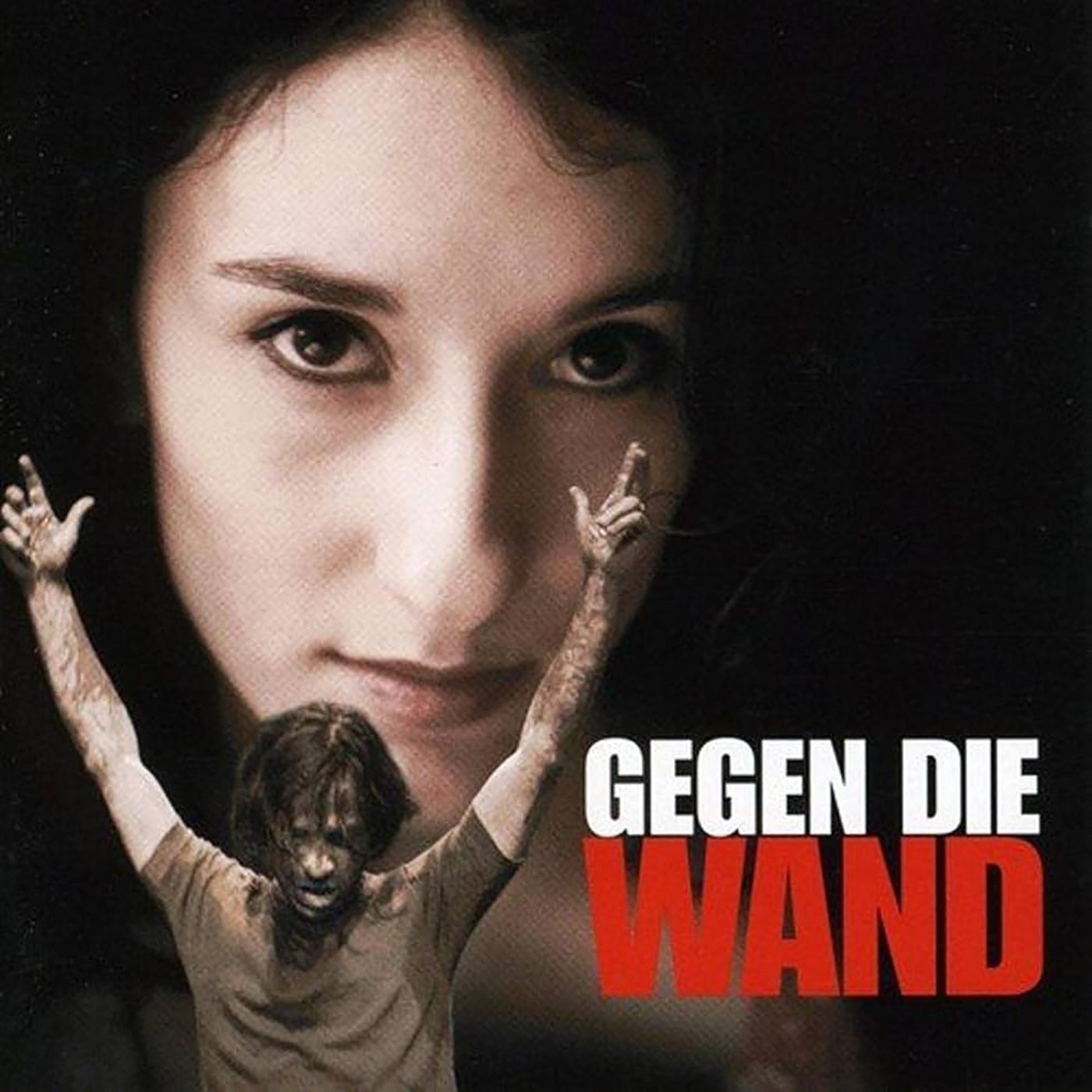

About this episode
Keith Gordon and Rahne Alexander join Mike to unpack Akın’s fusion of Sirkian melodrama, Fassbinder fatalism, and arabesk despair. Is this a tragic romance, a critique of identity politics, or a brutal study of freedom curdling into nihilism? No easy redemption. No national reconciliation. Just survival.
Transcript
Automatically generated, so expect the odd misheard name.
The Projection Booth podcast is sponsored by Scarecrow Video. Try out scarecrows rent by mail service. Choose from over one hundred and fifty thousand films that give Blu rays, four k's and DVDs delivered directly to your door. Visit scarecrow dot com today. Oh geez, folks, it's showtime.
People say good money to see this movie. When they go out to a theater. They want clod sodas, pop popcorn in. No monsters in the Projection Booth. Everyone pretend podcasting isn't boring, got it off?
Let's kip thousand and Americans. He just leaving the game. Boum finds a gig an event, humbling Bod Scott cand of blam shpoil. Mh s. Let's shall happen?
Do know know that I claifists my Jack jago A dagonmut. Sa, fortunate. Drapes. Yeah, James, Benzylim ben More and Duhel. Welcome to the Projection Booth.
I'm your host, Mike White Jimney once again is mister Keith Gordon. Hello, Hello, Also back in the booth this Ms Rain Alexander. Hey, glad to be back. We are starting a month of mostly listener requests, with one from Jordan Nash that's Fatig Aiken's head On, released in two thousand and four, The film stars bear with me here and bear with me with all these names, Barol Unel as Kahit and Sibel Kakhille as Sibel, two Turkish people living in Germany. They also share a desire to end it all, Sibel by slashing her wrists and Kahit by giving us the title of the film as he crashes his car head on into a wall after a drunken night.
Sibel is in need of a husband in name only to get her parents off her back, while Kahil needs to torture himself some more. We will be spoiling this film as we go along, so if you don't want anything ruined, please turn off the podcast and come back after you've seen it. So, Rain, when was the first time you saw head On? And what did you think? I saw this pretty soon after it came out.
It's hard to put a finger on it because I feel like I saw it earlier than it was available, right sometime in that early two thousands, but it was probably around two thousand and five, you know, probably on Home video, and I loved this film instantly for many, many reasons that I think we'll get into in the longer discussion. It scratches a particular itch that I feel like I get less and less of in cinema. You know that fast spender itch. You know these really bleak and yet sweeping romances. Right and Keith, how about yourself?
Can I just say diddo? It's actually kind of simpl you know. As a film fan person, I'm always geting my eyes out for things and ears up for things. And I don't remember I read some articles that mentioned it. I think it might have been a Jonson Rosenbaum review of something else that mentioned it, or so it was something that mentioned it.
Oh that sounds interesting, and in my way I tracked down. I think it was the UK DVD because it was the only one that was out, and it just blew me away. I mean, this is became in his state, one of my very favorite films. It's more for all those wonderful, ineffable qualities than for anything about the plot. It's one of those movies if you try to describe can sell, Oh that sounds okay.
I mean it sounds a little like this or a little like that, but it's not like anything, and that it made me vall love with not just this film, but I don't know if it's Achen or a Keens. I think it's a keen, but I embarrassed. I don't know the right connunciation. But it fell in love with all. I started working my way through all his films and realizing just what an amazingly protean and talented filmmaker is.
But this one's my very favorite. The mix of humor and darkness and pain and light and hopelessness and hopefulness and cool music and wonderful editing and somebody. This is one of those things where all the elements fit each other and made something even bigger than the some of its parts. And I found deeply, deeply moving and haunted me. And I just you know, seen it now a whole bunch of times.
And I'm really glad we're getting talked about it, because it's one of those movies that I always tell people about, Like people say, well, what's a good movie I don't know about? This is on my short list, So I'm really glad we're getting to maybe get a few more people who want to see it. I think you're right. I think it is a keen And if I said aichin like Klayak and earlier, I apologize. But reading versus hearing, you know, I read those intros and I knew his name walking into this, and then of course screwed it up.
And I'm really glad that Jordan Nash asked for this one, because I had heard of this film, but I had never seen it, and so this was a real treat for me to be able to experience this for the first time for the show. And yeah, this kind of star cross lovers kind of thing, and yeah, just the misery shared by a couple, Yeah, it's right there. I love that kind of stuff too. And this is so much better than I mean, there's a really nice book written about this movie, and the author is talking about other films that are somewhat similar, and they brought up Green Card. I was like, oh, yeah, yeah, I remember Green Card.
This is a lot better than Green Card. Not to say that Green Card is a bad movie, but this was so much better and so much what I'm looking for. And I just love these kind of self destructive characters who are clinging to each other and yet pushing each other away. This whole idea of Sabelle trying to I don't know, she just wants to get married to get her family off of her back, and they want this well, I don't know how much he wants it, but she definitely wants this open relationship where she can go and mess around with anybody, encourages him to mess around with anybody. But of course the inevitable happens and they start to fall in love and then a bigger tragedy ensues.
I just love stories. Like this, you know. I hndited that at this when I made my first remarks, But this is a film that I kind of went into it with a misreading of it as a as a queer film, right and specifically as a trans film for many many reasons. I had had a friend in the early two thousands who had been in Europe and who had started a relationship with a Turkish trans woman who was really trying to get away from what her life was in Turkey, and so it was a little bit informed by that, but I had also been tipped off. I'm not sure how I received this, but you know, I think as we see in the film, there is a lot of you know, kind of push pull against the restrictions of gender, restrictions of the patriarchy.
And so I went into this with this like weird understanding that I was watching a film about a man and a trans woman in a relationship. And obviously this is not what the film is. But it's really hard for It was really hard for me to let go of that, especially as we get to see this kind of trans masculinization that happens to Sibelle's character throughout the film, and even watching it through this time knowing and especially after hearing the commentary and realizing like this is not an intention of the filmmakers at all. Right, there did not go in to make a trans film, but I think this is the place where they kind of inadvertently did. I really can see a reading of this character, Sabelle as a trans man, as we might understand this kind of character now, who wants to get out of this family restrictions, who may still want to be a parent, but kind of do it on for lack of you know, like to do it on his terms.
Right, If we think about this character as a trans masculine character, there's lots of evidence to point against that but I think that, you know, there's a reading in that that I think is really potentially, really complete, and it's I'm waiting for somebody who's a little smarter than me to put that into a film journal. The transformation of these characters, her with the shorter hair later on him at the beginning, where he's got that beard and has to get himself cleaned up so that he can eventually ask for her hand in marriage in one of the most awkward scenes that I've seen in a long damn time. I'm just that whole thing with the family and his buddy who's pretending it is just his buddy, right, he's no relationship, but they're pretending to be relations and they can't get their stories straight, and they're contradicting each other.
But I have to say, our main character once he this is no shame to anybody who wears a beer here, I wear facial hair as well. But when he gets shaved at the beginning, oh my god, he becomes one of the most handsome people I've seen in a long damn time. He looks amazing. You raise a really interesting point, and it's not an I focused on, but clearly, yes, there is a real play with gender roles in this that I think is an interesting element in terms of she is much more the sexual aggressor, she's much more sexual. You know, they what they fall into in terms of their behaviors.
Definitely each of them has you know, he has a really feminine eye. For this guy that comes off is very masculine when we meet him, and he's kind of got the beard and he's edgy, and you know, she's very pretty and slight physically, and yet their personalities. She has a strong masculine side, he has a strong feminine side, and it's part of what makes some such rich people. I mean, what I love about the film in general is the characters. Their two characters particularly are incredibly complicated, you know, in a way you just don't get in movies very often.
You know, they're suicidal but life affirming. They are tragic and funny. They're shy and they're open, they're they're both very complicated, and I do think that among them richnesses of them is that, yeah, they don't fit neatly into our gender suppositions about how this is going to go. Because there have been a million movies about Star course lovers have been a million movies about people getting married for convenience have been a million. Everything about this sort of feels like, oh, I've seen that, and yet there's nothing about this movie that feels like, oh, I've seen that.
And I think that it's part of what the brilliance of the filmmaking is is that the way those elements are mashed up, and the complexity and richness of the filmmaking and the acting and the writing, everybody's breaking all these cliches, and among them are definitely gender cliches. And that's really it is an interesting way to think about the movie because it goes all the way through the movie that neither of these people stick to what we would presuppose about how they behave in the world in their gender roles. From the first thirty seconds we see them, you know, we would we make all such about suppositions. They look very much in certain ways, and then the whole movie is them not being the way we think they're going to be.
We hear so early on a Kahitas asked if he's a faggot and like, it's like met with aggression, and his response is, I like, I like I only have sex with men. I believe is the actual response. And I mean from my very first watch of this, I'm like, oh, okay, so this is going to be about him like negotiating that maybe internalized homophobia. I'm not entirely sure, but of course this is not what he seems to do for the rest of the film, apart from the fact that, like as we see in his sexual relations with Maren, he loves an aggressive sexual encounter. You know, it's hard hardcore is like.
It seems like not quite the right term for it. It's just they're wild, they go wild, they go ham I've. Never seen one of these star Cross lover movies where when he turns down her marriage proposal that the person breaks a beer bottle and slices their wrist right there and blood sprays all over his face. I'm like, oh my god. Well, it's a very punky film in that way.
I mean, that's the thing. I mean, there's a lot of violence in the movie. There's a lot of violence. There's a lot of intense sex and intense sexuality. I mean, that's the thing.
It's sort of like taking like a movie like Green Card and going okay, now, yeah, what would fastbend your meets punk meets you know, do with this movie, and it gives it this whole other richness. And then underneath all that when the tenderness comes out, I mean, the difference between our main characters sex when he has it with this woman who he has a very mixed relationship with, and it's very it's intense, but it's also kind of weird and almost violent and not very emotional. And then when there's the emotional connected tender sex, it's like a real interesting contrast. It's like, got this really tough punk veneer and this really soft heart of this movie. And I think that's part of why it's I find it so affecting because it captures both sides as and we all have that.
You know, we're all we all have our fucked up, weird, angry whatever bad parts of us that don't work. And you know, here's these suicidal people who are desperately trying to find ways to feel alive. I mean, everything is contradiction, and I think that that's something that Akin really plugs into in human beings, that you know, whatever we have, we also have the opposite. And the whole film keeps doing it, and it keeps you off balance, because because there's enough different and contradictory truths about these people that every time you think you know where the movie is going to go, where the story's going to go, and where the character is going to go, it's like, no, they're not. They're going to go somewhere new, and you're gonna have to readjust again and open up to a new side of themselves as they're having to do, which I think is really interesting.
I've got my trans reading of this, but we've got this immigration upon immigration layering that's going in here, and we hear this repeated, this idea repeated in a film. Effectively, if you don't like where you are, go somewhere else. Always be moving seems to be like the key of that, even if it does end up in the end that you know, he goes back to the place of his birth, which is also kind of like an interesting thing if you're looking at this from a trans narrative, because so many of us who are trans are always going to be tied back in uncomfortable ways to the places that we're born, even with if we're still in the same nation that we are in, because a birth certificate, and that's increasingly the case with the Trump administration.
But you know, like, but we hear this throughout the film goes somewhere else, like if you don't like this reality, do something else. It's a little bit of a misnomer. We keep saying starcross lovers, and they do eventually seem to fall in love with each other, but they don't end up together. Like the end of this movie is a tragedy. You could say it's a tragedy, like she eventually kind of has this moment of self realization.
It's just like, no, you know, I have this daughter, i have this husband or lover, and I'm just not going to go back with this guy and really start a life because they never really started their life together despite them being married in Germany. So it yeah, it's very fascinating that they eventually share a love, but they can never really express it to one another, and they really shouldn't be together. I mean, they're probably going to be terrible for each other. If they were a couple, they would probably be a horrible couple. I would like to think that they would be fine.
Happiness and wonderment and all that. They're very damaged people and they live in this damaged world and this whole idea of them being you know, foreigners in another world, in another land, and yeah, this whole like, oh, if you don't like it, go home. And they're trying their best to make it here in Germany. And I want to say, like, she's well, she seems like she's second generation. She's got her folks there.
It feels like they have emigrated, you know, in their lifetime. I'm not sure about him. I guess so, because I guess he does say that he was born in Turkey, so he's immigrated in his lifetime. But yeah, it got to be so rough for these people to be in this foreign land where you know, they talk about how he knows German better than he knows his own language. They talk about how awful he isn't even speaking Turkish.
Well, that's the thing. They're both in way, strangers in strange lands. Wherever they go. They're both neither truly Turkish nor truly German, both and neither you know, they're both. They don't belong to either society in a neat way, and that is part of the lost quality of the characters.
But what I love about this film, and it something that a Keen does with a lot of his movies in different ways, is he finds very specific things that his characters are trapped in or dealing with, but they've managed to be very generalizable to all of us. You know, that sense of being lost, that sense of not belonging. You know, he's very specific to the immigrant experience. And yet somehow the film why does it so that somebody like me who was born in America and grew up in America completely gets it and completely emotionally goes ah, I know that feeling and feeling I don't belong where I am? I mean right now in America.
A certain way, I feel like I really don't belong where I am. But I feel like really good storytellers, filmmakers, but novelists, whatever can make it something very specific about a very different experience than yours. But yet somehow it universalizes. And I think this film does that wonderfully, that their lostness is all of our lostness, And I also, I do I think it avoids the thing of being either a tragedy. It's a truly, for me, a truly deeply bittersweet film, and that's a quality that I feel like we'd yet rarely.
Things are often either truly tragic or they are happy endings. And I feel like this movie, I think he really caught something that I don't know that they belong together. I don't know that they would live happily ever after. I think she makes probably the right choice for her, and I think it may free him too. But it's really sad.
It's really sad that they don't end up together, but it doesn't feel tragic, because tragic can be implies wrong, like that something bad happen. And what I love about the end of the film is it breaks my heart, it makes me cry, but it doesn't feel like they're making a terrible mistake. And I feel like that's a rare quality in movies, one that I deeply appreciate because I feel like that's more true to what most of experience in life. You know, we part from people, relationships, fall apart, things, and it's really sad, but it doesn't mean that it's wrong or tragic. This notion of love comes up right.
And so in the film, Savelle's family is trying to approve of this choice for a husband and keeps asking, you know, are you in love? Are you in love? But kind of nothing that the family seems to do to her seems to be out of love. Like it all seems to be about restriction and obedience and these kinds of things certainly not things that I look at as loving. And you know, and she's under these other, like really extreme cultural weights.
They're carried over from Turkey to Germany. So if she's a German citizen, she's you know, ostensibly playing by what German rules, Western rules, but it's still under these Turkish familial restrictions where she must marry, and she must marry a turt there has to be love involved. Killing herself makes her, you know, a pariah in her family. She will be, you know, she's She slashes herrist a couple of times in this film. The second time her father burns all of her photos, which again speaks to some of this trance familiarity, the textual aspects of it, where you know, shutting off a like all depictions of a past self is what's happening when these photos are being burned.
So she becomes this persona non grata with her family. There's a point even before the photos are burned where her own brother says, if you do this again. If you try to kill yourself again, I will kill you. So like this is a lose lose situation across the board, and it really leaves this question of like what is love to this family? What does to love mean for all this?
And like you know, so we have we have Sabelle, I think really kind of like trying to determine what their own definitions of love are. They're approximating it, and I think we do see this in the end that like making peace with yourself, I think is a piece of that, you know, finding out what love is and you know, but you can't always rely on this external these external cultural forces to bring happiness along with that that individual clarity. Well, the reason why they burn the photos and she slashes her wrists that last time, isn't that after he kills her lover and they find out that she had a lover, And like this whole idea of this marriage being a sham that really comes out and suddenly they're disowning her, which is the thing that she was trying to not have happened the entire time time, But she needed to live her life.
She wanted to have that freedom, whether it was with Khita or not, and Khita is just this passageway for her to have that freedom. And really I love that she knows what she wants and she's out there trying to get it. Yeah, And it's one of the films I think the film deals with wonderfully. I mean, it is her sexuality, and is that she wants to have sex, she wants to get laid, she wants to have fun, she wants to enjoy her body. And she comes from a culture where and the film really depicts it with a complete hypocrisy.
I mean that's in all cultures. But you know that the male characters in the Turkish culture in the film are expected to go to brothels and have sex with all these be married, but have sex with as many women as they want, and that's fine. And if she, as a woman, even dares to want any sexuality in her life, she is a whore and she is dishonoring the family and she should die. I mean, better to have a dead daughter than a daughter who actually sleeps with more than one man. And it really captures the ugliness of that which is I think runs through a lot of cultures in the world.
And you know, it's amazing I mean, it's an amazing moment in the film when after this marriage she goes and sleeps with a stranger, and rather than dealing with it the way you'd see in an American film where it's kind of she doesn't know how she feels about it or it's weird or what, she's just walking through the street glowing. I mean, she had the best time. And it's so cool to see a film where a female character goes and gets laid and is like, I feel great and there's no shame, there's no and it's everything that her culture wouldn't allow, but by extention, let's face it, Western culture in general also doesn't allow. I mean, it's still changing. And it was such a sweet moment because I was used to from American films that we'd see her the next day and she'd go, oh, I slept with this guy didn't even know.
I'm this is weird, and hews like, no, it was great. So I love that. I was like one of my favorite moments of the movie. But I do feel like, yeah, it really captures the complete hypocrisy about how we see sexuality, and certainly the Turkish sort of cultural stuff is very extreme versions of it, but once again it seems generalizable out to how we judge other people's sexualities and how as a culture we still live by very strict lines of oh, this is okay sexuality, this isn't, and you know it's I mean, the film is very wonderfully subversive in a lot of ways because it will show an extreme case, but it's always like yeah, and that's not only in Turkish families in Germany. It's kind of the world, you know, which is why I think you know your points about it being reading as a trans film is like, yeah, absolutely anything that doesn't fit neatly in the margins of what we're supposed to all be like, or that somebody decided that wasn't any of us.
This film is about that and about not fitting in and that being what makes us great, and yet a world that tells us that's which makes us wrong. And it is about slow transformation. I mean, one of the things I love about that scene of her walking and glowing she's in her wedding dress, and this really hit me this last time through watching this that you know, in that moment she's like in complete, you know, a cloud of white as she's doing her quote unquote walk of shame back, but it really starts this. It's her first moment of like complete independence, and as we see her do these walks. We see her do several walks throughout the rest of the film, but her clothing becomes progressively darker.
So she's usually got like an element of light, you know, up to when she kind of disguises herself in a more very masking, like a crew cut, kind of a tough guy kind of presentation. You know, she's like in a white a shirt with black pants and you know, maybe a gray pullover. So progressively throughout that, like as she's walking, her demeanor is just getting darker. And I mean there's I think also an aspect of confidence. I think that goes along with that, but certainly removing that the purity, and I think that the white is often meant to convey.
It's funny that there's this real world involvement as well when it comes to so they ended up she wasn't a really professional actress, and they ended up changing the character name to her name to make a little bit easier on her. And so you already have that kind of mixing of the fictional and the nonfictional. And then right before I think actually they were getting the film ready and we're submitting it to film festivals and things, and there was a story in a German newspaper about oh my god, this woman in this movie she had done adult before and how terrible is this, and so they actually used that though I like that, the filmmakers kind of were like, oh, well, now we have all of this quote unquote free press because it is such a scandal that this Turkish woman had been in porn.
Well let's put this movie out. And they just kind of use that to parlay it into some free publicity, which was good for them. I'm really glad for that. And then it was such a major coup when they ended up winning the Golden Bear. They did not expect that whatsoever and helped jettison this movie into the consciousness so that I mean, I'm not going to say that we wouldn't be talking about it right now if it hadn't won the Golden Bear, but it becomes became such a major hit in Germany and Turkey, not necessarily in English speaking countries, but at least we know of it now, and it's pretty darn easy to find Keen.
Is one of I think a number of filmmakers like this, you know where he's My perception lease is that he's incredibly well known and respected in Europe. I mean that he's like a famous filmmaker. And yet you talk to people here in the States and a lot of people, I mean even film lover people have either never heard of him, were like, well I've heard the name, but I mean, and you do see that with a lot of amazing European or not used to European, but it's non US filmmakers that we just don't get those films here unless you really seek them out. And it's it's why, it's why I was doing a show like this is great because hopefully gets a few more people interested. But it's shocking to me how many filmmakers I'm only discovering in my forties, fifties, sixties, you know that, Like you go to Europe and they're like, oh yeah, I love their films and you're like, okay, we don't even know they exist.
And you know, he's one of those people who he's won a lot of awards, he's gotten a lot of attention, His films are are are events. I think much more in Europe, and they're like just not even on the radar here, which is just really sad. I love that she tries to fit into this domestic space when she gets married, the actually starts to clean up the shithole apartment that he's in. I love he's so oh he's just filthy. The way that he puts out his cigarette out his own fucking floor.
It's like, what kind of an animal are you? And you just see the dishes and the beer cans and all that stuff just overflowing. And I liked on the commentary they're like, well, we had to leave the Susie in the Bancheese poster there so people knew that it was the same apartment because it gets transformed so radically after she kind of comes in. And that was the moment where I was just like, oh, okay, she's here. She's making her nest or whatever, like she's here to stay and you know, going to be this you know, tame woman.
No she's not. And I'm so glad for that. And going back to this Susie and the Banshees's poster, I'm glad at the way that music plays such a role in this movie. And I love that mention on the commentary too, where he's like, I'm not just here making the greatest Hits mixtape. I'm not Quentin Tarantino playing all of my favorite songs.
I will play songs that the characters would listen to rather than what I like to listen to. Yeah, the music is just fantastic. There's so many wonderful needle drops. And the one that I'm sitting with right now is when After Laughter hits. It's toward the end of the film and she she's in the carnival and she's about to experience like a horrible tragedy.
It's like, really, you know, it's really really coming. But you know, in the meantime, we get to see her ride in the tilta Whirl. Well after Laughter, you know this jaunty, little nostalgic number, which is a little out of step with the other like post punk soundtrack, we get. The lyrics of that. After Laughter Comes Tears completely foreshadows where the film is going.
Yeah, but the tone doesn't. So it's a really neat choice because it feels like, oh, well, everything is great. But if you actually listen to the song, or when you've seen the film before you go where you're about to go, it's like, oh no, it's actually enjoy this because it's about to get really dark. And there's an interesting thing when you talked about her cleaning up the apartment that struck me, which is that there's such a there's a similarity. They shared that they're both suicidal, but there's also a complete difference.
Her suicidalness is somehow an act of wanting to live. It's like, I don't want to live if I can't be free. But she doesn't want to just die. She's actually somebody who wants to live, and it's almost an act of rebellion. It's like, well, if I can't live, then i'll die, but I would much rather live, and so like to me cleaning up the apartment.
She takes care of herself. She keeps herself together. He is somebody who has given up. He's a wreck, he's a mess. He is truly, I think, a depressive person, or truly somebody without hope.
Her suicidalness comes from a whole. They're both suicidal, but for completely different reasons. She's suicidal because she desperately wants to live and isn't being allowed too he's suicidal because he sees no reason to live. So in a way, it's fascinating because there are sort of these twins, but there really were very different reasons. And so her trying to find a way to take that shithole and make it nice to me fits that she doesn't want to be miserable.
She's just lived in a family where she's had no choice but to be miserable and sees no future but to be miserable, which is so different than he who does have a choice and is made It is clearly you know, alcoholic, and just you know, he he's lost his wife, and I have the feeling that that's what happened, is that he was in love and we're told really with this woman who sounds great, and she died we don't ever quite, I don't think know how, and that left him broken. But I think with that he doesn't see like, yeah, I might as well die because I lost the love of my life, so there's no point. So it's a fascinating thing because they're both very similar in some ways, but a boy, it comes from very different roots.
Yeah, And as you're speaking, I'm thinking about the generational difference between these characters because there's whatever at least a micro generation between them age wise, and you know, so I'm looking at him and so he's probably a little bit older than I am, but probably still in that kind of Generation X kind of mindset that like neilist like, you know, I wear black because black is how I feel a kind of a kind of a place which you know, kind of comes with this, you know, kind of a sense of cultural cynicism and which you know, for me, I feel like I've had to you know, push back on to unlearn in any ways, because like, what's what's on the other side of citizens It's just like there's nothingness, there's no there's really no hope, and she's not coming from that same place at all.
You know, it's frustration and it's desperation for sure. You know. I feel like if this was said in the US and it was dealing with with, you know, characters that were in more of an environment that I'm familiar with, I would wonder if that generational divide would be a little more clear to me as opposed to being again you know, kind of removed into this like Turkish German space, limital space that they're inhabiting. Going back to the music thing too, I've really liked those little transitions that they have where they show the legit, you know, traditional musicians and the singer and they're they're on the banks of the river and you get to see the mosque behind them, all of the carpets that they rented from the bazaar all below them and everything.
I really was not sure what to think about those the first time I saw them, but I'm just like, well, these are more than just act breaks. But I. Really like what they're doing there, and especially that you can see time passing with them that you know, we start in the morning and then the last one I believe is in the evening, so you get to see this whole you know, shifted that and it's such a nice way to kind of bring all this together. I'm kind of amazed at how well this movie works when you hear that audio commentary and hear them talking about how, oh yeah, the original version and I'm not talking about an assembly cut. They're like, the original version of this was like four hours long, and then we started to trim it back and just to hear all of the scenes and there, I believe they are deleted scenes on at least one of the DVD versions of this.
I think I ended up buying three, which was a real shame that I. Had to do that. But you know, one's got this feature, one's got that, one's got the commentary, so good luck. Maybe they'll finally put this out someplace with all of those features all together. But to hear them talking about like, oh, yeah, we had to trim this, and this scene is out, and this scene is out, and just the way that that also helped.
There's a lot of jump cuts in this, Like you're talking about that very violent sex scene between Khat and Zimaran, I think the woman that was kind of in his life for a while too, and just like we were jumping through there like crazy or some of the violence that they are able to just really amp it up with those harsh cuts as well, because yeah, there's a ton of violence in this, and so much of it has to do with Kahat and just he seems to be a walking fist most of the time. And there's a suddenness to the violence that I feel like isn't what it feels like in most movies. I feel like movies with I guess with some reason. You know, there's often a build up device. It's a way that filmmakers will create tension.
It's like, oh, this is getting worse, and you know, this movie feels more like my experience of life. It's just when something shockingly violent or it short of was like what just happened? I mean, whether it's your cutting her wrists in that bar, or when he does kill the guy in. The bar, I mean, it's like it happens before you even have a chance to go what And that feels very real to me, and it's not very something we see in films a lot, just because I think it's traditional and it makes sense that you'd want to build those moments. But by merely refuting that, I think it makes the violence in the still very real in a very disturbing way, because it feels like, oh, that's kind of almost too close to the way you probably experience it in real life.
Listening to the commentary that charts out some of the things that happen some of the scenes, the nightclub scene in particular, where you know they didn't really inform every participant about what was going to happen. So it really makes me wonder you know in the you know, in the scene where ca heat punches Nico and kills him in one punch. By the way, speaking of a walking fist, did everybody in the room know that was going to happen? Right? Like?
Did they inform that? Is that energy of the other people who are in the scene not quite understanding what they're seeing, is that coming through? I would imagine probably so, right, Like, it really adds to the tension of the nightclub scene for sure, and you know, and it's just so it's this is not a direct relation, but I can't. I'm reminded of like how many times we see bloody hands. I mean we see both gay heat and about like their hands or bloody constantly in this film.
Well, just what an interesting interesting motif that is? You hear you say that? And I've seen the film like, yeah, six times. I think. Now.
Part of what makes this a great film, and I think a lot of great films have this is the density of detail where you can keep seeing things. Because I'm listening to you guys talking about it, and I'm going, oh, I hadn't thought about that. Oh, I hadn't noticed that. And any film that I can have seen this many times and then go oh yeah, blood on hands. That is definitely an intentional motif to keep being able to keep discovering layers, I think is something that really wonderful films often have because there's so much in them that there's always a new way.
I mean, you're reading of it as a trans story is like, wow, I want to go back, and you watch the film with that in mind, and I think this film is so rich. The characters are so rich, what they go through is so rich that it and the way it's told that it affords that it affords the ability to go back and go wow. I hadn't even noticed that whole element, and that's exciting. I think that as a film viewer, I love that, and. Especially for a film that's what twenty twenty three years old at this.
Point, right, that booke ending thing of the songs. It's one of the other things about the movie that I love, among the many things, is how it does things that I would think would make me feel a certain way and don't like that's a very recdian thing in a way. To have the whole story, this very naturalistic story, about this intense emotional story of these two people book ended by traditional sounding Turkish music being performed right into camera in a very theatrical stagy way on the banks of the river with Istanbul in the back. It's like you would think of that as a distancing technique. If somebody describe it would sound like, oh, that's going to take you out of the movie, intentionally as the filmmaker saying, we're telling you a story, this isn't real, and yet its actual effect is the opposite, instead of being this weird distancing grief chorus, to me, it sort of goes it makes it more real and brings it into it and makes you feel like, yes, we're telling you a story, but come into our story.
And it's something that I feel like. The film was full of things that if I read a description and review, I would think I would feel one way, and seeing the movie, it operates in just the opposite. And I think that's also one of the most interesting things filmmakers can do is take a device and not have it make you feel what you think you would. And I love that those songs and somehow they add the emotion and somehow they make the film feel more real and more complete instead of feeling like, oh, of the filmmaker commenting on the story I'm telling. And I don't even know why.
It's the nature of the music, it's the way he shot it. It's the humanity and passion in the music. I don't know. Oh, I can't even give great reasons, but I know that that's the kind of thing. If I read about it, I would go, oh, yeah, that kind of Greek chorusy thing.
And it isn't. And I don't know why it is. It there's a musical journey that's happening here where you know, he's got his world of post punk and arguably danceable post punk, because he's listening to pesche Mode, right, He's listening to Sisters of Mercy. But he says, I don't dance, you know, and he refuses to dance to more traditional Turkish music. During the wedding, she makes him dance.
Cocaine helps, obviously, but she makes him dance up to you know, and he dances more and more and more as the film goes, and we're you know, going between his you know, his Western ideals. This band that we see is kind of the you know, the Turkish chorus throughout the entire film, but then it all comes together over this end closing sequence, you know, the end credits where we've got talk Talks, Life's what you make it performed by a Turkish musician, right, and so like really like bringing this all together in this unified presentation over those closing credits is Wow. What a way to end that musical journey of this film. Well, and a nice callback too, because it's the psychiatrist at the hospitals, like have you ever heard of the the And I love that It's like you don't expect that coming out of a doctor's mouth, where it's like, oh yeah, you know this song.
It's like what sir, you know these songs? But yeah, the older I get, the more I'm like, oh yeah, these people are my contemporaries. Okay, yeah, yeah. You're talking about the tension, And I think the most tense scene for me is when it's Kahat and I think his brother in law who's played by the director's real brother I think in the film, and two other guys and they are playing some game and all the guys except for Kahit, are just like talking about these women and you know who they want to go with, and all this kind of stuff, and he's just like, hey, whant you go back to your wives or whatever, and they just it's like, all of a sudden, the tension, like you said, just goes from zero to one hundred.
It's like, what the fuck did you just say? And I'm surprised that this weren't flying in that scene, but man, oh man, there's another guy who just immediately stands up and it starts putting his finger into Khit's face, and it's like, wow, that is is pretty telling you. You were talking Keith about the whole like, oh, yeah, the guys go to the whorehouses, but the women know they have to stay as pure as the driven snow. I love that immediate scene afterwards with Sabelle and all of the women and them talking and really talking shit. And then I loved Dow on the commentary where Fatima was saying like, yeah, people didn't believe this, They didn't want to know that women actually talk this way, and he's like, they probably talk worse in real life than we had on this film.
I do love that moment where the women are talking about, you know, with like the other women saying, you know, they're talking about her new husband. They say does he lick and she says like a cat and they're like, oh, my mind doesn't like a cow. It is booing and it is great because again, yes, the film is this embrace of female sexuality and like the fact that men don't want to deal with female sexuality and don't want to think it exists, and the film is saying, not only does it exist, it's ecstatic and amazing and wonderful and you know, get the fuck over it. And that scene is yeah, encapsulates that because it's like all these Turkish women who've had to pretend that, yeah, they are like not sexual beings and they get together and they're like, oh yeah, like they're they're the men.
It feels like the male sexuality is very posturing. It feels like, you know, in the film in general, particularly the Turkish male sexuality is very like it's not really about loving sex. It's about it's about like proving to other men what a man you are, much more than it's about enjoying sex. Whereas the women in the film, it's like, no, they like sex, it's not about proving anything to anybody. They like, feel it good and that it is just yeah.
I think that probably again, transcends culture. I see that in our culture, you know, that male sexuality as defined by certainly the culture I grew up, it is a lot of it's very performative, and I think the film captures that and that, whereas hers is not at all, and the little glimpse we get of the other women is not at all, and the women in general are just so much more human in the film. I mean, the Sabelle's mother, you know, is the one person in her family who doesn't want isn't in judging her sexuality, but also just in judging her period. She just wants to love her, you know. And it's the men who can't get past image and honor and and being a man, and you know, and and the women are all like, yeah, that's all bullshit.
I don't care about that. I want to deal on a human level, which again, yes, I think that's probably a big thing in urch of society, but certainly a big thing in American society. So you know, I feel like that's kind of wonderful. I mean, it's funny. The film is full of very political and social and and you know, subversive and the best way ideas without ever feeling like a tract or ever feeling it's actually making a point.
You know, so many of the best films that make a lot of great points never feel like, you know, we're teaching you a lesson, and then at the end of the movie they've actually made you think about a lot of stuff. And this is one of those movies. It's completely fun I mean, that's the other thing. It's a really tragic film full of violence, it's really funny, and it really enjoyable, and it's actually an enjoyable film to watch, and yet at the end of it you're heartbroken and having to think about the world you live in, and that, to me is a remarkable thing when any kind of story or art can. Do that, and then you get to go back in and dig in.
One of the things I enjoyed about being able to really take my time at this time is being able to stop it and look up what the names meant. So there's a scene early on where they say, you know, first names are very like more meaningful than last names in Turkish culture, and I was like, huh, I think that might be kind of counter to what I'm understanding about Western culture, right, Like, it seems like your family name, that tradition seems to be more important than whatever your actual first name is. So it made me like go in and look up what does Kahait mean? It means work, effort, you know, perseverance. What does Sabel mean?
It means oracle, right, a revealer. So like we've got Kahit like the worker, and we've got Sabel who's like the revealer, you know, the shower. You know, that dynamic was so interesting to think about looking at the journeys of these characters as they go through, even to look at you know, as there's a scene in mid film as they're driving together and there's something written on the back of window of their cars like a volks on a wagon rabbit or something like that, right, and it says HEPSI sending me h G P s I s E n I N m I, which means is it all yours? And if you can read more about what that means, there's songs called that like, you know, so there's there's much more rich text to go in into with with that, but you know, it is like there for a significant part of that scene, you're being asked by the screen directly in front of your face, is this all yours.
It's confrontational to you, the viewer. That's fascinating about his name meaning worker, because I know that there's this whole concept in Germany of gastarbeiter. I believe it is my German is worse than my English, and it's this whole program of oh, we are having this big economic boom, we need to bring in foreigners with ways different from our own to work in our country. And a lot of them were Turks, and this brought up the whole idea, like in the media when they were talking about this film, it's like, is this about guest workers? And then people are just like guest works, it doesn't even exist.
We're German, Like, get over it. We're fricking German. We're not guests in your country. We're part of this country. Now.
Certainly is timely for us here, absolutely, absolutely, somehow most great art is like really timely whenever you see it, wherever you see it. That's what makes it kind of amazing, is like, probably this movie fifty years from now will still be completely meaningful and completely speak to whatever culture you see it in. And you know, if you saw this movie in the UK, or if you saw it in whatever South Africa or Japan or it would be speaking to something about because it's on working on such a deep human level. And I think the deeper something goes on a human level, the more it transcends and like applies to wherever you are. And it's that weird contradiction that art has, like the more specific to a character, more speific to a time or to a place it gets, the more universal becomes not less, which is kind of one of those amazing paradoxes I've never fully understood, but it does seem to be true that, you know, really great art that is very specific somehow then becomes very universal.
And if it's not very specific, it also often fails to be universal too. It just feels like, oh, blah, it doesn't doesn't mean something. You know. But I've been read some like Charles Dickens lately and it's like it's so specific to England in that moment, and yet because of that, I'm seeing all this uff about you know, the United States in twenty twenty six, and this still has that feeling of like, yeah, whenever and wherever you see it, it's going to speak about your culture and your people and people you know. Well, well, I just got a text from Vin Vendors.
He says you're talking way too much about politics and art. Oh damn, that was such a strange. I have not done a deep dive into that. I just was like, what, just what do you say? What happened?
It was a little disturbing. Yeah, and then yeah, I think somebody else man might have been to Michelle Yo is just like, oh no, no, we don't talk about politics and this stuff. I'm like, okay, what is the problem here? Folks? Are you not twice if you're under threat?
Right now? All right, well, let's go ahead and take a break and play a preview for next week's show right after these brief messages, Manier, Spruit. Medaddy h So meet up? No Pas, got your said. Kiskis, Regaters, sp.
Your morning Man, capture, what's. The co. City comming? Ne Se Nation crime and net let Rebels? Are you see us?
That's right, We'll be back next week with a look at bertrand Mindico's the Wild Boys. Until then, I want to think my host Keith and rain So, Keith, what has been keeping you busy? Sir? Oh? You know, trying to be a happy person that's been the biggest thing I've got to been in this kind of quasi semi retired part of my life where I'm not chasing work.
I'm like, when things are happening, I'm working with friends or teaching or doing stuff like that, and you know, standing on bridges with signs opposing ice and it's actually been as much as part of my time as anything right now. As you know, my wonderful wife is very much an activist, and so I let her find what's going on. I'm like, Okay, I'll go along see if there's any way to help our country start to go in a better direction. Is sort of the best thing I can be doing. So doing some of that, you know, I'm just trying to look out the window and enjoy what's good out there in the face of a lot of things that are creepy in bad head.
Well, thank you for doing that, and keep fighting the good fight, sir. I do. I hope that that there'll be more resistance that can happen now. I think what happened in Minneapolis is incredibly moving and powerful, and I have the whole nation can take on that energy. Maybe we can come through this.
Okay, So anyway. Sorry, don't mean to get preachy or whatever, but you know, we are at a time where I wish we had what Europe has terms the history of general strikes or things like that, but you know, I'm hoping there'll be more of that kind of organizational stuff going on. Anyway. Sorry, lecture ended. Sorry, No, it's.
Okay, And my phone's blowing up. Vim is really mad right now. Just stop him from talking, put him mute and rain. What's going on in charm City. Well, Baltimore is continuing to be We're just finally thawing out of a really, really really deep freeze, you know, the longest stretch of cold weather we've had in a long time.
So starting to get out into the streets, which is nice because you know, as as noted, that's more and more necessary. And you know, I'm feeling pretty optimistic about the if youture given everything. There's a lot of work ahead of us, and I've got a lot of cool things coming up this year, and by the time this comes out, I should have my blog back up and running. I'm continuing to do the Hopkins Press podcast, and I'm looking at starting a new radio show and interview situation that you can find on my website, which is just at rain dot com r Ahne dot com. Well, thank you so much folks for being on the show.
Thanks to everybody for listening. Do you want to support physical media and get great movies in the mail, head over to scarecrow dot com and try Scarecrow Videos incredible rent by mail service, the largest publicly accessible collection in the world. You'll find films there entirely unavailable elsewhere. Get what you want when you want it without the scrolling. And yes they have head on.
If you want to hear more of me shooting off my mouth, check out some of the other shows that I work on. They are all available at Wardingwaymedia dot com. Thanks especially to our Patreon community. If you want to join the community, visit patrion dot com slash Projection Booth. Every donation we get helps the Projection Booth take over the world.
Since I get my head ram jeep Jo, don't catch yourself off, you get lectric shot on you the second any event it. Just had soon. Anyway I be tonight or if you find out who you fine and stop going on inside see you wanna Billee, you don't wanna try feed you want to start from the sky. Turn down. Soon as I get my head.
Ron geez, sometime they'll catch it falls up me. That all high hippus, Scott rob me, it's all high hippus. Suttup you. The on nine pin and I when you feel about sick and. The time I won't meet that plant your on bell, feed you on flid beg you one.
Start on the sky. La you wanna feel fix, You wanna try fix? You wanna fool to stop from the sky. And a field held up fish food fowl. Can't get my get.
Up bout nolla. Wanna makes you wanna fly freaks? You wanna go start on the sky cat held up cats and mail cat and it's oh way oh always Sama common nowa comonna amna. Amna common Namona. Said so no co na co.
Really coll lot of color, love of com sas sister, sister, don't. That's not it's it's so. Where is jos begin. Resist sister sister don't just so, I am. Said, but she loo.
T you. I let's call you said, wait you sat saying a ways. It's most sister, the donat of that. It's sister donator of. This sister of.
Its sister, the donator that S


