
About this episode
JUNKIES
Father Malone: FatherMalone.com
HP: hpmusicplace.bandcamp.com
SPOTIFY PLAYLIST
https://open.spotify.com/playlist/3BISJBUvN2yOlVQbCluaMe?si=e11f9cdc87e549a7
Transcript
Automatically generated, so expect the odd misheard name.
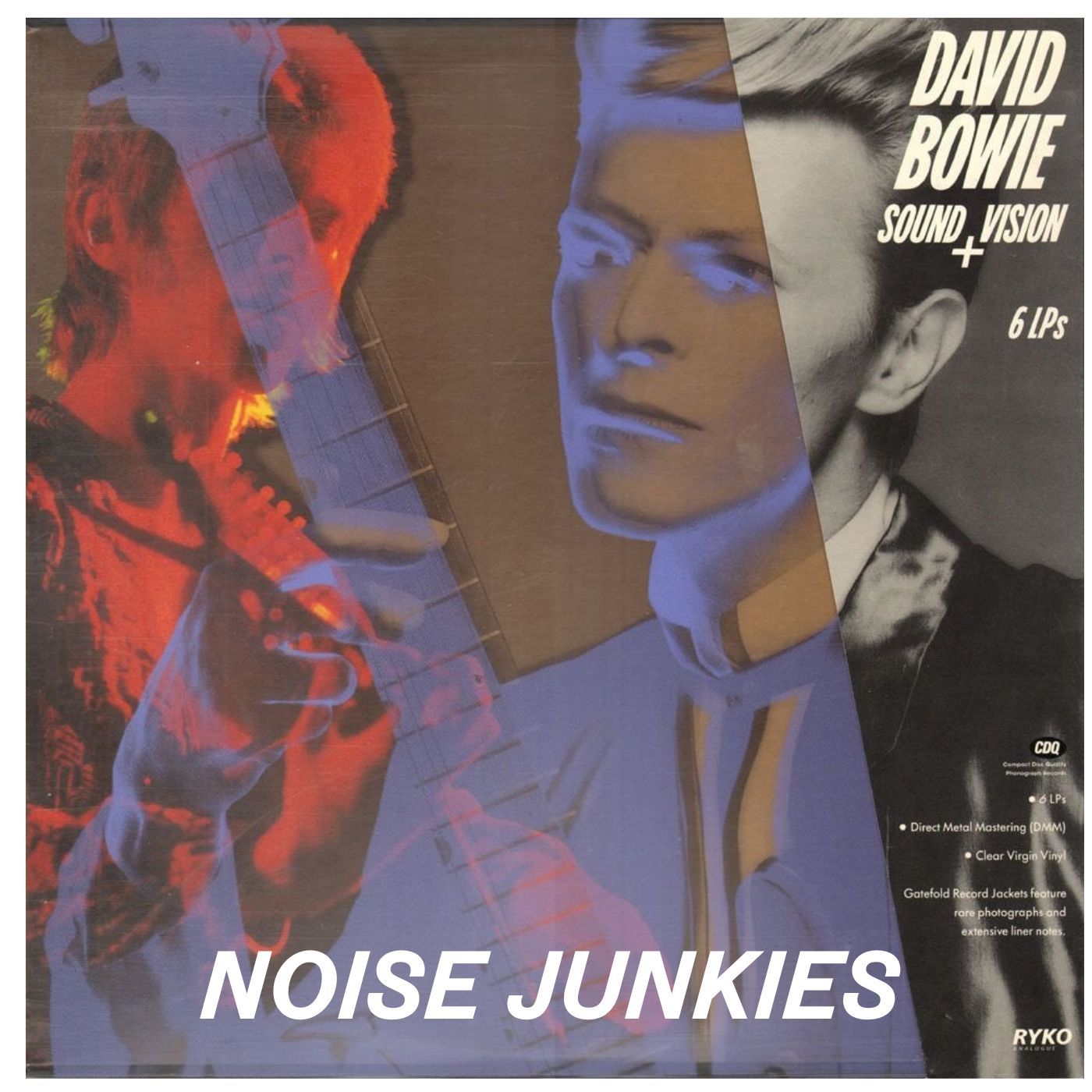
Why do certain bands or musicians hit it big, yet their major inspirations fail to reach those same heights. Why aren't these forebears spoken of in the same reverend tones as the ones they inspire. It's a tricky question, for sure, but it's been on my mind lately. For most The names David Bowie, Leonard cohen Beck, and Brian Eno need no introduction. But what if the genius that all those musical heavyweights cited as a major formative influence?
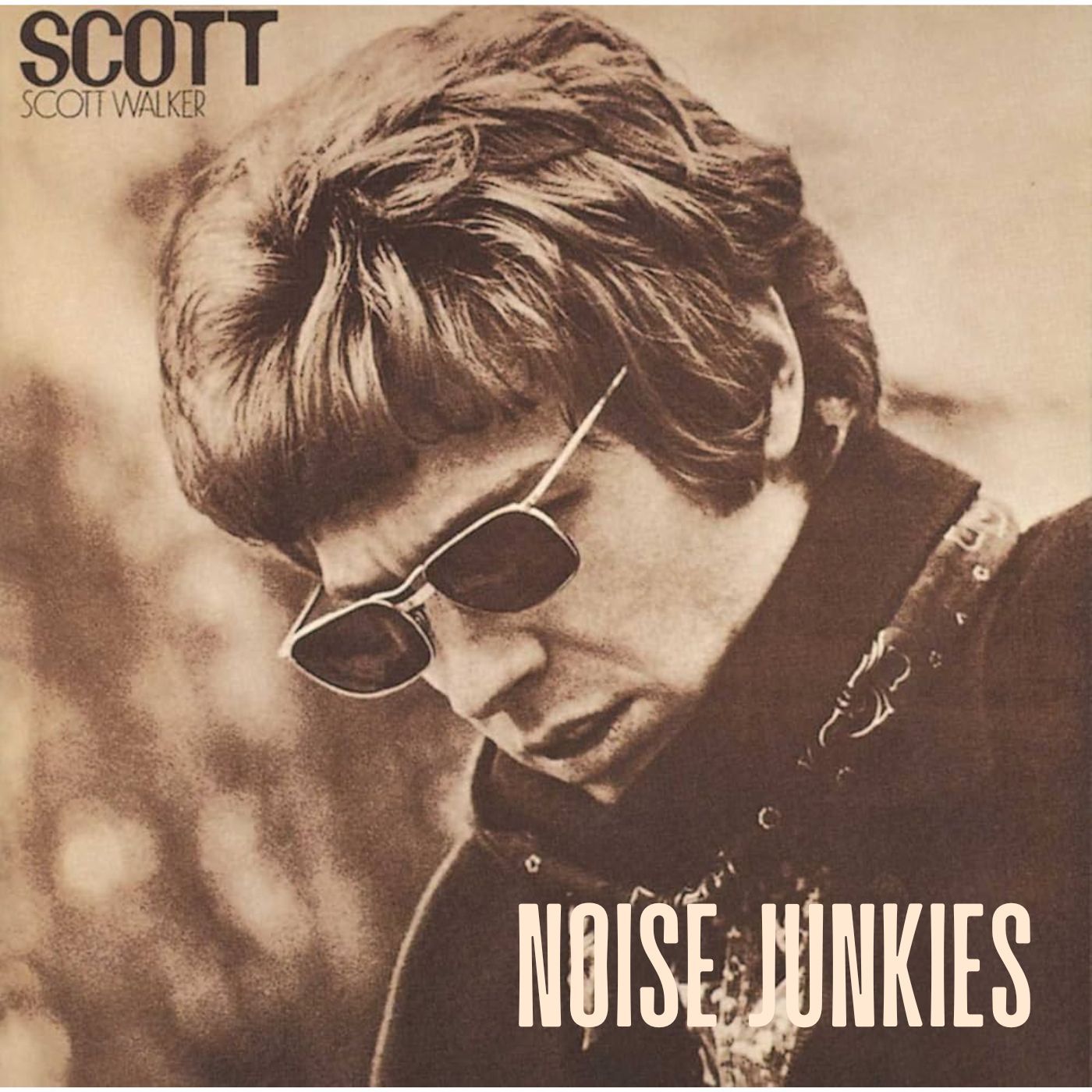
Tonight I'd like to shed some light on a man whose work continues to inspire and whose uncompromising ethos continues to challenge anyone who's been lucky enough to discover his works. Tonight, I'm pleased to introduce you to Scott Walker. Hello, listeners to another episode of Noise Junkies. I'm hp this episode, I'll be discussing the first four solo albums of the one and only Scott Walker. These are the albums that put Walker on the map and created a lasting legacy that resonates to this day.
I first became aware of Scott Walker through a coworker's recommendation way back in the early two thousands. This buddy shared many of the same tastes in music that I did. He was a bit older than me, so occasionally he would hit me to something from his collection that was before my time. One day, we were hanging out in his office chatting about Bowie. At some point, my friend compared Bowie to someone named Scott Walker, who I asked.
He looked at me skeptically. You've never heard of Scott Walker. He rummaged through his desk and retrieved the greatest hit CD of Walker's late sixties albums. Listen to this, he implored, You'll love it. He went on to cite Scott Walker as an influence on Bowie, Beck and others.
He said, check out these songs. You'll totally hear the influence. All right, I replied and took the CD back to my desk in the Cube farm. Hyping something can be a bit fraught for me. Usually the more someone tells me you have to listen to this or you have to watch this, it ends up having the opposite effect, maybe because it can't possibly live up to the advanced expectations.
But in this case it was absolutely true. I fell in love with this collection of songs and with the mystery of this individual I'd never heard of before, but who so clearly had influenced many of my favorite acts. Who was this guy? I assumed, from the avant garde posture, the rich sixties melding of pop music and baroque, that this guy must be some British musical giant. As it turns out, I was both wrong and right at the same time.
Scott Walker wasn't even his real name. He was born Noel Scott Engel in Hamilton, Ohio, of all places. This guy I mistook for an erudite Englishman was from the good old American Midwest, but I wasn't far off. His success came mostly via the UK, first with the pop act The Walker Brothers, then later as a solo act. He formed The Walker Brothers in nineteen sixty one with singer guitarist John Mouse, who had adopted the fake stage name John Walker so he could perform in clubs while underage.
They added drummer Gary Leads to the band shortly thereafter, and all of them took the stage name Walker. Although they had some success Stateside, their real success came after they emigrated to the un K. Marketed essentially as a teen pop act, they scored several top ten albums and singles in the UK, including the classic The Sun Ain't Gonna Shine. Anymore Lonely, No, It's the sun Shine. The Supposedly, their popularity overseas reached such a peak, particularly among teenage girls, that their fan club was alleged to have been larger than that of the Beatles.
After several successful albums, including many more hit singles, internal tensions within the band came to a head and they broke up in nineteen sixty seven. Eventually they would reunite, but that's a story for another episode. As a solo artist, Scott Walker began to shed his earlier teeny bopper image and set out to establish a darker, more mature vision of his music. His first album, simply titled Scott, mostly featured covers, but did contain several original compositions. The song Montague Terras in Blue tells the story of an apartment populated with an assemblage of sad or doomed figures, including the narrator himself.
The sharply observed lyrics are matched by the dynamic orchestrations of Angela Morley, who would work with Walker on each of his first four solo records. Listen to Walker's resident delivery, the way he clings to the notes and tell me it doesn't remind you of the distinctive croon Bowie later adopted. Right around the Young Americans album, Bowie clearly picked up a trick or two from Walker. The little clock stop ticking. Now we're swallowed in the stoma room.
The onlys sound to tear the night comes from the man upstairs. His floated belching figure stops. You may crash. Through the ceiling suit. The window sees trees cry from cold.
And clab the moon. But we know. Don't and will dreams lol. O. Monic Uari is in Blue.
Another Walker original from his first solo album is the song such a Small Love. The lyrics interpolate a funeral with images of coldness and separation. The screeching strings that feature prominently during the verses add to the disquieting texture of the song. Her face penetrates of blue gray morning, Her eyeses. Regnant pools producity.
Someone should have shouted, you had gone. In her ear, that summer was stolen. Away. Such a small. Such a little tear.
You would laugh so loud. If you could see us see with my. One badly presstem. Like a child. In the world.
Even the covers on the album are decidedly off kilter and bleak, including three songs from the celebrated Shen song singer songwriter Jacques brel Rerell would become something of a north star for Walker's early solo career. Brell's theatrical, darkly funny songs were a clear inspiration for Walker's own music. Two of Brell's songs included here, Amsterdam and My Death, are among the most popular and celebrated of Brell's catalog, and, in an interesting bit of later influence, both of these Brell songs would be featured in Bowie's live sets between nineteen sixty eight and nineteen seventy two. Bowie himself spoke of the Walker connection in various interviews, such as this excerpt from the two thousand and six documentary on Walker Thirtieth Century Man.
I was dicing a girl who used to go out with him, and she was very passionate about his music. So his albums were still there at the apartment and she would play them a lot, and apart from being pissed off, which I wasn't at the beginning. Then I really started to get to Adore's voice. I thought, this guy's kind of sensational voice. His next solo record, Scott two, followed in nineteen sixty eight and now featured four songs written by Walker.
He continued taking inspiration from Jacques Brel. Not only did this record feature three more Brell covers, but Walker's own writing featured themes and characters clearly inspired by those in Brell's own work. The song The Amorous Humphrey Plug tells the tale of a suburban husband and father who chafes at his domestic responsibilities, stepping out with other women while his wife deals with the screaming kids. I become a giant. I phil every stream.
I dwelt the roof, topsy hunchback, the room stars dance. At my feet, leave it all over high. Screaming kids on my knee, and the telly swallowing me, and the name shouting next star, and the subway trembling, the roller skateboard. I see the fields playing with more life. In channing Way, the very I seemed.
To secure game with the laughter. They seemed to say. You're already no, so stop a water behind a smile in channing Way. By far the darkest Walker original on this album, and possibly of his entire sixties output, is The Girls from the Street. Over a queasy Marshall Waltz, Walker tells the story of a man out on the town with a morally bankrupt compatriot.
This devilish companion urges the narrator to escalating depths of depravity, climaxing in a trip to the red light district seeking prostitutes. The swaying Walt's time, the orchestration, the vivid description of the knight's sleazy backeral. This is dark, mature stuff. This is pop music meets theater, pure and simple. Collapsing next to me, shouts, don't look sad.
Names are so bad, They're just more wrong than rights BRANDI brilliant voice whispers come with me. I hold the key. The cities are to night. He's a bomby, slaps her ass. She shrieks her gold teeth flash with the rapturous.
Still on earthquaking the soddesst grounds. He grabs my arm and out. Into the famished Nah. Now too, blazing leaves burning up ground, The tiny walls of a merry go round, cascading lights for every hot beat Tonight We'll sleep with the girls from the street. The song Plastic Palace People is thematically one of the most unique from this time.
The song appears to be told from the perspective of a child's balloon, refusing to come down from its floating vantage point despite the repeated pleadings of the child owner to go home. Interspersed in this story are various fantastical images that Walker conjures, adding to the surreal nature of the song. Over Topsaskilly a stream. Timeeiti is underway. Through cobblest Street to Chary Races and shots Billy come down from there.
My mother's calling. His boy swimpers a stream, clutched in his tiny hat. Not till I've seen the sky is not lit up in tears. Child, Try and understand, don't pull a stream, don't bring me down, don't make me lie. Plastic Palois People.
Sing silent song, Big dream too, love their memories Just there. Plastic palis Alice, She steals a cars Tomorrow dealse with deafening despair. The final Walker original on this album, The Bridge, dials back the exaggerated reality of the other tunes to focus on a simple melancholy ballad concerning the song's sad, alcoholic narrator helplessly watching the woman he loved from afar, sitting by a gray, depressing riverbank. It convincingly conjures a cold, shivering, damp atmosphere. The song owes a particular debt to Brell, as the lyrics and imagery echo those found in Brell's music.
I've watched her from the river bays. I knew her way. She danced with dreams. Why doves were there to dress her head? And so it was madaline at night.
The people's faces dance. Like curlss colliding on the breas is a fat movie. Who's thunder laugh was just a thread from crime. Her sailors stay her cobble stones with wine and kiss. And death, desire and sometimes blood.
For made a whose laughter was the night. Her girls would leave addresses high and breathe the starss. And kissless skies. Cheats mother than with a wistless thing embracements with her side. Walker's next record, nineteen sixty nine's Scott three, featured an even higher ratio of originals to covers, ten originals to three covers, including two more Bro songs, Walker's songwriting continued to get better and better on this release.
The song It's Raining Today is a story of love lost between the narrator and the sweet train window girl, with whom he shared a brief love with. The acoustic guitar strings in lyrical content conjure the utter melancholy of looking back at love lost with regret, and it's all sensitively rendered and detailed. It's raining today and I'm just about two full. Get the tray, window girl. Wonderful day we met.
She smiled through the smoke from my cigarette. It's raining today, But once there was summer ann and done a little and sleeping late afternoon. Those moments descend done my. Window. Elsewhere on this album is a strange little oddity called thirtieth Century Man.
I couldn't believe my ears when I heard the song. It's as if Beck time traveled to nineteen sixty nine. The similarities in tone and production are remarkable. See the Dwarfs and see the Giants? Which one would you choose to be?
And if you can't get that together, he is answer. You can freeze. Lack of good is in may, lack of good is inch. Can man, I'll save my breath and take it with me. Tailor hundred years is so.
Shame you won't be that a seeming. Shaken hands with Joles Degau. Played col and Saran Rapo, k be a good ist, Sitch. Good, May. You can freeze?
Lack of goods ser Main, lack of Thodi is it good Main? The final album to feature his name, Scott four, was released in late nineteen sixty nine. This time all ten tracks were written by Scott, no covers at all, and this last album of the quartet features some of the most interesting music of his late sixties output. Album Opener the Seventh Seal is based off of the nineteen fifty seven Ingemar Bergmann film of the same name. Lyrically, it recalls the events of the movie, specifically the game of chess that the Knight plays with death.
What's particularly offbeat is the song has a flamenco flavor, odd considering the film's Swedish roots. What kind of mad genius comes up with this? Anybody's seen the Night has the sway? I saw him playing chess. With Dad yesterday.
His crusade was. A search for God, and they say. It's been a long way to Carrie. Oh, anybody here. A plague in this town.
The town I've left behind was. Burned to the ground. A young girl, I'll a steak. Her faces framed in flames, cry not a witch. God knows my name.
The night he watched with beer he needed solon. He read where he might feel God's bread, And in the misty church he knew to confess. The face within the mood was mister Dean. Another highlight of Scott is the song The Old Man's Back Again, subtitled dedicated to the Neo Stalinist regime. This song was about the end of the Prague Spring, the time of the economic and social reforms of Czechoslovakian First Secretary Alexander Dupchek starting in January nineteen sixty eight.
These reforms were reversed following the Warsaw Pact invasion in August nineteen sixty eight. The Old Man of the song's title referenced stalin and the country's return to hardline authoritarianism. But for such a heavy historical theme, the song traffics in a light, funky rhythm section backed by strident strings and a Russian themed male choir. Walker's imagination and creativity are truly running wild here the. Crowds just here, their faces turned away, and the q all day black dragons all.
Discussed older women whispering. Wondering just what these young hotts. Wald of us? And I'll drey. He cries with acid, ringwack chimes, his.
Anti worlds go spin it to his head. He burns in his dreams for half a week, they may as Webb did. The Old Man's back again, I See's back again. Unfortunately, Scott four failed to chart and was considered a flop at the time. Today, it is rightfully considered one of Walker's strongest albums and a fitting capper to the quartette albums that bore his name.
If Scott FOV were the last album Scott Walker ever recorded, his musical legacy would be well assured. But much like how David Bowie was able to live many different musical lives in his career, so too did Walker. Consider this part one of the examination of Walker's music. Part two will follow in a subsequent episode, And I guarantee you won't believe where he goes from here. That's it for this episode of Noise Junkies.
Thank you for indulging me once again. When I'm not listening to music. You can find me elsewhere on the Weirding Wade Network. I co host The Night Mister Walters, a taxi podcast alongside midnight viewings Father Alone, and I'm an occasional guest on The Culture Cast with Chris Dashu and I have a band campsite hpmusicplay dot bandcamp dot com. I've just released a new album called Wired and Waiting.
Please check it out. As always, please feel free to write. Us, rate us, review us. We'd love to hear from you in any manner you choose. Thanks again for listening, and we'll see you again next time.
Begins the Baking ste
More from Noise Junkies
Similar episodes across the network
Matched by shared keywords.
-
Episode 809: Cemetery Without Crosses (1969)
1 shared keyword: scott walker
-
Special Report: Boy George and Culture Club (2025)
1 shared keyword: david bowie
-
Episode 593: The Hunger (1983)
1 shared keyword: david bowie