
About this episode
JUNKIES
Father Malone: patreon.com/fathermalone
HP: hpmusicplace.bandcamp.com
SPOTIFY PLAYLIST
https://open.spotify.com/playlist/48h56AsFAp0WdetaltHZ0E?si=2043231dcf3f4575
Transcript
Automatically generated, so expect the odd misheard name.
In the last episode, I talked about the genius of Scott Walker's quartet of solo albums from the late sixties. As I mentioned in that episode. If Walker's career ended right then and there, his place in the music pantheon would still be assured. But I also alluded to the fact that Scott Walker didn't stop there, and furthermore, I claimed you wouldn't believe where his music took him. In this second part of my examination of Walker's music, I'm going to take you through his post sixties output, the ups, the downs, and the downright what the fucks of his later albums.
Tonight, allow me to reintroduce you to Scott Walker. Hello, listeners to another episode of Noise Junkies. I'm hp this episode, I'll be continuing my discussion of Scott Walker, this time focusing on the work that came after his fabled run of solo albums produced in the late sixties. To catch everyone up, Walker's nineteen sixty nine album Scott four had just been released to middling critical and commercial reception at the time. By Walker's own estimation, this plunged him into a deep depression, during which he tried self medicating through drink.
His record company called him to the carpet, demanding that he make a commercial record. The first of these more commercial efforts was nineteen seventies Till the Band Comes In. And to be fair, it's actually not a bad record. Sure, a lot of the weirdness had started to go out of his writing, but there's still wheat among the chaff if you look deeper. At first listen, the song Time Operator is a slow, smoky blues number that swings well enough, but listen closely to the lyrics, and the trademark Scott Walker twist is still there.
The narrator of Time Operator is a lonely man sitting in his darkened room. He narrates this song while carrying on a conversation with an operator's recorded time announcements. For those listeners too young to remember, back before cell phones, home computers and all the other technology we take for granted, you used to be able to call a special phone number and a recording would give you the current time. It would sound like this. At the tone, the time will be four fifty six and twenty seconds.
To be fair, this kind of thing was considered archaic even in my time, but it was still available when I was a kid. Anyway back to time, Operator, the song's narrator, has fallen in love with the recorded operator's voice on the phone and is carrying on a strange parasocial relationship with it. He can't afford to pay his water or electric bills, but makes sure to pay his phone bill, if only to maintain any type of emotional connection. The song is both incredibly poignant and exceedingly weird at the same time. And I wouldn't care if you're uglyuse here with.
The lights out, I couldn't see. You. Just picture Paul Newman and girl. He looks a lot like me. Time of Oparata.
Take the time to take the time to come over here, because we got so much in common. Seems it's hard for us to sleep. With all the dazzle in the street. Elsewhere on the album is the song The War Is Over, subtitled Sleepers. The lyrics describe the quiet stillness that follows the end of a war, but in this case, it's not the lyrics that draw you in.
It's the music. The vibe is almost like a sigh after a storm passes, the relief after something terrible has ended. The lyrics stop short of declaring a perfect ending, but it feels like this one will be good enough at least for now. Everything still, everything silent. As after.
We lie here listening tonight, closed down, still like a child, wait for the sides to decide once again, just when they look here to stand. Ware to leave. Our world hother. It really isn't flared outside the scene. The water is over, Raise your brids, the worries over.
Tell your deepest dog goodbye. The next four albums Walker released continued this commercial and creative slide. They would feature no original material whatsoever. Nineteen seventy two's The Moviegoer was comprised of cover versions of songs pulled from various movie soundtracks. Nineteen seventy threes any Day Now featured songs written by Jimmy Webb, Randy Newman, and Bill Withers.
Also from nineteen seventy three, the album Stretch was more of the same, with covers of the same writers in a light country style. In nineteen seventy four's We Had It All went even further in the country style, featuring songs by Billy Joe Shaver, Jerry Reid, and Gordon Lightfoot. This four album String is the definition of diminishing returns, and even a casual listener can hear Walker going through the motions. Walker himself has referred to this as his wilderness period, and it's worth noting that their relative unavailability in later years was due in part to his dissatisfaction with these albums. Walker eventually blocked CD re releases of this material, though all of them eventually saw release without his approval.
His solo career edits nadir. Scott reunited with the Walker Brothers and the album No Regrets followed in nineteen seventy five. The production style was still very much in the country folk van and once again there are no originals, only cover songs. But the cover of Tom Rush's No Regrets was a hit in the UK, reaching number seven in the UK Singles Chart in early nineteen seventy six. The hours it were yours, eh Kulin, empty rooms, the thoughts we.
Used to share and now keep alone. I woke last night and spoke to you, not thinking you were gone, and it felt some strange to light a week along. There's no regrets, no tears, Goodbye, I don't want you back. We don't cry again, say goodbye. The Walker Brothers released another album, Lines, in nineteen seventy six.
Stylistically similar to No Regrets, it featured no originals and failed to chart. It was back to the drawing board for the Walker Brothers, but then came nineteen seventy eight and the album that changed everything for Walker, Night Flights. After the commercial failure of both No Regrets and Lines, the Walker Brothers had enough money from their label to make one more record. They spent the entirety of nineteen seventy seven writing songs before returning to the studio. Scott, who had not written a song since nineteen seventies till the Band Comes In, was reportedly inspired to write again after hearing Joni Mitchell.
He also brought David Bowie's album Heroes to the studio, where it was apparently used as the main reference for what would eventually become Night Flights. Night Flights was interesting in that each group member had their own allotment of songs credited solely to that individual. Scott had the first four tracks, Gary Leeds had the next two, and John Mouse had the final four. It's been described as more like three miniature solo albums than a true group effort. The sound of Night Flights is experimental, much more experimental than any of the music produced by Scott or the Walker Brothers up to that point.
It's hard to characterize it. There's elements of new wave, funk, avant garde. It's not difficult to hear the influence that Bowie's Heroes album had on it. The sound is sleek and electronic, and Walker sings in an almost plaintive tone. His lyrics are much more abstract, eschewing the tight melodrama of his earlier work to focus on texture and mood.
Here's a bit of the title track, night Flights. There's no hold. The moving has come. Through, the danger brushing you turns its face into. The heat and runs and tunnels.
It's so cold, the dark dug of five dogs, the stitches torn and broke, the Roumi's fistu choke has hint. The blood light last trips over and close on. Night Flights, The broken lets stand, the West Brass. The world. We will because I'm not prows O promise only all.
David Bowie would later cover Night Flights on his nineteen ninety three albums Black Tie, White Noise. It's no. Stupid thing has come true. The danger passing you. He turns its face into the nast and runs the tunnels.
It so. The dog dug up, my knocks, the stitches toll and roll. The love, make missy joke as. Him the bloodlight. Glass straps over, the goes on nine lights, roll the X where the expressed the walls.
Be my love. We will be gone O night but promised way oh. One Scott Walker song, in particular, would point toward the extreme shift his music would take. The song, titled The Electrician, is ominous, bleak, difficult to penetrate, and downright creepy as hell Lyrically, it concerns the CIA's involvement in sketchy dealings in South America in the nineteen seventies, specifically their use of torture. The song puts the listener into the twisted, sadistic mind of one such torturer, the beauty of the strings and classical guitar running headlong into the dark fantasies of the song's narrator.
Baby, it's slow when lad's go low. There is no help. No, He's drilling through the sides to. Night, through the dark hill, screaming. Are you love?
Notes culling me and kill Me. And kill Me. If Jack but as No, You'll die in your dreams and but Chuck and. Jump not Ha No You'll thrill me and from Me and. Chi.
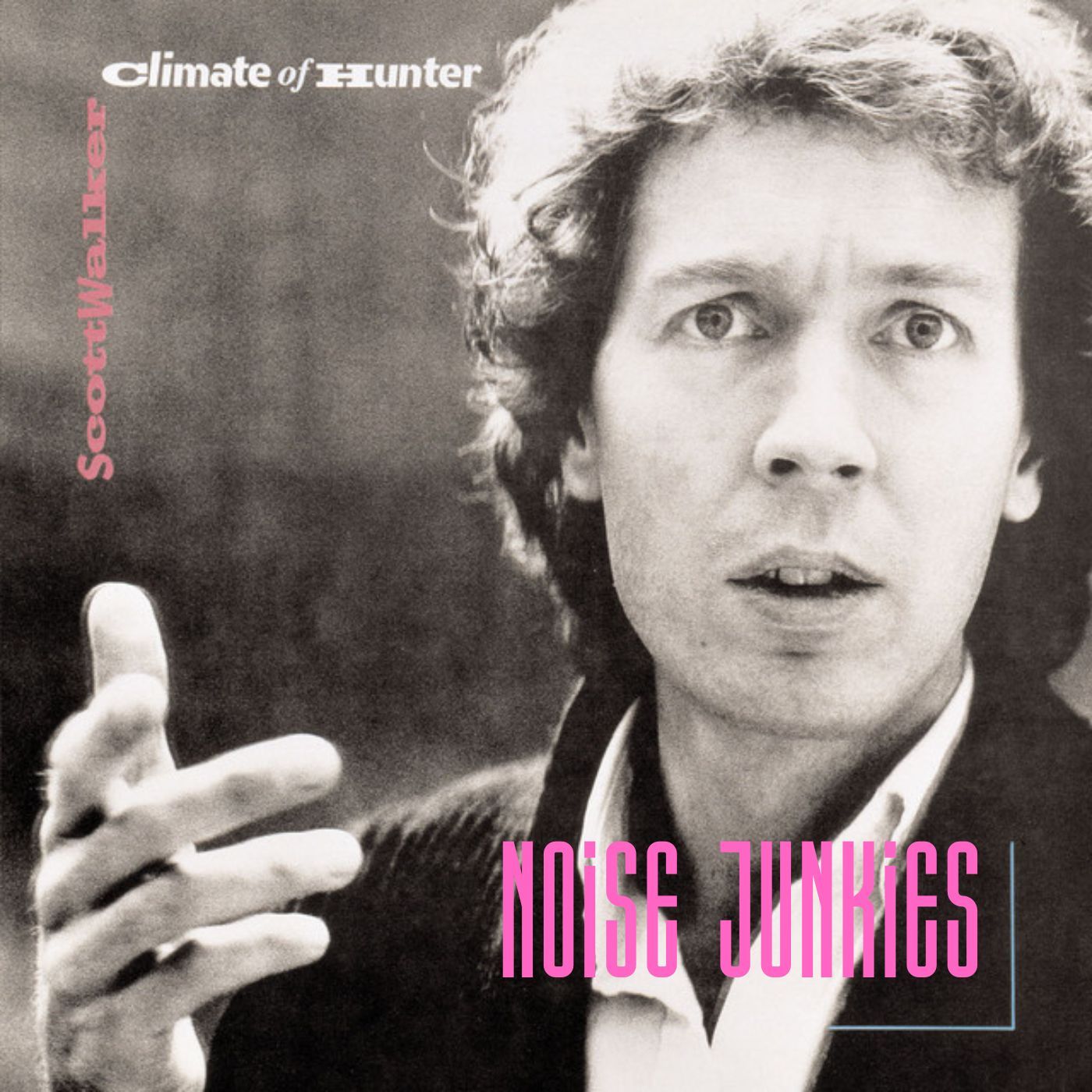
Night Flights was well received by critics, but the sales figures were no better than their previous album. The Walker Brothers lost their record deal, and the band eventually went their separate ways once again. Scott Walker spent the next several years in relative obscurity, with no new releases, solo or otherwise. In nineteen eighty four, Walker re emerged with his first solo album in a decade climate of Hunter. This album would build on the tone set by Night Flights and go even further.
In the two thousand and six documentary Scott Walker, Thirtieth Century Man, producer Peter Walsh explained that the musicians were instructed to record their parts without knowing the melody to any of the songs. The melody was a closely guarded secret, and in fact, Talker hadn't even recorded any demos that might hint at a melody. Scott's intent was to keep everything off kilter and uneasy. The tracks were mysterious and obscure. Nearly half the tracks didn't even have proper names.
Track three is called Track three, and tracks five, six and seven are called Track five, Track six and Track seven. Besides a group of ACE Studio musicians, including future soundtrack composer Mark Eischam on trumpet, there were some surprising guest artists on this album. Track three featured Caribbean queen singer Billy Ocean on backing vocals. Run to recognize the blood of us Clive, but without this. Prison, he is disraeved in his eyes.
Roof Kiste that lymba has. Sick eat. Record cast off that made me hustle. L free. From the wholest of lake corners.
The miracle enters the streets, shining with rain. He is shaking to wash the murder away. The shadows of the sun made the sun of shadows. It's never nice when I die that desert founds under. And so on lightings, sleepers waiting.
There with wolves in their sides. In describe the good dry. In the closing track, Blanket roll Blues featured acoustic guitar from Dire Strait's Mark Knopfler. H m hm. When I.
Cross the river. With a heavy blame could rule that no body with it not a song. I if you provisions, some for comfort. Some for come, but I. Nobody with me.
Not a. Seven out of the eight tracks were composed by Walker, but Blanket Roll Blues is credited to Tennessee Williams and Kenyan Hopkins. The only song written by Williams. It was originally featured in the nineteen fifty nine film The Fugitive Kind, sung by Marlon Brando. Climate of Hunter would receive mixed critical reception upon release and was another commercially unsuccessful album for Walker.
Like much of Walker's work, it has been critically reevaluated over time and is now rightfully considered one of Walker's most important solo ALB albums. It seems like Walker's albums are always ahead of their time. Walker would go silent for the rest of the nineteen eighties on into the nineties, only releasing one single in nineteen ninety two, Manned from Reno for the soundtrack to the film Toxic Affair. Walker finally re emerged in nineteen ninety five with the album Tilt, his first in eleven years. Tilt took Walker into even darker and more ominous directions dissonance, repetition, and atmosphere are prioritized over conventional song structure.
Walker sings in an almost operatic fashion, his trademark baritone, mellowing and becoming more emotive, more elastic, to fit the mood of his compositions. Here's opener, Farmer in the city, Do. I hear twenty one twenty one twenty one? I give you twenty one twenty one twenty one? Do I hear twenty war twenty war twenty one?
I give you twenty one twenty one twenty. Is is this nice? You are mistake? I'm a farmer in the city. Dark from house's.
Against the sky. Every night I must wonder why horn it's on the left, nay. Keeps wrinkling, wrinkling. Then higher above me. He can't go by A man from reel from the back, that cob on the from the still.
A meta renumber that dream which talked about it dream some minute times. Elsewhere. The song Patriot moves from lush strings to mechanized beats, to ambience and back again to. See how they were. I brought no from ook.
Some had butterflies, some had flags abroad nolang. From mood you. Hord flood butterflies. Some had spokes. The good news is you cannot refuse the bad news.
He is very. The new. To not you. Your son is old. To any law.
Who asks, so good? That wasn't it theod. That's of marade, that's it passive? Hasn't it? Will lose desidh.
The lose Zone, die. H oh newssidjon and Never sold Own. And Never sold Own. Child was critically lauded upon its release, announcing a new era in Scout Walker's evolution as an artist, but yet again, Walker continued to avoid expectations or easy categorization. He wrote and produced the soundtrack for the film Pola X in nineteen ninety nine.
He also recorded several singles, including the song only Myself to Blame, which appeared on the soundtrack to nineteen ninety nine's Bond film. The World Is Not Enough. This song is notable in it's seeming returned to Walker's more conventional crooning style. Ofve w to way past Midnight. I've driven for day, I've tried to forget in soul.
Many way. I've hew other arts, but they don't feel the same. And I've only myself. To blame. From city.
To city, I still see your feel. It follows me around. All over. Blame. I shouldn't look back, but I do just the same, and I've only myself.
But apart from these and a few other spreads pieces, Walker would not release another solo album until two thousand and six. Is the Drift, eleven years after the release of Tilt. Perhaps not coincidentally, this was the same gap between Climate of Hunter and Tilt. Somehow, the Drift was even more menacing, more ambient, and disquieting than Tilt. The song Jesse depicts an imaginary nightmare suffered by Elvis Presley as he endures visions of nine to eleven, Presley's stillborn brother.
Jesse is used as a metaphor to convey the loss of the Twin Towers in the attack. Cakes and Black Cookine. No one holds too much tusc not you, no choy, A word of musa, no needle cook love. MH. Farmon is a tall, tall tower, a building left of the eye.
Jesse, Are you Listener? It coves its roots and channel on the Memphis moon Line. Jesse, are you Listener? The track Clara famously featured the sound of a percussionist beating a slab of raw pork with his bare hands. The song is about the execution of Italian dictator Benito Mussolini and his mistress Claretta oh.
H Sun name dipped in mon in the deadlight like what happened in. America, but bress so still heavy flow in strength, the up golden show, the teeth stilted flow. Half of the songs on The Drift stretch out to six minutes or longer, with a couple running over ten minutes in length. Again, it's all about creating an atmosphere of dread and menace. I'll be honest with you, this is not an album that I listened to with any great regularity.
The unremittingly bleak feel is just too much for me to want to revisit too often. But ultimately The Drift as an album is an utterly remarkable and complex journey. The warm reception of The Drift seemed to signal a new productive era for Scott Walker. The excellent documentary Scott Walker Thirtieth Century Man was released in two thousand and six. The movie featured many interviews with folks who admired and were influenced by Walker, including David Bowie, Brian Eno, and Sting More Crucially, it featured extensive interviews with Scott Walker himself, who was always extremely private and rarely granted interviews for most of his post sixties career.
Walker spoke honestly and intelligently about his life and music in the documentary, revealing himself as less the menacing provocateur and more the ever seeking artist and creative force he was. You shouldn't take the songs too literally. Often I'll take a political idea or an idea that we all know, and that's the springboard to another place, to another sort of world. And and that's the same in this case. You know.
So in the end it almost comes down to a personal message of a self of some kind. And ultimately your work is yourself. Everything in my world because I have a very night marrish imagination. I've very I have very bad dreams all my life and things. So everything in my world is big.
It's way out of proportion. His final solo album, bish Bosh, was released in twenty twelve. Here he takes the menacing, noisy atonal music of the Drift to new heights of expression. Melody is all but absent. What is left is loud, aggressive, shocking bursts of noise and texture.
It's as if, after all these decades, Walker has distilled his music down to its barest, brutal essence. The song core de. Blah begins almost ambiently before erupting in a scrum of drums and the sounds of barking dogs and other animals, before shape shifting yet again. Bill long shriek ahld li offly because on Waiting Blue they contry the stay. The chase look keeps sleeping, colestroll Pa Joe, crawl with so, but.
Keep to Cary love whistener. In the channel, So toss. Charging on the pertle scripe. To God's great conversation through the stubborn. Protc thing.
No lor no odds too more charnic mot in the masco. The track Tar kicks off with a wall of screeching distortion before morphing into what sounds like knives being sharpened over and over, eventually giving way the stings of guitar drums and bass drones. Let nose whistle girls out. The hair. Dropper had only out record drunk.
God creates than an animal birch, God. Creates animals in the saloon let its tut tut to Nettle so back shun. Again. Over half the tracks on Dishbosh play out for six minutes or longer. Track four titled s d SS one four one six plus one three B subtitled Zirkhon a Flagpole Stter goes on for an astonishing twenty one minutes and forty two seconds.
It is a. Remarkable journey within the journey of the album as a whole. As with the Drift, I confess that this isn't an album that I revisit very often. It is a worthy adventure to be but a profoundly disquieting experience. Nevertheless, the fact that Scott Walker could make music this fearless, this confrontational, at almost seventy years old, is nothing short of inspirational.
In my opinion, it marks him as an artist of the highest order, a person unafraid to express himself without compromise. That's probably the best word to describe this stretch of his work, uncompromising. Bishbosch was greeted with some of the best reviews of Scott Walker's entire career, and though it was his last solo album, he would continue to work and compose over the next several years. He recorded a collaboration with Noise Drowne Pioneer's son Oh on the twenty fourteen album SOUST. He would also compose the scores to several more films, twenty fifteen's The Childhood of a Leader in twenty eighteen's Vox Lux, which starred Natalie Portman and Jude Law.
Walker died in London on March twenty second, twenty nineteen, at the age of seventy six. Tributes poured in from the likes of Tom Yorke, Jarvis Cocker. And Mark Alman. So what to make of Scott Walker's musical legacy. In a rare interview with Jarvis Cocker in twenty seventeen, Walker admitted that he never went back and re listened to any of his past recordings.
He was quoted as saying, with that kind of thing, with any past recordings, I'm like don Quixote being confronted by the Night of Mirrors. All I ever do is hear the false I never hear anything else, So I never listen. For Walker, there was evidently no past, only the future, only that next project that would move him further along on his artistic odyssey. As I mentioned before, although I'm not partial to these late period efforts. I find it incredibly inspiring that they exist at all.
For anyone involved in any sort of creative enterprise, be it playing music, writing a book, whatever the case may be. This kind of liberated approach to the act of creating is so exhilarating and moving. Remember, this was a man who seemed all but washed up following the commercial failures of his records in the late sixties early seventies. This is not to say he had a grand plan for his music, but it's astonishing how he found ways to reinvent himself, to shapeshift and expand into unexplored territories. I feel so fortunate to have discovered his music and to bear witness to the artistic metamorphosis of Scott Walker.
That's it for this episode of Noise Junkies. Thank you for indulging me once again. When I'm not listening to music, you can find me elsewhere on the Weirding Wade Network. I co host The Night Mister Walters, a taxi podcast alongside Midnight Viewing's father Blone, and I'm an occasional guest on the Culture Cast with CHRISTASHIU and I have a bandcampsite, hpmusicplace dot bandcamp dot com. I've just released a new album called alled Wired and Waiting.
Please check it out. As always, please feel free to write us, rate US, review US. We'd love to hear from you in any manner you choose. Thanks again for listening and we'll see you again next time. Ext
More from Noise Junkies
Similar episodes across the network
Matched by shared keywords.
-
Episode 809: Cemetery Without Crosses (1969)
1 shared keyword: scott walker
-
Special Report: Boy George and Culture Club (2025)
1 shared keyword: david bowie
-
Episode 593: The Hunger (1983)
1 shared keyword: david bowie