
About this episode
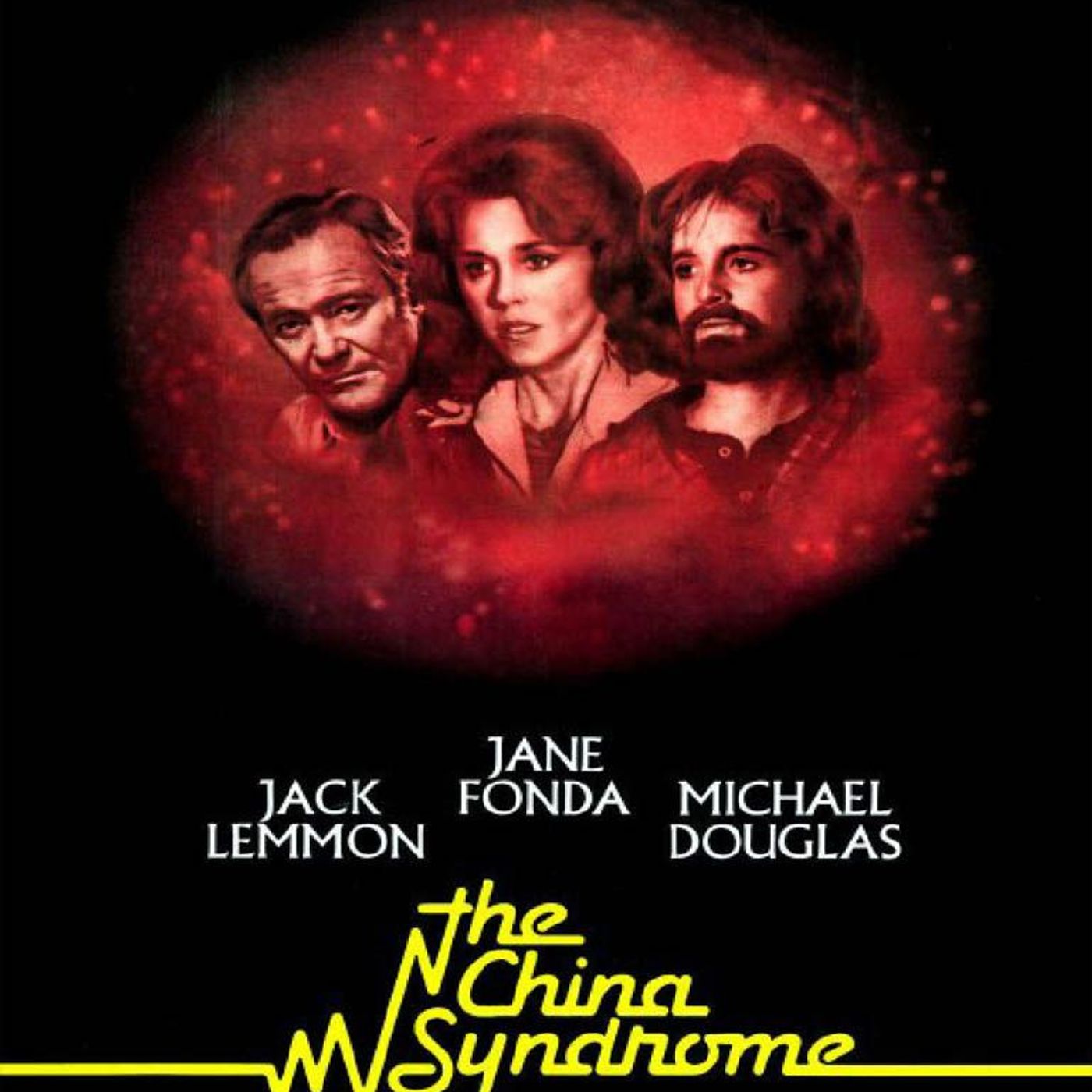
Starring Jane Fonda and Michael Douglas, the duo play a newsteam tasked with doing an expose on how safe nuclear power is only to run afoul of the terrifying reality thanks to Jack Lemmon's whistleblower. What happens next runs parallel not only to recent events but also the events of Three Mile Island, which happened a week after the film's release.
For more episodes of the Kulturecast along with many more podcasts that are guaranteed to be your new favorite audio obsession, check out Weirding Way Media at weirdingwaymedia.com.
———
The Kulturecast is a film and culture podcast from Weirding Way Media, hosted by Chris Stachiw, the Doctor of Podcasting, alongside a rotating table of guest co-hosts. Each week digs into where film and culture meet — and how each one bends the other. Now home to sub-feeds including Required Viewing: A 360° Film Study with Dr. David D. Perlmutter.
New episodes weekly.
Subscribe on Apple Podcasts → https://podcasts.apple.com/us/podcast/the-kulturecast/id931361376
Spotify → https://open.spotify.com/show/5wjxip9XVYapYuY12yEaGY.
Back the show: https://www.patreon.com/cw/kulturecast
Transcript
Automatically generated, so expect the odd misheard name.
Is it weird for the two of you to be on a podcast together. This is the first We have never done this. That is not true. We have done it for Astonishing Legends. Ohasically Susan's show, Oh my show, But that doesn't count.
That actually, not only does that count, it counts double because it's your show and it's your first show. It does count. It double triple counts. It up counts it triple counts. Yeah, but it's funny because it's never been but never on Zoom.
Like when I was on Susan's show, I just walked into the garage and sat down and leaned over toward a Mike and we were just sort of I was in person, and then we were in person when we did Astonishing Legends when Scott still lived out here in la we all met up in his sort of back room where he had his setups. So that's true, we were in the same room. But so this is the first time it's been the sort of you know, you know, the way, yeah, you and me and Mike and that the way we've been doing this essentially since you remember doing podcasts. I did we ever do non video podcast Richard? We must have, Yeah, we did phone.
We just did phone. That was the shits. That was awful. Audio waters it was, Well, it wasn't the before time because we only started doing video podcasting. I mean, again, nobody's seeing this video, but they're hearing the audio.
I think we started doing it like beginning of twenty twenty. It's made podcasting and doing this a lot easier because I can see everybody's timing before. Like, I don't know how we did it before, Like I've tried doing it and it just feel like I'm fumbling in the dark, like genuinely fumbling in the dark. So I don't like doing it that way anymore. Well we um, I think it was it was with covid, because my first memory of zoom is with the Like I remember not knowing what zoom was until I was doing it for Titans, for the for the Writer's Room, and then and then everything was zoom and and I assume that's when we started doing it um this way zoom.
I was just gonna say, I remember in the way way before time, when Skype, I did some meetings on Skype back, Well, that's how we used to record was on Skype. We just didn't have we had no video and then Zoom. We all switched to Zoom because Zoom has a built in recording function. Skype has no recording function. Still I believe Yeah.
Well, also Skype seemed weirdly less reliable, like Skype felt like it was always screwing up and crashing incause it was all the time. Because Skype is shit. I don't. I don't know who uses Skype anymore. I don't.
I used to have a Skype number and I stopped paying for it earlier this year. But yeah, Zoom Zoom, I think is definitely the Zoom is the choice of many who podcast, similarly to nuclear energy, which is the choice of many who in the California area, at least in this film, choose to have their houses nearly irradiated because on this episode of the Culture Cast, I am still your host Chris Dashu, much to the chagrin of many, and I am joined by as if you've listened to ades TV ladies, you've heard her before, one half of the hosting duo of that show, Susan Lambert. Hi nice to be on the show and joining us also is Susan's husband. You've heard him many a time before. Richard had him a writer of the Mothman prophecies in DC Titans.
He's executive producer on DC Titans. Scram The Son of a Bitch. Jesus Christ. Hey, you know it's better than a nuclear reactor almost imploding, doing it on purpose and not realizing it. Jesus Christ.
Yeah, we're gonna have to talk. I think I think I may be a little bit confused as to some of the things that happen in the last fifteen minutes of the movie. That's fair. On this episode, we are talking about The China Syndrome, a movie whose name is slightly problematic, but in a kind of fanciful way, as Wikipedia puts it. But we're gonna be talking about nineteen seventy nine's totally topical, at least for when it came out, and somewhat now, the China Syndrome.
The China Syndrome, it's about people, people who lie, and people faced with the agony of telling the truth right. People like Kimberly Wells, a television reporter, are paid to smile, not to think a few words about a veterinarian who makes house calls on sick fish or is it aquarium calls Richard Adams, a cameraman who never learned how to play by the rules. We get another room, Get that radiation all over that cute little body. Jack Goodell, an engineer who knows too much to tell the truth in anything. That man ever does.
This some element of risk, right, Well, that's why we have what we call defense in depth and cares too much to lie. No accident. It will start with a tremor in a nuclear power plant. Where it will end will depend on three people. I would say, You're probably lucky to be alive.
Same for the rest of southern California. Jane Fonda. Let's face it, you didn't get this job because of your investigative abilities. Kimberly, don't find it. Jack Lemon, there was a vibration.
Michael Douglas. That accident is the right word. Accident is the right word the China syndrome. The harder they try, the more resistance they meet. Thank got their own security man.
Do you hear what I'm saying? Do you want to make any clearer? The closer they get, the more threatening to become. The China today, only a handful of people know what it really means, and they're scared soon you will know the China Syndrome. So the film is directed by James Bridges.
It stars Jane Fonda, Jack Lemon, and Michael Douglas. I also want to mention one of my favorite actors, good old James. Karen is in there as well for a little bit, and Wilfred Brimley. And the film is all about Jane Fonda, who is playing well, she's playing a reporter who happens to be at a nuclear thankfully fictional nuclear power plant outside of La the day that the well, the nuclear power plant goes tits up, as they would say. Jack Lemon plays the head of the I guess the head of the control room, and Michael Douglas is playing a cameraman, which is where the Michael Douglas takes a back seat in this movie but makes the most with what he's given.
And he's also a producer on the film. Susan, You and I talked about Jane Fonda just a little recently when she was playing a different but similar character in nine to five, and you and I were like, well, let's, you know, talk about maybe another Jane Fonda movie. China Syndrome came up apparently it's a favorite of one Richard Adam. So, Susan, I want you to tell me a little bit about your first time watching China Syndrome and revisiting it for the culture cast. Well, I do remember watching The China Syndrome when it came out, and I would have been fairly young, I'm gonna say, like, well, nineteen seventy nine.
I would have been around twelve or thirteen. So went and saw it in a movie theater like you used to, and I loved it, Like I thought it was riveting, thrilling. I was follow you know, you everybody was following nuclear power stories at the time, because it was this both idea that we could you know, it could be the power of the future and absolutely horrifying and going to kill us, all right, So it was it held both in its precious hands. Um. And I was probably because of this movie, you know, became pretty anti nuclear because I felt it was not safe.
Ultimately that that and again I think there can be safety, but the problem is you always have capitalism in there to muck some things up. Well yeah, well yes to all of that. Also, what's interesting about this movie is that right before it came out, was this thing called Three Mile Island. Actually it came out before three It came out before three Miles. It came out before twelve days before it happened essentially similar to what happens in the movie.
Actually, okay, so so thank you that that is correct. But it but the next thing I was going to say sort of still makes sense in that when the movie came out and it was a you know, I mean there were stars and people were aware of, you know, nuclear energy. But because of Three Mile Island, that movie took off in a way that it was not expected to take off, because it was suddenly, coincidentally so on everyone's mind and in the news. And you know, back then, even a movie that wasn't a huge success, you could expect it to be in theaters for a few months. And so if the expectation was that this movie would be around for only a month or so, it was around a lot longer and made a lot more money.
And I was on everyone. I mean, it was like, you know, watch the news reports, see the movie, you know, and these were unfolding in real time, and speaking of things unfolding in real time, and we'll get there. But my god, this movie is like a I'm capsule of how much slower life move, even when we're dealing with a movie that is sort of predicated on a kicking clock. In a lot of different portions of the film, this movie could not exist today. So much of what's going on in this movie is about waiting, and they get a lot of suspense out of it.
But I imagine it's weird for people who weren't alive in the seventies to watch this and go, why are they waiting so much? Well, and that's why I'm excited. Chris, had you seen this before? Had you heard of it? So?
What's really weird? And I've been trying to figure this out since I watched it. I must have watched this at some point. I don't remember when. And I'm not one of those letterboxed people.
I will never do that. I just I don't have the compunction to constantly inform every one of the movies that I watch in my opinions on them. Outside of this, I feel like this is more than an enough. So that being said, I don't keep track on letterbox. But there were parts of this movie that seemed very familiar and I couldn't figure out why so I know I have watched it.
Sometime before twenty eleven. I watched it, so I had seen it. But I will say I've also seen essentially the China Syndrome to aka Craigmason's Chernobyl series that was on HBO, which is effectively a not I don't say, a better version of this, but it is better only because it's like, you know, six episodes. It's a TV show. It gives the time and energy to do more.
But that's unfair to compare TV and movies. But I have seen Chernobyl obviously, and if you've never seen Chernobyl, I'm not going to spoil it, as if there's anything to fucking spoil with a real life incident, unlike this movie, which we will be spoiling. But I had seen this a long time ago at this point. But I am one of those people that is I don't know why I'm Ukrainian probably factors into why I give a shit about so much about Chernobyl. But this kind of stuff is every five minutes.
I haven't brought that up in since March. A talking since Marches. They would say, but I had seen this, I just didn't remember it. Also a huge fan of Jack Lemon, stemming from primarily his role as Shelley the Machine Levine in one of my favorite movies, Glen Garry Glenn Ross. So yeah, I had seen this, I just didn't remember.
The only thing I remembered was the climax when he's locked in the room at the end. I for whatever reason, that triggered a memory of me remember watching it. I just can't tell you when, like ten years plus ago. Well, and that's that was also my uh because it had been a while since i'd watch it, and I had forgotten how much time was spent outside the nuclear power plant, which I just I sort of remember the whole thing feeling a little bit like a play, like it was in like it was so you're trapped, right, and then clar power plant, which is not so it's half the movie is out of the nuclear power plant. Yeah, so that was interesting to go, oh, wait, no, a whole bunch of stuff happens outside.
Oh yeah, a lot of stuff happens. But that's my memory too. I have not seen the movie since the seventies or maybe yep, well seventy nine or eighty. Here's the thing, here's what triggered it with me. I didn't see them in theater.
I saw it on on TV, this thing called on TV. It was the earliest cable available to us. And I think my family got it in seventy eight seventy nine, be as Richard Hadams family had the money and they were in California with all the cable and they were soon to be irradiated outside of Ventanas where you're telling me, yeah, Richard lived the China syndrome in real life. Well, okay, first of all, there is no city of Vantana. There is.
It sounds fake, though it sounds fake enough to be real. Does that make sense? Yeah, it does, because it's based I think it's based on the Ventura. I think the idea is that it's north and that's sort of what it looked like. It's like, okay, that looks like kind of a green area.
North of LA. There is a nuclear power plant about an hour or so south of LA right on the coast called Santino Frey. It's right near Camp Pendleton, the army base, and it's I think it's south of San Clemente. So I remember my brother did a report on nuclear energy when he was in seventh grade, which would have put it maybe a year or two before this movie, and and we all drove down there and he got a tour, and James Hampton, the actor from the movie, gave him the tour just like he does for I really for a second thought, you were for real if I know you. And there was Wilford Brimley at the controls too.
It was weird. It was just like that movie. Now here's your now here's your hard hat, one size fits all and why don't you come this way? And I'm going to show you the the gantry crane that comes over and they can lift things away hundreds of times. That's why James pretty pretty good oddly specific impersonation.
Well, he's in one of my favorite episodes of The Rockford Files, the Aaron Ironwood School of Success. So when whenever I see him, I just think of that Rockford Files episode. All right, if you're playing the Richard Adam says Rockford Files on every podcast game now, it's a time to drink. To be fair, Richard doesn't always mention Rockford Files. Sometimes it's cold check.
It's actually hasn't been cold check for some time now. It's one or the other. Yeah, First of all, if I mentioned Colchrack on the Coleshack podcast, that's okay, you don't get to drink because that's a gimme it's from But yeah, but yeah, so well, if I'd known that with the game we were playing, out would have had something other than I didn't know it was a game to begin with. But thinking back on all the times I've had you on Rockford, files come up quite often you can play the drinking game with whatever liquid you would like to. But okay, but but but now that we're on it, I do want to talk about on TV because I just want to see if anyone listening remembers this and can you know, sent out a tweet or an email to you because it was I mean again, it was like late seventies and this was a box that they had to come and install and you would and then it was hooked at the back of the TV so you would turn your television to channel three, which was not an occupied station in Los Angeles, and then once you did that, you'd have a blank screen and then you would turn this dial on the on TV box and it was so funny.
It was like the dial that this went this way and that way, just boomp. Okay, now you're getting cable, and then the on TV symbol would come up, and then you would watch whatever was playing, and they would send you a little magazine every month and it would just say, Okay, at eight o'clock, we're gonna show China Syndrome. At ten o'clock, we're gonna show Hardcore starring George C. Scott. And then there you go.
That's that's an oddly specific impersonation just for you, thank you, just like my James Hampton. And then if it was a Friday or a Saturday, there'd be a midnight movie, but but that was it. Like at noon, there was nothing being broadcast. So you would look at this little calendar and each night at eight o'clock they would show a different movie or sometimes it wasn't that different. They only had access to a few movies.
This was early days, and it's crazy, but it's just like, okay, on cable tonight, instead of watching network TV, we can actually watch a movie that was in theater like six months ago. And you would do that, and I think that's where I first saw China Syndrome. Sounds like really terrible HBO. Yeah, it was pret HBO before it was before HBO. HBO has weirdly been around a long time.
Well, this was its own thing, Like we didn't have access to that until again, maybe nineteen eighty when I started high school. And then suddenly it's like, oh, cable TV is now available in the area, and you have multiple channels, including MTV when it premiered. And not only that, but you could get local stations, Like before I went to school in the morning, I could turn on WGN and watch Bozo the Clown, which was being broadcast at like eight am Chicago time, and I was watching it at six am, and it was the scariest thing. It was like leading up broadcast from outer space because it was Crusted the Clown. It was this guy going, I kid, I'm Bozo, and knowing what the fuck I was seeing, I was scared out of my mind.
I'm like, is this what Chicago's all of it? That gave you the Bozo syndrome as they call it, I had the Bozo centrome. I can only imagine watching this movie in seventy nine and just being scared shitless. Like and again, you know, the nuclear industry after this movie came out said something the effect this is a character hit piece. Really, no shit, congratulations, yeah it is, but yeah, it didn't help.
Their argument went three mile, well this is a character hit piece. Twelve days later you may have had some good points. Well that's the interesting thing. I mean, I'm curious, like if the earliest reviews were like, well this is you know, this isn't a movie. It's propaganda.
I mean, I mean it is. Most people reviewing it were very positive. Well, because it was here's the thing, the crazy thing about this movie, and this is what struck me watching it. I mean, there's so many things that struct me. I really enjoyed watching it again.
It had been a while. Rich. I think you and I watched it in the last twenty years, because I think we watched it with Owen and Spencer at some point when they were like, you know, around Dash, like when Dash around Dash was born, and we watched it. I have a memory of that because that's going like, oh my god, I forgot how cool, how great everybody was in this movie. But that was it was.
This movie is just such a it's in some ways it's kind of a hot mess. It shouldn't work because it's like different styles of movies it's like a star vehicle. It's a you know, a power structure indictment. It's like network. It's it's it's a political thriller.
It's a bit of a horror movie. Like there's that horror feeling I had, and then it turns into a hostage movie and then there's and there's some cinema verite thrown in there just for good measure. Like it's very all over the place. Yeah, but it but at the same time, and I think that that the stillness, the waiting, the time, I think that's part of building. That's that's literally what's you used to build suspense.
There's just it's stunning to me how many shots there are of just a piece of equipment, just a still shot a piece of equipment, and you're waiting and you know, well, something's gonna go wrong without equipment, Like it's so weird. Yes, but the equipment you're looking at. There is not one computer screen in the movie. All the all the equipment they're looking at are dials and gauges, Like it's just don't stir the fucking tanks. It's the same thing.
It's the same ap on the fucking thing. A couple of times, Jack, come on, man, just on the glass that covered the dial, you know or whatever. It's Unfortunately now, of course, in retrospect, it reminds you of Homer Simpson's job. You know, it all seems like what you mean. There's just a bunch of kind of dudes hanging out in a in a control room and the only thing that looks computery at all is the dot matrix printer that is popping out information telling you, you know, you know, event started at twenty one oh three, event ended twenty one eleven or something, and and it's telling you, okay, that's when the you know, the alarms went started and when the alarms stopped.
And that's as computery as it gets. Otherwise, this movie is totally analog, not only for the nuclear power plant, but also for the news and news. Oh my god, it was like what it was like. It was like pre broadcast news, broadcast news right, Like you know, there's a little bit of a love triangle going on, Like there's a female lead reporter who is trying to be taken seriously, who is brilliant in her own way and but also knows she has to do certain things to be on camera and television news. But instead of like racing to get the video tape plugged into the video machine on time, you are literally having to process un raw film and get it on the air by six o'clock.
That was just shot. That. That is such a time capsule of what sixties and seventies news was. Well, now, Susan, I don't mean that. You know, you say that, but you don't have any personal experience with that.
You have nothing to back that up. I do what because because my dad was in television news in the sixties and seventies. He was a cameraman. He was basically Michael Douglas. He was Michael Douglas.
He was Michael Douglas. But he was also he also did do editing and processing. So when you were the cameraman, there were a couple of times it got it got separated off for the time. But he would talk about telling stories about you know, basically trying to It was all a game, right, you shot your footage. Everybody the three news stations, local news stations were all shooting you know, oh my god, the car wreck or the or the march or the demonstration.
This is the South in the sixties so you know, lots and um civil rights KKK whatever, and then you you shoot that, and then literally everybody then jumped in their big old sixties cars and drove back to their station to get the film in. And then you were trying to get it processed in time to get on the six o'clock news, because if you were able to get it processed and then and then edited so that you could feed it out in time, then you scooped the other people that might have to go, oh, we're gonna have film at eleven, which meant you didn't make the cut. He didn't get it done in time, and so one of my dad's famous stories would be like they were all sitting around, wait, this guy was threatening to jump, and finally one of the news guys was like, if you're gonna do it, you gotta do it now, buddy.
It's like five o'clock. We need time to edit the footage of you jumping. If you're gonna fucking jump man, otherwise just yeah, right right. If you were hoping for publicity, he got about five shitter, get off the pot, ditter, get off the ledge. What's interesting about this movie, Susan, and you mentioned it is I would actually contend nine times out of ten this movie ten times out of ten this movie should not have worked, because in a lot of ways it does feel really disjointed.
Overall. You have the stuff with Jane Fonda and Michael Douglas and Jack Lemon at the beginning, and then we don't revisit that until right at the end of the movie, which ends up taking up, you know, behalf of the third act. But everything in between that, I'm not saying it's bad, but it's varying degrees of other genres and other things and other kinds of movies. There's like a Manchurian candidate conspiracy theory thing going on, where there's like the powers that be are trying to stop the information from getting out. So you have the Michael Douglas character and his cameraman, and the cameraman gets run off the road and they're chasing after him.
And then you have the in in the newsroom stuff, which is reminiscent of like we've kind of gone on about real life versus and also kind of being played up. And then we also have Jack Lemon going out and doing investigative stuff, and it's like none of those things really hang together. But in this case they do, and I think it's primarily because the three leads are so good. If it were anybody else, I'm not sure this movie would work very well. Well.
I agree with what you're saying, and I think that it also hangs together totally because even though we're following sort of you know, backstage trauma and backstabbing at a news network, you know, big power companies, you know, sort of you know, billionaires trying to manipulate information so that they can line their pockets, and then the dangers of you know, a nuclear disaster, the thing that links them all is the word that describes the seventies, which is cynicism. This is a movie about cynicism and where everyone falls on a spectrum of it. And the sort of the needle that we're watching is Jack Lemon where he goes from the beginning of the movie and where he arrives at the end of the movie, and and his journey as a guy who can go either way.
He can either buy into you know, okay, certain lies have to be told to keep the nuclear power plant running, even if it doesn't make it the safest enterprise in the world. And then when you add onto that the fact that, yeah, you know, California power companies want to build another power plant in northern California, and if if bad news comes out about the one in southern California, we're going to lose a lot of money that we've already invested in opening the one in northern California. So it's almost now it's jaw you know, it's like, hey, we got a lot of people coming into town Beach, get that shut up about that? Stark Stark, I mean nuclear power. Well, that's the thing about this movie that you know, again, it's interesting.
They don't really go into a lot as to what is going on at the nuclear power plant. They don't tell you, there's not there's not the scene that would be in the movie now where it's like if this isn't solved an X amount of time, or if this happens X y Z will happen. They essentially go, well, off, if it goes sideways, California is irradiated. That's it. There's none of it, like they're you know, you have to just kind of fill in with your own mind what happens if the nuclear power plant goes sideways?
They say, you know, oh it'll melt to China, which obviously not what happens, but the hyperbole is meant to be understood that way. It's hyperbolic for a reason. It's we can't stop it if anything happens. And if you look at what happened and fucking Chernobyl, where we're essentially just waiting to fix it again again. Now uh yeah, if something like that were to happen worse, there would be worse consequences than we just have to build a bigger coffin to house it in, which is essentially what keeps happening with Chernobyl every ten to twenty years now is they just have to build a bigger often outside of it to hold it.
Yeah, I mean nucleayer power, folks. It's fun. So for those of you keeping track at home, the word the phrase China syndrome is uttered in the movie at I mean, it couldn't be any closer to the halfway point. It is. Its hour and one minute.
I stop wrote it down. Okay, so this isn't an I are those kind of people. It's like it's like when they say China syndrome and then you look at where that little the little line is, and it's like, oh, it looks like halfway. Then you look at it's like, oh, the movie is two hours and two minutes and it's now one hour and one minute, and they say China syndrome. And the funny thing is they now they describe what the China syndrome is, and then they say, of course that would never happen.
It'll just melt down to the water table and then Radioactive Team will blast up into the atmosphere and kill everybody in southern California. So don't worry. It's fine, that's fine, not gonna melt to China. It's not gonna melt to China. That's gonna if they're gonna hit the water create Radioactive Team and then we're and then that's it, so don't worry about it.
So, yeah, they don't explain a ton. They give you just enough to understand. Oh, well, okay, there's water that has to cool the core, and then if something goes wrong with that, then that's the problem. Okay, it becomes superheated. But but there's no real way to understand it.
Like I didn't have any visual understanding of what was happening or what was about to happen or why it was happening, But my god, is it's scary. The first fifteen minutes of the movie is when the sort of the scare happens, like okay, we we came all the way up to the brink. It's like the feeling you get in war games where and this feeling was prevalent in this eppanies in the Cold War, when there was this feeling of events will somehow be triggered and then everyone's going to be put on nuclear alert and all these protocols are going to be you know, past, and suddenly it's like people are going to be looking at each other like is this it? I mean, are we turning the keys? Are we punching in the codes?
Are we ding this? And there was always this feeling that we were just like weirdly seconds away from a thing happening from which there would be no coming back. There's no thing after the thing is very little. Good things happen after the thing happens. Well, and again it's all predicated on Okay, there's this event that happens that brings us to the breach, and then we are relying on dudes in a bunk or somewhere to be following protocol and not be like scratching their assies.
I mean, I don't know if I can say that on your podcast, you can say okay, so you can say a lot. This is an explicit show's only I think we also have to, like I think the the somewhat triggering incident for the United States, what I mean it was, It was the Cold War, it was you know, nuclear annihilation after World War Two, But really the Cuban missile crisis is where I think the beginning of this, Like, holy crap, if somebody makes one wrong decision, this whole thing goes south really fast, and in a way that's that you can't back away from, right. Um, And and we have that now we've just sort of forgotten it. Well well, and I feel like even now you know, well it's fine with all those nuclear warheads.
Well, I mean again, I mean that the issue also stems from the fact that now, more than ever and I mean tomorrow, more than today or than today after that, you know, every day we are creating new kinds of technology, new we're effectively always finding new ways to destroy ourselves. Is what it feels like. In a lot of ways, and nuclear energy is harnessing the power of explosive nuclear energy for good, but there is always that, but what happens if it goes bad? And it's like, what happens if it goes bad? Does that justify the benefits?
Right? That's essentially what this movie is asking. That's the nuclear question is does a nuclear reactor melting down justify having ten percent of your energy, you know, created by nuclear energy? And not a question that I can answer because I'm not an expert. I can only go off of what I've seen and read, and everybody's opinion is going to be different.
But this movie is based on real events that happened before the movie came out in Chicago where this or in Illinois at the Dresden two reactor where this identical thing happened, where it was literally a fucking piece of instrumentation not working, which is horrifying because if you've ever been in if you're a private pilot and you've ever been in an airplane and you're sitting there and all of a sudden the meters start freaking out, that's essentially what they're dealing with here, except on a bigger scale, but tapping the instruments is a way of fixing things if you think the instruments are malfunctioning. It's crazy in this movie to see, similarly to something like Apollo thirteen, the seemingly primitive technology that was being relied on at the time.
That's more horrifying now more than anything else for me, More than what could have happened, because something worse did happen. It's seeing the technology that was being relied on at the time for something this catastrophic, like what they were preventing it with was you know, just some fucking lights and dials on a screen somewhere like close the valve yeaut water in, put water out, Like more water out means it could overheat and you know explode. Cool, great, what the fuck? It is pretty strange, but it did bring back those feelings and when you know, you know, entertainment was different than movies were different. You didn't have a ton of movies that were super news topical because you couldn't because it took too long to make a movie.
You know, all the President's Men, Yeah, you could do that. It gets referenced in this movie, but it still was. After Watergate was sort of done, that movie came out. This one felt super topical obviously, and and yet it had all of these different things going on. And I think you had to because you at a certain point, I guess you couldn't just have a movie.
Well maybe you could if you played it in real time and it's like, Okay, this is going to be a two hour chunk of time where something goes wrong in a nuclear power plant and it's going to take two hours before you realize everything's going to be okay. Yeah, that's quite a challenge for a filmmaker to maintain that tension for two hours based on one thing. But what was interesting was it's like, well, let's also make it about you know, is the American news industry willing to go to the mat to expose the dangers? And have they been honest with us? We don't know.
Maybe they have, maybe they haven't. So that's fear upon fear, and then and then you think, well, we all agree that we don't want to, you know, die from being radiated, and then you realize that no, there are billionaires in this movie who are like, we don't care because I probably won't be the one dying, which they live far from me. Topical. Yeah, I live far you know, I don't live in the in the blast zone. What do they say, what's that term?
Nimby not in my backyard. I learned that and I learned that shit in high school. Man, nimby not in my backyard. I mean that was that was the whole argument with nuclear power plants in the seventies and sixties was like not anywhere near me, Like, okay, so we'll put it on an island in Pennsylvania. Okay.
Well that and again, and I think that's one of the like so the the one that's right near you know, that's between Los Angeles and San Diego. But you talked about Santon Offrey. Um, you know, there's a lot of discussion about that place all the time. A. It's fairly old.
It's like I think, from the sixties, like sixties most of them are right. And and baby, you're like, um, dude, you built a nuclear power plant in the land of earthquakes, on the edge of the ocean between two major metropolitan areas, like two of the biggest fool in LA need to run stuff, Susan, they need to run things now. And and it's right next to one of the biggest military bases in the United States, Camp Pendleton. What are you doing? It's basically, it's our, it's our Fukushima, it's you know, I mean, that's and it did sorts.
It's happened in Chernobyl and then and then Fukushima was compromised by a weather event. You know, it wasn't compromised because someone you know, you know, did something wrong or didn't check a dial. There was a tsunami, you know, that affected a country that has been affected by earthquakes and tsunamis many times in the past, and it was not able to withstand the force of that. And there have been we don't hear about it, but you know, because I mean, unless you're traveling back and forth to Japan. But I know people who make those travels, and I know other people who are like, you're going to Japan, don't eat the fish, and really still don't like And that's years later.
So all of this stuff, again is still a current issue, even though it doesn't feel like it. All that nuclear stuff we were so afraid of is still every bit, including nuclear war, still every bit as much of danger. We just don't think about it anymore because it's not two superpowers. It's not just two guns pointing at each other. Now we've got thirteen guns pointing at all directions.
And somehow that makes us not think about it as much. Well, it's like, you know, we're all tired of the pandemic, so we'll just say it's an endemic. Now, we'll not worry about it. It's fine. We have a very short attention span.
And again, I mean, you know the thing is, even with something like God, Chernobyl came out to want to say, twenty eighteen, twenty nineteen, so it's been a couple of years. I mean, there was a whole thing when Chernobyl came out and people were all back into Chernobyl and researching that and having conversations about it. And I don't know why the conversations have stopped because to your both of your points, you know, the nuclear destruction by weapons aside the need for energy, the human, the innate human need for energy is what drives these kinds of technological advances like nuclear energy, trying to find a cleaner way to make energy, which we all are in agreement with. We would all like clean energy to exist.
But you at what point do you make a decision that this is a bad idea. I again, not an expert, so I don't know. But when you see stuff like this, where in the first fifteen minutes you have people essentially making a decision for the lives of millions of people, it's hard to justify in my mind. But at the same time, I'm not looking to find the newest and latest clean energy fix either, so I don't I'm just a movie podcaster, you know. I just talk about Jack Lemon saying funny things and being good at acting.
You know, It's fine, Chris, No one's looking at No one wants my opinion anyways. Yeah, I do, Like you know, I know we went straight political and straight like examination. But it is so it was so fun to watch all these actors. Oh Jack Lemon, I mean, he's so good at just reacting. Like the first fifteen minutes are so great because of him, because he's sitting there going I'm so in trouped, like the little biting his thumb and you know, and those close up shots of him are amazing easy.
He's just Yeah, I guess I'm like, I'll watch it like again, you like, I don't even need him to read the phone book. I just need him to like out loud. I just need to look at it right, like I'll watch it. I could. I could listen to that guy look at the phone book all day.
But it is that And and like you said, like Michael Douglas is not the star of this film. He's in fact, arguably the bad guy. Like because I was like, okay, I was trying to remember, because what's again if we're going to look at it from this perspective. And one of the reasons I think Richard and I both stopped when they said China Syndrome was because we're both a little bit of structure hounds, like how did they structure this film? And it's so weirdly structured because there's a lot of beginnings to the film.
Right, there's the the you know, you could argue the inciting incident is is the earthquake, right, Or you could argue it's the shutter right that comes after the earthquake that everybody thinks is just after the earthquake, and or you could argue it that it's Michael Douglas filming, or you could argue that it's Michael Douglas stealing the film, or you're gonna okay, but wait, but I have a question. They never say the word earthquake in this movie. Was there an earthquake? I thought it was just the I thought it was just the Okay, tell me if my interpretation is wrong, because I want to answer the question that you had at the beginning, Richard. So what happens is the reason all of this is happening is because the welds on the equipment were not checked correctly, and so they weren't stress test tested correctly.
And today, the day that the movie happens, the two couple days of the movie happens, today just happens to be the day the welds start failing, and the welds are starting to fail and come apart, causing the you know, the vibration to happen, because there shouldn't be any vibration, but to be fair, to be fair, in my mind, that's not answered until like the last ten minutes of the movie where they make where you know, Jack Lemon is on the ground dying and he's like, I can feel it again. So it's not it's not explained until the very end. But at the same time, like it's in California. So the fact that they didn't lean on that, I guess they didn't want to lean on that because they wanted it to be human you know, human you know, human oversight failing.
Because again they Jack Lemon mentioned several times, He's like, there's checks to the checks, to the checks to the checks. There's four checks here and they can't all fail. And it's like, well, well but they didn't. Well Jack, yeah, well Jack yeah, okay, So okay, so let's let's just get this clear plot wise. So after the initial investigation of okay, so we had an incident yesterday, let's, you know, we have to do our due diligence.
What happened. They talked to each of the people who are in the control room and um. And then afterwards, Jack Lemon is going through what looks almost like a you know, seismic draft. I think that's maybe why I thought it was earthquake, right, And he's talking to Wilfred Brimley, who apparently was questioned at much greater length, and he sort of feels like he's going to be made to take the fall for you know the fact that something even sort of happened. But that's when Jack Lemon first says, no, no, I know what that is, and I know what that is.
I'm talking about this vibration over here. It's like, what was that? And Wilfred Brimley's like, I don't know when you're talking about. I'm going to have a cup of coffee. I don't want to look into this any further because my ass is on the line.
Okay, then you Then that connects to a moment toward the middle of the film where Jack Lemon puts on a hazmat suit and takes a Geiger counter and goes down to like into the belly of the beast, into the works of the reactor and and gets and get some disturbing readings, and then basically there's visually says, look, I can visually see that there there's like dust and water pot out, like seaking out the weld. So there's been movement that should not be happening. Therefore, I then go and check some X rays, because I know they checked for metal fatigue. But now I see that on these two different inspection dates months apart, it's just the same photo. They didn't actually go and recheck.
I know it's worse than it's worse than that, all of the welds were just the same thing. Every photo that he submitted is just the same photo, because that which I do. I mean, yeah, okay, fine, this is what I think. The problem that I ultimately do have with this movie is everything had to go wrong in this movie to prove a point in reality. Well you know what I mean, Like I'll go, it's a lot of things going wrong.
I know, I know, ultimate or scenario, but all right, and you know me and I'm sure season's thinking along the same lines because it's like, okay, so like if we were writing this, where would they be giving us notes? But then I like in retrospect and just in this conversation, I'm realizing okay. So it leads him to them physically check four. It's like, okay, I've already had this theme of Jane Fonda where I tell her there's a check upon a check upon a check upon a check. So now he's checking on those checks and realize as, oh, no, we didn't do our homework and our due diligence.
Someone just it's just submit the same information, but don't actually physically check the actual physical equipment. So I think they're you know that is what's causing the problem, and that's why we didn't catch it sooner, and now I have to let people know about it. But it was in the process of me trying to let people know about it that I showed my hand in a very obvious way to someone I probably shouldn't have shown it to by saying, look, someone is faking the test results and saying everything is safe, when in fact they have not actually checked the physical equipment to make sure it is safe. And that guy basically says, it's find don't worry about it. Don't worry about it.
We're building another one. We can't bring this up now, just give it some time. And he's like, there is no time. And that's actually what accelerates the events in the second half of the movie, because then that guy realizes, Okay, we got a problem, and it literally be it almost becomes Silkwood. It's like, are they going to just go kill Jack?
Well, because they go and kill the other because they try to kill of character Hector, thank you, who is so great? I like that actor Daniel Valdez. Uh Valdez, Yeah, yeah, yeah, he actually is a big part of he did he did he was part of zoot Suit. I think the zoot Suit. Yeah, he also directed LaBamba.
Yeah, I mean the actor. Yeah, that actor did yeah, all right, Um, and they try to kill him, like because he's got these photos. What does he happen? He's he's got those photos. He's got he's photos that Jack because Jack Lemon, it's likely so that the X rays, you know, the fake the X rays that are dated but not updated, So that guy has those.
So basically, employees or someone in the employee of the California Power Commission runs him off the road and tries to kill him because he's going to show up at a public hering with this evidence. Meanwhile, there's a car parked outside Jack Lemon's condo and Thousand Oaks or wherever he's living, and those guys are following him, and you totally get the feeling that they're going to try to kill him, and it's like what the fuck, Like like billions of dollars are at stake, millions of um, billions of dollars are at stake. Well, then you have Richard Hurd, who plays the kind of I guess the ultimate villain of the movie, the kind of the shadowy businessman who shows up and you know, just very matter of factly, he's like, you know, just fucking stop this end of this fix this, fix the problem.
Whatever it takes, what does it take. It takes Jack Lemon getting shot in the back twice, which is so fine, but again again for the nuclear power story, and I would argue the real spine of the movie, the heart of the movie is Jack Lemon's story of a guy who has been working at this power plant. It sounds like for decades somehow, and it's almost like it's almost like the riverboat Captain. It's like, this is my ship. I love this ship.
I have a personal connection to it, and I have a stake in the integrity of its operation and its reputation. And I just took for granted that everything was okay. But now when I doubled back and looked, I realized this thing that I have been connected to so emotionally is is rotten to the core. I'm discovering that this institution that I'm a part of may not be as pure as I am as an individual. And what am I gonna do about it?
And it's in making that decision that he literally risked his life and then in the events of the movie goes down and in a very daring move, has to has to really really ring the bell. Yeah, I mean, and I don't know we can do spoilers because we've spoiled everything movie's been out since nineteen seventy nine. We're far past statute of limitation. Literally walks behind the security guard and just takes his gun. And then suddenly it's like, I, in order to save you and the world, I am going to take charge of this nuclear power plant in order to make you understand what the stakes.
And that's such an interesting thing. But what everything that you just describe rich is so like kind of some of the best movies of the seventies, right, it's network. I'm part of this thing that is at its core rotten, and I've suddenly realized it, and I'm going to start trying yell about it. And you know, the Manchurian candidate, which might be more sixties I guess, but uh, like it's that weird like you know, it's every it's the cynicism, but it's also the the it's it's I'm cynical. I'm cynical.
Oh, now I'm going to try to do something about it and it's really too late, quite honestly. Yeah. So it's often it's often like how much your cynicism is Like it's always a character who has to be pushed to essentially nuclear. In this movie, it's nuclear disaster. But in a lot of these movies, there's always the inciting incident has to be the cusp of whatever it is you're going to see.
Either in most of these movies happen at the end, because if it's me, if it's me writing this movie, I have the fucking place go nuclear at the end, just to prove the point as the filmmakers and I would be it would I agree with you? Because it's not clear and that and then suddenly you're like, oh wait was this? Was this noted? They will let them do this? That's my question.
I'm genuinely curious if they were like you and end it that way right, Well, yes, because look at it this way. If you recalibrate what you think the movie is about just a couple of degrees. Look, if the movie is about our point is scaring the shit out of the viewer and telling them it's gonna happen, then we do it that way where we actually have the event happened at the end of the movie and it's like, oh shit, and you walk out, or if you tilt it this way and go, well no, We're going to use that threat as a way to talk about what is the thing that everyone talked about in the seventies, which is, what are you gonna do once you find out things are rotten? What happened to the people who spoke out about the Vietnam War?
What happened to you know, it's like, what about those two reporters who broke open the story of Watergate? And how much were they risking? What about that guy in Las Vegas who realized he really is a vampire? What did that reporter do? He thought to tell the truth?
And his name was Carl Coolestrack never you may take a quiet twice on this show. If that was a reach, I don't even know that that's allowed. But you know, whatever, these are all that's all about reporters. It's all about reporters. The greatest fictional reporter of all time.
So they decided to make it about Jack Lemon's decision because the question isn't so much it's like the movie is not going to shut down nuclear power plants. But let's let's take a larger theme about personal integrity and putting yourself at risk for a greater cause. It's like I and he sacrifices himself. I mean, he literally sacrifices himself to get a message out to the world. And that message is this isn't as safe as you think it is.
And we're not just talking about nuclear power. We're talking about it's not safe because the mechanism has to be administered by human beings, and human beings motives are always in question. But and no, and again. But there's a whole other layer to this movie that is basically about capitalism and that human beings in relation to capitalism and in and that's the bigger story that this movie is about, because it's not just you know, basically looking at you know and making a political point about nuclear power. It's making a political point about news.
It's so upsetting the way this movie ends, where they've just had this incident where someone gave their life in order to try to stop a nuclear incident or an unsafe power plant from continuing to operate unsafely. They are killed for it. Everyone is affected by it. On the scene it is should be the biggest news of the day, and they cut away from that news report for a commercial about Michael Words, and they play the last shot is playing the camera that's still running the live feed from the outside the nuclear power plant and the commercial side by side at the end. It's so great.
It's so great, and it's so disturbing, and it's so horrific. Right well, it speaks to our our attention span as humans, but it also out a side out of mind. It both the nuclear power the inciting incidents for both the nuclear power plant and the television news is that capitalism trumps both of them. That the dollar for the people who are making the dollar Trump's the safety of millions of people and the dollar Trump's. This letting people know that their safety is at risk and that what is really happening is trumped by cutting to commercial, is trumped by someone having to make some money, a millionaire, a billionaire having to make a little more money trumps everything else.
Why do you keep saying Trump right? Oops? Oops, like oops a million times? It's funny. The studio refused.
The studio started pulling this movie from theaters after Three Mile Island, but they didn't want to see be seed is taking advantage of a catastrophe, but at the same time, But at the same time, I would contend no better time than when these things are going on to inform people. Again, it is a narrative, so there is a lot of creative elements to it that aren't real. But what they're talking about in the movie, with the nuclear incident that's taking place is very real. Even if Jane Fonda and Michael Douglas and Jack Lemon are all playing characters, doesn't matter. What they're talking about and what's happening is real, and I get why they pulled it.
But at the same time, it kind of speaks to what you're talking about, Susan, which is maybe we don't want to talk about this like never never mind. It's like no, no, no, this is the time now to have this conversation. It really is. And what's so interesting And I'd only noticed it when the credits ran on silence. There's no soundtrack to this movie.
There's no music in a musical score. Yeah, musical score. There's an audio soundtrack, and it's I think really quite brilliant. Um. I don't know if it was nominated for you know, sound design.
But it's incredibly brilliant, and incredibly brilliant when you realize that they made a thriller movie with no music. There's no music in it, and they running those credits, just white credits on a black screen, which was so like powerful in the seventies. I like, I like, that's all I want in my movie? What else is there to say? It's like and there you go, like there's no sound.
It's really powerful. Yeah, and you just imagine people walking out of theater just like oh god, um, I mean and and also going wait, they killed Jack Lemon? You killed Jack Lemon? Yeah. I think that was a bit surprising thing.
I think people were like, oh, oh, so he's really dead, like oh, the star of the movie, and not only that, but a very recognizable beloved star just gets killed. So but but the fact that it's the microwave oven commercial is so funny because again, if you grew up then the microwave oven was this weird, miraculous, magical new thing that was also scary because I think people thought it was nuclear power. That's like, what's happening. It's it's irradiating my food, Like, am I going to get cancer from the microwave moment. Don't standing close to the microwave oven.
I was told, don't, don't, don't watch it as it's cooking your food. But you want it because everyone's got to have it because now you get your food heated up, you know, in one minute instead of twenty minutes. And it's so perfect. It's like, well, but you guys want your microwave, So guess what, You're gonna get it, and we're gonna sell it to you on the TV news. We're gonna we're gonna run a story about the dangers of nuclear power, and then in the commercial break, we're going to sell you a microwave oven that at that time was eliciting fears that were analogous in in a way, we're bringing it into the home anyway.
And I assume, and I assume at that time using an awful lot of power to run, you know, like like and and and and again, and you know the context of nineteen seventy nine, which I have been like basically kind of studying for the last uh, I don't know, five years, trying to figure out how both we and I got here from my childhood. Um, it's it's a favorite date of mine, the late seventies and early eighties. Um, and I think it's it's it was such a again a cynical time, a time of great upheaval, like not only like everything felt like it was falling apart, three Mile Island Skylab like you know this this was you know, the last gasp of the Carter administration, um, the hostage crisis, the like like all that, the energy crisis, the energy crisis, inflation, it was all happening in nineteen seventy nine.
It was a just a like what the sky was literally falling in nineteen seventy nine feels like twenty twenty two, doesn't it. Yeah, I mean in a lot we've had this conversation, I think a couple of times now, but there is in a lot of ways it feels like the times that we live in now are culturally tumultuous, sure, but also it does feel like the sky is falling. And everybody will go out and say that, but you know, Dan Carlin wrote a book called The End Is Always Near, And I think everybody always think the thinks the end is always near. I mean, if you were to watch this movie in seventy nine and tell people, you know, thirty plus forty plus years later, nothing actually has ever happened, like no nuclear anything has Like Chernobyl and Fukushima happened, but they didn't happen to the extent that we're talking about in this movie.
The scenario that this movie is positing has not happened, thankfully yet. However, someone may be listening to this in the future be like, you fucking idiots, it has happened. Well, I don't think you can dismiss Chernobyl and no, I can't dismiss them, but they But what happened here, What is what this movie is talking about is those things happening unabated, you know, which can't happen in and of itself, but obviously, and then you have to ask. You have to ask, because I'm sure people in the in the nuclear power industry were up in fucking arms about this movie. Yeah, but you have to ask, did the movie help push for further protections?
Wasn't the sort of like, well, but kept out of the bag now so we now have to and people who are never questioning us are now questioning us, and the public is looking at us. So you know what, Okay, Fine, we'll go and do the actual checks and balances and and and the extra safety measures. In the words is, can we thank this movie for the fact that those things have not happened in America? We're shrugging. Now, this is this is this is a audio media.
Well it's like it's like it's like that that television special from the eighties the day after right, that same Wasn't it very similar? Right? Yeah? Yeah? But it comes out four it comes out four years after this, I mean, you know, and it's talking about what happens if we destroy ourselves with the nukes, right, as opposed to what happens if what happens if this happens on its own or because people don't give a shit, you know, it's it's a similar question anecdotally.
Uh. It is said that Ronald Reagan watched that broadcast along with the rest of America and and it and it changed his point of view to the degree that he began being more you know, I don't know, more open minded about actually, you know, communicating with the Soviet Union or or trying to uh takes apps to avoid nuclear war. Now, whether those steps were hugely effective or right headed, if you will, because soon after that, it was the Star Wars Defense initiative. We're going to put laser beams in space, and that's how we're going to solve this. So believe me, I'm not waving a flag for Ronald Reagan.
But but it is funny how back in the day, reporters were heroes and television was a thing that could actually do something good. And now it's flipped. Now media is a fucking fire hose filled with diarrhea. And we have to look at same politicians as the heroes, as the people who will go in and go, We're going to grab the stick, you know, from this you know, nosediving aircraft, and we're going to pull it out of its nose dive and try to save it. Because, as it turns out, government makes the laws, so government actually can and should be the one to solve the problems, and media is not helping.
And people who believe that, oh, government's the problem, really, well, who are you going to leave it to? Elon musk? Oh? Yes, well, And that's the thing that around well, and that's the thing that's the other thing about this movie. If this movie were to be made today, there would be a polite political politician aspect to it, and that's not here in this movie.
It's not here because it's rather small in scope, and it's again it's kind of the idea of keeping it under wraps until you can't keep it. Network. The network executives and the and the and the nuclear power plant executives kind of are the face of Yeah, they're kind of stand ins. But there would be like a a like local politician character in a newer version of this who is like they're reaching out to, like you need to help us talk to somebody because nobody is listening. And again, you could use that as an opportunity to either have them say, well, I don't know what you're talking about.
Is they're filing their check from the you know, Fosters and Sullivan Nuclear Power Company, or they're oh, they get involved, but that it's interesting that there's not that character in this movie. Like you've mentioned, both of you mentioned it is a rather cynical movie all the way to the end. It believes in the worst of people pretty much throughout. Outside of the three main characters, everybody else's varying shades of terrible. Some of them you know almost you know, Richard Hurd is effectively a mustache twirling villain.
At the end of the movie, do whatever it takes m make my make my bank account grow, Like okay, you know, yeah, it gets pretty crazy. But but Jack Lemon definitely you know, dies for his convictions. Yep. And and in doing so, I mean and again those actions are precipitated by his tone disillusionment in the institution that he works for. Uh.
Jane Fonda, it's funny, just almost in the last line, that's just sort of a throwaway line at the very end, she she she is reporting this story and sort of like sort of taking the baton from Jack Lenman's cold, dead hand and carrying it out into the world so that the world knows why he died and what was at stake, and the higher ups at the network who have been telling the pretty redhead, hey, just do the light, you know, puff pieces and keep the well, leave the hard news to the men. And you can hear a voice go whole. She really did a great job. You know. It's like so you know, they're like, oh, okay, so so she she took the next step, she did the right thing.
Okay, that didn't end her career. It sounds like it maybe it will continue her career. So yeah, so so they they do, they do end those two stories. I'd like to point out that voice is Peter Donat, who is better known as playing Fox Molder's father in The X File. He should every time I see him, every time I see him and William B.
Davis and stuff, I'm just like, what this is what they were doing before they were involved with the Aliens? I knew it. But he's he's great because, like you mentioned, even he gets a turn of character even and he's not and he's like a secondary character in this movie, a third tier character even, but even he gets a little turn at the end where he's like, man, she did a good job. Who knows if that extends past that. But well, but even that cynical because you feel like he's like, uh, you know, when the when, the when the you know, beautiful attractive, redheaded woman is crying delivering a story.
Maybe it is a new way to do news, right, Maybe we can really make some something out of this. Well, and again it is also the book into the movie right, and the movie, like again, starts very brilliantly, I thought, where you basically can't see Jane Fonda because she's prepping herself in a mirror, right, so you can't see your face, you just see your hair. And you hear all these men talking about her and her hair and what she looks like and how she'll do what they tell her to do. And it's breaking creepy, and you know, and and and what we've not supply what we've been talking about Eddies TV Laby most recently, which is about women have to be have to look a certain way and the male gaze on a woman and to at least acknowledge it.
But it is they're both. They're both acknowledging the male gaze in this movie, but they're also using it. Right. It's like you did you say Eighties TV Ladies the podcast that did you not know what Richard was doing here. Richard was trying to be like that, wait, wait, let's show this, let's show us.
Yes, my podcast which will shout out later. But it was very funny because one of the reasons we came to this is because I wanted to I wanted to jump in on eighties or late seventies female driven TV shows, but also talking with Chris about movies. Female driven movie This is driven by Jane Fonda. Jane Fonda is first, the first name up. Jane Fonda is top of the call sheet against Brigan, Michael Douglas, and Jack Lemon.
And that's pretty amazing. I want to point out that she actually, she and Michael Douglas produced this movie. It's Michael Douglas and IPC Films, which is Jane Fonda and her production company, which produced a documentary about Vietnam with her then husband Tom Hayden in nineteen seventy four, Introduction to the Enemy, one of the things that got her in a lot of trouble, but oddly enough, never Tom Hayden. Yeah, weird. Well.
She also produced nine to five, which we just talked about another movie with kind of a point. Yes, so China Centrome nineteen seventy nine, Nine to five that she produces in nineteen eighty on Golden Pond she produces in nineteen eighty one. One holy crap, just there. Yeah, she should be like you don't. I mean, she starred in those, but she also was very much a part of producing them.
He made those movies happen. They were movies that she wanted to get made. And I don't think she gets enough credit for that, and in fact, I think she probably got slapped for it. Well, anytime you open your mouth and give your say. And this is something that's always bothered me personally, and I'm sure it bothers both of y'all.
Because you are more entrenched in the entertainment industry than I am. I don't feel that your job that you do should disqualify you from having an opinion, which I guess is the belief of a lot of people that actors and people who work in the entertainment industry almost exclusively aren't allowed to and should not give their opinion. I understand the sentiment most people, AKA, let's just go with a welder out in Des Moines, Iowa doesn't have the opportunity to go on any news network and spout their opinion. I get that none of us do. Twitter exists now, which is essentially a giant asshole brigade of people screaming their opinions all at once and nobody can hear it.
That's fine, but I've never understood the sentiment that your job disqualifies you from having an opinion. I get why people don't like it because it's given more amplification because we give people in the entertainment industry, specifically actors and other people a lot more ground and room to scream their things, or room, you know, to step back and let them scream. But it has always bothered me, and people are like, well, there's just an actor. Shut their mouth. It's like, why do you shut your fucking mouth like you are?
You know, if if I work at tom Thumb or I work at a grocery store checking people out or stocking the shelves, my opinion is no less valid than someone else's. But yet somehow entertain working in the entertainment industry like Jane Bonda did makes you what I mean, she made herself a target, which just fine, so can't really complain. But at the same time, her opinion is just as valid, and frankly, she has more opportunities and more resources to do more with her opinion, which is I think the more important thing. And it's less about their opinion and more about doing something about it, doing something with that platform, not just screaming about it. And that's what I'm saying.
I think some would say that in fact, people who have a platform have a responsibility to speak up about passionately about the things that are important to them. I agree, because they can move the needle on things. But I also I'm going to add sports figures into your agree, actors, because it's it's essentially anybody who's getting paid a lot of money to do something that entertains a lot of people. But your opinion is invalid for whatever fucking reason. But it's man, I think it's because those people are also adored.
Right, people adore them for one thing that they do. It's fair and when that when that is when they go well. But I also believe this, and it goes against what that person who wants to adore them for the one thing. You know, you're like, ah, I mean it's the discipline. It goes It cuts both ways because there I'm like, you're like, oh no, not that guy.
I like that guy. But there are people that are like, yeah, well that's the thing. It's it's it's not about and you know, I know everybody talks about being canceled and canceled culture. It's more about consequences. If you say something like that, just know that there is going to be a column that increases and a column that decreases, and exactly.
That's just the way it is. You know, Aaron Rodgers said what he said, and some people agreed with him. They know who they are. Other people disagreed with him. They know who they are.
Nothing has really changed, but people now know more where you stand and can make decisions based off of it. I don't think anybody's opinions invalid. It's just when you say something, you shouldn't be surprised if people have a response to that. That's, I think, for me, the bigger problem. It's like, what do you expect people expect?
You're expecting a response. Are you upset that you got one? Hey? I think it's pretty clear. I mean, I've been on the show long enough that anyone listening and anyone who gives a shit, which is probably not a lot about my political opinions, knows that I'm on the left.
And so my opinion is, if you're a Nazi and an anti Semit, by all means, go on television and talk about let us know. Please, I want to know, and I want to watch you talk about your beliefs so that we all know exactly what you're about and we can and then we can respond accordingly. So far, from canceling. I want you all to get up and open your stupid mouths and let us know your Nazi opinions. Let's hear them about Richard.
You were on on the episode of The Boys or Not The Boys the Devils that you and I did together, and that was in sometime June July would have been just buyer June, so June of twenty twenty, which if you're an American, you remember what was going on in June of twenty twenty in our country, a massive once again reawakening of civil rights and protesting regarding what happened with George Floyd and you and I at the beginning of that episode, Richard talked a little bit about it, you know, I remember, I don't know, yeah, but you know there were some people who voiced their opinions on Facebook about what we said, and good, make make it known that you don't like what we said, because my opinions are going to change, Richard's opinions are change, and there's a there's a lot of podcasts for those people, right exactly, And that's what I said.
I'll say it then, I'll say it now. If you have beliefs that you think don't agree with mine on a base level, Please go listen to something else. I don't care if you don't listen to this show one god damn fucking iota because I am not an anti Semite. I'm not a racist anymore than Richard or Susan is. But the thing is, like you said, Richard, by all means, let me know if you are, because that makes it easier for me to fucking avoid you.
And that, right, I think. You know that I think, and and yes, and participate in the great American tradition of capitalism. I'll now know who to spend money on and who not to spend money on. Right, And And isn't that what we all love about America? So let's all let's all speak up and then you guys can do you know, support or not support whoever you like.
And that's and that's what Jane Fonda did, I mean, And that's why you know we talked about it on nine to five, Susan, we can mention it here. Jane Fonda has chosen throughout her career to put her career on the line for speaking up about things that motivate her. The War in Vietnam, nuclear powered the nine to five movement, most recently, I think within the last six to eight months climate change. Put your money where your mouth is or put you which is effectively for Jane Fonda her career. She puts her career on the line anytime she does anything because she runs the risk of alienate more people or building up her image to other people that she's willing to do the hard thing.
There are plenty of actors who keep their heads down. It's just a job. They go in, they you guys know them. They go in, they work, and they never say fucking anything, like plenty of normal people. But then there are people just like well the three of us in a lot of ways, who want to share our opinion with other people, regardless of what it is, and there have to be both for society to work.
I just you know, I don't think that being an actor or a singer or an athlete discredits your opinion because you make a lot of money. People listen to Elon Musk and he makes more money than any of the people we're talking about. Maybe it doesn't actually have it, but perception is reality anymore anyway. So well, I do want to go like I do want to shout out both I mean and at Michael Douglas. You know, basically all three of these actors were clearly putting themselves in this movie for a reason.
I mean, Jane Fonda was again had two Academy Awards, I think at this point already, and so she was both this huge star, arguably one of the biggest female stars of the time, but also continuing to be an activist and and but had the privilege of And she's I think she's talked about this in later years about the Yeah, I put myself on the line, but I was also very successful, and I was okay, and I was a white woman, and even though I got even though and again she got really punched for mostly her Vietnam views, and she's like, I think she has said she doesn't regret the views. She regrets one of the incidences where she took a picture basically during the war, basically with the enemy, and it made it She's like, I wasn't happy that that enemy wanted to shoot down American soldiers, but I was trying to say, there are two there are people here that are people right, and I'm again the war in general.
But regardless of that, I think it's just interesting to note how often she has put her career on the line. Michael Douglas less so, but definitely, I think back in the seventies and eighties was doing that, and so many actors, I think, and so many people were activated in the sixties and seventies to make content that spoke to them and that was political, and I think we have sort of lost that because you might piss off one of you know, well, well we gotta get the plant started up again at three because that's what the bosses want, and the bosses paying month, you know, or my job. So it's hard to fight that, that sense that we need to kind of turn away from some of this stuff. And since Richard, I'm going to have to go back to Richard shouting out, you know, Ronald Reagan and shout out President Carter, who was president in nineteen seventy nine, who was president during the Three Mile Island meltdown, and who basically was also very great managed that emergency and that really scary time very very well by basically going and touring very famously the Three Mile Island plant and saying, yes, it was this thing that happened, it is under control.
The President of the United States is walking through this plant now, and we will, you know, we will fix this, and we will we recognize this as a problem. And then also beefing up the Environmental Protection Agency so strongly that in the first part of the administration they couldn't stop the train of the Environmental Agency basically then under basically Reagan. It was started under Jimmy Carter, but kind of came to fruition under region where they the Environmental Protection Agency started the super Fund, which was to clean up environmental nightmare sites like Three Mile Island and other kind of basically environmental disasters that were poisoning everyone in the area around them. And those Superfund sites are still cleaning up disasters and are still in a very effective use of government resources despite being underfunded for many years after Rain.
But yeah, and by the way, you know, this wasn't a photo op for Carter, you know, I mean, wasn't he an engineer. He knew a little bit about the way in nuclear power. He's not an engineer, but he did serve on a nuclear one of the first nuclear subs or nuclear ships maybe not some nuclear ships, so he had nuclear training and in fact he actually did indeed take part in an incident where American soldiers with nuclear training were sent to Canada where they were having a nuclear incident, and as the leader of that team, they basically helped Canada solve basically a meltdown that was happening by sort of dismantling pieces of equipment in that core area. I don't know much about nuclear power, so but he did.
They trained for They trained on a tennis court with so that they could go in like literally like twelve seconds at a time. It's like go in turn the crank, walk out, EPs guy, go in turn the crank some more. Walk you guys, not, you guys need to watch Chernobyl. It is. It's It's like, okay, Chernobyl the TV show is like the China Syndrome on steroids.
It is. It is the it is the best version of the China syndrome. That isn't the China syndrome. It really is. And you know, I know you don't watch new TV.
I know about HBO. I know we just want to watch something funny. Isn't there just a half hour thing before we fall asleep? I can't watch a long trauma. It gets me too too nervous too stressed out.
You don't want to say laughing off as they would say, No, it's pretty gross stuff. It's crazy to me. It took from nineteen seventy nine to nineteen ninety three to clean up three Mile Island, and three Mile Island only stopped being in service working order three years ago. Is when it shut down. Yeah, one of them shut down, Like and again, like it's so weird.
I've been reading and studying me I still don't understand. Like I understand vaguely, but it's like, how do you shift down one side but not the other? Right, Well, they're separate, separate. Yeah, well there's there's two or there's two to three reactors. But yeah, they one of them shut down because it went, you know, melt down, and the other one didn't.
And they were running it until twenty nineteen and estimated it took one billion dollars to clean up three Mile Island, which is a good use of everybody's money, in a better use of the time and effort that could have been spent doing literally anything else. But again, you know, it's it's the it's the movie. The movie doesn't ask the question of what is the trade off. The movie just says the trade off as bad, and I can't make a again, I can't make that determination for anybody what your feelings on nuclear energy are. But the thing that I appreciate about China Syndrome does it more or less does as good of a job as anything I've seen short of Chernobyl with giving a unbiased look at it.
I mean, again, like we've said, with Jack Lemon's character, he's kind of on board up until the moment he isn't. Jane Fonda has no opinion going into this. You don't, you don't. She's not an activist showing up. She's just a reporter doing her job.
I appreciate that the movie. As much as the movie does take a stand against nuclear energy, it does really give the audience an opportunity to come to that conclusion on their own through what they're providing, because they have all three. Because Michael Douglas is the activist in this piece, he's pretty decided. Right, you get, but it's not. But it's also not.
It's not a movie about how you know, the science just isn't there, right, It's a movie about it works if we assume that people are all good people who are not being driven by greed, but if they are, then corners will be cut and then we're going to suffer some really shitty consequences. Now I know we're coming toward the end, so I do want to kind of comment on the most important part of this movie, which is the beginning of the movie where they do a feature story on a company called Live Wires Singing Telegrams, a company that yours truly worked for beginning in nineteen eighty three right here in Los Angeles. It's so funny because I was like, we watched the movie separately so we wouldn't so this would be sort of fresh for us, and because I couldn't watch at the same time Richard had on because we're so busy.
But if Cosmopolitan Lifestyles wouldn't have allowed you. But I was like, literally going, wait, is that literally? Like that's what I knew, That's what Richard. I didn't realize it was the same name of the company that you worked for. It's literally a commercial for that company was the weirdest thing.
And they're doing the little song that I had to learn, Give an H, give an H, give an HP, give a PI pip. Literally he Happy Birthday. Happy Birthday has a life been brand so far. I mean, it's so funny. In nineteen eighty three, Larry and I started working there this they got a little commercial at the beginning of the movie.
It brought back a lot of memories because that's a real company that really existed, and no people were into it back then. I mean, it's just it has a new it has a new face. Now it's just called cameo. No tell me, I'm wrong. That's using real people.
Right, So we're the can So we're Candy Grams, right, I mean Richard had to go. It's essentially the same thing. It's just it's that bumped up to the next level where it's like instead of just some random person, what'd you like it if Kevin from the office said Happy Birthday, Like, yeah, I guess okay. But and then we're in a different era of celebrity because back then you'd hire people to go in as like classic you know, Marilyn Monroe right from Free Bow Guard, Groucho Marks, and people would a picture having a party. You're having a party, there's you know, forty people in your backyard, and then somebody dressed as Groucho Marks, by the way, who no one knows who that is now, walks in and just sort of takes over and starts talking, and everyone's like, what's happening right now?
And there's some actor who for fifteen minutes, does a little routine, sings a song, gives a telegram and a you know, a giant Hershey's kiss to the you know graduate or you know, birthday person or anniversary couple, and everyone then stops the party for like ten or fifteen minutes. Then everyone clapp that person walks out, and now the party has to continue somehow. This was considered the greatest thing ever. It's like, if you had that at your party, that made you cool. Well.
It was also the time of basically of conventions where you would also have murder mysteries take place and a bunch of actors would come in and there'll be a same murder mystery happening around you at the dinner party, where you know, Grautcho March would be solving a crime because there'd be a murderer. Did you Chris Grautcho Marks a lot Richard be honest with us. Oh, as a kid, I did, I was a I'm asking if you were doing candy grams as grautcho mark I did. I was Mo Howard from the Three Stooges and my friend Larry Curly, so we were Our bit was we were the two stooges. We were Mo and Curly and whoever we were going to the party.
Four we would train them how to be the third stooge. Oh hey listen, and I, you know, brushed my hair down on my forehead and be like, hey, we hear you are a real stooge. Well we're gonna help you join our act. And we do a thing where we would teach them how to do the ipoke and everything, and I mean it was a whole thing. And I was in high school.
I was a high school senior when I started doing, and I did about I would rather do what you did. I did this still about halfway through college or late college. And it was we would get we would each get twenty five dollars. But basically they'd be like, Okay, you got a job. It's tonight at six o'clock.
It's in Redondo Beach, so just be there, you know, getting a car, drive you know an hour and a half, earn your twenty five bucks. And keep whatever tips you get, like we ever got tips and then, uh, and that was our job and we would do that then. And they're like, well, if you're popular, you know, you could be doing two or three a week. And we're like, you mean, we could each be making seventy five dollars a week, will be millionaires. Look at you now, Look at you own LA's premier candy Graham company.
Hellos from HadAM Done? Got Susan right now? All the strict to Christ while you call our lawyer. It's really it is funny the just way like the fact that this movie. The thing that I do appreciate about this movie ultimately is it it is a movie with a message that doesn't let the message get in the way of still being entertaining, still having fantastic performances.
It's not beating you over the head with its moral, morally righteous high ground. And there are movies that exist just like this one that that's all they do, and that's that is their entire intent. And I appreciate that this movie can be entertaining and again mildly informative, and so I would there were a couple of things, a couple of things that we missed that I just want to throw out before we wrap up, is uh for a second. There was somewhere in there where reminded me of Jurassic Park where I wanted Michael Douglas to say, you were so preoccupied with whether you could you didn't stop it should the glasses shaking, Yeah yeah, and then um and then and then there's a couple of just really random like character things, um and and and for Jane Fonda and and one.
It's also there's a whole other story going on in here where it's like it is about her as a woman in this industry and she's looked at objectively so much. They literally tell her you're not a reporter, you're a performer. They're like, it's about Michael Douglas, who she has hired, gotten Michael Douglas hired. And at one point he turns around and she's and he slaps her on the butt like he does, she's got you hired? Are they I didn't know.
I guess my initial interpretation was that they were more than just colleagues, but leaving to believe later in the movie definitely not, which was very like, Patt, you don't do that, like and there's something a little I had forgotten about the lemon her scene, which is wonderful, but there's something in the in the middle where it feels like he wants her to like go to home with him or something. He's like, where are you staying? You know you could stay here or something. You're like, what is he heading on her? With Jack lemmon?
But lemon? Sorry? Yeah? Yeah? And like was there a lemon?
Did she have a lemon? Yeah? There? Right at the end of the movie so too, just like really random things. I was like, wait, what is happening When they're driving down the first she's driving down with it with the camera gang with Michael Douglas and they're driving down, there's a shot from like you know, I don't know, a helicopter or something, them driving the car and you could see it's them and they're handing around like a drink and it literally looks like they're sharing like a chocolate milk there, Like what are they drinking?
Like, I was like, it's not water. It doesn't look like water. Literally looks like like one of those like you know, like quartz of chocolate milk or something. So I don't know what that is. And then hold on, we go home for a hot minute with with Jane Fonda.
Whe I to hear messages from her mom and some guy who wants her, you know, to hook up with her where she and her pet tortoise had a pet turtle. No not I love they're they're low energy and the tortoise. Yeah, but she, like brings, is too busy, Tommy, she's too busy for a dog. She and she takes the tortoise and they share a salad at the end of the night. They each have a little bit of a lettuce and that's it.
It's it's just there's a lot in this there. Like her character, they really could have punched at home with her being a woman, and it's her struggle of it's I get why they don't, but I'm glad that they don't because it would have gotten in the way of everything else, you know. But it's another layer on there. That's what's interesting to me that you like, It's just it's kind of there, but it's not overwhelmingly there. Yeah, Chris, can you can you get a feeling for what it's like now at home with Susan and I just are just in the car or you know, over.
I don't know how your kids never get a word in edge. They don't. They don't. Hey, you know what, nothing wrong with that. They're so annoyed that we actually still love each other and like each other and want to talk.
This is pretty much just outstanding in the kitchen before inevitably all these conversations and with Susan going, what am I doing? Danny? You're talking to you. I've got three phone calls. I've got to make it because I've got to I've got to do.
I can't just waste my time having fun with you. I hear you. That's the way life is. You got to go and shut off the nuclear reactors. Sometimes you can't just have fun with your tortoise.
Old day, as they would say Jane Fonda, Yes, I'm the tortoise, and Susan's podcast is the reactor. Yeah, and I kind of I kind of scoop him up when I come in the door and carry him like a monkey. For a minute, I thought she would had a monkey like. I couldn't see it. I would that have been any less strange than a tortoise.
I was pretty strange. And then like and then she sort of just leaves. She like puts it on the bed next to her when she's and you're like, it's it going to cross the bed? Like I just got really nervous about the tortoise. It was just a choice.
Somebody was like, we want to see Jane Fonda with a tortoise. Well, and I think there was a thing of like, well, she wouldn't have a cat or a dog, but we need it not to be sad or something. Right, she's a working woman. They wanted it not to be sad. They failed.
Yeah, let's say this is not a This movie is sad just on its own. So so so Susan. Final thoughts on the China Syndrome, Oh my god, it's totally worth a watching, and especially as a companion piece to Chernobyl, because I think Chernobyl it is it is, you know, a line from China Syndrome to Chernobyl. And just for the performers alone and everybody in this movie is really great. Yeah, well you Richard, you know if for the young people out there, you know, you have your eighties movies, you know the movies that it's like, oh those are the movies that are like, are really the classic eighties movies?
And you know, you're not going to watch every movie that comes out in a particular decade, but if you're if you're curious about the seventies, there's a lot of movies to watch from the seventies, But if you want one that really feels like the seventies, this is a good one. And it's about a thing that was a thing in the seventies. So I would I would put this on your list. One. I would agree, it's funny.
This movie comes out in seventy nine, and it feels like a seventies movie a lot more than movies that come out in seventy nine do. It's it's at the end of the era. It's talking about something that will, like you mentioned with The Simpsons, kind of inform the next fifteen to twenty years of pop culture. You'll see nuclear power and nuclear reactors and nuclear this even to the point where Homers it's pronounced nuclear, you know, to that point. But this is where a lot of that comes from is from this movie and how popular this movie became, and then Three Mile Island happening.
But it does it does feel directly in the seventies, and the seventies was full of what kinds of movies, disaster movies, and this is a disaster movie. The disaster never happens. Which is the fun part about this movie is it's not airport, it's what happened if airport almost happened, what you know, it's it's it's like airplane, right, an airplane. They don't crash the plane, they land it. So it's not a disaster through movie, but they're dealing with stuff on the airplane, so it feels in the same vein.
But yeah, it is a film firmly in the seventies, and like you mentioned, Susan, we're still talking about it today. It still affects our lives. You may be listening to this show on a device that was powered and charged by nuclear energy. I don't know where you live, but more than likely you have been. Yeah, ten percent think of me when you turn on that light.
So yeah, this and again, I had seen this movie a long time ago. It still holds up today, and I would wager a guess thirty years from now it will still hold up in twenty fifty two. So when we're all long, you're radiated from god knows what nuclear reactor going sideways. So but until then until we're all irradiated and long in the ground. Susan, where could people find your show?
Eighties tv Ladies? Well, Eighties tv Ladies is on weirding Way Media, one of the shows on that network, started by Chris and Mike, and you can find us at eighties tv Ladies dot com and on any podcast platform just search eighties tv Ladies eight zero, stv LA, d I E sum and you can find us on social media at eighties tv Ladies. So it's pretty easy. Eighties tv Ladies will get you somewhere to us. What about you, Richard, where can people find you?
Well? I'm currently writing and producing HBO Max's hit series DC Titans, and you can get seasons one, two, and three on HBO Max right now, and we just premiered season four. We're about four episodes in. They drop every Thursday, So season four, Part one is currently running and then part two, the final six seasons of this six episodes of the season will be a little bit later. I'm not sure exactly when, but check out check out Titans on HBO Max, And like Susan mentioned, you can find me and most of the things everything I work on at Weirdingwaymedia dot com, along with Susan and show Eighties TV Ladies, along with a little show that Richard co host with the aforementioned Mike White and I Ranking on Bass, and a whole handful of other things.
Richard's been on the col check tapes for. Susan's been on the Culture Cast before. Richard's been on scary stories we tell before. If you're looking for places to hear them specifically, there you go. As for me, Weirdingwaymedia dot com.
As for this show, culturecast dot com, Patreon dot com, slash culture Cast, all the places you can go to donate financially if you want to. If not, I get it. Times are hard and hey, nuclear winter is always looming, so maybe save your money for the cat food that you're going to be having to eat once all the food runs out. Uh yeah. As for me, that's where you can find me.
That's where you can find this show. Susan Richard, thank you so much for joining me. This was fun. Thank you for having me on and Letting Letting and I'm getting getting us together to do China Syndrome. We'll have to do another one will maybe something that neither one of you pick Yeah that's weird, snash you as Richards to Yeah that's more.
That's ever even more fun. Then just drop you both into the deep end and you know, cling to each other as cling to each other as the movies watch over you. Sounds interesting, Yeah, and we'll catch on the next episode.



Similar episodes across the network
Matched by shared keywords.
-
Episode 795: Some Like it Hot (1959)
1 shared keyword: jack lemmon
-
Talking 9 to 5: The TV Series with The Kulturecast's Chris Stachiw
1 shared keyword: jane fonda
-
Striking 9 to 5: Union Strong with WGA Strike Captain Katherine DiSavino
1 shared keyword: jane fonda