
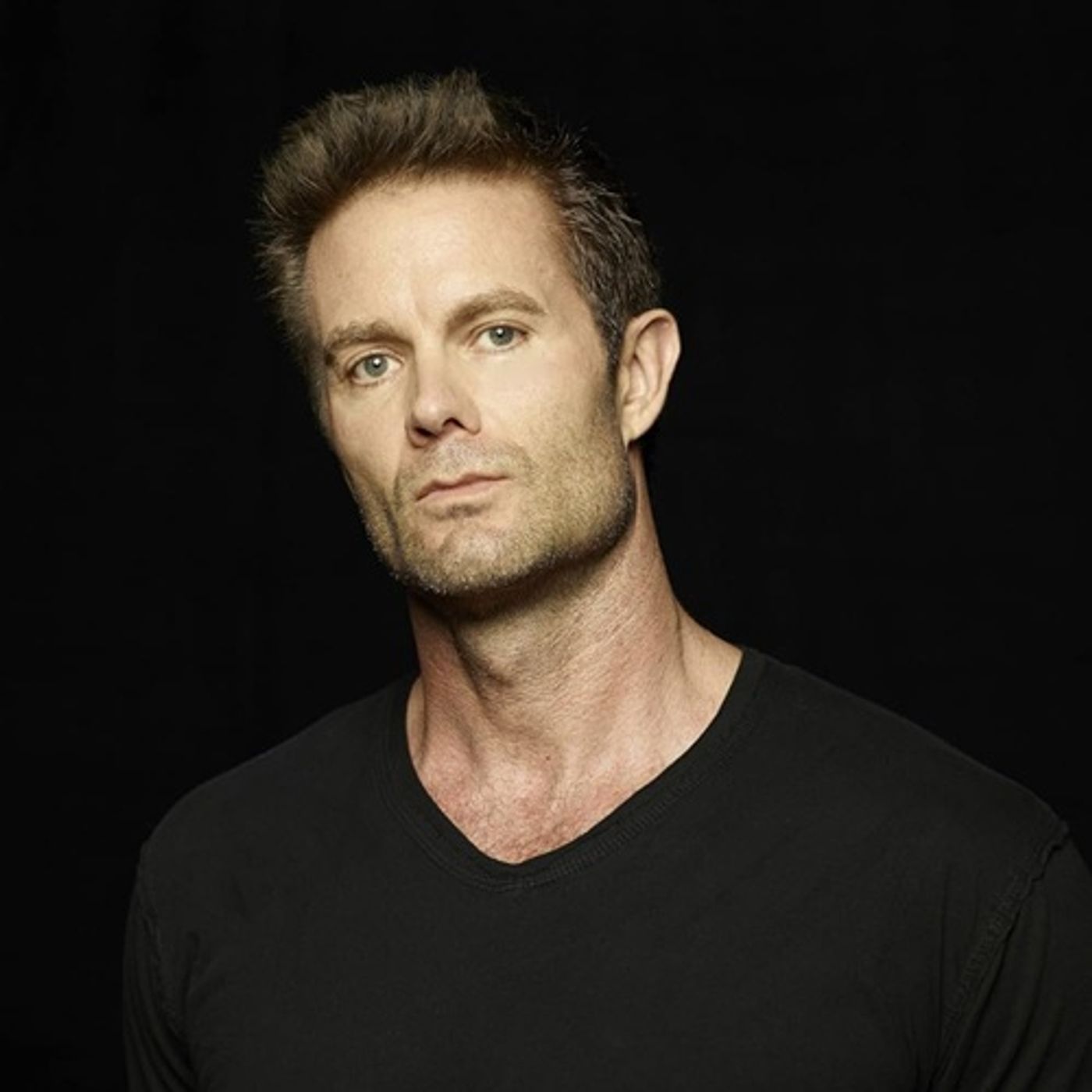

About this episode
And while we make plans to hop a freight train and see America, we also cover… Deadwood, print journalism, Ride a Wild Pony, Gene Hackman, different approaches to acting for different people, The Last House on the Left, Tommy Lee Jones, being a trucker, Vilmos Zsigmond, a cartoonist, working with the Coen brothers, Eileen Brennan, Lou Grant, Army of the Dead, how to make your plays actor-proof, Roger Deakins, Ann Wedgeworth, Winter’s Bone, Ryan Gosling, playing Jesus, Raising Hope, Al Pacino, The Assassination of Jesse James by the Coward Robert Ford, Any Day Now, Jerry Schatzberg, Badlands, Aaron Paul, a real calvinistic approach to acting, No Country for Old Men, reading, Alan Cumming, Disney animated movies, Ella Purnell, Oliver Sherman, Richard Lynch, comic books, Cormac McCarthy, and being a cork in the ocean.
Transcript
Automatically generated, so expect the odd misheard name.
Hey, I'm W. Earl Brown. You know, that guy from that thing. Him, that's me. You're listening to Movie Meltdown.
What's up and welcome to Movie Meltdown's Unsung Cinema. I'm Brian, and in this series, I welcome a guest to discuss their involvement in film, And then we round out the episode talking about a movie that they enjoy, but maybe it doesn't get the respect that it deserves. And in this episode, I'm talking with Garrett Dillahunt, an actor who I'm willing to bet you've seen in a lot of different projects over the years. You may know him from TV, on series as diverse as Deadwood, to Raising Hope. And by the way, we'll mostly be discussing movies on this episode, but I do have to say, his portrayal of Bert on Raising Hope is nothing short of brilliant.
If you didn't catch it when it was originally on, definitely go check it out. But as I said, we'll be focusing more on Garrett's film career here, and over the years he's worked with a wide array of filmmakers, from the Coen brothers to Rian Johnson, from Zack Snyder to Michael Bay, and in each performance he continues to showcase this amazing range of characters. Regardless of visual style and different tone that's thrown at him, whatever the movie is, it's always an improvement when you add Garrett to the bill. So we'll only be able to scratch the surface on all of his roles over the years, but That's because we want to leave time to discuss Garrett's movie choice. And this one definitely fits the theme of our show.
Because how a movie that stars Gene Hackman and Al Pacino has managed to stay off most people's radar is very strange. The movie is Scarecrow, and it was released in the 70s right in the middle of both performers becoming two of the most influential actors in Hollywood. And yet, outside of hardcore cinephile circles, I never hear it discussed. But this episode, we'll do what we can to remedy that. So with that, we've got a lot of ground to cover, so let's get right to it as we talk with Garrett Dillahunt.
I usually start at the beginning and just try to get a sense of how people got into this and where they started. So you didn't really grow up in California. Was it Washington? Yeah, I grew up in Washington State. I was born in California, the Bay Area.
My father was a trucker and moved a lot for work. Three boys, they had two brothers, and we all were born in different states. So we left California. We lived a few different places in California. I left there in third grade and got to where I think of as my childhood home kind of by mid-fourth grade in Washington State.
I guess if you were doing a lot, was that okay? I know with some kids that would be sort of traumatic, but if you did it a lot, I guess you got used to it. I guess. I mean, we, you know, you're a kid, you don't know what's weird or not. Yeah.
It's just, this is where we moved. I don't, I don't recall if it was hard or not, or I was always kind of shy. So it wasn't, I don't, you know, I feel like I'd be lying if I said like, yeah, it was so hard and, I had to be the class clown in order to make, I mean, I just didn't do any of that stuff. We just moved and that's what we did, you know. Well, then what were you interested in that young?
Was there already artistic stuff or was it just kind of what was going. On as a kid? I don't know. I mean, I always liked to draw. I thought I was going to be a cartoonist someday.
I liked reading. I started reading really early. Started school when I was four. I think mainly because I was just a pain in the ass, and my mom was like, please, please take this kid for at least part of the day because he's burning through the workbooks I get him. You know, I'm a curious kid, and my elephant book, I think, was my first book I read, and I've never stopped reading.
I always have books and collected comic books and drew comic books and, you know, pretty typical nerd kid. Oh, yeah. That was most of my childhood. Yeah, right. Aren't you glad now?
Definitely. It's certainly led to where I am. And that's, I guess, with you too. Was there stuff you were watching at that point? Did movies already kind of kick in that early or did that come later?
I enjoyed them, I'm sure. I don't remember what I was watching in third and fourth grade. I liked, you know, Disney movies. That used to be how I'd blow out my candles on my birthday. My wish would be to see every Disney animated movie ever made, because I thought that's what I'm going to do someday.
I know by seventh grade or sixth grade, I'd sent some cartoons to Disney that I'd drawn. And this is a testament to the difference in the times, because I don't know that anyone would take this time anymore. But I got a letter back from them with my drawings returned. And a nice letter saying, you know, like, we're so thrilled you reached out to us. Yada, yada.
It's hard for us to evaluate a young artist's work when he copies other artists. Because I would just go to a cartooning book and draw them, you know. He's like, please, you know, create your own characters. You know, keep studying. Try different things.
And sent me tickets to the movie that was out at the time, which was, I think, Ride a Wild Pony, it was called. Which was pretty nice. That's, that's kind of amazing. And that's part of one of the ones I keep returning to too, is like how different the industry is as, as you go along your journey, but especially like looking at the way things are today, it's, it's drastically different. But also like looking back, like that far back, you would have a hard time even knowing where to send it to.
Like in a way kids now at least have access to find things. But like back then it's like, where would you even come up with the address to send that stuff in? So that's, That's a whole different world. I don't even remember it being very hard even. I don't remember where we did.
We just looked up the address, I guess. Wow, like not on the computer, on a phone book or something. Yeah, that's so crazy. Because, yeah, I think back that far back, we were so disconnected from the rest of the world. It's crazy.
Well, then I guess when did performing come into play? Was it anything that young or was it further on? Yeah I never really had I mean I think back and I realized that I did plays like at church or in sixth or seventh grade we did like Pee Wee Schoolhouse or something some small thing but it was never like oh my gosh I've got to do this I was painfully shy I never did any plays in high school or anything like that my brother did a few musicals my older brother was very musically inclined and I just couldn't imagine doing that. It just seemed terrifying to get up in front of the whole school, you know? That was pretty much where I was too.
Yeah. Yeah. It was not at all on my radar. I was going to be a cartoonist for a while. Then I, then I decided I was going to be a journalist because I really enjoyed working on the school newspaper, kind of a hot shot on the paper and fancied myself, you know, Lou Grant or something.
I'm, And it was very romantic to me, and I thought, this would be a great life. I mean, you eventually kind of pursued that. Do you think that would have gone well if you went into journalism? I don't know. I mean, it's changed just as much as my business has.
You know, AI and the internet has not been kind to journalism. Yeah, there's not much of a market for it now, really. Yeah, it's not really journalism in the same way. It doesn't feel brave. It feels like you're deciding to be a servant to some master or another, and How do I get eyes?
And what can I write that's the most click-baity? And I'm sure a lot of journalists are very frustrated. They've crossed over too. It's like it's rare that anybody just does print now. Like you have to be on video.
You have to be creating one way or another. So you couldn't even do print journalism or very rarely anymore. That romance is gone. I worked for a paper for a while and, you know, It was just so wonderful just to go out and do a story. And you're your own cameraman because it was a small-town paper.
And then you take a negative of the entire page and develop that. And that's what they're printed off of. It's just the romance of that is gone. It's a lost art form. I mean, nobody knows how to do that anymore.
Yeah, it's true. So I guess when did, is it the way like college before plays or anything? Yeah, yeah. I went to school to study journalism at the University of Washington in Seattle, which was the big city where I was from. I'm from a little town called Yakima, which is an agricultural community.
A lot of apples, hops, cherries. You know, my father... was in the trucking industry. And so that's why we moved around so much. And that's where he settled. And that's what the companies he worked for hauled was fruit basically and stuff like that.
And, uh, so I went to school for journalism, but my, my, my last year of high school, my, my older brother was, uh, tragically killed in a drunk driving accident. Um, which, you know, my normal weird little family, um, was kind of thrown for a loop. And I'm in college now and sort of following the plan I had, but my heart's not really in it anymore. So I just kind of drifted. I just kind of drifted through.
But anyway, sorry, it's a... don't mean it to be maudlin, and it comes up in interviews a lot, like, how did you get started? And I was like, well, here's the depressing part. Yeah, I mean, but that changed. Yeah, and part of that requirement of the playwriting course was to take an acting class so that you knew what you were writing for. You had a little inkling of... what was required by the actors and how to write better for that.
In fact, how to make your plays actor proof, you know, the proper use of stage direction or indication of what you feel the characters should be feeling or going through at a certain time. And I was mortified at the thought of this acting class. I did not relish the thought of getting up in front of my classmates and just humiliating myself. You know, I didn't feel, you know, being a year young for my grade, through grade school anyway, was just, you know, I'm smaller than everyone for most of the time. You're always different than everyone.
You're shy. Yeah, the girls forget it. You're not getting a date, you know. And so you internalize these things. You think this is who you are.
This is how it's always going to be. And so I was just, you know, really shy. But lo and behold, and I was nervous as I would get, you know, when I hit the stage, I just felt completely and oddly... freed in the skin of somebody else. And I realized that this is exactly what I needed because I just didn't want to be me. I was angry.
I was hurt. I didn't know what I wanted to do because I just learned that life is short and can be taken from you at any moment. And I was like, well, damn, I don't want to do something I don't enjoy. And it became real therapy for me, and I just threw myself into it. I was doing scene work for my own class.
I would audition for productions. I would do scenes for the directing students. I was just going all over campus all day, all night, just nonstop, just playing as many different people as I could and really trying to immerse myself in those people. And I didn't know that I'm training myself for a career. I didn't know that I was solidifying habits or I just knew I didn't want to be me, and I wanted to be as far from me as possible.
I could say all these great words from all these super intelligent people who were much better writers than I was, so I always knew what to say. I was never fumbling for words because they were right here. It was fantastic. I'm grateful for those times because I'm still kind of doing the same thing. just with less discomfort about, you know, who I am. But, uh, it is also interesting to, to think about how, how you solidify habits, you know, how, just like, you know, ingesting and internalizing that I was not worthy of a girlfriend or that I was going to be small, that I'm shy, that no one wants to hear from you as a mistake.
It's just as much of a, a mistake in a way to just think, uh, because I had no thought about the business end of things. I didn't think about like educating myself for the business of this. I just knew that I'd do anything, anywhere, anytime, any kind of character, give it to me, I can do it, you know, and that's a great thing, but it becomes an obstacle at a certain point in your career. Yeah. I mean, that's a lot to kind of take on at that point.
And then, I mean, I guess that also just sort of builds you up, like as you as you keep doing it, you also get a little better at it each time. And it gives you a little more confidence, even if you don't realize it at the moment, you know? Yeah. Well then I guess what, what made you flip the switch of like, Oh, well now I, I might need a career. Like, were you still assuming you were going to try to do journalism or was it going to be a different job?
Yeah. This upended all my plans. Cause I was like, I'm an actor. This is what I'm going to do. And big shock to the family as well.
Yeah. It's not a huge leap from journalism, not like journalism is super lucrative for most people. But it was just a shock that little shy Garrett wanted to do that. And so I found it my last year of school. I was like, well, now I guess I'm out.
I stayed and I worked. There was a guy named Bob Hobbs who used to run the graduate acting program at the University of Washington. Right when I was there, there was this whole sort of coup thing. And he was ousted as the department head of the graduate acting program. Kyle MacLachlan went there.
A lot of pretty great actors. Patrick Duffy came through UW at the time, and he was their teacher. So they brought in this new guy, and Bob was kind of, because he had one more year of his contract, so he taught undergrads for one year. And it was a very rigorous audition process, and a handful of us got in. And so we became this sort of de facto, you know, him thumbing his nose at, you know, the university brass for ousting him.
And so he sort of worked us, real Calvinistic approach to acting, you know. And he just worked us to death and we sort of became this sort of unspoken competition to the new grad program. It was like, well, I'm going to take these undergrads and mold them into this incredible whatever. But it was very good news for me because I just got this incredible teacher very early on. And he got me ready to go out, go out in the world.
And I acted around Seattle for a year. I realized I didn't really know what I was doing still, so I decided to go to grad school. So I crashed the auditions for grad school in San Francisco, and I got into a few programs there. Does the schooling, I mean, obviously you stuck with it. So I guess that, cause some people just seem like they throw themselves in it without any training.
And like, so I guess it was instrumental for you. Yeah. I, I don't think everybody needs training. Uh, although I think you do better with some training, whether that's a, whether that's a conservatory program or not, and it's up to you, but I think class is beneficial just someplace to practice. You know, you can't just go in and wing it.
Um, I think that's why there's a lot of British actors that come over here are just so much more facile and comfortable with language and really good at, they have a real solid technique. And it's why a lot of people hire them, you know, and why they come over here to work. And I think that's a better idea than just showing up and winging it and just being like, I don't know, man, I'm just going to wing it. It builds those good habits that at least then you know how to get yourself into the process versus just showing up. I think so.
But like I say, not everybody benefits from training. I was so green that it was a great idea for me. I walked into a place, NYU is the place I chose just because I've never been east of Montana. That was my logic. I walked into a place that you got 15...
You know, people waiting to work with you. You got a whole staff. You know, it was a very welcoming experience. You know, if you're going to move to someplace like New York, to have a place to go, to practice every day and get better and get better and perform. And then eventually agents come to the shows.
And, you know, for me, it was a fairly quick... I had an agent by my second year, you know, and I was like, geez, I just started acting two and a half years ago. You know, it's... It was really good for me, and I have real fond memories of the place and, you know, stay in touch with my teachers who were still alive from those days, you know. It was great.
It was great. A great place to go fail, you know. That's part of it, yeah. Well, then was the transition to film an easy one? Because that's a different process, too, is having to work to the camera versus an audience.
Yeah, I mean, I'd always been accused of being small anyway, sort of small and detailed kind of work, which doesn't often work well for stage. So in a way, I think I'm better suited to film and TV. But we didn't have a ton of film training at the time. Their prevailing theory was it's the same thing. You don't need it.
Just be a little more precise, be a little smaller. But I always used the word smaller, which I didn't need to worry about because that's what I always did anyway. But that's not totally true. It would have been great to have had some film and TV training. And this kind of goes back to what I was saying before about having no real business plan for myself.
All I wanted to do was play different characters. That's all I wanted to do. The farther from me, the better. It was therapy, sure, at least for a while, but then it becomes a challenge. You don't think I can do that?
Watch me do it. Unfortunately, that's not great. A great business plan. I didn't even know when I– because people don't know what to do with you, especially when you're young. As I got older, that becomes your pigeonhole.
Oh, you're the guy that can do anything. Even if you can't do everything, you let them think that. And you're like, yeah, yeah, that's me. I can do anything. If you're convinced you can do it, then you're at least in the door you know.
But you know early on they're looking for one thing you know most movie stars they do the same thing over and over again you know it's very it's comforting it sells tickets you know if you go in and you're like oh my god is that the same guy like that that doesn't sell a ton of tickets it's impressive to your friends but but it's it's what i. Liked It is true. Just kind of looking over your different roles over the years, it's a very chameleon quality of you can be entirely different characters, which in general is what you're supposed to do. But some people aren't that good at it, whereas you just are completely different from one role to the next. And I don't know if it's ability or opportunity.
That's the opportunity I've had. I look all right. I'm no Robert Redford, so maybe I was never going to be you know, the one that all the girls want, you know, but I didn't try, you know, I didn't even, I didn't buy that either, like no girls ever liked me, so why would that change in the movies, or you just don't know, you just don't, you don't know yourself well, and I just did theater about seven or eight years, pretty solid, right out of school, I didn't even think about film or TV, and I just, I just got hungry one day, I just was like tired of living check to check, and job to job, and digging myself out of the hole every job and then slipping back in between jobs. And I was like, maybe I should do some film or TV or something.
I think that's what leads a lot of performers. Yeah. You know, it's just like, why did I wait so long? Like you could have, I wish I would have mixed it up a little more earlier on instead of just sort of, I've always been a little bit cork in the ocean about my career. I just feel like, well, whatever's going to happen is going to happen.
I guess I'm going to live here for a year. Where's this place? Okay. Okay. You know, and I've always had a lot of envy and admiration for people that kind of plot their course or like, this is what I'm going to do and here's how I'm going to do it.
And I'm just like, wow, you can do that? Oh, I guess you can. Shoot, I should have done that. Now it's too late or whatever, you know, but I still feel that way. But I mean, it turns out differently.
I mean, you wouldn't necessarily, there's so many kids you see that are immersed in it so early on that they don't even know a different option. And then sometimes it totally backfires and they have shot themselves in the foot as they get into their careers. There's no template for sure. But a lot of things that I find, I don't know if everyone else feels this way, and then they might in other professions. At the lowest times, you compare yourself to people, which is the worst thing you can do.
And you realize, oh, I could have done something a little different here or if I'd have made a different choice there. It might have spawned this thing I say I want now and you don't have. And, you know, you can't spend too much time looking back, but I think it might be important every once in a while to look back and learn. Yeah, definitely. In general, we need to do that as people.
We don't always. Yeah, to not look, to not, you know, just keep repeating the same mistakes over and over again. Definitely. Well, I wanted to hit a few movies. I know we...
Again, you have so many, it's kind of hard to pick. I think I've just thrown out a few that were like very different and bigger directors to work with. So, I mean, I guess just the fact that you worked with the Coen brothers is kind of amazing. So how was it being on that set and how did they work that, you know, was different than what you'd seen up to that point or since, I guess? Yeah, it's funny.
I'm in New York at the moment. I just was walking by the building that I don't think is their offices anymore, but It was then, and I remember walking into it to audition for No Country for the first time. They're great guys. I wish I knew them better and had worked with them more, but they're very specific and eclectic in their own taste and their own desires for the kinds of movies they make. They make all different kinds of movies, which is amazing.
I think it's confusing for audiences sometimes. Yeah, but it's also like... A, how rich do you need to be? And also, what interests you? I'm pretty sure they feel like they've got a fine life, they've had some amazing experiences, and they want to do the things that interest them instead of chasing current fads or whatever.
I don't know. Maybe they're kicking themselves and wishing they were directing big blockbusters or something, but I don't know. I've always been drawn to that kind of person. Yeah. And I was a huge fan of Cormac McCarthy's writing, so I was determined at the time to do every Cormac McCarthy adaptation ever made.
I got in two of them, but that's it so far. They seem so detail-oriented. Was it different on the set of them trying to focus on specifics, or was it just kind of. Your normal performance? No, I don't know if it was normal at all, but... it's just a very wonderful atmosphere that they create.
And I'm assuming they do it on purpose, but what was bizarre. And I was talking to Richard Deakins about this on his podcast. You know, they storyboard heavily. They, they have a plan. They know what every shot's going to be, but I never felt like that.
That's kind of impressive that they're, They're still working within that framework, but they're letting you do what you need to do. Oh, and I think I called him Richard by mistake. Roger, of course. I worked with twice that same year on No Country and Jesse James. Just a humongous fan of that guy and really fun to be around.
But, you know, I would do something very organically, I felt like. Like, what do you want to do here? I never recall them saying, this is where you're going to go. They just say, you're going to go up to the door. I'm like, okay.
And I'd say, I think I'd do this. And they'd be like, okay, great. And then you see the storyboard and you've done exactly what they drew somehow. And I don't ever recall feeling tricked or being ordered to do something. You know, Roger's really calm.
He feels like a real, you know, third scene partner in a scene. You know, just him and his camera are so somehow benevolent. and unobtrusive at the same time, like the most loving observer you're going to get. And it was just, it was just a wonderful experience. You know, I auditioned several times for Moss every time they had Josh Brolin, wasn't the first choice, wasn't the first offer, I should say. I think Heath Ledger was in there for a while and it was too much like broke back for him and for some reason or other him, Joaquin, other people would fall out and they would see me sort of, and other people too, um, between, and it just became apparent that I'm just not famous enough.
You know, you need someone with a little bit of, a little bit of juice to, to help them sell the movie, you know, which makes sense. And so they gave me this, they gave me this other part, which was a fine part and a fun part. And I got to hang with Tommy Lee and them and, you know, who's also a director in his own right, Tommy. So I felt very well taken care of and very much over my head in some ways, but also right at home. I wish I'd fit into some of their other movies that they've made.
Yeah, they're supposed to be coming back together. So hopefully, yeah, we can see the brothers back together again. You mentioned Jesse James. You've got a lot, even around that time, that are super heavy material. Sometimes I'm watching some of these and I'm like, did they just call you in for the darkest parts of the story?
We just need this guy to ride a horse and get shot. Is it almost overwhelming, some of the darker material that gets thrown at you, or is it just part of what you did? I've never been one to internalize the part. Maybe my wife would disagree, but I never feel that affected. I think it's important to put it away and go home.
And I like that demonstration of craft, that you can click in and out of it at will. I like that. Some of the heaviest stuff is the most goofy between takes, I think, to sort of alleviate some of that tension. For me, some of these experiences, it's always about... Like my own fear about not having work.
Deadwood had just ended. I think I was one of the few guys in Hollywood that had a beard at the time. It wasn't as in as it is now to have a beard. And I thought, will I ever work again? Will I ever work again?
Deadwood was such a mountaintop experience. And I auditioned for this pilot called Book of Daniel, in which I would play Jesus Christ, like literally Jesus Christ in robes. That's a lot to deal with. Yeah, and I got it. Aidan Quinn was a great cast, but doomed from the start.
And the pilot wasn't picked up, so thankfully. And then I went through a rigorous audition process for Andrew Dominick for Jesse James, and I got the role of Charlie Ford. because I kind of look like the ugly Affleck brother you know I could be one of the some like mongoloid cousin or something. I'm not buying any of this. But then the pilot resurfaced and it was the exact same shooting dates as we tried everything to get out Cause it's, it's to this day, one of the best roles I've ever been cast in on film. Like it's, it's a wonderful part that just goes all over the place.
Um, and they said they just couldn't do it. They're like, he's in every scene. He's Jesus Christ. You know, I'm a, he's a figment of this guy's imagination. Brad Pitt offered to do a guest spot for them if they would work around it and let me play this part.
And they just couldn't do it. I don't think Brad had done television at the time. Um, Which just boggles my mind that they'd say no to that. But regardless, you know, and everyone's nice people here. You know, they didn't know everything was going to go to shit, you know.
So they cast me as, you know, in a different part in Jesse James as Ed Miller. You know, a much smaller part. And we got Sam Rockwell to take over Charlie. So that's kind of one of those things I'm talking about. Just this sort of cork in the ocean way and not giving in to fear.
Things you wish you'd done differently. If I'd just been a little more patient and believed in myself a little more, I wouldn't have been so desperate to take any job that came my way. And after a while of that kind of thing happening or you're just taking whatever work comes your way, then you run the risk of being unavailable for a lot of things that are better or you run the risk of pigeonholing yourself in the eyes of the industry to be somehow less serious or somehow less worthy of more responsibility. It's a, it's a weird thing. Yeah.
Yeah. So Jesse James conjures up all kinds of memories for me is my point. You know, most of it being regret, but also thrilled that I could be a part of it. I mean, it's, again, it's just, there's so much, there's only so much you can do, you know, sometimes things happen. And as you're saying, you're just kind of learning and, to go with it and make the best of it.
And when you're that committed to it, yeah, I mean, it still comes through. Yeah. Another one around that time, though, Last House on the Left. I've always been so impressed because the way that that story originally was, it's making such a small change, really, in the specifics of how it went from the old version. And, like, it just adds such a layer to it. but that is just so dark.
Like it just, it gets so. Which changes that? What's the different part? Again, I guess no spoilers, but to me, the minor adjustment from a plot point is not killing off their daughter. And like that, I feel like completely changes the motivation of the parents because you can't, like you, if you watch the, you know, the, the, the west version it's like they don't really care anymore like you can't like you've lost the only thing that matters to them so at this point it's just revenge at any cost if it takes me out in the process who cares i just want revenge where you don't have that in the remake like you they need to be there for their daughter but also there's just vengeance now so it's i feel like that's such a an interesting move that got thrown in there that makes it almost an entirely different story Yeah.
I mean, both movies are remakes of The Virgin Springs, which is weirdly, I mean, it's like the attack is horrifying in that movie and how the kid sort of shovels that handful of dirt on the dead girl's face to hide it because he can't stand, he can't take her sort of looking at him. And then she's just this, pale corpse with this obscured face with mud on it you know it's horrifying you know and then also the Vietnam War I mean the first one was kind of a response to the Vietnam War you know like the audience response was so different between the two like it was horror in Wes's show that the parents had sunk to the same level like that was not a good move that was like oh no like the now everyone's lost.
Yeah. It just seems so hopeless in that first. Yeah. And our version, it's people are cheering. Like they're, they're tearing the roof down for the parents to, to give, to give back a little bit, you know, and it was really interesting sort of difference in the, you know, in the audience and the, the, you know, sign of the times and all that.
It's, it's really interesting, but yeah, but I thought for remakes, I thought we, other than the ending, I thought we made a really good one. Yeah, I mean, again, I think, especially they were doing a lot of remakes at that time, and I think it maybe gets swept up with some of those others, but I think it's, yeah, it's such an interesting take on the story. Well, I was jumping ahead a few years, but again, mostly for drastically different types of films, still kind of horror, I guess. I recently was re-watching Army of the Dead. That, what is, I mean, Zack Snyder has such a, distinctive visual style.
Like how different is it being on that set and the way that he sort of runs things? I loved it. You know, I, I, I don't know if he likes me or not. I hope so, but I sure liked him. And, um, I just dig how much he loves movies.
Um, there's a big group of people, a lot of egos he had to manage. Um, But I know it's not his. What? You said not his? Was he not in there in the ego department?
Well, I'm sure he's got a healthy ego. I think he's a confident guy. But it didn't feel in any way unhealthy to me. I just liked him a lot. He seems fair.
He seems kind in his way. He's a really good athlete. Um, and that would get frustrating sometimes he, because he'd be like, and then like, what if you come over here and you just kind of, you do this and then you, um, I don't know, maybe toss this thing over here. And, and whatever he would say, he would just accomplish like immediately. Like I was just like, okay, dude, can you, cause then I would take like five takes to get it right.
Cause I wouldn't, I would miss, or I would throw it in the wrong spot or, you know, like close, but not quite up close, but not quite. And he, you know, so he was intimidating that way. that he was so much more capable than, and I sort of fancy myself a good athlete, but I really like him and I hope I get a chance to work with him again. I haven't, I haven't seen him since those, those times, but it was a fun shoot for me. I dug it. When you mentioned the big cast, that was one of those, one of the, I remember kind of wanting to rewatch it because that's one of those earlier for Ella Purnell.
That's like before she, she just had such a run recently. Do you remember on set? This was kind of what I was watching because I feel that even as an audience member, sometimes you just see somebody kind of hit their stride and like you see them sort of come into their own as as, you know, an actor and sort of career wise. So I don't know. Did did you feel like, you know, or even just in general watching like people coming up over the years that like you can you can catch a performance and be like this kid, something about this kid, you know?
I think you can smell it on people. You know, I was fortunate to be, like I was in Ryan Gosling's sort of big breakout role, The Believer. You know, no one knew who Ryan Gosling was outside of television. I don't know if it was his first film, but it was one of them. That was like 2001.
You know, that's a long time ago. Yeah. Jennifer Lawrence's first film and Winter's Bone kind of put her on the map. That was one I was thinking of too. Like she, that was like an announcement of her.
Yeah. And, and you, you know, there's a reason that, that someone was like, this kid's going to have this movie, this girl, I think there's something special about her. And it's wild to see, you know, it's, it's wild to work with people who are the leads of the movie. And they'll say things like, Oh, we studied you in acting class. And I'm like, you did shit.
And what did I do wrong? You know, or it's just, it's just amazing that time can pass that way or, or, you know, and Ella, you know, she, she, I just think she's amazing. She's got these Betty Davis eyes and, you know, when you meet someone and they don't seem to have any awareness of their sort of timeless beauty, say, or, you know, and she's got great sense of humor and she's just hang, she's a good hang. Like she could hang with anybody and just sit around and shoot the shit. And, you know, I liked her.
She talked about a review one time where, some play she'd done in the, in the reviewer was mean to her and said, but the eye to face ratio of a squid. Wow. That is uncalled for. Yeah. And also just like, are you insane?
Like this is, this is one of the most amazing features about it. So she was, I just called her my little squid the rest of the time, but just to take the power away, you know, but definitely. Cause she's, yeah, she's gorgeous. It's ridiculous. Yeah.
Yeah. It's ridiculous. You know what I mean? But it, It's amazing to me to meet young people that are unaware of these things, and you can't really say it. You can't talk to someone and be like, oh, you're so gorgeous.
It's creepy. It's creepy. you know but you want to reassure them you want to be like I don't know what mirror you're looking in but this is not an obstacle you need to worry about you know you need to do whatever work you need to do sure but you know you're going to do great things and it's really fun to see you know what happens with people that you sort of cross paths with you know i remember aaron paul in last house i was like what are you doing this he's like i'm doing this pilot thing i don't know it's kind of weird what's it called breaking bad. And i've never heard of that again i. Know but it's just like wow like you just don't know sometimes you just you just you just don't know what's gonna what's gonna pop and what isn't what's gonna grab the zeitgeist you.
Know and And it can kick in so fast, like within a. Couple of years. Yeah, and that's freeing in a lot of ways. It's like, well, I can't. I've been parts of many things that are like, oh, my God, this is the one.
This is going to blow them out of the water. And then it's like it just doesn't even register. And then things you pass on that become monstrous or little things you do that you're like, oh, no one will ever see this. And you're like, oh, this is a massive. Like we did this indie film called Any Day Now.
Great director, young director named Travis Fine. Me and Alan Cumming are the leads in it, right? And it's a semi-true story about these two guys in the 70s. Alan's very out and proud. My guy's closeted and comes out and falls in love with Alan.
And we both, we decided we were going to try to raise this sort of homeless boy with Down syndrome. And the courts won't let us keep him. You know, it's his whole sort of tragedy and he gets to go back to his birth mom who has a drug problem and kid dies, you know, spoiler alert, but, you know, it was a wonderful movie, and it won all the audience awards at every festival it went to, you know, it was a tearjerker, and then in Japan, they changed the name to Chocolate Donut, because the boy loved chocolate donuts. Lines around the block to see this thing, people just, people coming with boxes of Kleenex, you know, knowing they're going to, and wanting to cry about it, and they're just, They made a stage play about it, a stage musical about it.
They loved this thing so much. And it was just this so low budget indie. We're living in honey wagons while we make it. We have the worst wigs you've ever seen. There was no money for anything, but everybody gave 100%.
And it was just like, I mean, who would have thought that this would speak to a Japanese audience so. It's such a different culture. Yeah, you can never tell what kicks in in different places. Or just what project is going to grab people by the heart. It's almost like the stock market.
It depends on geopolitics and other things happening in the world about what's going to grow and what's going to die. It's weird. Well, that was, yeah, I was in the unsung cinema vein. I was going to ask, so that's one. What's another one that you've done over the years that is really, you know, in your mind really good and just hasn't really caught on that people should probably go find?
I don't know. I'm really proud of this movie called Oliver Sherman. Yeah, I was watching part of that this week. Yeah, it's another, it's pretty serious. Yeah.
Yeah, it is. You know, great young directors. I don't think he's directed since. You know, Ryan Redford, you know, is a very unique, exacting personality. And I wish he would.
I think he's a great writer and a very sensitive touch. But I'm just really proud of it, you know, as a sort of small piece. I think it just really works. It's Canadian style. I got nominated for a genie award back in the day when those existed, like the Canadian sort of Oscars.
I mean, awards are kind of silly, but it was nice to be there and, you know, competing with Viggo Mortensen, you know, and you're like, Hey, but I'm real proud of it. And, you know, I've got a lot of things like that, you know, ever since Deadwood, I try to make everything into Deadwood. You know, everyone on that show just tries to recreate that experience. It was just such a wonderful creative time. Um, So I guess that's why we're dissatisfied because there's no way you can recreate that, especially in today's world.
There just isn't a time. No one's going to be that patient. Yeah, that was, I just recently was talking to W.L. Brown and he was kind of that same thing. They're trying to recreate that scene on the Mandalorian.
So it's like them in alien makeup trying to deliver, you know, cocksucker lines back and forth. He had the same response. It's funny, man. This life is funny. Well, I definitely wanted to get to, that's sort of the focus of it eventually, is come around and find a movie that you also feel people need to go out there and find, and one that you've been attached to over the years.
So I will give the breakdown here for your choice. Oh, all right. Let's see. Our unsung cinema feature is Scarecrow. The year is 1973.
The director is Jerry. Is it Schwarzberg? Schwarzberg. Schwarzberg, I think. And the plot, according to IMDb, which is usually questionable, an ex-con drifter with a perchance for brawling is amused by a homeless...
Yeah, that is how it phrases it. is amused by a homeless ex-sailor, so they partner as they head east together. Awkwardly worded. So, spoiler alert, we're going to ruin the hell out of this, so... hopefully you've already gone and watched it by now because this is one of those and that's why i was glad you threw it out there this is one i've heard of for years i actually listen to a show and i swear every two months he will bring up scarecrow as like such a a movie that like he just keeps going back to and just going back to that well and i was like i have to watch this and then this was i was like okay well this is the excuse we we definitely should should discuss that so I guess my question for you is, what's your history with this movie, and when you first saw it, and what was your first impression of it?
Well, I get why it's not some people's cup of tea, and maybe especially today. But it just opens so beautifully, I'm sure, is what hooked me at first. I don't know if you saw it, but just the opening shot. The visual, just that him walking down the hill is amazing, like from the get-go. In this sort of stormy sky.
Mm-hmm. The time they take, it's also a moment in time where there's some scenes in this that feel a little bit actor classy. They might go on a tiny bit too long. You're pretty sure that a good percentage of this is improvised or added to, but everyone's just so good. Al Pacino had just filmed Godfather.
Gene Hackman had just done French Connection. And I'm not sure if they were released yet or they were just released. So they got these two sort of newly minted superstars. Like we were talking about, people not knowing what they're about to walk into in the rest of their career. Yeah, and they're going to be staples on your screen until the days they die.
It's weird looking back, knowing the sort of awfulness. I just can't stop thinking about it, the way Gene Hackman's last days were. Just so strange and bizarre and sad, and you're just like, oh, Jesus, this is that guy. The DP, I mean, the DP shot McCabe and Mrs. Miller.
He shot Close Encounters of the Third Kind, Deliverance, The Deer Hunter. It's going down the list. I mean, it's insane. Every director, it's De Palma, Spielberg, Robert Altman. And he shot these iconic things.
And he shot this, this little sort of character study that just is a spiral into tragedy and sort of sadness. But, you know, these two guys just in the middle of nowhere, both trying to thumb a ride, end up, you know, sort of buddies. And, you know, I was just... re-showing my wife the scene in the prison, you know, they get, they get tossed into a work camp, which is just for a month or so. And Pacino's character is sort of an innocent, you know, who, who thinks he's a joker and fancies himself funny. And we know those guys that they aren't, they aren't even really that funny, but they just, they just try so hard.
It's how they deal with things. Yeah. Yeah. And, and, and Gene Hackman, like even, even in the opening scene, he crawls through that barbed wire fence and it kind of gets hung up on it. And he looks back at the fence. like he's about to kick the shit out of it, like it was personal.
He's pissed at a fence. He slides down that embankment and then looks at the embankment like, should I take the time to kick the shit out of this embankment? I mean, they just move through the world so differently, and they end up sort of quickly becoming pals. And that scene in the prison where Al just doesn't seem, you know, Lionel, Francis Lionel, Lion, they call him in the movie, just doesn't, read the danger he's in from another inmate. Just doesn't read it.
Which you should know, because Richard Lancer's always creepy. Yeah, and this was his first part. He did so many movies, he's always the bad guy. And this was his first film, by the way. Yeah, that's amazing because he's already got that presence as soon.
As he's in the screen. Eileen Brennan is in this. Oh, yeah. From like Private Benjamin. For like two seconds.
Like you just see. Enough for her to hook up. And she's just like in, in Gene Hackman's face. She's just like, oh, I'm about to fall down on the floor and have a heart attack. You're so scary.
She's just all these amazing actors. I felt like everyone was straight out of the actor's studio or something. It was like in its heyday where it was all about the actor's truth. And that's why it feels like some of the scenes go on too long sometimes, but. I'm just into it, and I'm so jealous of it, and this sort of time where you just, things breathe, and you let it happen.
And Hackman is so great. When Lionel comes in after he's been beat to a pulp and assaulted by Riley, who's, like you said, Richard Lynch's guy, and they haven't been friends. They haven't been friends. He cut him off because he blamed him for them being in jail. So he's like, you're on your own.
But he calls Max. Max, he's in the middle of the night. And the way Gene Hackman wakes up, first of all, is so good, just trying to figure out what's going on. And then he sees him across the room and he gets on his glasses and he puts on his shirt and he walks over there, tells another guy to stay in bed, calm down. It's like a cool hand Luke kind of holding tank.
And he goes over to him. It's just the greatest... It's this weird ode to like friendship and understanding. And the ending is such a tragedy. And, you know, the whole mission goes awry.
But you just can tell that Gene understands. And Gene's going to be there for him. And I don't know. I don't know why I love it so much. But it's just some really fine, fine laser-like kinds of... acting detail going on that i think is really really works you really know these people.
Yeah as i was watching it that's why i was like well this is so interesting you know for somebody who's spent their life doing that like yeah it's so much of this isn't just like the story because the story's minimal you know of like what they're doing it's scene to scene they're doing specific things but the overarching story is minimal it's all just character work and it's all moments with them and And they're weird dynamic. Like they're so polar opposites, but like watching them like this weird, cause Hackman is like so angry at everything coming down off the hill and then like, won't speak to him. Like Al being the little kid that he is, is just excited to see another kid to play with. And like, he wants to be best friends immediately and Hackman wants nothing to do with him.
So he's just like, they spend like a day not talking, just like ignoring each other, specifically Hackman, just trying to ignore him. And, They get this ride. And by the time they get there, this was so fascinating. That scene in the diner is so amazing. Because it's like within moments of them sitting down, it's not just like...
They're business partners. It's not just we're business partners. It's I've got enough money to get us started. It's already us. I've got...
They are a team by the time they sit down and order breakfast. And I was like, that is such a. Yeah. And Hackman is like, clearly, he's like, you're on your own in this life. You know, it's a lonely life.
You know, you got to do it yourself. No one's there for you. And, you know, it's a fantasy. You know, it's, Milch was always big on that too. Like, it's a fantasy that you think you're going to get through this life alone.
You know, we need other people. We need, in some way, You know, there's someone else that you're going to have to rely on at some point for something. And we're better off for it. You know, we're part of a larger organism. And it just feels like we're seeing that played out on a macro scale with these guys, you know.
Because he even says that. He's like, you know, I don't need anybody. I don't love anybody. Like, he says it. But even as he's saying it, like, you've watched him, like, immediately just be attached to this guy.
Yeah. as many faults as he has, this is probably not who you want as your business partner. But at the same time, I'm like, he didn't care. Like he immediately just attached himself to this guy is as much of a cranky old bastard as he already was at that point. Yeah. It's crazy.
When it's also very like the more I was watching, it's such an American kind of a tale at that point. Like it was reminding me of all that stuff. I've seen people, I got a very Easy Rider vibe out of it, and then I've seen people compare it to Mice and Men. Yeah, a lot of the reviews talked about those two movies in particular, and you've seen it before and better in those things. And Midnight Cowboy.
It's very Midnight, especially as he's hurt by the end of it, it's very Midnight Cowboy too. But it's just kind of, I don't know, something's different about it for me. I had a real fantasy when I was in college of hopping a freight, you know, and There was even a book, this underground book called The Freight Hopper's Manual, which I'm sure wouldn't work today with all the cameras and the electronics and the security and all that. But it was just like, this is how you do it. And it's what to look out for.
And these are the best stops and the worst stops. And I was like, man, someday I'm going to hop a freight. I'm going to just travel this country. But there's something about that that appealed to me, I'm sure. Anne Wedgworth needs a mention.
She played Frenchie. Oh, yeah. Who took a shine to Gene Hackman. And she's kind of Karen Black-ish to me. Oh, yeah.
You've seen her around, super sexy, super, you know. But everything she did in the few scenes she has, you know her. You know who that is. This is a defense mechanism. This is how I survive.
I'm going to cook for you. And then, oh, I burned everything. And, oh, we'll have to order KFC. And, you know, it's just. I want to bring you the beer.
Don't you bring him the beer. I want to bring him the beer. Yeah, you know her. Yeah, you know that lady. You've met that lady.
And there's a sadness underneath and there's a hunger and a fear and a desire for safety. And it's just like, you know, the different ways in this movie that people are surviving. And Hackman's almost like, again, we wouldn't have known it in the 70s. Now I'm watching him like he's almost on the spectrum. Like he's so like as he's out there, like everything has its place.
You have to put this here. He's very measured in how he wants everything. Then like his booklet he's carrying around of every dollar that he's mapped out. Like he's he's got everything where it has to be a certain way. And like is so angry when life doesn't go that way.
And so you've got his friend being like, yeah, but that's not how it works. Like you just got to, as we said earlier, you just got to go with it and like make the best of your situation and make life work anyway. And he just wants to fight that along with everybody else in the world, really. But he's such a fascinating character because he's so specific in how he wants everything to happen. Yeah.
And I think a lot of people feel Al's character is a little spectrum as well. Yeah, I got that too. Yeah. Different. That's kind of how the spectrum works.
Everybody's so different. We didn't know that possibility back in the day. We just thought this is the kind of person this person is. We didn't know there might be other things. But yeah, that whole finding yourself, to me, that was also something that was so of this moment.
Not just that they were making other movies similar, but just that 70s era brought with it that whole... what is it to be an American and go and find yourself and go, you know, wander the land. Like it, it was something that I think was in the country at that time. That's why we got so many stories that were sort of like that, but that. And the failure of that, of that dream, you know, and, and also the toss in the mix, the sort of character driven style of all those movies in the seventies, you know, electric glide in blue and the movies you mentioned, and there's just, it was just a whole nother thing that people wanted. This was the birth of the antihero in a lot of ways.
And, um, the time they took with things, it's just, you know, you're my Badlands is one of my favorite movies. Yeah. I was going to suggest that one to you, but then I was like, it's not really underappreciated. You know, I think a lot of people appreciate that. Eventually.
Yeah. I feel like it's, it didn't used to be. And then, and I think like the last 10 years I've heard more and more people reference it. So I think it found its audience. But it's, it's, You watch a car drive down the road for like three minutes, it seems like.
It's like, okay, we got it. And you know what the sensibility to do, but like, oh my God, okay, we got it. Was anything going to happen in this movie? And you're like, it's just such a wonderful time to be an actor, I think. Yeah, I think that's so much of this movie.
Like I said, it's not the plot. The plot is we're going to start this business, and that's way off at the end of the movie in your thinking. But everything that happens in between there is just character moments of them and what weird things they do and how peculiar they are about every little thing. Again, I don't know that anybody would write a movie like this now. It's so immersed in these guys.
Yeah. It's almost, I mean, it's like we're just peeking in on them for a short period of time and it's like you leave and you go, I wonder what's going to happen to those guys. I wonder where they ended up. Because it doesn't, it's unresolved. I definitely want to come back to the end.
But yeah, that was kind of like trying to figure out what we're supposed to take from this. And like, if there was anything I feel like my best attempt at like a takeaway is like trying to find balance. It's sort of that golden mean of it all that like you see these two approaches to life and neither really work. But like they influence each other a little bit and I guess is most successful with Gene Hackman. Like you see like through the entire movie, all he wants to do is just fight people.
Like he's just angry all the time. But we finally get that last scene when they're together and like he somehow avoids... You know, he starts to the point of you watch Gene Hackman do a strip tease that you didn't know you needed to see, but there it is. Here's another way out of this. I don't got to fight this guy.
Let's just make a joke. Yeah, you taught me how to laugh. It's like so that he finally rubbed off on him enough that like, I mean, we watched him. That's how they got in the work camp. He wanted to blame his friend, but like it's him just being such a hard head.
He just wanted to fight anybody and do anything he could to cause problems. And like he's his own worst enemy. But by the end, it's like you see him affected by what Al Pacino's kind of brought to him. And neither of their plans was really working from the start. No, not really.
But it's also a very modern notion that there has to be some kind of lesson. There has to be some kind of moral here. What am I supposed to get out of this? And it's like, I don't know if that's another thing about the 70s movies that I liked so much. There's so much left up to me.
There's something more poetic about it where it's like, I'm not quite sure what's going on in this poem, but it's given me a certain kind of feeling that I like. And, boy, this one line, this one couplet sure resonates for me. And it's so beautiful. Somehow it tells a story in a way that doesn't demand, and the lesson I'm trying to teach you with this film is this. And it's like, well, why don't you just tell me that and save me two hours?
I would rather... I would rather have an experience, you know, than be taught a lesson, at least so blatantly. Yeah, not hit you over the head with it. Yeah. Where this just.
Plants it in there and like, you got to find it, really. It's like, unless you're willing to look for it, you're just like, by the end of the movie, it ends. And you'll, if you're a normal moviegoer, you're just like, what? That's the end? Like, I can see so many people being frustrated by the way it ends.
And I'm still a little perplexed sometimes, but I. Yeah, because it's just gone. You're just like, does he get out of this fountain? You know, does it, you know. When he's still like, Hackman's still relatively angry.
Like he's still just pounding on the counter, this poor woman. Yeah. So he's still hostile, but we've seen a little improvement with him. And life is fucking hard, you know. Yeah.
It's like you watch the, once you go through the whole... baby mama situation it's like that just sort of breaks him and that was my other half of that scenario is like you watch you know Hackman's always angry and it doesn't work but you know Pacino's just he I'm gonna be a clown and like but the clown is just the cover-up like you're not really as much as yeah it gets you out of situations sometimes but it also isn't dealing with any of the problems really and you see that like to the point of like he spent so much time not dealing with his issues so much so that he left, you know, he went to go sail on a ship just to get away from the reality of like, Oh God, I got this girl pregnant. Like, and then he comes back and he's faced with it.
And like it, like something snaps in his head. So my, you know, he so didn't deal with it. It broke his brain. There's so much to think about, you know, you don't get, you don't get to dictate how things go, you know? Yeah.
There's consequences for your actions. There's, you know, it's not a fairy tale, this life, you know, it would have been great if it did work out. And she's like, yeah, come on over and let's be a happy family again or whatever. But, you know. That's not reality.
That's not, I mean, she has right to be angry at him. You know, it's like, I get it. And like. Same with Badlands, you know, it's, you know, you could break it down and be like, oh, this is about, you know, cult personality or, you know, the hunger for fame leading you to the, you know, and all that's in there, but it's just, it's just so much subtler and it's so much more sort of just, you know, you, you get to learn these things by the little character, you know, details that are made, made it out to you over the, over time that you, that you build this whole round full 3d person, you know, by the end. And it's just, it's just a fun, it's just a more fun way to tell stories in my opinion.
Well, and it's, it's subtle. Like that was the other, the only other sort of takeaway is like, if, If it were totally grim, you'd just see Gene go off and whatever, but we specifically get that line that it's a round-trip ticket, that he's coming back. We don't know how long it's going to take, if he's going to go try to make the business work and then, but we know in his mind, he's already like, I'm going to take care of you. I'll always make sure that you're taken care of, even if it's going to be a long stretch of time. We do feel like he's coming back.
I feel like that was another little takeaway, too. And I think, you know, and my ideas of what's possible change over the decades. And when I first saw that movie, I was a different person than I am now. And now I've been through enough life where people have thought I would never lose, I've lost. Where, you know, promises I've made, I've broken.
And you're like, so maybe he doesn't come back. Maybe, you know, there's other possibilities to the... Yeah. to the story that change over time, which also I think is the kind of thing that is great. Like it's going to end the same way in, I don't know, Fast and the Furious or whatever. You, you know what that ending is and that's, we'll tell you what it is.
And, and those are comforting. You know, there's a, I'm not shitting on that movie. It's like different styles. It's genres. It's, you know, but if I'm going to get challenged as an actor, it's not, it's going to be in this kind of movie, you know, it's going to be in that, in a show like Deadwood, it's going to be in, you know, It's just fun.
Speaking of the different styles, they did, I was reading some of the behind the scenes that they didn't necessarily get along that great just because they're both different in the way that they approach acting and this specific role. Gene and Al? Gene and Al, yeah. So I think Al later on in life was like, his quote was, it wasn't the easiest working with Hackman, who I love as an actor, but, you know, I think they were kind of having a little bit of issues there. So it did make me want to ask, you know, do you find that your style of acting and your preparation is different than other actors?
And what's sort of the best way you found to kind of make it work, even though you're coming from different places? Well, I totally get that, especially when it's two two two bowls like that and in the time you know again it's wild to have been to have done this so long and look i'm no gene hackman i'm no al pacino in terms of you know the success i've achieved but i've but i've. Had a long life you're pretty good let me get well you know i've been nothing but impressed i have to say i'm. I'm not afraid to act opposite to anybody you know i've worked with plenty of oscar winners and oscar winning movies and you know and uh I've been on stage with some greats, and I feel I've held my own. But when I came up, it was cutthroat.
It was cutthroat. I never felt at school that people wanted me to be good. People want you to fail. They want to be the best one. They want to get the job.
Who's up for this job? That guy's shit. I want to get this job. I love going to... you know, network tests and stuff in my 85 Camry and, and then driving off with the job and all the, in my mind, all the spoiled rich kids in their Beamers didn't get it, you know? And I was like, ha ha, you know, like I got it.
That's right. I'm going to get in my Camry and I'm going to drive this Camry onto the lot every day, you know, just this weird sort of, and I was grateful for it. As I got out of school, I was grateful for that, You know, no one's going to help you. This is on you. It's up to you.
Um, I'm going to be good anyway, you know, and, and that's helped me not be nervous for a lot of things. It's helped me feel like, you know, I'm not going to break down cause something's hard. There's a lot of good about it, but you know, I just did something with some young people, um, And I was talking to them about it, and I was like, it's wild to see, like, you guys all just like, oh, look at them. Look at them supporting each other. Look at them.
What the hell? Like, hoping they all succeed. You know, it's sort of like, that's interesting. And it seems to be working all right for them. You know, we seem to be making a pretty good movie.
Because there's downsides to everything. You know what I mean? Like, I know, I feel like someone... At least at one time. I never worked with anyone that I didn't leave wanting to work with me again.
I knew that. Whether we did or not was another subject, but I pretty much feel like I can get along with about anybody. But I've had a few experiences. now where my brand of taking a note or my doggedness about a scene comes across as very aggressive and very angry to my shock you know I'm not feeling that. Way Yeah, you don't mean it that way, but that's how it should be. But someone's come up to me at some point and been like, you're just so angry all the time.
I get scared. And I was just mortified. Because first of all, I'm a skinny little nerd who couldn't get across. It's not like I'm, you know. But you're still carrying that around from the old days.
Who the fuck am I? They don't see that. I'm just trying to make this thing good. And this is how we've always done it. It looks like a fight, but it's not a fight.
It's two people that really just want to make the best thing. but it feels like a fight to a newer generation. And I find that I have to really temper how I behave. And it's fun in a way. It's interesting. And it's also like eye-opening.
And I'm like, oh my God, how long have I been coming across this way? I'm really examining all past behaviors. And do I joke around too much? Am I You know, giving each other shit used to be a sort of creative outlet. And a bonding thing, you know.
Yeah, and a way to bond. And now it's like, oh, no, they'll take that seriously. And, you know, whatever. It's not bad to learn new things. But it is interesting, and this is sort of not a great answer to your question, but it is kind of like I wonder who didn't say anything. over the years and who was like, I don't know, that guy's, that guy's difficult.
And in my mind, difficult just means you care about the, you care about it, you know? I mean, I don't know that there really is an answer with moving forward anyway, you know, it's like, because you don't know how people are going to take things. And that is something we, we kind of keep questioning on, on the show and in a lot of conversations now is like what, with each of these, you know, new generations. And I, and I feel like, the generations are shorter now. It used to be a 20 year block.
And like now I feel like because the world is changing so fast and technology changes so fast, like I feel like a kid's experiences within a 10 year span at most is like, you can already have a whole new experience with kids, you know, 10 years later, if not sooner than that. So I feel like they're taking things totally differently as, as the generation now, you know? And the way to avoid any problem at all is to be polite. I can do that. I don't think my way is the best way.
But I know it doesn't feel good to feel misjudged. And if I'm giving someone cause to feel some kind of way, what's that saying? People don't remember necessarily what you say, but they remember how you make them feel or something like that? Yeah. And I think people will remember, like, I didn't like being on set with that guy.
I got, you know, and I'm like, Oh shit. You know, I loved it. You know, I thought we were having a blast, you know, we made something really good, but I think I'm learning as I get older. Like it's, it's not just about the quality of the project as much as it is the experience. Like, I think the experience needs to be fostered a little more in, in my approach.
And I think, um, the great thing you're striving for just might follow, you know? And it makes, well, it does make a question too, that how much of, you know, I, I'm all for people not being jerks to each other. So that, you know, should be a given, but at the same time, like as, as you were talking about earlier in your career, like how much of it was built on trying, like the striving for it. And they like, I, it is a competition. So that made you better because of it.
Whereas if everybody gets along, um, Like, working together is good, but at the same time, like, does anybody rise to the occasion if nobody challenges them? There's a fine line there. I think so. I mean, look, I think standing ovations are a bit ubiquitous right now. Like, it doesn't mean anything if everyone's getting one.
Like, if I'm going to get one because I showed up, then why work hard? Yeah, yeah. But I do think there's a graceful way to pop in and out of that, to be just as, you know, say your piece and then let go or Remember that I'm just part of this machine, you know. I'm no more important than anybody else, but I never felt I was. But I think there's a certain kind of behavior on set that you've got to guard against, particularly when you're really in love with a project or a character or you feel like you have a handle on it, you know.
There's other cooks in this kitchen. Yeah. I mean, it's kind of back to that golden mean. It's like you need both. Like you need to take the lesson from the movie.
It's like you need to, yes, be nice to people. But at the same time, we have to have enough, you know, focus and competition to make everything we're working on better, too. So it's finding that balance between both of those. Yeah. And I guess that's what I'm hoping to get better at.
Yeah. It's all. I mean, we're all working on it. In this last third. You know, I wonder what will happen.
You still got a lot to do. I mean, you're, you're doing a lot of projects. You, you, you seem like you've got a lot of stuff in the fire there. So it's, well, I hope so. Lanterns comes out the 16th of August.
I saw the first four episodes. I think it's excellent. Aaron Pierre is a real talent. Um, I love Kyle Chandler and, um, it's, it's, it's really good. So I'm excited to see if, uh, See what happens with the zeitgeist in this little thing.
Definitely. All right. Well, is there anything else? You said lanterns. Anything else that you want to let people know is in the works or anywhere to find you out there in the world?
Well, I think that's the most recent coming up. We'll talk again about other stuff later. I did a lot of indies this year. Let me see if there will ever be a place that anyone can see. you know yeah i miss indies man i miss i miss them having a venue. Well i mean that's we're at a weird spot in time now because yeah i mean we just watched two super low budget horror movies completely take over the industry out of nowhere So I'm wondering how much that's going to change things.
As much as they've been killing the mid-range budget movie, does this revitalize that whole concept again? Yeah, I hope so. I hope people will seek them out and find them. But that's the thing. There's a whole new gen coming up, and they're just as hungry, and they've never known this industry to be anything but what it is right now.
And if they're not daunted, then... Fuck it. You know, maybe they'll hire an old man, you know, and, and I think it's going to make some, you know, we might all get paid a little less for a little while, but we might make some better movies. We might make some scarecrow kind of movies. Definitely.
I mean, that's the, that's what you can do with, with these lower budgets is have a little more artistic freedom and you're not worried about the making back your millions right off the bat. And sometimes they accidentally do. So like it's, yeah, that's right. I think this is the most hopeful I think I've felt about movies in quite a while actually is watching that audiences returning to sit in a theater again. Like that was amazing.
Like that was fun, huh? Yeah. It's like, we haven't seen that. That's, that's amazing. So I'm glad we're, we're immersed in it.
Let's go with it. Well, thanks for doing what you do, man. Thank you for being here. Thank you for, for sharing and picking this movie. It was, it was a good reason to watch it and it's, it's an amazing film.
But well, thank you, man. Have a great rest of your day. You too. Otherwise, that about does it. Thanks for listening.
This episode is a production of Movie Meltdown, produced and edited by the Oddity Studios, with music written and performed by Andrea Davidson. For more on how to sponsor or support the show, email producer at moviemeltdown.com.
More from Movie Meltdown
Similar episodes across the network
Matched by shared keywords.
-
139 - Art Directing from Titanic to House of the Dragon with Dominic Masters
2 shared keywords: house, the
-
124 - Push the Button - The Curious Career of Jeff Okun
2 shared keywords: last, the
-
59 - Ryan Condal - Showrunner on House of The Dragon
2 shared keywords: house, the